Why Your Arizona Esperanza Stops Blooming In August And The Simple Fixes That Bring It Back
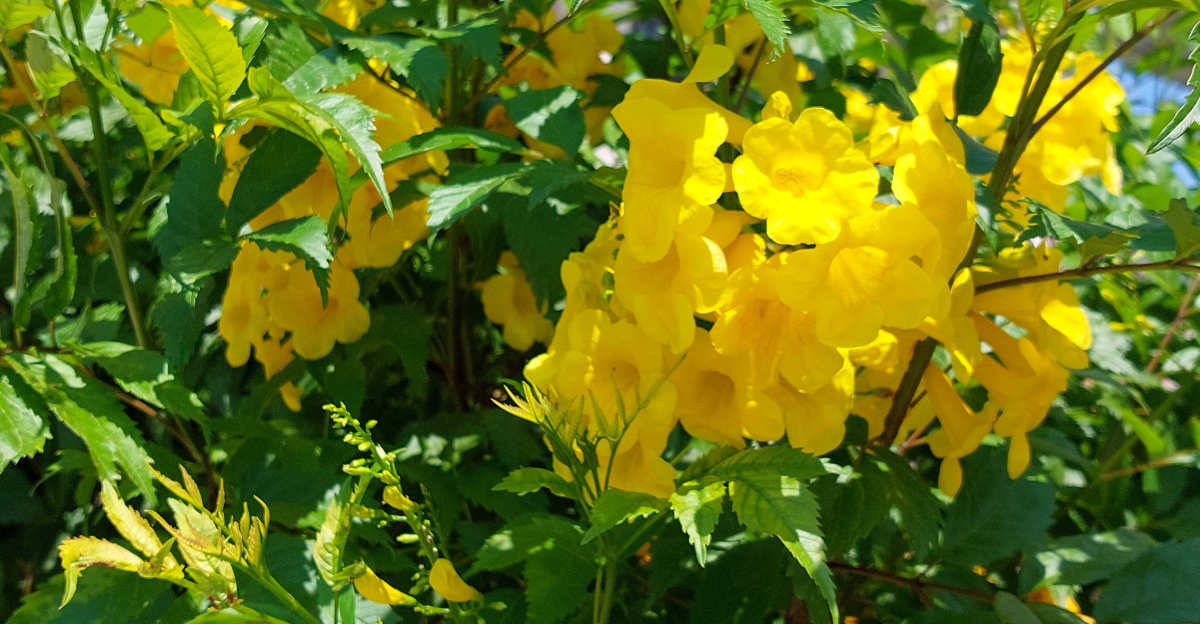
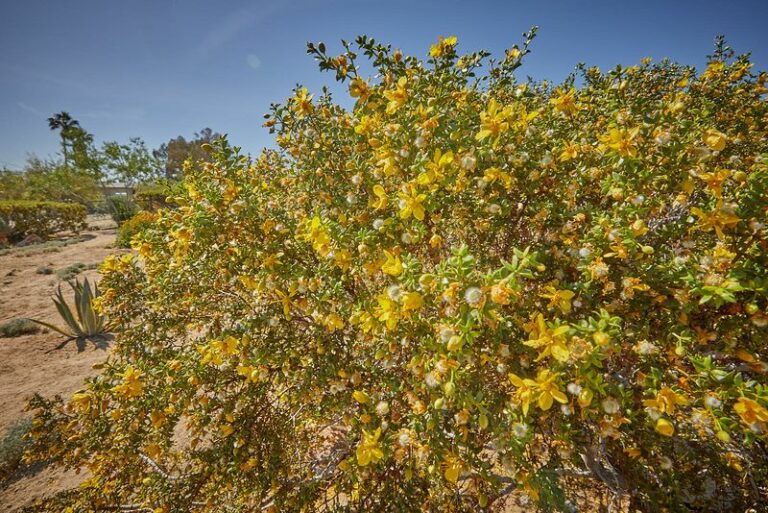
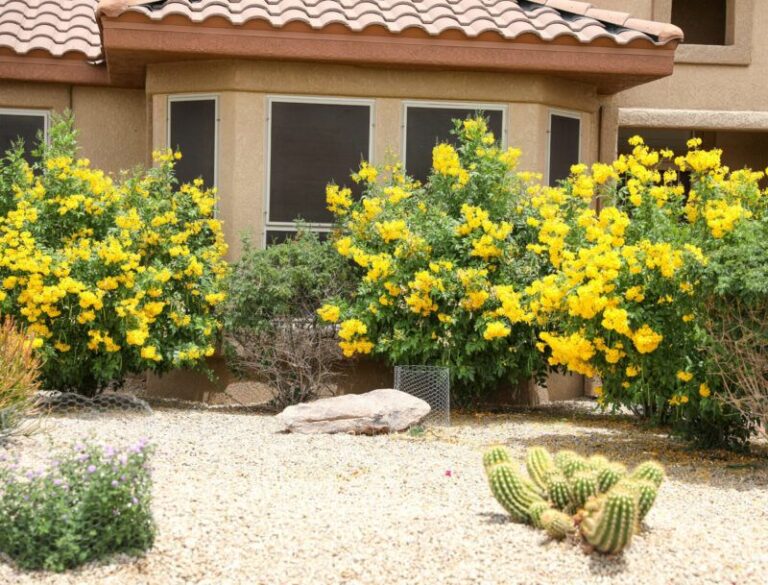
Esperanza usually earns its place in the yard by doing exactly what people hope it will do. It grows through intense heat, keeps producing bright yellow flowers, and brings reliable color when many other plants begin struggling.
That is why August can feel so frustrating when those blooms suddenly start becoming less frequent.
One day the plant looks packed with flowers, then a few weeks later it seems like something has changed.
New blooms appear more slowly, the display is not as impressive, and it becomes easy to wonder whether the flowering season is coming to an end.
This is a common situation in Arizona, especially during the hottest stretch of summer. The surprising part is that esperanza often responds to a handful of conditions that are easy to overlook while focusing on everything else in the garden.
Before assuming the plant is finished blooming, it helps to take a closer look at what may be affecting it and why a few simple changes can make such a noticeable difference.
1. Too Much Summer Stress Slows Down Flower Production
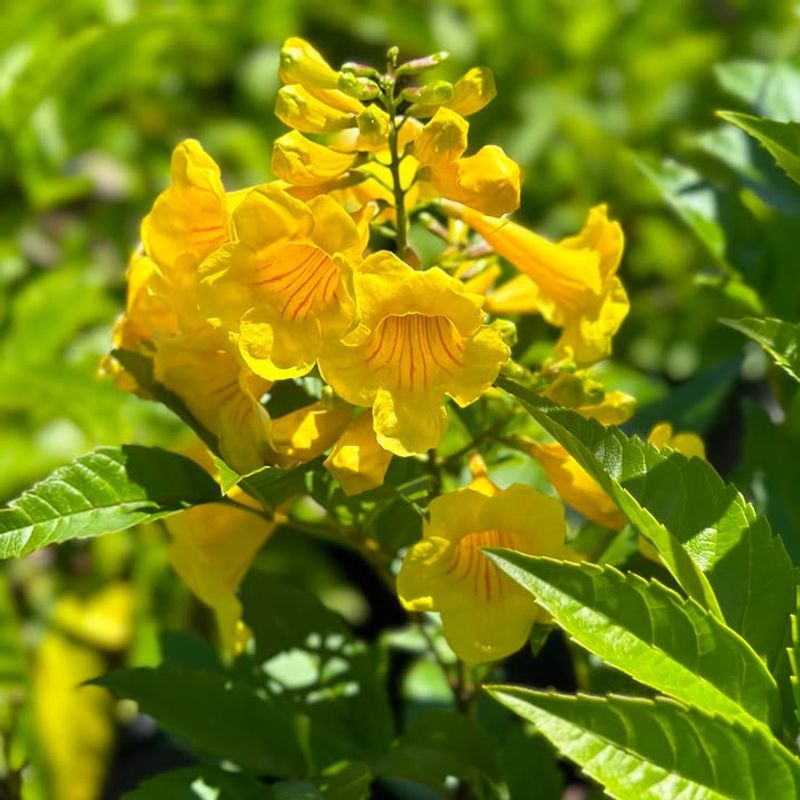
August heat hits differently in the desert Southwest. Temperatures regularly push past 110 degrees, and that kind of sustained heat puts Esperanza into a protective mode where flowering slows or stops completely.
Plants under extreme heat stress redirect energy away from blooming. Instead of producing flowers, the plant focuses on keeping its core systems running.
Roots work harder to pull moisture from dry soil, and leaves work overtime to manage temperature. Blooming simply gets pushed to the back burner.
Soil temperature matters just as much as air temperature. When ground temps spike, roots struggle to absorb nutrients efficiently.
Even a healthy, well-watered plant can look stressed when the soil is baking.
Shade cloth is one practical tool worth trying. A 30 to 40 percent shade cloth draped over the plant during the hottest afternoon hours can reduce leaf temperature noticeably.
You do not need to shade it all day, just during peak heat between noon and 4 PM.
Mulch also helps more than most people realize. A 3-inch layer of organic mulch around the base keeps soil cooler and holds moisture longer.
Bark chips, straw, or even gravel work well in dry climates.
2. Deep Watering Matters More Than Frequent Watering
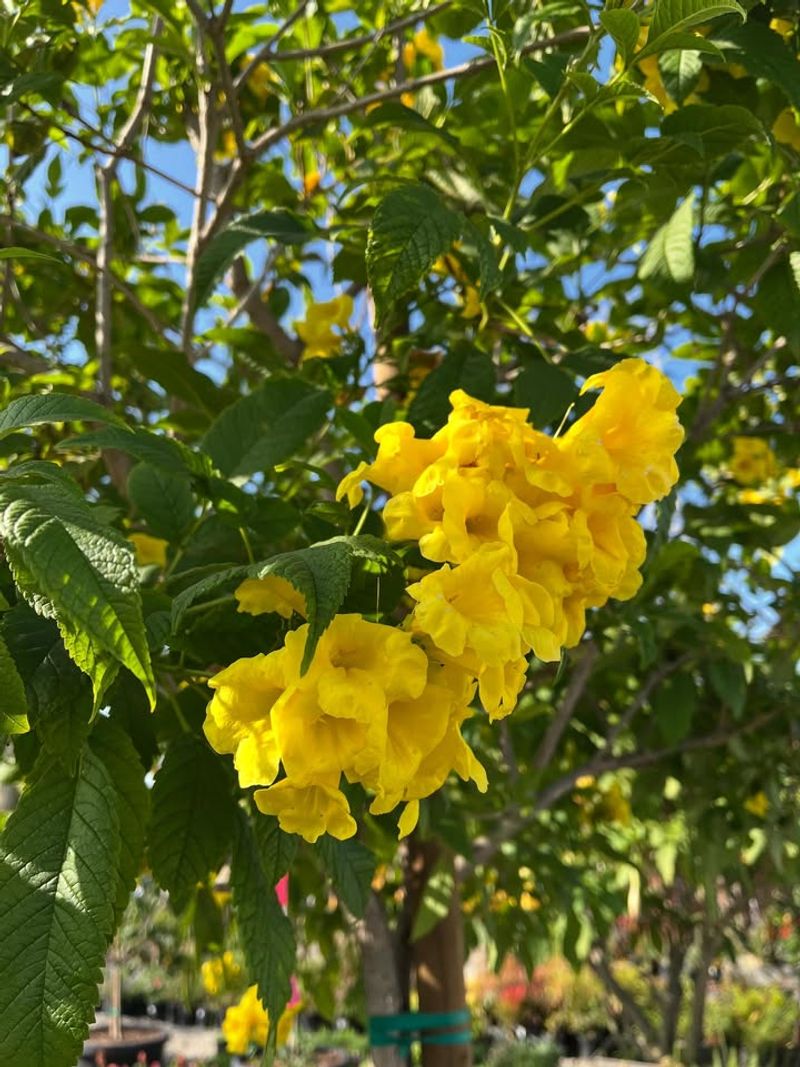
Shallow watering is one of the most common mistakes gardeners make with Esperanza in hot climates. Watering a little every day keeps moisture near the surface, which trains roots to stay shallow and weak.
Shallow roots cannot handle heat stress well. When the top inch of soil dries out fast, shallow-rooted plants suffer quickly.
Deep roots, on the other hand, can access cooler, moister soil further down and handle dry spells much better.
Deep watering means soaking the soil slowly until moisture reaches 12 to 18 inches below the surface. A slow drip for 30 to 45 minutes, two to three times per week, works better than a quick spray every morning.
The goal is to push water down, not spread it sideways.
A simple way to check your watering depth is to push a wooden dowel or long screwdriver into the soil after watering. If it slides in easily to about 12 inches, you have watered deeply enough.
Your Arizona Garden Changes Every Week. Your Plan Should Too.
Gardening in Arizona changes quickly throughout the season. Every Friday you’ll receive a simple weekly plan showing exactly what to plant, prune, fertilize, harvest, and protect so you never miss the right timing.
If it stops at 4 or 5 inches, you need to water longer.
3. Remove Spent Blooms Before Seed Pods Form
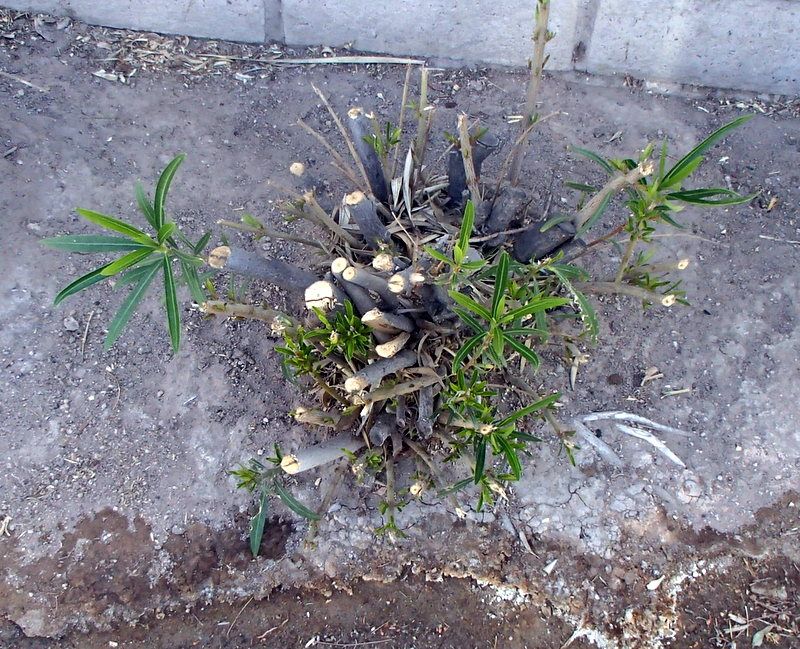
Seed pods are bloom stoppers. Once Esperanza puts energy into forming seeds, it pulls back from producing new flowers.
Removing spent blooms before pods develop keeps the plant focused on flowering instead.
Deadheading sounds complicated, but it is really just snipping off faded flowers before they go to seed. Use clean, sharp scissors or pruning shears.
Cut just below the spent flower cluster, right above a set of healthy leaves or a branching point.
In August, Esperanza can set seed pods quickly because the plant senses stress and shifts toward reproduction. Checking the plant every few days and removing faded blooms consistently is the best way to stay ahead of this cycle.
Seed pods on Esperanza are long, slender, and brownish-green when they first appear. They are easy to spot once you know what to look for.
Catching them early, before they mature, keeps the plant in active bloom mode longer.
Some gardeners skip deadheading because it seems like extra work. However, the payoff is noticeable.
Plants that get regular deadheading tend to produce more flower clusters over a longer season compared to those left alone.
4. Light Pruning Encourages Fresh Growth And New Flowers
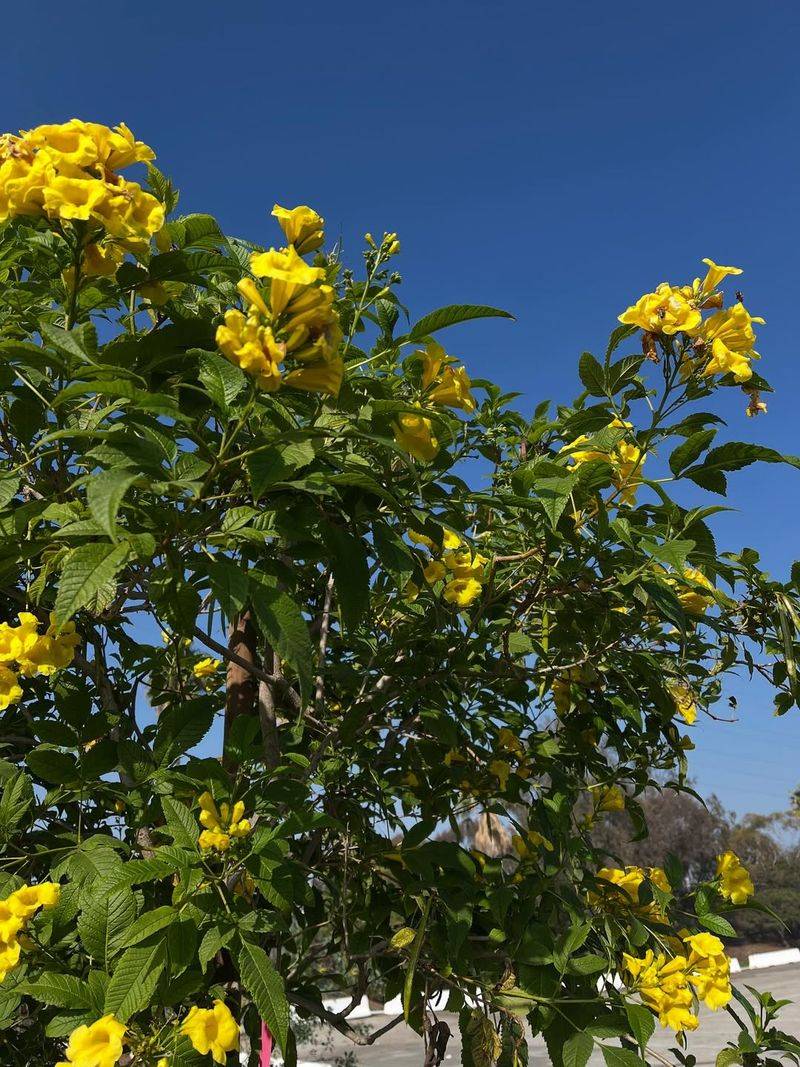
Old, woody stems do not produce many flowers. Esperanza blooms on new growth, so encouraging fresh stems is one of the most reliable ways to bring blooming back during a slow patch.
Light pruning in early August, before the worst heat peaks, can stimulate a flush of new growth. Cut back branch tips by about one-third.
Avoid cutting into thick, woody base stems. Focus on the softer, newer growth at the ends of branches.
Avoid heavy pruning in peak summer heat. Removing too much at once stresses the plant further and slows recovery.
Light, selective trimming works much better than an aggressive cutback during hot months.
After pruning, new growth typically appears within one to two weeks under normal conditions. Once those new stems are a few inches long, flower buds often follow.
The timing depends on temperature, watering, and overall plant health.
Sharp, clean pruning tools matter. Dull blades crush stems instead of cutting cleanly, which slows healing and opens the plant to issues.
Removing spent flower clusters while pruning can also help redirect energy into fresh growth and new blooms.
5. Too Much Fertilizer Can Reduce Blooming
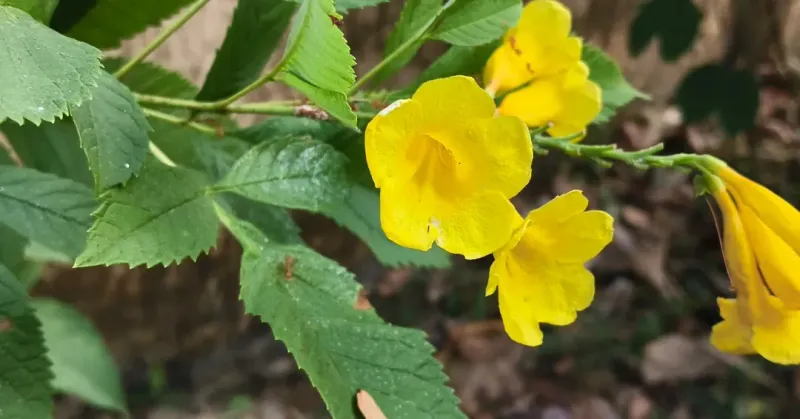
More fertilizer does not always mean more flowers. With Esperanza, overdoing nitrogen is one of the fastest ways to get a plant that looks lush and green but produces almost no blooms at all.
Nitrogen pushes leafy, vegetative growth. When a plant gets too much of it, energy goes into producing stems and leaves rather than flowers.
Esperanza is naturally a tough, lean-soil plant. It does not need heavy feeding to perform well.
Check what fertilizer you have been using. A product with a high first number in the NPK ratio, like 20-5-5, delivers a large dose of nitrogen.
Switching to a bloom-focused fertilizer with a higher middle or last number, such as 5-10-10, encourages flowering over foliage.
Fertilizer timing matters too. Feeding Esperanza heavily in midsummer can push new soft growth right when heat is at its peak.
Tender new growth is more vulnerable to heat damage and can set the plant back further.
A light application of a balanced, slow-release fertilizer in spring is usually enough to carry Esperanza through the growing season. In summer, less is often better.
Let the plant focus on what it does naturally rather than pushing it with extra nutrients.
6. Check For Damage From Pests And Heat
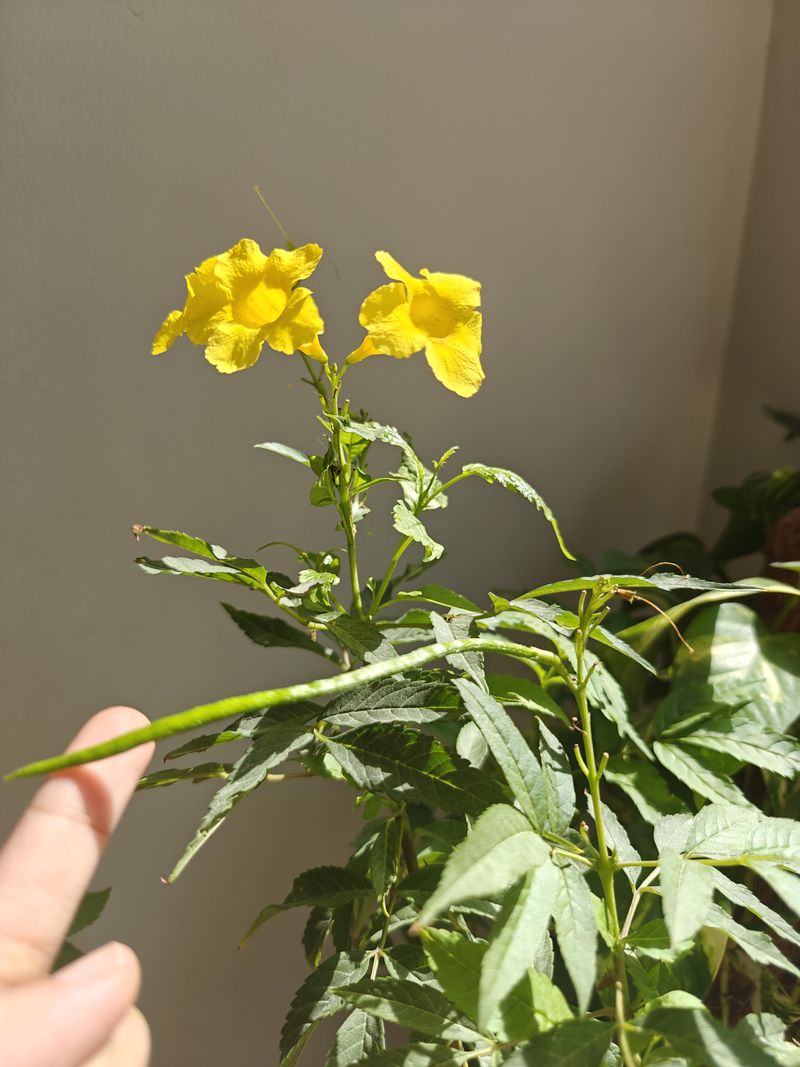
Pests rarely announce themselves. Spider mites, whiteflies, and aphids can quietly drain a plant’s energy before you notice anything is wrong.
When Esperanza stops blooming, a pest problem is worth ruling out early.
Spider mites love hot, dry conditions. They thrive in exactly the kind of weather Arizona sees in August.
Look for fine webbing on the undersides of leaves or a stippled, dusty appearance on leaf surfaces. Leaves may curl or look dull rather than glossy.
A strong spray of water from a garden hose can knock mite populations down quickly. Focus on the undersides of leaves where mites cluster.
Repeat every two to three days for a week or two to break their cycle.
Whiteflies and aphids are easier to spot. Whiteflies scatter in a small white cloud when you brush the plant.
Aphids cluster on new growth and tender stems. Both can be managed with insecticidal soap spray applied in the early morning before temperatures climb.
Heat damage looks different from pest damage. Scorched leaf edges that turn brown and crispy point to heat stress rather than insects.
7. Make Sure It Receives Full Sun Every Day
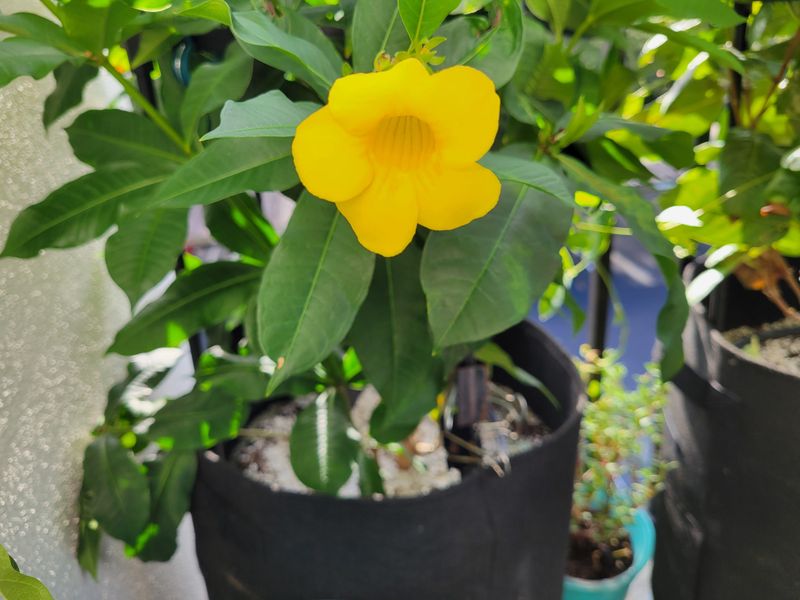
Too much shade is one of the biggest reasons Esperanza stops blooming. It is a full-sun plant, and even a few hours of blocked light each day can noticeably reduce flower production over time.
Esperanza needs at least six to eight hours of direct sunlight daily to bloom at its best. In desert climates, it often does even better with more.
If a nearby tree, wall, or structure has grown taller and now casts shade over the plant, that could be the main reason blooming has slowed.
Walk around your yard at different times of day to check how light moves across the plant. Morning light and afternoon light both count, but afternoon sun in summer is intense.
Some gardeners find their Esperanza gets morning light but is shaded out by 1 PM, which cuts the total sun hours short.
If the plant is in a container, moving it to a sunnier spot is straightforward. In-ground plants are trickier, but trimming back overhanging branches from nearby trees can open up more light without relocating the plant.
Sunlight directly powers flower production. Photosynthesis fuels the energy a plant needs to grow buds and open blooms.