8 Vegetables You Can Actually Still Plant In Maryland In June
You pull back the garden gate in June. The beds sit half-empty, the spring planting window apparently gone, and that sinking thought creeps in that you waited too long.
Familiar? Good, because that guilt is lying to you. The summer solstice is not a closing bell for vegetable gardens.
It is the starting gun for a completely different race. Maryland soil in June sits at temperatures that seeds genuinely hunger for, warm enough to crack a bean seed open in days rather than weeks.
What other season gives you ground already dialed in? Spring planting gets all the glory, but June in Maryland has the actual muscle.
The humid air wraps around every seedling like a private greenhouse nobody told you about. The crops that go in right now will not limp through summer. They will own it.
1. Snap Beans
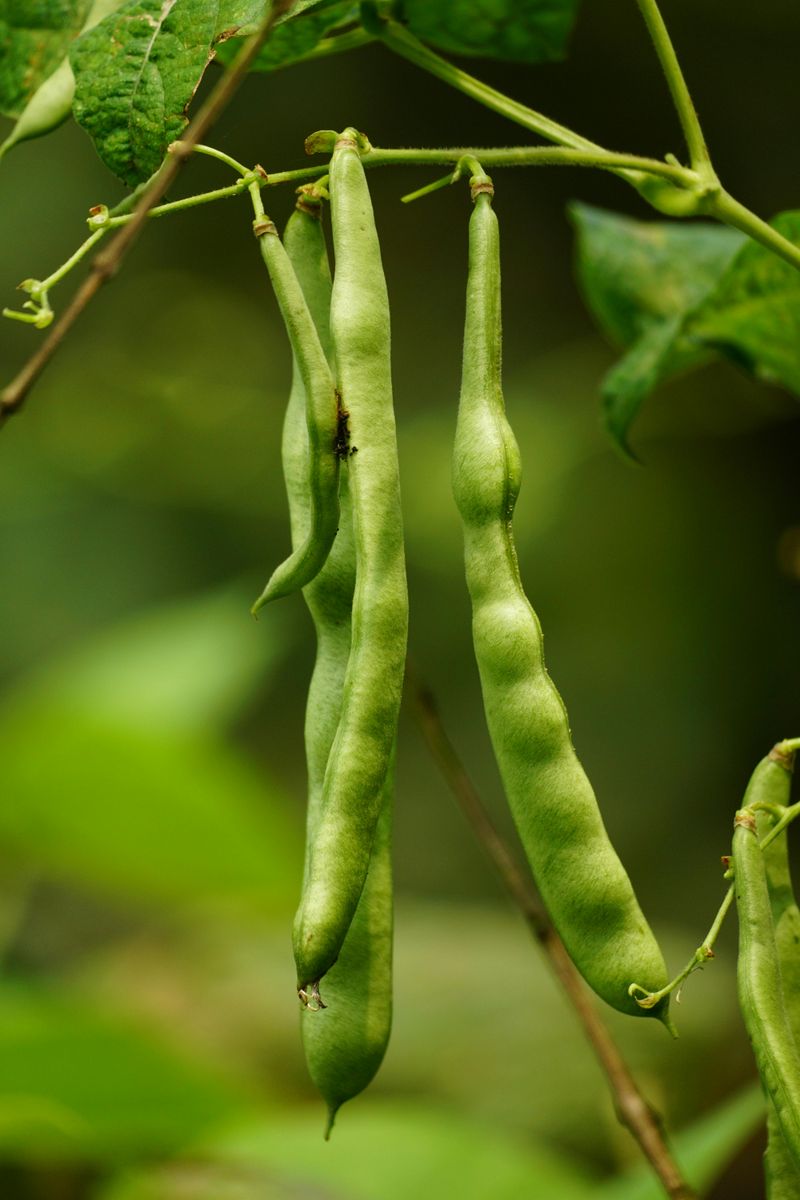
Snap beans are basically the sprinters of the vegetable world. They go from seed to harvest in as little as 50 days, which means a June planting in Maryland can still reward you with a full crop before the season wraps up.
Bush varieties like Blue Lake or Contender are especially reliable when the heat cranks up. You do not need a trellis, a lot of space, or any fancy equipment to grow them.
Soil prep matters more than most people think. Snap beans prefer loose, well-draining soil with a pH between 6.0 and 6.8.
If your garden bed feels compacted or heavy with clay, mix in some compost before you plant. That small step can noticeably improve your yield without any extra effort.
Plant seeds about one inch deep and two to four inches apart in rows. Water consistently but avoid soaking the leaves, since wet foliage invites disease.
Once your plants hit about four inches tall, a light layer of mulch around the base will help hold in moisture and keep weeds from taking over.
Harvesting snap beans at the right moment changes everything. Pick them when the pods are firm and about the size of a pencil in thickness. Leave them too long and they turn tough and stringy.
Check your plants every couple of days once they start producing, because these beans move fast and reward the attentive gardener with armloads of crisp, fresh pods all summer long.
2. Cucumbers
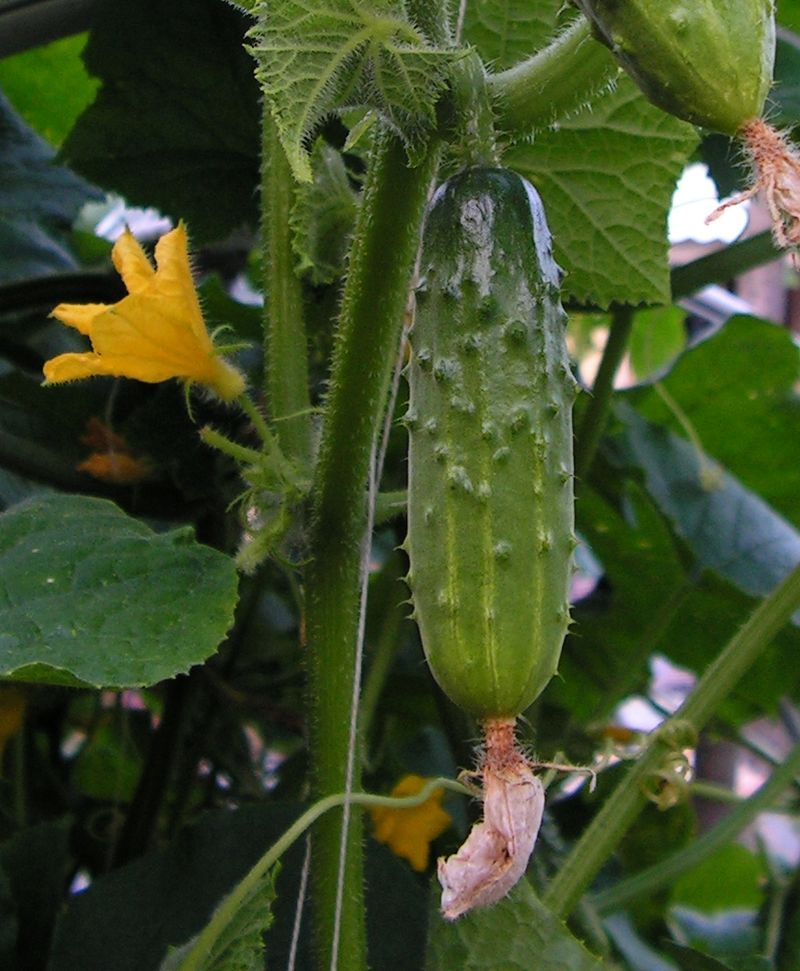
Few vegetables deliver quite like a cold, crunchy cucumber straight from the garden. In Maryland, June is a sweet spot for cucumbers.
The soil is warm, germination is fast, and the long summer ahead gives vines plenty of time to produce.
Bush Pickle and Straight Eight handle the Mid-Atlantic humidity without too much fuss. Either one can go from seed to table in about 55 to 65 days.
Cucumbers are thirsty plants. They need about one inch of water per week and will let you know when they are stressed by curling their leaves inward.
A drip line or soaker hose works better than overhead watering because it keeps the foliage dry and reduces the risk of powdery mildew.
Your Maryland Garden Changes Every Week. Your Plan Should Too.
Gardening in Maryland changes quickly throughout the season. Every Friday you’ll receive a simple weekly plan showing exactly what to plant, prune, fertilize, harvest, and protect so you never miss the right timing.
Give each plant plenty of room, spacing seeds or transplants about 12 inches apart. A simple trellis or fence panel encourages vertical growth, keeps fruit off the ground, and makes harvesting much easier.
Cucumbers grown off the ground also tend to have straighter shape and fewer blemishes. Harvest cucumbers before they turn yellow.
Once they go yellow, bitterness sets in and the seeds get tough. Slicing varieties are best picked at six to eight inches long.
Pickling types can be grabbed even smaller. Keep picking regularly and your vines will keep pumping out fruit right through August.
3. Zucchini / Summer Squash
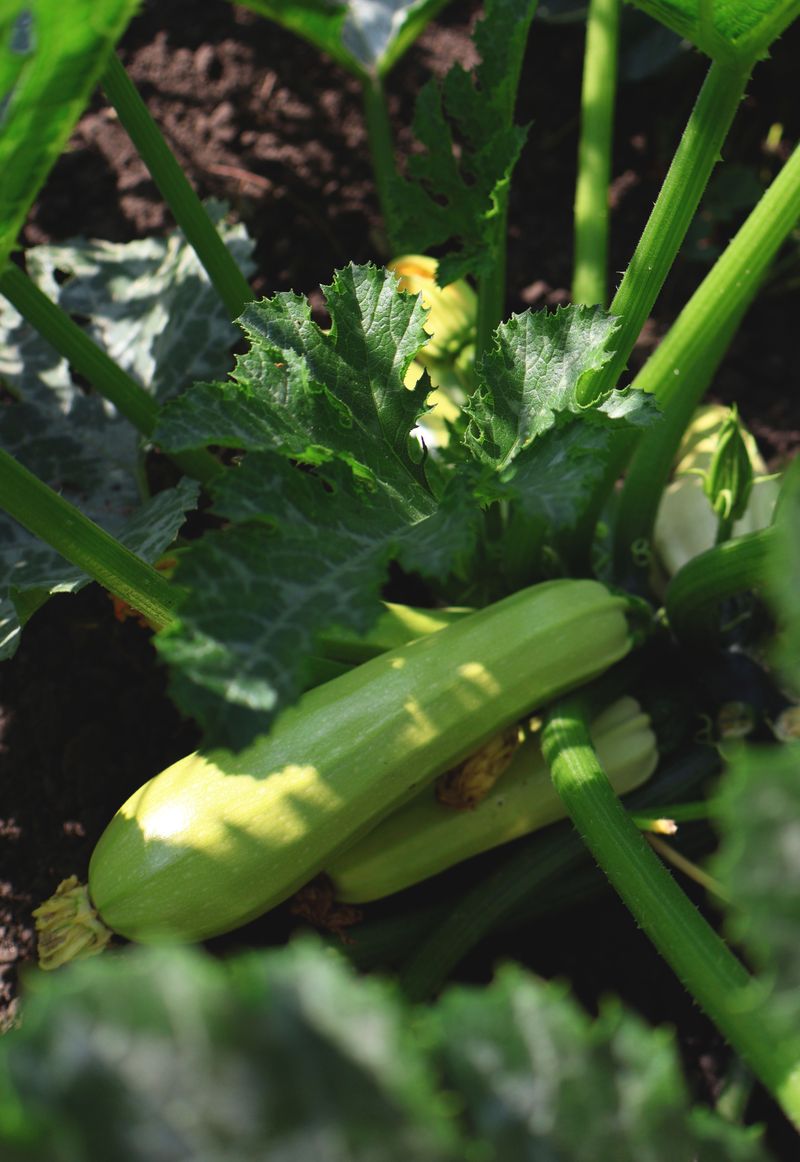
Zucchini has a reputation, and honestly, it has earned it. Plant a few seeds in June and you will be handing bags of squash to neighbors and coworkers by mid-July.
Maryland’s warm, humid summers are exactly what zucchini and summer squash love, and they grow with real enthusiasm once the heat kicks in.
Black Beauty zucchini and Early Prolific Straightneck squash are two reliable picks that thrive in this climate.
Start seeds directly in the ground about one inch deep, planting two or three seeds per hill. Once seedlings reach a few inches tall, thin them down to the strongest one or two per spot.
Give each plant at least two to three feet of room so air can circulate freely around the large leaves.
Squash vine borers are a real concern in Maryland, so keep an eye on the base of the stem throughout summer. Row cover can protect young plants during the first few weeks.
Once flowers appear, remove the cover so pollinators can do their work. Hand-pollinating with a small brush is also an option if you notice poor fruit set.
The golden rule of zucchini is to check your plants every single day once they start producing. Fruit can go from perfect to enormous overnight.
Harvest when squash is six to eight inches long for the best flavor and texture. Keeping up with the harvest actually encourages the plant to produce even more.
4. Okra
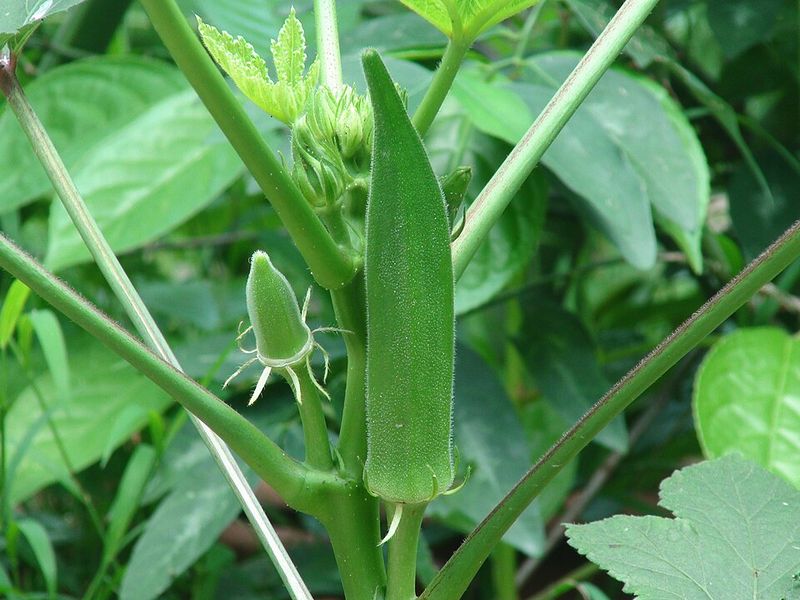
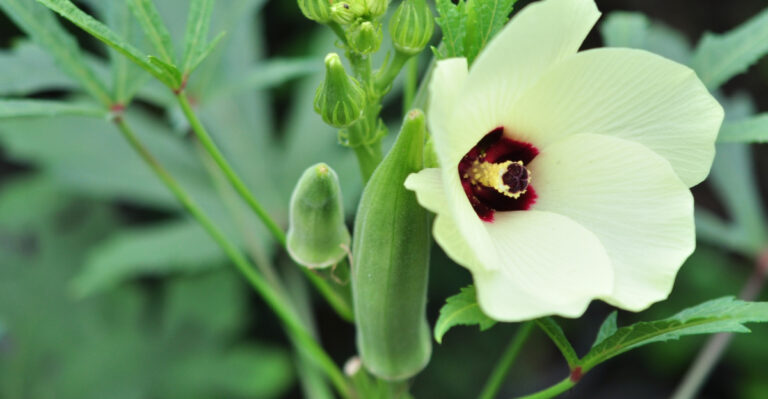
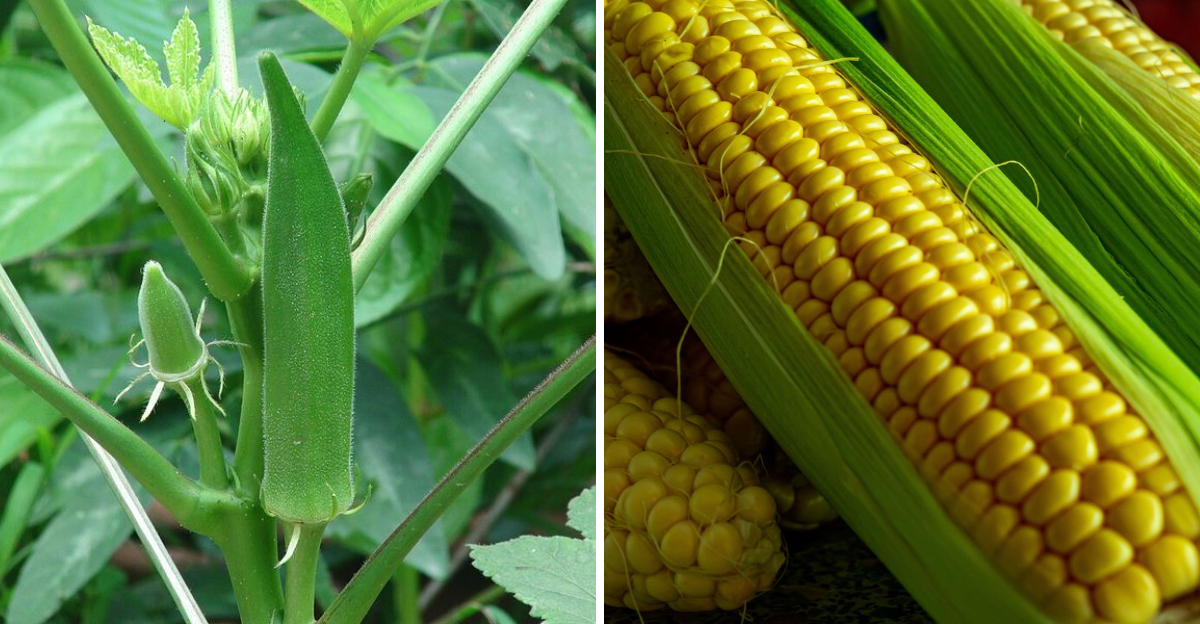
Okra was practically built for Maryland summers. This Southern staple thrives in hot, humid conditions that would stress out other vegetables, making it one of the smartest crops you can put in the ground during June.
Varieties like Clemson Spineless and Annie Oakley II are especially well-suited to the Mid-Atlantic region and can start producing pods in as few as 50 to 60 days after planting.
Soak okra seeds in water overnight before planting to soften the hard seed coat and speed up germination. Plant them about half an inch to one inch deep and space them 12 to 18 inches apart in rows.
Okra can grow tall, sometimes reaching five or six feet by late summer. Plant it on the north or east side of your garden to avoid shading shorter neighbors.
Minimal watering is needed once plants are established. A deep watering once or twice a week is usually enough, even during hot stretches.
Fertilize lightly with a balanced granular fertilizer when plants reach about a foot tall, then let them do their thing.
Harvesting at the right size is everything with okra. Pods should be picked when they are two to four inches long and still tender. Wait too long and they turn fibrous and tough.
Check plants every two days during peak production and you will have a steady supply of fresh okra to fry, roast, or toss into a summer stew.
5. Lima Beans
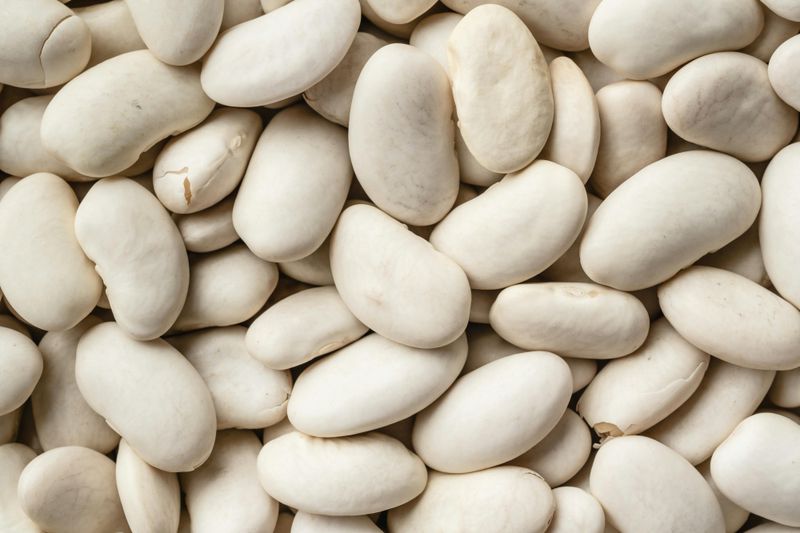
Lima beans are one of Maryland’s most underrated summer crops. While everyone else is focused on tomatoes and peppers, the quiet gardener who plants limas in June ends up with a freezer full of buttery, satisfying beans by August.
Fordhook 242 is a bush variety that handles heat well and matures in about 75 days. Baby limas tend to mature even faster if you want a quicker turnaround.
Lima beans need warm soil, at least 65 degrees Fahrenheit, to germinate properly. Cold soil causes seeds to rot before they even sprout, which is why waiting until June works in your favor.
Plant seeds about one inch deep and four to six inches apart. Resist the urge to overwater in the early weeks, since lima beans are more drought-tolerant than snap beans once established.
Unlike some crops, lima beans fix nitrogen in the soil, which means they actually improve your garden bed while they grow.
No heavy fertilizing is needed. Too much nitrogen can push leafy growth at the expense of pod production.
A light compost amendment at planting time is usually all they need to thrive through the summer.
Patience pays off with lima beans. Pods are ready when the seeds inside feel plump and firm through the pod wall.
Shell them fresh for the best flavor, or let them dry on the vine for storage. One June planting can yield enough beans to carry you well into the cooler months ahead.
6. Sweet Corn
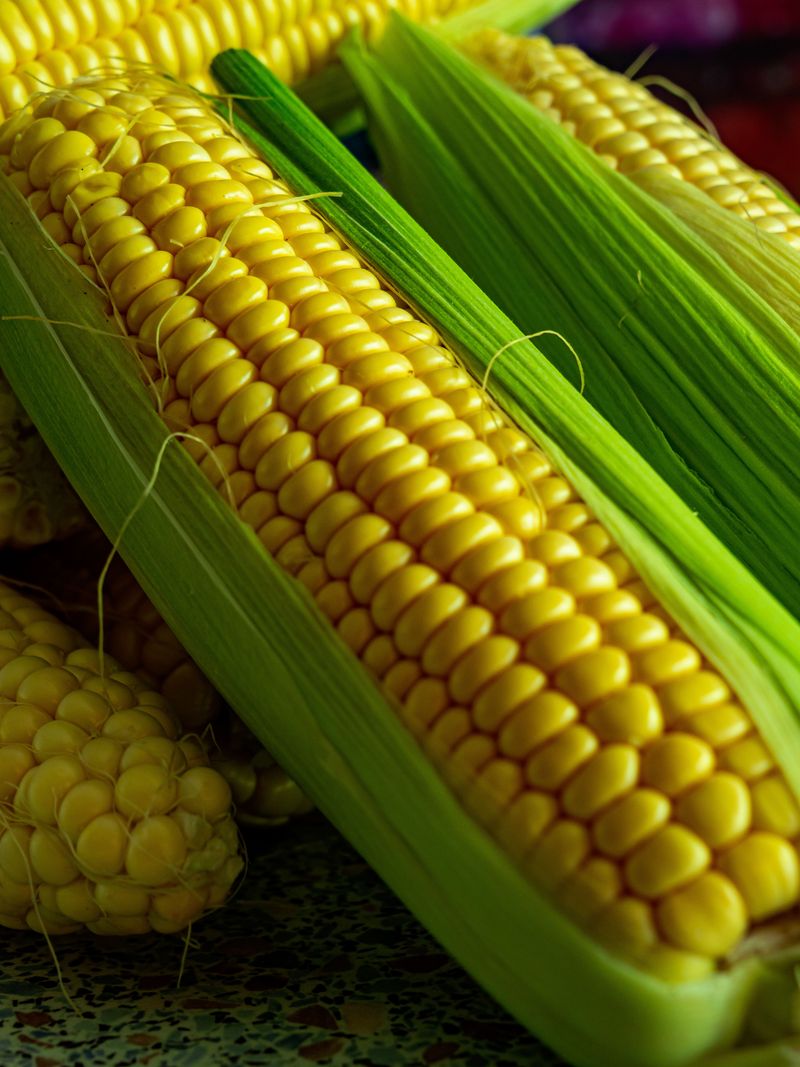
There is nothing quite like biting into an ear of corn you grew yourself. Sweet corn planted in June in Maryland can reach harvest by late August, right when late-summer cookouts are in full swing.
Silver Queen, a classic Mid-Atlantic favorite, takes about 92 days to mature, so timing your June planting carefully is key.
Shorter-season varieties like Bodacious or Ambrosia can shave two weeks off that timeline and still deliver incredible sweetness.
Corn is pollinated by wind, not insects, which means it needs to be planted in blocks rather than single rows.
A minimum of four rows side by side ensures good pollination and full ear development.
Skimping on block size leads to patchy, half-filled ears. Aim for at least a four-by-four planting grid if space allows.
Soil fertility matters a lot with corn. This crop is a heavy feeder and pulls significant nitrogen from the ground throughout the season. Work compost or a balanced fertilizer into the bed before planting.
Side-dress with a nitrogen-rich amendment when plants reach knee height and keep moisture consistent, especially during tasseling and silking.
Watch for the silk to turn brown and dry as a signal that ears are close to ready. Peel back a small section of husk to check: kernels should look plump and milky when punctured.
Corn sugar converts to starch quickly after picking. Getting it from stalk to pot within hours makes a flavor difference that grocery store corn rarely comes close to matching.
7. Southern Peas (Black-eyed Peas)
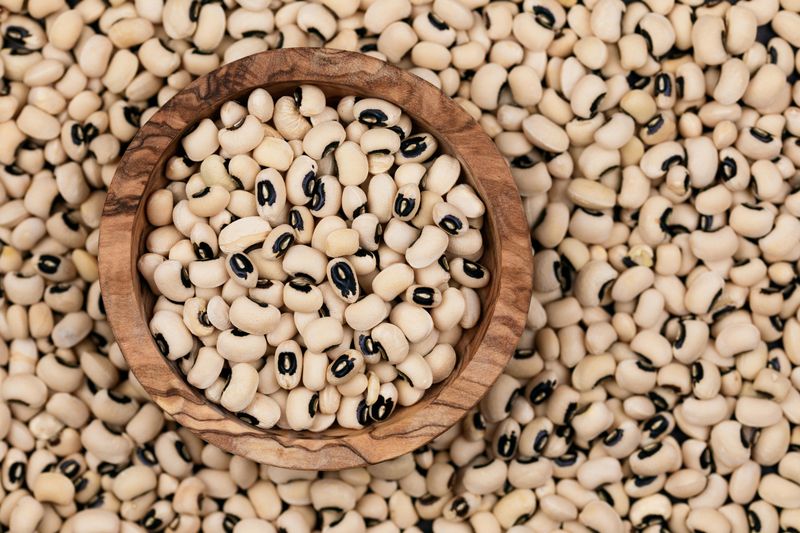
Black-eyed peas do not get nearly enough credit in northern gardens. The Deep South claimed them first, but these heat-loving legumes grow beautifully in Maryland when planted in June.
Varieties like Pinkeye Purple Hull, Mississippi Silver, and Queen Anne are all solid performers in the Mid-Atlantic climate.
They mature in 60 to 70 days, handle summer heat with ease, and produce an impressive harvest even in less-than-perfect soil.
One of the biggest advantages of southern peas is their ability to thrive where other crops struggle.
They tolerate drought, fix nitrogen in the soil, and grow in sandy or clay-heavy ground without much complaint.
If you have a tough corner of the yard that resists most vegetables, this might be exactly the crop to put there.
Amend with a little compost if you can, but do not stress if the soil is not perfect. Plant seeds about one inch deep and three to four inches apart once the soil hits at least 65 degrees.
They germinate quickly in warm conditions, often popping up within a week. Bush types stay compact and need no support.
Vining varieties benefit from a simple fence or stake system to keep pods off the ground and easy to spot at harvest time.
Pick pods when they are firm and fully filled out but still showing some green. Left too long on the vine, they dry out and shift from fresh eating to dry storage beans.
Both uses are perfectly fine. Fresh southern peas simmered with a little seasoning are one of summer’s most quietly satisfying meals.
8. Sweet Potatoes
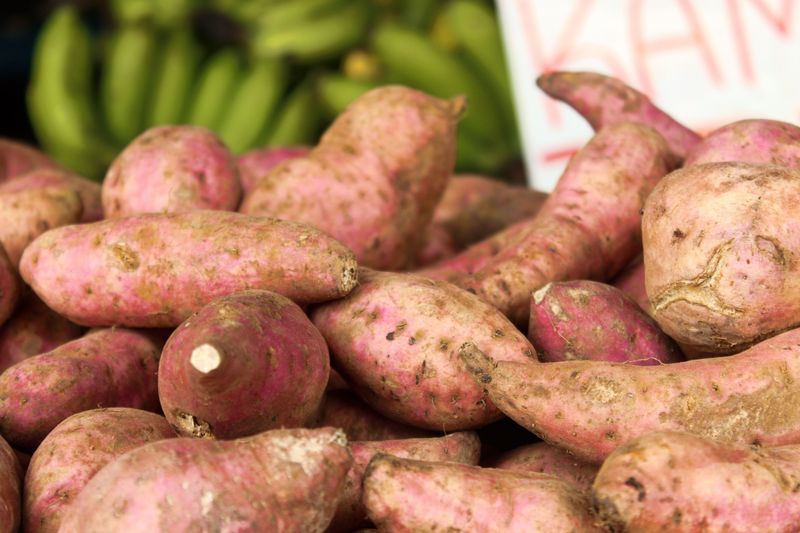
Sweet potatoes in June are a quiet power move. They grow from slips, not seeds.
Once those slips hit warm soil, they spread into a lush, ground-covering vine that suppresses weeds and looks beautiful all summer long.
Georgia Jet, Beauregard, and Covington are three varieties that perform consistently well in the Mid-Atlantic region.
Most sweet potatoes need about 90 to 110 days to mature. A June planting lines up almost perfectly with a late September or early October harvest before the first frost arrives.
Raised beds or mounded rows work best for sweet potatoes because these roots need loose, well-draining soil to expand without restriction.
Heavy, compacted ground forces roots to fork and twist, producing smaller and oddly shaped tubers.
Work the soil down at least 12 inches deep and mix in compost or aged manure before setting your slips.
Plant each slip about 12 to 18 inches apart with the rooted end buried and a few leaves above the surface.
Water consistently for the first two weeks while slips establish, then ease off.
Sweet potatoes are surprisingly drought-tolerant once they get going and prefer slightly drier conditions during the final weeks before harvest.
Avoid over-fertilizing with nitrogen, which pushes vine growth at the expense of the roots forming underground.
Harvest day for sweet potatoes feels like digging for treasure. Loosen the soil carefully with a garden fork and lift each plant gently to reveal the roots below.
Cure harvested tubers in a warm, humid spot for one to two weeks before storing. The flavor will deepen into something genuinely special.