Why Your Fig Tree Won’t Produce Figs, And What To Do About It
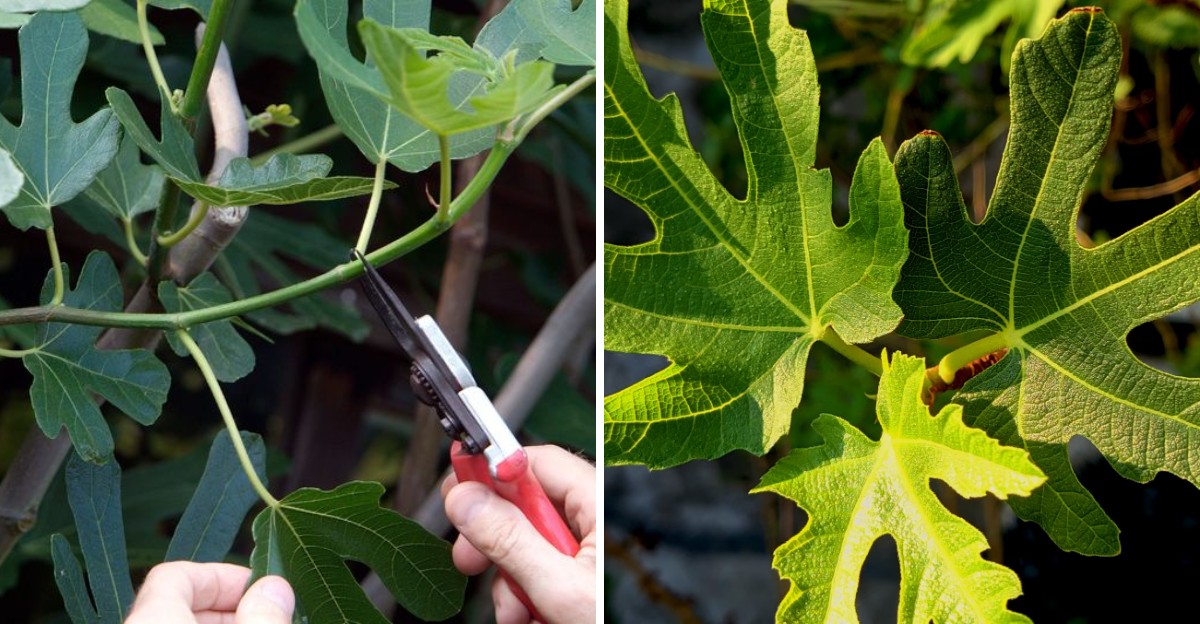
Your fig tree is hoarding sugar, and you are footing the bill. That coconut scent drifting off its leaves comes largely from coumarins, sweet aromatic compounds. Lush leaves signal vigor, yet vigor alone won’t put fruit on branches.
Nitrogen-heavy fertilizer tells a fig to build leaves instead of fruit. Shade sends the same message, especially from taller trees or your house.
Cutting too much of last season’s wood removes the early breba crop. Meanwhile, your neighbor probably ignores that tree and still hauls fruit away by the bag.
Lean soil, oddly, works in a fig’s favor with steady water. Root restriction signals urgency, and urgency pushes the tree to reproduce.
Comfort convinces it to lounge around as expensive ornamental shade. You can start flipping that mindset this winter. Here is how you turn that leafy freeloader into your neighbor’s envy.
The Tree Is Still Too Young
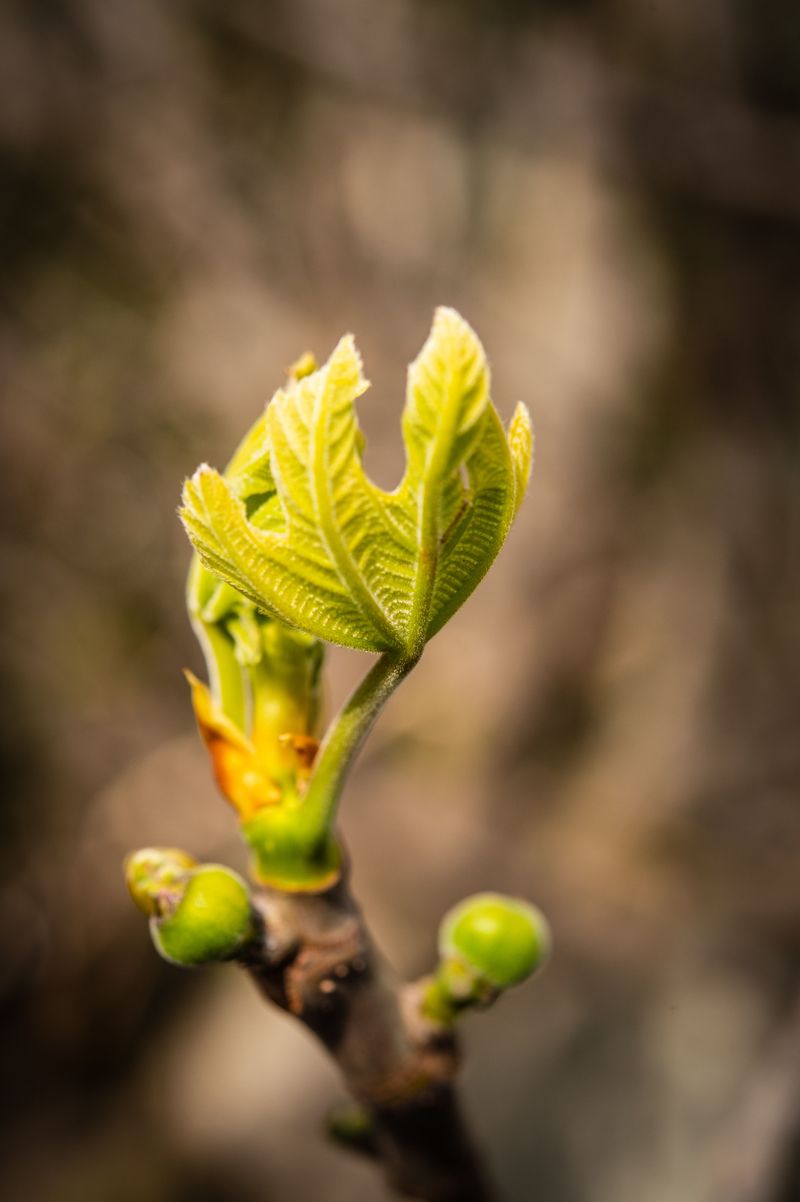
Patience might be the hardest ingredient in fig growing, and plenty of gardeners run out of it early. A young tree often spends its first few years building roots instead of fruit.
Think of it like a kid who needs to grow taller before learning to cook dinner. The tree puts its energy underground first, so it can support a heavy crop later.
Most fig trees grown from rooted cuttings start producing small crops in two to three years. Trees grown from seed can take five years or more, and they may not match the parent tree.
Some seedlings never produce edible fruit without pollination by the fig wasp. Nursery trees can also pause for a season after planting while they settle in. Moving to a new yard is stressful, even for a leafy plant that did not pack a suitcase.
So what can you do while the calendar pages keep flipping by so slowly? Keep the tree healthy with steady water, a thick ring of mulch, and plenty of bright sunshine.
Check the label or ask the nursery how old your tree was when you bought it. That simple detail tells you whether it is truly slow or just right on schedule.
Here is a fun bit of history to chew on during your long waiting period. Figs may be among the first plants people grew on purpose, with evidence dating back over 11,000 years.
Those ancient farmers learned to wait patiently, and their orchards turned out just fine in the end. Give your young tree a few more seasons, and it may surprise you with a basketful.
The Soil Has Too Much Nitrogen

Picture a tree that just finished an all-you-can-eat buffet piled high with green leafy fuel. It grows huge, lush, and gorgeous, yet somehow forgets to make even a single fig.
That buffet is usually nitrogen, the nutrient that powers fast leaf and stem growth. Lawn fertilizer is packed with it, and it often washes right down into nearby fig roots.
Fig trees are tough plants native to the dry, rocky hillsides of Southwest Asia and the eastern Mediterranean. They actually fruit better in soil that stays a little on the lean and hungry side.
When a tree gets too much rich food, it decides life is easy and relaxed. Why bother making fruit and seeds when there is endless energy for bigger, fancier leaves?
A few simple clues in your yard can tell you that excess nitrogen is the likely cause. Watch for giant dark green leaves, long stretchy branches, and very few tiny fruit buds.
Also look at what sits nearby, like a freshly fertilized lawn or a busy vegetable bed. Fig roots spread surprisingly wide, often reaching well past the edge of the branches above.
Even rich compost and manure can add up if you pile them on thickly every spring. Too much love from the feed bag can slowly turn your yard into a fruitless leafy jungle.
The good news is that this problem is easy to fix with a few changes. You will find the full feeding plan waiting for you a little further down this list.
The Branches Get Too Little Sun
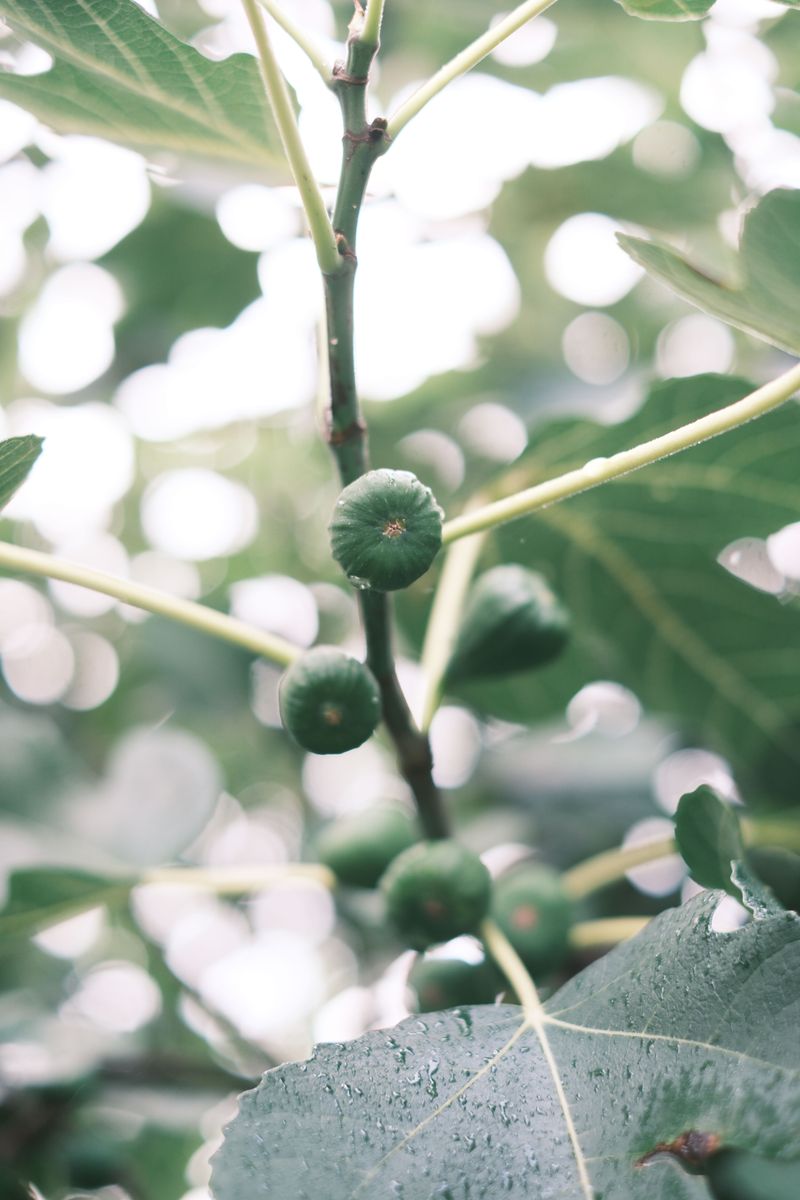
A fig tree is a sun worshipper that would happily live at the beach if it could. Plant one in a shady corner, and it will grow poorly and set little fruit.
Most fig trees need at least six to eight hours of direct sunlight each day. More is even better, especially in cooler places where summers feel short and a bit mild.
Sunlight is the fuel that powers the tiny sugar factories hidden inside every single leaf. Without enough of it, the tree cannot build or ripen the sweet fruit you crave.
Shade often sneaks up slowly, so many gardeners do not notice it happening. A neighbor’s maple grows taller, or a brand new fence suddenly blocks the warm afternoon light.
Sometimes the tree itself is to blame, which surprises a lot of people. A thick, crowded canopy shades its own inner branches, so fruit only forms along the sunny outer edges.
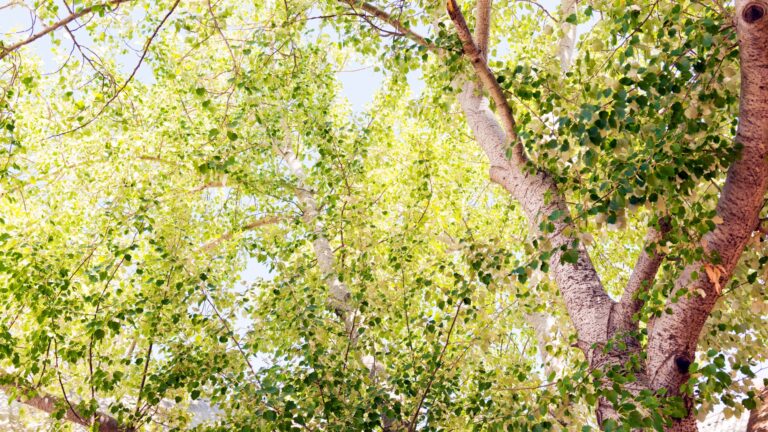
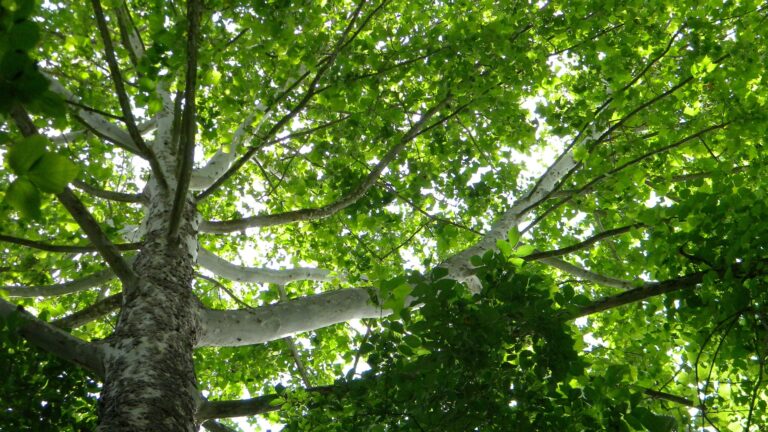
Try this quick test on a bright, cloudless day when the sun sits high around noon. Stand under the branches and look up, and notice how much blue sky peeks through.
Seeing barely any sky means the canopy has grown too dense for good, steady fruiting. A ground covered in deep shadow at midday tells the very same story about your tree.
Fun fact: in the Northern Hemisphere, fig trees grown against a south-facing brick wall often ripen fruit earlier.
The Pruning Was Too Heavy Or Badly Timed
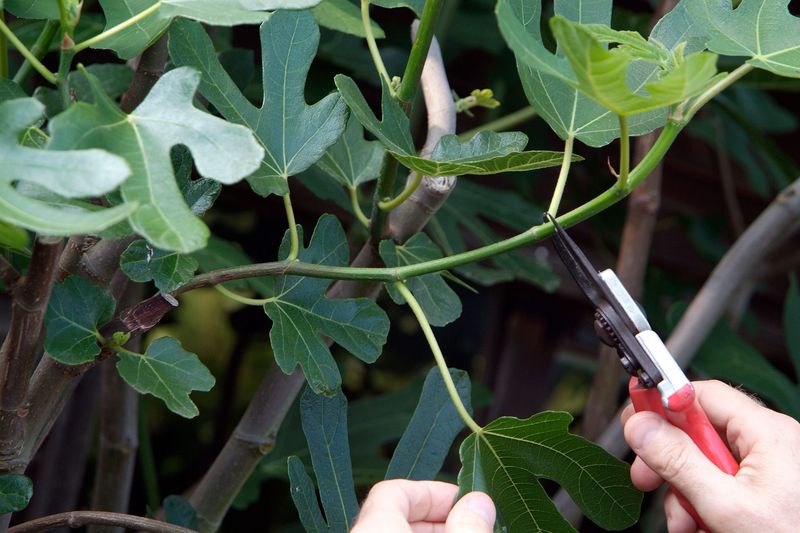
Picture a gardener who proudly trims her fig tree into a neat, tidy shape in early spring. By July, she has a lovely tree and not a single fig to show for it.
Her mistake is one of the most common reasons fig crops quietly fail to appear in backyards. Many varieties grow their first crop, called the breba crop, on wood left from last year.
Brebas show up in early summer on older branches that made it safely through winter. Cut too many of those branches, even in late winter, and you snip away the fruit before it forms.
The main crop grows on fresh new shoots that sprout during the current season. Heavy pruning can still cause trouble here, because the tree pours energy into regrowing lost wood.
A hard chop tells the tree to focus on rebuilding leaves and stems all over again. That shift sets your harvest back, sometimes by a full year or even longer.
Late summer and fall pruning can backfire too, so hold off on cutting at this time of year. Fresh cuts trigger tender new growth that early frost can easily damage within a few weeks.
Take a close look at your tree and think back over the past year. Did you shape it heavily in spring, or clip it hard during a warm autumn spell?
If either answer is yes, you have likely solved the mystery of your missing crop. Pruning timing is a simple habit to change, and the right schedule is coming up shortly.
Switch To A Low-Nitrogen Feed
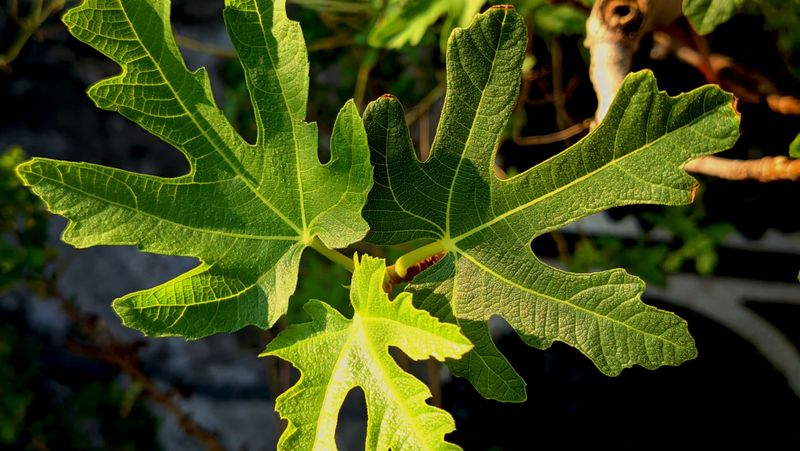
Three little numbers printed on fertilizer bags strongly influence your fig harvest. They stand for nitrogen, phosphorus, and potassium, and they appear in that exact order on labels.
For fruiting figs, look for a bag where the first number is lower than the last two. A 5-10-10 blend or a basic tomato fertilizer works well for most backyard trees, though a small dose of balanced 8-8-8 is also common advice.
Potassium plays a key role in building plenty of fruit with rich flavor. It helps the tree move sugars into its figs, making them sweeter and juicier.
Timing matters just as much as the product you pick off the garden center shelf. Feed lightly in early spring and again in early summer, then stop feeding by midsummer.
Once midsummer has passed, put the fertilizer bag away until next spring. Late feeding pushes soft, tender shoots that struggle to handle the first cold snap.
Next, create a friendly buffer zone around your tree to block sneaky extra nitrogen from the lawn. Keep grass fertilizer several feet away from the trunk and the wide root area.
A wide ring of wood chip mulch helps too, since it feeds soil slowly and gently. It also keeps the roots cool on hot days and holds on to precious moisture.
Give the tree some time after making the switch, since roots respond slowly to change. Within a season or two, you should notice fewer giant leaves and more little figs.
Clear Shade And Open The Canopy
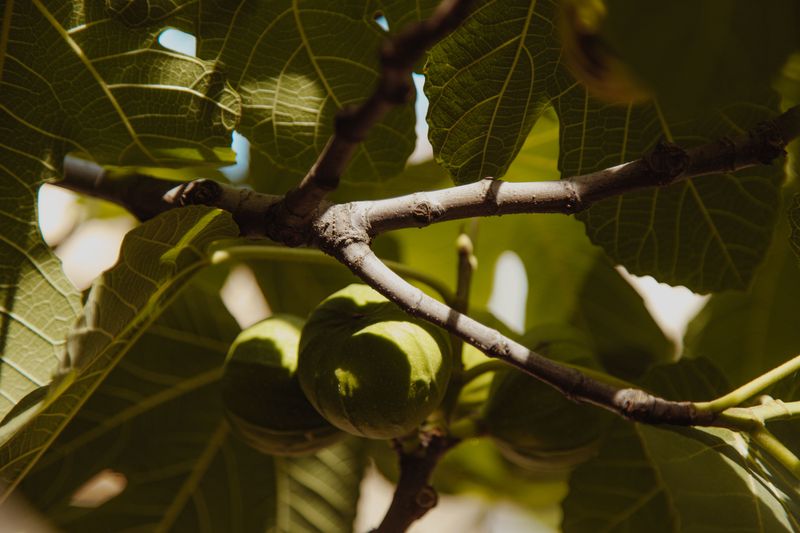
Every good makeover show starts with clearing out the clutter, and your fig tree deserves the same treatment. Letting in more light is one of the fastest ways to wake up a lazy tree.
Start by walking slowly around your yard in the morning and spotting what blocks the sun. Overgrown shrubs, low tree limbs, and tall weeds can all steal precious rays from your fig.
Trim back anything you control, and chat kindly with neighbors about branches hanging over the fence. A little friendly teamwork can win back several hours of warm sunshine for your tree each day.
Inside the tree itself, focus on thinning out branches rather than chopping big sections off. Remove crossed branches, skinny weak twigs, and any shoots growing straight into the crowded center.
In late summer or fall, tie bright ribbon on those branches instead of cutting them right away. You will make the actual cuts later in winter, when the tree is resting.
Aim for an open, vase-like shape that lets sunlight pour right into the middle branches. Old-time orchard growers like to say a small bird should fly easily through a healthy tree.
If your fig sits in deep shade with no easy fix, moving it might be the answer. Young trees and potted figs handle relocation best, especially during their winter rest.
Pots give you a sweet bonus, since you can roll them to the sunniest spot. A sturdy wheeled plant caddy makes that chore feel as easy as pushing a grocery cart.
Wrap The Tree Once The Leaves Drop
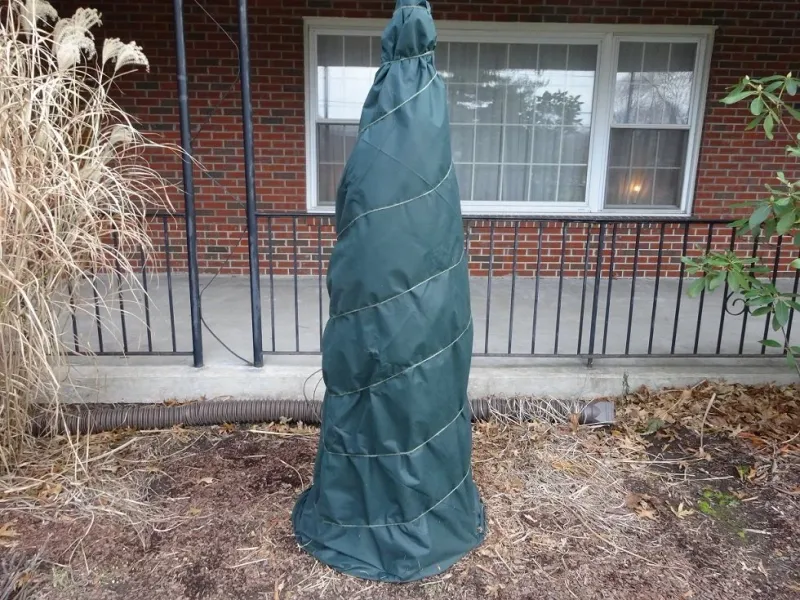
Crisp autumn mornings feel wonderful for people, but they send a warning signal to fig trees. Cold snaps are coming, and those tender branch tips are more fragile than they look.
Winter damage is a common reason fig harvests fail in chilly northern regions. When frost freezes last year’s wood, the early breba crop disappears before it even starts.
Most established, dormant fig trees can handle temperatures down to about 15 to 20°F (roughly −9 to −7°C), depending on the variety. Below that, branches can take serious damage, and roots may need extra help too.
Start planning now, but wait to wrap until the leaves drop after the first light frost. Wrapping too early traps warmth and moisture inside, which can invite fuzzy mold and rot.
To wrap, gently tie the branches together with soft garden twine into one tall, snug bundle. Surround them with burlap or frost cloth, then stuff dry leaves or straw inside.
Top it off with a waterproof cover to keep rain out of the insulation. Soggy stuffing quickly turns into an icy blanket, and nobody wants to sleep under one of those.
Potted figs have an even easier winter option that takes about five minutes. Move them into an unheated garage or shed that stays chilly but safely above 20°F (about −7°C).
Water them lightly about once a month so the soil stays barely moist through the chilly months. Come spring, your cozy tree will wake up with its fruit buds safe and ready.
Save Pruning For Late Winter
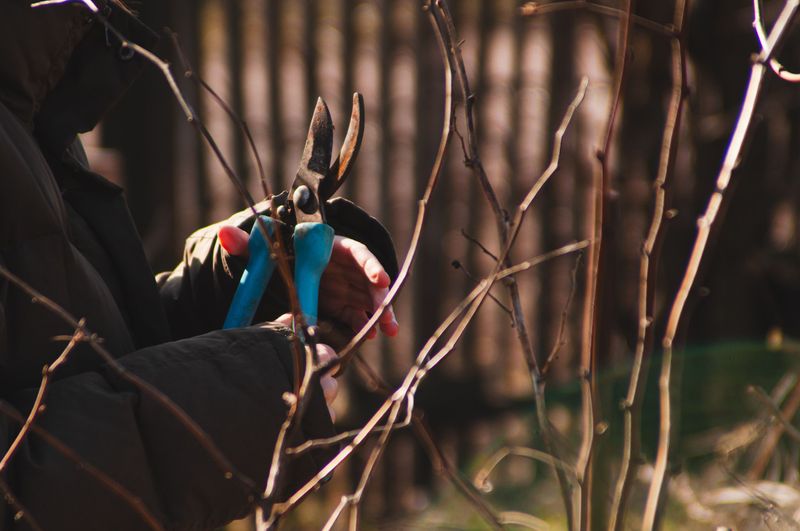
In the Northern Hemisphere, February might feel like the gloomiest month in the garden, yet it is prime time for fig pruning. The tree is sleeping, the branches are bare, and you can see every shape clearly.
Late winter, just before new buds swell, is the sweet spot for most growers. Cuts heal quickly once spring arrives, and the tree has not yet spent energy on growth.
So what should you actually cut once you are standing there with shears in hand? Start with any broken, frozen, or diseased wood, which usually looks dark, dry, or shriveled.
Next, thin out crowded or crossing branches, including any you marked with ribbon back in the fall. Try to remove no more than about one third of the tree in a single year.
Here is the golden rule for breba lovers: leave plenty of last year’s branches in place. Those older stems hold the tiny buds that become your early summer treats.
Clean, sharp tools make a surprisingly big difference in how fast those cuts heal over. Wipe your pruners with rubbing alcohol between trees, and cut just above a bud or side branch.
Wear gloves and long sleeves while you work, since fig sap can seriously irritate bare skin. That milky white liquid causes itchy rashes for many people, especially in bright sunlight.
Until then, enjoy the crisp fall weather and let your tree settle into its seasonal rest. Holding off on the shears now sets you up for a much fuller harvest next summer.