How To Protect Fig Trees In Winter So They Fruit Next Year
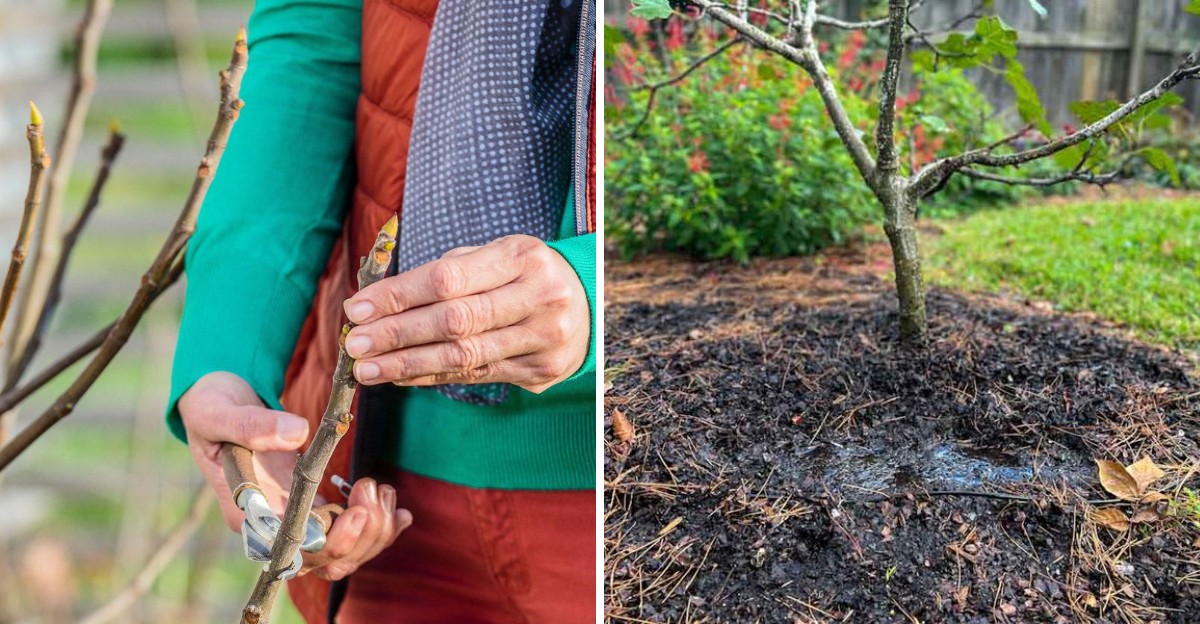
Italian families in a certain old neighborhood once tipped their backyard fruit trees sideways each fall and buried them under soil.
Neighbors walking past probably assumed something strange was happening, yet those buried trees woke up every spring ready to grow.
That old trick worked because the fruit forms on two schedules, with one early crop riding on last year’s wood. Lose that older wood to a hard freeze, and the early harvest quietly disappears before you ever see it.
I skipped winter prep one year and spent July staring at leafy branches with almost nothing sweet. You build your harvest in the cold months, long before a single green fruit swells on any branch.
Gardeners now use buckets, burlap, basements, and plenty of leaf mulch to keep these tender trees going. Pick the trick that fits your yard, and your tree will pay you back with its sweetest summer yet.
1. Plant Your Fig Tree Against A Sunny South Facing Wall
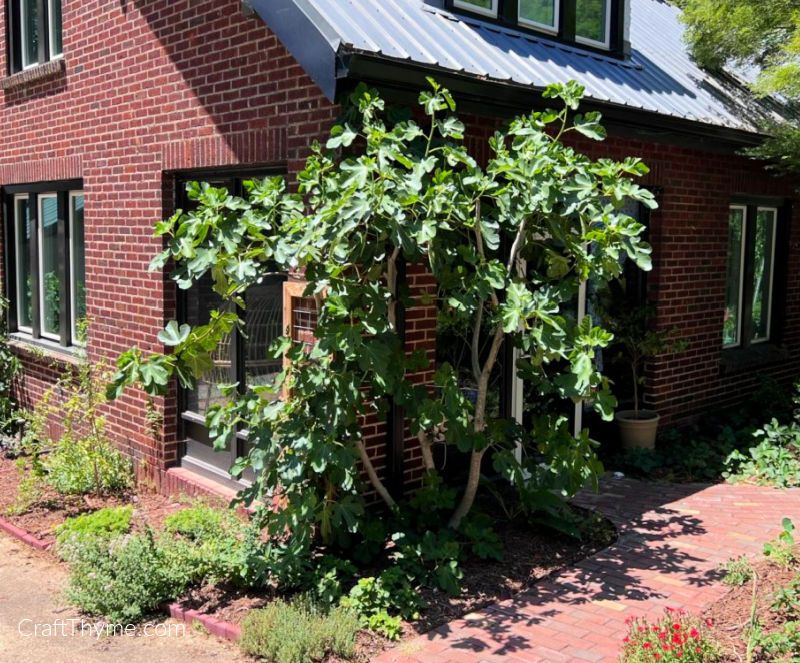
A brick wall facing south acts like a slow cooker, soaking up sunshine and releasing warmth after dark. I planted my first fig against one, and it outlasted every open-yard fig on my street that winter.
Penn State Extension notes that figs struggle in most of Pennsylvania unless they get a sheltered, warm spot. Southeastern areas near Philadelphia sit mostly in zones 7b and 8a, which gives figs a realistic chance.
Aim for at least six to eight hours of direct sun during the growing season for steady ripening. Figs love heat, so a brick or stone wall adds extra warmth that open lawns simply cannot offer.
Wind matters just as much as sunshine, because cold, drying winter gusts pull moisture out of exposed branches. Corners and courtyards shelter stems from those blasts, which means more healthy wood survives until spring.
Skip low spots where frosty air settles on calm nights, since cold air flows downhill like slow water. Soggy ground causes trouble too, because wet roots handle freezing temperatures far worse than roots in drained soil.
Variety choice pairs nicely with smart placement, and ‘Chicago Hardy’ or ‘Celeste’ are popular picks for colder regions. Even these tough types appreciate a cozy wall, especially when a January cold snap rolls through overnight.
A protected site saves you hours of wrapping later, and the tree spends spring energy on fruit instead. Honestly, choosing the right spot remains the cheapest winter insurance any fig grower can possibly buy.
2. Pile Thick Leaf Mulch Around The Fig Tree Base
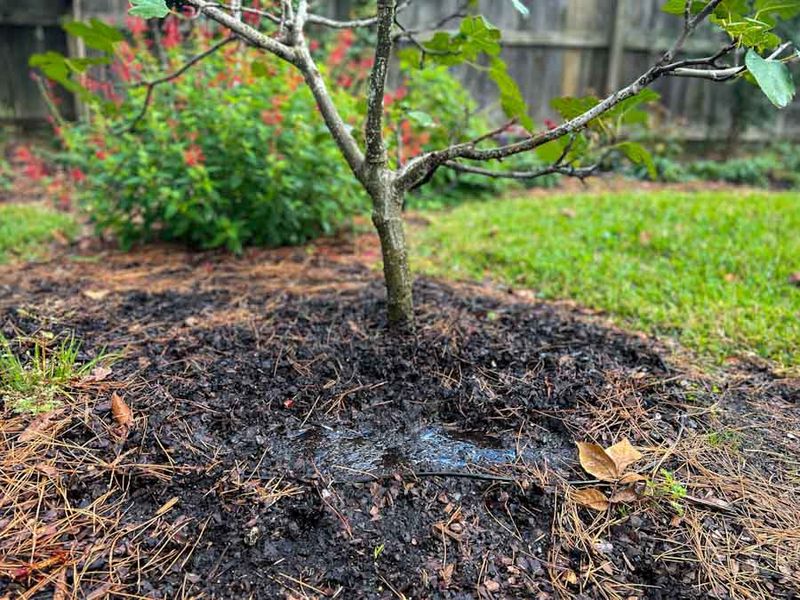
Fallen leaves cost nothing, yet they keep fig roots surprisingly cozy through a long and bitter winter. I rake mine into a giant pile beside the trunk, and my neighbors probably think I’m hoarding them.
Fig roots stay fairly shallow, so frozen soil reaches them faster than it reaches deeper-rooted trees like oaks. A thick blanket of mulch slows that freeze and keeps soil temperatures steadier through wild winter swings.
Wait until the tree drops its leaves after a few frosts, then spread shredded leaves, straw, or wood chips. Many growers in colder areas pile mulch six to twelve inches deep, covering the lower trunk as well.
Shredded leaves work better than whole ones, because whole leaves can mat down into a soggy, airless layer. A quick pass with the lawn mower chops them nicely and makes a lighter, fluffier insulating blanket.
Roots that survive can send up fresh shoots, even after the branches above take a harsh beating. Figs produce their main crop on new growth, so a protected root system still promises summer fruit.
In spring, pull most of the extra mulch back from the trunk once hard freezes have passed. Leave about two to four inches in place, which holds moisture and keeps weeds from crowding the roots.
Hungry mice sometimes nest in deep mulch, so check the trunk occasionally for gnawed bark during winter. A simple ring of hardware cloth around the base helps keep those little visitors from snacking on it.
3. Wrap Bundled Fig Branches In Burlap And Straw

A wrapped fig in a snowy yard looks like a giant burrito, and I still chuckle at mine. That goofy bundle protects something valuable, though, because next year’s early figs are hiding on those branches.
Start after leaf drop, once nights regularly dip into the twenties and the tree has settled into dormancy. Remove only broken or damaged branches first, then gently pull the remaining limbs together into an upright bundle.
Tie the bundle with jute twine, working slowly so flexible stems bend without cracking at the base. Next, wrap the bundle in burlap or frost cloth, which lets moisture escape while blocking harsh winter wind.
Many Pennsylvania growers add a cage of chicken wire around the wrapped tree and stuff it with dry leaves. Dry material matters here, since damp straw or leaves can encourage mold to settle against the bark.
A waterproof layer on top, like a tarp or an upside-down bucket, keeps rain from soaking the insulation. Avoid sealing plastic tightly against the wood, because trapped moisture and sunny days can create a steamy, unhealthy pocket.
Leave a little opening near the bottom for airflow, so the bundle can breathe on warmer winter afternoons. Check the wrap after storms, since heavy snow and gusty wind can loosen twine or shift the tarp.
In spring, unwrap gradually over a week or so, ideally on cloudy days, once hard freezes seem finished. Keep frost cloth handy, because April surprises happen, and tender new buds bruise easily in sudden cold.
4. Bend and Tuck Your Fig Tree Into a Garden Trench
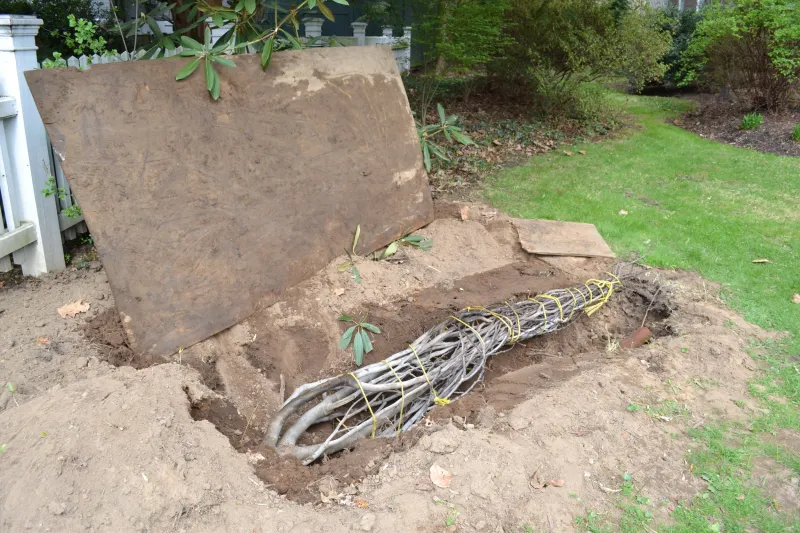
Burying a living tree sounds like a backyard prank, yet generations of fig lovers swear by the method. Soil insulates beautifully, and a fig tucked underground escapes the harsh wind that scorches exposed branches all winter.
This method suits colder spots, especially places where winter lows regularly drop to 0°F or below. It takes real muscle, so recruit a helper and choose a mild late-fall afternoon after leaves have dropped.
First, tie the branches together into a tight, slender bundle, trimming only what you must to make the tree manageable. Then dig a trench beside the tree, long and deep enough to hold the bundle when it lies flat.
On the side opposite the trench, loosen soil and slice some roots so the trunk can tip over. Keep the large anchor roots on the trench side intact, since they help the tree recover next spring.
Gently lower the tree into the trench, then cover it with a board or cardboard before adding soil. That barrier helps keep rodents from tunneling straight to the bark, which they find surprisingly tasty in winter.
Pile the removed soil back over everything, then add a thick layer of leaves or straw on top. I mark my trench with a stake, because snow makes it surprisingly easy to forget where the tree went.
Unbury the fig in spring after the worst cold passes, lifting it upright slowly and firming soil around the roots. Protected older wood often keeps its buds, which means a breba crop may arrive weeks ahead of the main harvest.
5. Roll Potted Fig Trees Into A Cool Garage
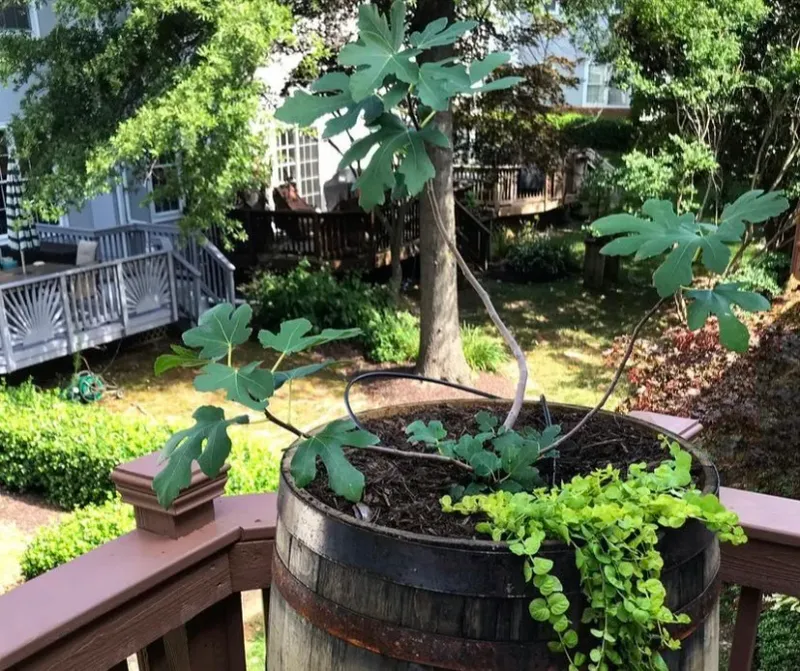
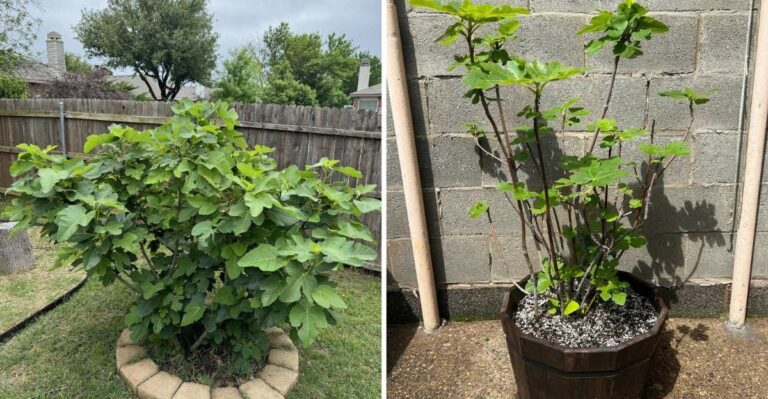
My potted fig spends winter beside the snow shovels, and somehow it looks perfectly content in that chilly corner. Containers make winter protection wonderfully simple, since you can move the whole tree to shelter instead of wrapping it.
Roots in pots face more danger than roots in the ground, because cold air reaches them from every side. An unheated garage or basement usually stays cold enough for rest but warm enough to shield roots.
Leave the pot outside until a frost or two drops the leaves and nudges the tree into dormancy. Pick off any lingering leaves and unripe figs, since they invite mold once the tree moves indoors.
Many growers aim for storage temperatures roughly in the 20s to mid-40s Fahrenheit, and darkness is perfectly fine. A heated living room causes problems, because warmth wakes the tree early and produces weak, pale shoots.
Water lightly about once a month, giving just enough to keep the soil from drying into dust. Soggy soil invites root rot, so let the top few inches dry before reaching for the watering can.
Skip fertilizer during storage, because feeding a sleeping tree encourages soft growth that it cannot support yet. A wheeled plant caddy saves your back, especially if your fig lives in a large pot full of soil.
In spring, bring the pot outside gradually, starting in shade and only on days above freezing. Bring it back inside if frost threatens, then move it into full sun once nights stay reliably mild.
6. Prune Fig Branches In Late Winter For Early Figs

Snipping a fig in the wrong month can quietly erase your earliest fruit before you even know it existed. I learned that lesson after an enthusiastic fall haircut left me with zero breba figs the next June.
Figs can bear two crops, and the early breba crop forms on wood that grew the previous summer. The main crop shows up later on new shoots, which explains why gentle pruning still allows plenty of fruit.
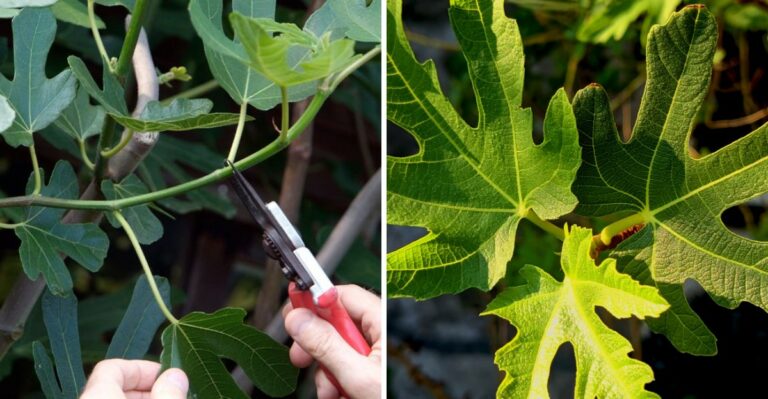
Hold off on major pruning until late winter or early spring, once the harshest cold has passed. By then you can see which branches survived, because damaged wood looks shriveled and stays brown when scratched.
Remove broken or diseased branches first, then thin crowded areas so sunlight can reach the center. An open shape also dries quickly after rain, which helps reduce fungal problems later in the season.
If you want brebas, leave some healthy one-year shoots alone rather than cutting every branch back hard. Look closely near the tips, and you may spot tiny fruit buds waiting patiently for warmer weather.
Fall pruning stirs up trouble, since fresh cuts and late growth leave the tree more exposed to winter injury. Fig sap can also irritate skin when sunlight hits it, so wear gloves and long sleeves while working.
In summer, some growers pinch shoot tips to encourage branching and earlier ripening on the main crop. Clean, sharp pruners make smooth cuts that heal faster, and wiping blades between trees reduces disease spread.
7. Water Fig Trees Deeply Before The Ground Freezes

Damp soil actually holds heat better than dry soil, which surprised me the first time I read about it. That simple fact makes a late-fall watering one of the easiest winter favors you can give a fig.
Drought-stressed roots handle cold poorly, and dry winter wind pulls moisture from branches even when leaves are gone. A deep soak before the ground freezes helps the tree enter winter hydrated instead of thirsty and stressed.
Water slowly at the base so moisture sinks down into the root zone instead of running off. A soaker hose or slow trickle from a regular hose works well, especially in heavy clay soils.
Timing matters, because constant watering in early fall encourages fresh growth that lacks time to harden. Ease off as days shorten, then give one generous drink after leaves drop and before soil freezes solid.
Pennsylvania winters often bring enough rain and snow for in-ground figs, so extra watering in deep winter is rarely needed. Dry stretches do happen, though, and a mild thawed afternoon offers a good chance to water.
Waterlogged soil creates the opposite problem, since roots sitting in cold puddles can rot or sustain freeze damage. If water pools around your fig after storms, consider improving drainage with compost or a slightly raised bed.
In spring, increase watering as buds swell and leaves unfold, but avoid flooding the tree too early. Steady moisture during summer then helps figs plump up, rather than splitting or dropping before they ripen.
8. Stop Feeding Fig Trees By Midsummer For Tougher Wood

Figs are notoriously happy with modest soil, and too much fertilizer turns them into leafy giants with few fruits. I once pampered a young tree with plant food and got gorgeous foliage but a sadly empty summer harvest.
Late feeding creates a second problem, because tender new shoots lack time to toughen before cold weather arrives. Soft growth freezes easily, so the tree loses wood that could have carried next year’s early crop.
Many extension guides suggest stopping fertilizer by around midsummer, letting the tree slow down naturally as days shorten. That pause allows stems to harden off, developing woody tissue that copes far better with freezing nights.
When feeding does happen, a light, balanced fertilizer in spring usually gives in-ground figs everything they need. Container figs need a bit more help, since frequent watering rinses nutrients out of the potting mix.
Watch the tree for clues, because shoots growing a foot or more each year suggest it needs nothing extra. Pale, stunted leaves on a mature tree may signal hunger, and a soil test removes the guesswork quickly.
Compost spread around the base in spring feeds soil life gently without pushing wild growth at the wrong time. It also improves drainage in heavy soil, which helps roots survive soggy late-winter thaws across much of Pennsylvania.
A fig that slows down on schedule heads into winter with firm wood and plump, healthy buds. That calm, well-prepared tree rewards patience with sweeter fruit, often sooner than an overfed neighbor across the fence.