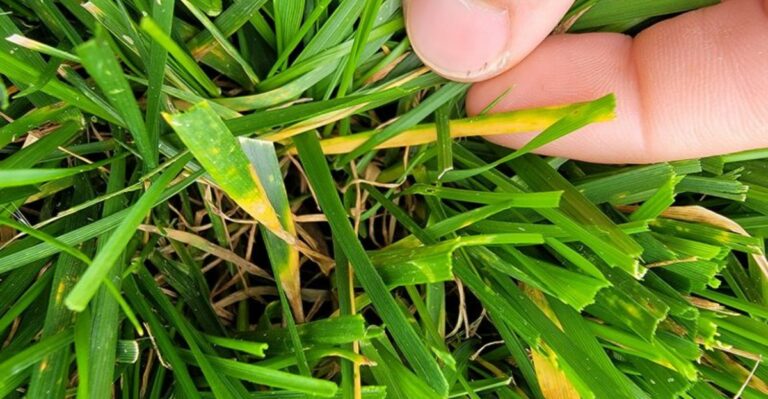
Why Your Florida Hibiscus Looks Tired After Summer (And What It Needs Now)
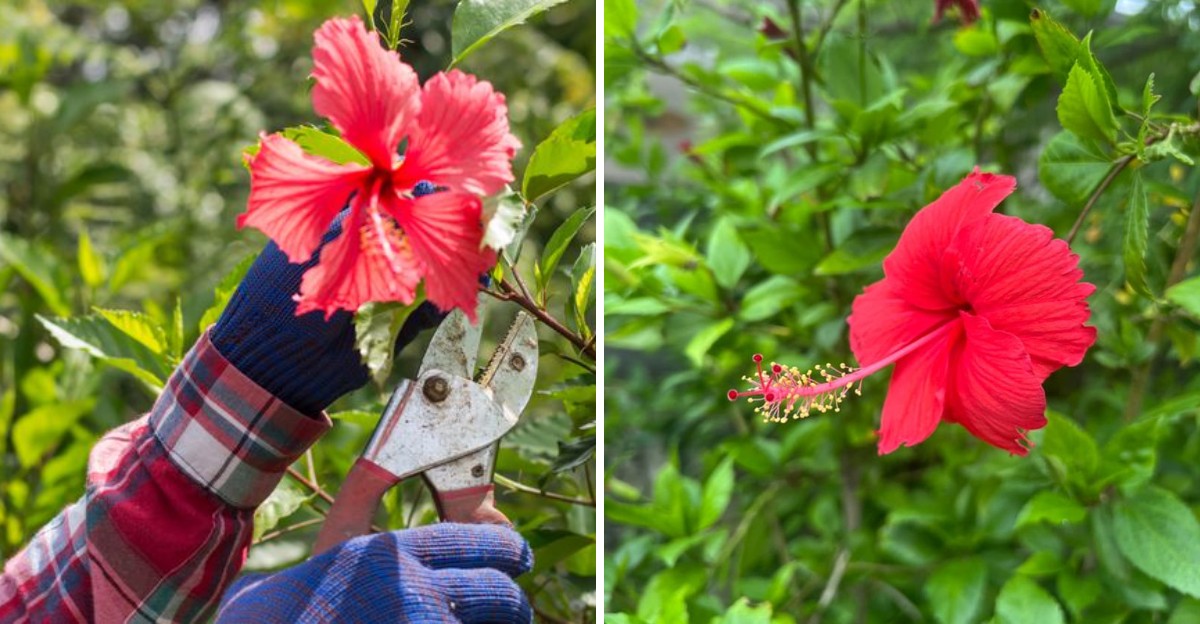
Back in April, that hibiscus by your front walk was covered in dinner-plate blooms and glossy green leaves, standing out as the best-looking plant on the whole street.
Now it is September, and the poor thing looks like it lost a fight it never should have entered in the first place.
Leaves are speckled and dull. Stems are bare at the bottom. Maybe two flowers open at a time instead of the twenty you got used to seeing back in spring.
Most homeowners assume something specific went badly wrong somewhere along the way, some single mistake worth tracking down and fixing.
Florida summers are brutal on hibiscus though, and the damage almost never comes from one single problem hiding somewhere in the soil.
The good news is that fall is actually this plant’s comeback season, and a few simple moves right now can bring back the color well before the holidays arrive.
1. Summer Heat And Pests Take A Toll
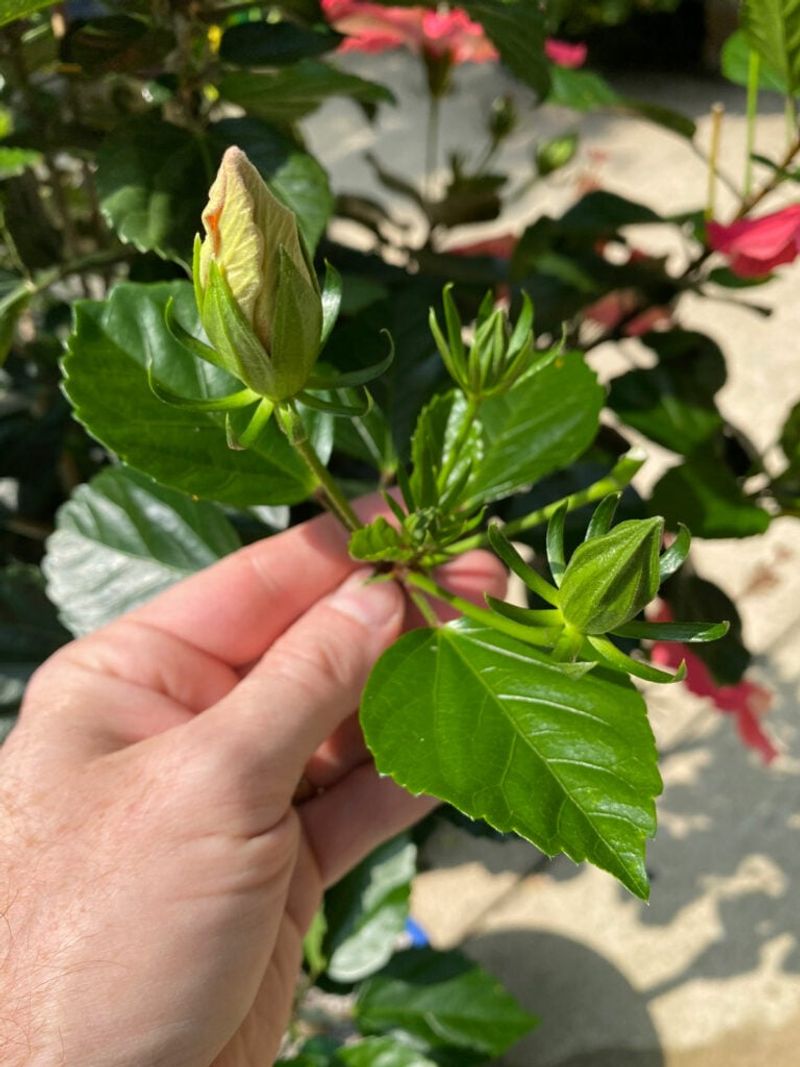
Picture that same shrub that carried dinner-plate blooms all through April, now standing in September with thin foliage, stubby stems, and maybe two tired flowers hanging on.
Florida summers hand hibiscus a long list of problems at once, and the damage stacks up quietly over months without anyone noticing until late August arrives.
Heat is the first culprit here. When afternoon temperatures sit in the mid-nineties for weeks, hibiscus slow their growth and drop buds before those buds ever get a chance to open.
Blooming also burns stored energy fast, so a shrub that flowered hard in spring has already spent much of its savings by the time summer really sets in.
Pests pile on next, making things worse. Spider mites, aphids, whiteflies, and mealybugs all build up during long stretches of hot weather, feeding on leaves and stealing sap from the plant.
UF/IFAS notes that Florida hibiscus face the heaviest mite pressure during hot, dry periods, which is exactly when the plant can least afford extra damage on top of everything else.
Then come the rains on top of the heat. Daily downpours push nitrogen and potassium straight through sandy soil, so even a well-fed shrub can finish the season genuinely hungry.
None of that means your hibiscus is finished for good though. Late-summer fatigue is usually a blend of heat stress, pest damage, and drained nutrients rather than one dramatic failure.
2. Spider Mites Thrive In Late Summer Dryness
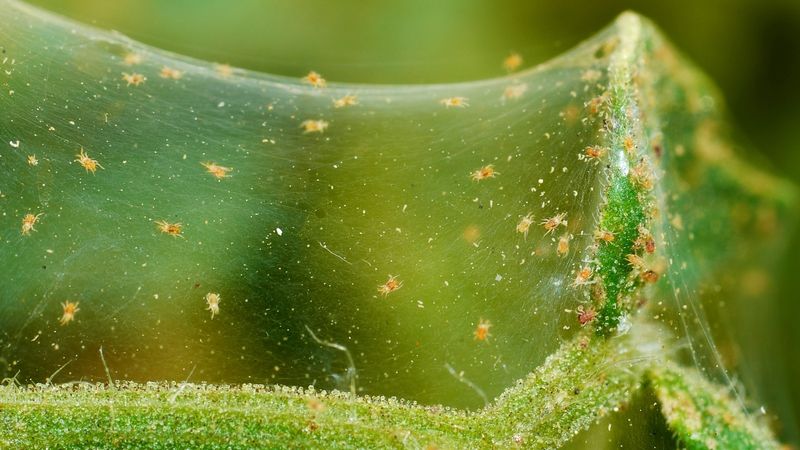
Hold a sheet of white paper under a dull, speckled leaf and give the branch a sharp tap with your finger. If tiny specks start crawling across the paper, you have found a big reason your hibiscus looks dusty and worn.
Spider mites are arachnids, not insects, and each one is barely the size of a grain of salt sitting on a leaf.
Warm weather speeds up their whole life cycle dramatically. In the heat Florida delivers from June through September, twospotted spider mites can go from egg to adult in roughly a week.
Your Florida Garden Changes Every Week. Your Plan Should Too.
Gardening in Florida changes quickly throughout the season. Every Friday you’ll receive a simple weekly plan showing exactly what to plant, prune, fertilize, harvest, and protect so you never miss the right timing.
A couple of females turn into hundreds within a month once conditions favor them, and dry stretches between storms help them further along the way.
Damage appears as fine yellow or silvery stippling across the upper leaf surface, followed by bronzing, early leaf drop, and sometimes faint webbing near stem tips.
Flip leaves over and check with a hand lens before assuming disease is the actual culprit behind the damage you are seeing.
Treatment starts with plain water, surprisingly enough. A firm spray aimed at leaf undersides every few days knocks populations down fast and costs nothing but a bit of time.
Insecticidal soap or horticultural oil works well too when applied during cooler morning hours and repeated according to the product label instructions.
Skip broad-spectrum insecticides here entirely. UF/IFAS warns that those products wipe out predatory mites and other helpful insects, which frequently leads to an even larger mite explosion a few weeks down the road.
3. A Light Prune Encourages Fresh Growth
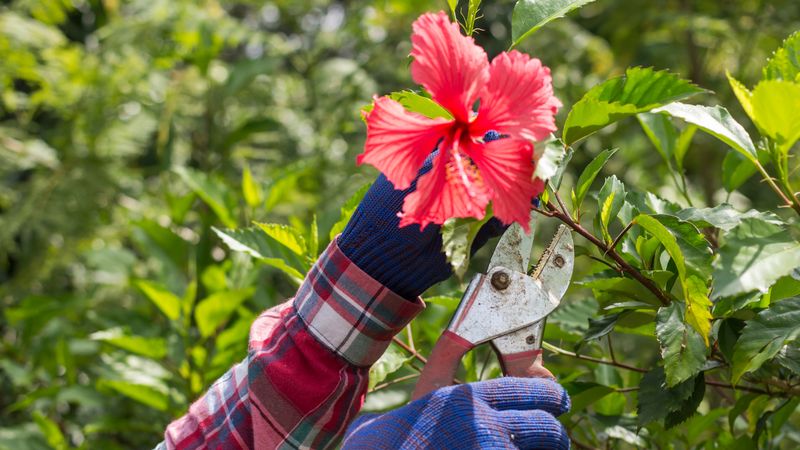
Reach for the pruners, but leave the heavy artillery back in the shed where it belongs. A tired hibiscus in September needs a haircut, not a buzz cut down to nothing.
Trimming four to six inches off leggy tips wakes up dormant buds along the stems and pushes the plant to branch out instead of stretching thin.
Hibiscus flower on new wood, which is the whole reason this trick actually works so well. Every fresh shoot you encourage now becomes a future flower stem down the line.
Make each cut just above an outward-facing bud so the new growth heads away from the center of the shrub rather than crowding inward.
While you are in there working, clip out anything dry, crossing, or crowding the middle of the plant. Better airflow through the canopy makes life harder for mites and mildew alike.
Timing depends on where you garden specifically. South Florida growers can prune lightly well into fall, while Central and North Florida gardeners should keep cuts modest so tender new growth is not sitting exposed when the first cold front rolls through.
Save serious renewal pruning, the kind that removes a third of the plant, for late winter or early spring after frost danger fully passes.
One habit worth keeping throughout this process. Wipe your blades with rubbing alcohol between plants, since hibiscus share pests and diseases easily from one shrub to the next.
4. Fresh Fertilizer Fuels A Fall Comeback
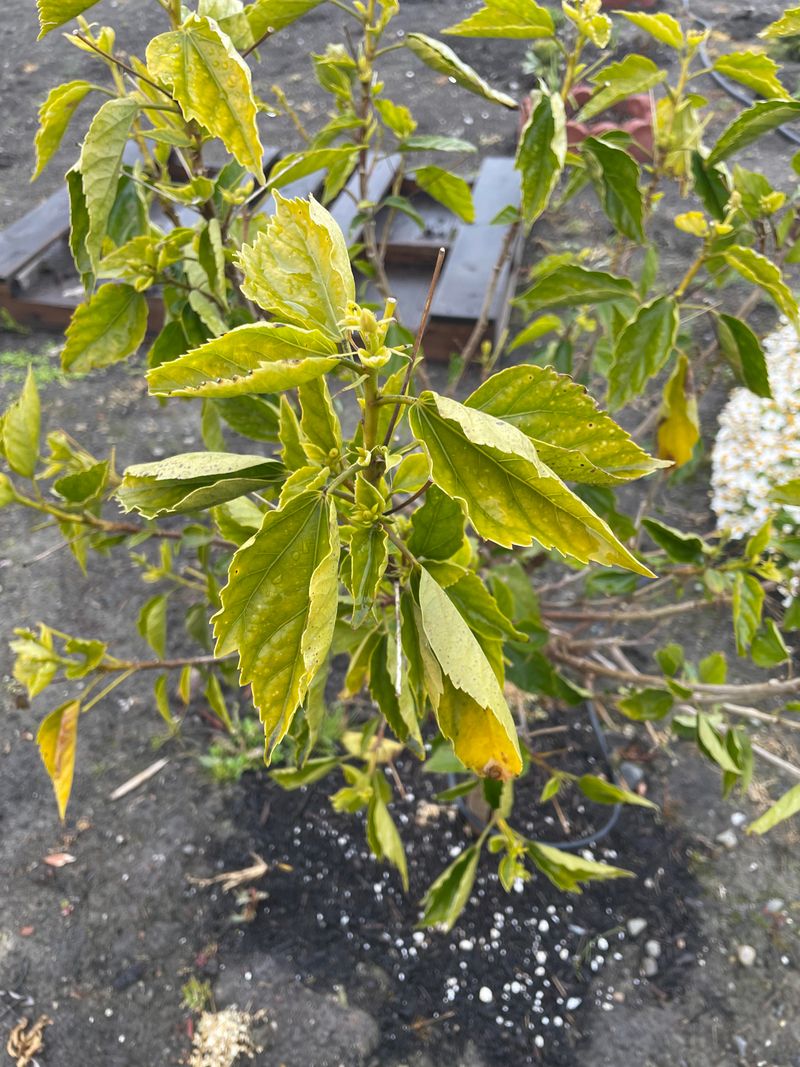
Think of it this way. A hibiscus that bloomed from March through August just ran a six-month marathon on sandy soil during a rainy season that washed nutrients past its roots the whole time.
No wonder it looks drained by September. Refueling is one of the quickest ways to change how the plant looks by October.
Hibiscus have specific tastes when it comes to feeding. UF/IFAS guidance points toward fertilizers with moderate nitrogen, low phosphorus, and high potassium, plus micronutrients such as magnesium, iron, and manganese.
Potassium supports flowering directly, while the micronutrients keep leaves dark green in Florida’s often alkaline soils throughout the state.
Go light and go often rather than dumping a big pile at once. A slow-release product applied in small amounts every six to eight weeks suits sandy ground far better than one heavy feeding that leaches away.
Water it in thoroughly afterward so salts do not burn shallow roots sitting near the surface of the soil.
Check your local rules before you spread anything at all. Many Florida counties and cities restrict nitrogen and phosphorus fertilizer during the summer rainy season, commonly from June through September.
Container hibiscus play by slightly different rules here too. Pots flush nutrients out with every watering, so a diluted liquid feed on a regular schedule usually works better than granules sitting on top.
5. Consistent Water Beats Occasional Soakings
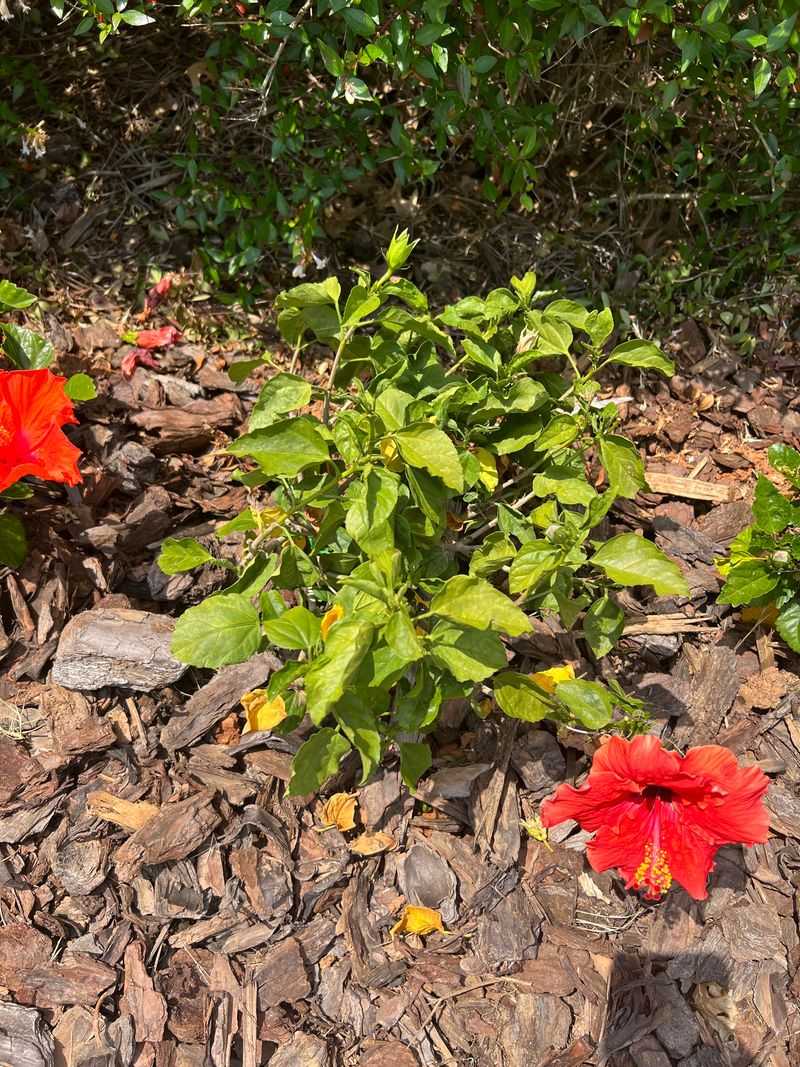
Feast-or-famine watering drives hibiscus crazy, more than almost anything else you could do wrong. The plant sits bone dry for five days, gets flooded once, then dries out again shortly after.
The response is predictable every time. Yellow leaves and buds dropping off before they ever open properly. Steady moisture is what actually keeps flowers on the branch through the season.
Florida’s sandy soil holds very little water on its own, so deep watering two or three times a week generally beats a daily sprinkle that only wets the top inch of soil.
Push a finger into the soil near the root zone before turning on the hose again. If it feels dry two inches down, it is genuinely time to water.
Mulch does half the work for you automatically. A two to three inch layer of pine bark or leaf litter slows evaporation, cools the root zone, and cuts down on weeds competing for moisture nearby.
Containers need closer attention than in-ground plants do. Potted hibiscus on a sunny patio can dry out in a single hot afternoon, and some need water every single day until temperatures finally drop.
Morning is the smartest time to irrigate, hands down. Leaves dry before evening arrives, which lowers fungal risk, and the plant heads into the hottest hours already hydrated and ready.
6. Yellowing Leaves Often Signal Nutrient Gaps
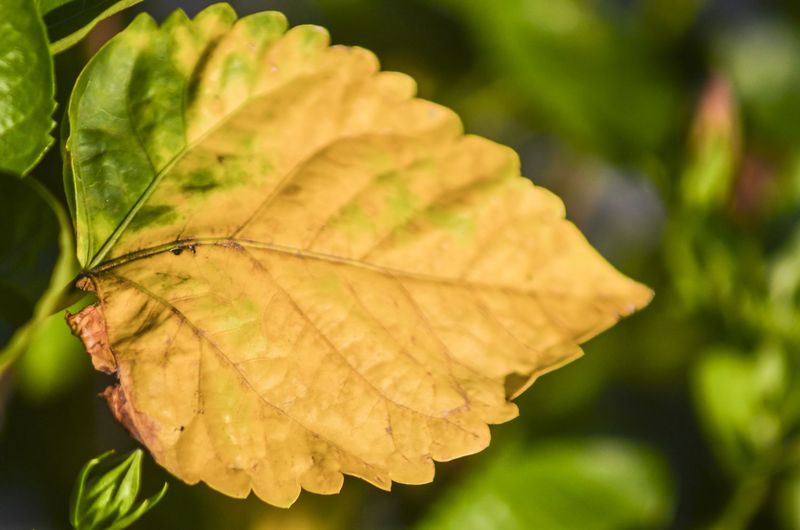
Leaves tell the whole story if you know how to read them properly. Where the yellowing shows up, and whether the veins stay green, points to very different problems on the same plant.
Young leaves that turn pale yellow while the veins stay dark green usually signal iron shortage. Florida’s alkaline soils and hard tap water lock iron up, especially near concrete foundations and limestone fill nearby.
A chelated iron product formulated for high pH soil handles it better than plain iron sulfate ever could in these conditions.
Older leaves showing yellow edges with a green wedge near the base often mean magnesium is running low, a common issue after a season of heavy rain washing nutrients through.
Manganese shortage looks similar to iron deficiency but hits slightly older foliage instead of the newest growth.
Uniform pale yellow on the oldest leaves, with the plant looking generally weak overall, usually points to nitrogen loss from leaching through sandy soil. That one responds quickly to a balanced feeding.
Not every yellow leaf means hunger though. Overwatered or poorly drained roots cause yellowing too, and so does mite feeding, which leaves a fine speckled pattern rather than a smooth color change.
When symptoms are widespread or stubborn, a soil test through your county extension office is worth the small fee involved.
7. Patience Brings Back The Blooms
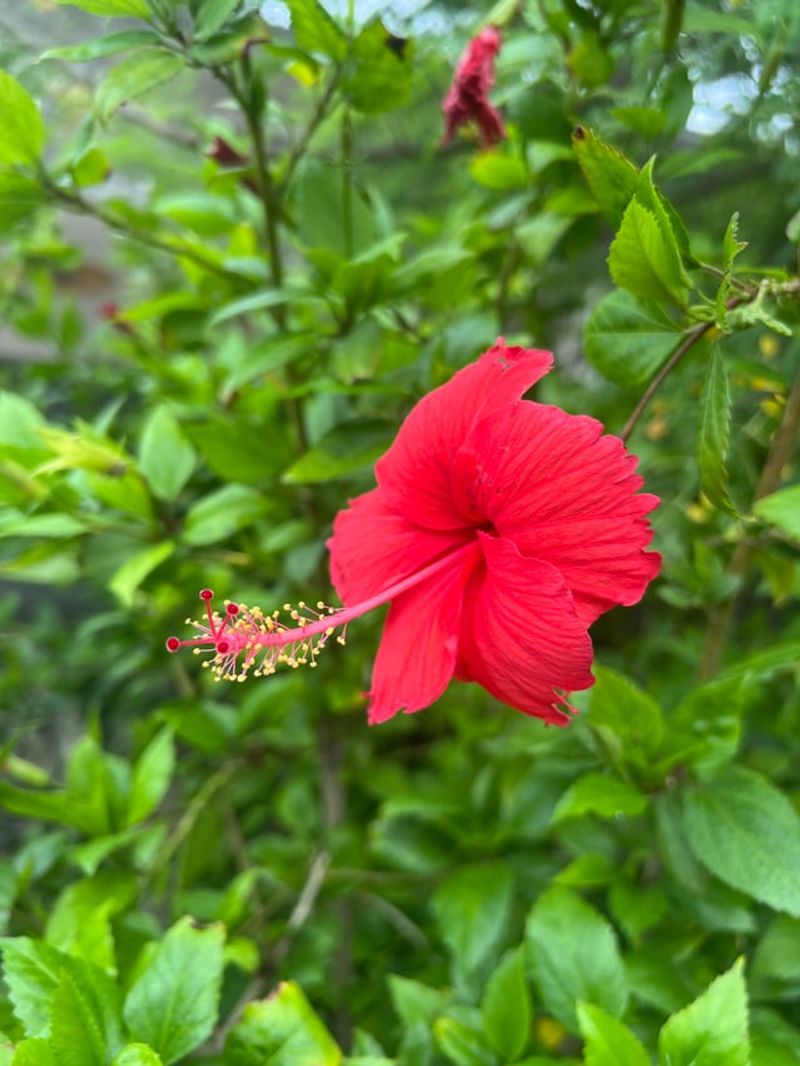
Recovery has a rhythm to it, and rushing the process only leads to disappointment down the road. After a light prune and a proper feeding, most hibiscus push visible new shoots within two to four weeks.
That timeline kicks in once nights start cooling into the seventies consistently across most of the state.
Flowers usually follow that new growth by another month or so after the initial shoots appear. For much of Florida, the payoff lands somewhere between mid-October and Thanksgiving most years.
Many gardeners find fall blooms are actually bigger and last longer than the summer ones, simply because the plant is not fighting extreme heat at the same time.
Keep monitoring during the wait rather than assuming the job is done. Check leaf undersides weekly for returning mites, keep watering even and consistent, and resist the urge to add more fertilizer than the label recommends.
One caution worth remembering for Central and North Florida gardeners specifically. Tender new growth is sensitive to cold, and temperatures near freezing can damage unprotected hibiscus badly.
Have a frost cloth ready just in case, or keep container plants close to a wall you can move them behind if a cold snap threatens.
8. Choosing The Right Follow-Up Care Prevents A Repeat
A hibiscus that bounces back this fall can easily run into the same rough patch again next summer unless a few habits change along the way.
Setting a simple seasonal routine now, rather than reacting only when the plant already looks tired, keeps the whole cycle from repeating itself year after year.
Mark a rough calendar for fertilizing every six to eight weeks once local restrictions lift, rather than waiting until leaves start yellowing to remember the plant needs feeding at all.
Check leaf undersides for mites on a regular schedule too, ideally every couple of weeks through the hottest months, so a small population never gets the chance to explode unnoticed.
Adjust watering as the seasons shift rather than leaving irrigation on one fixed setting all year. A hibiscus growing fast in May needs far more water than the same plant slowing down in December.
Keep an eye on nearby lawn fertilization schedules as well, since runoff and drift from turf treatments can undo careful feeding done directly at the base of the shrub.
A light prune after each major bloom cycle, rather than one big cutback annually, keeps the plant producing fresh flowering wood consistently instead of building up leggy growth that stops flowering well.
None of this demands much time individually. Spread across the year in small, regular checks, though, it adds up to a hibiscus that faces next August already stronger, better fed, and considerably less likely to look defeated by the time September rolls around again.