Why Your Hostas Keep Failing In Texas Yards (And How To Fix It)
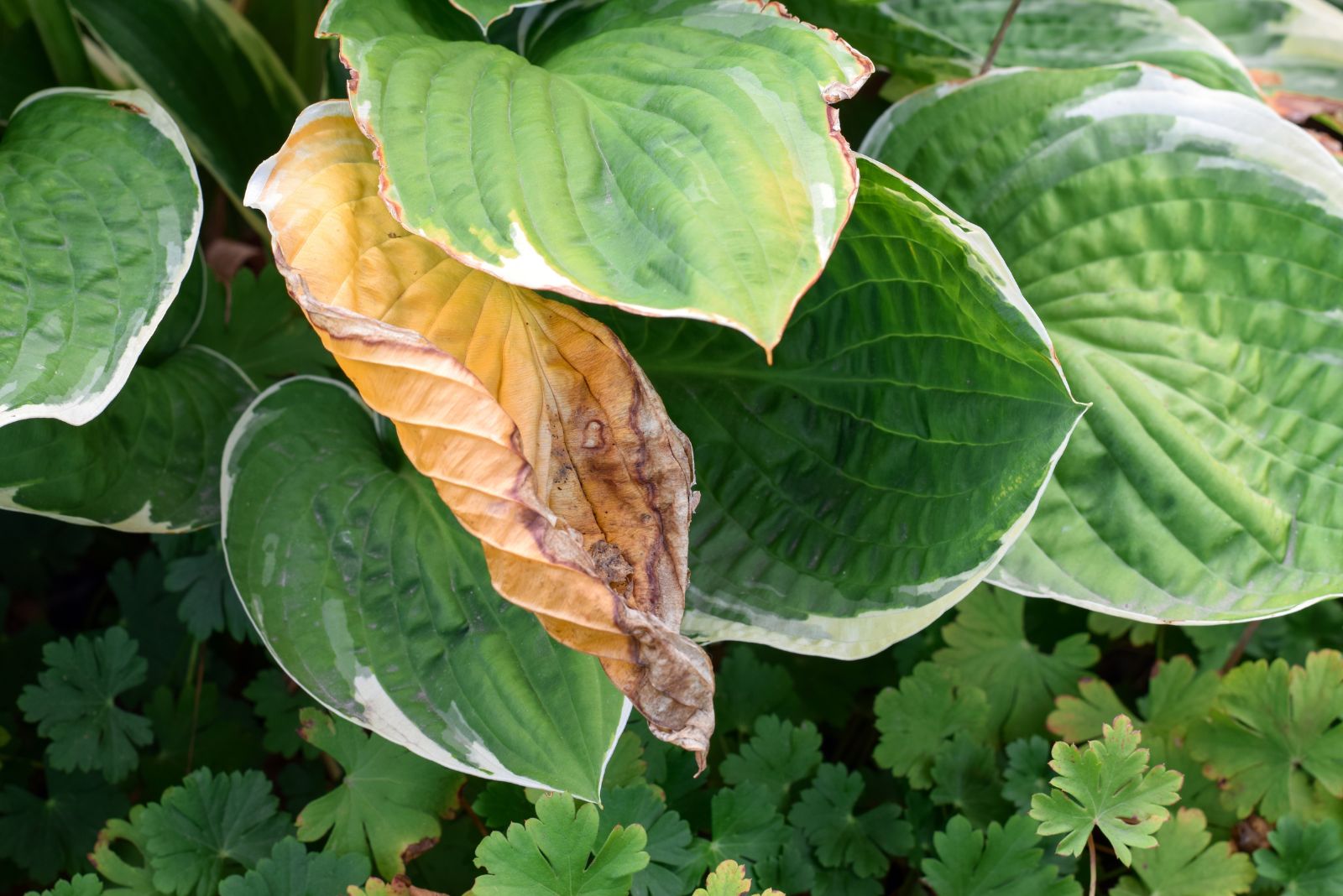
Hostas look like the kind of plant that should make life easy. Their big, lush leaves bring that cool, peaceful garden feel people love, and in many places, they practically thrive on neglect.
Then Texas enters the picture. Suddenly, those healthy green clumps start turning crispy, faded, droopy, or just plain sad.
If you have planted hostas with high hopes only to watch them struggle through the heat, you are far from alone.
The truth is, hostas and Texas yards do not always get along naturally. What works in cooler, milder climates can fail fast under intense sun, long dry stretches, and hot soil.
That does not mean you have to give up on them completely. It just means they need a smarter setup than many gardeners expect.
Once you understand what is really stressing your hostas, the pattern starts to make sense. From choosing the wrong spot to watering habits that do more harm than good, a few common mistakes can make all the difference.
1. Too Much Sun Exposure
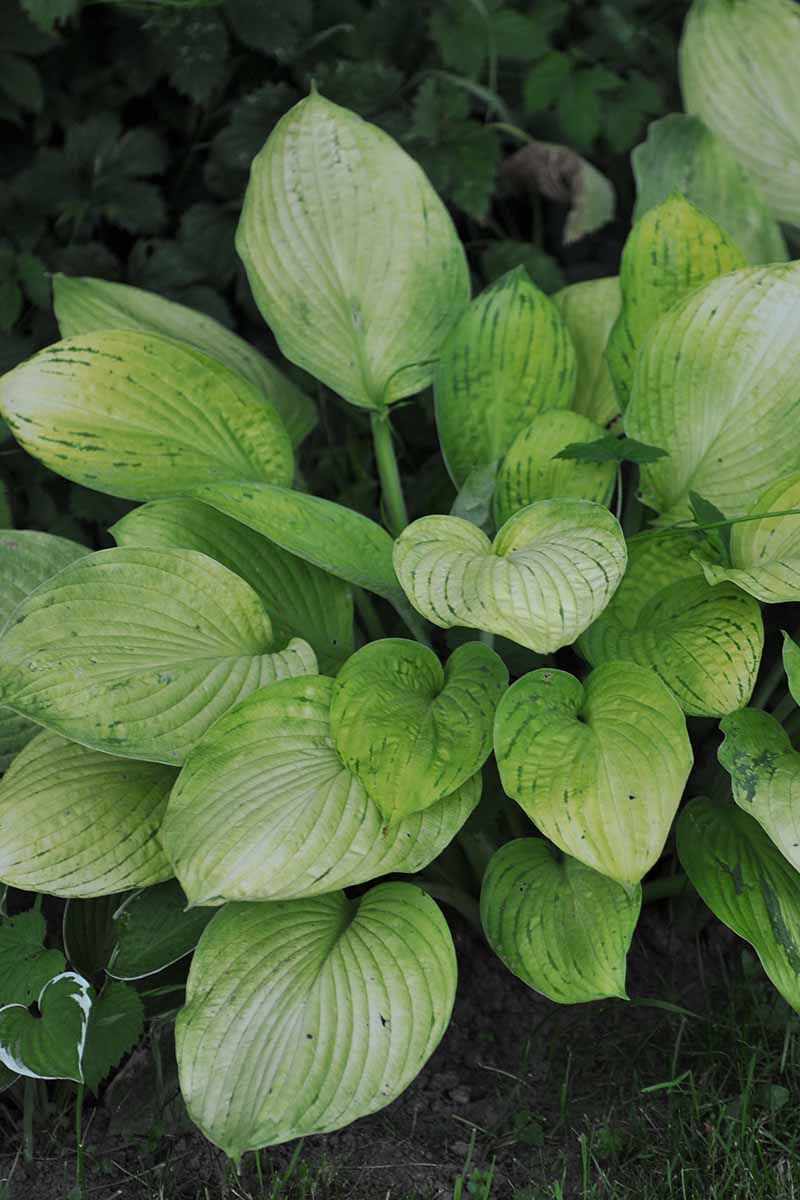
Scorched leaves are one of the most common signs that your hostas are getting way too much sunlight. Hostas are built for shade, and in Texas, the afternoon sun hits harder than in most other parts of the country.
If your hostas look faded, bleached, or have crispy brown edges, too much sun is likely the problem.
Texas gardeners need to think carefully about where they place these plants. Even a spot that gets just a few hours of direct afternoon sun can be too intense during the summer months.
West-facing garden beds are especially risky because they catch the hottest part of the day.
The fix is pretty straightforward. Move your hostas to a spot that gets morning sun only, or better yet, full shade throughout the day.
Trees, fences, and garden structures can all help block harsh rays. If your hostas are already planted in a bad spot, do not wait too long to transplant them.
Getting them into a shaded area before the peak of summer in Texas can make a huge difference in how they look and grow.
Filtered or dappled light under a tree canopy is ideal. That kind of soft, indirect light mimics the woodland conditions hostas naturally love.
Even in Texas, you can find shady corners in your yard that work well. Look for areas on the north or east side of your home.
Those spots tend to stay cooler and receive less direct sun, giving your hostas a much better chance to grow healthy, full leaves all season long.
2. Extreme Heat Stress
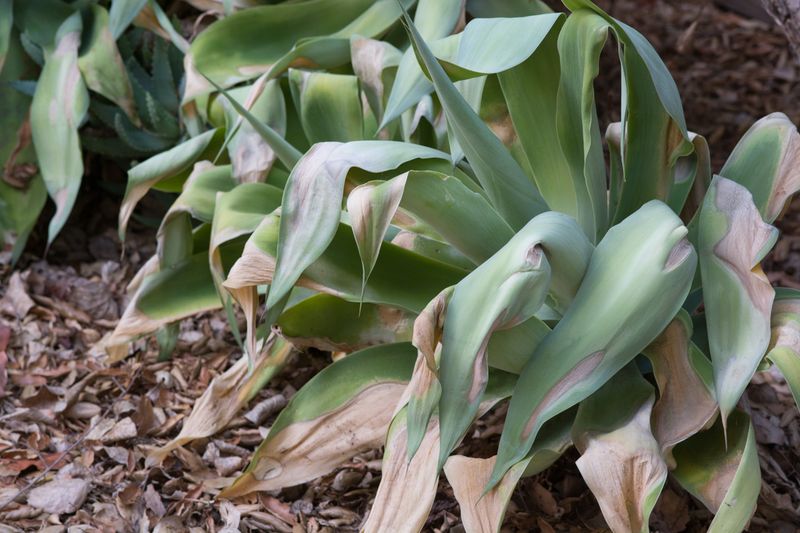
Summers in Texas are no joke. Temperatures regularly push past 100 degrees Fahrenheit, and that kind of heat puts serious stress on hostas.
You might notice your plants wilting during the day, stopping growth entirely, or going dormant way earlier than expected. All of those are signs of heat stress.
Unlike plants that are native to warm climates, hostas come from cooler regions of Asia and are used to mild summers. When the heat gets extreme, their roots struggle to absorb water fast enough to keep up with what the leaves are losing.
Your Texas Garden Changes Every Week. Your Plan Should Too.
Gardening in Texas changes quickly throughout the season. Every Friday you’ll receive a simple weekly plan showing exactly what to plant, prune, fertilize, harvest, and protect so you never miss the right timing.
The result is a plant that looks tired, limp, and unhealthy even when you are watering it regularly.
Choosing the right variety makes a big difference. Some hostas handle heat better than others.
Varieties like ‘Sum and Substance’ and ‘Guacamole’ have shown stronger tolerance to warmer conditions, making them smarter choices for Texas gardeners. Ask your local nursery which types do best in your specific region.
Mulching is one of the best tools you have. Laying down two to three inches of organic mulch around your hostas helps keep the soil cooler and slows down water evaporation.
Water deeply in the early morning so the roots can soak up moisture before the heat of the day kicks in. During serious heatwaves, adding extra shade with a shade cloth can protect your plants from the worst of the Texas summer.
Small steps like these can keep your hostas looking much healthier through the brutal months ahead.
3. Poor Soil Drainage Or Heavy Clay
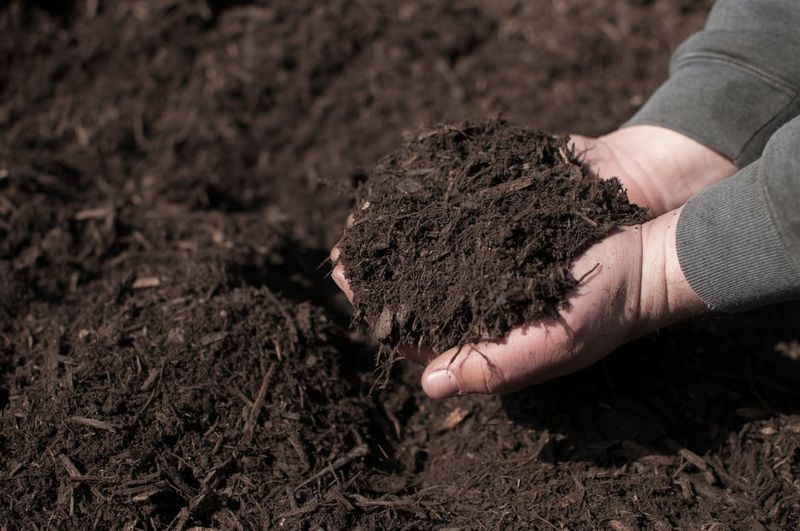
Walk through many Texas yards and you will quickly notice how heavy and dense the soil can be. A large portion of the state sits on thick clay, which causes two very different problems for hostas.
When it rains, clay holds onto water for too long, leaving roots sitting in soggy conditions. But when it dries out, that same clay turns rock solid and makes it nearly impossible for roots to spread.
Hostas need soil that stays consistently moist but never waterlogged. Clay soil rarely gives them that balance.
Roots that sit in standing water can rot, while roots trapped in hard, dry clay cannot absorb the nutrients they need. Either way, the plant suffers.
Improving your soil is the most important step you can take. Mix in generous amounts of compost, aged pine bark, or other organic matter to loosen the clay and improve drainage.
Do this before planting, working the amendments deep into the bed so roots have room to grow freely.
If your yard has really poor drainage, raised beds are a great solution. Filling a raised bed with a well-balanced, amended soil mix gives your hostas exactly the environment they need without fighting against the native Texas clay.
Keep the soil evenly moist by watering regularly and consistently. Adding a layer of mulch on top helps hold moisture in and prevents the surface from drying out too quickly.
With the right soil setup, hostas can actually perform much better in Texas than most people expect, even in areas with naturally challenging ground conditions.
4. Inconsistent Watering
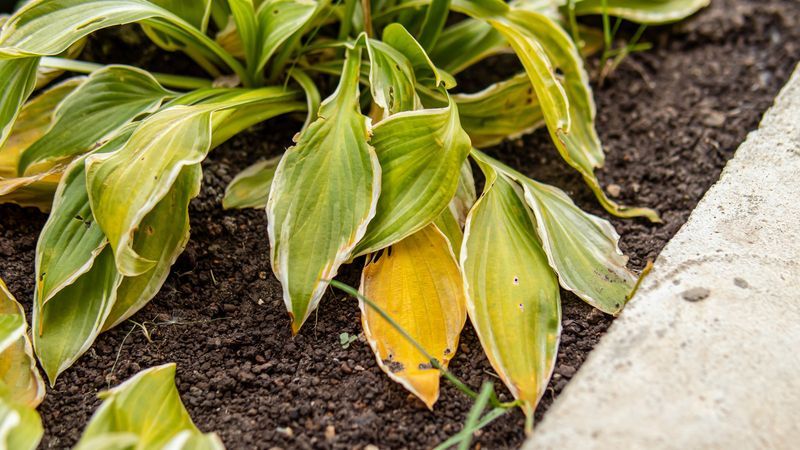
Hostas are creatures of habit when it comes to water. They want steady, reliable moisture in the soil at all times.
In Texas, that can be tricky to pull off. The weather swings between long dry spells and sudden heavy rainstorms, and if you are hand-watering on an irregular schedule, your hostas are probably suffering because of it.
When soil dries out completely between waterings, hosta roots get stressed. Then when a big rain hits or you overwater to make up for the dry stretch, the roots swing to the other extreme.
That back-and-forth cycle weakens the plant over time, making leaves look dull, droopy, or discolored. Roots can also become more vulnerable to disease when they are repeatedly stressed this way.
Consistency is the key to fixing this problem. A drip irrigation system or soaker hoses work really well for hostas because they deliver water slowly and directly to the root zone.
Set them on a timer so your plants get watered at the same time every day or every other day, depending on the season and weather.
Deep watering a few times a week is better than shallow watering every day. Deep watering encourages roots to grow further down into the soil, where temperatures stay cooler and moisture lasts longer.
In Texas, watering in the early morning is best so the plant can absorb what it needs before the heat peaks. Always top your beds with mulch to slow evaporation and keep that moisture in the soil where it belongs. Consistent care really does pay off with hostas.
5. Low Humidity
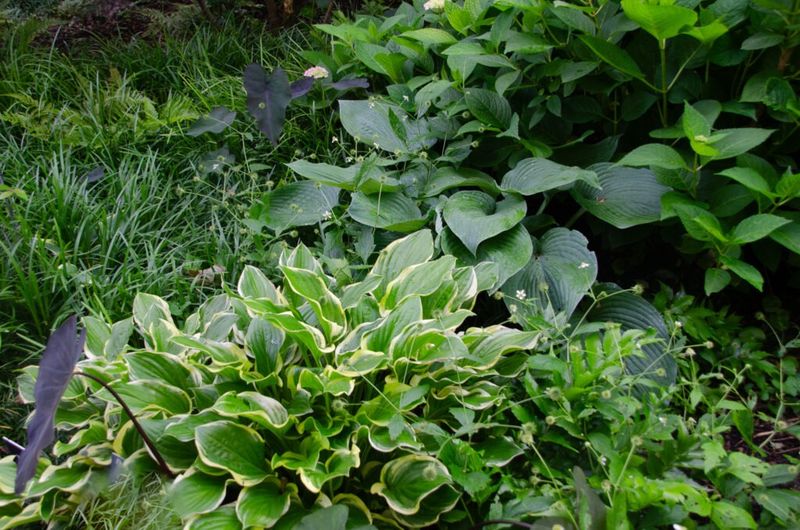
Here is something many Texas gardeners do not think about: hostas love humidity. They grow naturally in woodland environments where the air holds plenty of moisture.
In much of Texas, especially central and western parts of the state, the air can get surprisingly dry, even when temperatures are hot. That dry air pulls moisture right out of the leaves, causing the edges to turn brown and curl inward.
You might be watering your hostas perfectly and still see this kind of leaf damage. That is a clue that low humidity is the real issue.
The leaves are losing water through a process called transpiration faster than the roots can replace it. The result looks a lot like drought stress, but more watering alone will not fix it.
One of the smartest things you can do is find a protected microclimate in your yard. Spots near walls, fences, or under dense tree canopies tend to hold more moisture in the air than open garden beds.
These sheltered areas naturally create a slightly more humid environment that hostas appreciate.
Grouping your hostas together with other plants also helps. When plants are clustered, they release moisture into the air around each other through their leaves, creating a small pocket of higher humidity right where you need it.
Adding organic mulch to the soil surface keeps ground-level moisture from evaporating too quickly, which also raises the humidity slightly in the immediate area.
For Texas gardeners in drier regions, combining these strategies gives hostas the best chance of keeping their leaves looking lush and healthy throughout the growing season.
6. Climate Mismatch
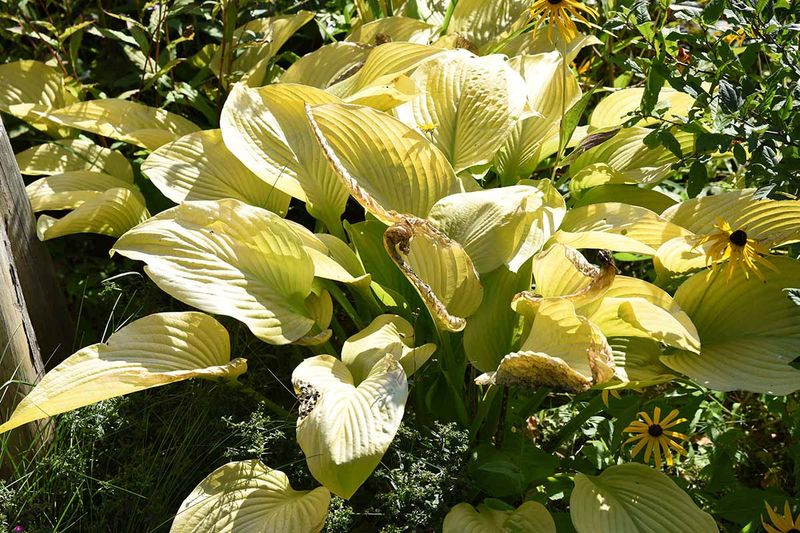
Let’s be honest about something: hostas were not designed with Texas in mind. These plants evolved in cooler, more temperate regions of Asia and perform best in places like the Pacific Northwest, the upper Midwest, or the northeastern United States.
Texas summers are simply more extreme than what hostas naturally prefer, and no amount of care can completely change that reality.
That does not mean you cannot grow hostas in Texas at all. It just means you need to go in with realistic expectations.
Your hostas may not look as enormous or as glossy as the ones you see in gardening magazines shot in Vermont or Oregon. They may go dormant earlier in the season and come back a little slower in spring. That is normal for Texas conditions.
Treating hostas as high-maintenance shade plants rather than easy, low-effort groundcover is the right mindset shift. They need extra attention here compared to other parts of the country, and that is just part of gardening in the Lone Star State.
If you find that hostas are more trouble than they are worth in your specific Texas location, there are some wonderful alternatives worth considering.
Turk’s cap, autumn fern, caladiums, and cast iron plant are all shade-loving options that handle Texas heat far more naturally.
Cast iron plant especially lives up to its name, tolerating heat, drought, and poor soil with ease.
You can mix these tougher plants alongside your hostas to create a beautiful shaded garden bed that looks full and lush even when the hostas are having a rough season in the Texas heat.