The 7 Native Oregon Plants That Help Night Pollinators Thrive
Even the most beautiful Oregon garden can feel like it goes quiet after sunset, but that is not really what is happening. As the light fades, a whole different group of pollinators starts getting to work.
Moths, beetles, and other nighttime visitors move through the garden when most people are heading inside, and the right native plants can make those evening hours far more alive than they seem.
That is part of what makes this kind of planting so interesting. It adds beauty during the day, then quietly supports an entirely different layer of garden life after dark.
Pale blooms, rich fragrance, and well-timed nectar can all play a role in turning an ordinary yard into a much more welcoming place for these overlooked visitors.
And once you start thinking about the garden this way, it changes what feels exciting to plant.
Some Oregon natives are doing much more than looking pretty in the border. They are helping the night shift thrive.
1. Tall Evening Primrose
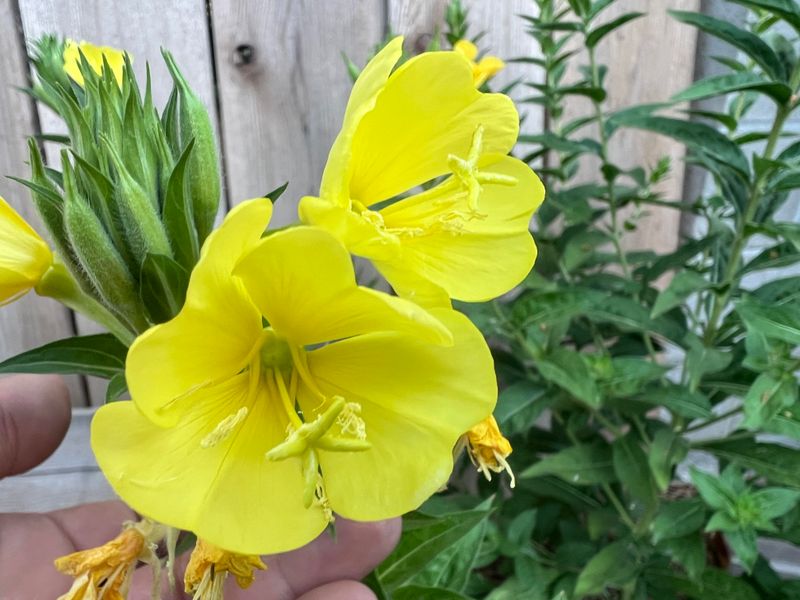
Few plants put on a show quite like Tall Evening Primrose. As the sun dips below the Oregon horizon, its large, bright yellow flowers pop open almost like magic, releasing a sweet, lemony fragrance that travels far on the night breeze.
Moths can smell it from a surprising distance, making this plant one of the best natural moth magnets in the Pacific Northwest.
Scientifically known as Oenothera elata, this tall, striking plant can grow up to six feet high. It thrives in open meadows, roadsides, and disturbed soils across Oregon, making it easy to spot during summer hikes.
The flowers only last one night, but the plant keeps producing new blooms throughout the season, so there is always something fresh for pollinators to visit.
For gardeners in Oregon, this plant is a wonderful low-maintenance choice. It handles dry summers well and does not need much extra water once established.
Plant it in a sunny spot with well-drained soil, and it will reward you season after season. Sphinx moths, in particular, love to hover over the blossoms, sipping nectar with their long tongues.
Adding Tall Evening Primrose to your yard is one of the simplest ways to roll out the welcome mat for Oregon’s night pollinators.
2. Lewis’ Mock Orange
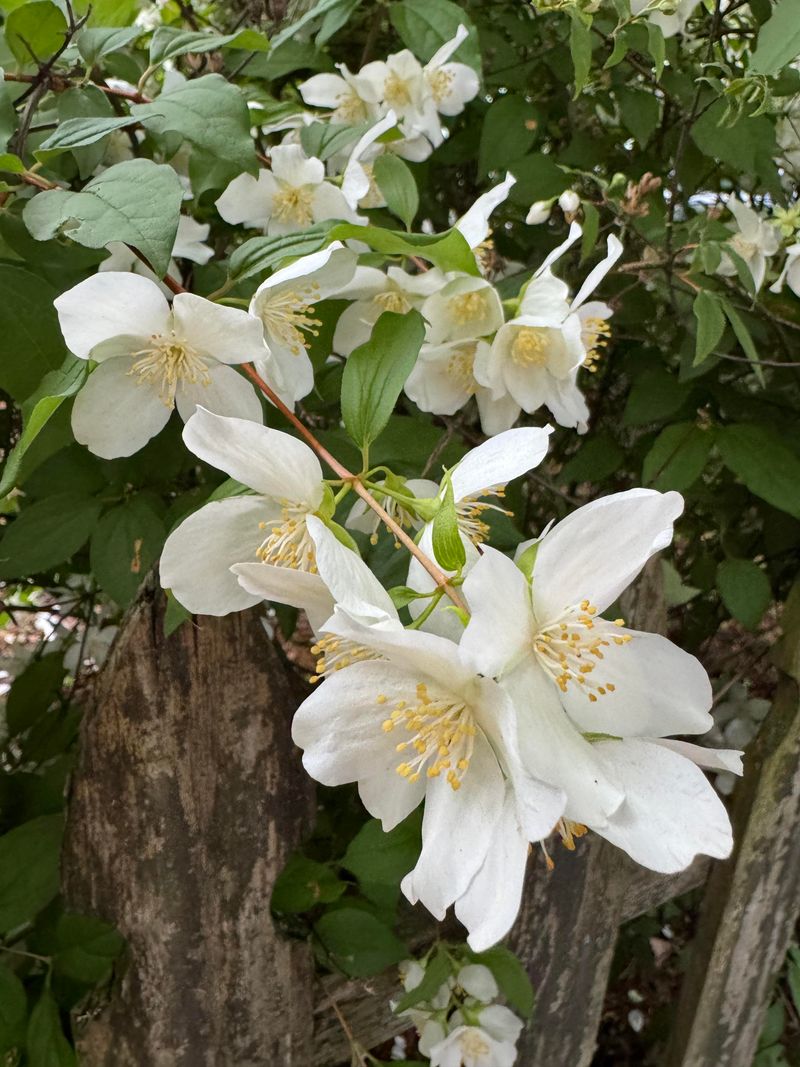
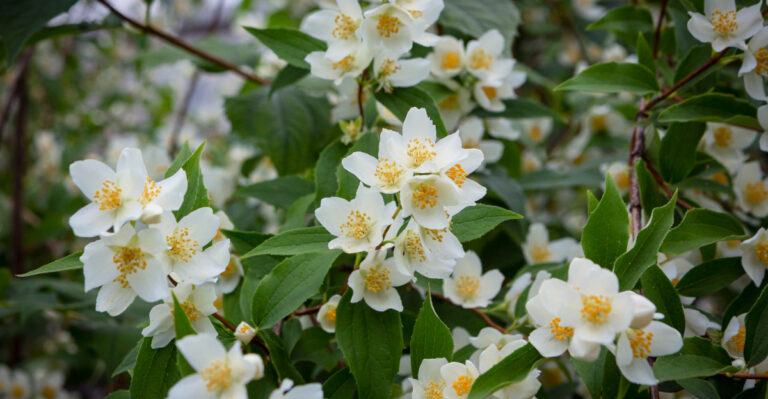
Walk past a Lewis’ Mock Orange on a warm Oregon evening and you might stop in your tracks. The scent hits you first, rich, sweet, and almost like real orange blossoms, filling the air long after the sun has gone down.
That powerful fragrance is not just pleasant for people. It is a beacon for moths and other nocturnal pollinators looking for a late-night meal.
Philadelphus lewisii is Oregon’s official state flower and a beloved native shrub throughout the region. It grows naturally along stream banks, forest edges, and rocky slopes from the Willamette Valley to the mountains.
The pure white, four-petaled flowers bloom in late spring and early summer, creating dense clusters that practically shimmer in the moonlight.
Beyond its nighttime appeal, Lewis’ Mock Orange is a tough, adaptable plant that works beautifully in home landscapes. It tolerates a range of soil types and does well in both full sun and partial shade.
Your Oregon Garden Changes Every Week. Your Plan Should Too.
Gardening in Oregon changes quickly throughout the season. Every Friday you’ll receive a simple weekly plan showing exactly what to plant, prune, fertilize, harvest, and protect so you never miss the right timing.
Birds love to nest in its dense branches, and butterflies visit during the day while moths take over at night. Pruning it lightly after flowering keeps it looking tidy and encourages even more blooms next season.
If you want one native Oregon shrub that truly pulls double duty for pollinators around the clock, this is it.
3. Pacific Houndstongue
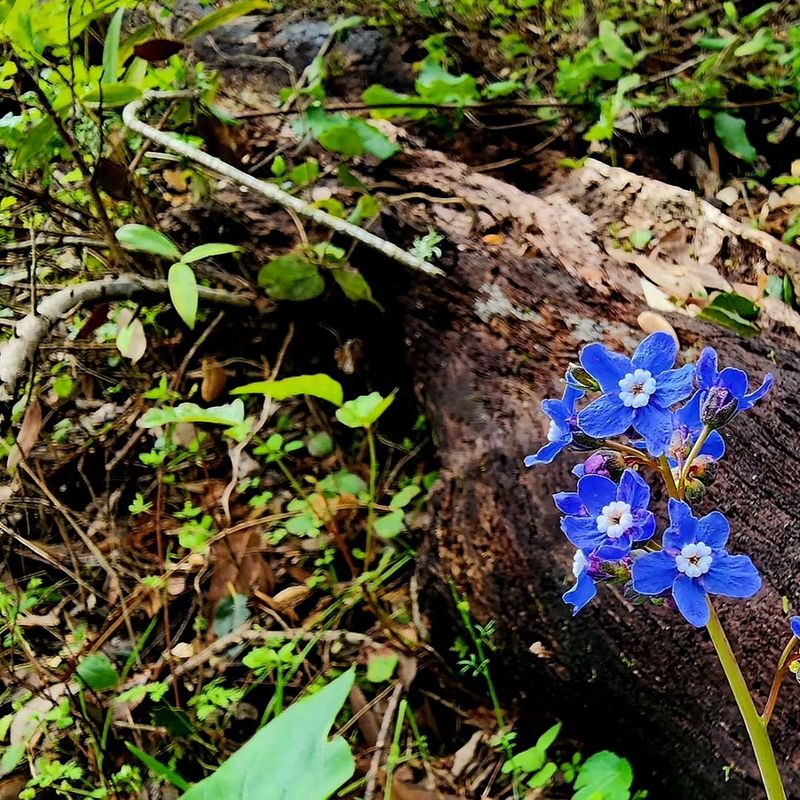
Not every night pollinator plant needs flashy blooms or an overwhelming scent. Pacific Houndstongue, known scientifically as Cynoglossum grande, takes a quieter approach, but its impact on Oregon’s nocturnal ecosystem is anything but small.
This woodland native produces clusters of tiny blue-purple flowers in early spring, offering one of the first nectar sources of the year when many pollinators are just waking up.
Found in shaded forest understories throughout western Oregon, Pacific Houndstongue grows in the kind of cool, damp spots that many other plants avoid. It does especially well under Oregon white oak and Douglas fir canopies.
The plant’s low profile and lush, hairy leaves give it a soft, almost velvety look that stands out on the forest floor.
Beetles and small moths are among the most frequent nighttime visitors, drawn in by the plant’s subtle scent and accessible flower structure. Because it blooms so early in the season, it fills a critical gap in the pollinator food calendar.
Gardeners with shaded yards in Oregon will find this plant surprisingly easy to grow. It prefers moist, well-drained soil and does not like hot, dry conditions.
Once established, it spreads slowly on its own, gradually creating a lush ground cover that supports pollinators quietly but consistently through the spring months.
4. Douglas’ Aster
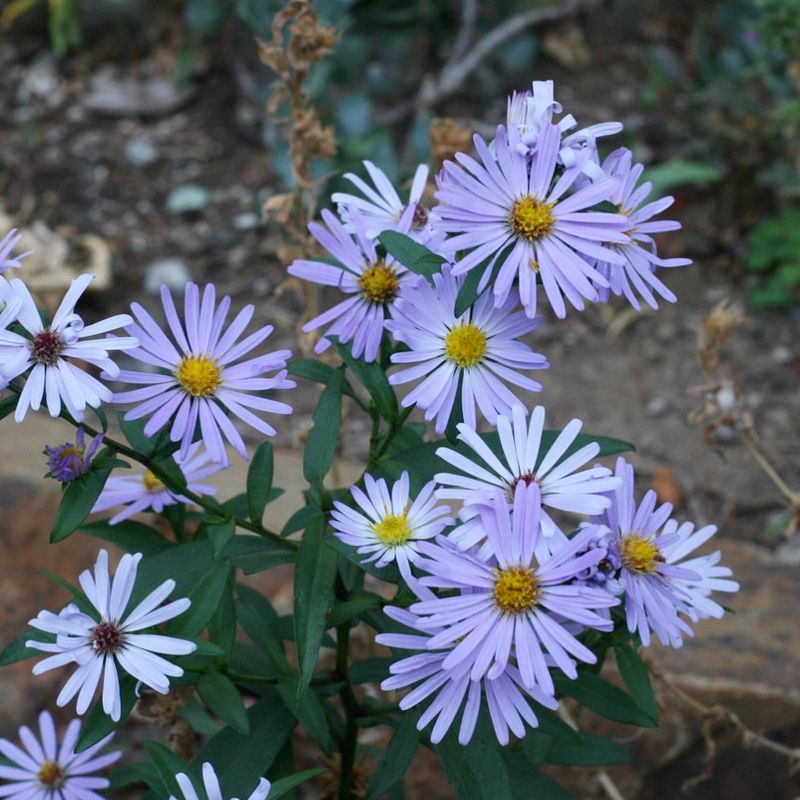
When most garden flowers have already faded for the year, Douglas’ Aster is just getting started. This tough, cheerful native blooms from late summer well into fall, providing a critical late-season food source for pollinators across Oregon.
For moths and beetles that are still active as temperatures drop, this plant can be a genuine lifesaver, offering nectar when almost nothing else is available.
Symphyotrichum subspicatum grows naturally in moist meadows, stream banks, and coastal areas throughout Oregon. Its lavender to purple daisy-like flowers have bright yellow centers that act like tiny landing pads for visiting insects.
The plant can grow quite bushy, reaching up to four feet tall, and it spreads happily in the right conditions.
Gardeners love Douglas’ Aster because it is nearly effortless to maintain. It handles Oregon’s wet winters and dry summers without much complaint.
Plant it in a sunny or partly shaded spot with decent soil, and it will establish quickly. Come fall, the flowers attract not just moths and beetles but also late-season butterflies and bees during daylight hours.
The plant also provides seeds that birds enjoy through winter. Planting Douglas’ Aster means extending your garden’s usefulness well past the typical growing season, making it one of the most ecologically generous native plants Oregon has to offer.
5. Common Madia
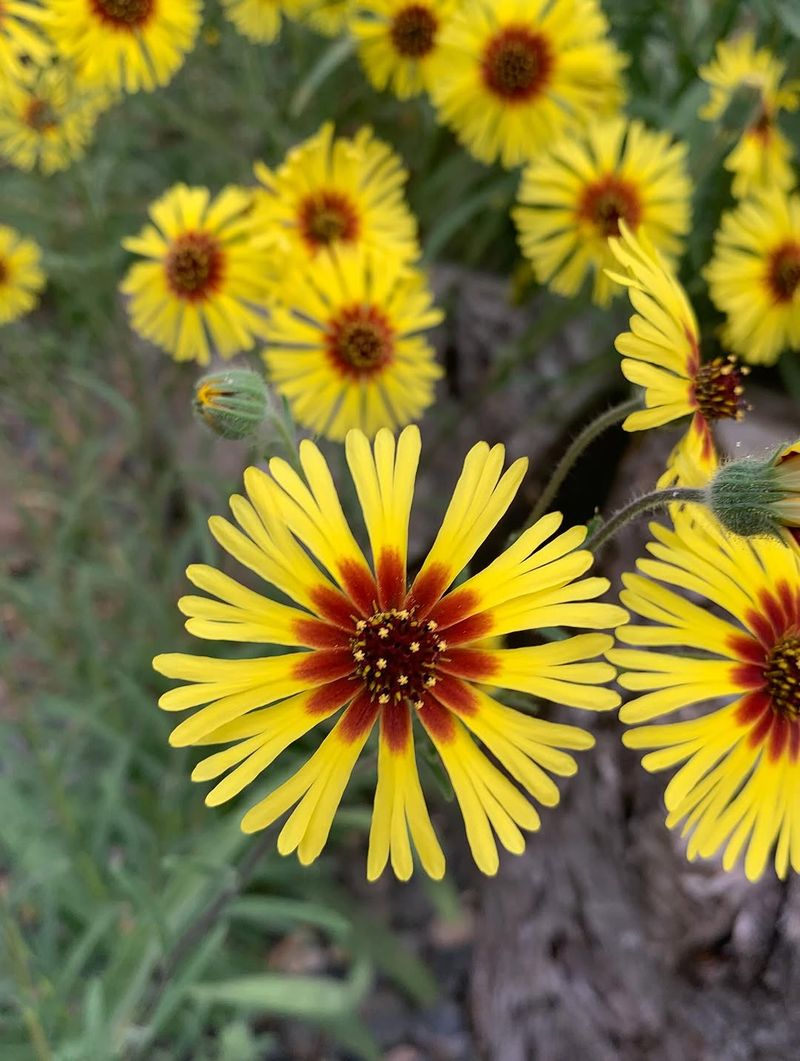
There is something wonderfully scrappy about Common Madia. While other plants wilt in the summer heat, this Oregon native seems almost unbothered.
Madia elegans thrives in dry, open habitats like grassy hillsides, roadsides, and disturbed areas throughout the state. It is one of those plants that asks for very little but gives back a tremendous amount to the local ecosystem.
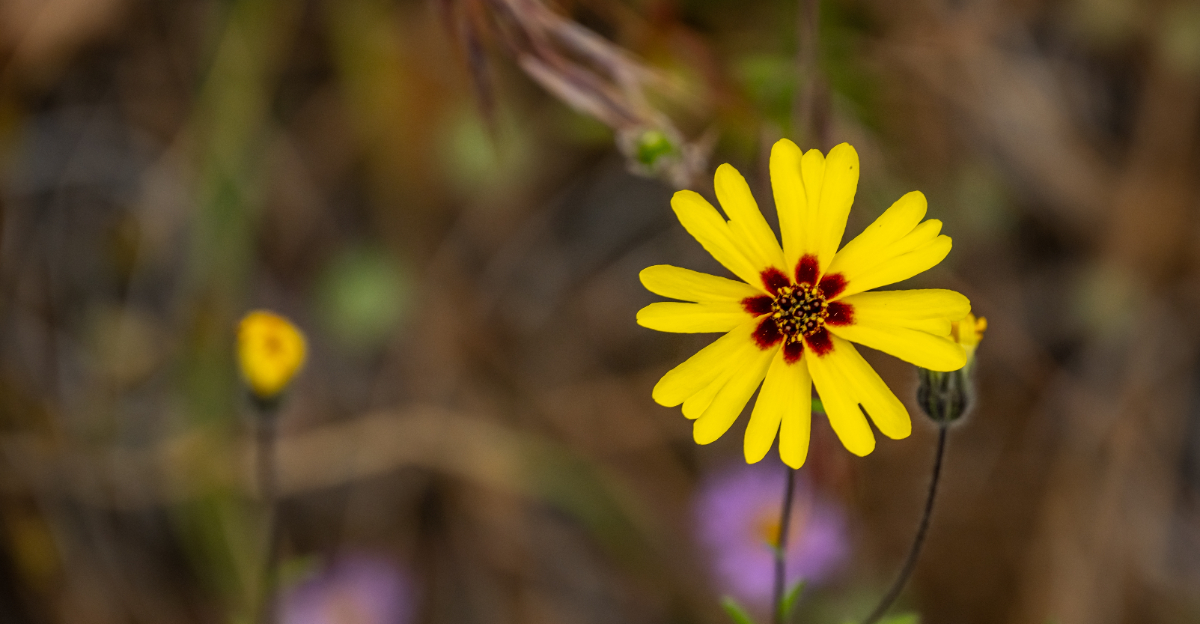
The flowers are bright yellow with a bold reddish-purple center, and they have a clever trick up their sleeve. During the heat of the day, Common Madia closes its blooms to conserve moisture.
As evening arrives and temperatures cool, the flowers reopen, releasing a rich, sweet fragrance that is especially appealing to moths. This evening opening habit makes it one of Oregon’s most effective native plants for supporting nocturnal pollinators.
The sticky stems of Common Madia might feel a little unusual to touch, but that stickiness actually helps trap small insects, giving the plant some added protection. For gardeners working with challenging, dry conditions in eastern or southern Oregon, this plant is a reliable performer.
It grows easily from seed and does not need irrigation once it gets going. Planting Common Madia in a sunny, dry patch of your yard is a smart, low-effort way to keep night pollinators fed through the heart of summer.
6. Pacific Ninebark
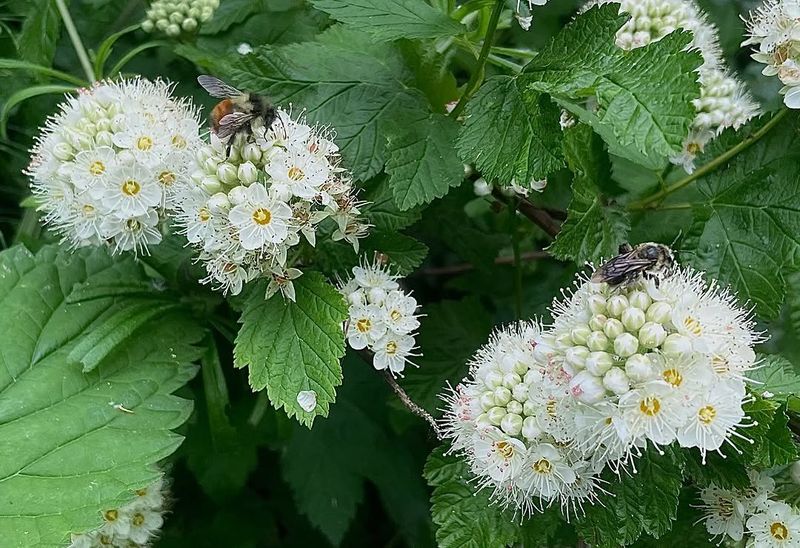
Pacific Ninebark is one of those plants that earns its place in the garden through sheer reliability. Physocarpus capitatus is a native Oregon shrub that grows along stream banks, wetland edges, and moist forest clearings throughout the state.
Its layers of peeling, reddish-brown bark give it a distinctive look year-round, but it is the dense clusters of tiny white flowers in late spring that really bring the pollinators running, or rather, flying.
While bees and butterflies visit during the day, the flowers stay open well into the evening, making them accessible to moths and beetles as darkness settles in. The blossoms have a mild, pleasant scent that becomes more noticeable in the cooler night air.
After the flowers fade, the plant produces reddish seed capsules that birds find irresistible through fall and winter.
Growing Pacific Ninebark in an Oregon garden is genuinely straightforward. It prefers moist soil and can handle everything from full sun to partial shade.
It grows quickly, often reaching eight to ten feet tall, making it excellent for creating natural screens or habitat hedges. Native bees nest in the hollow stems, adding even more ecological value.
For anyone living near a stream or wet area in Oregon, Pacific Ninebark is practically a must-have plant for building a healthy, pollinator-friendly yard that works around the clock.
7. Oregon Grape
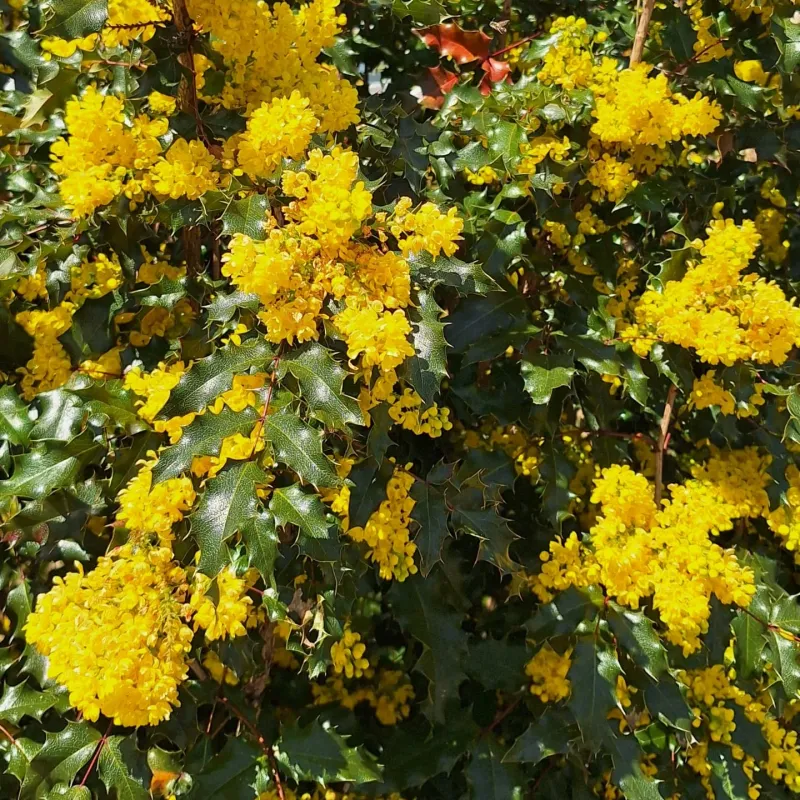
Bold, beautiful, and built for Oregon, Oregon Grape is the state’s official flower and one of its most ecologically valuable native plants. Berberis aquifolium is an evergreen shrub that lights up the forest floor with clusters of bright yellow flowers every spring.
Even as early as February, when most pollinators are just starting to stir, Oregon Grape is already open for business, offering some of the first nectar of the season.
While it is well known as a daytime pollinator plant, Oregon Grape also plays a meaningful role after dark. Its flowers stay open at night, and their mild fragrance attracts small moths and beetles that are active in the cool early spring evenings.
The dark blue-purple berries that follow in summer are beloved by birds and also attract fruit-feeding beetles and other insects.
Oregon Grape grows naturally in forests from the coast to the mountains and adapts well to home gardens throughout the state. It handles shade better than most flowering shrubs and is quite drought-tolerant once established.
The spiny, holly-like leaves add year-round structure and visual interest to the landscape. Planting Oregon Grape near other night-blooming natives creates a layered habitat that supports pollinators from late winter through fall.
For any Oregon gardener serious about supporting local wildlife, this iconic shrub belongs in the mix without question.