Is Your Newly Seeded North Carolina Fescue Lawn Struggling In The October Heat

Fall is supposed to be the easiest time to grow fescue in North Carolina, but an unusually warm October can throw that off. Newly seeded grass depends on cool, steady temperatures to germinate well and build strong roots.
When heat lingers longer than expected, young seedlings can dry out faster and struggle to establish properly. This stress often shows up as thin, patchy growth instead of the thick green lawn gardeners expect from fall seeding.
Adjusting watering and timing to match the actual weather, rather than the usual fall schedule, can make a real difference. Understanding how heat affects new fescue helps homeowners respond before a struggling lawn becomes a bigger problem.
1. New Seedlings Have Very Shallow Roots
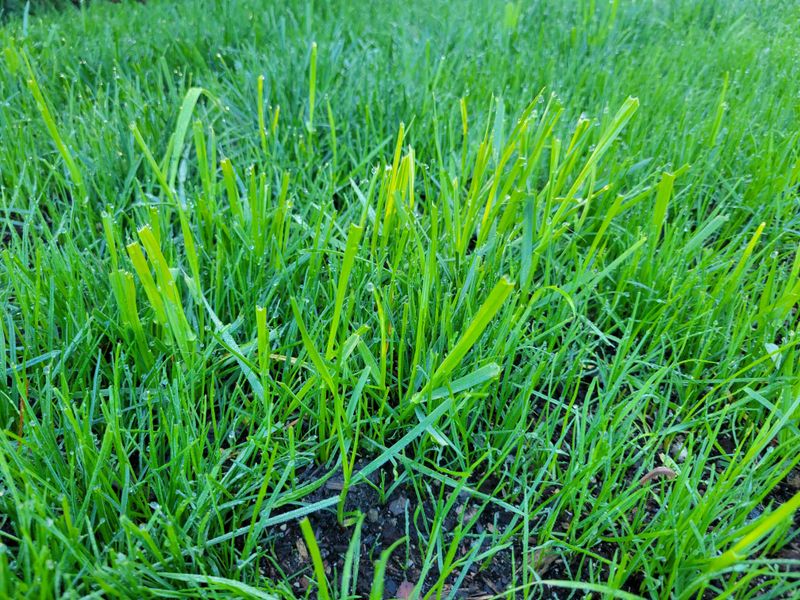
Think of a brand new fescue seedling as a newborn plant with a very small straw. Its roots reach only about an inch into the ground, so it can only drink from the very top layer of soil.
When the afternoon sun beats down, that thin layer dries out fast, and the little grass has nowhere else to find water.
Older lawns handle heat better because their roots stretch several inches deep, where moisture hangs around longer. Your new grass simply has not had time to build that kind of root system yet.
So when a warm spell hits, the young blades feel the stress first and show it quickly. What does that stress look like? You might see thin patches, blades that look pale or bluish, or seedlings that flop over by mid-afternoon.
Most of the time, these are signs of thirst rather than a lasting problem. Once you adjust your watering and the weather cools, many of those droopy sprouts perk right back up.
North Carolina adds its own twist to the story. Homeowners here usually seed tall fescue in early fall, which is the right move because the grass loves cool weather.
Still, October can surprise everyone with days in the 80s, and that heat lands right when seedlings are at their weakest.
Knowing why your grass looks rough helps you stay calm and act wisely. Instead of tearing up the lawn or starting over, focus on keeping the surface moist and giving those tiny roots a chance to grow. A little patience now pays off with a strong lawn later.
2. Keep The Top Inch Of Soil Moist
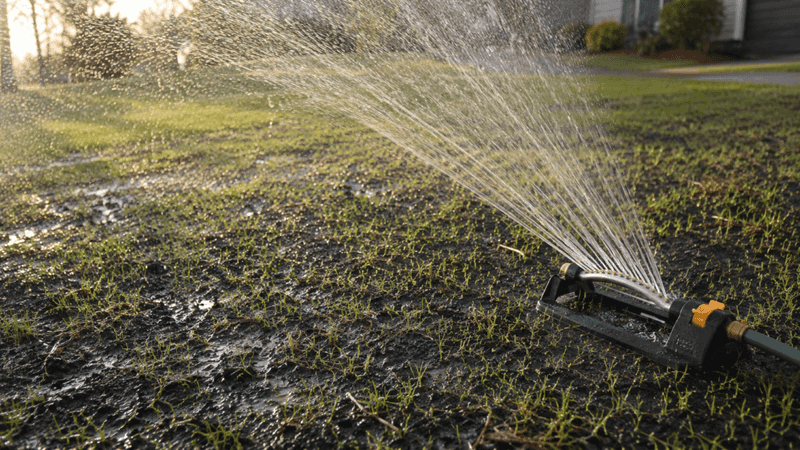
Water is the secret ingredient that turns grass seed into a real lawn. Seeds need steady moisture to sprout, and new seedlings need it to keep growing.
If the top layer of soil dries out for even one hot afternoon, your young grass can lose ground fast.
Early on, aim for light and frequent watering. Run your sprinklers once or twice a day for a short time, just enough to dampen the surface without making puddles.
The goal is to keep that top inch of soil feeling like a wrung-out sponge, not soggy and not dry. Once most of the seedlings are up and growing, start changing your routine. Water a little less often, but let each session run longer.
Your North Carolina Garden Changes Every Week. Your Plan Should Too.
Gardening in North Carolina changes quickly throughout the season. Every Friday you’ll receive a simple weekly plan showing exactly what to plant, prune, fertilize, harvest, and protect so you never miss the right timing.
Over a few weeks, work toward soaking the soil several inches deep, then letting the surface dry slightly before watering again. Deeper water invites roots to chase it downward, and deeper roots mean a tougher lawn.
A simple trick can help you check your progress. Push a screwdriver into the ground after watering. If it slides in easily a few inches, you are doing great, and if it stops short, give the lawn a bit more time under the sprinkler.
Here in North Carolina, October is often one of the driest months of the year. Rain may skip your yard for weeks, even while the sun stays strong.
That makes your hose or sprinkler system the best friend your new fescue has right now, so keep it handy and use it wisely.
3. Water Early In The Day
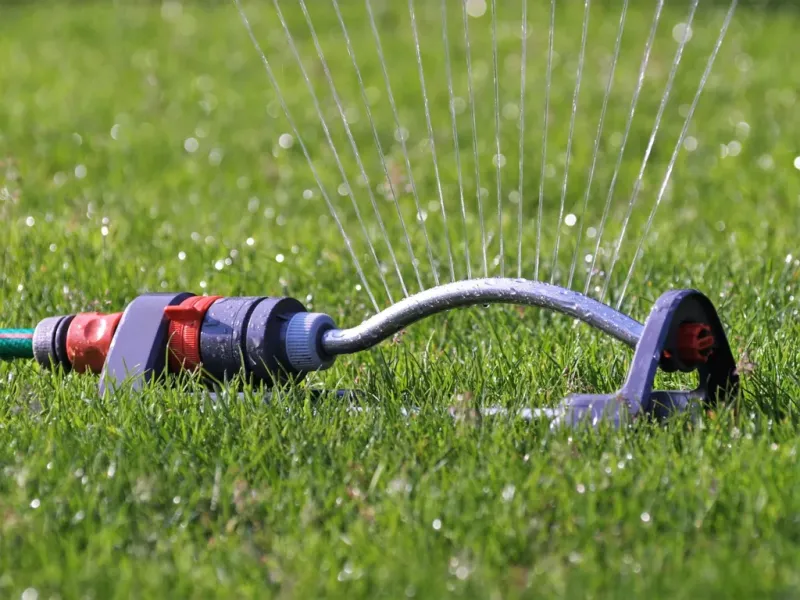
Timing your water is almost as important as the amount you give. Morning is the sweet spot for new fescue, and there are good reasons for that. A drink at sunrise fills the soil right before the hottest part of the day arrives.
Early watering also lets the grass blades dry off as the sun climbs. Dry blades are much less likely to grow fungus or other problems.
When you water late in the evening, the lawn stays wet all night long, and that dampness creates a cozy home for seedling diseases.
So set your sprinklers to run in the early morning, ideally between about 5 and 9 a.m. If you use a timer, that makes the job easy, even on busy weekdays.
On truly hot afternoons, take a quick look at your seedlings around lunchtime. If they look limp or curled, a short midday sprinkle can cool them down and get them through the day.
What you want to skip is nighttime watering. It might feel convenient after work, but it does more harm than good for tender young grass. A dry evening lawn is a healthier lawn.
North Carolina falls make this habit extra important. Early autumn nights here can stay warm and sticky, especially in the Piedmont and along the coast.
Those humid conditions are exactly what lawn diseases love, so giving your grass a chance to dry before dark is one of the smartest moves you can make this season.
4. Watch For Seedling Diseases In Warm, Humid Weather

Sometimes a lawn looks fine one evening and shows strange brown patches by morning. That sudden change can point to a seedling disease. Two common troublemakers on young fescue are Pythium blight and damping-off.
Both diseases love warm nights and wet grass. Pythium blight can make patches of seedlings collapse and look greasy or water-soaked, almost like someone spilled oil on them.
On humid mornings, you might even spot fuzzy, cotton-like threads on the blades. Damping-off often hits sprouts right at the soil line, causing them to topple over and turn brown quickly.
Prevention is your best tool here. Avoid overwatering, since soggy soil gives these problems a head start.
Stick to morning watering so the grass dries during the day. Hold back on heavy nitrogen fertilizer during hot, muggy spells, because lush, soft growth is easier for disease to attack.
If you do find damaged patches, try not to panic. Mark them, cut back on extra water, and wait for cooler weather to arrive.
Once temperatures drop, you can rake those spots lightly and reseed them so they fill back in. A local garden center or your county Extension office can also help confirm what you are seeing.
Homeowners in the Piedmont and Coastal Plain should keep an extra close eye out. Early fall in these regions can bring warm, humid stretches that stress new fescue.
Checking your lawn each morning, coffee in hand, helps you catch trouble early and act before small spots become big ones.
5. Wait To Mow Until The Grass Is Tall Enough

That shiny mower in the garage might be calling your name, but your new lawn needs you to wait. Cutting young fescue too soon can yank tiny seedlings right out of the loose soil.
It can also add stress during hot weather, when the grass is already working hard. Letting the grass grow taller actually helps it beat the heat. Longer blades shade the soil, which keeps the ground cooler and holds moisture in.
Cooler soil means happier roots, and happier roots mean faster growth. So when should you mow for the first time? Wait until most of the grass reaches about 4 inches tall.
Then trim it back to around 3 to 3.5 inches. Make sure your mower blade is sharp, because a dull blade tears grass instead of slicing it cleanly, leaving ragged tips that turn brown.
Pick a day when both the grass and soil are dry. Wet soil is soft, and mower wheels can leave ruts or pull up seedlings.
Also follow the one-third rule, which means never cutting off more than a third of the blade height at once. Taking too much at one time shocks the plant and slows its progress.
In North Carolina, taller fescue simply handles heat and dry spells better than grass that is cut short. Many experts recommend keeping tall fescue at around 3 inches or a bit higher all year.
Treat that first mow as a milestone, and enjoy the fresh, clean look of your growing lawn.
6. Hold Off On Herbicides

Spotting weeds in your fresh lawn can be frustrating. Your first thought might be to grab a bottle of herbicide and spray away.
Hold that thought, because many of those products can hurt your new grass just as much as the weeds.
Young fescue seedlings are tender and still finding their footing. Many herbicides can damage or stunt them, leaving the lawn thin and weak.
Pre-emergent products are an even bigger issue, since they work by stopping seeds from sprouting, and they cannot tell the difference between weed seeds and the grass seed you just planted.
The safest plan is to wait. Let your new lawn get mowed several times before you use any weed control product.
By then, the grass has stronger roots and can handle treatment better. Even then, read every label carefully, since most products list a waiting period for newly seeded lawns.
Meanwhile, you still have options. Pull larger weeds by hand, especially after watering when the soil is soft and roots slide out easily.
A small weeding tool can help with stubborn ones. A thick, healthy lawn is also one of the best natural weed blockers, so the stronger your fescue grows, the fewer weeds you will see.
Timing makes this tricky in North Carolina. Winter weeds like henbit, chickweed, and annual bluegrass start sprouting in fall, right when new fescue is getting established.
A bit of hand weeding now keeps things under control until your grass is ready for more serious help.
7. Keep Foot Traffic Off The New Lawn

Kids love to run, dogs love to explore, and everyone loves a shortcut across the yard. Your new lawn, though, needs a break from all that action. Each step on young grass can crush tender seedlings flat.
Foot traffic also packs down the soil. Compacted ground makes it harder for roots to push through and for water to soak in.
When your lawn is already struggling with October heat, that extra pressure can slow growth even more.
The best solution is simple. Keep people, pets, and equipment off the new seeding until the grass has been mowed a few times.
That gives the roots time to anchor and the blades time to toughen up. Making the area easy to avoid helps a lot. Set up wooden stakes with string or bright ribbon around the edges, so visitors know to stay out.
A small sign can work wonders with neighbors and delivery drivers. If you need to reach a spigot, shed, or gate, lay down stepping stones or a temporary path of boards.
Walking on those spreads out your weight and protects the grass underneath. Pets may need a new routine for a few weeks. Try leading your dog to a different corner of the yard or using a leash during potty breaks.
For North Carolina homeowners, fall is a busy season outdoors. Leaf raking, football games, and backyard cookouts all bring extra feet into the yard. With a little planning, you can enjoy autumn fun while your lawn grows strong.
8. Fertilize On A Light, Steady Schedule
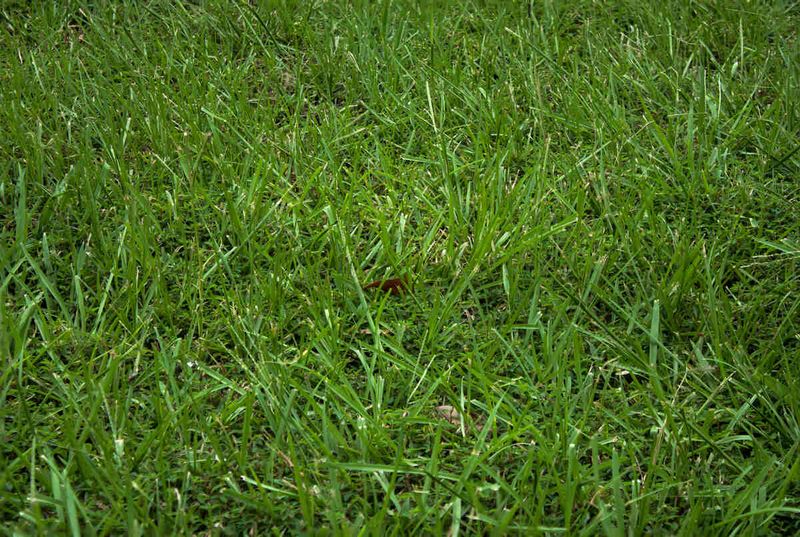
Feeding your lawn is a bit like feeding a growing kid. Young grass needs nutrients to build roots and blades, but too much at once can cause problems.
During hot spells, heavy nitrogen pushes out soft, fast growth that diseases find easy to attack.
Start with a soil test. In North Carolina, the NC Department of Agriculture offers soil testing, and kits are often available at your county Extension office.
The results tell you exactly what your soil needs, including lime and nutrients, so you avoid guessing.
At seeding time, a starter fertilizer gives young grass a helpful boost. These products are made to support root growth in new lawns. After that, think steady and moderate rather than big and heavy.
NC State Extension publishes a tall fescue maintenance calendar that many homeowners rely on. It lays out when to feed your lawn in the fall and how much to use.
The calendar favors moderate feedings at the right times instead of large doses during warm weather. Following it takes much of the stress out of planning.
A spreader makes even coverage easy. Walk in straight lines, overlap slightly, and sweep any granules off sidewalks and driveways so they do not wash away.
Watering lightly afterward helps move the nutrients into the soil. Fall feeding matters a great deal for fescue in our state. Cool autumn weeks are when this grass builds most of its root strength.
Smart, steady fertilizing now sets your lawn up to handle winter and green up beautifully next spring.
9. Reseed Thin Spots Before The Window Closes
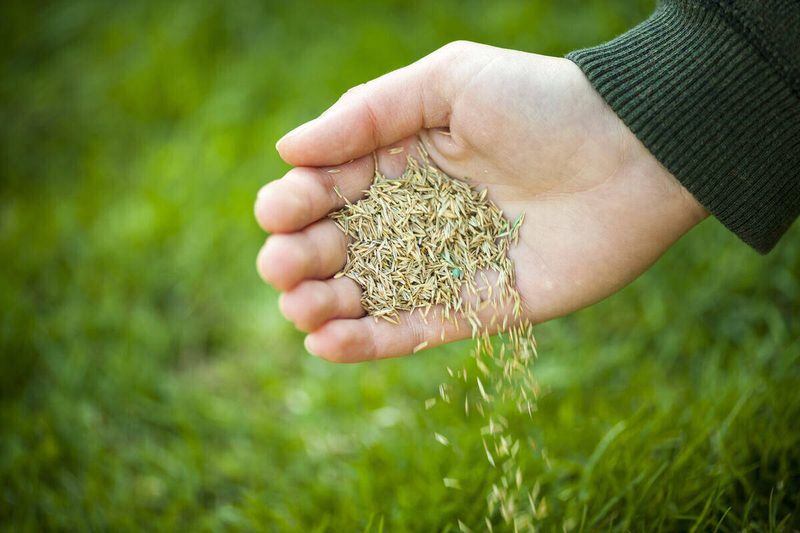
Even the best-kept lawns end up with a few bare or thin spots. Heat, disease, or hungry birds can all leave gaps behind.
The good news is that a quick touch-up can fill them in, as long as you watch the calendar. Timing really matters with fescue. The grass needs several weeks of growth before winter to settle its roots into the soil.
If you seed too late, young sprouts face freezing weather before they are ready, and many struggle to survive the cold.
Fixing thin spots is fairly easy. Rake each area lightly to loosen the top layer of soil and clear away debris.
Spread fresh seed evenly, then gently rake again so the seed makes good contact with the ground. A thin layer of straw can help hold in moisture.
After that, keep those spots moist with light, frequent watering, just like you did with the rest of the lawn. What if the season slips away from you? No worries.
You can plan to reseed in late winter or early spring instead. Spring seedings face more summer stress, so give them extra care, but they can still work well.
Location changes your deadline in North Carolina. In the Mountains, fescue is usually seeded from late August to mid-September.
In the Piedmont, the window runs from September into mid-October. Check your region, act quickly, and those patchy spots can blend right into a full, healthy lawn.