What It Means When a Gopher Snake Shows Up in Your California Yard
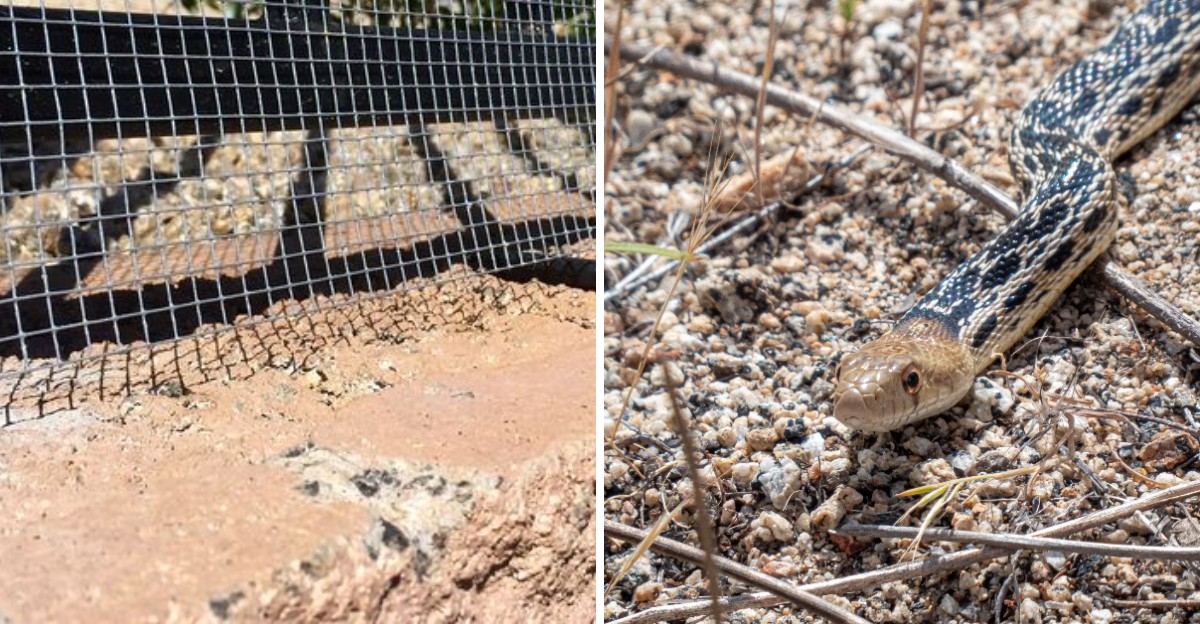
A harmless snake in my garden once hissed so loudly that I jumped backward into my tomato cage. It also flattened its head and buzzed its tail in dry leaves, putting on a perfect rattlesnake costume.
That whole performance was a bluff, because this visitor carries no venom and has round pupils like a puppy. Its real job in a California yard is hunting the furry diggers that chew through your carrots.
Personally, I went from grabbing a shovel to cheering it on in about three nervous minutes. Early October brings these sightings more often, since young hatchlings wander out while adults soak up autumn sunshine.
You need to know what that patterned stranger is telling you about the soil beneath your feet. So what exactly is happening underground that brought such a dramatic guest up to your back door? Find out now!
Your Yard Has A Rodent Buffet Hiding Underground
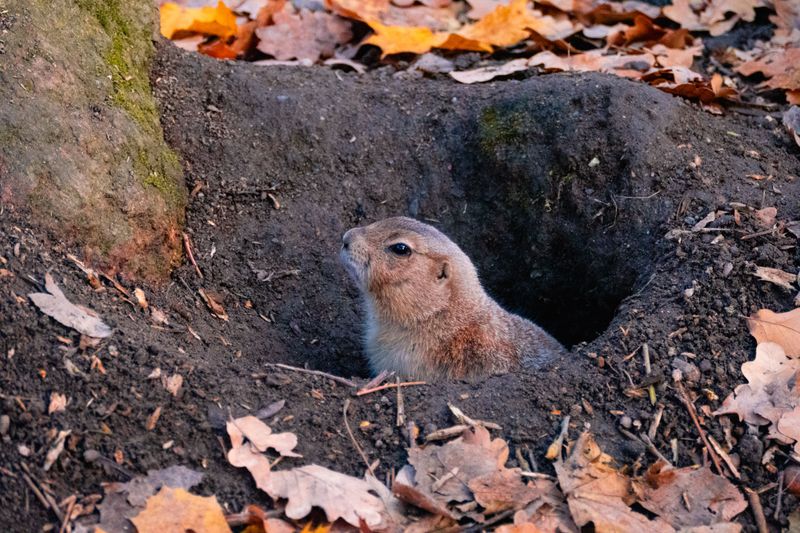
Fresh dirt mounds shaped like little horseshoes are often the very first clue that explains your new scaly guest. A gopher snake usually shows up because its nose has picked up the scent of busy pocket gophers nearby.
These snakes follow rodents right into their underground tunnels, sliding through narrow burrows that most predators cannot reach easily. Once inside, they squeeze their prey with strong coils, then swallow the whole meal headfirst without any chewing at all.
Gophers are not the only item on the menu, since mice, voles, ground squirrels, and young rats count too. Some snakes also raid bird nests for eggs, so a busy feeder area can draw them in as well.
In other words, a sighting says something honest about your yard that you might not see from the porch. Rodents are living there in decent numbers, and the snake simply came to collect its fair share of dinner.
I find that oddly reassuring, because the visitor is doing work I would otherwise happily pay someone to handle. Watch for more mounds over the next few weeks, since fewer fresh piles can hint the snake is succeeding.
Your Rattlesnake Lookalike Has A Few Giveaways
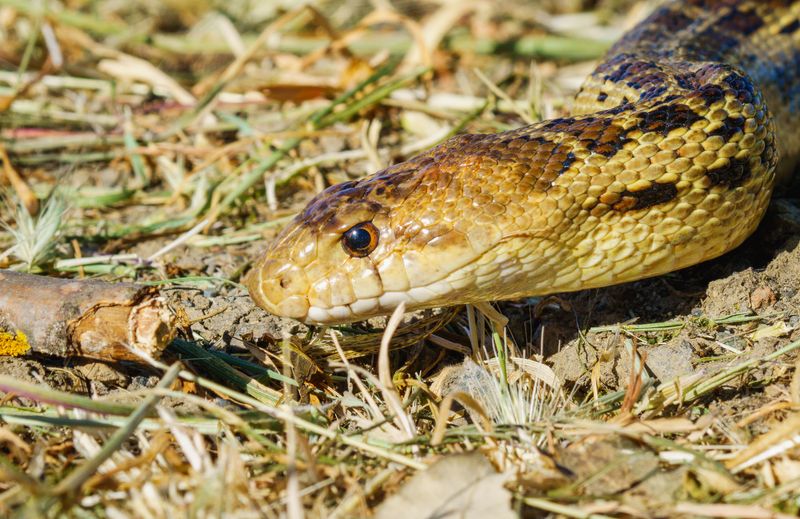
Rattlesnake confusion happens so often in California that wildlife groups field these worried calls regularly throughout the fall. The gopher snake earns that mix-up honestly, since it hisses loudly, flattens its head, and shakes its tail in leaves.
Start by looking at the tail tip, because a gopher snake tapers to a thin point with no rattle. Rattlesnakes carry stacked beadlike segments at the end, which look like a chunky button from a safe distance.
Next, check the head shape from several feet away, since gopher snakes have narrow heads that blend into the neck. Rattlers show a wide, triangle-shaped head with a slim neck, plus pupils shaped like thin vertical cat-eye slits.
Gopher snakes have round pupils, a yellowish or tan body, and dark brown blotches running down the whole back. Adults commonly stretch four to six feet long, which makes them look scarier than their mild temper deserves.
Your California Garden Changes Every Week. Your Plan Should Too.
Gardening in California changes quickly throughout the season. Every Friday you’ll receive a simple weekly plan showing exactly what to plant, prune, fertilize, harvest, and protect so you never miss the right timing.
That loud hiss comes from a small flap of tissue near the windpipe, which works a bit like a kazoo. If you still feel unsure about the snake in front of you, treat it as a rattler and step back.
Early Fall Brings More Snake Sightings Your Way
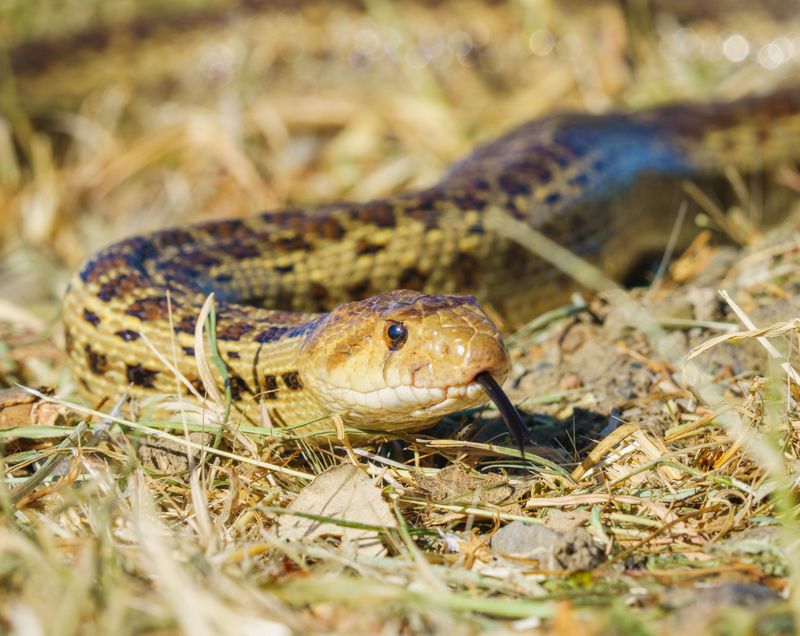
October afternoons in the garden feel golden, and snakes seem to agree as they stretch across warm stepping stones. Cooler mornings push gopher snakes to shift their schedule, so midday becomes their favorite time to move around.
Hatchlings also enter the picture right now, since eggs laid in early summer usually hatch by late summer or fall. These babies measure around a foot long and wander widely while searching for their very first small meals.
Young snakes often turn up in garages, window wells, and pool filters because they have not learned the terrain yet. Adults are also fattening up before the colder months, so they hunt a little harder through the season.
By late November in many parts of California, most of these snakes slip underground into burrows for a winter rest. Scientists call this slowed-down state brumation, and warm spells can still bring a few back out briefly to bask.
Coastal yards with mild weather may see activity a bit longer than foothill or high desert gardens usually do. Keep an eye on sunny patios, wood piles, and garden beds over the next several cool weeks of autumn.
Grabbing A Shovel Is A Mistake You Can Skip
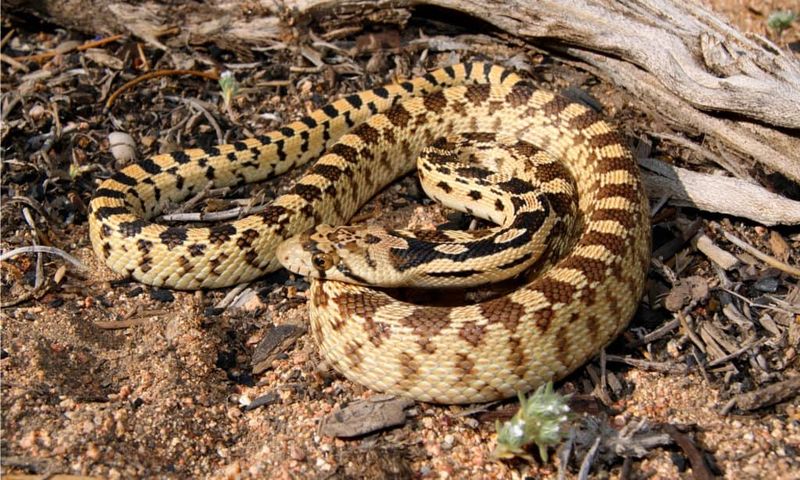
Plenty of folks reach for a shovel the second they spot a snake, and I understand that jumpy reflex. Still, swinging tools at a gopher snake is one of the most common yard mistakes people make each fall.
Most snake bites happen when people try to grab, move, or strike the animal instead of simply walking away. Getting close also puts you at risk if your identification turns out wrong and the snake is a rattler.
A cornered gopher snake may strike with its mouth closed first, which is a bluff meant to scare you off. If you keep pushing, it can deliver a real bite that stings, scratches, and needs a good soap scrub.
Harming the snake also backfires on your garden, because the rodent crew it was hunting gets a free pass. Within weeks, you might notice fresh gopher mounds popping up again across the lawn and your fall vegetable beds.
Pets deserve attention too, since curious dogs and cats may poke at the snake and get nipped on the nose. Calling your dog inside and giving the visitor a few quiet minutes usually solves the whole situation peacefully.
A Calm Plan For Moving Your Visitor Along
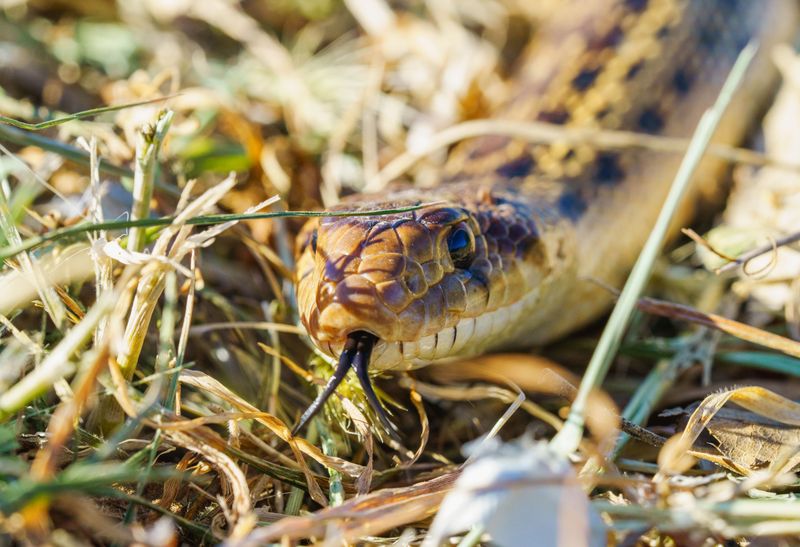
Patience works wonders with snakes, and in my experience most of them leave within an hour if left alone. Give the animal at least six feet of space, then watch quietly to see which direction it chooses to travel.
A gentle spray from the garden hose aimed near the snake, not directly at it, often nudges it along. Light stomping on the ground a few feet away sends vibrations that encourage the snake to slide off quietly.
If one wanders into your garage, open the nearest door so the snake can see a clear path outside. A long broom works well for slowly sweeping it toward the exit while you stay well out of reach.
Another handy trick involves placing an empty trash can on its side, since snakes like crawling into dark spaces. Once the snake slips inside, tip the can upright and carry it to a brushy spot nearby for release.
Feeling too nervous for any of that is perfectly fine, and plenty of local services handle snake calls daily. Many California animal control offices and wildlife rescue groups can relocate the visitor safely, sometimes for a small fee.
Your Garden Gains A Quiet Pest Control Partner
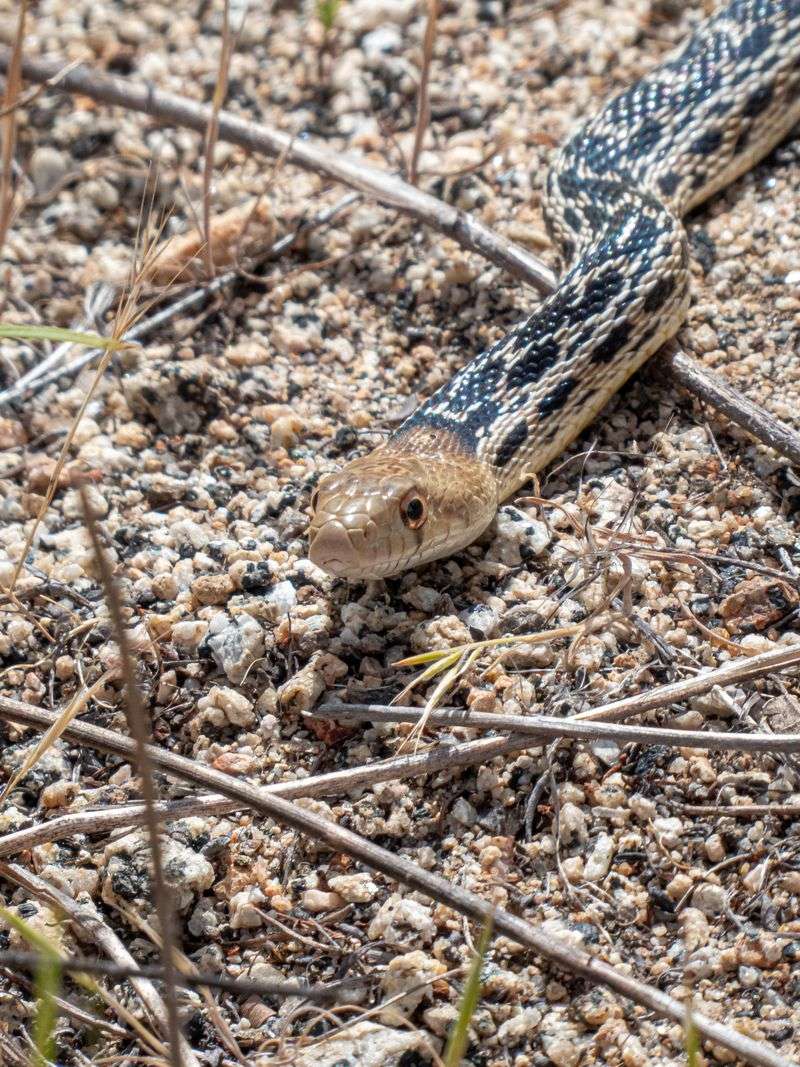
One adult gopher snake can eat dozens of rodents in a single active season, which saves plenty of sprouts. I like to think of that appetite as free garden security that works without a paycheck or lunch break.
Gophers can chew through drip lines, tree roots, and bulbs, so fewer of them means healthier beds next spring. Mice and rats also spread germs around sheds and patios, which makes their decline a welcome change for families.
Snakes also skip the poison problems that come with rodent baits, which can harm owls, hawks, pets, and foxes. Many California gardeners now welcome these snakes as part of a safer, more natural plan for everyday pest control.
Fun fact for your next backyard barbecue: gopher snakes are skilled climbers that can scale trees to reach nests. They also swim fairly well, though they mostly prefer dry grasslands, scrubby hillsides, open woodlands, and quiet farm edges.
Their presence hints that your yard still supports a healthy food web, from beetles and lizards to small mammals. That balance is something worth bragging about, so consider letting the snake stay if you feel comfortable with it.
Simple Yard Tweaks Help You Set Your Own Boundaries
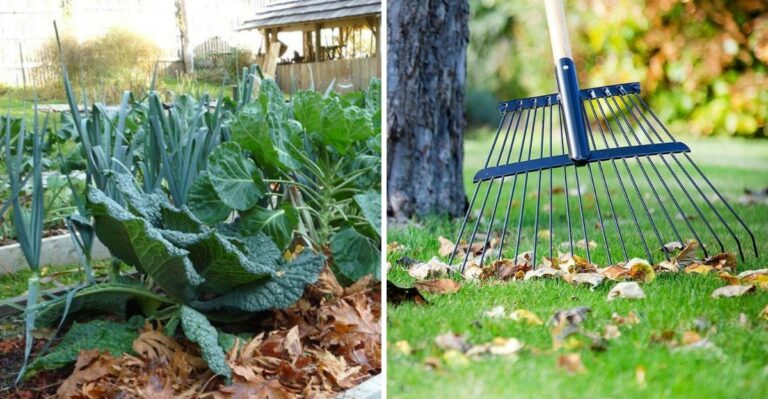
Fall cleanup season happens to be the perfect time to make your yard a little less inviting for snakes. Raking leaves and trimming shrubs now also removes the cozy shelters they would use during the cooler weeks ahead.
Move firewood stacks, lumber, and rock piles away from the house, ideally lifting wood a foot off the ground. Keeping grass trimmed short near doors and walkways gives snakes fewer hiding spots and gives you clearer views.
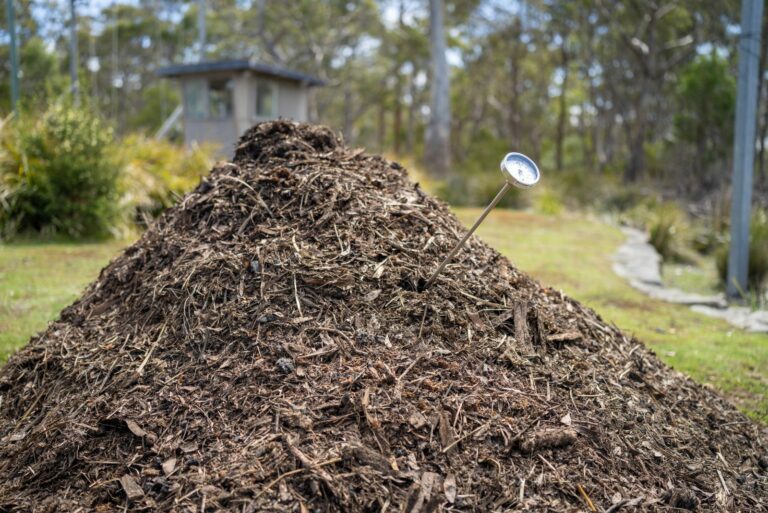
Food sources matter most, so sweep up spilled birdseed and bring pet food bowls inside before the sun sets. Sealed compost bins and tightly closed trash cans also keep hungry mice from setting up a busy autumn camp.
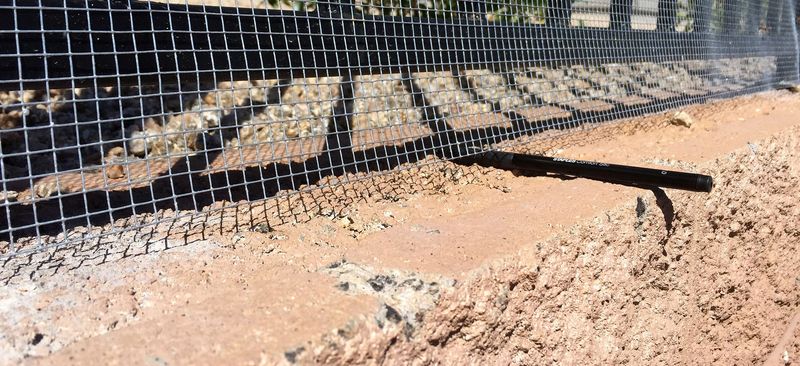
Check the bottoms of garage doors, crawl space vents, and gaps around pipes for openings larger than a quarter inch. Weather stripping and fine hardware cloth seal those spots cheaply and keep curious hatchlings from slipping indoors this month.
For a snake-free zone around a backyard play area, some homeowners install fine mesh fencing buried several inches underground. Personally, I leave the back corner wild, because a little snake traffic out there keeps my gopher troubles manageable.