Why Your Rosemary Is Turning Brown in Arizona and How to Fix It
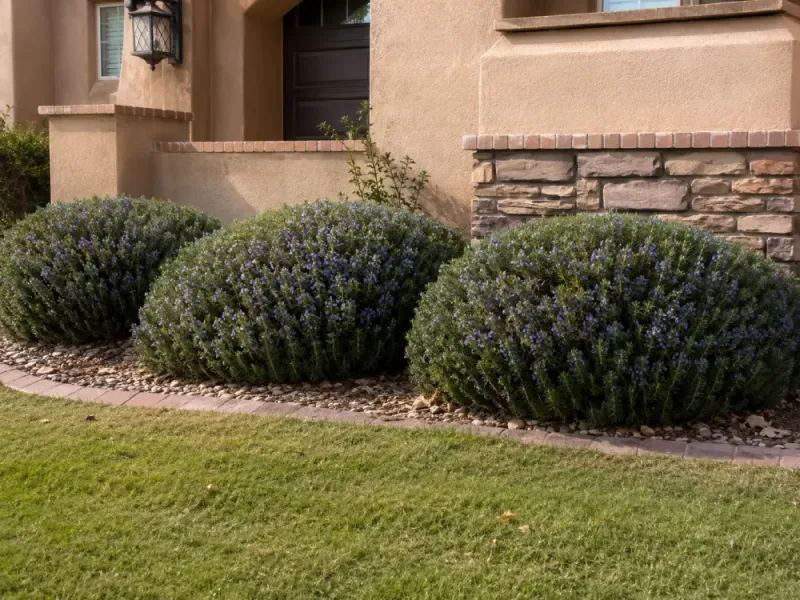
Brown rosemary in Arizona usually comes from a few common problems, and most of them are fixable. Heat, water habits, drainage, pots, salts, mites, and roots can all play a part.
The trick is to look closely before you change anything. A few simple checks will point you toward the right next step.
Brown Leaves Can Have Several Causes
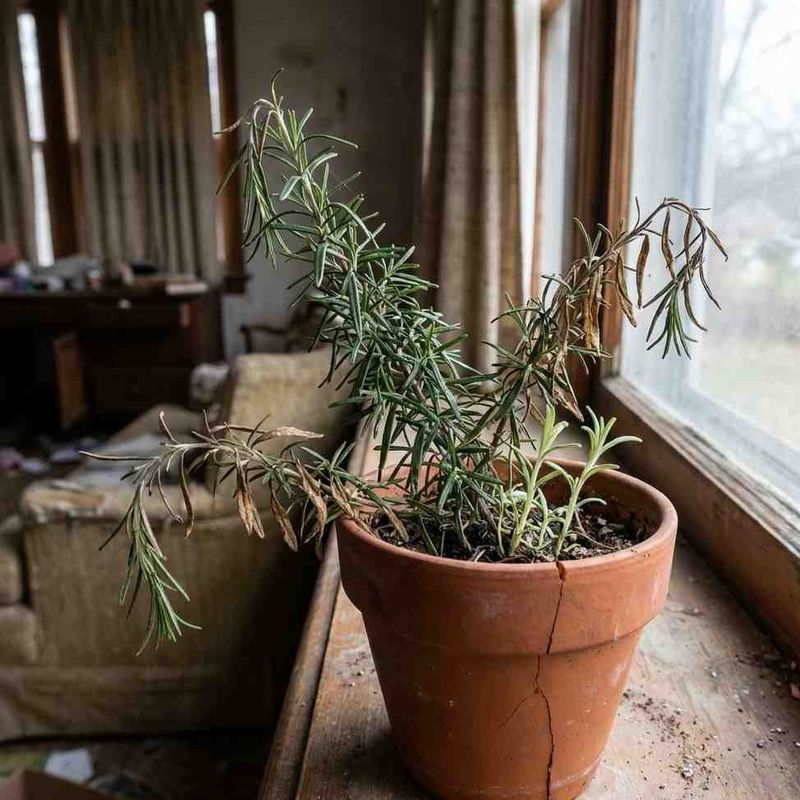
When rosemary turns brown, it is tempting to grab the hose or the pruners right away. Hold off for a moment, because brown foliage can have several causes.
Heat and drought stress, too much irrigation, poor drainage, and less common pest or disease problems can all leave a plant looking scorched.
That overlap is the reason a quick guess can backfire. University of Arizona guidance on drought and extreme heat lists browning among the signs of heat and drought stress.
Root problems can also cause browned branches, so the color alone will not tell you which one you have.
Rosemary is known as a tough plant, but tough does not mean it never needs care. Arizona Extension notes that it needs irrigation while getting established, and it may need extra water during very hot, dry stretches later on.
See the Yavapai County rosemary guide for one regional example.
So take a few minutes to inspect first. The next sections walk through soil, drainage, planting spot, heat, salts, mites, and roots, one clue at a time.
Check The Soil And Drainage First
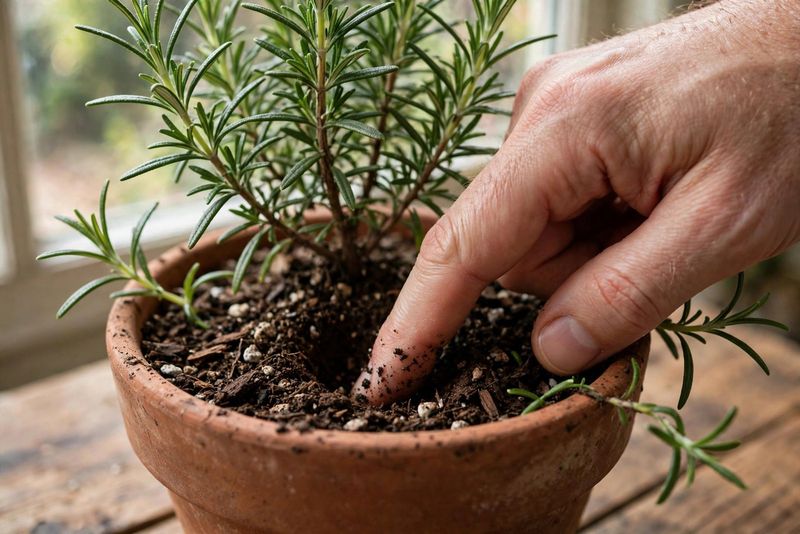
Before you change your watering, find out what the soil is doing. Push a finger a few inches down near the root zone and see if it feels dry, damp, or soggy.
Then look at the planting spot to see if water pools or drains away slowly after irrigation.
Rosemary does best in well-drained soil, according to UC IPM cultural tips for rosemary. Soil that stays wet for long stretches can raise concern about root problems.
Treat that as a clue, not a diagnosis.
Dry soil tells a different story. Arizona heat and drought can dry out roots and brown the foliage, so bone-dry ground around a browning plant points toward thirst.
Let what you find guide the response. Soggy soil calls for better drainage and less frequent irrigation, while dry soil may call for a deeper drink.
Browning with damp soil and dry soil needs opposite fixes, which is why guessing is risky.
Water In-Ground Plants According To Their Setting
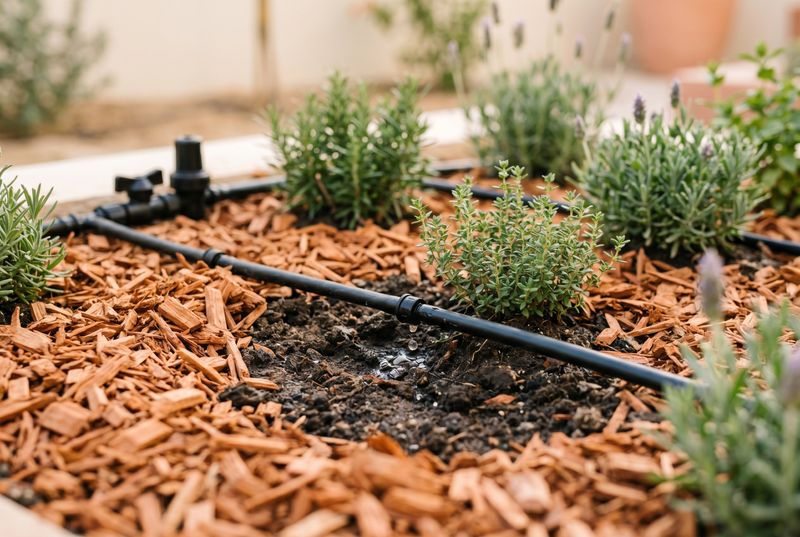
In-ground rosemary does not follow one schedule. Plant age, soil type, weather, and location all change how much water it needs.
A new plant in sandy soil in July is a very different case from an established shrub in a cooler spot.
The University of Arizona Yavapai County guide offers a regional example. It suggests watering new plants every three to five days during establishment, then easing off as roots spread.
It also describes minimal extra irrigation for established plants in native soil there, with May and June marked as critical months. Those details come from that county, so do not treat them as a rule for every part of Arizona.
You can read the details in the Yavapai County rosemary guide.
Drought-tolerant does not mean never thirsty. For herbs in the ground, University of Arizona Tucson herb guidance favors deep, less frequent irrigation and keeping water off the foliage.
Potted Rosemary Dries And Heats Up Differently
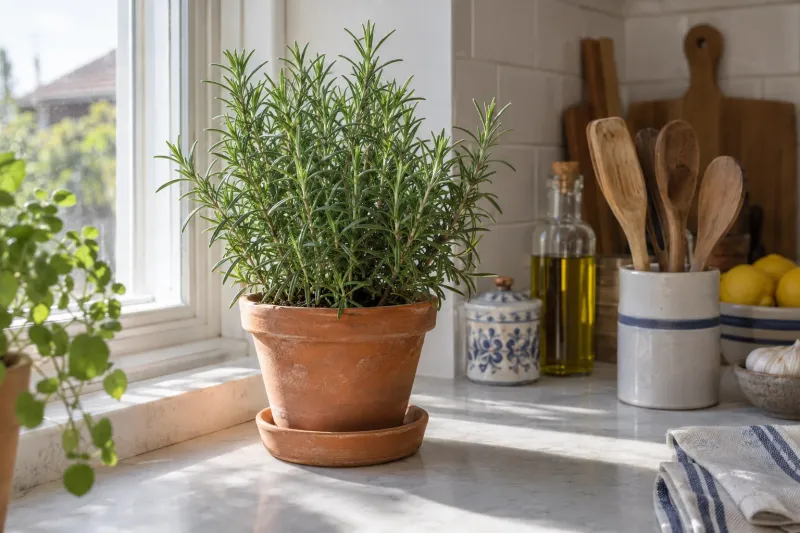
A pot is a very different home from a garden bed. Containers need drainage holes, and the mix inside can dry quickly in desert weather.
Check whether water runs freely out the bottom after you irrigate.
Small pots are the hardest to keep evenly moist. University of Arizona Tucson herb guidance notes that containers need drainage and can dry fast.
In direct summer sun, the roots inside can also overheat, which may brown the plant even when you water often.
Before adjusting anything, feel the mix a couple of inches down and lift the pot to judge its weight. Look at the drainage holes too, since a blocked hole can keep the mix soggy.
Check for white crust on the surface or rim, too, as it can hint at salts, which the Southwest desert container gardening guide covers.
If the mix is dry and the pot is hot, moving it out of harsh sun may help as much as extra water.
Heat And Sun Can Add Stress
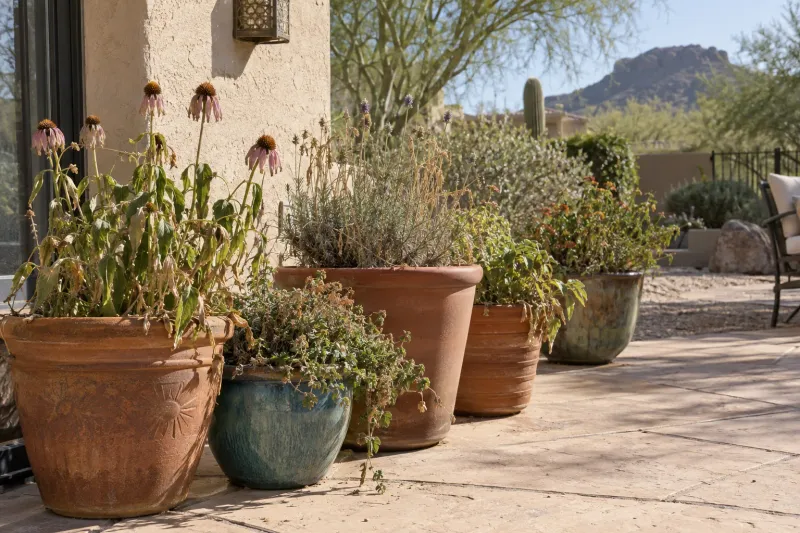
Desert summers are tough on almost every plant. Intense heat and drought can stress rosemary until its needles brown, and University of Arizona guidance on heat and drought lists browning among the signs.
Look at which side of the plant is affected, since the side facing hot afternoon sun is often hit hardest.
Exposure matters for pots, too. A container against a hot wall or on pavement can bake the roots.
Moving it a few feet can change the conditions a lot.
There is no single sun rule for all of Arizona. UC IPM describes rosemary as suited to full sun to partial shade.
Meanwhile, Tucson herb guidance cautions that intense desert summer sun can make some afternoon shade useful.
So afternoon shade is one possible response, not a requirement. If browning shows up on the sun-facing side during a heat wave, try a bit of shade cloth or a better spot.
Brown Edges May Point To Salt Buildup
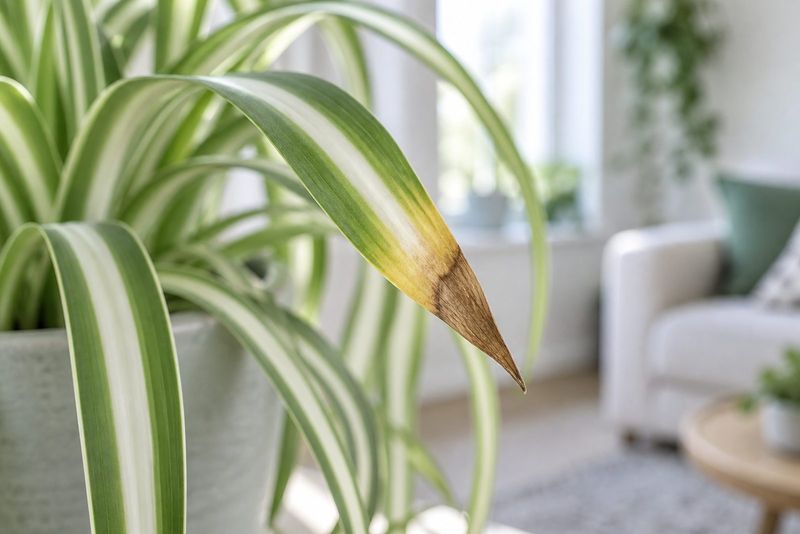
Look closely at the leaf tips and edges. Brown tips or edges with a yellow border can be a clue to salt burn, especially on a container plant.
It is only a clue, since other stresses can look similar.
Salts can build up in pots over time from water and fertilizer. The University of Arizona container gardening guide says accumulated salts can be leached with ample water, but only when the pot drains freely.
If it drains poorly, fix the drainage first so you do not create a soggy mess.
Skip softened water for this job, because the same guide identifies it as high in salts. Plain tap or rain water is a better choice.
Do not reach for extra fertilizer either, since more feeding can add to the salt load. If a flush of water improves new growth, you have learned something useful.
If not, keep looking at other clues.
Look For Mites And Root Problems Before Treating
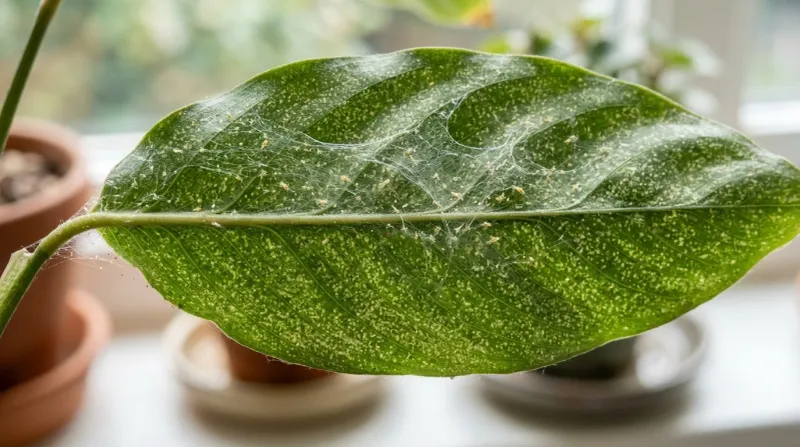
Two problems deserve a closer look before you treat anything. The first is spider mites.
They can leave stippled or yellowing leaves, so check the undersides for mites, eggs, or fine webbing.
UC IPM recommends confirming mites are present and monitoring before treatment. It also warns that soaps and oils can injure plants in hot weather or when they are water-stressed, and advises against using them above 90 degrees F.
Routine spraying is not the answer for unexplained browning.
The second is root rot. Persistent wet soil and poor drainage raise that concern.
The Pacific Northwest Plant Disease Management Handbook notes that several organisms can cause it, with symptoms such as yellowing, browned branches, or dark leaf tips.
Browning alone cannot confirm root rot. Look at the drainage, the wetness of the soil, and the roots if you can safely check them.
If you are unsure, local Extension can help you confirm.
Choose A Fix That Matches The Clue
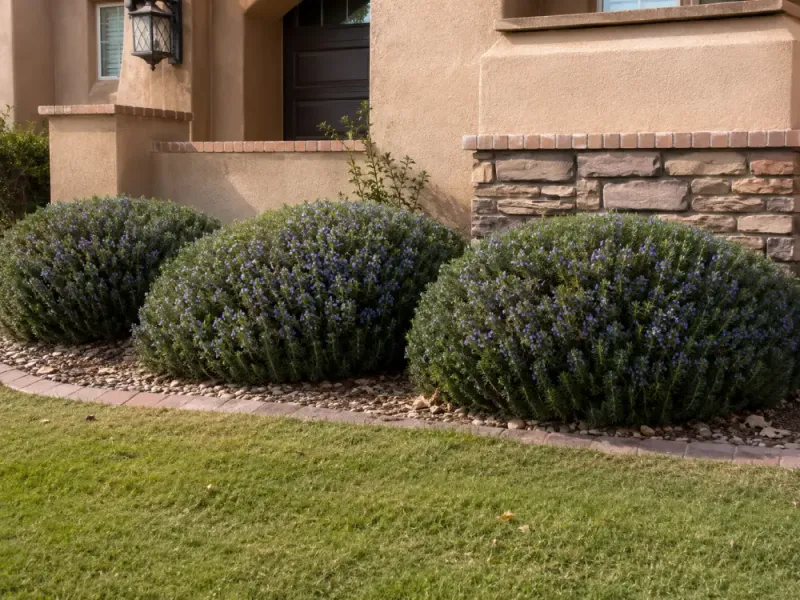
Now you can put the clues together. Start with moisture and drainage, then ask whether your plant is in a pot or established in native soil.
Next, think about how much afternoon heat it takes, and inspect any suspicious symptoms before you treat.
Targeted changes beat automatic ones. Dry soil may need a deeper watering, soggy soil needs better drainage, and a baking pot may need a cooler spot.
Skip routine pesticides, since mites should be confirmed first, as UC IPM advises.
Extra fertilizer is not a default fix either. The Yavapai County guide says plants in native soil usually need none, and it notes that too much irrigation can make plants woody.
That is one regional example, so adjust for your own site. Its rosemary guide has more detail.
Rosemary rewards the gardener who looks before acting. A few quiet minutes with your finger in the soil beat a quick fix every time.