Why Your Florida Citrus Tree Is Dropping Fruit Early
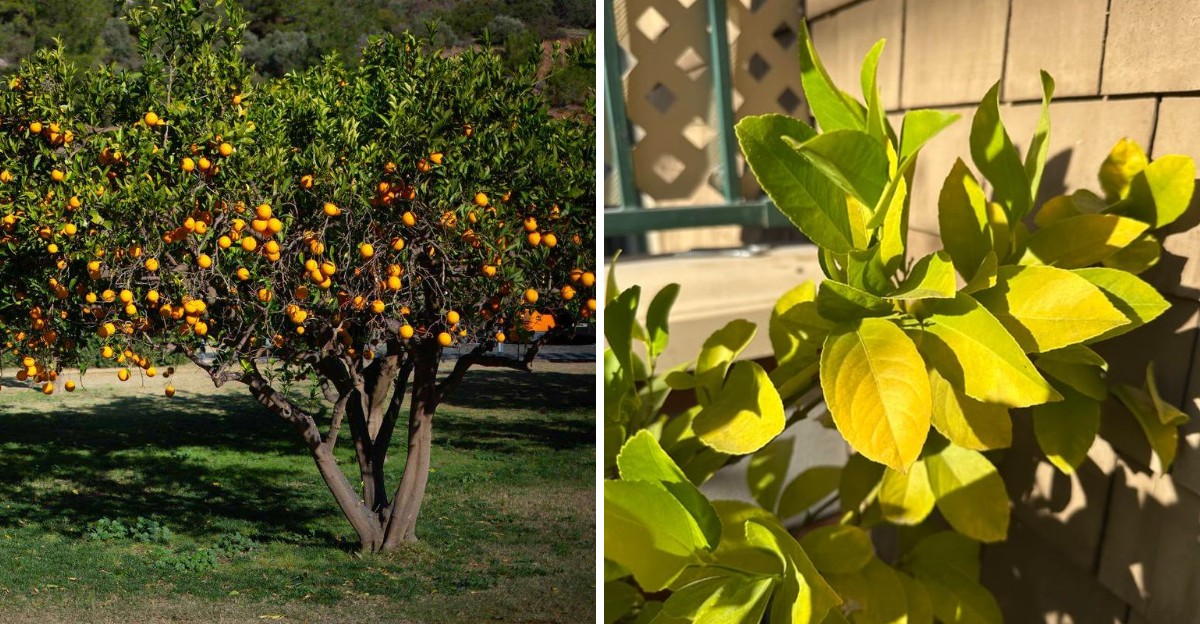
A healthy orange tree can shed nearly all of its blossoms and baby fruit in a single spring. Fewer than one or two out of every hundred flowers usually become fruit you can pick.
I remember staring at a carpet of tiny green marbles under my tree and feeling personally insulted. Then I learned the tree was mostly just doing math.
It only keeps what it can feed.
Still, not every tumble is harmless. In Florida, our heat, sandy soil, sudden storms, and a few stubborn diseases can push a tree past its normal limits.
Some drop is a smart choice by the tree, while some is a cry for help.
You need a sharp eye to tell the difference. Is your tree quietly editing its harvest, or is something bigger hiding in the leaves and roots?
1. Those Tiny Green Fruits on the Ground May Be Part of the Plan
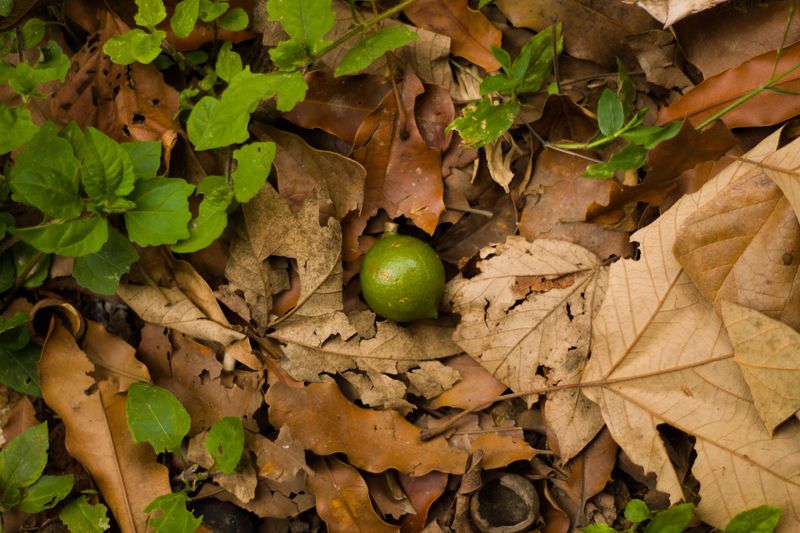
Grab a handful of those little green fruits and look closely. Many of them are no bigger than a pea or a marble, and that size is a big clue.
Citrus trees set far more fruit than they can carry. University of Florida experts explain that most blossoms and young fruit fall naturally, and only a small share ever reaches harvest.
Growers often call the later wave of this shedding June drop, though in Florida it usually happens in spring, around April and May, depending on your area and variety.
The tree is basically running a budget. Each young fruit needs sugar, water, and nutrients, so the tree lets go of the weakest ones.
The fruit left behind can then grow bigger and sweeter.
Here is how you can spot normal thinning. The fallen fruit is small, the leaves look green and glossy, and plenty of fruit is still hanging on the branches.
The drop also tends to slow down after a few weeks.
Personally, I try to rake up the fallen fruitlets and move on. Panic fertilizing or heavy watering in response usually does more harm than good.
If your tree checks those boxes, it is probably just doing its job.
2. Uneven Watering Can Make an Orange Tree Let Go
Sandy Florida soil drinks water fast and dries out just as quickly. That is great for drainage, but it can leave your citrus tree swinging between thirsty and soaked.
Water stress is one of the most common reasons for extra fruit drop. When roots get too dry, the tree produces more ethylene, a natural hormone that helps fruit detach.
Our dry spring months, often March through May, line up right when young fruit is most fragile.
Soggy soil causes trouble too. Roots need oxygen, and waterlogged ground can starve them and invite root rot.
A tree with unhappy roots cannot support a full crop.
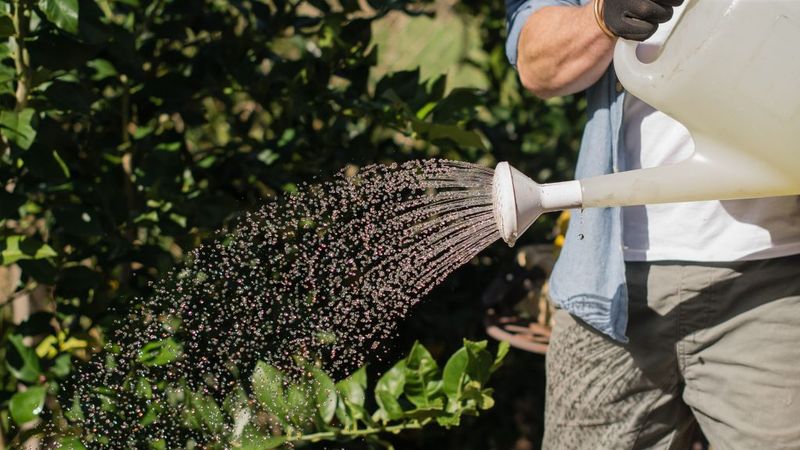
So what works? For established trees, deep watering a couple of times a week during dry spells usually beats a daily sprinkle.
Let the top few inches of soil dry slightly between waterings, and cut back during the summer rainy season.
A 2 to 3 inch layer of mulch helps hold moisture, but keep it a foot or so away from the trunk. Mulch piled against bark can encourage rot.
You can also check your sprinkler zones. Lawn irrigation often soaks citrus far more than the tree wants.
Steady and predictable is the goal here.
3. Hot Spells and Cold Snaps Can Shake Fruit Off Citrus Branches
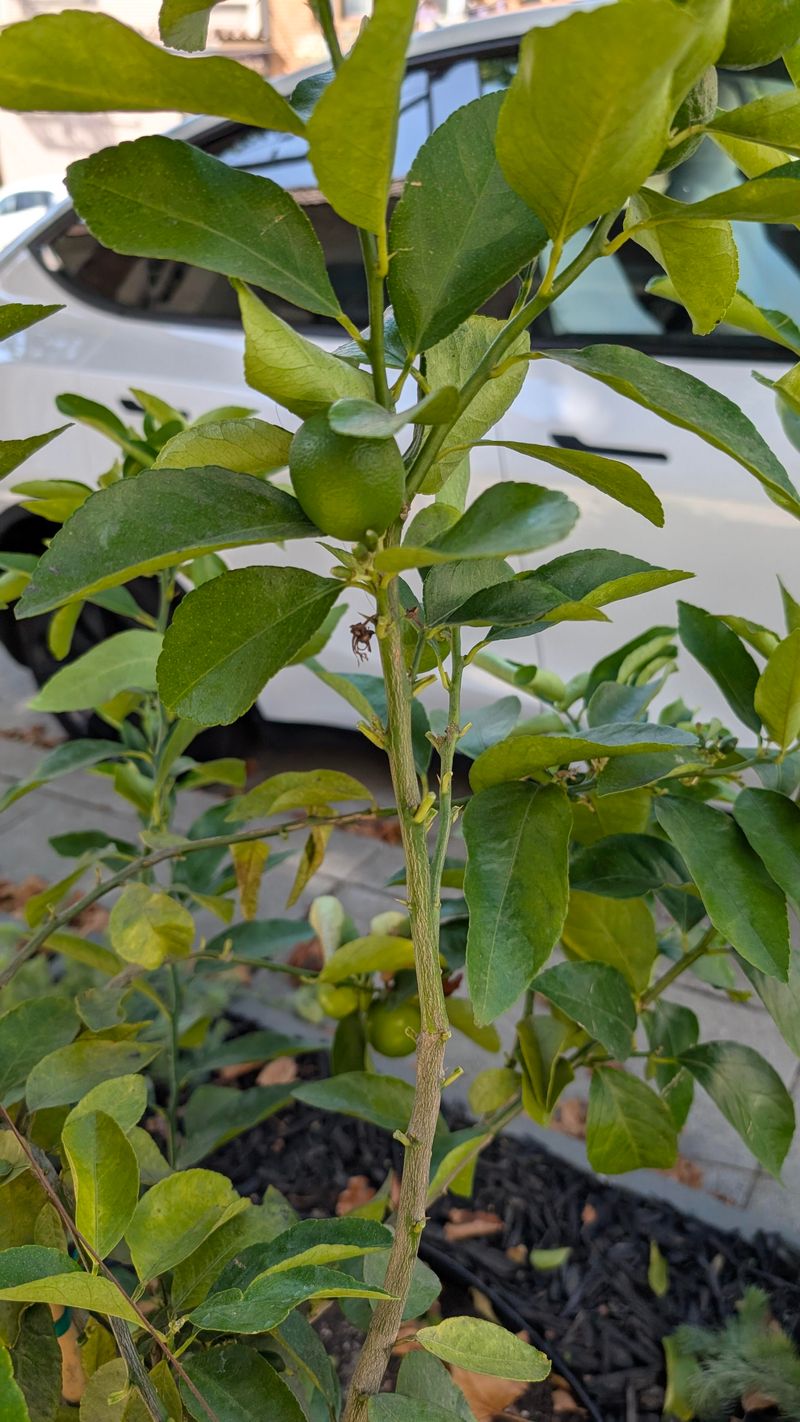
Last spring, a surprise heat wave rolled through right after my tree finished blooming. Within a week, the ground underneath looked like someone had spilled a bag of green peas.
Weather swings are a well-known trigger for extra fruit drop. Sudden high heat, especially paired with dry wind and low humidity, makes young fruit lose water faster than the tree can replace it.
The tree responds by shedding some of the load.
Cold can cause trouble too. North and central Florida get occasional freezes, and a hard frost can damage tender fruit and leaves.
Fruit hurt by cold may fall weeks later, which makes the cause easy to miss.
You cannot control the weather, but you can soften the blow. Water well before a predicted heat wave, since a hydrated tree handles stress better.
Before a freeze, water the soil a day or two ahead and cover small trees with frost cloth that reaches the ground.
Keep a simple notebook or phone note of big weather events. When fruit drops, you can look back and connect the dots.
That little habit has saved me plenty of guessing.
4. Yellowing Citrus Leaves Often Point to a Hungry Tree
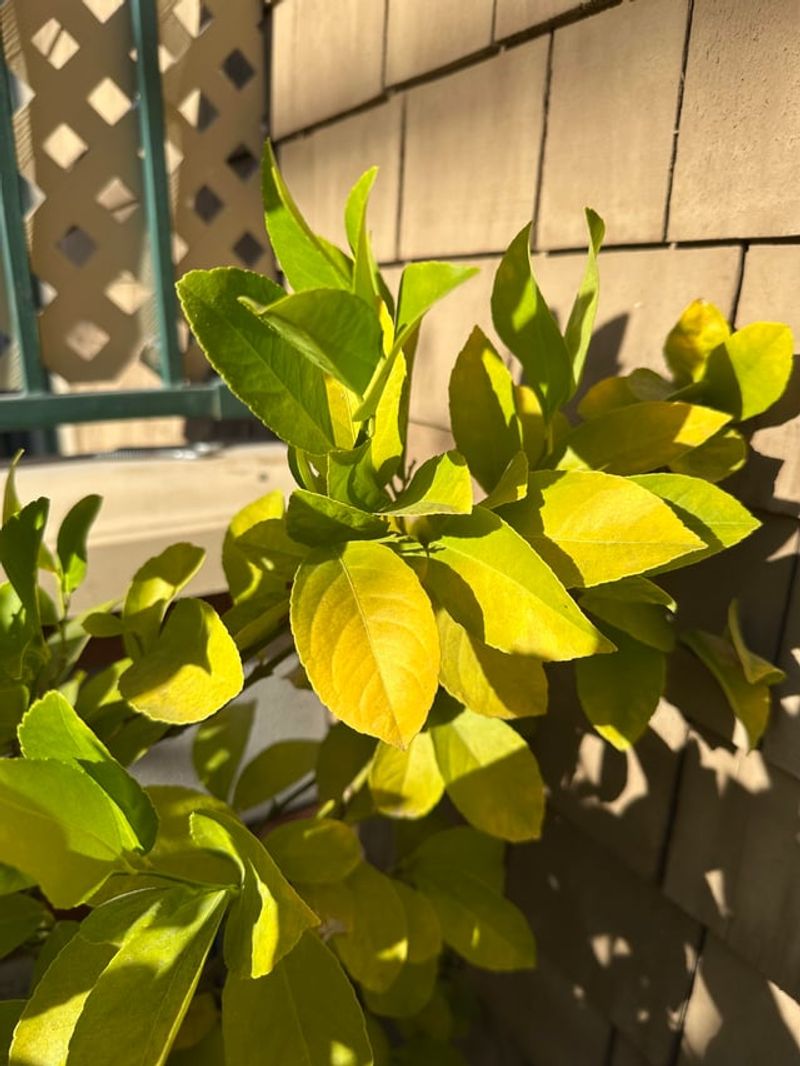
Leaves are like a report card for your tree. When they turn pale, blotchy, or yellow between the veins, nutrition is often part of the story.
Citrus needs a steady supply of nutrients to hold onto fruit. Nitrogen fuels growth and fruit development, while potassium helps with fruit size and water balance.
Micronutrients like zinc, manganese, and magnesium matter too, and Florida’s sandy soils lose them easily through rain and irrigation.
Did you know? UF/IFAS often recommends citrus fertilizers that include micronutrients, partly because our soils hold so little.
Overfeeding is not the answer either. Too much nitrogen pushes leafy growth and can even burn roots.
Follow the label rates, which are usually based on tree age or size.
Most mature backyard trees do well with fertilizer a few times a year, often spread between late winter and early fall. Scatter it under the canopy, not against the trunk, then water it in.
If you want certainty, a soil test through your county Extension office costs little and takes the guesswork out. I like knowing what my soil actually lacks before I buy anything new.
5. Citrus Greening Is the Problem Every Florida Grower Watches For
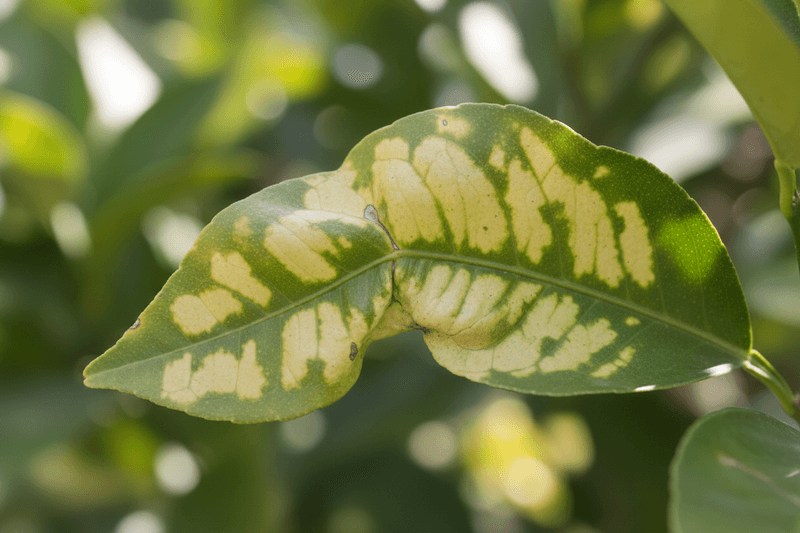
Few things worry Florida citrus lovers more than citrus greening, also called huanglongbing or HLB. This bacterial disease has spread across much of the state’s groves and backyards since it was first found in 2005.
A tiny insect called the Asian citrus psyllid carries the bacteria from tree to tree. Once inside, the disease harms the roots and blocks the flow of food through the tree.
One common result is heavy, early fruit drop.
Watch for these signs:
Leaves with blotchy yellow patterns that look different on each side of the center vein. Small, lopsided fruit that stays partly green and tastes bitter.
Bare, failing twigs and thinning branches over time.
There is no cure right now. Still, many trees keep producing for years with excellent care, including regular watering, steady nutrition, and psyllid control.
If you suspect greening, contact your county Extension office for help confirming it. Florida also restricts moving citrus plants, so buy new trees only from certified nurseries.
That simple choice helps protect your neighbors’ trees as well as your own.
6. Fungus on Orange Blossoms Can Leave Little Buttons Behind
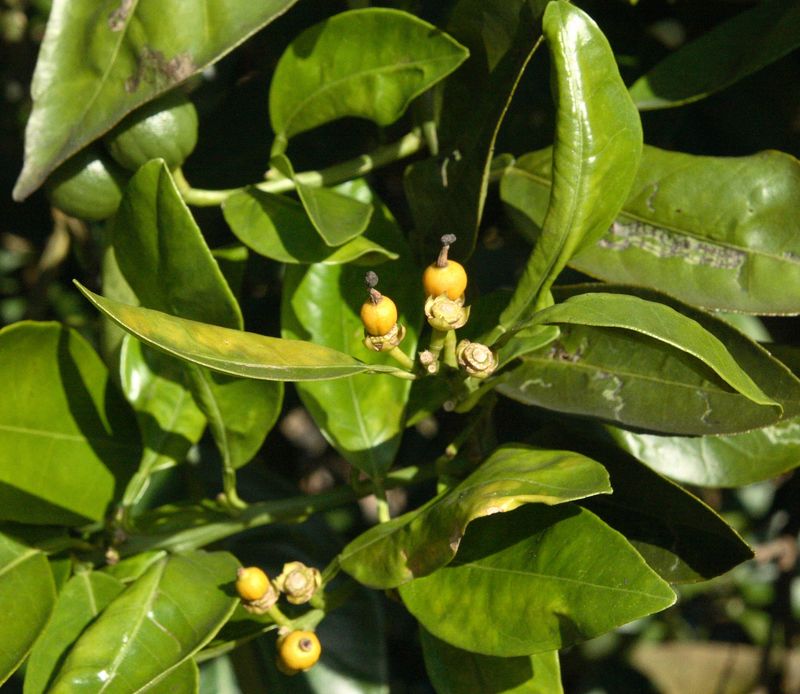
Some fruit drop starts before the fruit even forms. A fungal disease called postbloom fruit drop attacks citrus flowers, mostly during rainy weather at bloom time.
Infected petals develop peach or orange-brown spots and can look dry and stuck to the flower. The tiny fruitlets then fall, but the green base, called the calyx or button, often stays attached to the stem for months.
Those leftover buttons are a handy clue. If you see lots of them on your branches after a wet spring, postbloom fruit drop is a strong possibility.
Navel and Valencia oranges are among the trees often hit in Florida, though other types can be affected. A string of rainy days during bloom gives the fungus its best chance to spread.
Backyard gardeners can help by pruning to keep the canopy open, so flowers dry faster after rain. Clearing away old fallen debris may also help.
Fungicide sprays are used by commercial growers, but timing is tricky, so ask your local Extension office before spraying.
Citrus canker is another disease to know. It causes raised, crusty spots on leaves and fruit, and heavily infected fruit may fall early, especially on grapefruit.
7. Sap-Sucking Bugs and Fruit Pests Deserve a Closer Look
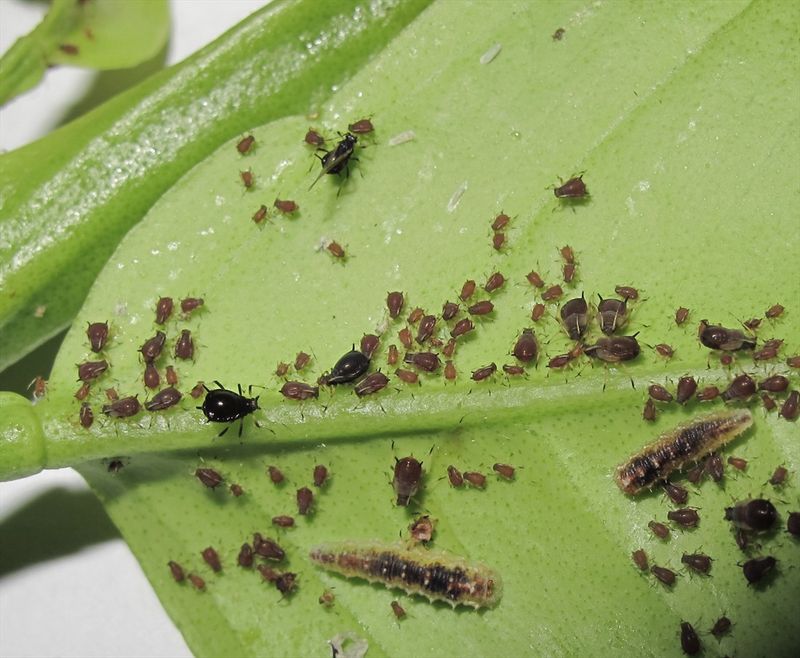
A quick flip of a few leaves can tell you a lot. I keep a cheap magnifying glass by the back door just for this habit, and it has caught more problems than I expected.
Many insects feed on citrus sap, including aphids, scale, mealybugs, and whiteflies. Light numbers rarely cause trouble, but heavy infestations weaken the tree and can add to fruit drop.
Sticky leaves or black sooty mold are common hints they are present.
Fruit itself can be a target too. Stink bugs and leaf-footed bugs pierce developing fruit, and damaged fruit may fall early.
Look for small puncture marks or hard, discolored spots on the peel.
Mites are tiny but can scar fruit and stress leaves during hot, dry weather. A light dusty or bronzed look on leaves can be a warning.
Start gentle. A strong spray of water knocks off many soft-bodied pests, and horticultural oil or insecticidal soap often manages scale and aphids.
Ladybugs and lacewings help a lot, so skip harsh broad-spectrum sprays that harm these helpers.
Check your tree every week or two during spring and summer. Early catches keep small problems small.
8. A Steady Routine Keeps More Oranges on Your Tree Until Harvest
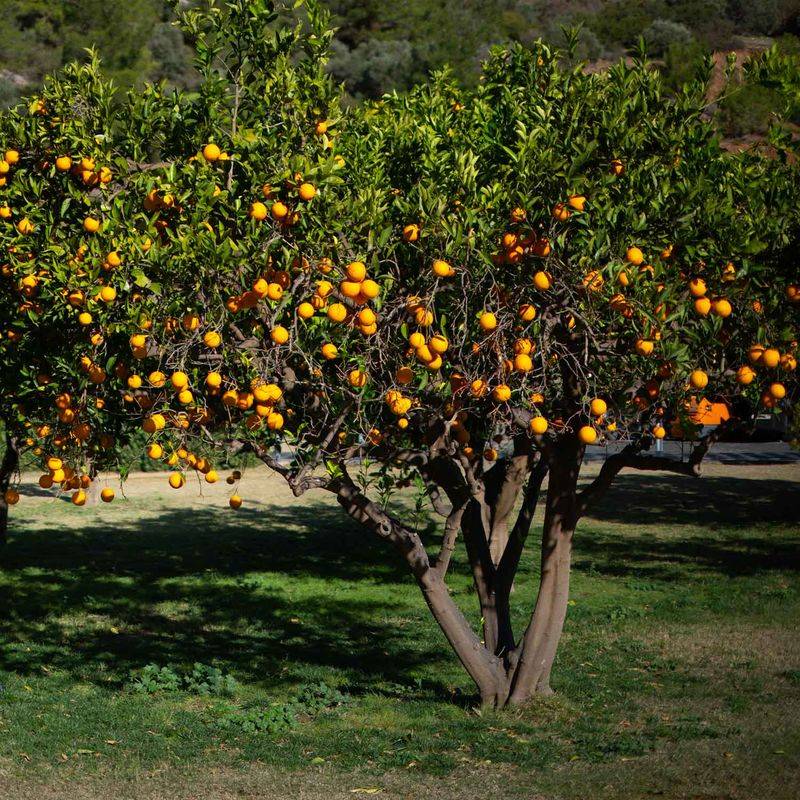
After years of fussing over my citrus, the biggest lesson is surprisingly simple. Trees love boring, predictable care far more than dramatic rescue efforts.
Start with water. Keep it deep and consistent during dry months, especially from bloom through early fruit growth, and ease up when summer rains arrive.
Feed on a schedule with a citrus fertilizer that includes micronutrients. Spread it under the canopy and follow the label for your tree’s size.
Keep the area around the trunk clear of grass and weeds, which compete for water and food. A mulch ring that stays a little away from the bark is a solid choice.
Scout often. Look at leaves, flowers, and fruit every week or two, and jot down weather events or anything odd you notice.
When something seems off, reach out to your UF/IFAS county Extension office. They can help identify diseases, test soil, and suggest steps that fit your part of Florida.
Finally, accept a little drop as normal. A tree that sheds some small fruit in spring and still holds a healthy crop is doing just fine.
Your patience usually pays off in sweet, juicy fruit come harvest time.