These Winged Travelers Are Passing The New Jersey Shore On A Journey Across A Continent
You may have walked beneath a parade today. Green darners glide down the New Jersey coast, and you can watch them pass.
Your eyes catch gulls, yet these fliers outshine them. They are not birds, and they are not bats. Gnats get caught midair as you blink. Their wings flash like stained glass above the dunes.
Watch closely and you spot a swarm cruising south. Packed formations sweep past you within minutes.
Routes stretch toward the Gulf Coast, and you witness the opening leg. Pause beside the surf and tilt your head back.
Others stare at phones, but you now hold the secret. New Jersey rewards you with a prime seat to this journey.
Gulls will keep squabbling over french fries while you track the real show. Trace that glittering line south, and you will remember this morning.
Thousands Of Green Darners On A Southbound Flight
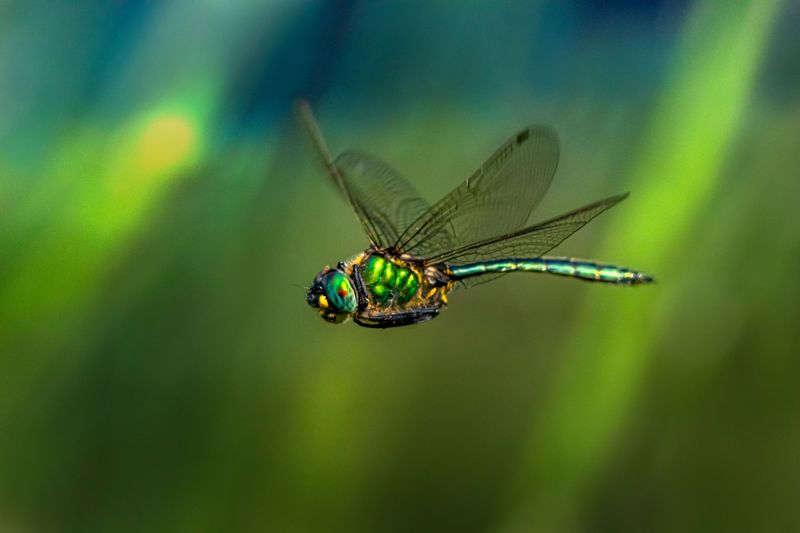
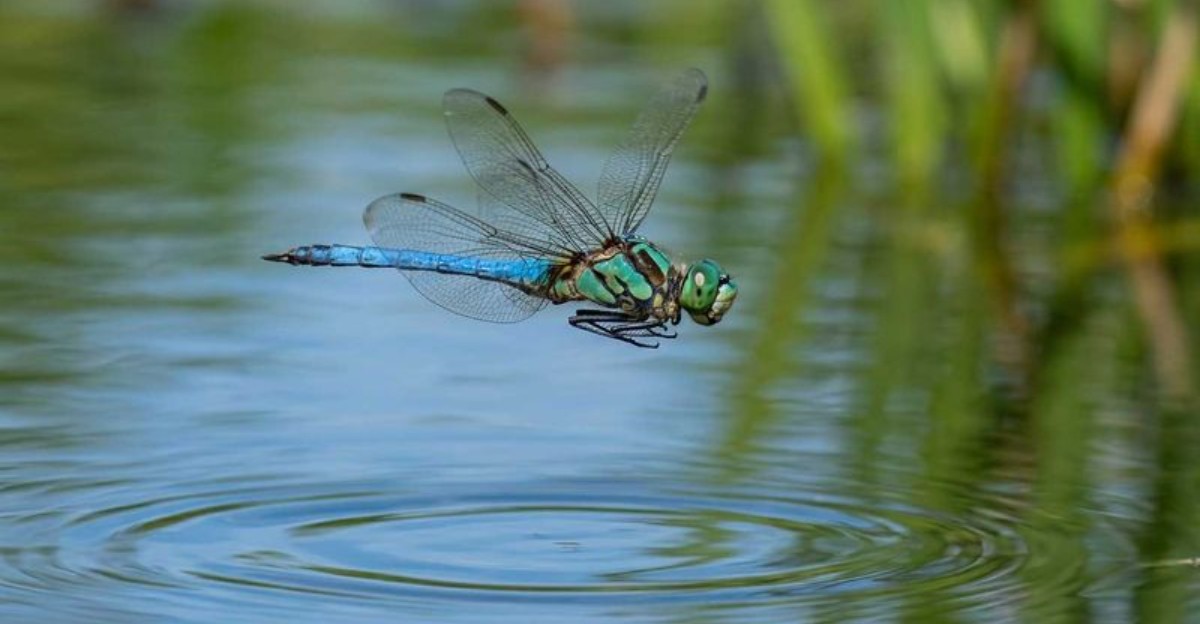
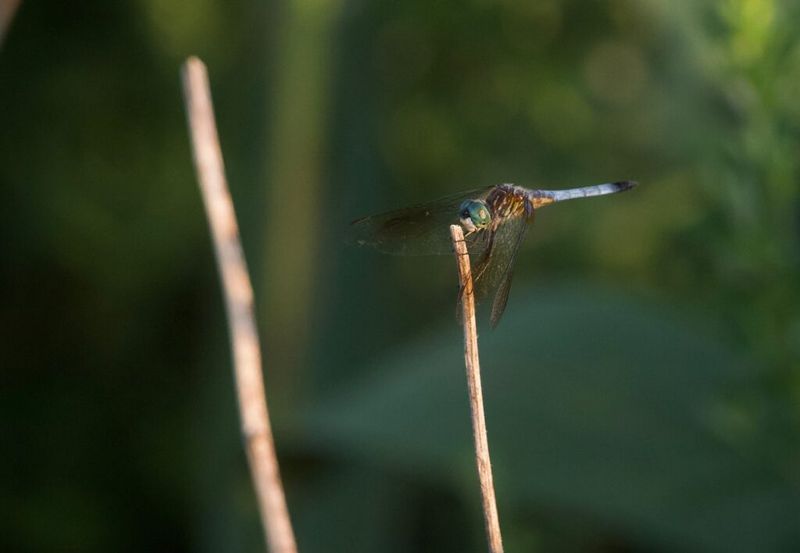
On big October days, Cape May observers can count tens of thousands of dragonflies in hours. Many of them are common green darners, big insects with green bodies and, in males, blue tails.
They are heading south, following the shoreline like drivers on a highway. The coast acts as a guide, since the insects tend to avoid long stretches of open water.
Green darners are not the only travelers in this flying stream of wings. Wandering gliders, black saddlebags, and spot-winged gliders often join the flight too.
Many people once linked such trips mainly with birds and monarch butterflies. Then careful watchers noticed swarms passing lighthouses and beaches, sometimes stretching for miles.
Tracking studies recorded a single green darner flying more than 80 miles in one day. Researchers learned this by gluing tiny radio transmitters to their backs and tracking them from small planes.
Their destination is somewhere warmer, like the southern United States, Mexico, or the Caribbean. Few of these fliers return north themselves, which makes the story even stranger.
Darners are also skilled feeders along the way. They grab mosquitoes, flies, and other small insects in midair, refueling without landing.
So the short answer to the mystery is pretty simple. New Jersey sits right on a major insect flyway, and every fall it becomes a busy dragonfly runway.
Next time you stroll the boardwalk in October, glance up instead of down. You might spot a shimmering river of wings flowing quietly over the sand and surf.
Cold Fronts And North Winds Behind The Big Push
Weather forecasters may not realize it, but they are also predicting dragonfly traffic. The biggest flights along the Jersey coast usually follow a passing cold front.
After a front moves through, temperatures drop and winds shift to blow from the north. Dragonflies use that breeze as a tailwind, letting it carry them south.
Wind direction is a major factor. A strong south wind can slow the migration, leaving dragonflies resting in fields and marshes for days.
Observers report that green darners often move after a couple of cold nights in a row. Chilly evenings seem to act like an alarm clock that says it is time to go.
Your New Jersey Garden Changes Every Week. Your Plan Should Too.
Gardening in New Jersey changes quickly throughout the season. Every Friday you’ll receive a simple weekly plan showing exactly what to plant, prune, fertilize, harvest, and protect so you never miss the right timing.
Shorter days matter too. As daylight shrinks in late summer, the insects sense that warm weather will not last much longer.
Food plays a big role in the timing. Bugs for dragonflies to eat become scarce as frost creeps in, so staying put stops making sense.
Then there is the shape of the land itself. New Jersey narrows into a point at Cape May, funneling southbound travelers into a compact area.
Facing Delaware Bay, many dragonflies pause, feed, and wait for calm weather before making the short crossing. That gathering creates the large concentrations people sometimes spot near the lighthouse.
Want to play forecaster yourself? Check the weather app for a north or northwest wind the morning after a cool front.
Pack a snack and head to the beach by midmorning. With a little luck, the sky may fill with dragonflies before lunch.
The Migration Season From Late August Through October
Mark your calendar, because this show has a schedule. Migrating dragonflies start trickling down the Jersey coast in late August, and the action builds through September.
Early October often brings some of the biggest days of the season, so you have a strong chance to catch the flight.
By late October, the flights get thinner as nights turn frosty. Still, warm afternoons can surprise watchers with a few stragglers zooming past the dunes.
Time of day matters as much as the date. Dragonflies depend on outside warmth, so they need the sun to warm their flight muscles first.
On cool mornings, you may find them resting on bushes, fences, and even parked cars. Once temperatures climb, usually by midmorning, they lift off and get moving.
On the best days at Cape May, watchers may count hundreds of dragonflies passing in a short time.
Midday through early afternoon tends to be the sweet spot. The air is warm, the wind is steady, and the insects are fully charged.
Cloudy, rainy, or windy days from the south usually mean fewer sightings. Save your trip for a bright, breezy day after a cool snap.
Fall weekends at the shore are quieter than summer ones, which helps a lot. Fewer crowds mean clearer views and more room to wander the beach.
Keep a simple notebook of dates, weather, and what you see. After a few seasons, you will have your own personal migration forecast.
A Common Mix-Up Between Local Residents And Long-Haul Travelers
Here is a confession plenty of nature lovers share. They see a dragonfly at the beach and assume it lives right there year-round.
Many local dragonflies do patrol ponds and marshes, guarding small territories of their own. Migrants behave differently, and once you know the clues, they are easy to tell apart.
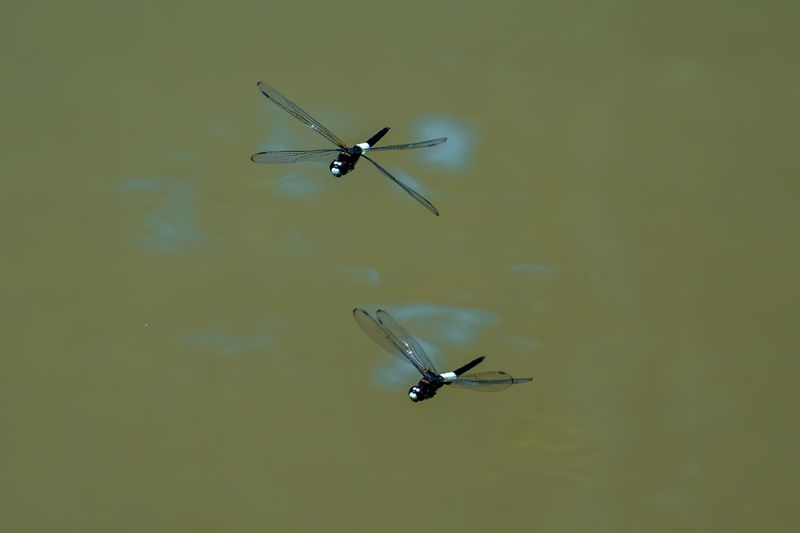
Local residents zip back and forth over the same patch of water. They defend their territory and return to favorite perches again and again.
Travelers move with purpose in one steady direction, usually south or southwest. They often fly low over the dunes or high above the treetops in loose streams.
Size is another hint, since green darners stretch about three inches long. Their bright green chest and steady, powerful flight make them stand out from smaller locals.
Another mistake is ignoring dragonflies feeding in swarms over fields. Those clouds of feeding dragonflies are often migrants topping off their energy before the next leg.
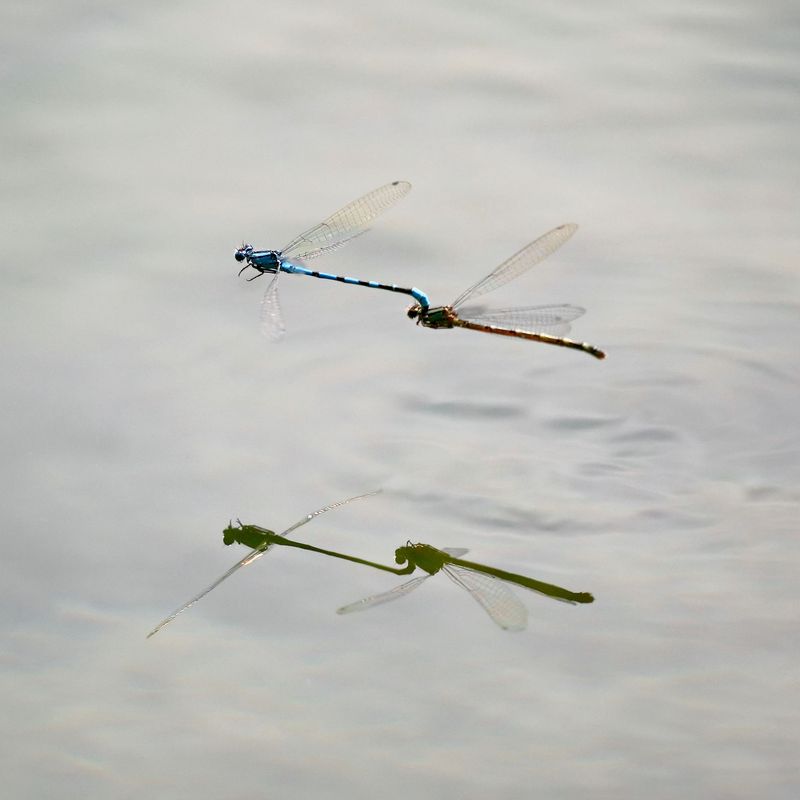
Some folks also mix them up with their slender cousins, the damselflies. Damselflies are skinnier, flutter weakly, and fold their wings when resting.
One more slip happens with the eyes, not the brain. People look down at the sand and miss the whole parade happening overhead.
Try this quick test the next time you visit the shore. Stand still for five minutes and count how many dragonflies pass you heading the same way.
If the number keeps climbing, congratulations, you are watching migration in action. That small moment of noticing is where migration watching begins.
Cape May Mornings And Other Prime Viewing Spots
Pack your sneakers, because many of the best viewing spots are open to the public. Cape May Point State Park sits at New Jersey’s southern tip, where migrants bunch up.
The hawkwatch platform there is famous for birds, but dragonflies zoom past it too. Friendly volunteers with the Cape May Bird Observatory often help visitors spot them.
Farther north, Sandy Hook offers wide beaches and grassy dunes perfect for watching. Island Beach State Park is another great pick, with long stretches of quiet shoreline.
Even a regular town beach can work if you look up. Any open spot along the coast with a clear view of the sky gives you a chance.
Arrive by midmorning on a day with a light northwest breeze. Parking fills up fast on sunny October weekends, so aim to park shortly before midmorning.
Bring a pair of binoculars, though close-focus models work best for insects. A small notebook and a phone camera help you record what you find.
Dress in layers, since fall mornings at the shore can feel chilly. A hat and sunglasses also help when you are staring into bright sky.
Patience pays off more than fancy gear. Find a comfy spot, sit quietly, and let the wings come to you.
Want to help science while you watch? The Migratory Dragonfly Partnership collects sightings from regular people, and apps like iNaturalist make sharing photos easy.
Your notes could show researchers where and when the flights happen. A simple afternoon at the beach can add real data to the science.
A Three-Generation Relay And The Wetlands That Keep It Going
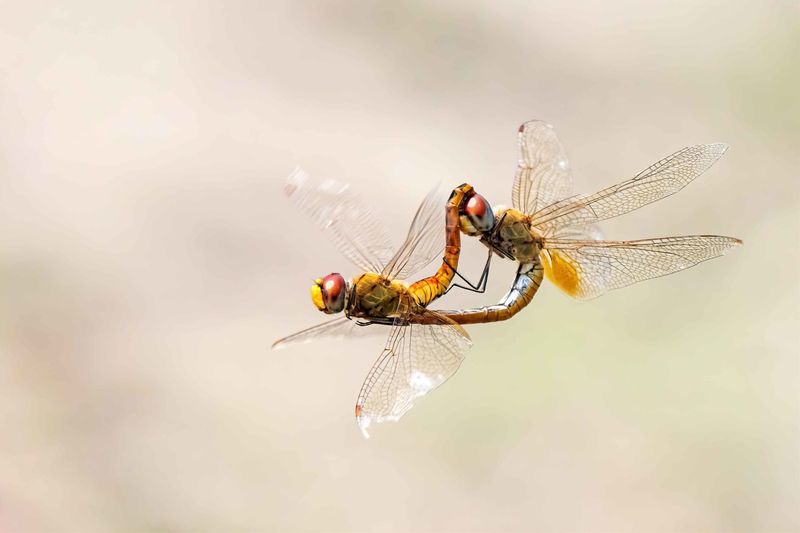
Think of the green darner migration as a relay race with a twist. The runners who start the race in fall are not the ones who finish it.
Fall migrants fly south, lay eggs in warm southern ponds, and complete their life cycle there. Their young grow up underwater, then head north in spring.
Scientists studying chemical clues in darner wings found the full cycle takes about three generations. Their 2018 study showed a summer group born up north completes the loop.
Every one of those generations needs clean water to grow up. Dragonfly babies, called nymphs, spend months hunting tadpoles and insects in ponds and marshes.
When wetlands shrink or decline, fewer young dragonflies reach adulthood. Fewer nymphs in spring means thinner flights along the Jersey coast in fall.
The good news is that small actions add up. Skipping bug sprays and lawn chemicals near water keeps ponds healthier for young dragonflies.
A backyard pond with native plants can welcome dragonflies in summer. Even a big tub of water with a few reeds may attract curious visitors.
Supporting local wetland cleanups and nature centers helps too. Groups across New Jersey protect marshes that feed birds, fish, and these shimmering travelers alike.
Dragonflies also eat mosquitoes, which may help reduce bites on summer evenings, though their effect is modest.
So this October, take a moment to look up from the sand. You will be cheering on one leg of a race that spans an entire continent.