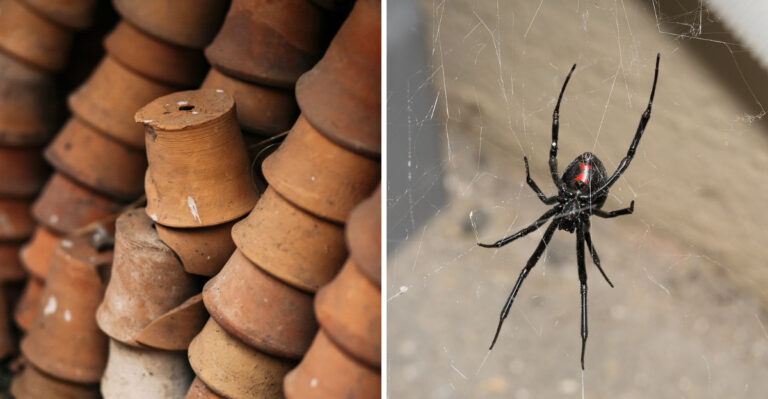
A Bobcat Near Your Deck Means Your Yard Is Telling You Something
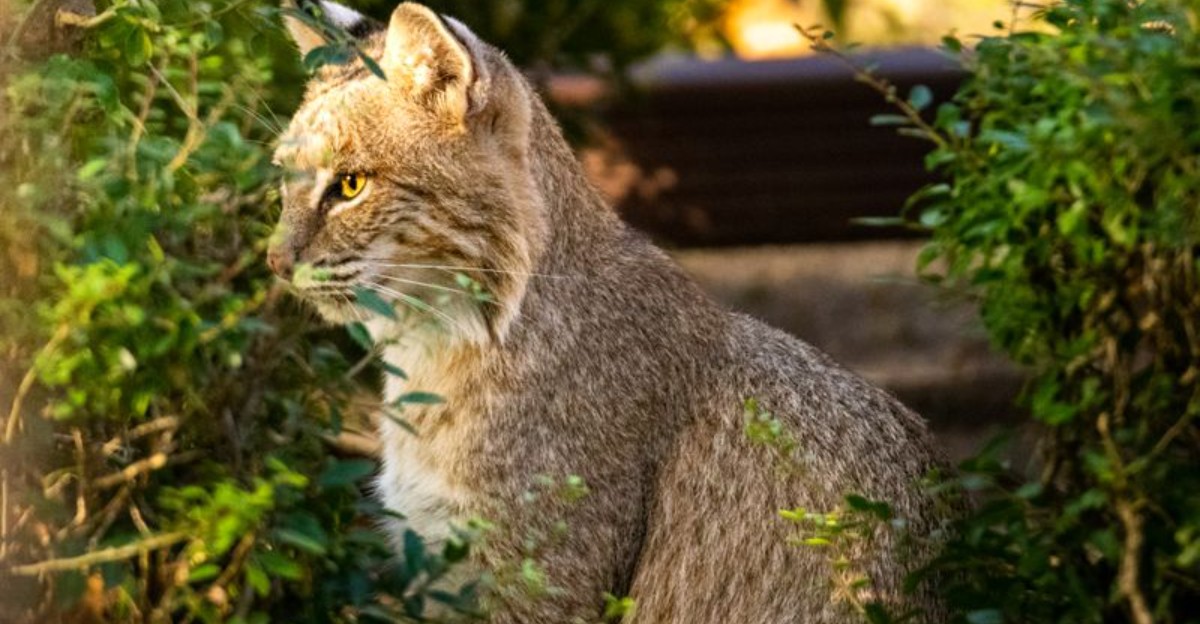
You step outside with your morning coffee, and a pair of golden eyes stares back from the edge of the lawn. A bobcat is standing near your deck like it owns the place.
Your heart jumps, but your curiosity jumps even higher. Bobcats are shy, secretive cats that rarely wander into yards without a good reason.
Across Virginia, their visits often point to something about your property. Hidden snacks, cozy hiding spots, or a handy travel route can all draw one in.
Think of that spotted visitor as a messenger with news about your land. Some clues are easy to fix, while others are actually good signs.
The clues below explain what your yard might be saying. Each one comes with a calm, practical way to respond.
Your Yard Sits Near Woods Or A Wildlife Corridor
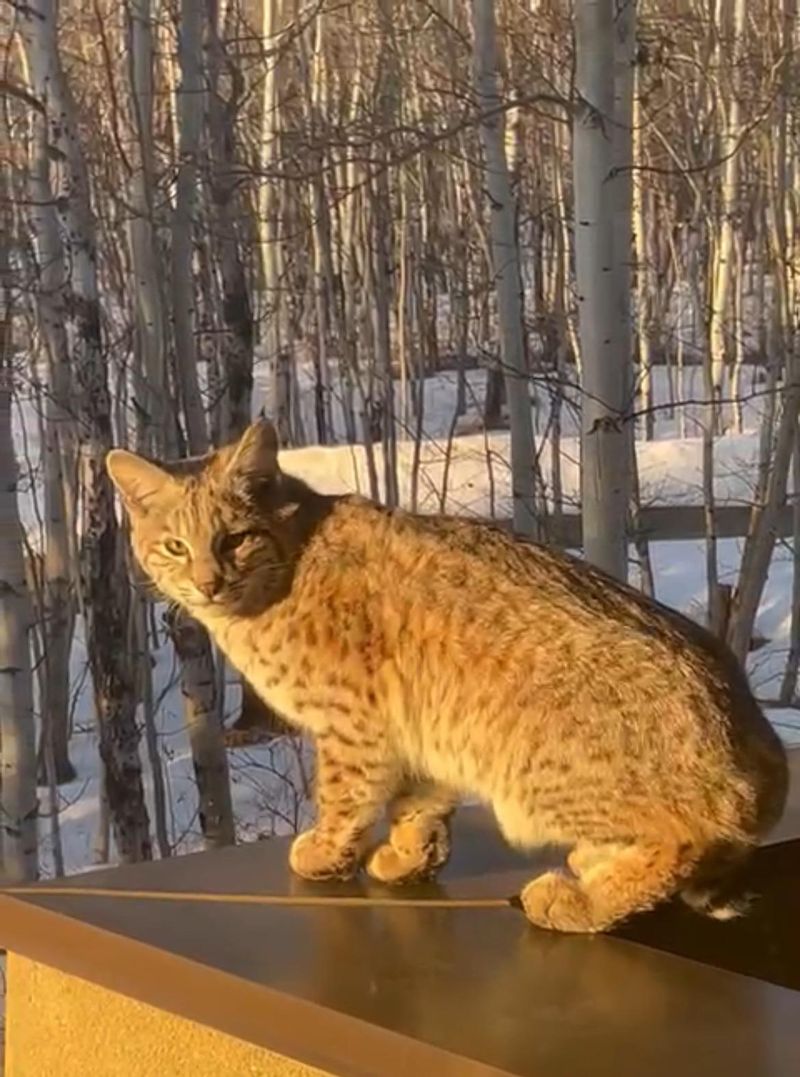
Picture a wildlife highway running right past your fence. Bobcats travel these hidden routes to move safely between patches of habitat.
Wildlife corridors often follow creeks, rivers, wetlands, and strips of thick brush. Rocky ledges and wooded ravines also make popular paths for traveling cats.
As towns grow, homes get built closer to these natural lanes. Your deck may simply sit beside a route bobcats used long before your house existed.
Researchers in Albemarle County, Virginia, track bobcats to learn their favorite paths. In Riverside County, California, special wildlife crossings help them pass under busy roads.
Take a walk around your property line and look for clues. Worn trails, tracks in mud, or scat along fence lines can reveal regular crossings.
Bobcat tracks look round and show four toes with no claw marks. They measure about two inches wide, a little larger than a house cat print.
Once you spot the route, you can plan around it. Keep grills clean, trash sealed, and pet dishes indoors near that side of the yard.
Avoid blocking a corridor with solid walls if it serves many animals. Smart fencing around key areas works better than cutting off an entire path.
A trail camera can show you timing and frequency of visits. Many homeowners enjoy the footage and learn their bobcat keeps a steady schedule.
Living near a corridor is a gift for nature lovers. With a few simple habits, you can share the space safely and still enjoy the view.
Rabbits And Rodents Are Thriving On Your Property
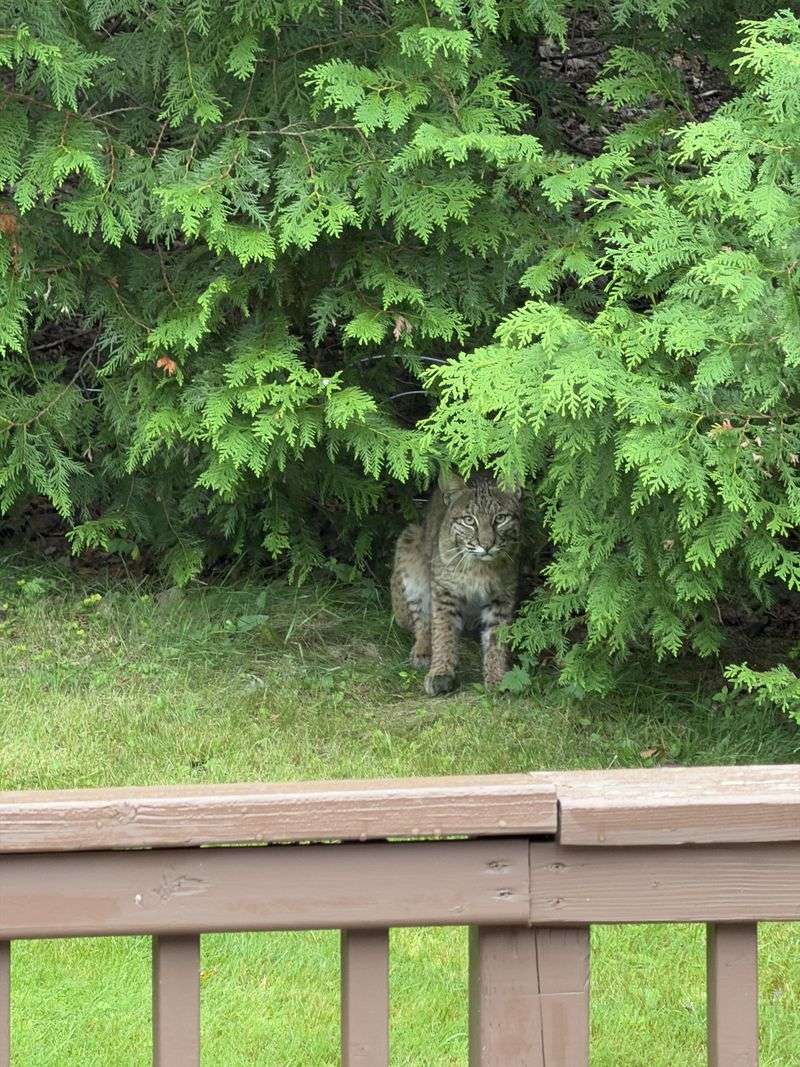
Got bunnies nibbling your lettuce every evening? A bobcat probably noticed them before you did.
Rabbits and hares make up a huge part of a bobcat diet in many regions. Mice, voles, rats, gophers, and squirrels round out the menu nicely.
Bobcats follow food the way shoppers follow a sale. If your yard offers a steady supply of small critters, a hunter will come calling.
These cats stalk quietly, then burst forward with lightning speed. Sometimes they hide leftovers under leaves and return later for a second helping.
So what feeds all those rabbits and rodents? Fallen fruit, open compost, spilled pet food, and loose trash bags top the list.
Your Virginia Garden Changes Every Week. Your Plan Should Too.
Gardening in Virginia changes quickly throughout the season. Every Friday you’ll receive a simple weekly plan showing exactly what to plant, prune, fertilize, harvest, and protect so you never miss the right timing.
Start by picking up fruit under trees every few days. Store garbage in bins with tight lids and bring pet bowls inside before sunset.
Fence your vegetable garden with sturdy mesh buried a few inches deep. Fewer free salads mean fewer rabbits, and fewer rabbits mean fewer bobcat visits.
Here is a fun twist worth knowing. Bobcats help control rodents for free, which some gardeners actually appreciate.
Skip rodent poison if you can. Bobcats that eat poisoned rodents can get sick, weakening their immune systems and health.
Snap traps, tidy storage, and sealed feed bins work well instead. Your goal is balance, not an empty yard with zero wildlife at all.
Bird Feeders Are Drawing Its Prey In Close
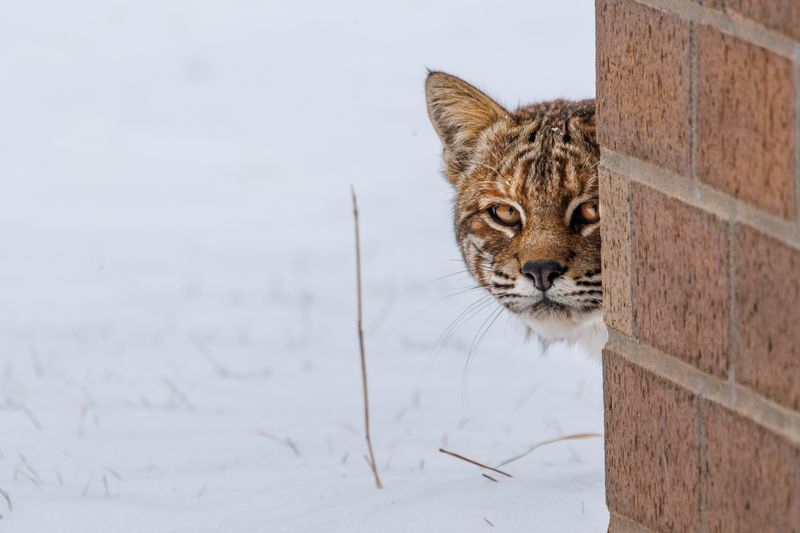
Your bird feeder might be running a buffet for more guests than you planned. Seeds attract birds, and birds are only the start of the chain.
Spilled seed on the ground pulls in mice, rats, and squirrels. Soon a bobcat learns the feeder area is a reliable hunting spot.
Winter makes this pattern stronger. Natural food runs low, so hungry bobcats visit yards and feeders more often during cold months.
You do not have to give up bird watching. A few small changes can keep the songbirds happy without inviting a spotted hunter.
Rake or sweep spilled seed every day or two. Seed trays under feeders catch much of the mess before it hits the grass.
Mount feeders on poles with baffles, at least six feet high. Keep them about ten feet from fences, branches, or deck railings.
That spacing stops squirrels from leaping onto the feeder. It also keeps rodents from treating the ground below like a dinner table.
Choose no-mess seed blends, like hulled sunflower hearts. Birds eat nearly all of it, leaving far less waste behind.
If bobcat sightings keep climbing, take feeders down for a few weeks. Prey will scatter, and the cat will likely move on.
Fun fact: bobcats can leap many feet in one bound. A feeder pile near the deck makes an easy target for such a powerful jumper.
Dense Brush And Rock Piles Offer Perfect Cover
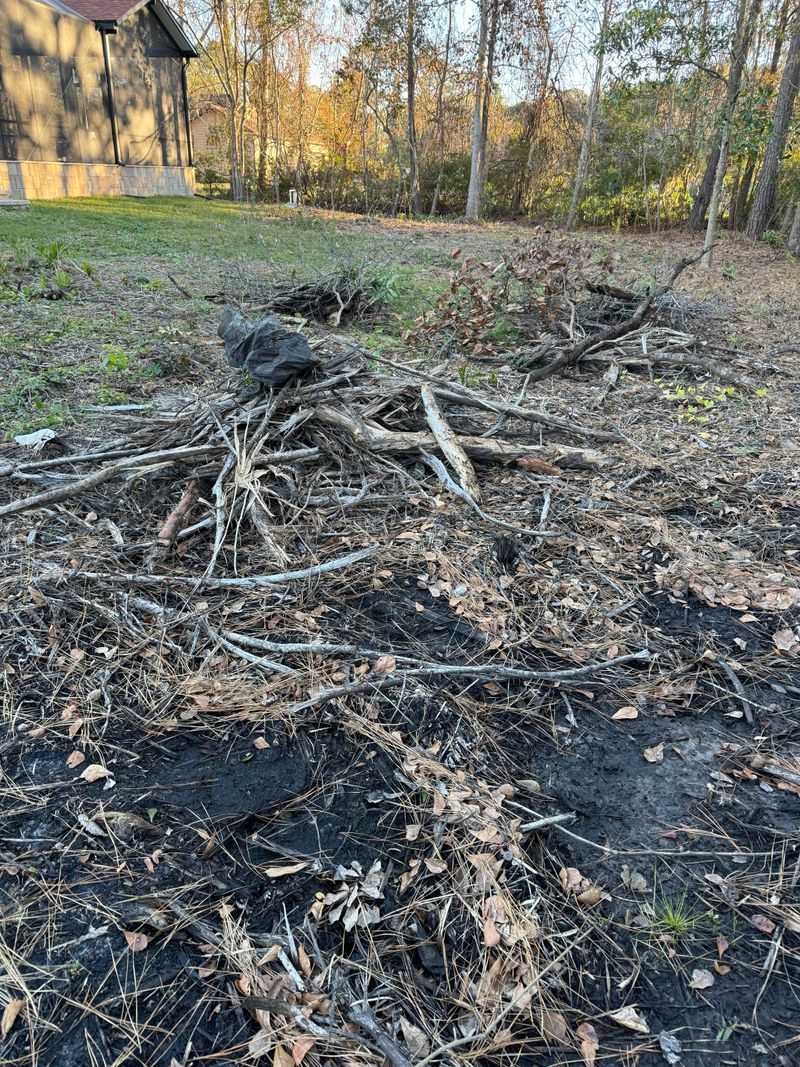
Every good ambush needs a hiding spot. That tangled corner of your yard might look like a five-star hideout to a bobcat.
Bobcats love dense brush, hollow logs, stumps, and rocky ledges. These places offer shade, shelter from weather, and a secret view of prey.
In neighborhoods, the list grows longer. Overgrown shrubs, woodpiles, and cluttered corners can all serve as cozy resting places.
Mother bobcats seek quiet, protected dens for their kittens. Occasionally they pick a backyard spot if it feels safe and hidden.
Out West, caves and rock piles are key year-round habitat. In New England, bobcats favor rocky woods and thick young forests.
Walk your yard with fresh eyes and note any cover that stays untouched. Brush heaps and leaning boards are common culprits.
Trim shrubs so you can see beneath them. Raising lower branches about two feet off the ground removes easy hiding space.
Stack firewood neatly on a rack, away from the house. Remove old lumber, broken furniture, and piles of yard waste.
Rock gardens can stay, but fill large gaps that make tunnels. Smooth, open designs give fewer places for a cat to crouch.
A tidy yard does double duty. It also discourages snakes, rats, and other visitors you may not want nearby.
Your Chickens Or Ducks May Be On Its Radar
Ask any backyard flock keeper about bobcats, and you might hear a sad story. Free-roaming chickens and ducks look like easy meals.
These cats often hunt at dawn, dusk, and early evening. They can take several birds quickly if the flock is unprotected.
Signs of a bobcat raid include claw marks on necks, shoulders, and backs. Birds may be dragged away and covered with dirt and twigs.
Bobcats jump fences four feet or higher with ease. They can climb wooden coops and squeeze through surprisingly small openings.
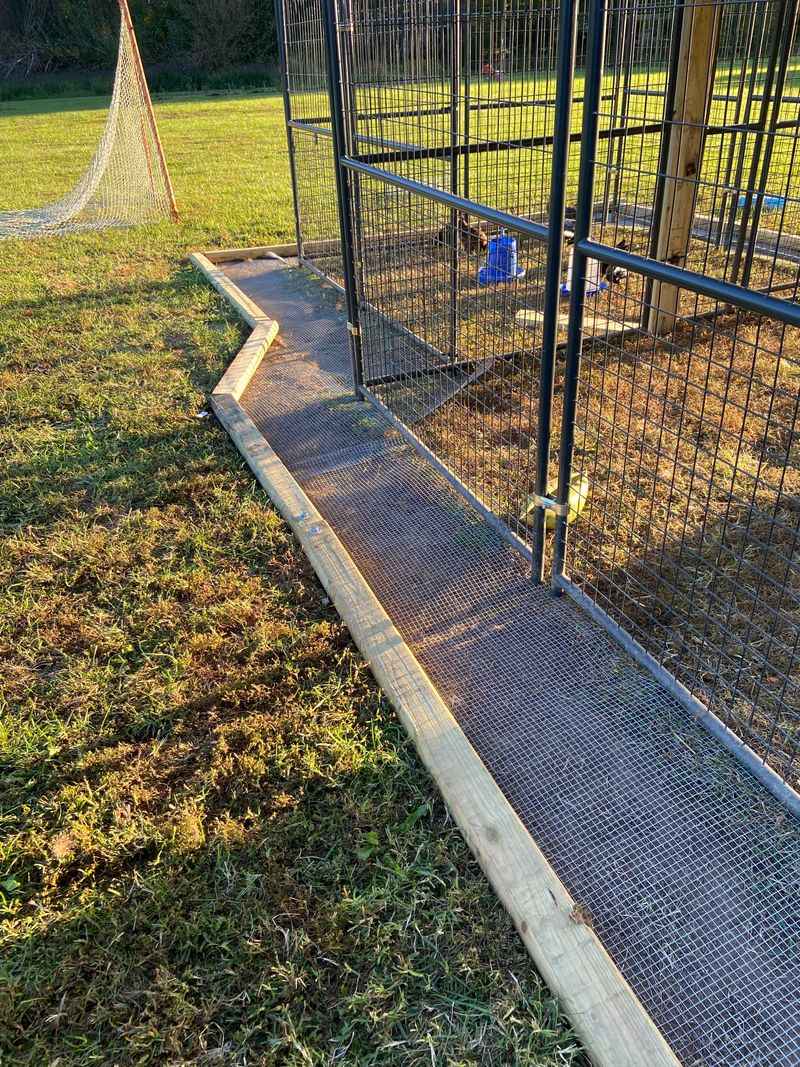
Regular chicken wire is not strong enough to stop them. Use heavy-gauge hardware cloth with half-inch mesh on walls, windows, and vents.
Bury fencing 12 to 24 inches deep, with an outward apron. Cover the run with welded wire or sturdy aviary netting.
Latches matter more than most folks think. Clever paws can open simple hooks, so choose two-step locks on every door.
Raise the coop off the ground to stop critters from settling beneath. Pick up leftover feed each evening so nothing lures visitors.
Motion lights and noise makers add extra protection. In high-risk areas, an electric fence line offers a strong outer barrier.
Large guardian dogs can help watch the flock, too. Lock your birds in before dusk, and your odds improve greatly.
Small Pets Outdoors Need Extra Watching
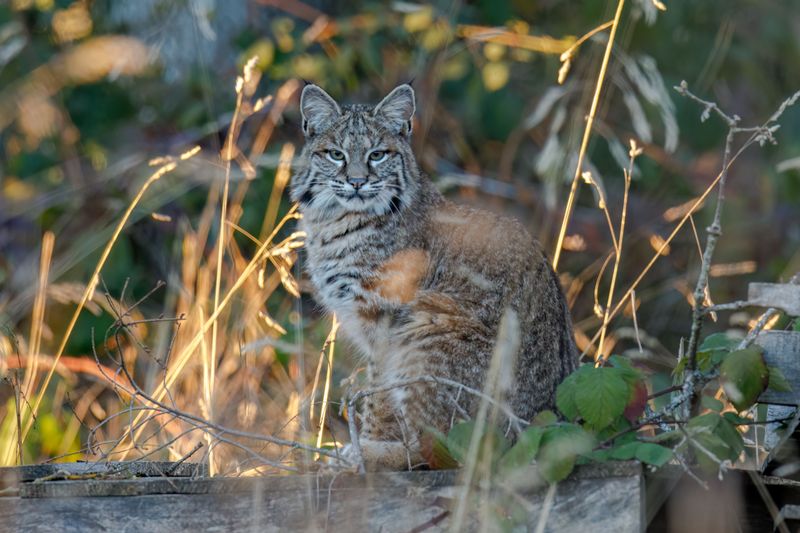
Your fluffy cat thinks the backyard belongs to her. A bobcat may disagree, and that mismatch can turn scary fast.
Bobcats do not always see a difference between wild prey and small pets. Cats, rabbits, guinea pigs, and tiny dogs can all be at risk.
Animals under about 20 pounds are within a bobcat’s reach. Most trouble happens in early morning, at dusk, and during the night.
Keeping cats indoors is the safest choice. A screened catio lets them enjoy fresh air without roaming free.
Stay with small dogs during potty breaks, especially near sunset. Use a leash on walks and choose open paths over thick brush.
Bobcats can clear fences six feet tall. Coyote rollers or overhead netting can make your fence harder to climb.
Bring pet food and water bowls inside. Those dishes attract rodents, and rodents attract the very hunter you want to avoid.
If a bobcat approaches, make yourself look big and loud. Wave your arms, shout, and toss something toward it, not at your pet.
Scoop up a small dog right away if a bobcat appears. Back off slowly instead of running, since running may spark a chase.
Stay clear of a mother with kittens or a cat with fresh prey. Those situations can make even shy bobcats defensive.
Crawl Spaces And Sheds Could Look Like Shelter
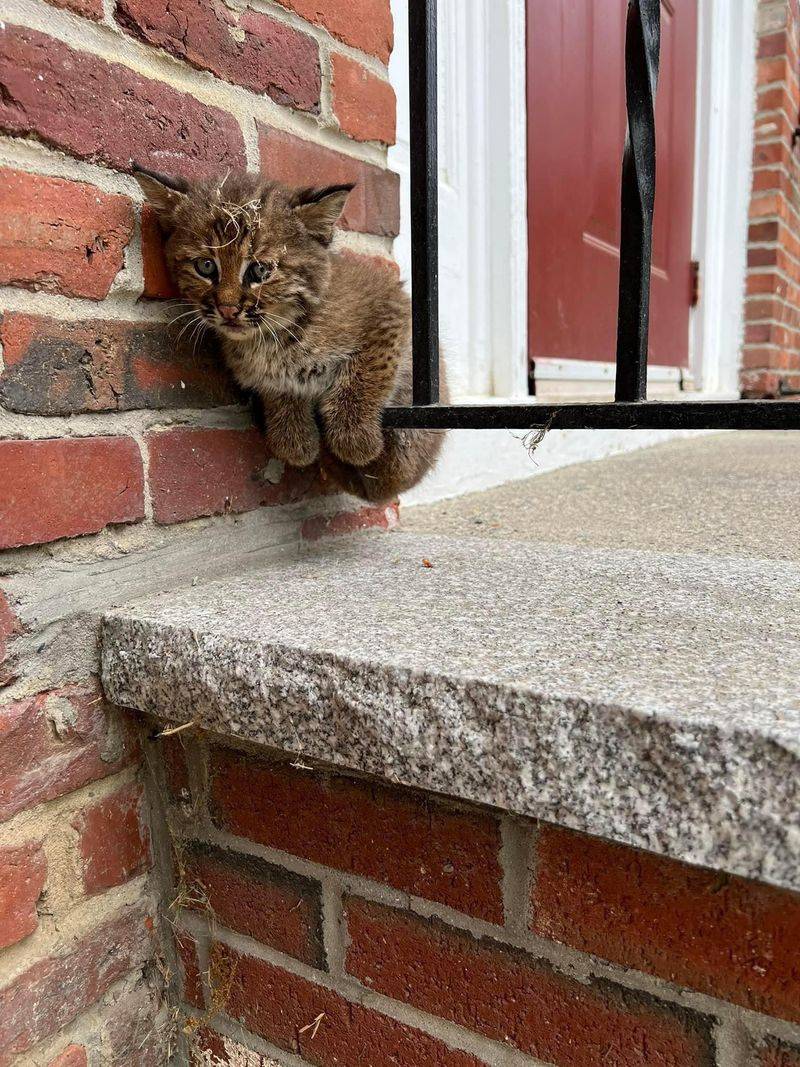
Down in Pflugerville, Texas, one family found a whole bobcat family living under their porch. Talk about surprise tenants.
Quiet spaces under decks, sheds, and crawl spaces can feel like perfect dens. They stay sheltered from rain, wind, and larger predators.
Temperatures under these structures stay fairly steady all year. That comfort matters a lot to a mother raising kittens.
In North Vancouver, one bobcat was spotted napping on a shed roof. These cats clearly appreciate a good perch with a view.
Already have a den on your property? Experts usually suggest leaving it alone until kittens reach about three months old.
At that age, the mother moves her family on her own. Disturbing them sooner can cause stress and more trouble for everyone.
Once the space is empty, seal gaps with sturdy materials. Heavy welded wire or hardware cloth works well around deck edges.
An L-shaped footer stops digging. Bend the wire outward underground about a foot, so animals hit a barrier when they burrow.
Check vents and loose skirting on sheds each season. Small openings can grow larger over time from weather and wear.
Motion lights under the deck add a helpful nudge. Bobcats prefer darkness and privacy, so light makes the spot less inviting.
A Young Bobcat May Be Searching For Territory
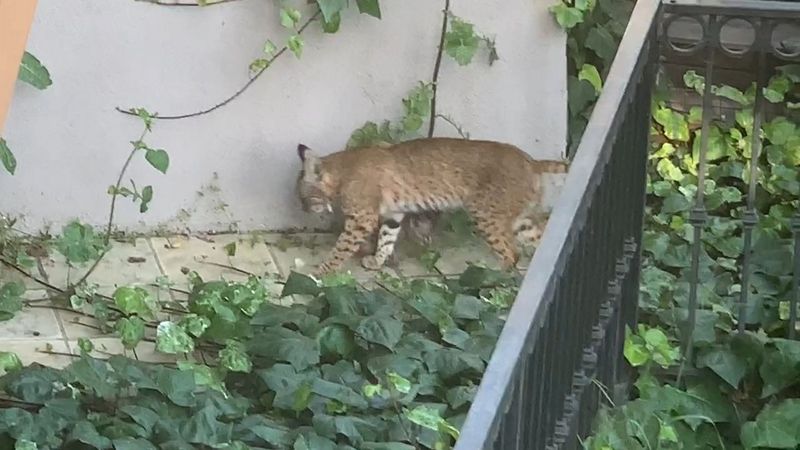
Think of it as a teenager moving out for the first time. Young bobcats leave home and wander, looking for a place of their own.
In Virginia, litters of one to five kittens are born in April or May. They start leaving the den around eight weeks old.
From three to five months, they tag along on hunts with mom. Most stay with her for 8 to 12 months before heading out.
Adult bobcats claim steady home ranges. In Virginia, research suggests about 5 square miles for females and around 13 for males.
A newcomer must find a gap between those ranges. Young males often travel farther, sometimes over 100 miles to settle down.
That journey is tough in busy areas. Roads, fences, and new housing break up habitat and push young cats into yards.
So a sudden bobcat sighting may just mean a traveler passing through. Many young cats keep moving within days or weeks.
Look for scent marks and scratches on trees or scrapes in soil. Those signs suggest a bobcat is trying to claim the area.
Keep your yard less tempting during this phase. Remove food sources and cover, and the traveler will likely search elsewhere.
Drive carefully near wooded roads in late fall and winter. Dispersing youngsters cross streets often and can be hard to spot.
Daytime Visits Are Normal, But Boldness Isn’t
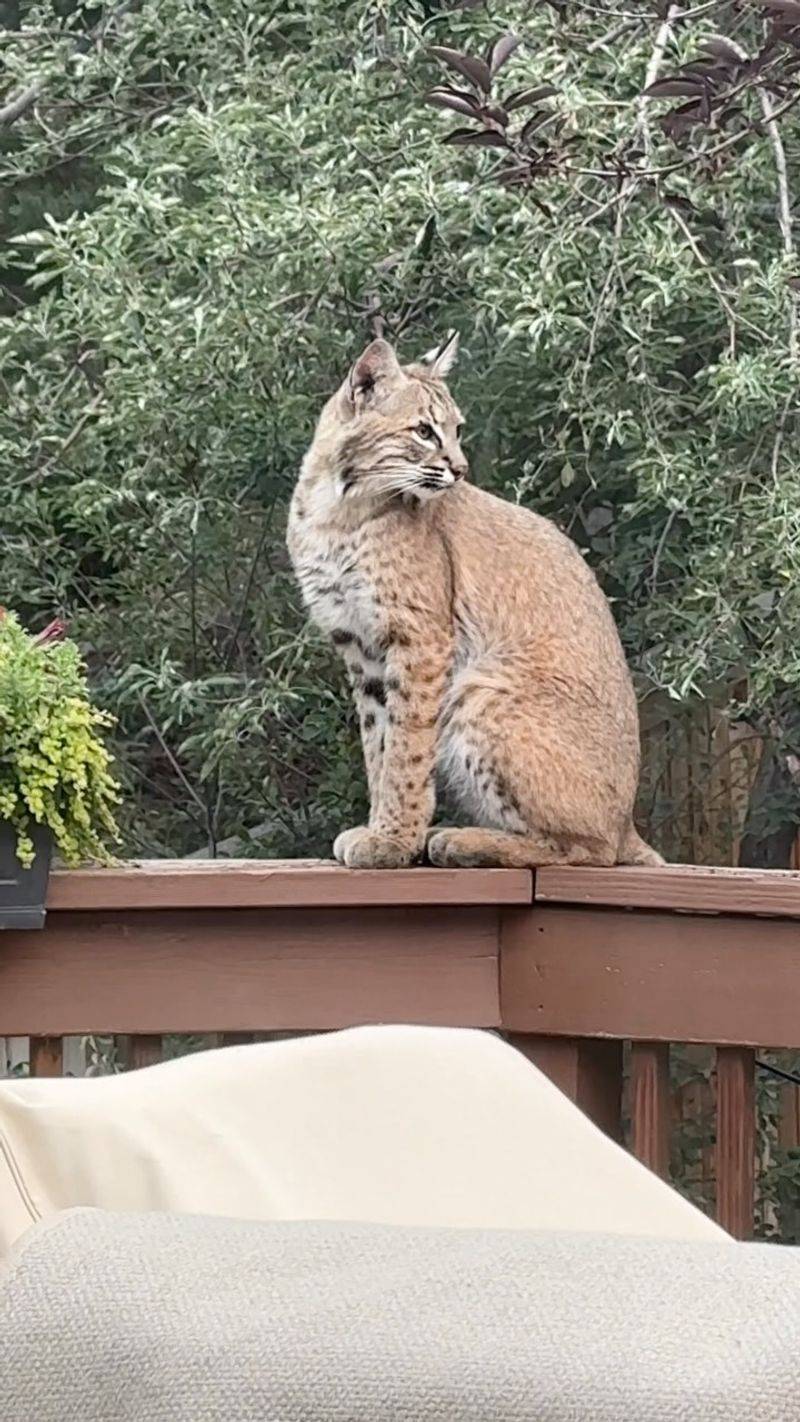
A bobcat strolling by at noon can feel unsettling. Surprisingly, daytime visits are fairly common and usually nothing to panic about.
These cats are most active around dawn and dusk. Still, they hunt during daylight, especially in winter or while raising kittens.
From April to July, mothers need extra food. That pressure often brings them out in broad daylight to search for prey.
Behavior matters more than timing. A healthy bobcat stays shy and usually slips away once it notices people.
Boldness is a warning sign. A cat that lingers near doors or ignores people may have been fed by someone, even by accident.
Outdoor pet food is a big cause of habituation. Once bobcats link homes with meals, they may lose their natural caution.
Hazing helps reset that fear. Shout, clap, bang pots, or spray a hose while leaving the cat a clear path to leave.
Watch for signs of illness, too. Staggering, drooling, strange sluggishness, or unusual aggression can point to rabies or disease.
Attacks on people are extremely rare. They usually involve a cornered cat, a threatened mother, or a sick animal.
Call animal control if a bobcat acts sick or aggressive. Never corner or chase it, and back away slowly instead of running.
Your Neighborhood Supports A Healthy Ecosystem
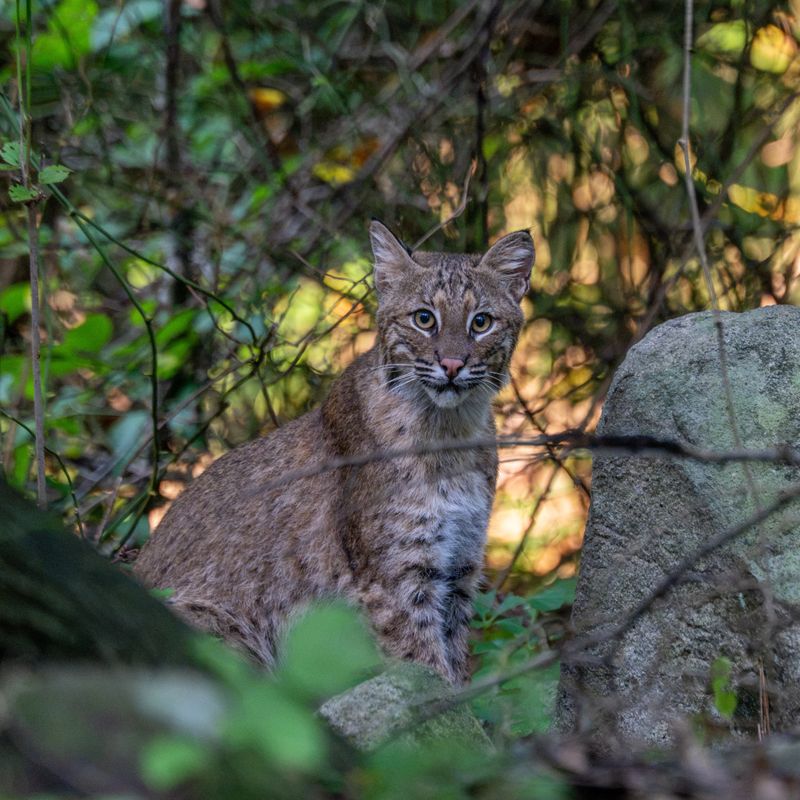
Here is the silver lining in that spotted visitor. A bobcat nearby often means your local environment is working well.
Bobcats act as key predators in many areas. By hunting rabbits and rodents, they keep those populations from exploding.
Fewer plant eaters mean less damage to shrubs and young trees. Healthy plants hold soil in place and support many other creatures.
Bobcats may even help your health. They hunt white-footed mice, which can spread Lyme disease through ticks.
Places like the San Francisco Bay Area and Dallas show bobcats living beside people. These cats adapt well where wild land meets neighborhoods.
City life brings real hazards, though. Busy roads, shrinking habitat, and rodent poison all take a toll on local bobcats.
California studies found many bobcats exposed to rodenticides. That exposure weakens their bodies and makes mange more likely.
You can help from your own backyard. Choose traps over poison and plant native shrubs along the far edges of your property.
Support local groups that protect wildlife corridors and open space. Connected habitat keeps bobcat families healthy for years to come.
Next time you spot those tufted ears, take a breath and smile. Your yard is telling you nature is still thriving nearby.