Seeing Carpenter Bees On Your Virginia Porch Means More Than You Might Think
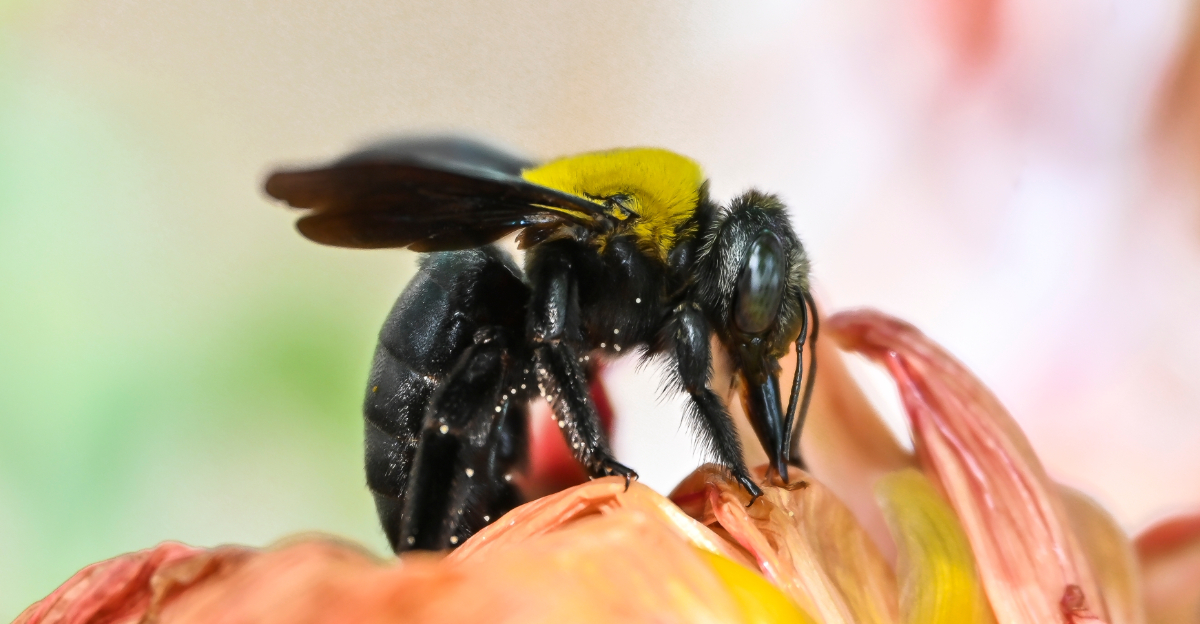
Carpenter bees are one of the most misunderstood insects in Virginia backyards, and one of the most common.
Most homeowners spot them on the porch and immediately think pest. That reaction makes sense, but it skips over something worth knowing.
These bees are not showing up at random. They are responding to something specific about your property, the wood, the sun exposure, the landscape around your yard. And what they do next says a lot about the health of your outdoor space.
They are also easy to misread. Most people reach for a spray can before they ever stop to watch. That is usually a mistake.
Once you know what carpenter bees are really up to, your porch starts to look a little different, and so does your role in keeping it that way.
Carpenter Bees Are Checking Out Your Porch For A Reason
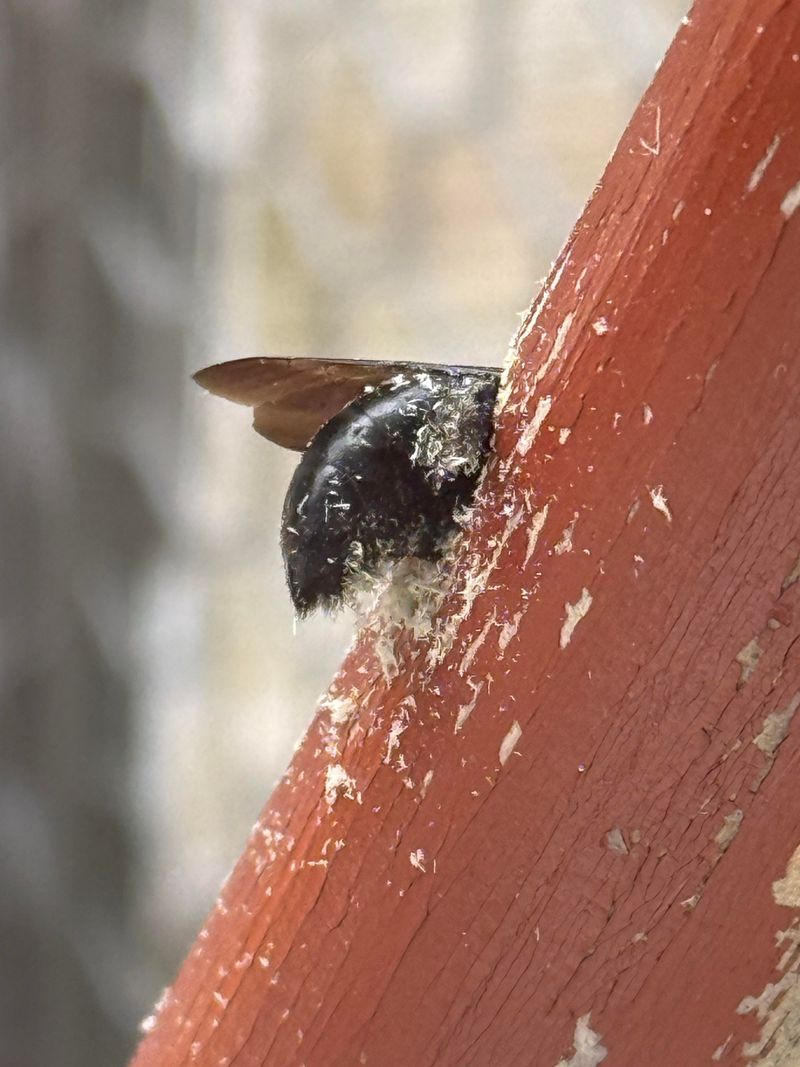
That hovering bee outside your door is not lost. Carpenter bees are scouting your porch with serious purpose, and they are drawn to specific things.
Bare or unpainted wood is their primary target. Soft woods like pine, cedar, and redwood are basically an open invitation for these bees to set up a home.
Female carpenter bees chew perfectly round holes into wood to create nesting tunnels. Each tunnel can run several inches deep and branch off into separate chambers.
Your porch is attractive because it offers shelter from rain, warmth from sun exposure, and easy access to nearby flowers. Those three things together make a porch feel like prime real estate to a carpenter bee.
Male carpenter bees, the ones doing all that dramatic hovering near your face, cannot sting at all. They are just territorial bluffers trying to look tough.
Female bees can sting but rarely do, and only when directly handled. So that aggressive-looking bee dive-bombing your head is mostly just a show.
Understanding why they choose your porch helps you make smarter decisions about prevention and coexistence. Seeing carpenter bees on your Virginia porch is less a crisis and more a clue about what your wood is offering them.
What Makes Virginia Porches So Attractive To Carpenter Bees
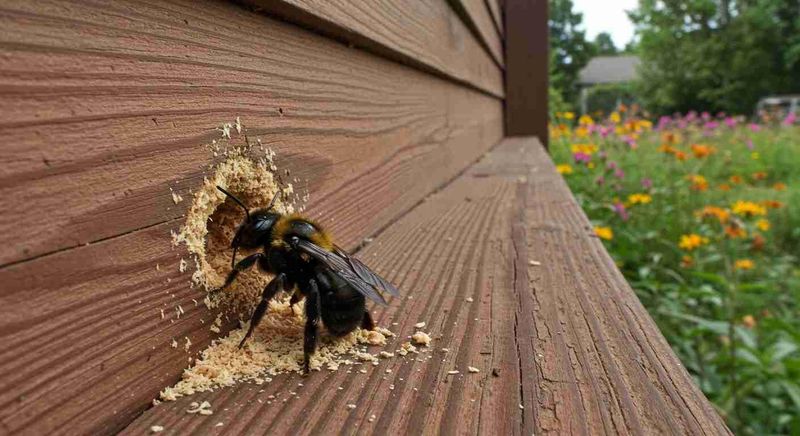
Virginia’s climate is genuinely perfect for carpenter bees. Warm springs, long summers, and mild falls give these bees plenty of active months to nest and forage.
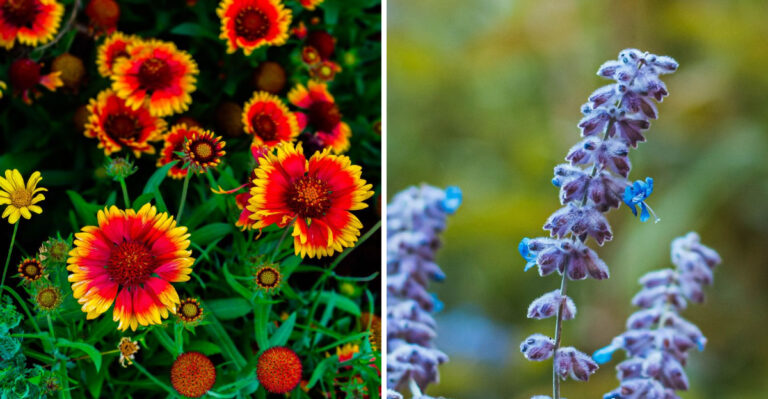
The state is also loaded with flowering plants that carpenter bees love. Azaleas, wisteria, and black-eyed Susans are common in Virginia yards and gardens.
Older homes with aging wood are especially appealing. Weathered wood is softer and easier to chew, which means less work for a nesting female bee.
Porches that face south or southeast get the most sun exposure throughout the day. Carpenter bees tend to favor wood with more sun exposure, which may help maintain warmer conditions inside their nesting tunnels.
Unpainted or stained-only wood is another big draw. Paint creates a physical barrier that makes drilling harder, so bees are less likely to target well-painted surfaces.
Flat horizontal surfaces like the underside of railings and deck boards are favorite nesting spots. The angle protects eggs from rain and keeps the tunnel dry.
Your Virginia Garden Changes Every Week. Your Plan Should Too.
Gardening in Virginia changes quickly throughout the season. Every Friday you’ll receive a simple weekly plan showing exactly what to plant, prune, fertilize, harvest, and protect so you never miss the right timing.
If your porch checks these boxes, you have basically built a five-star hotel for carpenter bees without knowing it. A few simple upgrades can change that fast.
The Difference Between A Carpenter Bee And A Bumblebee
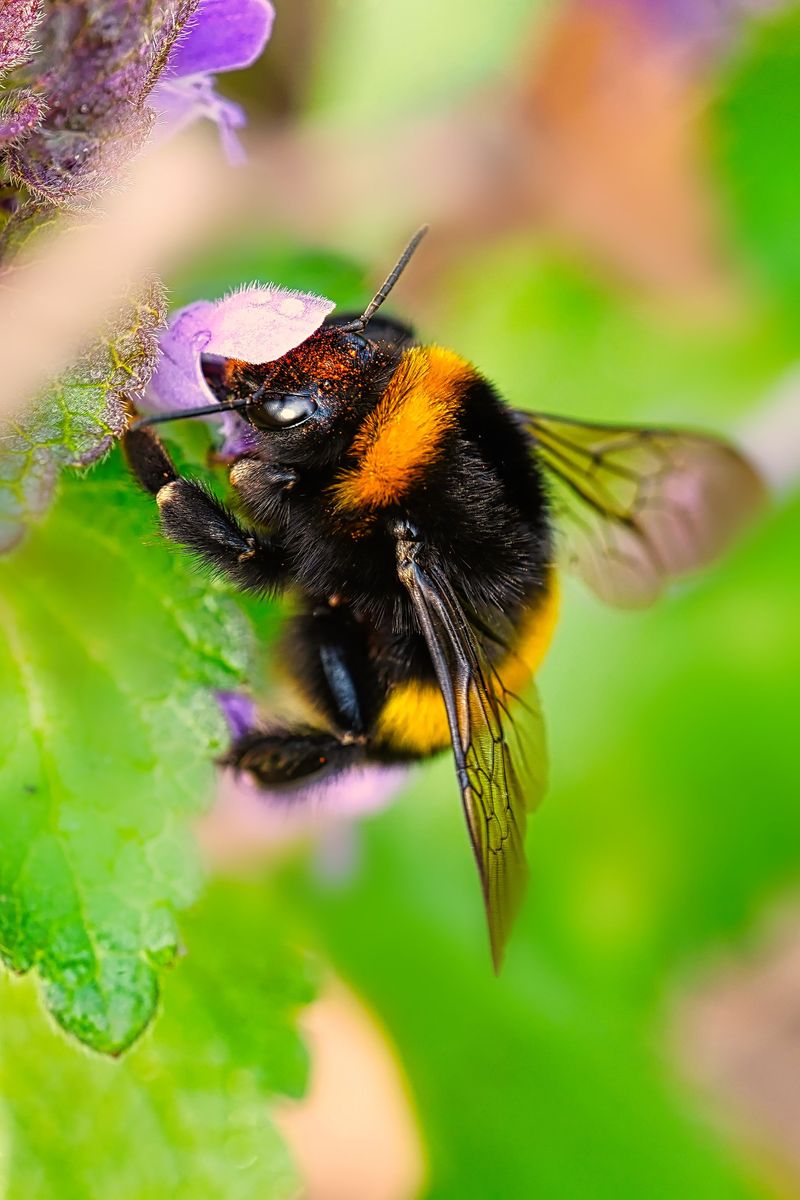
Most people mix these two up, and honestly, the confusion is understandable. Both are big, both buzz loudly, and both look intimidating from a few feet away.
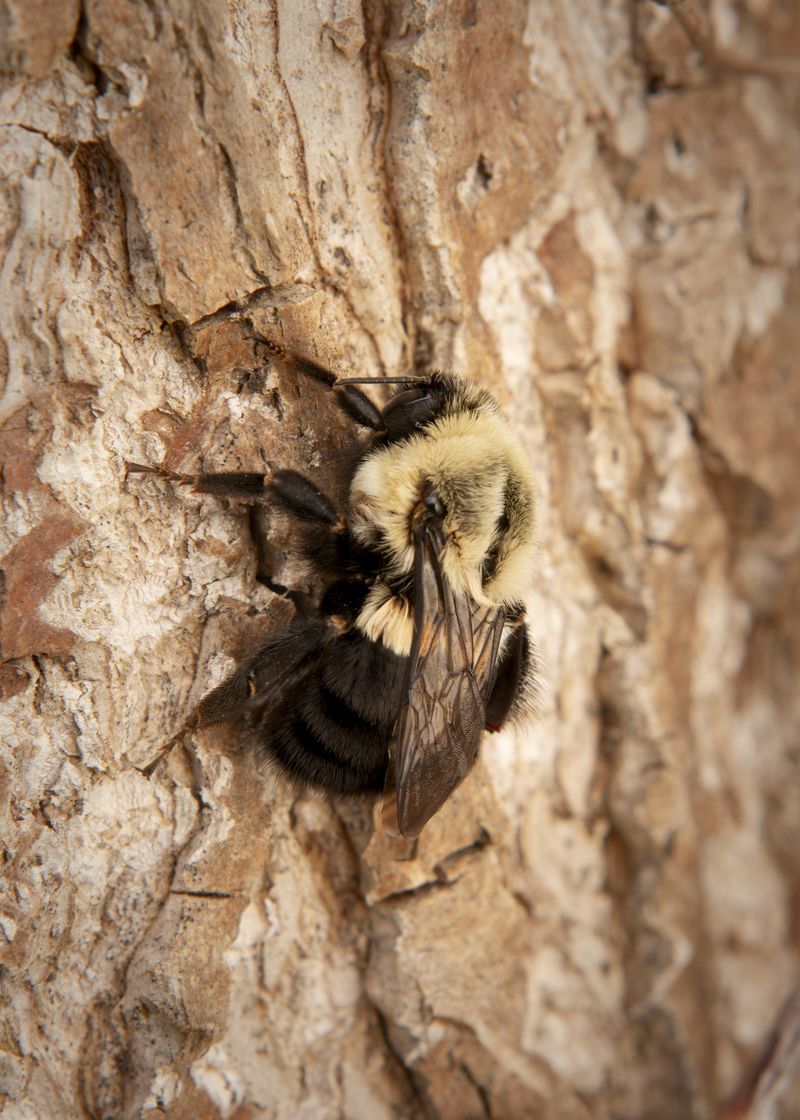
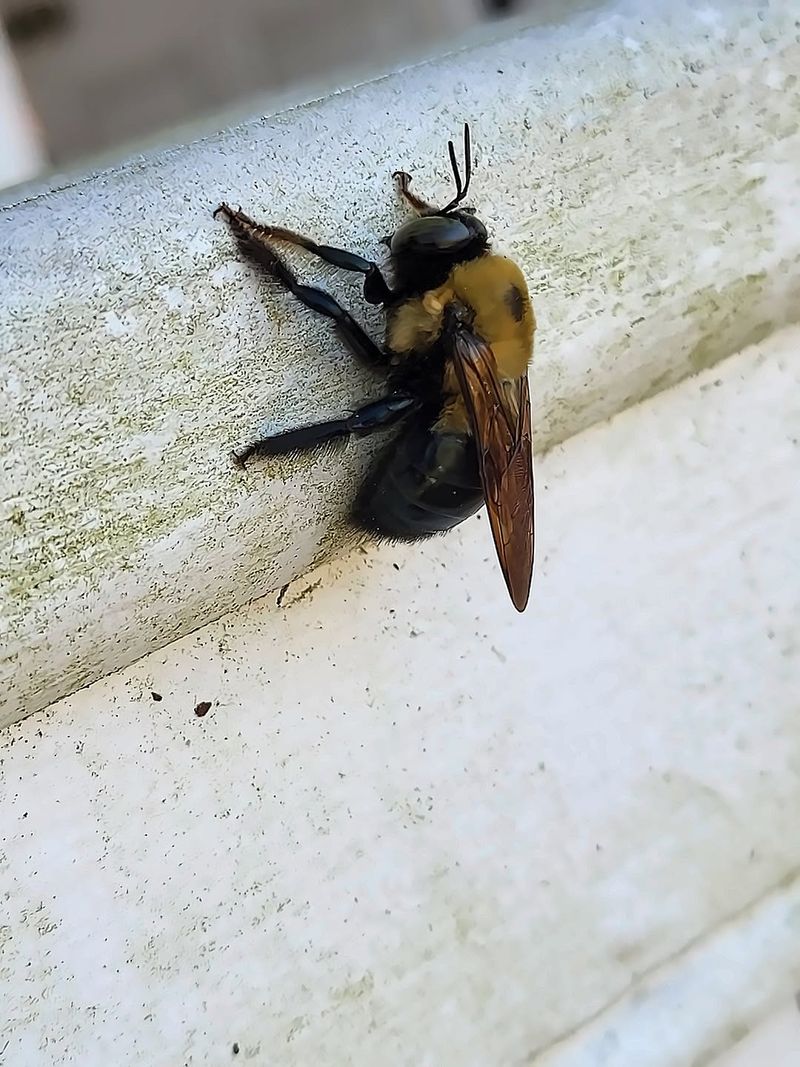
The easiest way to tell them apart is the abdomen. Carpenter bees have a smooth, shiny black backside, while bumblebees are fuzzy all over with yellow and black stripes.
Bumblebees are social insects that live in colonies, often underground or in dense grasses. Carpenter bees are solitary, meaning each female builds and tends her own nest alone.
Bumblebees are rounder and look almost like a fuzzy tennis ball with wings. Carpenter bees have a slightly elongated body and that distinctly polished rear end.
Size-wise, they are similar, but carpenter bees often look a bit bulkier up close. Their wings also produce a noticeably deeper, louder buzz when they fly.
Behavior is another giveaway. If a bee is aggressively hovering near your face or porch wood and not visiting flowers, it is almost certainly a carpenter bee male on patrol.
Knowing the difference matters. Bumblebees pose no structural threat, while carpenter bees left unchecked can gradually weaken wood over several seasons.
That Hovering Bee Has A Plan
That slow, deliberate hovering you notice near your porch wood is not random. Carpenter bees are highly focused when they appear around your home in spring.
Males emerge first and stake out territory near the nest site. Their job is to chase away rival males and impress females with their aerial acrobatics.
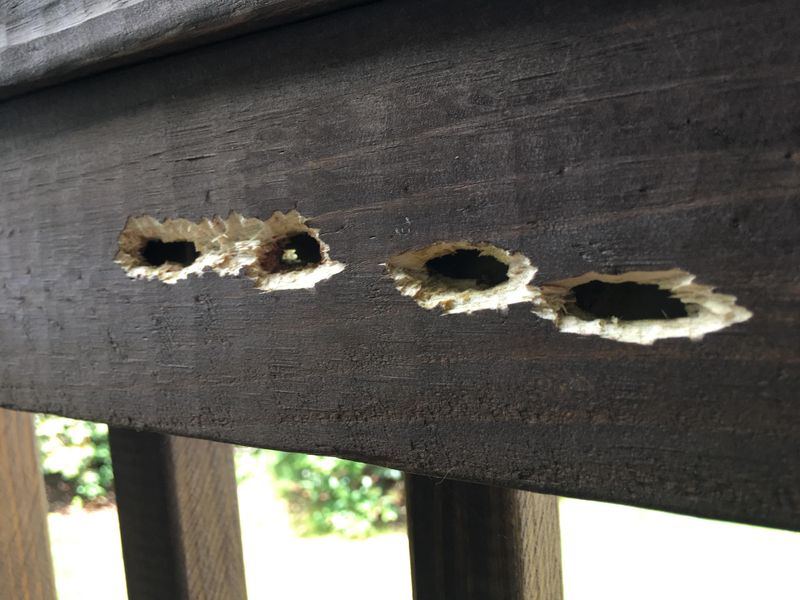
Females appear shortly after and get straight to work. A female carpenter bee can chew a perfectly circular entry hole about half an inch wide relatively quickly.
Once inside, she turns sharply and drills horizontally along the wood grain. This inner tunnel, called a gallery, can stretch six to ten inches long over time.
She then divides the gallery into separate chambers using chewed wood pulp mixed with pollen. Each chamber holds one egg and a ball of pollen for the larva to eat after hatching.
After laying her eggs, the female seals the tunnel and her work is essentially done. The larvae develop through summer and emerge as adults in late summer or early fall.
Those fresh adults overwinter inside the tunnels, then emerge in spring to repeat the cycle. Seeing carpenter bees in the same spot year after year usually means the same tunnel system is being reused and expanded each season.
Signs That Carpenter Bees Have Already Started Nesting
Sometimes you spot the bee first. Other times, the wood tells the story before you ever see an insect.
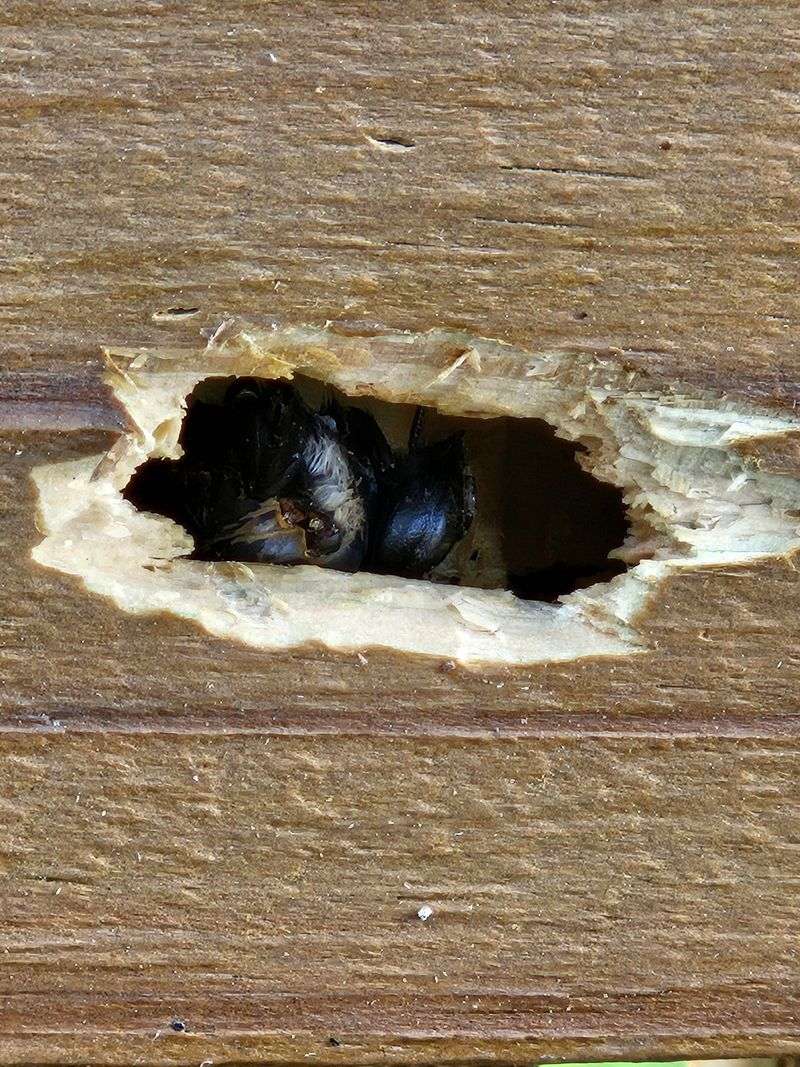
The most obvious sign is a perfectly round hole, about the size of a dime, drilled into a wooden surface. Unlike termite damage, which looks ragged and irregular, carpenter bee holes are smooth and precise.
Below the entry hole, you will often find a small pile of coarse, pale sawdust. This frass is the byproduct of the bee chewing through the wood grain.
Yellow or brownish staining around the hole is another common indicator. This comes from the pollen and waste material that builds up inside the gallery over time.
Woodpeckers can also tip you off. These birds love to peck into wood to reach carpenter bee larvae inside the tunnels, leaving long, jagged gashes in your porch boards.
If you press your ear against a suspicious beam in late summer, you might actually hear faint scratching or chewing sounds. That is the larvae developing inside the gallery.
Catching these signs early gives you a real advantage. Fresh tunnels can be treated and sealed before they get extended or reused, which saves your porch from compounding structural damage that builds up quietly over multiple nesting seasons.
How To Discourage Carpenter Bees Without Harming Them
Keeping carpenter bees away from your porch does not require any drastic measures. A few smart, low-effort strategies can make your wood a lot less appealing.
Painting exposed wood is one of the most effective deterrents. Carpenter bees strongly prefer raw or weathered wood, so a fresh coat of exterior paint removes much of the appeal.
If you love the natural wood look, a quality oil-based stain still offers some protection. It is not as effective as paint, but it reduces the bee’s interest noticeably compared to bare wood.
Citrus-based sprays applied to wood surfaces may help discourage nesting, though results can vary. Carpenter bees dislike strong citrus scents, and reapplying every few weeks during spring keeps the effect going.
Hanging decoy wasp nests near your porch is a trick some homeowners swear by, though results are not guaranteed. Carpenter bees are cautious creatures, and a fake nest signals danger in the area.
Plugging old entry holes with caulk or wooden dowels eliminates ready-made tunnels that new bees love to reuse. Doing this in late fall, after adults have left, is the ideal timing.
Cedar chips or blocks near nesting areas may also help. Combining two or three of these methods gives you the best chance of keeping your porch bee-free without reaching for anything harmful.
Why Carpenter Bees On Your Porch Are Worth Protecting
Here is the part most people skip straight past: carpenter bees are exceptional pollinators. For buzz-pollinated crops, they are actually more effective than honeybees.
Carpenter bees use a technique called buzz pollination, or sonication. They grab a flower and vibrate their flight muscles rapidly, shaking loose pollen that other bees cannot reach.
Tomatoes, blueberries, and eggplants benefit significantly from this method. If you have a vegetable garden nearby, carpenter bees are quietly boosting your harvest every season.
Native wildflowers across Virginia also depend on these bees. Without them, entire plant communities in your yard and beyond would produce far fewer seeds.
Carpenter bee populations have faced pressure from habitat loss and pesticide use over recent decades. Tolerating a few nesting bees on your property contributes to local biodiversity in a real, measurable way.
Birds, small mammals, and other insects also benefit indirectly from the plants these bees pollinate. Your porch becomes a small but genuine part of the local food web.
Protecting carpenter bees does not mean letting them hollow out your porch unchecked. Seeing them is your cue to find a middle ground, one where your wood stays solid and these pollinators still have a place to thrive.