Wild Ginseng Can Be Dug In Indiana Until December 31, But Not On Any State Property
Early October in Indiana smells like damp leaves, wood smoke, and a hint of something valuable. Somewhere under the shady hardwoods, a shy little plant is quietly turning yellow and hoping nobody notices.
Folks have searched for this forest treasure for centuries, crunching through hillsides with walking sticks and sharp eyes. Grandparents still tell stories about the one big root that paid for new school shoes one fall.
But the woods come with rules, and breaking them can cost far more than a scratched-up pair of boots. Fines, lost roots, and an awkward chat with a conservation officer can turn a nice hike sour fast.
Indiana takes its forest plants seriously, and the DNR sets firm rules to keep wild populations healthy. A little know-how keeps the search fun, fair, and legal for everyone who loves a crisp autumn walk.
Of course, the plant itself does not care about any of this paperwork or human drama. It just sits there in the shade, humble as ever.
Private Woods With The Owner’s Permission
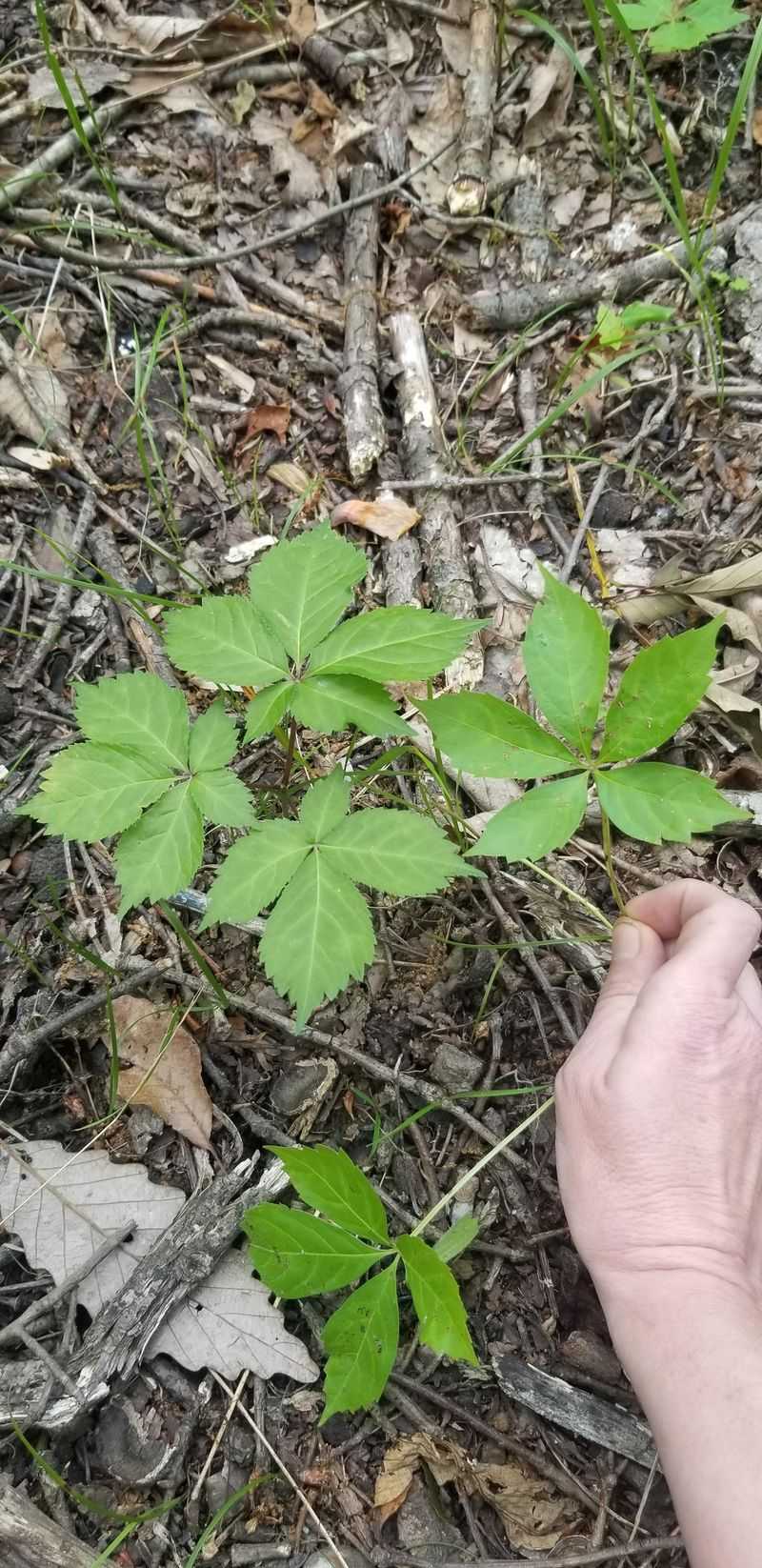
Picture a quiet ridge in a state forest, golden leaves everywhere, and a plant you are not allowed to touch. Indiana bans ginseng digging on all state-owned land, including state parks, forests, fish and wildlife areas, and nature preserves.
Federal land like the Hoosier National Forest has its own rules, so check with rangers before you grab a trowel. Most legal digging happens on private woodland, which covers a big share of the forested hills in southern Indiana.
Even there, you need the landowner’s permission before you dig, since the DNR treats digging on private land without it as theft. A short signed note with your name, the property location, and the date is a smart way to show you asked.
Conservation officers may ask how you got permission, and a signed note settles the question quickly. Digging without permission can lead to legal trouble and the loss of your roots.
Sometimes landowners ask for a share of the harvest, while others simply want you to respect their trails and gates. Talk about expectations ahead of time so nobody feels surprised when you show up with muddy knees and a bag.
The DNR does not allow digging on state property, which keeps those plants in place to drop seeds each year. Leaving them alone gives them a chance to spread seeds and keep the forest floor healthy for years.
If you are unsure who owns a hillside, county property maps online can show boundaries and owner names quickly. A few minutes of homework at the kitchen table can save you a pile of trouble later this fall.
The Fall Digging Window Set By The DNR
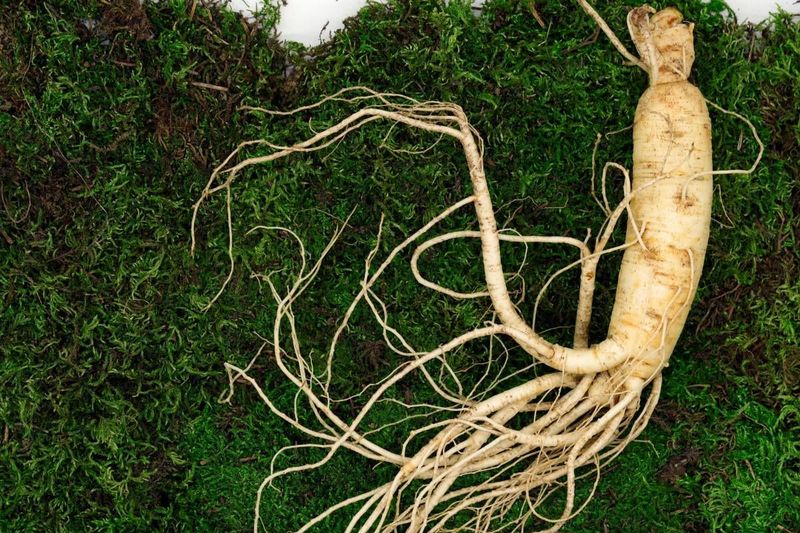
Mark your calendar with a big red circle, because the Indiana DNR opens wild ginseng season every September 1. Digging closes on December 31, so early October lands right in the sweet middle of the legal window.
The timing is not random, since plants need summer to ripen their berries before anyone pulls up the root. By fall, those bright red berries have mostly matured, giving the next generation a real shot at sprouting.
Your Indiana Garden Changes Every Week. Your Plan Should Too.
Gardening in Indiana changes quickly throughout the season. Every Friday you’ll receive a simple weekly plan showing exactly what to plant, prune, fertilize, harvest, and protect so you never miss the right timing.
Right now, leaves are turning a soft buttery yellow, which actually makes plants easier to spot on shady slopes. Early October is a good window, before frost knocks the tops down and hides them under leaves.
As the stems fade in November, finding a plant becomes a guessing game played in cold, soggy leaf litter. So while the season runs through New Year’s Eve, early October is one of the easiest times to spot plants.
Digging outside the season is illegal, and that includes your own land. Harvesters also cannot keep wild roots past December 31 without written authorization from the DNR.
Rules can shift from year to year, so glance at the DNR website before heading out each fall. It takes two minutes, and it beats learning about a change from an officer in the woods.
Pack a thermos of hot cocoa, wear bright clothing, and enjoy the crisp hillside air. Fall woods feel calm and golden, and searching with the calendar on your side makes the trip more relaxing.
Counting Prongs Or Four Stem Scars
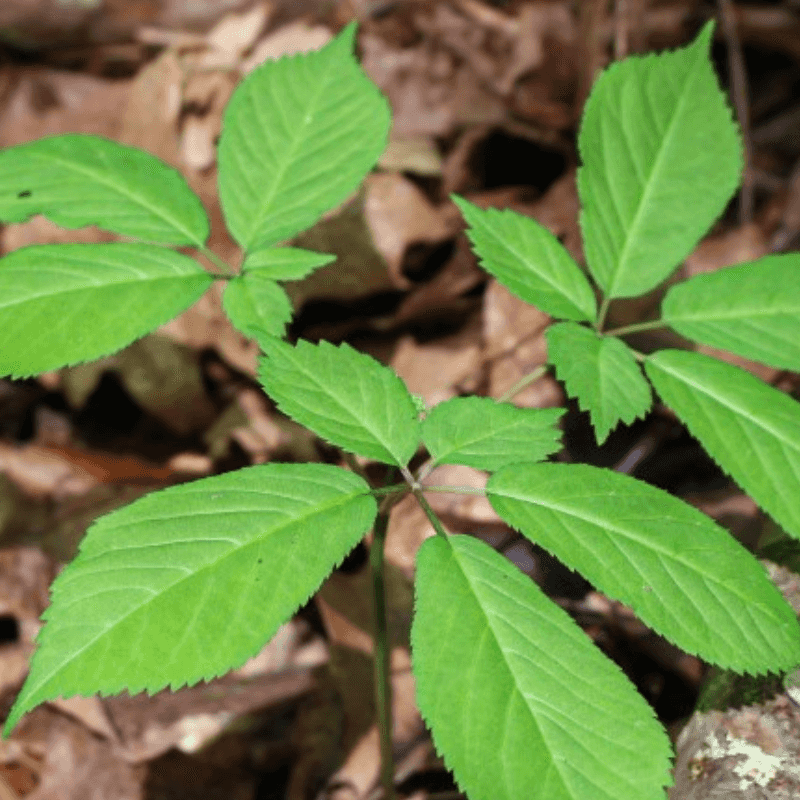
Did you know a ginseng root keeps a birthday record, a bit like rings inside a tree trunk? Each year, the stem falls off and leaves a tiny scar on the neck of the root.
Many diggers call these bud scars or stem scars, and counting them gives a solid guess at the plant’s age. Indiana rules focus on mature plants, and the scar count helps protect younger roots that still need time.
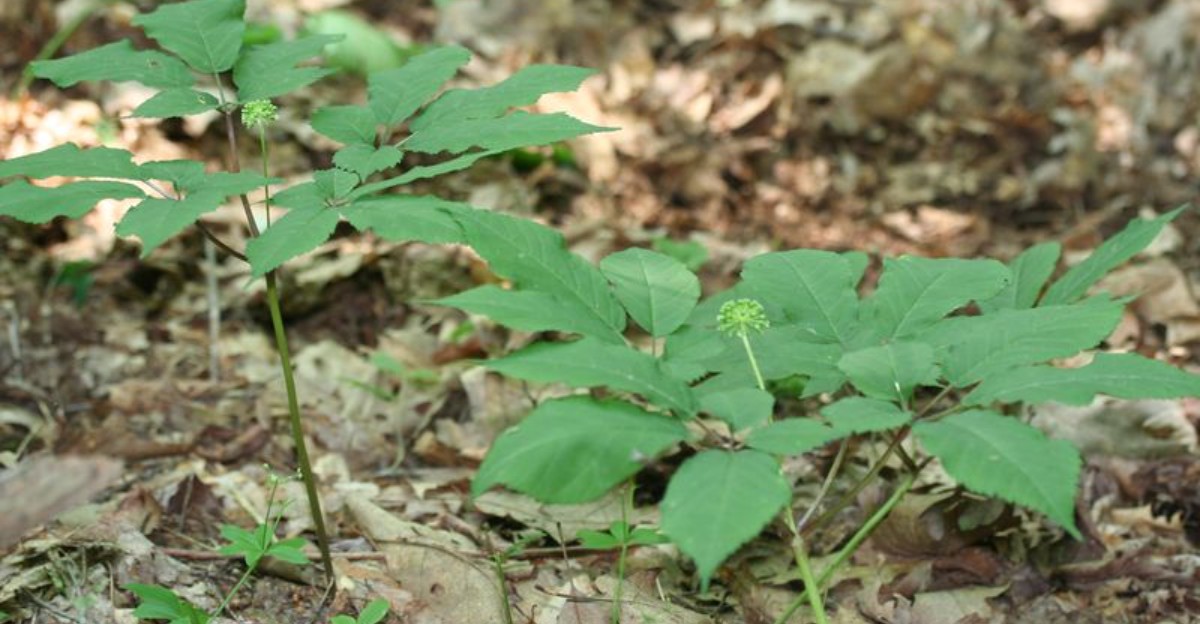
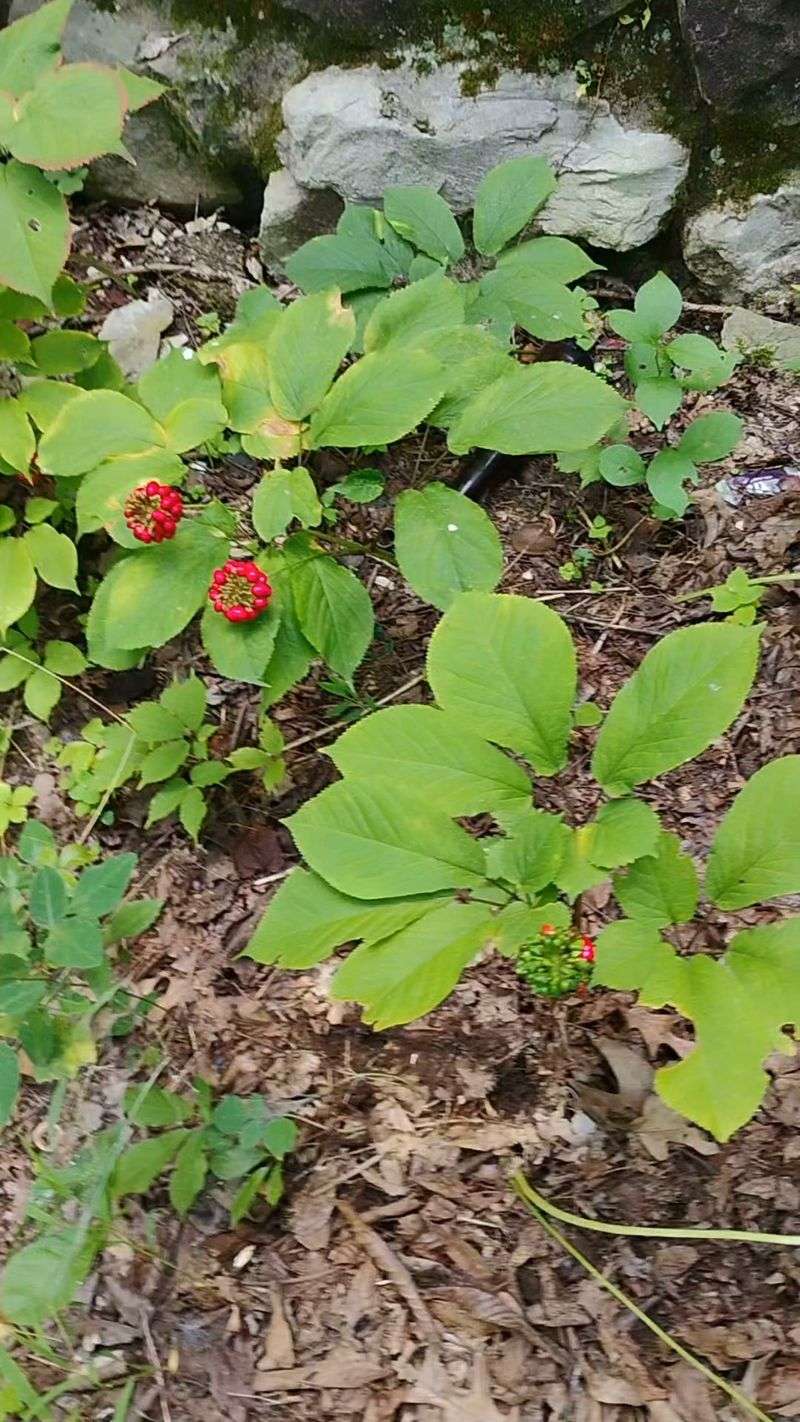
Above ground, a legal plant needs at least three prongs, which are the separate leaf stalks branching out from the stem, plus a flowering or fruiting stalk. Each prong usually holds five leaflets, so a mature plant looks like a small, leafy umbrella in the shade.
Plants with only one or two prongs are teenagers in ginseng years, and they belong in the ground. Digging them earns very little money anyway, since dealers pay by weight and young roots weigh almost nothing.
Before pulling a root fully free, gently brush soil away from the neck and count those little bumps carefully. A plant with three prongs and a fruiting stalk qualifies, while one without them qualifies only if the neck shows at least four scars. Otherwise, tuck the soil back and let that plant keep growing.
A small digging fork or a sturdy screwdriver works better than a shovel, which can easily snap fragile roots. Start digging several inches away from the stem, then loosen the dirt slowly like you are uncovering buried treasure.
Patience pays here, because a whole root with its tiny hairs intact is worth more to buyers. Rushing the job leaves you with broken pieces, a lower price, and a hillside that lost a mature plant.
Planting Ripe Red Berries Back In The Soil
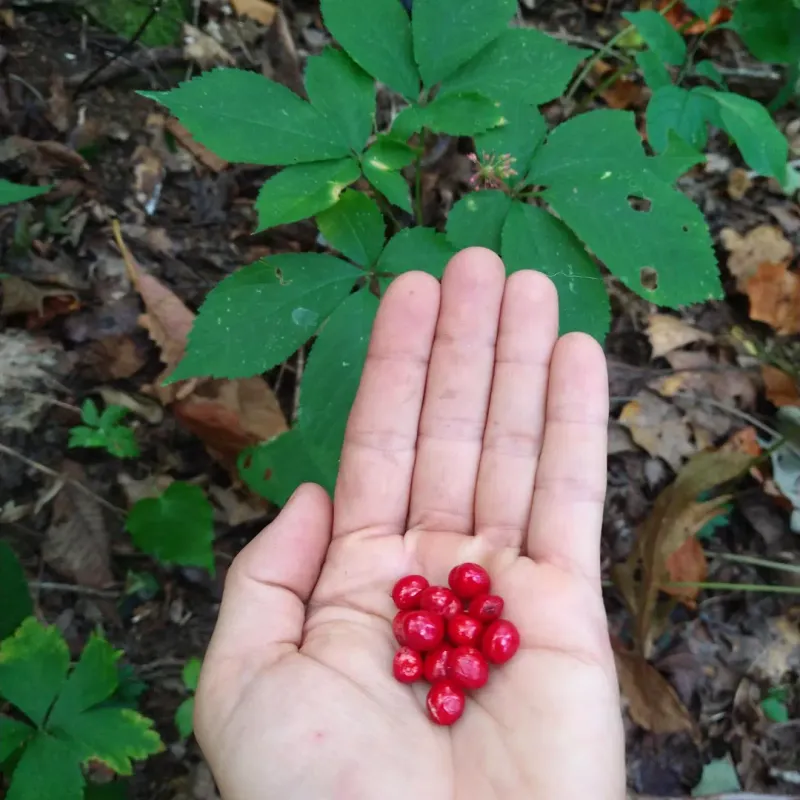
Old-timers in the hills like to say a good digger leaves the woods richer than he found them. Indiana turns that wisdom into law, requiring harvesters to plant the ripe berries and seeds from the plants they dig.
Ripe berries are a deep, glossy red, and each one usually holds one to three small cream-colored seeds. Green berries are not ready, which is one more reason the season waits until September to open.
Pinch the berries off before digging, then press them about an inch into the soil near the parent plant. Space them about a foot apart, cover them with leaves, and let the cool autumn rain handle the rest.
Slow and steady wins here, since these seeds often take about eighteen months to sprout after landing in dirt. Your berries from this October might not show a single leaf until the spring after next.
Picking the right spot helps, so choose shady ground under maples or tulip poplars with loose, moist soil. North and east facing slopes often work best, because they stay cooler and hold moisture through hot summers.
Some families have planted berries in the same hollow for three generations, turning one patch into a living heirloom. Kids who help scatter seeds today may someday dig those very roots and tell the story again.
Skipping this step breaks Indiana rules, and each berry tossed aside is a plant the forest may lose. A few seconds of kneeling in the leaves keeps wild ginseng growing on Indiana hillsides for years ahead.
Selling Roots To A Licensed Indiana Dealer
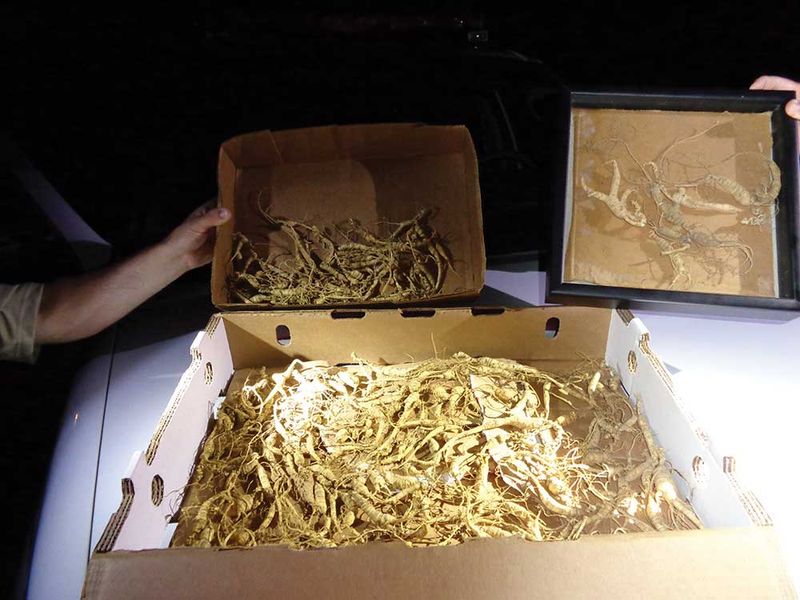
Dried wild roots from Indiana can fetch several hundred dollars a pound, depending on quality, size, and market demand. Before you start daydreaming about cash, you need to know who is allowed to buy your harvest.
Only dealers licensed by the Indiana DNR can legally purchase wild ginseng from diggers within the state. Selling to a stranger in a parking lot might sound tempting, but it can land you in hot water.
Licensed dealers keep detailed records of every purchase, and the DNR uses them to track harvests. Those records help the state keep watch, since wild ginseng is watched closely under international trade rules.
The DNR Ginseng Coordinator or a local conservation officer can point you toward licensed dealers. Calling ahead is smart, since some dealers only buy on certain days or prefer roots that are fully dried.
Speaking of drying, spread roots on a screen in a warm, airy room away from direct sunlight. Skip the oven or dryer, because fast heat cracks the roots and makes buyers knock down the price.
Avoid scrubbing roots clean, too, since buyers like natural rings and texture that prove a root grew wild. A gentle rinse in a bucket of water removes loose dirt without hurting the value.
Dried roots usually take a few weeks to cure, so autumn diggers often sell by late fall, since harvesters cannot keep wild roots past December 31 without DNR authorization. Keep your receipt from each sale, since it helps show you followed the rules if anyone asks later.
Protecting Wild Patches For Future Seasons
Ever notice how the best spots seem to vanish the moment too many people learn about them? Wild ginseng works the same way, and loose lips around town have emptied plenty of shady hollows over time.
Keeping your patch a quiet family secret is one of the simplest ways to protect it from trespassers. Avoid posting photos with recognizable landmarks online, because sharp-eyed strangers can figure out locations surprisingly fast.
Taking only some of the mature plants in a patch is another smart habit worth building this fall. Leave a few big parents behind, because they produce the most berries and keep the colony going strong.
Rotating between patches also helps, so each spot gets a few years of rest between your visits. Think of it like letting a garden bed recover, only with way more hiking and far fewer tomatoes.
Deer also munch on ginseng tops, so patches in areas with heavy deer traffic may struggle to bounce back. Planting extra seeds in protected nooks, like near fallen logs or rocky ledges, gives young plants better odds.
Reporting suspicious digging on state land to the Indiana DNR helps officers catch people breaking the rules. Fresh holes in the dirt or piles of pulled stems during fall can be signs that illegal diggers visited.
Every careful digger becomes part of a long chain of people who kept these woods green and generous. Treat each patch like a savings account, and it can keep paying small rewards for decades to come.