Fall Watering for Arizona Orange Trees: A Seasonal Adjustment Worth Making
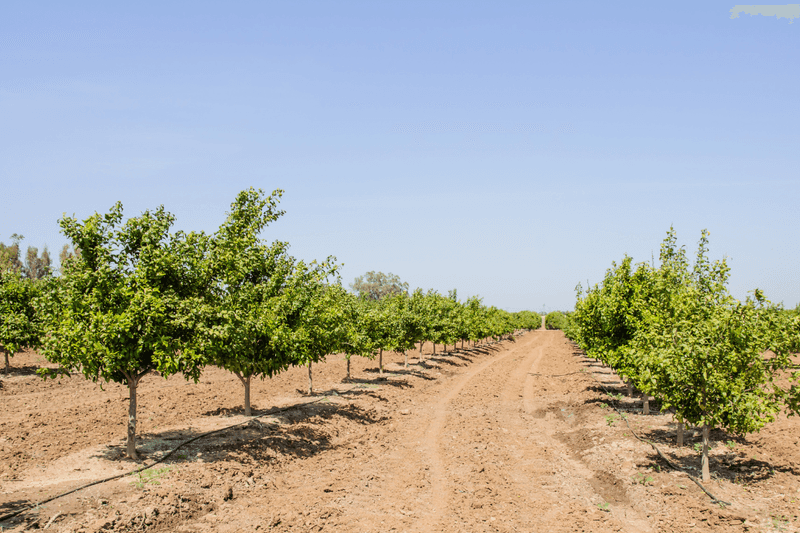
When the first cool mornings arrive in Phoenix and Tucson, your orange tree notices before you do. Its thirst drops, but many backyard timers keep running the summer plan.
A smart fall tweak can save water and keep the tree on steady footing. It will not magically sweeten the fruit, though, and here is what it can and cannot do.
Fall watering should follow the weather, not chase sweetness
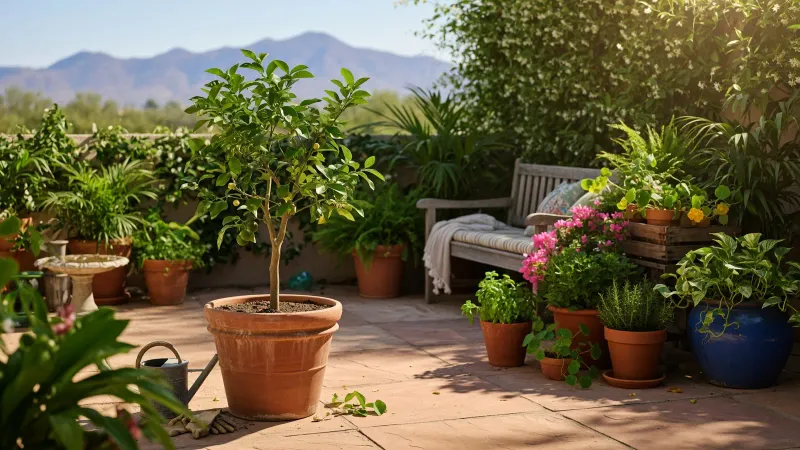
No single watering move controls how your winter oranges taste. What Arizona citrus guidance does call for is a fall check-in on how often the tree gets water as temperatures drop.
A tree sipping less in October does not need the same schedule it had in July.
The right rhythm depends on the season, your soil, your irrigation method, the temperature, and any rain. University of Arizona citrus irrigation guidance lays out intervals that stretch as the weather cools.
Its October advice is to adjust frequency, not run time, so each watering still soaks deeply while the gaps between them grow.
Think of it as housekeeping, not a flavor trick. The steps ahead cover which interval to start with, how to confirm water is reaching the roots, and what the science says about splitting and sweetness.
Nothing here promises sweeter fruit, only a tree watered sensibly for the season.
Which interval fits your irrigation system?
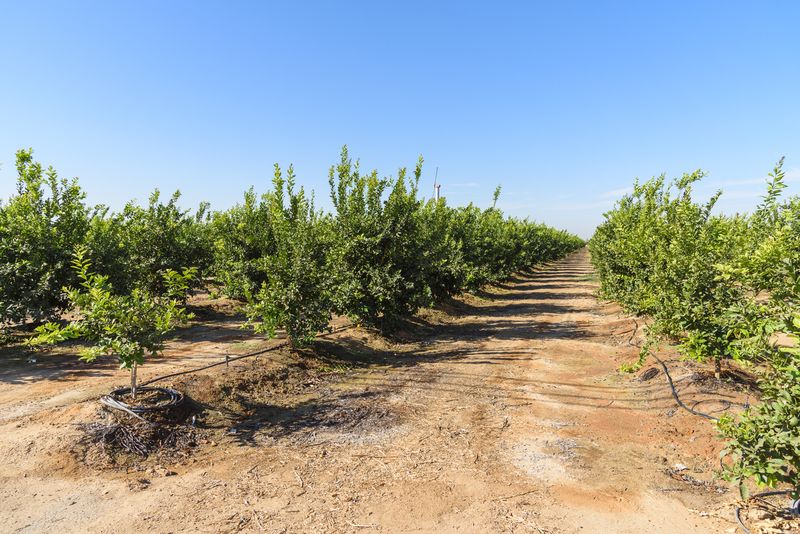
Your watering method sets the starting point. For established trees in October and November, the Arizona interval table suggests every 14 to 21 days for trees three years or older that get basin or flood watering.
Mature trees on drip or microsprinklers fall into the shorter-interval row, roughly every 5 to 10 days, as noted in the same citrus irrigation publication.
Treat those numbers as a place to begin, not a timer setting to copy. Sandy or gravelly soil drains fast and may need water sooner.
Heavier soil holds moisture longer and can stretch the gap.
Weather matters too. A warm, dry October pulls more water from the tree than a cool, cloudy stretch, and a good soaking rain can let you skip a turn.
Low-volume drip emitters put out little water at a time, so your system output changes how quickly the root zone refills. Adjust the interval after watching how the soil and tree respond.
A deep soak needs a soil check
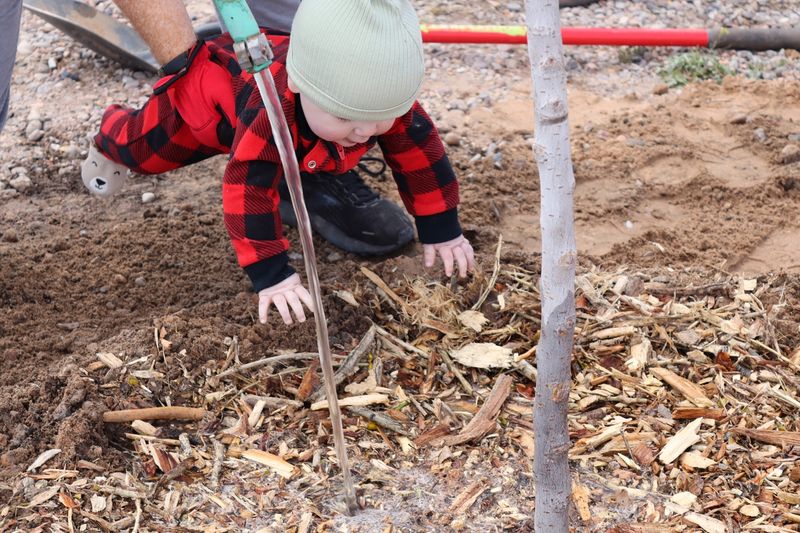
Once you pick an interval, the goal is a deep soak. Water should wet the soil from near the trunk out to just past the canopy’s drip line, reaching at least two feet down.
Then let the soil dry about six inches deep before you water again, as the citrus irrigation guide explains.
Frequent, shallow sprinklings do the opposite. They wet only the top layer, which dries out quickly and leaves the deeper roots short on moisture.
Minutes on a timer cannot tell you whether this happened. Arizona Department of Water Resources advice is to use a soil probe, long screwdriver, or piece of rebar to check how deep and wide the water travels.
Your Arizona Garden Changes Every Week. Your Plan Should Too.
Gardening in Arizona changes quickly throughout the season. Every Friday you’ll receive a simple weekly plan showing exactly what to plant, prune, fertilize, harvest, and protect so you never miss the right timing.
A tool that slides in easily through moist soil and stops at dry, hard ground shows you where the water ended. Probe a day after watering, and again before the next one, to see how fast the soil dries.
Why do oranges split?
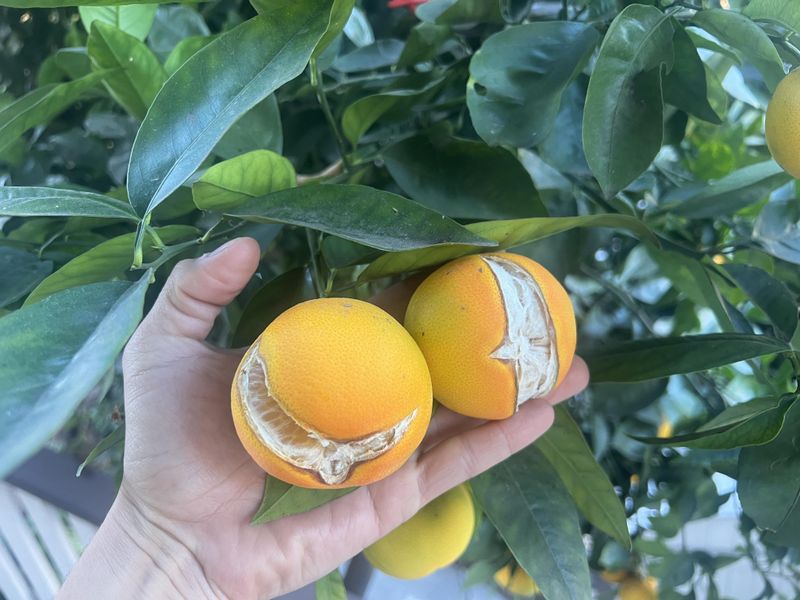
Splitting has several causes, so no single watering change guarantees a fix. Uneven soil moisture is one documented contributor, which makes adequate, fairly steady moisture a sensible target.
Arizona guidance on diagnosing home citrus problems points to infrequent, deep watering to keep the soil more even.
Fall overwatering alone does not explain split fruit, and simply watering less will not prevent it. Both too much and too little soil moisture can play a part.
So can heat, hot winds, potassium deficiency, and the variety you planted.
Researchers still do not fully understand the mechanisms, and UC integrated pest management guidance notes there is no single established solution. Aim for steady moisture, watch your feeding, and expect an occasional split even in a well-kept tree.
Also keep it separate from dry, granulated juice sacs, which is a different quality problem.
Water stress is no shortcut to sweeter fruit
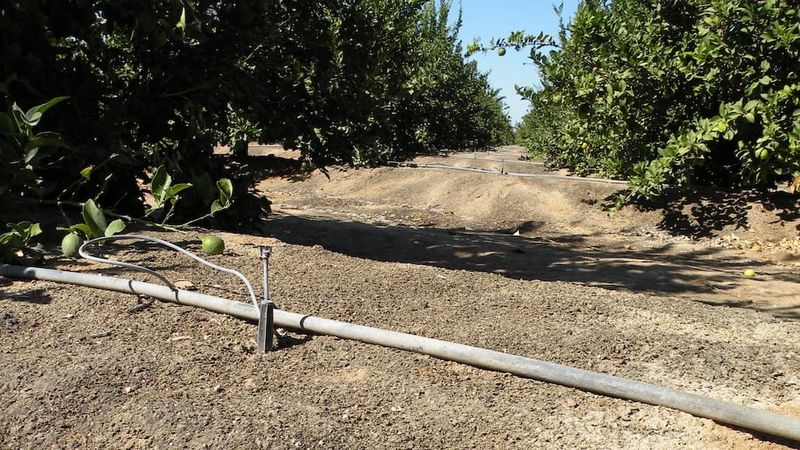
Holding back water on purpose is tempting advice, but it is a poor bet. Sweetness leans heavily on variety and maturity, and Arizona guidance on oranges says fall heat helps lower acidity and raise sugars.
Consider a California navel-orange irrigation trial. Lower-water treatments raised soluble solids and acidity, but the sugar-acid ratio did not change.
Tasters could not tell the fruit apart, and juice content was the same across treatments.
In one trial year, lower irrigation also meant lower yield and grade. That points away from stressing a tree to improve taste.
This was a California orchard study, not an Arizona backyard test, so it cannot predict how your own tree will react. Steady, adequate watering is the safer path.
Taste the orange instead of judging its peel
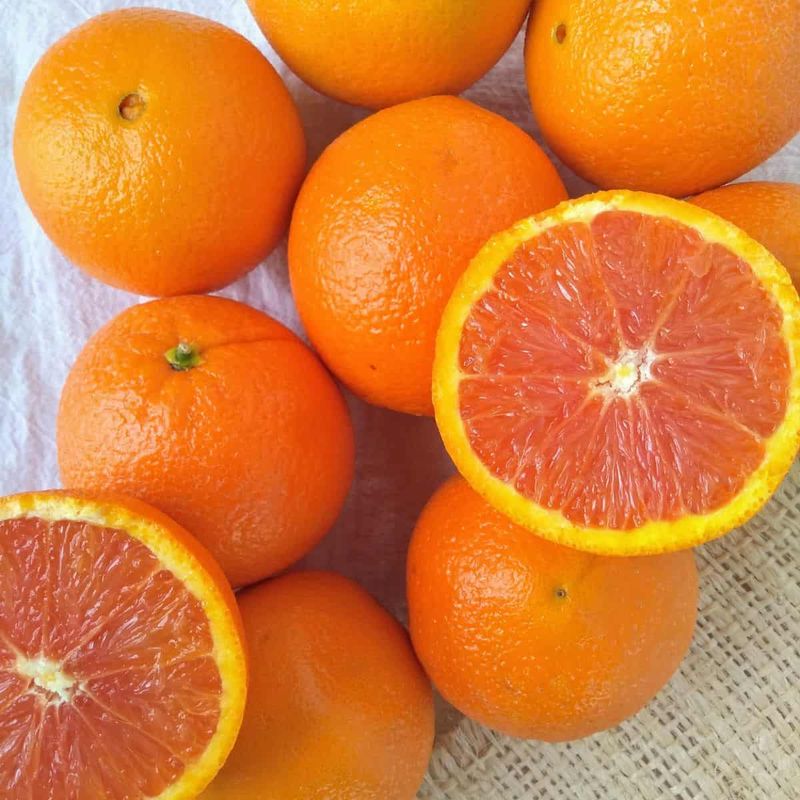
Peel color is a weak clue in the low desert. Fruit can be ready to eat while still greenish, and some varieties turn green again after ripening.
The only dependable check is to pick one and taste it.
Timing also varies by variety. Some oranges are ready in early winter, while Valencias sweeten later and can hang on the tree into spring, according to
low desert citrus variety guidance.That means a tart Valencia in December is probably not a watering problem. It may simply need more time.
Sample a fruit every week or two once the season starts. When a few taste good, harvest the rest as you want them, since fruit stores well on the tree.
Make a modest seasonal adjustment
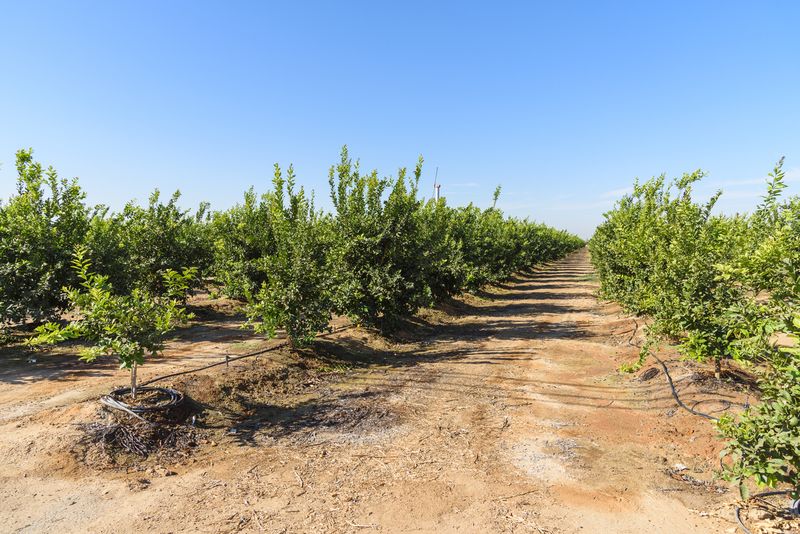
As fall cools, ask how often the tree really needs water. Start with the interval for your system, probe the soil, and adjust from there instead of cutting back across the board.
The goal, per the University of Arizona October gardening guide, is adjusting frequency, not run time.
Steady, adequate moisture is a good habit for a tree. Whether the fruit turns out sweet or splits is a bigger story than any timer.