That Huge Spider in Your Indiana Basement Looks Alarming but Means You No Harm
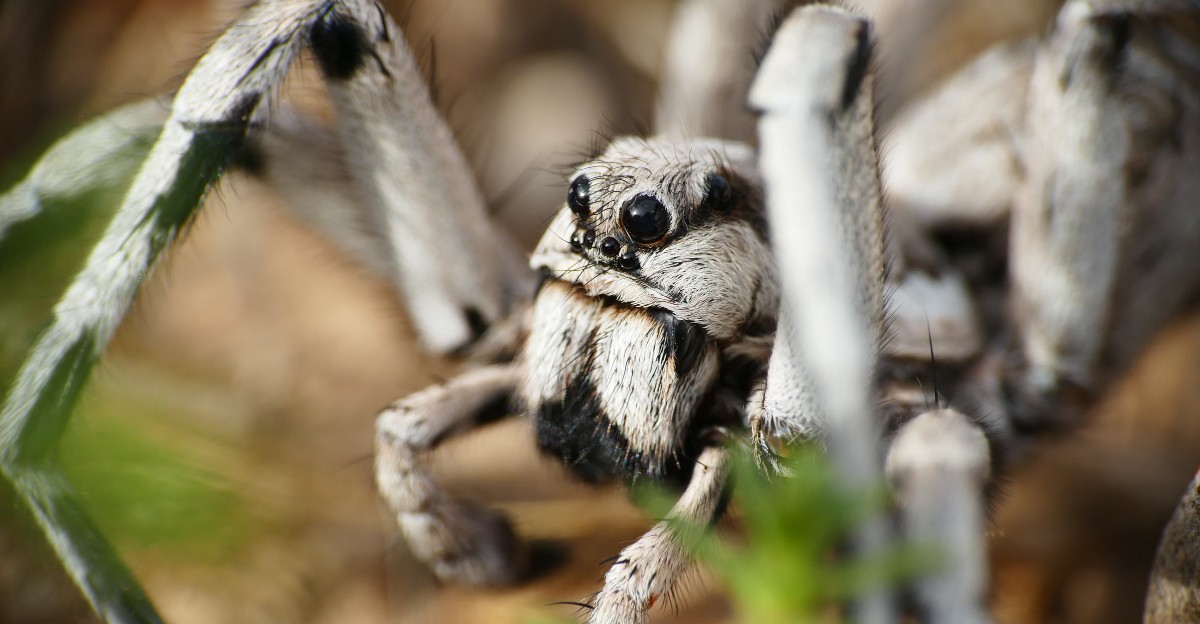
Some of the eight-legged hunters creeping across basement floors carry their babies piggyback, dozens at a time, until the little ones are ready to scatter.
I learned that fact the hard way. A dark, fuzzy shape near my laundry basket suddenly seemed to dissolve into tiny moving dots, and I made a noise my family still teases me about.
The creatures behind these sightings can stretch wider than a coaster. They sprint, they freeze, and they stare back with a cluster of shiny eyes that catch a flashlight beam like glitter. Most of them showed up in your Indiana home by accident, chasing crickets or slipping under a door.
I get it if your first instinct is to grab a shoe. Before you do, consider what that visitor has been quietly eating down there all season. Would you believe it might be the best tenant you have?
That Fuzzy Wolf Spider Sprinting Across the Floor Is a Hunter, Not a Threat
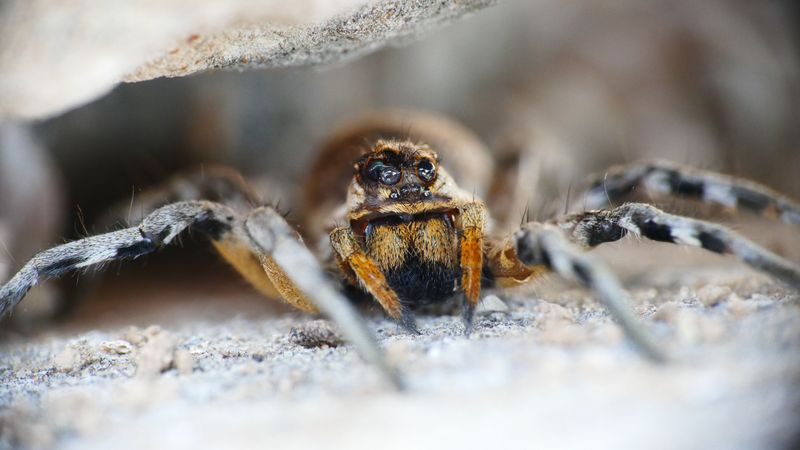
Most of the time, the giant you spot is a wolf spider. Fishing spiders come in a close second, especially in damp basements near creeks or ponds.
Wolf spiders are stocky, hairy, and dressed in brown, gray, and tan stripes. Their bodies can reach about an inch and a half in some species, and their legs make them look even bigger. They don’t spin webs to catch food. Instead, they chase prey on foot like tiny track stars.
Dark fishing spiders are the real showstoppers. Their leg span can stretch around three inches or more, which explains plenty of startled shrieks in Hoosier homes. They often wander away from water and end up resting on basement walls.
Here’s a fun trick for spotting a wolf spider at night. Shine a flashlight across the floor while holding it near your eyes. Their eyes reflect light and glow like little green sparkles.
A mother wolf spider also drags her egg sac behind her, attached to her spinnerets. After the eggs hatch, the babies ride on her back for a while. It looks wild, but that piggyback scene is simply careful parenting in action.
Those Big Spider Fangs Are Built for Crickets, Not People
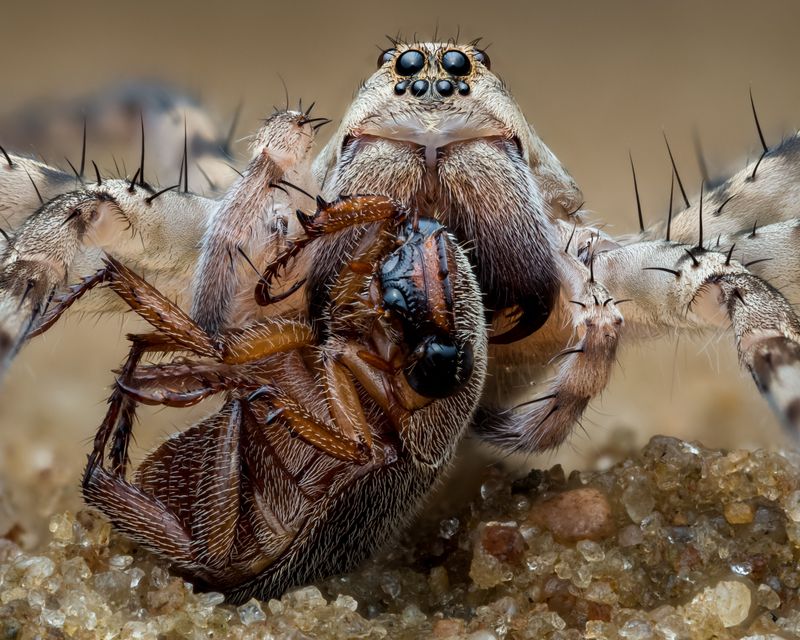
Take a deep breath, because the science here is reassuring. Nearly every spider has venom, but wolf spiders and fishing spiders carry venom meant for insects, not humans.
According to university extension experts, these spiders rarely bite. When they do, it’s usually because someone pressed one against their skin, like slipping on a shoe or grabbing a towel from the floor. A bite is a defensive move, not an attack.
Most people describe the result as similar to a bee sting. You might notice some redness, mild swelling, and a bit of soreness that fades within a day or two.
Simple first aid handles most bites. Wash the spot with soap and water, then apply a cool compress to calm the swelling. Keep an eye on it, just like you would with any small wound.
Call a doctor if you see spreading redness or signs of infection, and seek emergency care right away for an allergic reaction like trouble breathing. Those cases are uncommon, but they’re worth taking seriously.
Shaking out shoes and clothes stored in the basement is a smart habit. That one small step makes accidental bites even less likely.
Your Basement Spider Is Eating the Bugs You Really Dislike
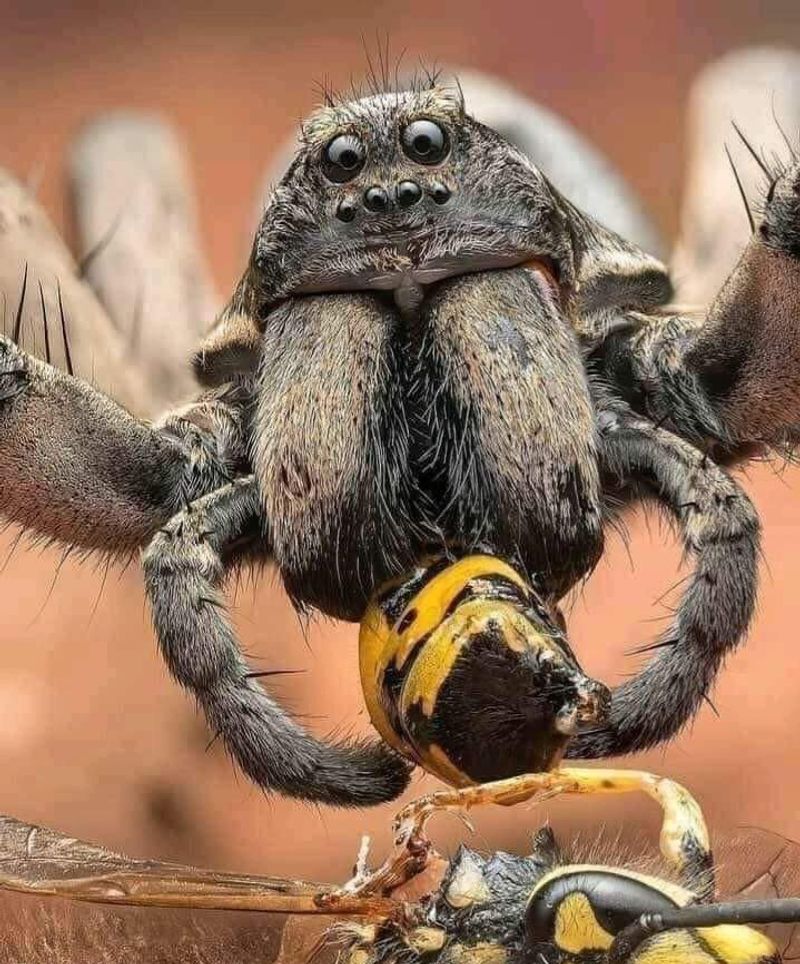
Call it free pest control with eight legs. Every large spider in your basement is there for one main reason, and that reason is food.
Wolf spiders snack on crickets, cockroaches, silverfish, beetles, and other crawling insects. Fishing spiders eat a wide range of invertebrates too. If you see a big spider downstairs, it usually means something is feeding it.
That detail is actually a helpful clue. A steady parade of spiders can point to a bigger insect issue, such as camel crickets thriving in a damp corner. Fix the moisture, and you often see fewer of both.
Don’t overlook the skinny cellar spiders either. Those long-legged web builders in ceiling corners are harmless, and they even catch other spiders.
I used to sweep away every web I saw. Now I leave a few cellar spiders in quiet corners of the utility room, and I notice fewer stray bugs creeping around.
Outdoors, these hunters help gardens in a big way. They patrol mulch beds, lawns, and leaf piles, eating plant pests long before they reach your tomatoes. A garden full of spiders is usually a healthy garden.
A Quick Look at Legs, Eyes, and Webs Tells You Who Moved In
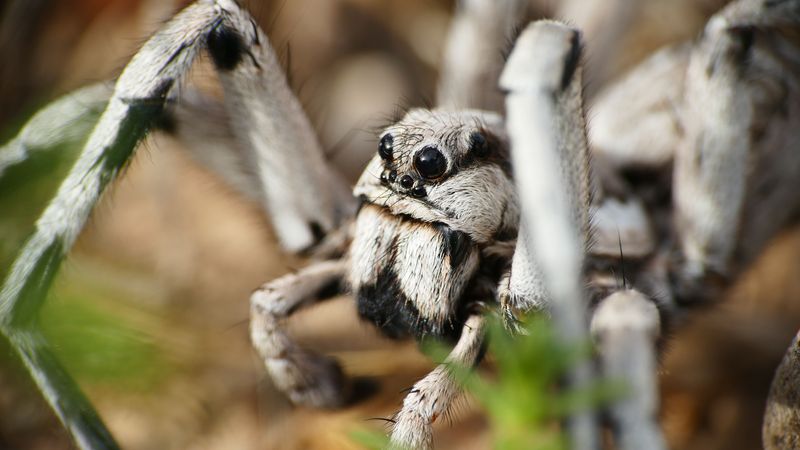
Identifying your visitor is easier than you might expect. A few simple clues can settle your nerves in seconds.
Start with the web, or the lack of one. Wolf spiders and fishing spiders don’t build snare webs. If a big spider is running loose on the floor or resting flat on a wall, it’s probably one of these hunters.
Next, check the eyes if you dare. Wolf spiders have two large eyes staring forward, with smaller ones arranged in rows. Fishing spiders have more evenly sized eyes in two rows and long, banded legs held wide.
Grass spiders are another common Indiana guest. They build flat, funnel-shaped webs, usually outside in shrubs or lawns, and sometimes near doorways or window wells.
Body shape helps too. Wolf spiders look compact and sturdy, while fishing spiders seem flatter and stretch out with a huge leg span.
Snap a photo from a safe distance if you’re unsure. Purdue Extension and other university resources offer spider guides, and comparing pictures takes the guesswork away. Knowing exactly what you’re looking at turns a scary moment into a neat little discovery.
Fall Weather Sends More Wandering Spiders Through Your Basement Door
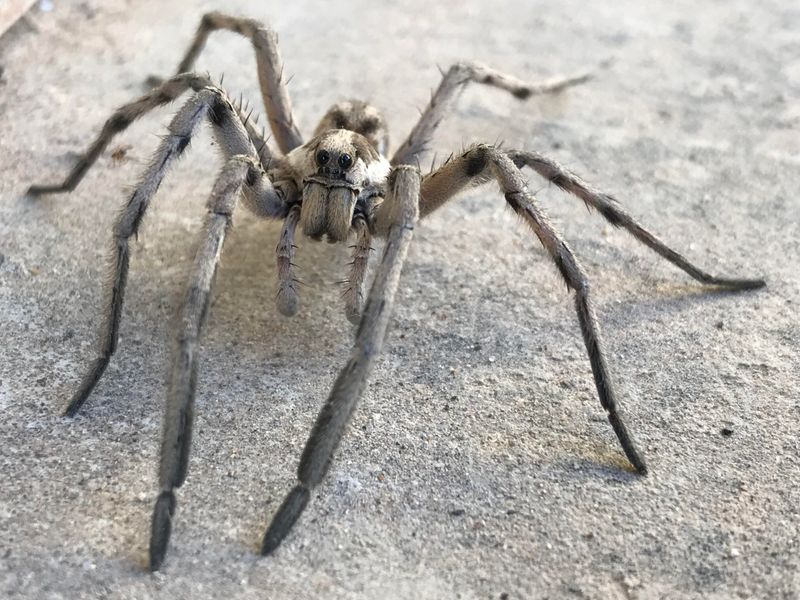
Late summer into fall is prime spider-spotting season in the Midwest. Many folks notice more big spiders indoors right as nights start cooling down.
Part of this comes from mating season. Adult male spiders roam widely looking for females, and their wandering sometimes leads them through gaps under doors or cracks in foundations.
Wolf spiders and grass spiders mostly come in by accident. They don’t plan to move in, and many struggle indoors because dry air and limited food don’t suit them well.
Basements attract them for a few reasons. These spaces are dark, quiet, and often a bit humid, which mimics the leaf litter and logs they normally hide under. Insects gather there too, making the space feel like a buffet.
Window wells are a common entry point. Spiders fall in, then squeeze through tiny openings into the house.
Seeing several in autumn usually reflects normal seasonal behavior, not an infestation. Indiana spider numbers rise and fall with weather and insect supplies. Once winter settles in, sightings typically slow down, and spring brings a fresh round of outdoor activity.
A Cup and a Postcard Move a Big Spider Outside Without Drama
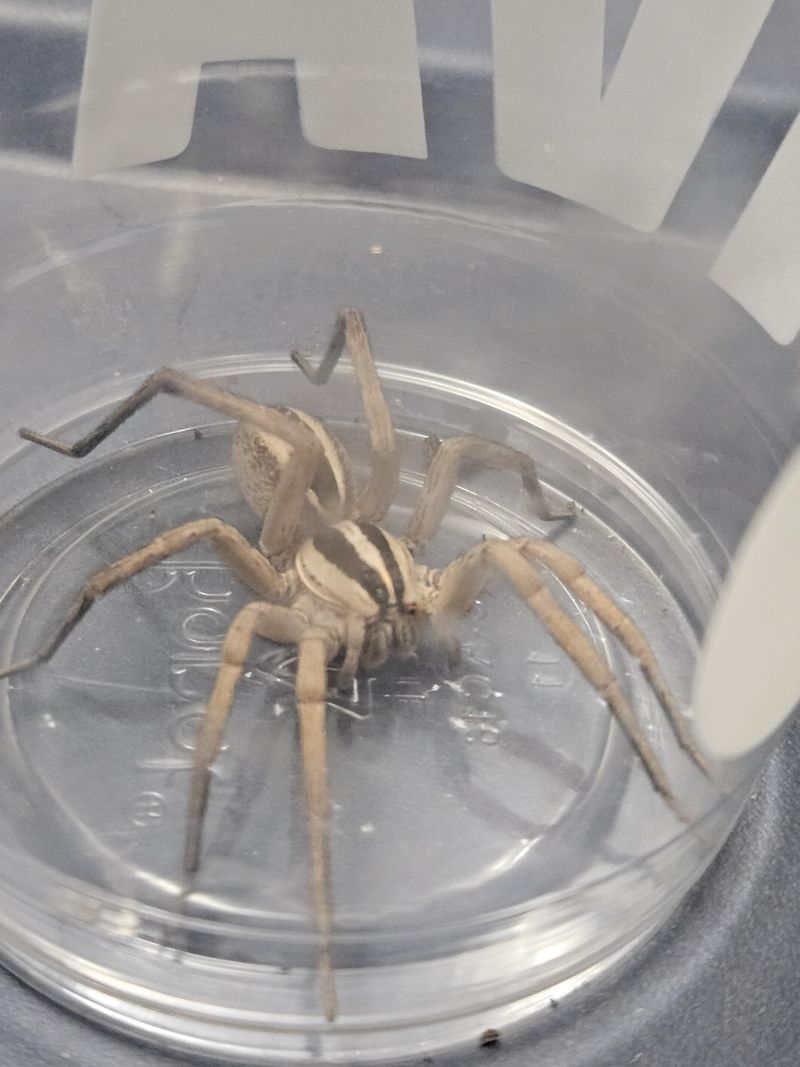
Not ready to share your laundry room? That’s fair, and relocating a spider is surprisingly easy.
Grab a clear cup and a stiff piece of paper or a postcard. Set the cup over the spider, slide the paper underneath slowly, and lift it all together. Wolf spiders are fast, so move calmly rather than quickly.
Carry your guest outside and release it near shrubs, a woodpile, or leaf litter. Those spots give it shelter and plenty of insects to hunt.
To reduce future visitors, seal cracks around foundations, pipes, and windows with caulk. Add door sweeps and fix torn screens. Check window wells too, and consider covers if spiders keep falling in.
A dehumidifier can help a lot. Drier air means fewer crickets and silverfish, which means less food for hunting spiders.
Clear clutter like cardboard boxes stacked on the floor. Plastic bins with tight lids give spiders fewer hiding spots.
Skip the bug bombs. Extension experts note that broad sprays rarely solve spider problems and can expose your family to chemicals. Sticky traps placed along walls work well for monitoring what’s moving around.
Brown Recluse and Black Widow Spiders Look Nothing Like Your Basement Giant
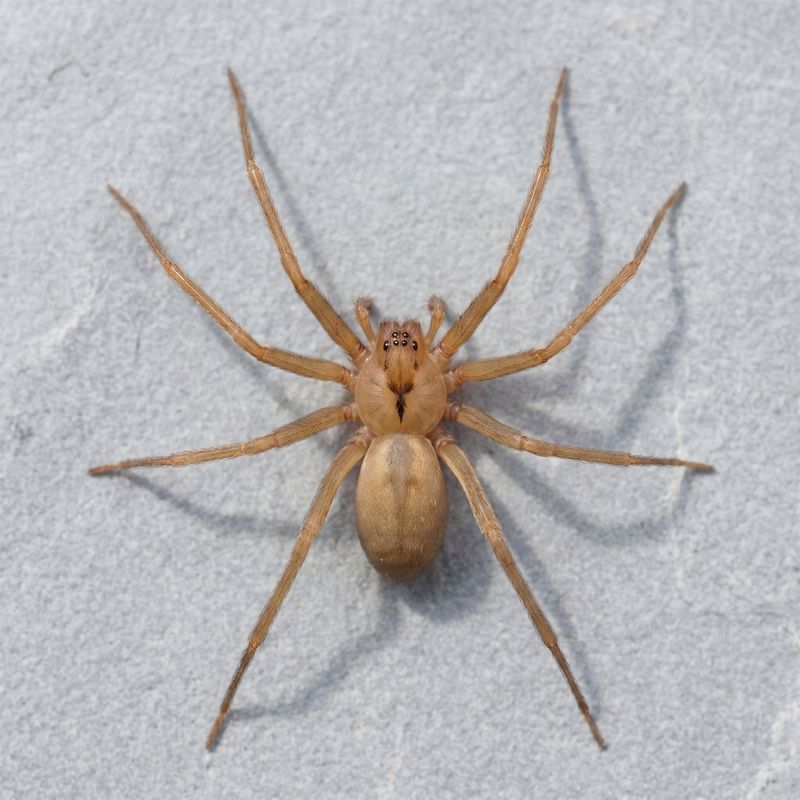
Honesty matters here. Indiana does have two spiders that deserve real respect, and knowing them helps you relax about the rest.
The brown recluse lives mostly in the southern part of the state, though it can pop up elsewhere through moved boxes or furniture. It’s small, about the size of a quarter including legs, tan to brown, with a dark violin shape on its back. It has six eyes instead of eight.
Black widows are glossy black with a red hourglass on the belly. They build messy, tangled webs in woodpiles, sheds, and quiet corners. Females are the ones with the concerning bite.
Both species are shy and avoid people. Bites usually happen when someone accidentally presses against one.
Notice what they lack, though. Neither one is huge, hairy, or sprinting across the floor in the open.
If you suspect either species, wear gloves while sorting stored items and seek medical care for any bite that worsens. For everything else, take a breath. That big, startling spider is far more interested in crickets than in you, and giving it a little grace makes your basement a calmer place.