Wilting Plants In New Jersey This October? Check The Soil Moisture
Your mums are drooping, and the cool air can be misleading. Crisp New Jersey mornings feel damp, yet container soil can turn dusty in days.
Wind pulls moisture from small pots faster than you would guess. Shallow roots on your mums take up whatever water reaches them.
You water the leaves, the soil stays dry, and the plant keeps sagging. Test the soil with a finger, knuckle deep, before you pour, since soggy soil can cause drooping too.
Dry spells in New Jersey can stretch for weeks while you assume rain covered it. Lift the pot to judge its weight, because light containers signal trouble.
Bone-dry potting mix repels water, so it runs down the sides and escapes. Submerging the whole pot in a bucket can reverse that common problem, though a full soak may take up to thirty minutes.
Soon you will discover why the dampest-looking pot on your porch is often the driest underneath.
1. Push A Finger Into The Soil First
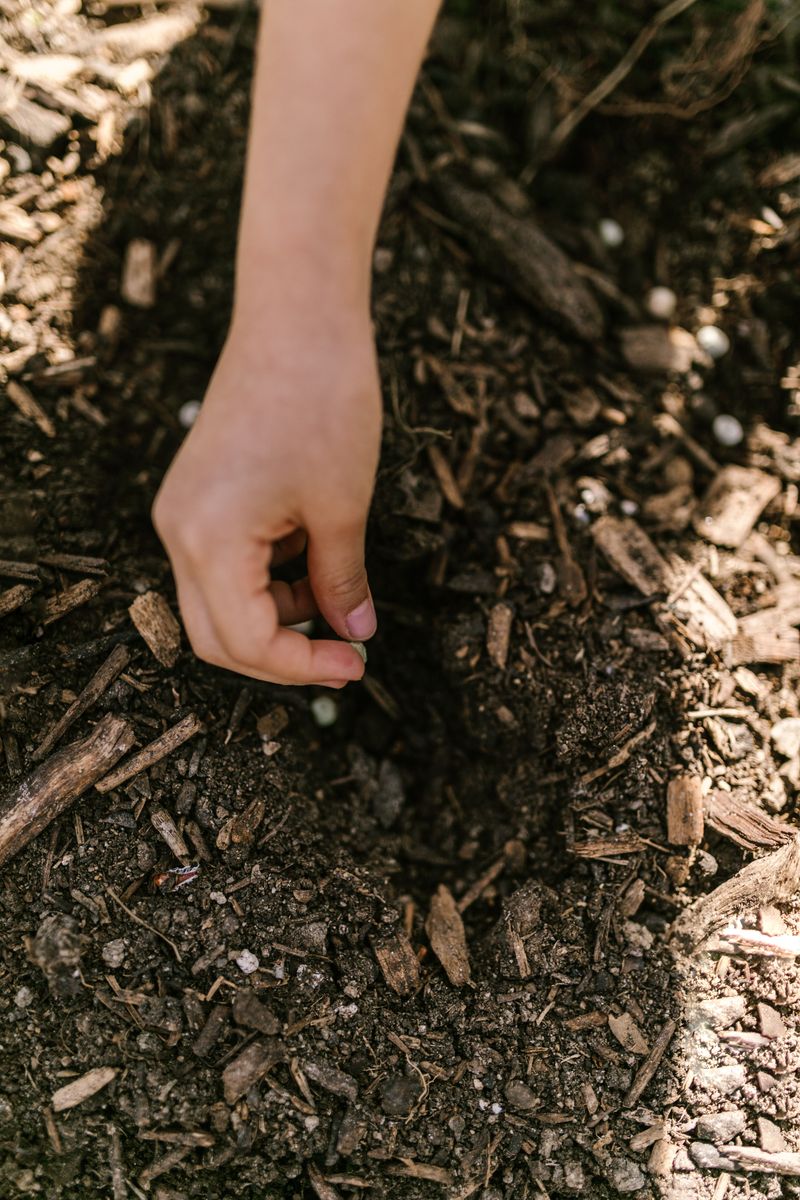
Your pointer finger is a free garden tool you can use today. Stick it about two inches into the soil near the plant’s base.
If the soil feels dry at your fingertip, it is time to water. If it feels cool and damp, hold off for another day or two.
New Jersey falls can mislead you in small ways. The top layer might look dark after morning dew while deeper roots stay thirsty.
Test a few spots around the garden, not just one. Sunny beds dry faster than shady corners near the house.
Sandy soil down by the Shore drains quickly, so check it more often. Clay-rich soil in parts of North Jersey holds water longer and feels sticky when wet.
Try to check your plants at the same time each day. Morning works well because the air is cool and leaves have not drooped from heat.
Jot a quick note after each check, and patterns will start to appear. Some beds may need water twice a week, while others coast along for ten days between drinks.
Wash your hands afterward, unless you enjoy dirt under your nails. Many gardeners wear that crust like a badge of honor anyway.
Once this habit sticks, guessing games end. Your plants get water when they truly need it, not just when you remember. A steady routine saves water and keeps your roots happy.
2. Water Deeply In The Cool Morning Hours
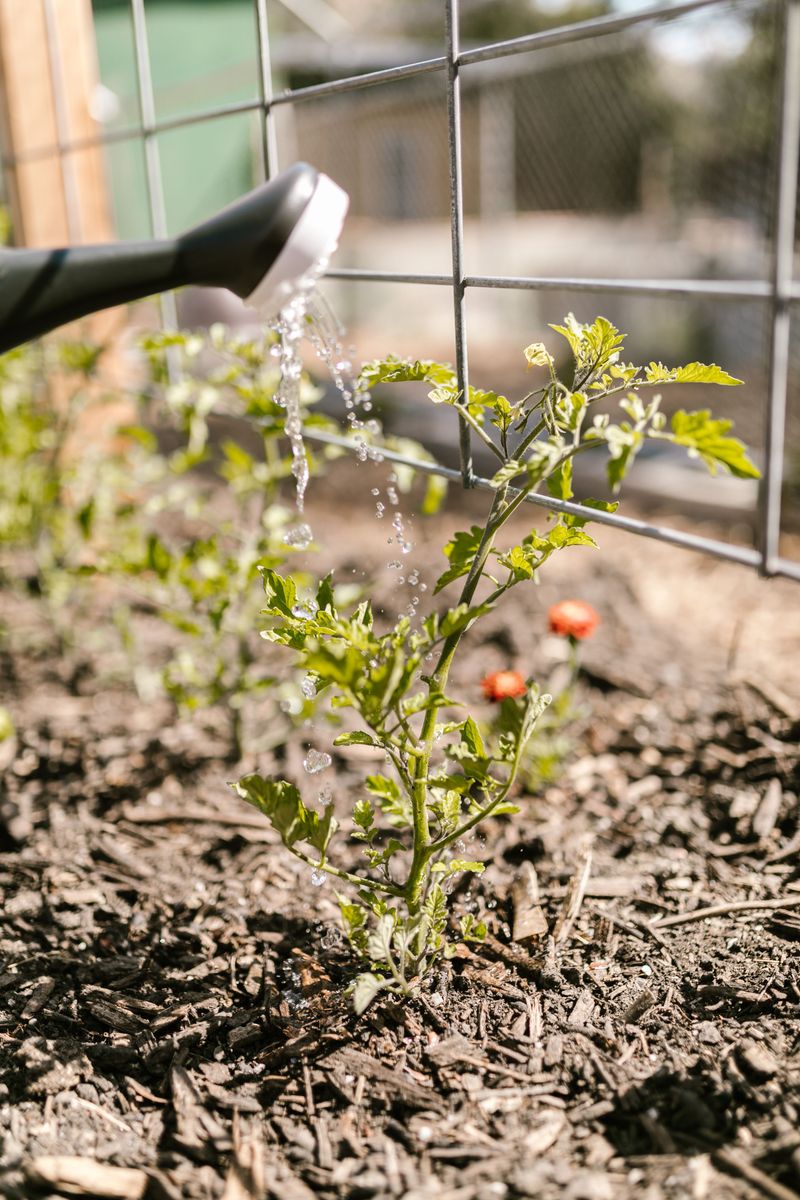
Picture a slow, steady rain soaking the garden overnight. That is the kind of watering your October plants respond to well.
Quick sprinkles only wet the surface and leave roots searching for more. A deep soak reaches six inches down, where roots do their real work.
Early morning is a good time to grab the hose. Water has time to sink in before the afternoon sun warms things up.
Evening watering in fall can leave leaves wet all night. Cool, damp leaves invite mildew and other fungus problems you do not want.
Your New Jersey Garden Changes Every Week. Your Plan Should Too.
Gardening in New Jersey changes quickly throughout the season. Every Friday you’ll receive a simple weekly plan showing exactly what to plant, prune, fertilize, harvest, and protect so you never miss the right timing.
Aim the water at the base of each plant instead of the leaves. A soaker hose or watering wand makes this job much easier.
Sandy beds and potted mums may need a second slow pass, since the first round can run straight through. Wait a few minutes, then water again to reach the deeper roots.
Many beds need about one inch of water weekly in summer, and less in fall. Set an empty tuna can in the bed to see how long that takes.
Cooler weather means plants drink less than they did in July. Even so, dry autumn winds across New Jersey can pull moisture out fast.
Keep an eye on the forecast before you water. If a soaking rain is on the way, let the clouds handle the chore. Patience pays off, since slow watering builds stronger roots over time.
3. Watch For Soggy Soil Too
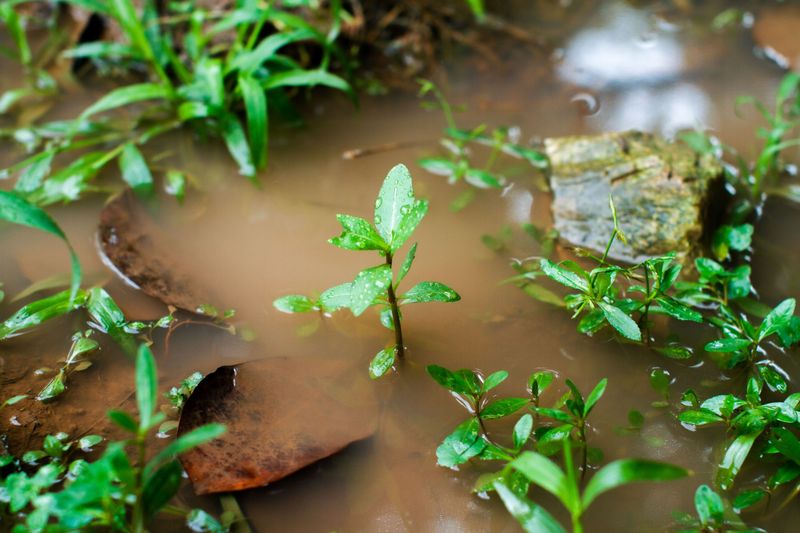
Strange as it sounds, a plant can droop from too much water. Soggy soil looks almost the same as thirsty soil from above.
Roots need air as well as water to stay healthy. When soil stays waterlogged, the tiny air pockets fill up and roots lose their oxygen.
October brings shorter days and cooler nights across New Jersey. Water evaporates slower now, so soil stays wet much longer than in summer.
Look for yellow lower leaves, mushy stems, or a sour smell near the base. Those are clear signs your plant is overwatered, not thirsty.
Squeeze a handful of soil in your palm. If water drips out or it forms a sloppy mud ball, stop watering right away.
Think about weather patterns before you reach for the hose. A foggy week or a run of overcast days can keep soil damp far longer than a sunny stretch would.
Let the top few inches dry before you water again. Gently poking holes with a garden fork can help air reach the roots.
Potted plants with no drainage holes often cause this problem. Move them into containers with holes, or drill a few yourself.
Overwatering is a common mistake, so do not feel bad about it. Your plants just need a little less love from the watering can.
Give soggy plants a week or two to recover. Many perk back up once their roots can finally breathe again. Small adjustments now can help your plants recover before the cold arrives.
4. Lift Your Pots To Judge Their Weight
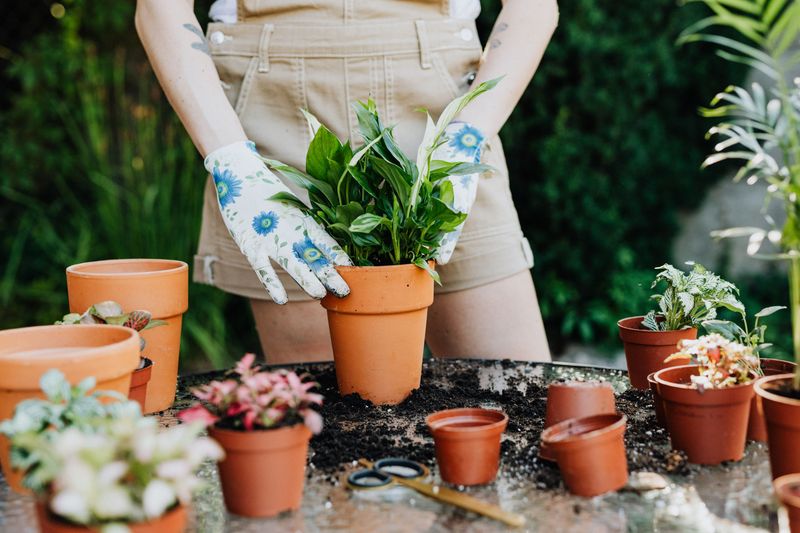
Think of your flowerpots as little weightlifters. A freshly watered pot feels heavy, while a dry one feels surprisingly light.
Right after a good soak, pick up each pot and notice its weight. That memory becomes a useful reference for the days ahead.
A few days later, lift the pot again. If it feels much lighter, the soil inside has dried out and needs water.
This trick works great for mums, asters, and fall pansies on New Jersey porches. Clay pots dry even faster because the walls soak up moisture.
Bigger pots can be tough to lift, and nobody wants a sore back. Tip them slightly to one side to feel the weight instead.
Try a simple reminder system with a small sticky note on the pot rim. Write the date of the last soak, and your porch collection becomes much easier to manage.
Hanging baskets tend to dry out faster than other containers. Breezy October days can pull them dry in a single afternoon.
Plastic pots hold moisture longer, so you may water those less. Grouping pots together also helps them share shade and humidity.
Kids love helping with this job because it feels like a game. Let them guess which pot is the thirstiest before checking the soil.
After a week of practice, you will know your pots by feel. No fancy gadgets required, just a pair of curious hands. Soon this quick lift becomes a habit you hardly notice.
5. Add A Blanket Of Mulch Once Frost Arrives
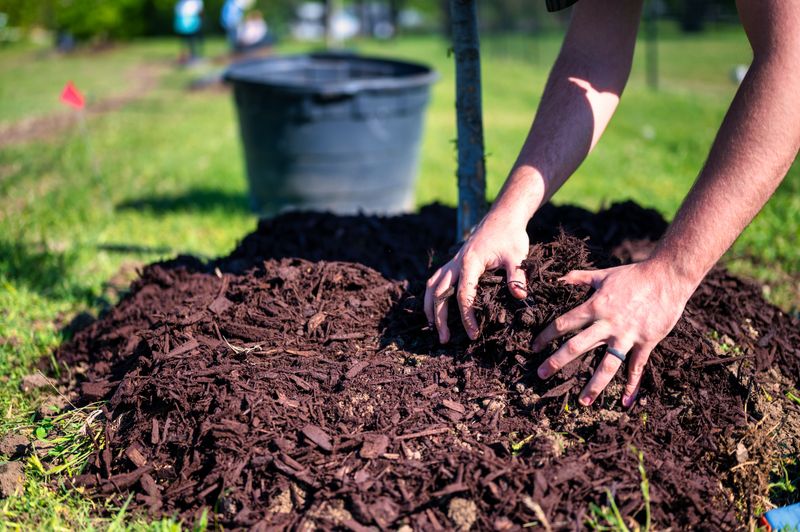
Tucking your garden under a cozy layer of mulch is like giving it a warm quilt. It holds moisture in and keeps roots comfortable.
Shredded leaves, wood chips, or pine straw all work well. October in New Jersey hands you free leaves, so put them to good use.
Spread mulch about two to three inches deep around each plant. Keep it a few inches away from stems and tree trunks.
Mulch piled against bark can trap water against the trunk and invite damage or pests. A small gap lets the base breathe and stay dry.
Pick a calm day for spreading mulch, because leaves can scatter in a gusty breeze. Rake the layer smooth afterward so rain can soak in evenly across the whole bed.
Bare soil loses water fast on windy autumn days. A mulch layer slows that loss and keeps moisture more even between waterings.
Water the bed well before adding mulch. Damp soil underneath stays damp longer, which helps roots through the first cold snaps.
Mulch applied once the ground begins to freeze helps protect against frost heave, when thawing pushes plants upward. New Jersey winters love that back-and-forth cycle.
Run a mower over fallen leaves to chop them into small pieces. Whole leaves can mat down and block water from soaking through.
By spring, the mulch breaks down and feeds the soil too. Your garden gets a snack and a blanket from one simple chore. A tidy mulch layer also gives your porch beds a polished look.
6. Give Evergreens A Big Drink Before Winter
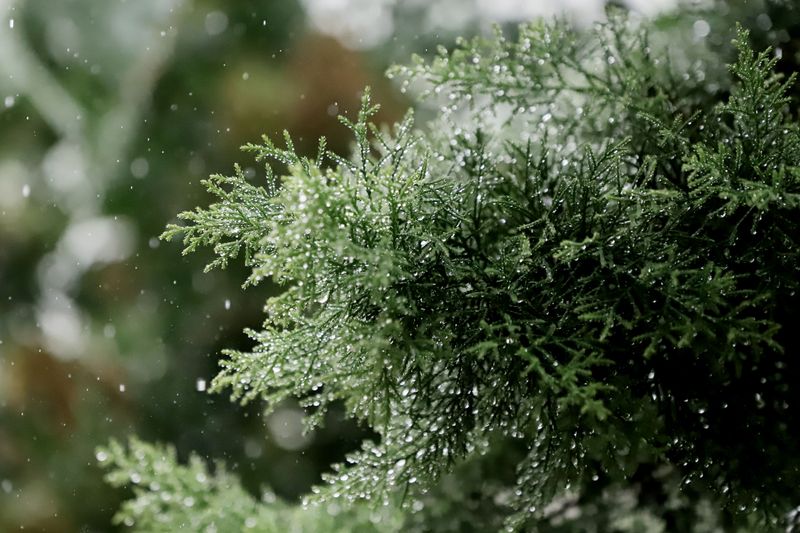
Walk through any New Jersey neighborhood in March and you might spot brown, dry-looking evergreens. Some of that damage starts with dry soil in fall.
Evergreens like arborvitae, holly, and rhododendron keep their leaves all winter. Those leaves lose water even when the ground is frozen solid.
If roots go into winter thirsty, the plant has no backup supply. Winter damage shows up as brown needle tips and curled leaves on broadleaf shrubs.
October and early November are a good time for a deep drink. Keep watering each week or so until the ground freezes.
Let a hose trickle slowly at the base until the soil feels damp several inches down. Slow water sinks deep, while fast water runs off the surface.
Add a layer of mulch beneath evergreens after watering. It holds moisture near the roots and shields the soil from sharp winter winds.
Newly planted shrubs and trees need extra attention this time of year. Their roots are still small and cannot reach deeper moisture yet.
Check the soil under the branches, not right next to the trunk. Feeder roots spread out wide, often as far as the branch tips or beyond.
A thick evergreen hedge can block rain from reaching the soil beneath. Even after a storm, that ground may stay surprisingly dry.
You will likely see the benefit next spring. Green, healthy shrubs tend to look better than brown, patchy ones. Healthy roots in fall mean greener branches when spring returns.
7. Try A Simple Moisture Meter
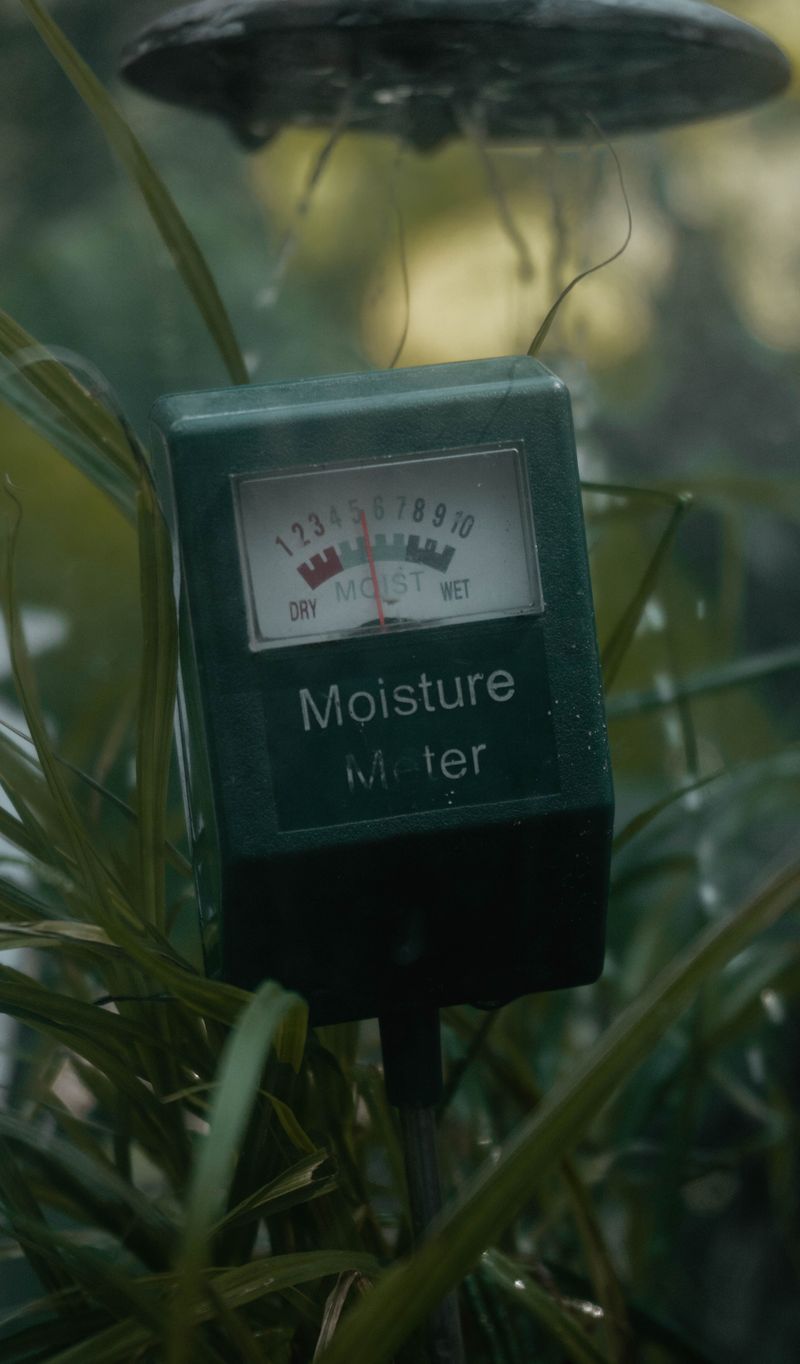
Some gardeners love gadgets, and a moisture meter is an easy one to start with. Basic models are often inexpensive at a local hardware store.
The meter has a metal probe that slides into the soil. A dial then shows whether the dirt is dry, moist, or wet.
Push the probe down to root level, about four to six inches deep. Reading only the top inch will not tell you the full story.
Test several spots, since one reading can be misleading. Rocks and roots sometimes give unexpected readings, so move a little and try again.
Many plants prefer a reading in the middle, or moist range. Succulents and herbs like rosemary enjoy staying closer to the dry side.
Keep a small notebook beside the meter and record each reading. After a few weeks, you will spot trends and learn how fast each spot in your garden dries.
Wipe the probe clean after each use to keep it accurate. Avoid leaving it in the soil, because moisture can rust the metal tip.
Meters work best alongside your own eyes and fingers. Compare the reading to how the soil feels, and you will learn quickly.
Indoor plants benefit too as heaters start running in October. Dry indoor air can pull water from potting soil faster than you expect.
Store the meter near your back door. Handy tools get used much more often. Small tools like this help you garden with more confidence.
8. Check Drainage After Heavy Fall Storms

Fall nor’easters can bring inches of rain to New Jersey in a single day. After the storm passes, your garden may be sitting in puddles.
Walk around the yard a few hours after heavy rain. Notice where water pools and how long it takes to drain away.
Water that disappears within a few hours suggests your drainage is in good shape. Puddles lasting a full day point to trouble below the surface.
Compacted soil and heavy clay are common causes in many Jersey yards. Plants sitting in those soggy spots often wilt even though water is everywhere.
Mixing compost into garden beds helps loosen tight soil over time. Raised beds are another smart fix for spots that flood again and again.
Consider a rain barrel under a downspout to capture extra storm runoff. That stored water helps during dry stretches, and a fine screen on top keeps mosquitoes out.
Clear out clogged gutters and downspouts filled with fallen October leaves. Point downspouts away from flower beds so roof water does not flood them.
Check potted plants too, since saucers can fill like tiny swimming pools. Empty that extra water so roots do not sit and soak.
Jot down the wettest spots in a notebook or phone. Next spring, you can plant moisture-loving shrubs there instead of managing standing water. A little planning now keeps your beds healthy through winter.