Why Your New Jersey Tomatoes Look Wilted And What It Means For Your Garden
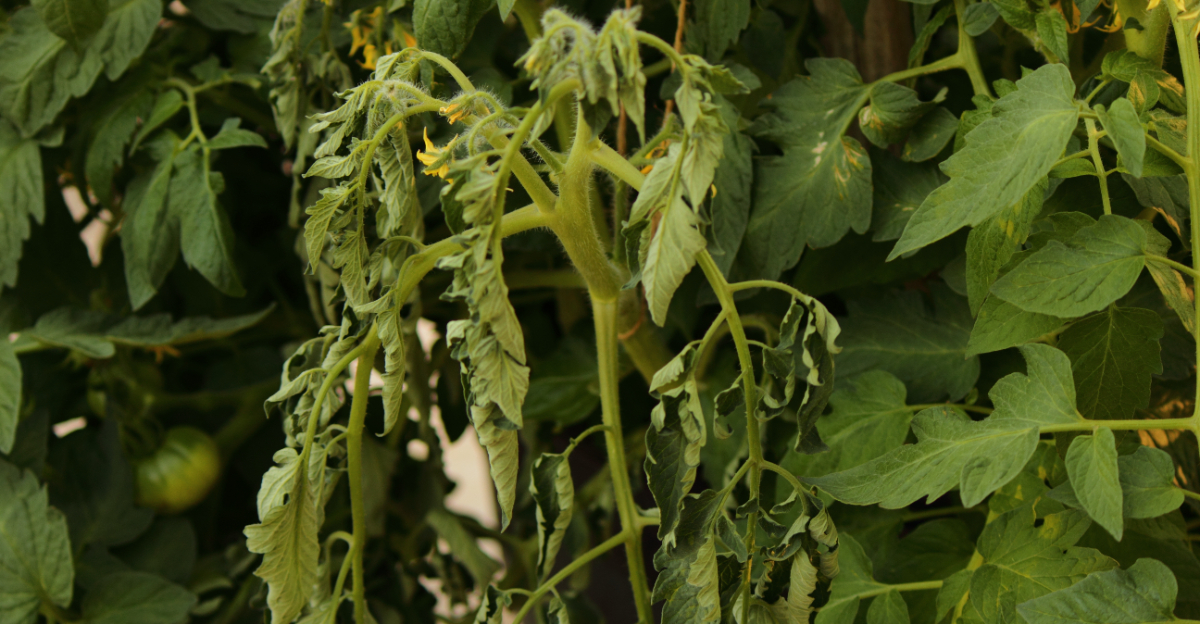
Your tomato plants collapsed overnight, and confusion sets in fast. Wilting like that isn’t random; you clearly triggered something very specific. Heat alone rarely stresses your healthy tomatoes quite this fast in summer.
Humidity across New Jersey summers confuses even your healthiest plants. Soil conditions you fully trust can undermine your roots instantly. Bacterial wilt affects your stems suddenly, without any real warning signs.
Overwatering weakens your roots just as fast as drought ever does. Fungal invaders hide silently inside your soil before symptoms ever hit. Gardeners across New Jersey know this frustrating cycle affects you too.
Diagnosing your plant correctly matters far more than simply reacting quickly. Timing alone determines whether your tomatoes recover or struggle completely.
Every drooping leaf hands you a very specific clue worth reading closely. Understanding these small signs transforms how you grow tomatoes forever. Ignoring these signals now costs you your entire summer harvest.
Underwatering Weakens Root Support
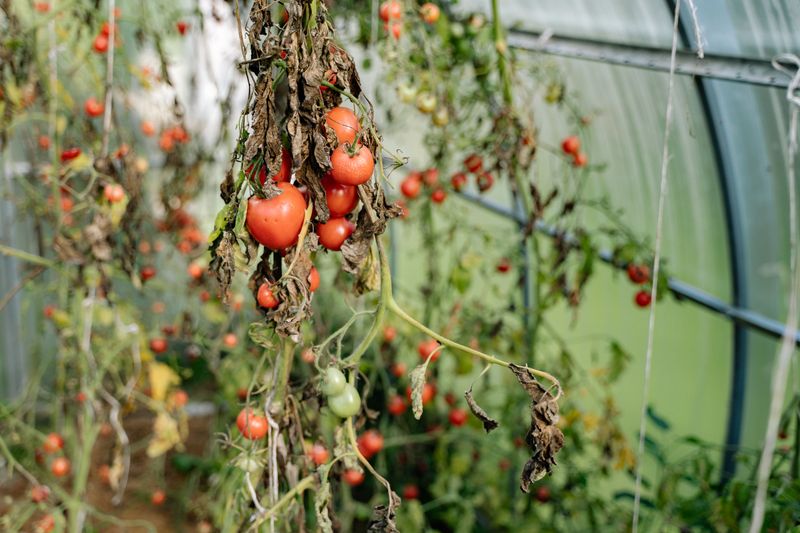
Dry soil is an early signal worth watching for. When the ground gets too dry, roots lose their grip on moisture and the whole plant sags under its own weight.
Tomatoes grown in New Jersey summers face fast evaporation. Temperatures can spike quickly, pulling water out of soil before roots even get a chance to absorb it.
Check your soil by pushing a finger two inches deep. If it feels bone dry, your plant is already stressed and needs water right away.
Consistent watering schedules make a huge difference for home gardens. Aim for one to two inches of water each week, and always water at the base of the plant.
Morning watering is your best strategy because it gives roots hours to soak up moisture. Evening watering can leave foliage wet overnight, which invites fungal problems you do not want.
Mulching around your plants is one of the smartest moves you can make. A two to three inch layer of straw or wood chips slows evaporation and keeps soil temperature stable.
Wilted tomatoes from underwatering usually bounce back within hours after a good soak. Catching it early means your harvest stays on track and your plants stay strong all season long.
Overwatering Limits Root Oxygen
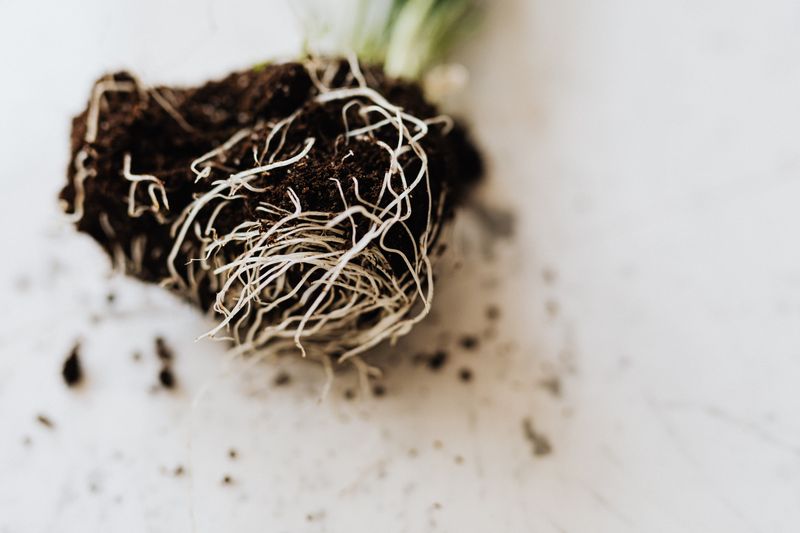
More water does not always mean a happier tomato plant. Overwatering is one of the sneakiest problems because it looks almost identical to underwatering at first glance.
When soil stays wet for too long, roots cannot breathe. Oxygen gets pushed out of the soil, and roots begin to deteriorate.
A plant with compromised roots cannot pull up nutrients or water efficiently. The result is a wilted, sad-looking tomato even though the ground is soaking wet.
Gardeners in parts of New Jersey, especially inland and northern regions, often deal with heavy clay soils that hold water longer than expected, while southern areas tend to have sandier, faster-draining soil.
If your yard has poor drainage, your tomatoes may be sitting in water without you realizing it.
Stick your finger into the soil before every watering session. If the top two inches still feel moist, skip the watering and check again the next day.
Your New Jersey Garden Changes Every Week. Your Plan Should Too.
Gardening in New Jersey changes quickly throughout the season. Every Friday you’ll receive a simple weekly plan showing exactly what to plant, prune, fertilize, harvest, and protect so you never miss the right timing.
Raised beds and containers with drainage holes are excellent solutions for overwatering problems. They give you much more control over how much moisture stays near the roots.
Switching to a drip irrigation system can also help you deliver water slowly and precisely. Your tomatoes will thank you with stronger stems, greener leaves, and a much better shot at a full harvest.
Heat Stress During Peak Afternoons
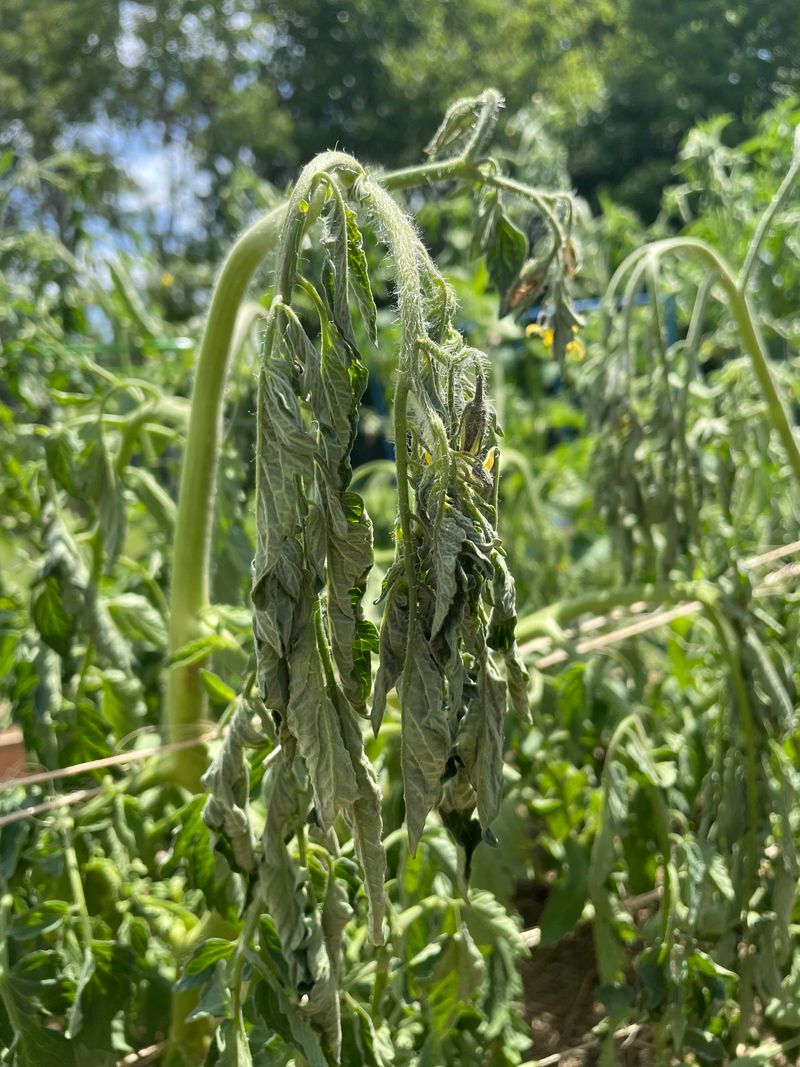
Summer afternoons in New Jersey can get extremely hot, and your tomatoes feel every degree. Heat stress is one of the most common reasons tomato plants wilt between noon and four in the afternoon.
When air temperatures climb into the 90s, tomato plants often close their pores to prevent moisture loss, though the exact threshold varies with humidity and plant condition. That protective response causes the plant to droop even when soil moisture is perfectly fine.
This type of wilting is actually temporary and does not mean your plant is in serious trouble. Most tomatoes perk back up once the sun starts dropping and evening air rolls in.
The real concern is when wilting continues into cooler evening hours. If your plant is still slumped at sunset, heat is not the only culprit and you should investigate further.
Shade cloth is a simple and affordable fix for afternoon heat stress. A thirty to forty percent shade cloth draped over your plants during peak hours can lower leaf temperature significantly.
Planting tomatoes near a fence or taller crops can also provide natural afternoon shade. Strategic placement in your garden layout makes a bigger impact than most gardeners expect.
Keeping soil consistently moist during heat waves gives roots the buffer they need. Well-hydrated plants handle heat stress much better and bounce back faster after a scorching afternoon.
Transplant Shock After Moving Outdoors
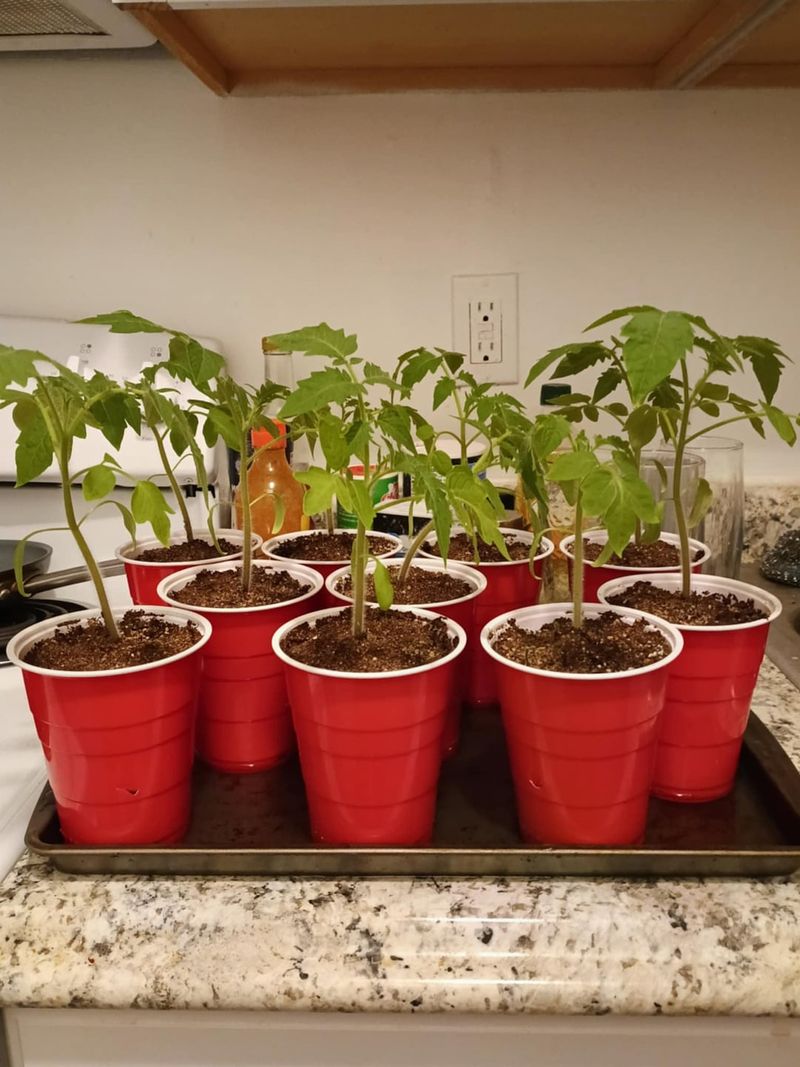
Moving a tomato plant from indoors to the garden is a bigger deal than it looks. That transition, called transplant shock, can cause wilting that lasts anywhere from a few days to a full week.
Seedlings grown indoors live in a controlled environment with stable light, temperature, and humidity. The moment they hit outdoor conditions, everything changes at once and the plant needs time to adjust.
Roots get disturbed during the transplanting process, which temporarily limits their ability to absorb water. Even with good soil and proper moisture, the plant may still droop while it gets settled.
Hardening off your seedlings before transplanting is the best way to reduce shock. Spend one to two weeks gradually exposing them to outdoor conditions before planting them permanently in the ground.
Start with just one hour of outdoor time in a shaded spot and increase slowly each day. By the end of two weeks, your seedlings will be much tougher and ready for full sun.
After transplanting, water deeply and consistently for the first week. Avoid fertilizing right away because stressed roots cannot handle strong nutrients before they stabilize.
A little patience goes a long way during this phase. Most tomato transplants recover fully and grow stronger than ever once their roots find their footing in New Jersey soil.
Soil Moisture Needs Attention
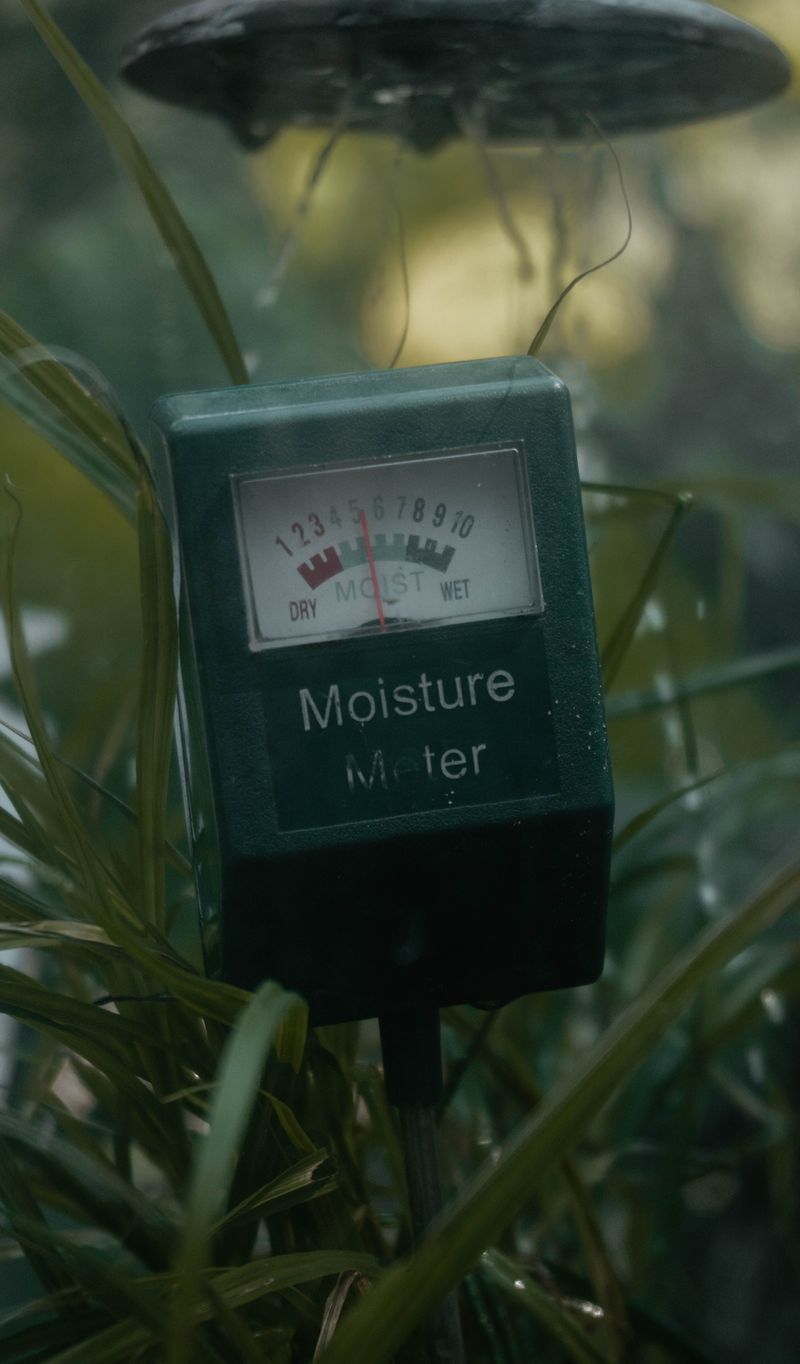
Soil moisture is the foundation of a healthy tomato plant, and most gardeners underestimate how quickly it changes. A garden that felt perfect yesterday can be dangerously dry or waterlogged by tomorrow morning.
New Jersey summers bring unpredictable weather patterns, including sudden heat waves followed by heavy rainstorms. That back-and-forth makes it tough to maintain steady moisture levels without paying close attention.
A simple soil moisture meter is one of the most useful tools you can own as a home gardener. It takes the guesswork out of watering decisions and helps you respond to what your plants actually need.
Tomatoes prefer consistently moist but never soggy soil. Think of the ideal texture as similar to a wrung-out sponge: damp throughout but not dripping.
Inconsistent moisture causes more than just wilting. It also leads to blossom end rot, a frustrating condition where the bottom of your tomatoes turns black and leathery.
Mulching is your most powerful tool for maintaining even soil moisture between waterings. Organic mulches like straw or shredded leaves break down over time and actually improve your soil structure.
Checking moisture levels every morning before the heat of the day sets in keeps you one step ahead. Consistent attention to your soil is the single best habit you can build for a productive tomato garden.
Roots May Be Compromised
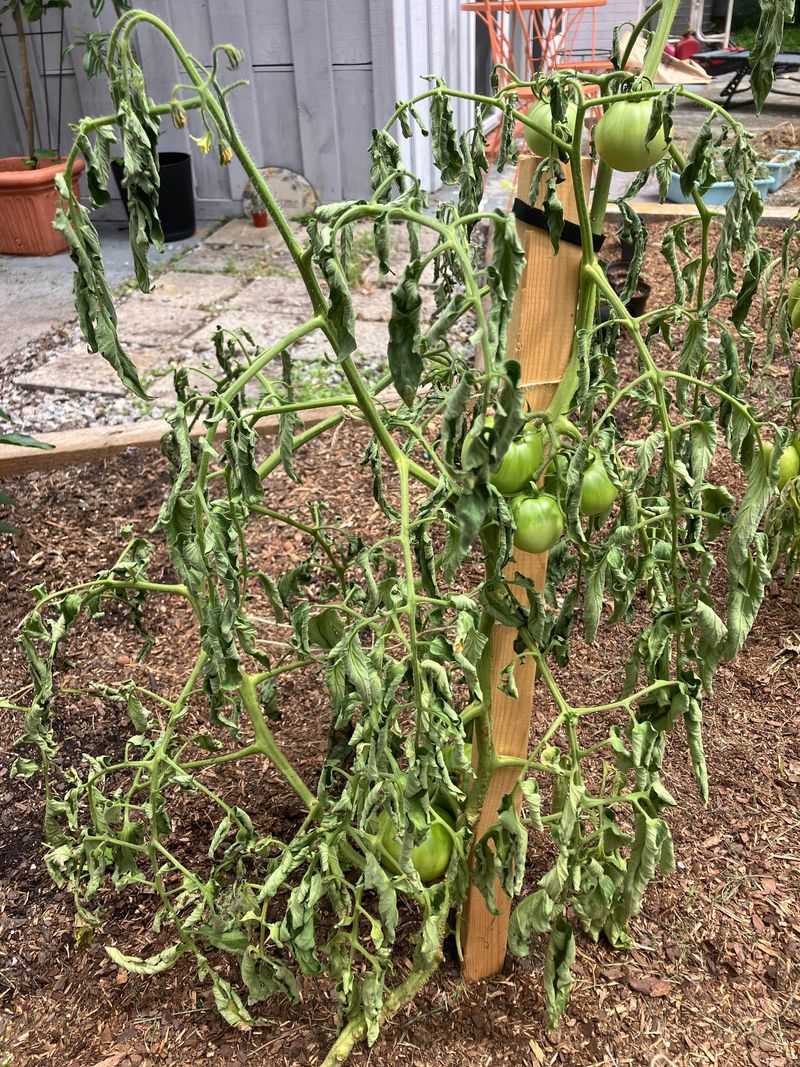
Healthy roots are the engine of your entire tomato plant, and when they struggle, the whole plant shows it. Root damage is one of the trickier causes of wilting because the problem is hidden underground.
Several things can compromise root health in a home garden. Soil pests, fungal diseases, compacted ground, and accidental damage during weeding are all common culprits in New Jersey backyards.
Root rot caused by a fungal pathogen called Fusarium is especially sneaky. It spreads through wet soil and can significantly damage a plant’s root system before you notice anything wrong above ground.
If your plant wilts despite proper watering and mild temperatures, roots deserve a closer look. Gently dig a few inches around the base and check for brown, mushy, or foul-smelling roots.
Healthy roots should be white or light tan and firm to the touch. Anything dark, soft, or slimy is a sign that something has gone wrong underground.
Improving soil drainage and avoiding overwatering are the best preventive measures for root health. Crop rotation also helps because it prevents soil-borne pathogens from building up in the same spot year after year.
Once root damage is severe, recovery is difficult but not always impossible. Catching the problem early and adjusting your watering habits quickly gives your tomatoes the best chance of coming back strong.
Temperatures Are Affecting Stability
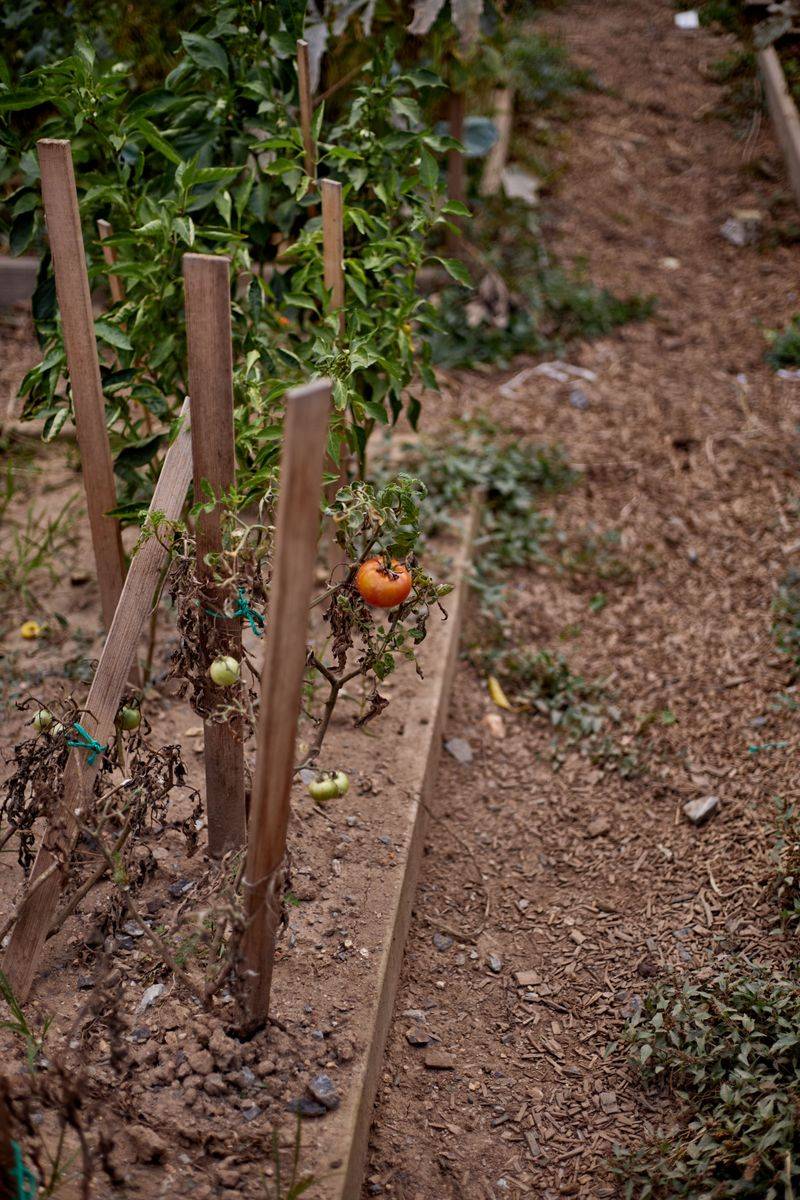
Temperature swings in New Jersey have a real impact, and tomato plants feel them deeply. A warm spring day followed by a cold night can place plants under significant stress that shows up as wilting.
Tomatoes are warm-season crops that thrive between 60 and 85 degrees Fahrenheit. Push them outside that range in either direction and their ability to function normally starts breaking down.
Cold nights below 50 degrees slow down nutrient uptake and root activity significantly. When roots go sluggish, the plant above ground loses structural support and begins to droop.
On the flip side, scorching days in the mid-90s and above can trigger a protective slowdown. The plant closes its pores, slows water movement, and wilts as a way of protecting itself from further stress.
Monitoring overnight lows is just as important as watching daytime highs. A simple outdoor thermometer near your garden bed gives you the data you need to make smart decisions.
Row covers are a great tool for protecting plants from unexpected cold snaps in spring and fall. They trap warmth close to the plant and can make a five to ten degree difference on chilly nights.
Building a garden routine around temperature awareness keeps your tomatoes stable through the season. Plants that experience fewer temperature extremes produce more fruit and stay healthier from planting day to harvest day.
Time Is Needed To Adjust
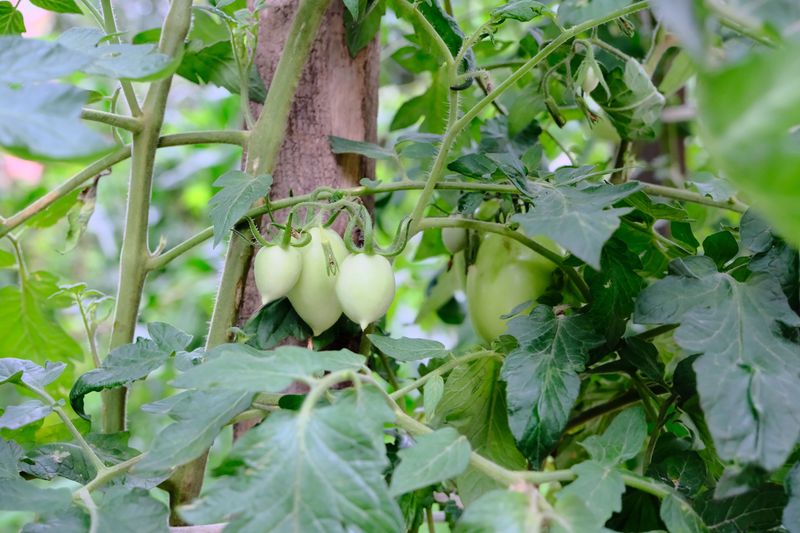
Sometimes the best thing you can do for a wilted tomato plant is simply wait. Not every drooping leaf signals a crisis, and patience is genuinely one of the most powerful tools in a gardener’s toolkit.
Plants go through natural adjustment periods throughout the growing season. A freshly transplanted seedling, a plant recovering from a heat wave, or one bouncing back from inconsistent watering all need time to stabilize.
Rushing to fix a problem that is already resolving itself can actually cause more harm. Adding extra fertilizer or water to a recovering plant can push it into a new kind of stress before the old one clears.
Keep a simple garden journal to track when wilting happens and what conditions preceded it. Patterns become obvious over time, and that knowledge makes you a much more confident and effective gardener.
Observing your tomatoes at different times of day gives you the clearest picture of what is happening. A plant that wilts at two in the afternoon but stands tall at seven in the evening is almost certainly dealing with heat stress, not a root problem.
Trust the process and give your plants grace during tough stretches. Most tomato plants are more resilient than they look, especially when a gardener is paying close attention.
Your New Jersey tomatoes have what it takes to thrive, and so do you. Understanding why wilted tomatoes happen puts you in control of the garden you have always wanted.