10 Wyoming Locations Where Cucumbers Struggle (Plus Alternatives That Work)
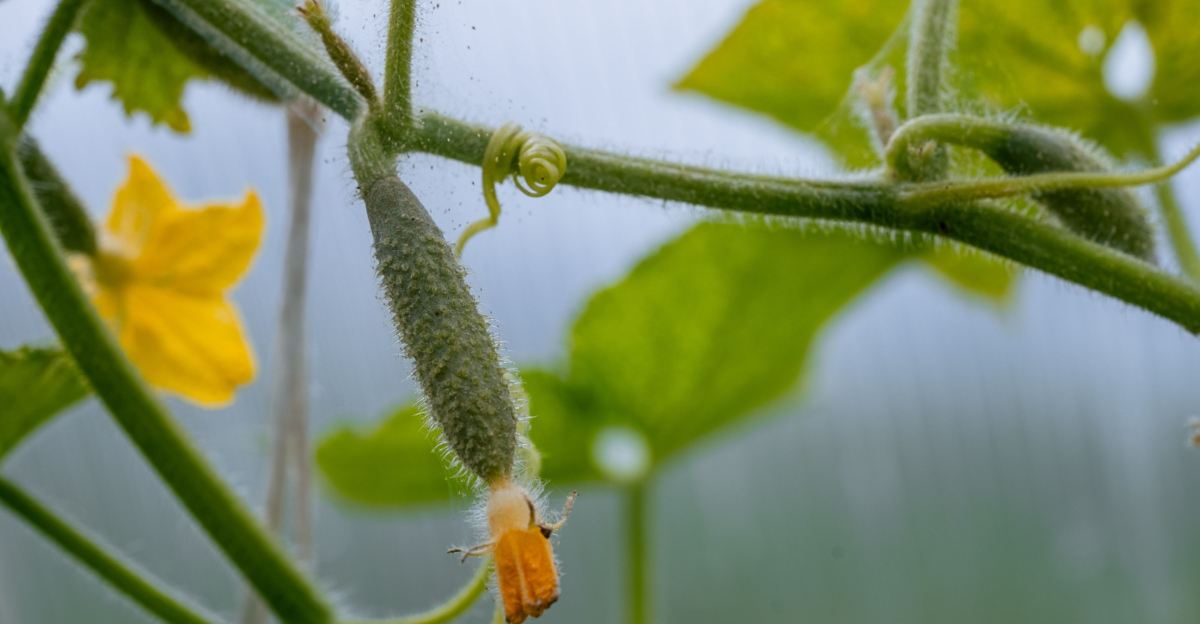
Wyoming gardeners have a special kind of stubbornness.
You plant anyway, you hope anyway, and then a July frost reminds you exactly who is in charge out here.
Cucumbers, bless their warm-weather hearts, are simply not built for most of this state.
They want long, lazy summers with no surprises, and Wyoming has low interest in cooperating.
But here is the thing: once you stop fighting your climate and start working with it, gardening in Wyoming becomes genuinely exciting.
The state’s cold nights, short seasons, and high elevation are not obstacles.
They are a very specific set of instructions pointing you toward crops that will absolutely deliver.
This guide covers ten Wyoming locations where cucumbers consistently underperform.
For each one, you will get the real reason behind the struggle, and a better option that actually delivers.
Your garden deserves plants that actually want to be there.
1. Jackson (Zone 3b-4a)
Frost can show up in Jackson any month of the year, and that is not an exaggeration.
Sitting at roughly 6,200 feet above sea level in Zone 3b-4a, Jackson works with one of the shortest growing windows in Wyoming.
Cucumbers need at least 70 warm, frost-free days to produce a decent harvest.
Cold nights regularly drop into the 30s even in mid-summer, which stresses cucumber plants before they ever set fruit.
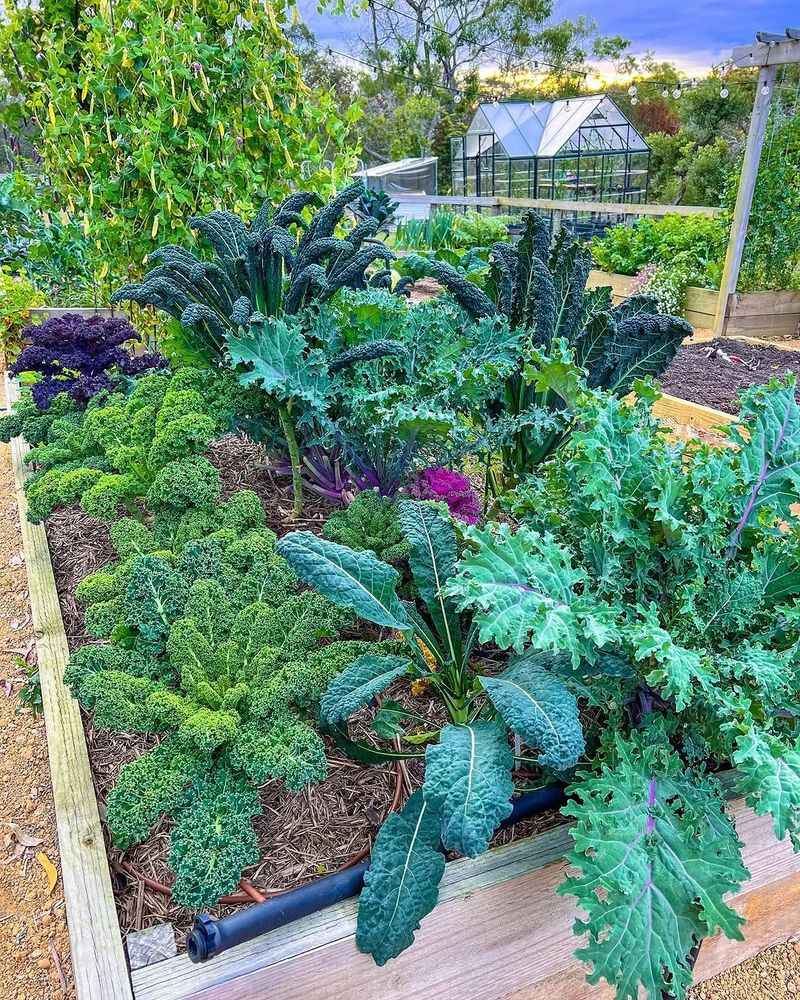
Kale is the hero crop Jackson gardeners should be reaching for instead.
This leafy green not only survives a touch of frost, it actually tastes sweeter after one hits.
Kale thrives in Zones 3 through 9, making it a natural fit for Jackson’s unpredictable climate.
The plant grows quickly, often producing edible leaves within 55 days of transplanting.
That fits neatly inside even Jackson’s short growing window.
Varieties like Winterbor and Red Russian are especially cold-hardy and perform well at high elevation.
For best results, start kale seeds indoors six weeks before your last expected frost date.
Transplant seedlings into well-amended soil once nighttime temps stay consistently above 28 degrees.
Row covers add an extra layer of protection and can extend your harvest well into October.
Wyoming does not give that kind of generosity away often, take it.
2. Yellowstone Area (Zone 3b)
Zone 3b near Yellowstone plays by its own rules.
Frost in June, frost in September, and a growing window so narrow it almost feels personal.
Frost-free days here average fewer than 60 per year, and nighttime temperatures can plunge dramatically even in summer.
Cucumbers simply cannot handle that kind of cold stress.
They stop growing, drop their flowers, and eventually give up entirely when soil temperatures dip below 60 degrees Fahrenheit.
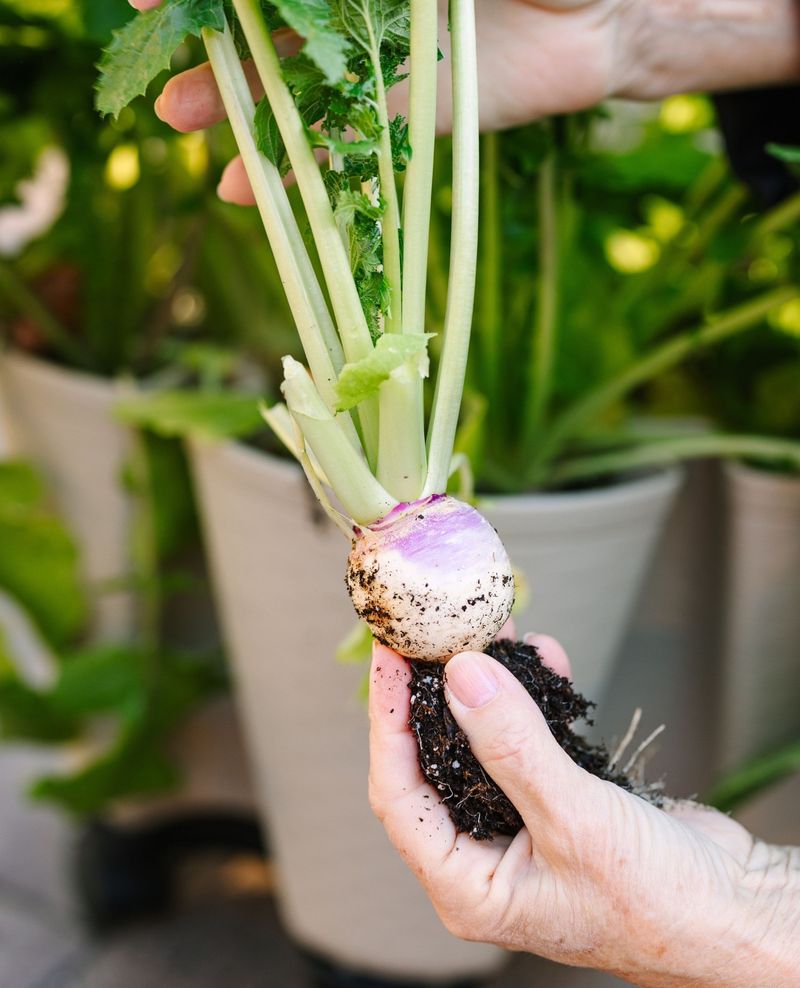
Turnips, on the other hand, laugh at cold weather.
They germinate in soil as cool as 40 degrees and mature in as little as 45 days.
That makes them one of the fastest and most reliable crops for the Yellowstone area’s brutal short season.
Turnips also offer double value because both the roots and the leafy tops are edible.
The greens are packed with nutrients and taste wonderful sauteed with garlic.
Varieties like Purple Top White Globe or Hakurei are excellent choices for this region.
Plant turnip seeds directly in the ground as soon as the soil can be worked in spring.
Sow a second batch in late July for a fall harvest that benefits from those naturally cooling Yellowstone-area nights.
In Zone 3b, every harvest feels like something you outsmarted the season to get.
3. Lander (Zone 4a-4b)
Lander sits in the Wind River Basin like it has something to prove.
And it does, just not to cucumbers.
At Zone 4a-4b and roughly 5,300 feet elevation, Lander enjoys more sunshine than many Wyoming towns.
Cold nights and a frost-free season that rarely gives cucumbers enough time.
Cucumbers planted here often stall out during cool nights, refusing to set fruit when temperatures drop below 55 degrees.
Gardeners frequently get lush green vines with almost zero actual cucumbers to show for it.
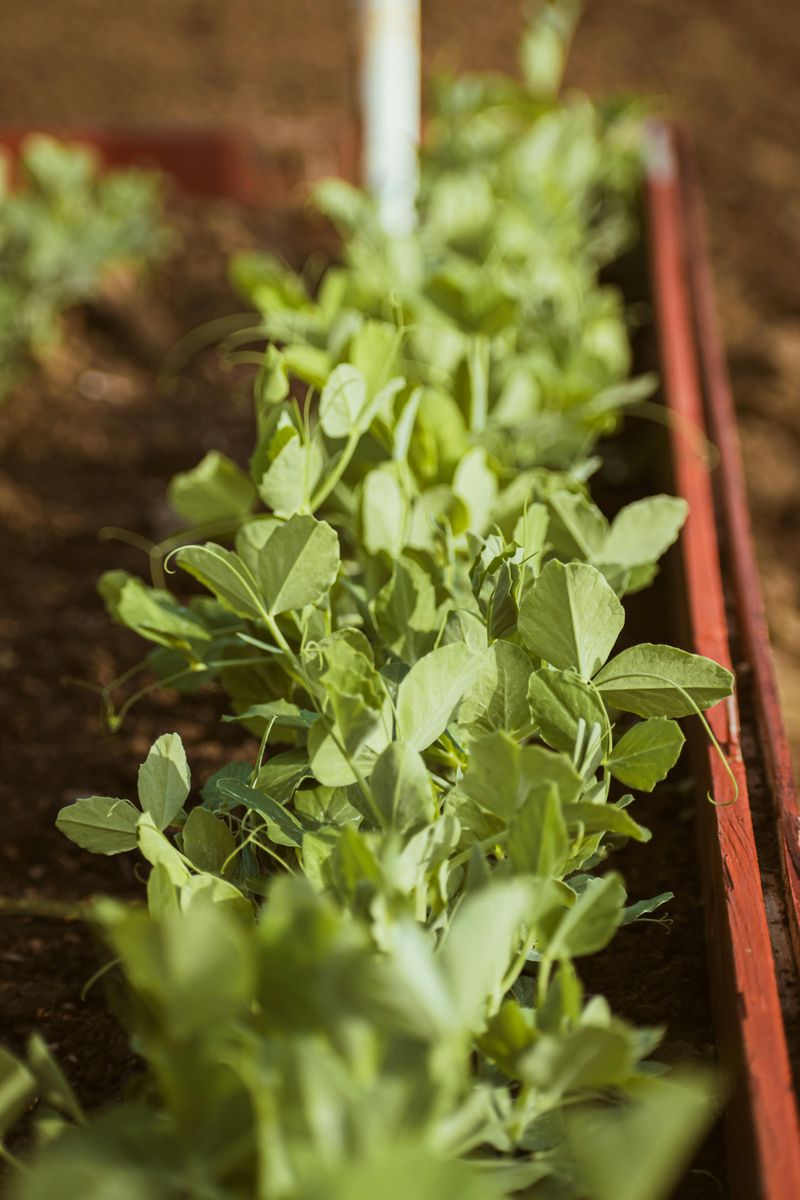
Peas are a far smarter choice for Lander’s conditions.
They thrive in cool temperatures and actually prefer soil that would stress most warm-season crops.
Shelling peas and snap peas both perform beautifully in the Basin’s dry, sunny climate.
Varieties like Sugar Snap and Green Arrow are well-suited to Lander’s Zone 4 conditions.
Peas fix nitrogen in the soil as they grow, which means they improve your garden bed for whatever comes next.
They also mature quickly, with most varieties ready to harvest in 60 to 70 days.
Plant pea seeds directly in the ground three to four weeks before the last frost date.
Lander’s dry air helps prevent the powdery mildew that often plagues peas in humid climates.
A simple trellis keeps plants upright and makes harvesting much easier on your back.
4. Rawlins (Zone 4a-4b)
Gardening in Rawlins means learning to work around one thing above everything else.
Not the cold, not the elevation, not the short season.
The wind.
Sitting at about 6,700 feet in Zone 4a-4b, Rawlins faces some of the strongest sustained winds in Wyoming.
Cucumbers need warm, calm conditions to pollinate properly and develop fruit.
Constant wind dries out the soil, damages tender vines, and chills plants even on sunny days.
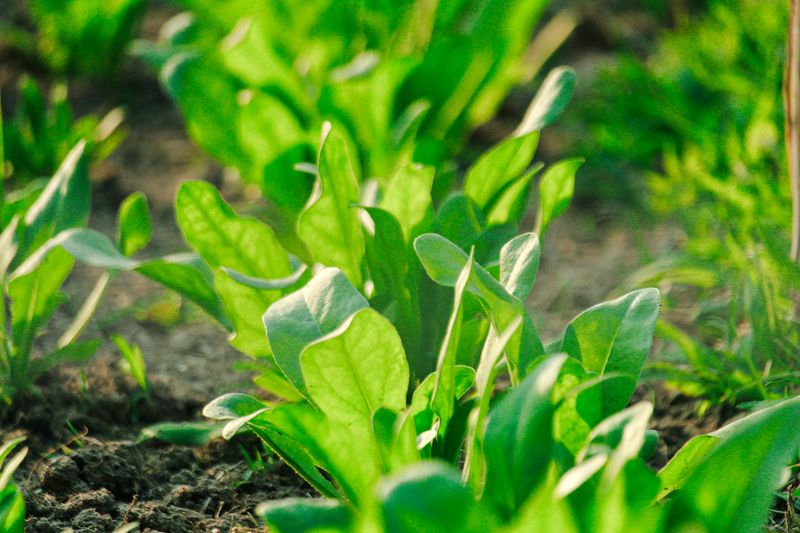
Spinach is a completely different story in Rawlins.
This leafy crop handles cold, tolerates wind better than most vegetables, and matures impressively fast.
Some varieties go from seed to harvest in as little as 40 days.
Bloomsdale Longstanding and Space spinach are two varieties known for performing well in tough, arid conditions similar to Rawlins.
Spinach also bolts in heat, which means Rawlins’s naturally cool summers actually work in the gardener’s favor.
You can often get two full crops, one in spring and one in fall, from the same bed.
Direct sow spinach seeds as early as four weeks before the last frost.
In Rawlins, planting along a windbreak, whether a fence, wall, or taller companion plant row, makes a noticeable difference in plant health.
Keep soil consistently moist during germination, as the dry high-desert air can pull moisture away quickly.
Out here, water is precious and patience is currency.
Spend both wisely.
5. Rock Springs (Zone 4b)
Rock Springs gets plenty of sun.
What the map does not show is what happens after sunset.
Classified as Zone 4b, Rock Springs sits at around 6,200 feet and sees a frost-free season that keeps warm-weather crops guessing.
Cucumbers can technically be grown here with aggressive season extension, but they rarely reward the effort.
Cold soil temperatures and chilly overnight lows prevent the warm, sustained heat cucumbers crave for consistent fruit production.
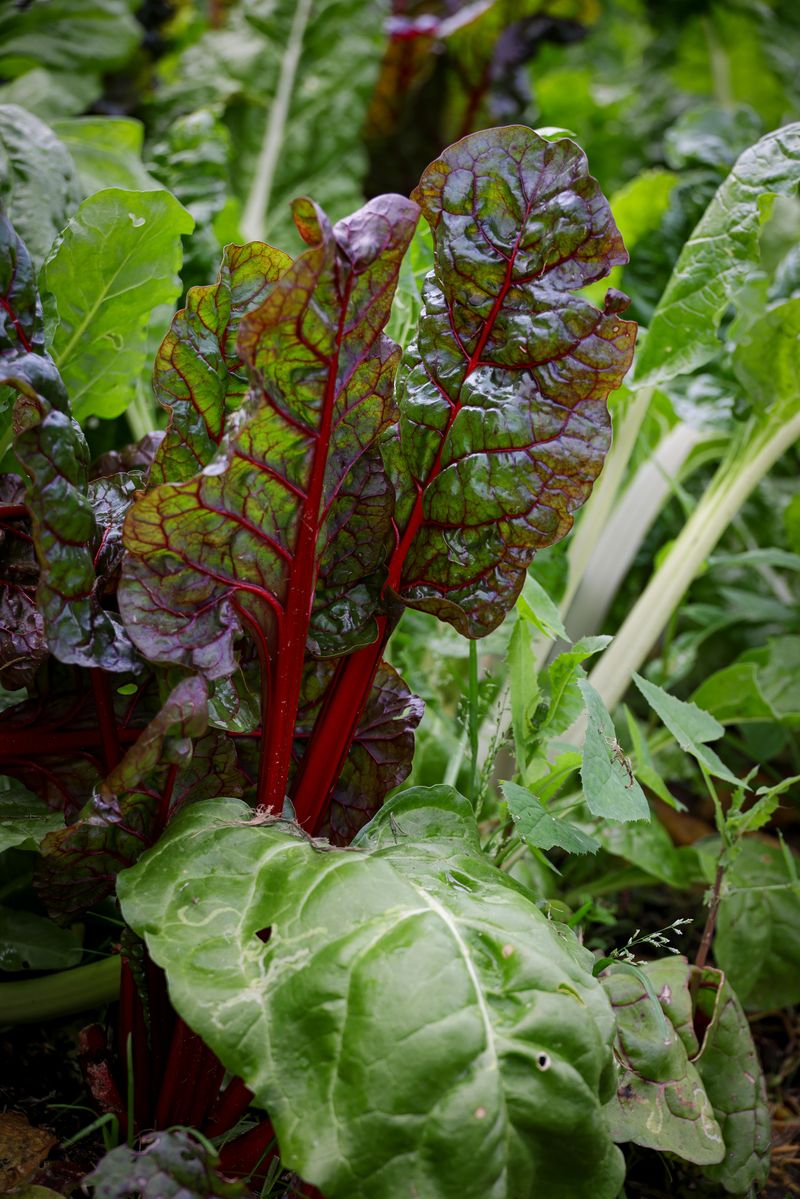
Swiss chard steps in as one of the most rewarding alternatives for Rock Springs gardeners.
Its colorful stems, ranging from deep red to bright yellow and white, add beauty alongside productivity.
Chard tolerates both chilly nights and moderate heat, making it unusually flexible for Zone 4b conditions.
Varieties like Rainbow Chard and Fordhook Giant are reliable producers that keep giving throughout the season.
Unlike spinach, chard does not bolt quickly in warmth, so it bridges spring and fall harvests with ease.
The broad leaves are packed with vitamins and taste great sauteed, added to soups, or eaten fresh.
Start chard seeds indoors four weeks before transplanting, or direct sow two weeks before the last frost date.
Amend the soil with compost to improve water retention in Rock Springs’s sandy, dry ground.
Harvest outer leaves regularly to encourage the plant to keep producing all season long.
Take a little, get a little more, that is the quiet generosity of a plant that actually belongs here.
6. Evanston (Zone 4a)
Evanston sits close enough to Utah to borrow a cup of sugar, but not close enough to borrow its growing season.
At Zone 4a and an elevation close to 6,900 feet, Evanston experiences one of the shorter frost-free seasons in southwestern Wyoming.
Cucumbers need warmth from the roots up, and Evanston’s soil stays cold well into June.
Even when air temperatures feel pleasant, the ground can still be too chilly for cucumber roots to function well.
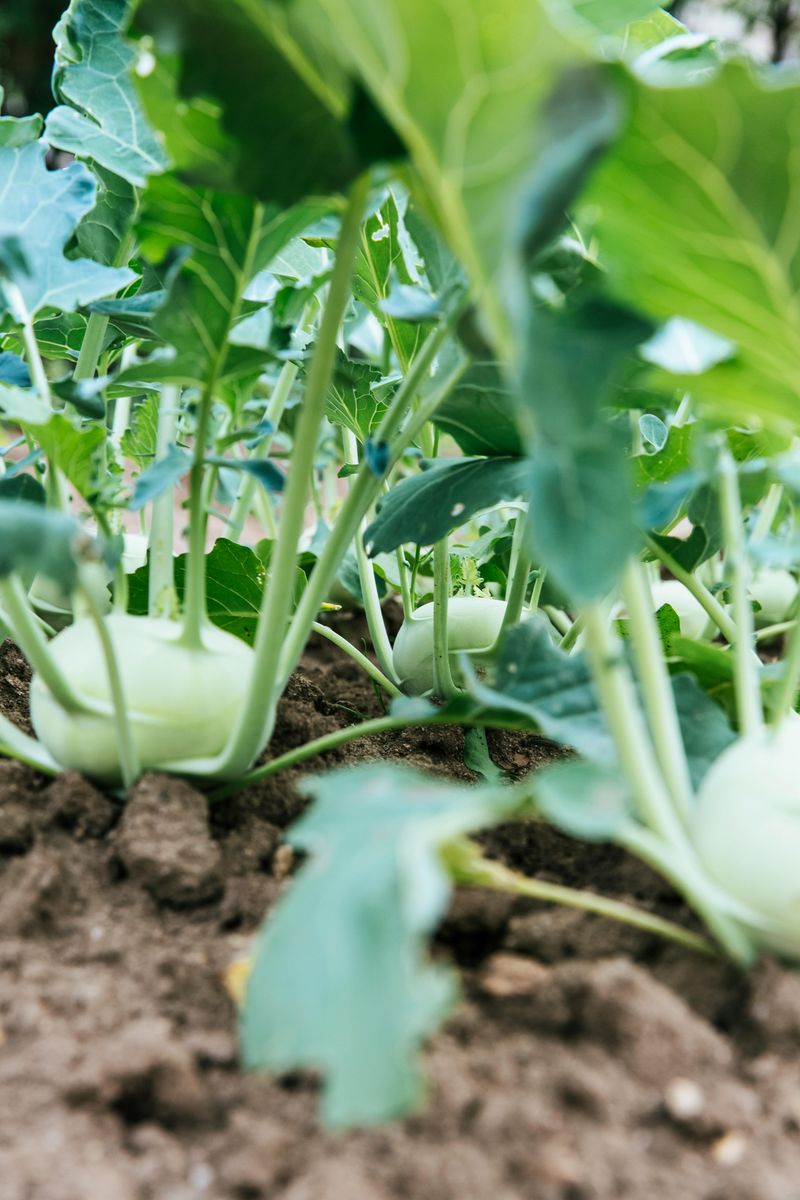
Kohlrabi is a surprisingly fun and productive crop that handles Evanston’s cool conditions with ease.
Often described as tasting like a cross between broccoli and apple, kohlrabi is crisp, mild, and genuinely delicious raw or cooked.
It matures in just 45 to 60 days, fitting comfortably inside Evanston’s short window.
Early White Vienna and Kolibri are two varieties that perform well in Zone 4 gardens.
Kohlrabi is not bothered by chilly spring temperatures, which means you can plant it early and harvest before summer heat becomes an issue.
The swollen stem, which is the edible part, develops quickly and stores well after harvest.
Plant kohlrabi seeds directly or transplant seedlings three weeks before the last expected cold snap.
Space plants about six inches apart so the stems have room to swell properly.
Harvest when the bulb reaches tennis ball size for the best flavor and texture.
7. Cody (Zone 4a-4b)
Ask a Cody local what the town is really known for and you will get two answers.
Tourists say Buffalo Bill.
Gardeners say late May chills.
Sitting in Zone 4a-4b at about 5,000 feet, Cody has a growing season that sounds generous until the late May cold snaps arrive.
Still, cucumber plants struggle here because of cool nights and soils that warm slowly after a long winter.
When cucumber plants sit in cold soil, they become vulnerable to root disease and simply stall out.
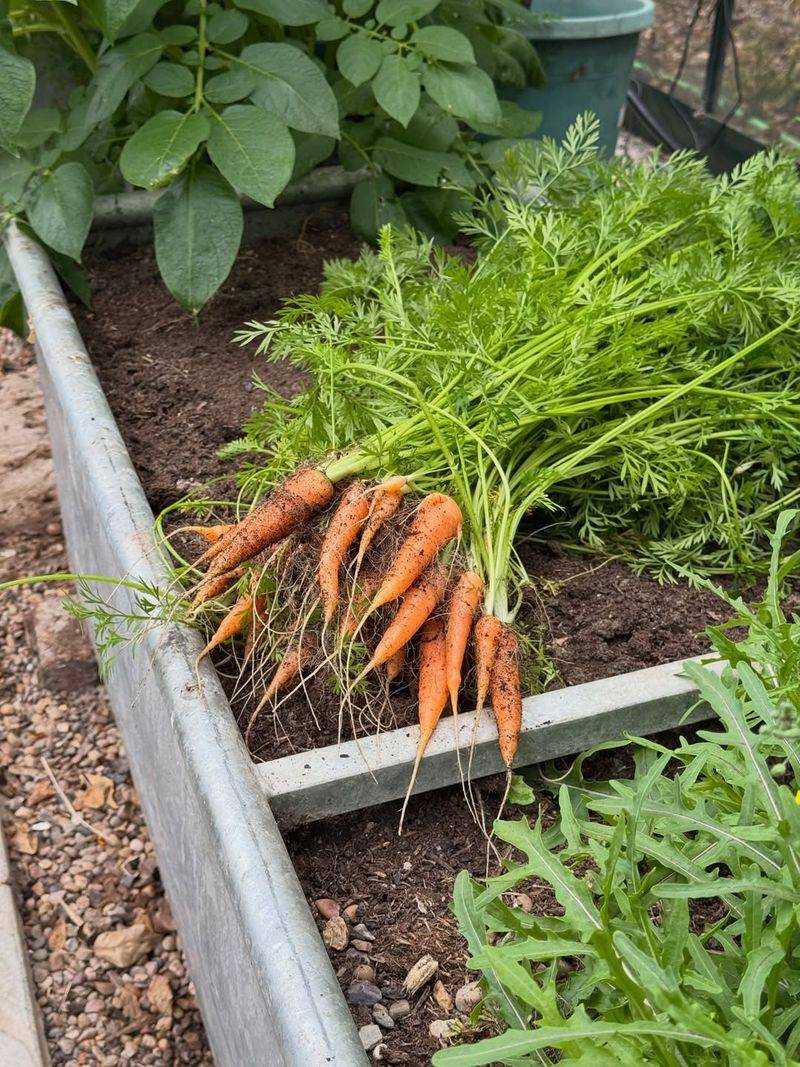
Carrots are a natural fit for Cody’s climate and its well-drained, loose soils.
They prefer cool growing conditions and actually develop better sweetness when temperatures drop in fall.
Carrots also store beautifully in the ground through the season’s final cold snaps, giving Cody gardeners a flexible harvest window.
Nantes and Danvers varieties are particularly well-suited to Cody’s soil types and season length.
Both varieties produce full-sized roots in 70 to 80 days and handle the region’s dry, sunny summers without much fuss.
Carrots also pair well with Cody’s naturally sandy loam soils, which allow roots to grow straight and deep.
Sow carrot seeds directly in the garden two to three weeks before the last frost date.
Keep the seedbed consistently moist until germination, as carrot seeds dry out fast in Cody’s low humidity.
Thin seedlings to two inches apart for best root development.
Cody tests everything it grows.
Carrots, unlike cucumbers, are ready for that test.
8. Sheridan (Zone 4b)
Sheridan gardeners will be the first to tell you they have it better than most of Wyoming.
They are right.
But “better than most of Wyoming” and “warm enough for cucumbers” are two very different things.
Zone 4b in Sheridan brings one of the longer frost-free seasons in Wyoming, though still not long enough for cucumbers.
Most Sheridan gardeners end up with cucumber plants that bloom late and barely produce before the first autumn chill ends the party.
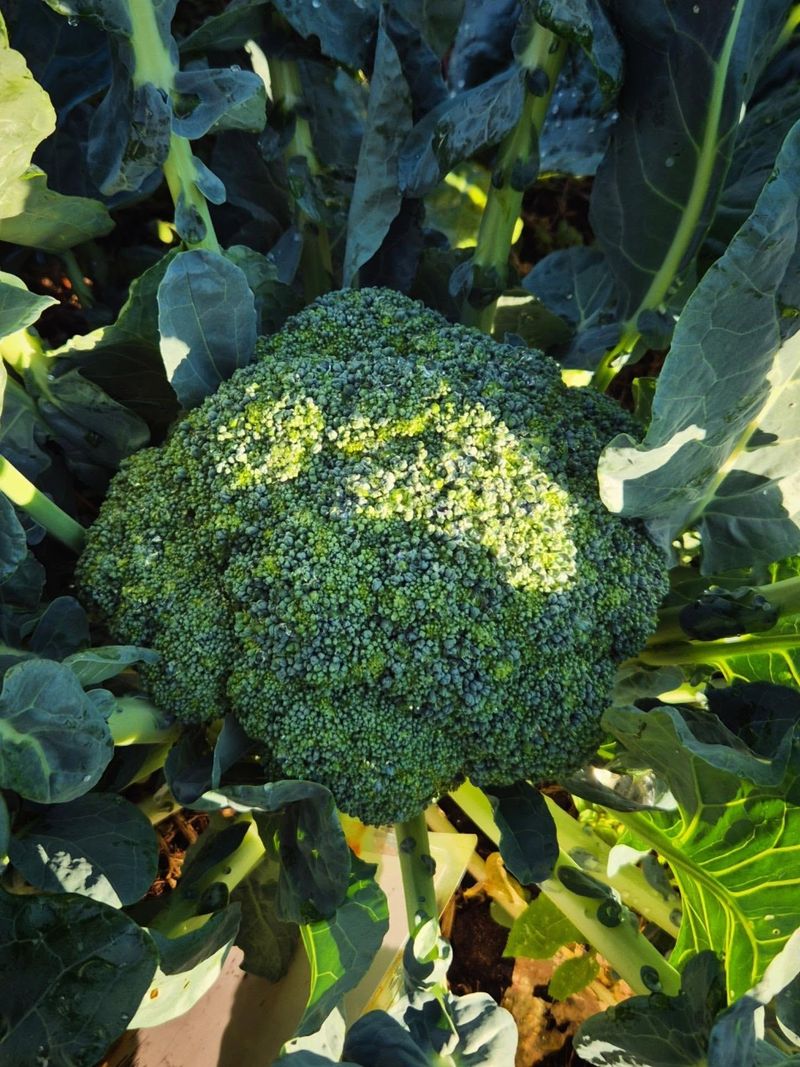
Broccoli absolutely thrives in Sheridan’s cool-season conditions.
It loves temperatures between 45 and 75 degrees Fahrenheit, which describes a big chunk of Sheridan’s gardening calendar.
Broccoli also handles a touch of frost without missing a beat, making it one of the most reliable crops in a Zone 4b garden.
Belstar and Arcadia are two broccoli varieties known for excellent performance in cooler climates.
Both produce tight, flavorful heads and hold up well during cold snaps without turning bitter or bolting.
Broccoli also produces side shoots after the main head is harvested, extending your yield for weeks.
Start broccoli seeds indoors six weeks before transplanting, then move seedlings outside two to three weeks before the last frost.
Sheridan’s Bighorn Mountain backdrop means afternoon shade can be an issue in some yards, so choose a spot with full morning sun.
Fertilize with a nitrogen-rich amendment at planting to encourage strong leafy growth.
In a garden backed by the Bighorns, even the spinach deserves a good view.
9. Laramie (Zone 4b-5a)
Laramie sits at 7,200 feet above sea level.
The views are extraordinary.
The cucumber harvest is not.
Despite its Zone 4b-5a classification, Laramie’s extreme elevation creates growing conditions that punch well below what the numbers suggest.
Cucumbers need warm nights and warm soil, and Laramie delivers neither reliably.
Summer nights regularly drop into the 40s, and intense UV radiation at high altitude can actually sunburn tender cucumber leaves.
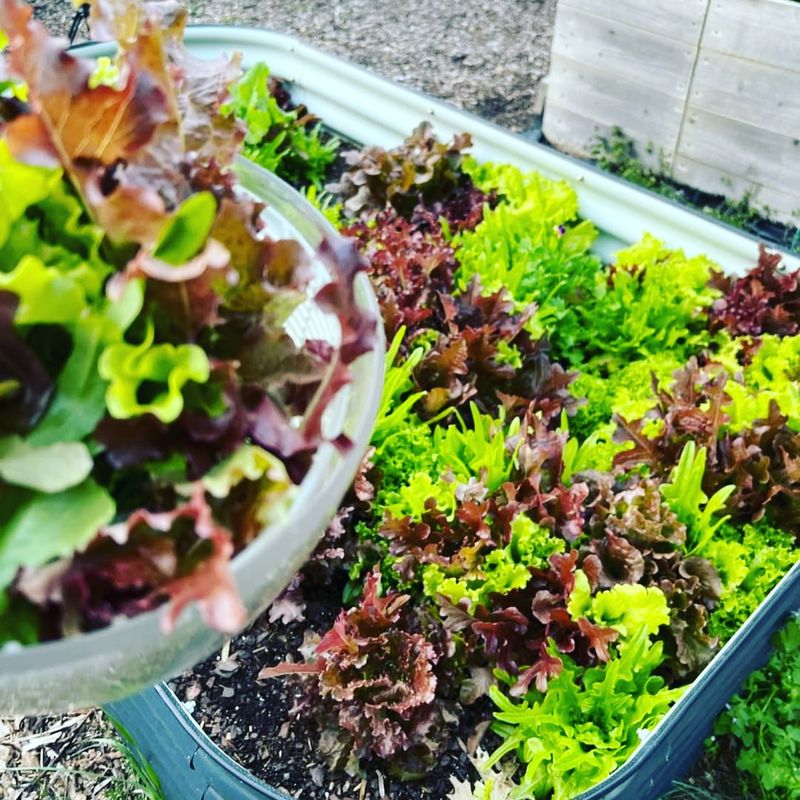
Lettuce is one of the smartest crops a Laramie gardener can grow.
It thrives in cool weather, matures quickly, and can be harvested repeatedly through a cut-and-come-again method.
At high elevation, lettuce actually stays sweeter longer because it does not bolt as fast in the lower summer heat.
Varieties like Buttercrunch, Black Seeded Simpson, and Romaine all perform well in Laramie’s cool, short season.
They can be started indoors and transplanted early, or direct sown as soon as the ground thaws.
Raised beds are especially helpful in Laramie because they warm up faster than in-ground soil at this elevation.
Plant lettuce in a spot with afternoon shade to prevent wilting during the warmest part of the day.
Water consistently but avoid overwatering, as Laramie’s dry air evaporates moisture fast.
Harvest outer leaves continuously rather than pulling the whole plant for a longer, more productive season.
Laramie does not hand out easy harvests.
This one, however, you have earned.
10. Dubois/Wind River Area (Zone 3b-4a)
There is remote, and then there is Dubois remote.
The Wind River corridor here has a wildness to it that feels genuinely untamed, and the climate is happy to back that up.
Zone 3b-4a here means frost can arrive surprisingly early in late summer and return before fall fully settles in.
With a frost-free window sometimes as short as 60 days, cucumbers in Wyoming locations like this one have almost no chance of producing a meaningful harvest.
Cold canyon winds funnel through the valley at night, dropping temperatures faster than most weather apps predict.
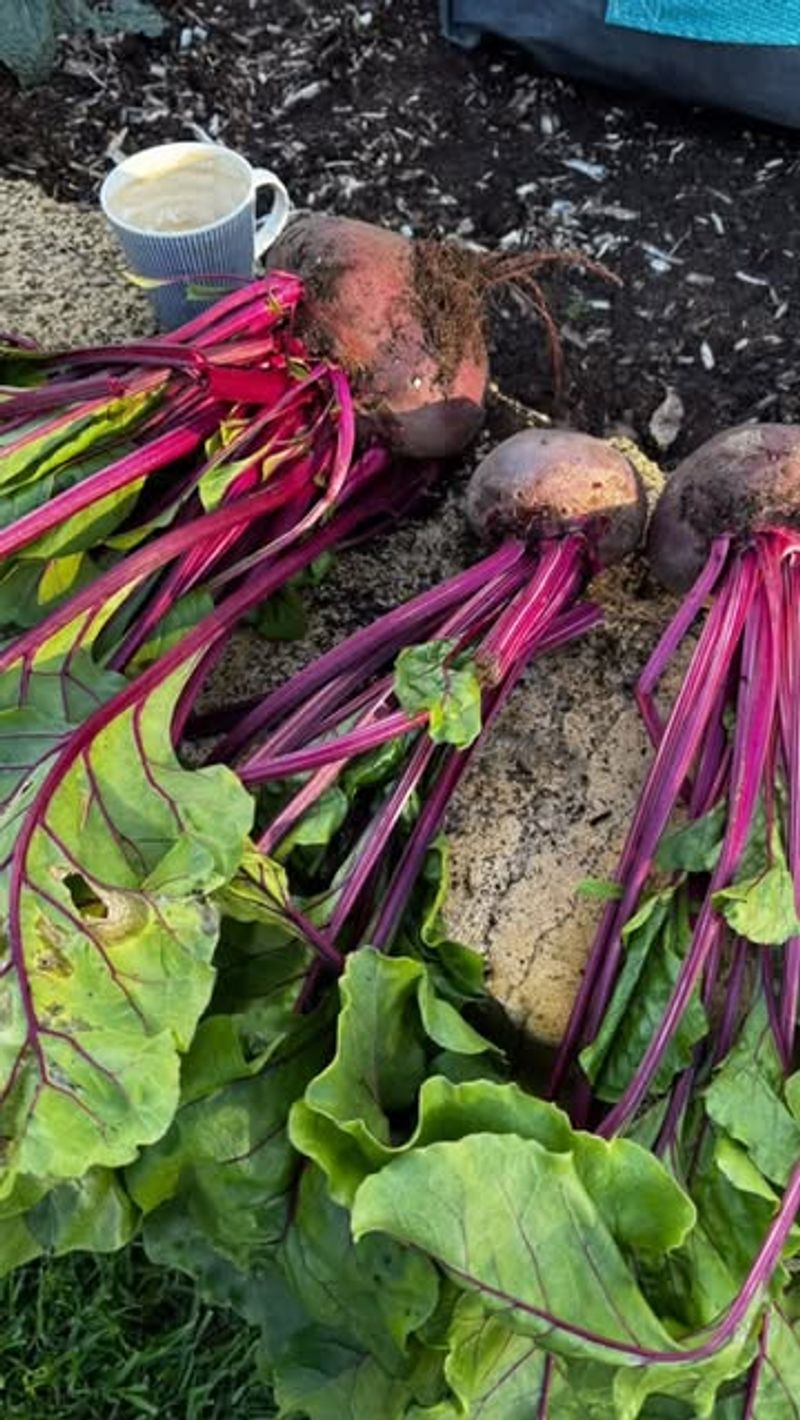
Beets are one of the toughest and most rewarding crops for the Dubois area.
They germinate in cool soil, shrug off a cold snap, and mature in 50 to 70 days depending on variety.
Both the roots and the greens are edible, giving gardeners maximum return from limited growing time.
Detroit Dark Red and Chioggia are two beet varieties that handle cool, short seasons especially well.
Beets also store exceptionally well after harvest, either in a root cellar or refrigerator, which suits the Dubois lifestyle perfectly.
Their deep color signals high antioxidant content, making them as nutritious as they are practical.
Sow beet seeds directly in the ground two to three weeks before the last expected frost.
Soak seeds overnight before planting to speed up germination in cool soil, and thin seedlings to three inches apart once they reach two inches tall.
In a place that gives so little time and takes so much wind, a root cellar full of beets by October feels like a triumph.