Yard Features That May Soon Be Restricted In California Neighborhoods
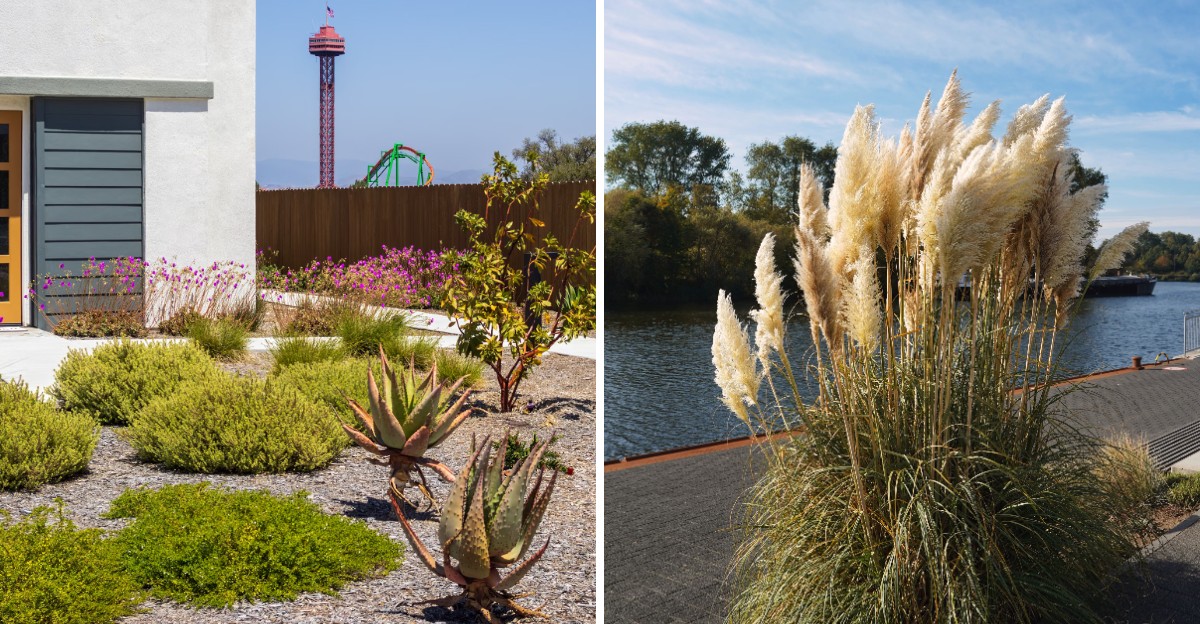
A recent state law cuts off drinking water to purely decorative grass in many shared spaces, including HOA common areas starting in 2029. Your own private front lawn isn’t covered, so games of catch out front can carry on.
Some California cities can now restrict new artificial turf, which can run dozens of degrees hotter than living grass on summer afternoons. Newly permitted landscapes, meanwhile, get a water budget that thirsty lawns can eat up surprisingly fast.
For what it’s worth, my new gravel border near the foundation looks tidier than the bark mulch ever did. You might notice neighbors pausing to admire buzzing native sages where a soggy median used to sit.
Plenty of shifting rules feel confusing because details still vary between cities. A quick call to your local fire agency or planning office could help you prepare long before any new requirements arrive.
1. Shrubs And Bark Mulch Hugging The House In Wildfire Zones
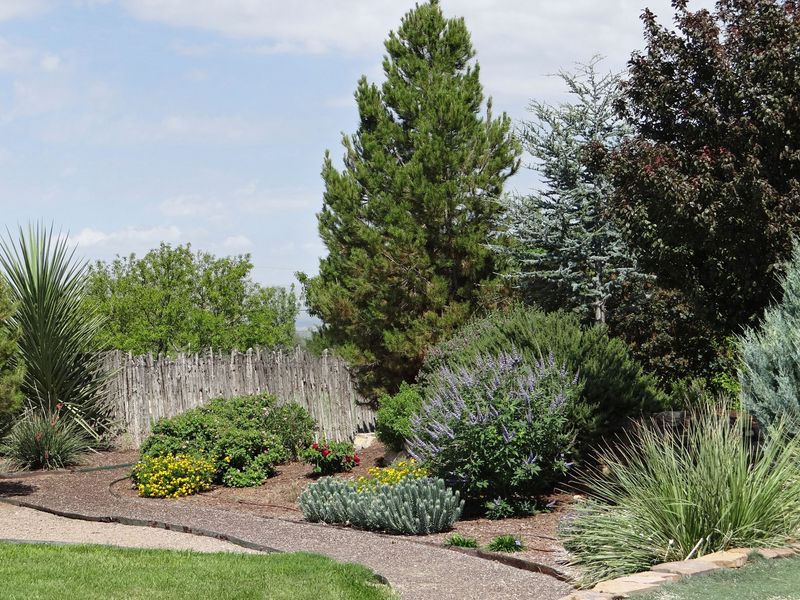
Those cozy shrubs tucked against your siding look lovely, yet they can act like kindling when embers start flying. A new defensible space area called Zone Zero covers the first five feet around homes in high hazard areas.
State law, through Assembly Bill 3074, asked the Board of Forestry to write these ember-resistant rules for homeowners. Draft versions have proposed clearing most combustible plants and wood mulch from that narrow strip near walls.
Final details were still being debated as of recent reports, so check with your local fire agency for updates. Existing homes are expected to get a phase-in period, while new construction would likely need to comply sooner.
Personally, I find the science convincing, because research after big fires shows embers often ignite debris right beside walls. Dry leaves caught in a juniper hedge can smolder quietly, then pass flames straight to eaves and windows.
You can start now by swapping bark mulch near the foundation for gravel or flat stone pavers. Move those big woody shrubs farther out, where they can still shade the yard without touching the house.
Low, well-watered plants in pots may remain an option under some proposals, though the rules could change again. Trim tree limbs so they stay well away from your roof, and clear gutters after every windy spell.
I like how a clean gravel border actually looks tidy and modern once you get used to it. Your home gains protection, and you still keep plenty of room for flowers a few steps farther out.
2. Decorative Grass Strips In HOA Common Areas
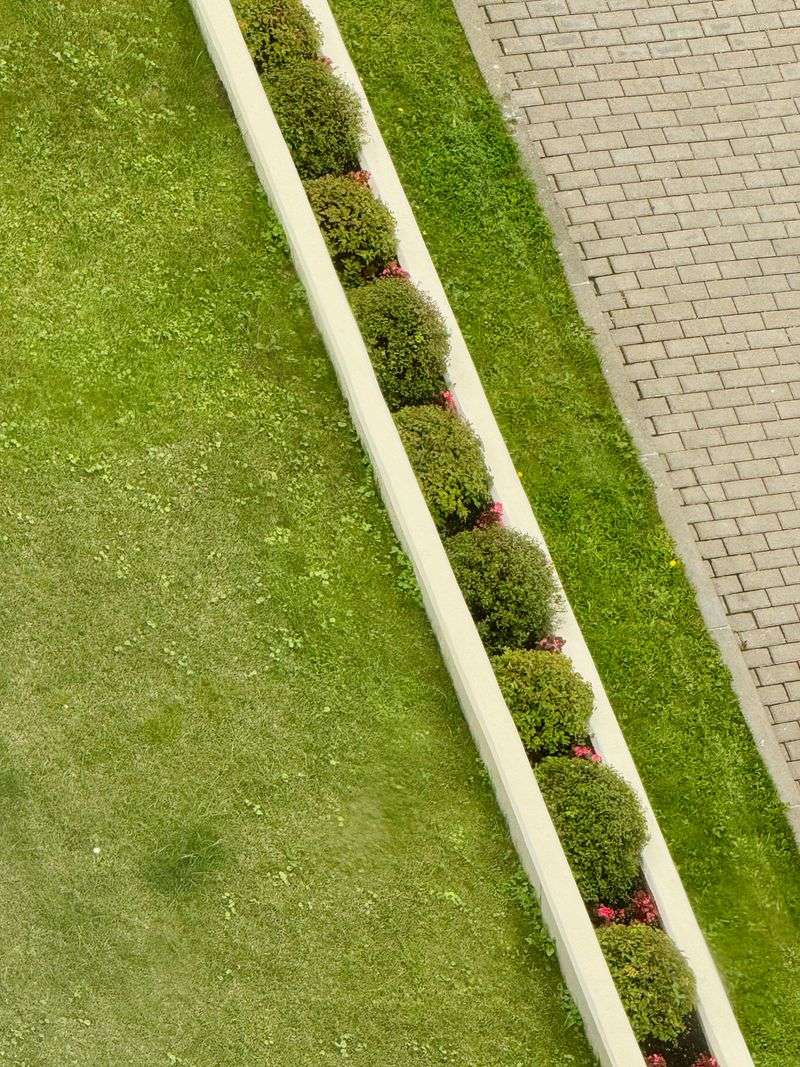
Nobody picnics on the skinny grass strip beside the community parking lot, yet sprinklers soak it every week. That ornamental green ribbon is exactly what a recent state water law targets in shared neighborhood spaces.
Assembly Bill 1572, signed in October 2023, bans using drinking water on nonfunctional turf in many commercial and shared settings. Nonfunctional turf means grass that looks pretty but rarely hosts any sports games or family picnics.
Homeowners associations must follow the rule for common areas starting January 1, 2029, after businesses and public properties. Your own private front lawn is not covered, so relax if you love playing catch out there.
Interestingly, the law does not force anyone to rip out grass, but it does cut off the potable water. Associations can switch to recycled water or replace those strips with tougher, thirst-savvy plants instead of grass.
Turf that serves a purpose, like a playground lawn or a community sports field, generally stays exempt. Trees standing in nonfunctional turf can still receive water, which protects valuable shade during hot summers.
If you sit on an HOA board, start budgeting now, because landscape makeovers and irrigation upgrades take time. Many local water agencies offer turf replacement rebates that can soften the cost for shared spaces.
I can’t imagine a nicer upgrade than swapping a boring median for buzzing native sages and bunchgrasses. You might even find neighbors stopping to admire the pollinators instead of rushing past a soggy lawn.
3. Thirsty Lawns And Water-Hungry Plants In New Landscapes
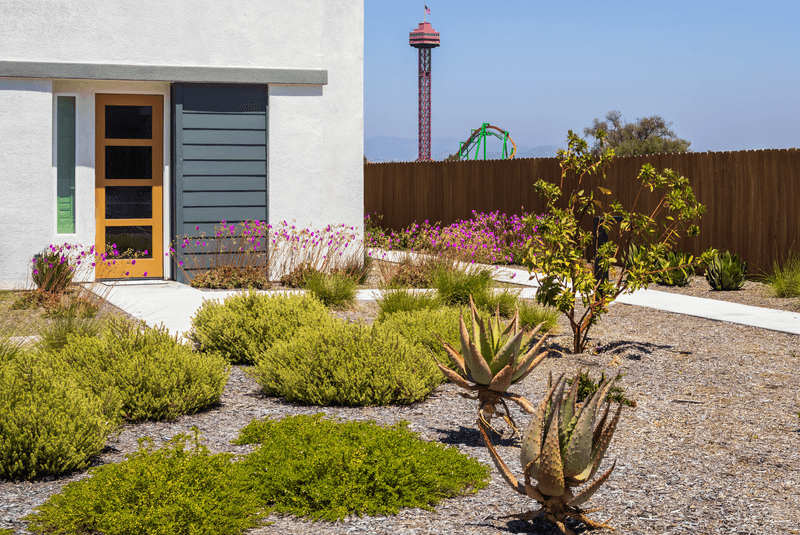
Remember the classic suburban yard packed with azaleas and wall-to-wall grass soaking up sprinklers every evening? Under the Model Water Efficient Landscape Ordinance, new permitted gardens are steered toward far less thirsty choices.
Known as MWELO, the rule applies to new projects with 500 square feet or more of landscape area. Rehabilitated landscapes of 2,500 square feet or more fall under it too, when a permit or plan review applies.
Each project gets a water budget, so high-water plants like lawn grass eat up the allowance quickly. Designers often respond by shrinking turf areas and leaning on drought-tolerant shrubs and perennials instead of grass.
One clever requirement is hydrozoning, which simply means grouping plants that drink similar amounts on the same valve. Mixing a water-loving hydrangea with a dry-loving manzanita on one line mostly ends with one unhappy plant.
The ordinance also calls for compost worked into planting soil and a three-inch layer of mulch on bare ground. Both steps hold moisture longer, which I love on blazing afternoons when the soil would otherwise bake.
Cities and water districts can adopt their own versions, as long as they are at least as effective. That means your local requirements might be stricter, so ask your planning department before buying a single plant.
Personally, I think California natives make this easy, since toyon and ceanothus thrive on little summer water once established. You get blooms for bees and berries for birds, and your water bill shrinks along the way.
4. Pampas Grass And Other Invasive Ornamental Plants
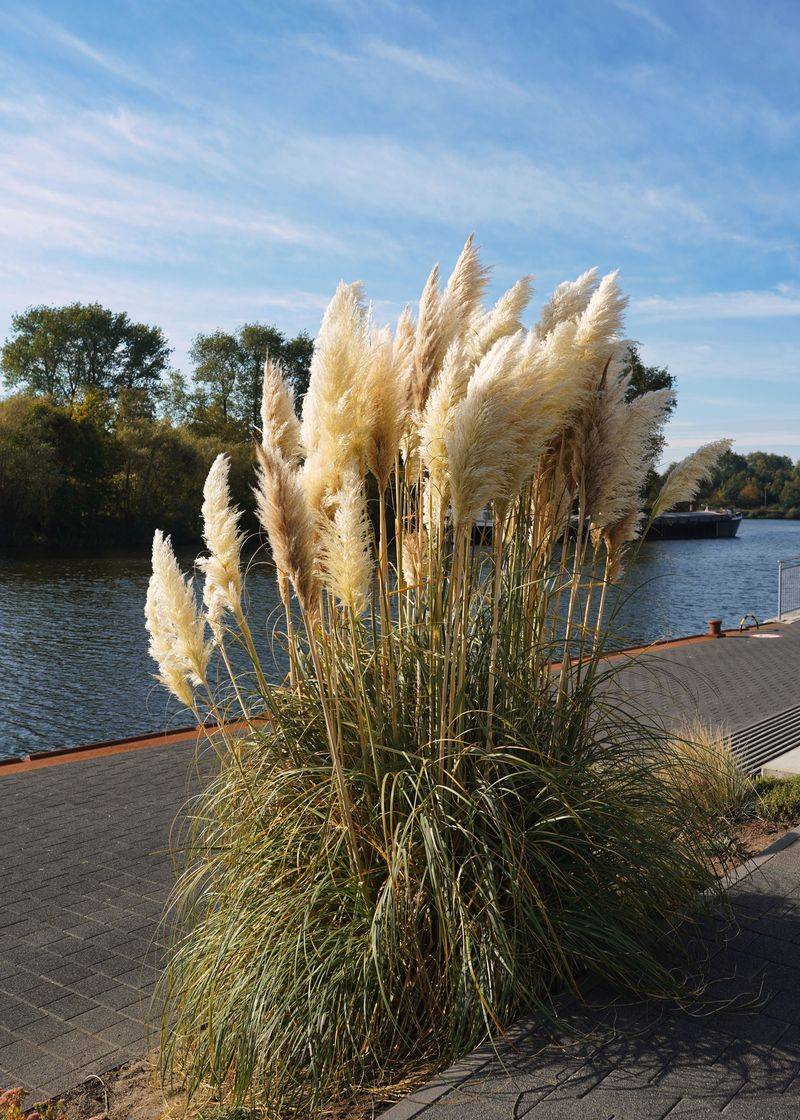
Those fluffy pampas grass plumes look dreamy in wedding photos, but each plant can release enormous numbers of wind-carried seeds. Along coastal bluffs, escaped clumps crowd out native plants and turn into tough, sharp-edged roadside thickets.
The state Department of Food and Agriculture keeps an official noxious weed list with plants tightly regulated by law. Giant reed and purple loosestrife appear on it, and moving listed weeds around can bring legal trouble.
Pampas grass itself is not banned statewide, yet the California Invasive Plant Council rates it as a high-impact invader. Many nurseries now skip it after the PlantRight program encouraged retailers to stop selling problem ornamentals.
Highway iceplant and Spanish broom also earn high ratings, and English ivy can engulf trees when left unchecked. Some local agencies already discourage these plants in new projects, and more communities may follow their lead.
I have to admit, I once admired iceplant carpets, until I learned how they crowd out dune wildflowers. Those thick mats also hold water heavily, which can make sandy slopes more likely to slump.
You can check any plant quickly using the Cal-IPC inventory or PlantRight website before heading to the nursery. Both resources suggest friendly swaps, like deer grass instead of pampas grass for that bold, fountain shape.
If pampas already grows in your yard, snip the plumes before they ripen so seeds stay put. Digging out the root crown takes muscle, yet your local wild places will quietly thank you later.
5. Wooden Fences And Sheds Attached To The House
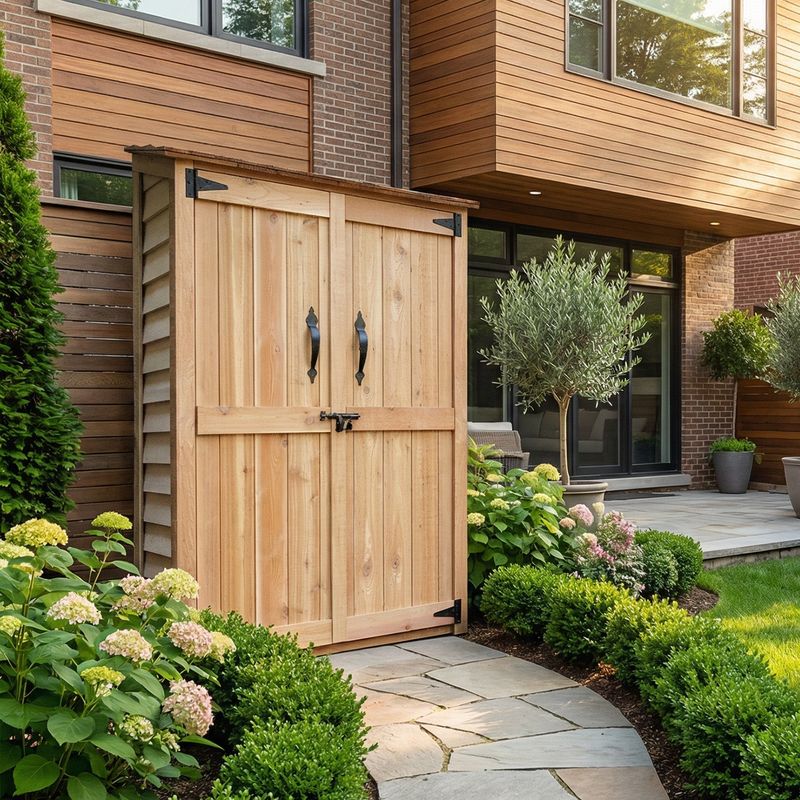
That weathered wooden gate attached to your house is charming, yet fire experts compare it to a wick. Flames can travel along a wooden fence straight to your siding, almost like a trail of kindling leading home.
Zone Zero proposals have included limits on combustible fencing within five feet of homes in high hazard areas. Several drafts suggested replacing the first few feet of fence with metal or masonry where it meets walls.
Sheds face similar scrutiny, because a wooden storage shed tucked against the house can become a serious ignition point. Firewood stacks raise the same concern, so many fire agencies already advise keeping them well away from structures.
Final wording has moved slowly through the Board of Forestry, so details may shift before anything takes effect. Your best source is the local fire department, which handles defensible space inspections in your area.
Personally, I would start with the easiest fix, which is the gate or fence panel touching the house. Swapping a short section for galvanized metal costs far less than replacing the whole property line.
Moving a lightweight shed a few extra yards away might be simpler than you expect with a couple of helpers. Metal sheds are another option, and many come with tidy shelving for tools and potting supplies.
You might notice that metal or stone accents give a crisp, modern look that pairs nicely with gravel borders. Climbing vines can still decorate fences farther out, where they add color without hugging your walls.
6. Artificial Turf Lawns In Some Cities
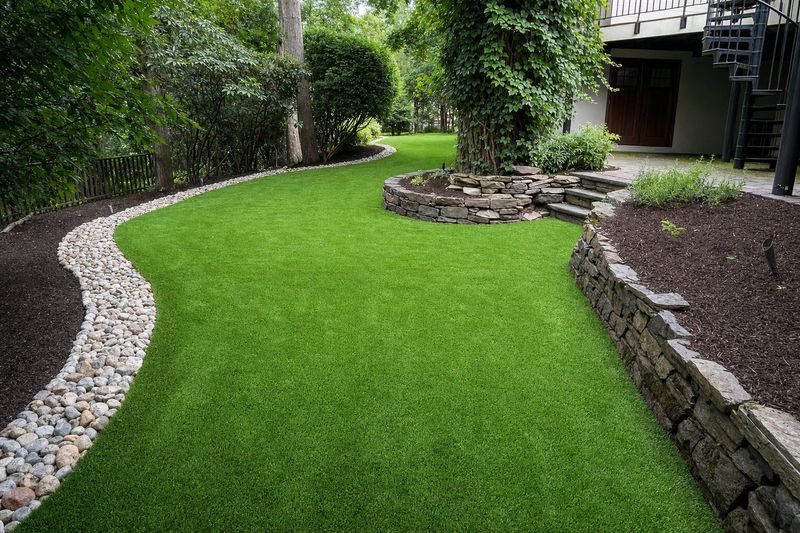
Stand barefoot on artificial turf at noon in July, and you will understand why some cities are rethinking it. Researchers have recorded synthetic grass running dozens of degrees hotter than living lawns under strong summer sun.
For years, state law blocked homeowners associations from banning artificial turf on private lots, and that protection remains. Civil Code section 4735 still keeps an HOA from prohibiting synthetic grass in your own backyard.
Cities are a different story, since Senate Bill 676, signed in 2023, lets local governments restrict synthetic turf. A handful of California cities, including Millbrae, have since limited new artificial grass at private residences.
Concerns include microplastics shedding into storm drains and questions about chemicals called PFAS found in some products. Soil under plastic grass also loses the living roots and worms that help rain soak into the ground.
Many turf replacement rebates exclude synthetic grass, so you may miss out on cash by choosing plastic. Programs usually favor living plants and permeable surfaces that let water reach the thirsty soil underneath.
I believe a mix of low groundcovers and stepping stones gives a soft feel without the sizzling heat. Creeping thyme or yarrow handles light foot traffic and blooms for bees in spring and summer.
Before installing anything, call your city planning office and ask whether local rules now limit synthetic lawns. A quick question today could save you from expensive removal orders after the turf is already down.