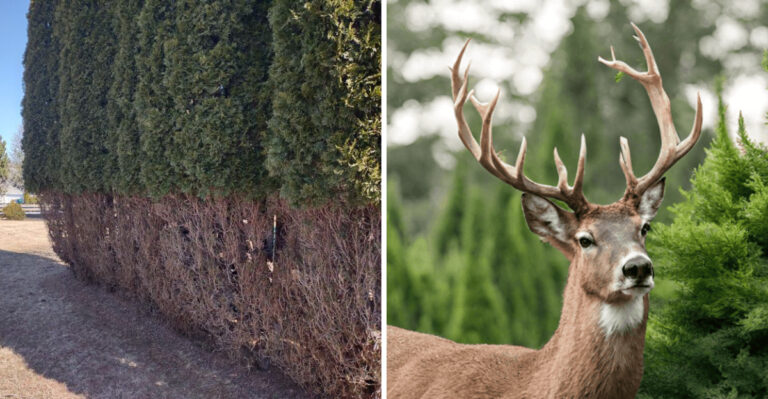
The Pennsylvania Garden Animals Coming In For Water During July Heat (And How To Manage Each)
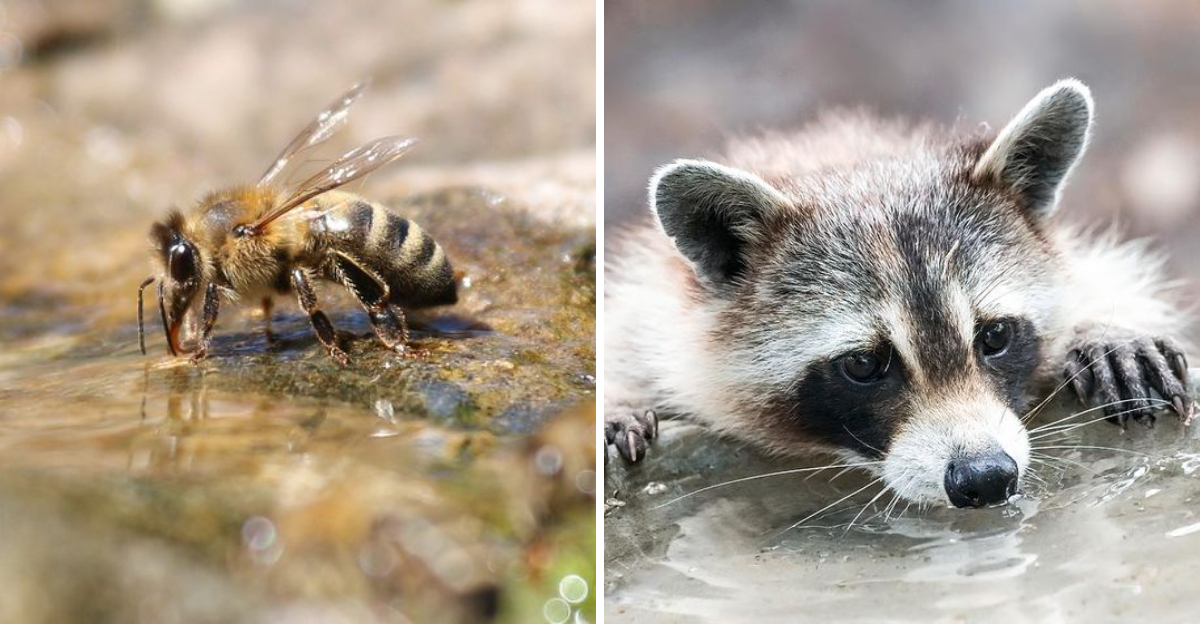
July heat in Pennsylvania doesn’t just stress out your plants. It sends every animal in the area searching for water, and your garden is often the first place they look.
Birdbaths, drip irrigation, even a forgotten bucket of rainwater can suddenly become a magnet for visitors you weren’t expecting. Some of these guests are welcome.
Others, not so much. A wide range of garden animals show up looking for water during the hottest stretches of July, and how you manage their presence makes a real difference in how your garden handles the rest of the summer.
Some are beneficial and worth encouraging to stick around. Others can become a real nuisance if you’re not careful about how you manage water sources.
Knowing who’s likely to show up and how to handle each one helps you keep the helpful visitors close while keeping the problem ones at a respectful distance.
1. Birds (Songbirds And Cardinals)
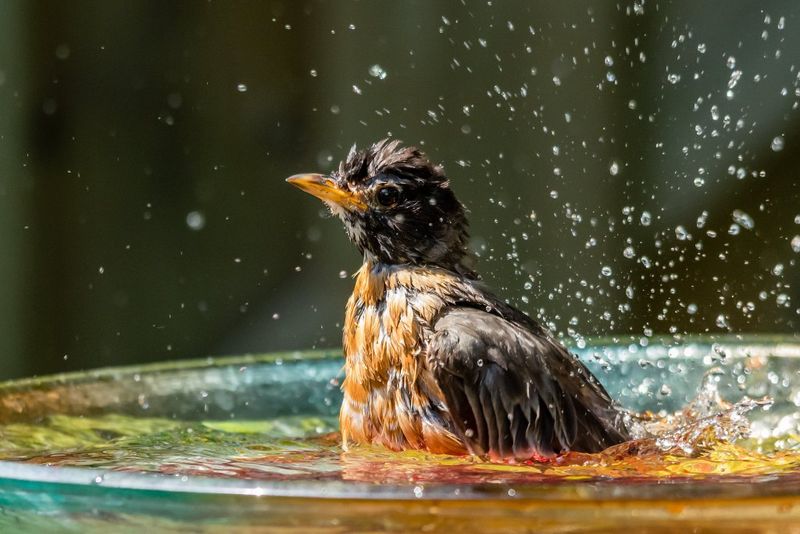
Few things brighten up a July garden quite like the flash of a cardinal’s red wings near a birdbath. Songbirds and cardinals are among the most common garden visitors during hot Pennsylvania summers, and they are almost always searching for water.
When natural streams and puddles dry up, birds turn to whatever they can find, including drip irrigation lines, pet water bowls, and garden fountains.
Providing a clean, shallow birdbath is one of the best things you can do. Keep the water no deeper than two inches so small birds can safely wade in without risk.
Adding a few flat stones or marbles inside the basin gives birds a stable landing spot, which they really appreciate. Change the water daily because stagnant water can attract mosquitoes and make birds sick.
Place the birdbath in a spot that offers some shade during the hottest part of the afternoon. Full sun will cause the water to evaporate quickly and heat up to uncomfortable temperatures.
Nearby shrubs or low branches give birds a quick escape route if a predator shows up, which makes them feel safer and more likely to return. A light misting attachment connected to your garden hose can also attract birds that prefer moving water.
Cardinals especially love the sound of dripping or trickling water. Once you set up a reliable water station, expect daily visits from robins, sparrows, wrens, and of course those gorgeous red cardinals all summer long.
2. Bees
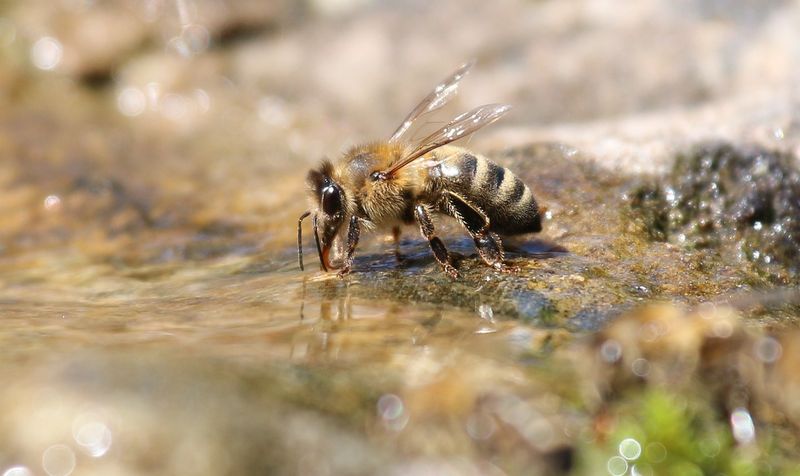
Bees are incredibly hardworking insects, but even they need a break from the July heat. What most people do not realize is that bees actually need water just as much as they need nectar.
Worker bees carry water back to the hive to cool it down and to dilute honey for feeding larvae. On hot days, a busy hive can need a surprising amount of water to stay at a safe temperature.
The tricky part is that bees tend to drown easily in deep water sources. A standard birdbath with no landing spots can become a trap for them.
Your Pennsylvania Garden Changes Every Week. Your Plan Should Too.
Gardening in Pennsylvania changes quickly throughout the season. Every Friday you’ll receive a simple weekly plan showing exactly what to plant, prune, fertilize, harvest, and protect so you never miss the right timing.
The best solution is a shallow dish, like a pie pan or plant saucer, filled with clean water and packed with small pebbles or marbles.
The stones give bees a safe place to land and drink without slipping in. Change the water every couple of days to keep it fresh and free of algae.
Place your bee watering station near flowering plants but away from high-traffic areas of your yard where people walk. Bees are focused on drinking and are rarely aggressive at water stations, but it is still smart to give them their own quiet corner.
Avoid using any pesticides or chemical sprays near the water dish, as residue can contaminate the water and harm the bees. Fun fact: bees are such creatures of habit that once they find a reliable water source, they will return to the same spot every single day.
Keeping that spot clean and consistent is the kindest thing you can do for your local bee population all summer long.
3. Butterflies
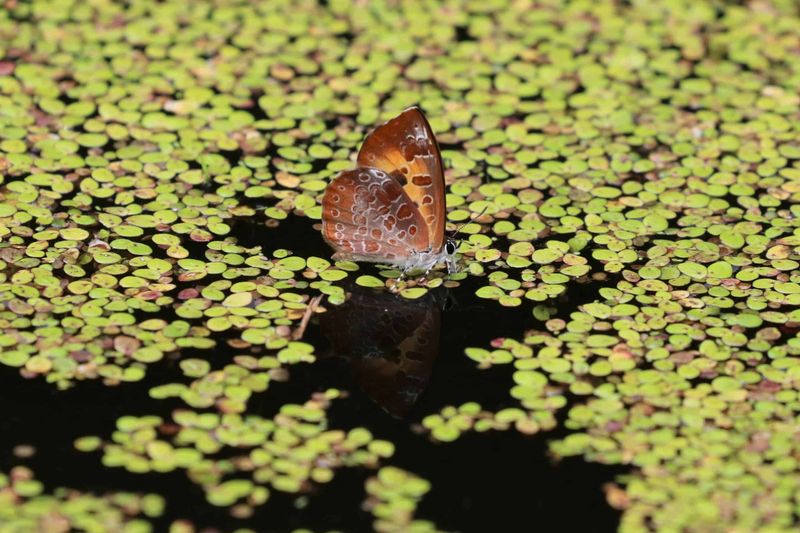
Butterflies have a secret habit that most gardeners never notice. Beyond sipping nectar from flowers, they also land on wet soil, muddy puddles, and damp sand to drink water and absorb essential minerals like sodium and amino acids.
This behavior is called puddling, and it is especially common on scorching July days when butterflies need extra hydration to stay active and healthy.
You can create a dedicated butterfly puddling station right in your garden with very little effort. Fill a shallow container, like a terracotta saucer, with coarse sand and add just enough water to make it moist but not soaking wet.
Bury it slightly in the ground so it sits flush with the soil surface, which makes it easier for butterflies to access. Adding a pinch of sea salt or wood ash to the sand can make it even more attractive to them since butterflies crave those extra minerals.
Location matters a lot for butterfly puddling stations. Choose a sunny, wind-sheltered spot close to your flowering plants but away from areas where you use pesticides or herbicides.
Chemicals are extremely harmful to butterflies, and even a small amount of contamination can drive them away or hurt them. Keep the sand moist by adding a little water every day or two, especially during dry spells.
Swallowtails, monarchs, and painted ladies are just a few of the beautiful species you might attract to your Pennsylvania garden this way.
Watching a group of butterflies cluster together at a puddling station is honestly one of the most magical sights a summer garden can offer.
4. Chipmunks
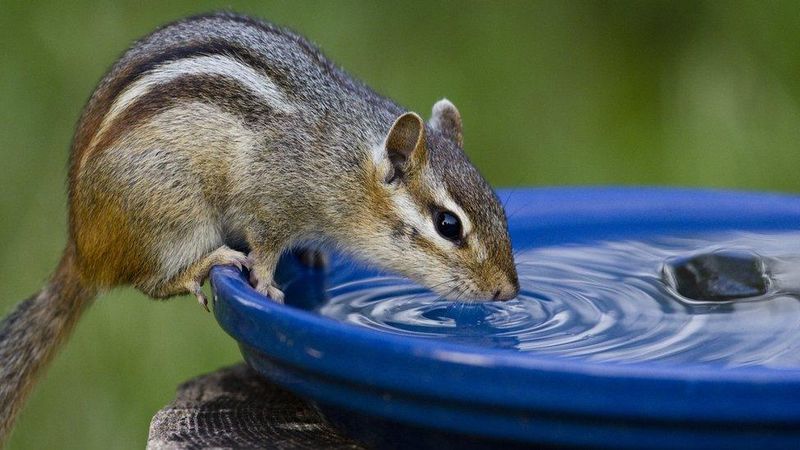
Chipmunks are like the comedians of the garden world. They zip around with their cheeks stuffed, flick their tails dramatically, and disappear into burrows before you even realize they were there.
But in July, these little striped speedsters slow down just long enough to search for water, and your garden is exactly where they will look. Chipmunks usually stay close to wooded edges and shrubbery, which makes garden borders a natural hangout spot for them.
The good news is that chipmunks are generally not destructive around water sources. They drink quickly and move on.
The concern is when they start digging near plant roots or bulbs while they are in the area. Providing a small water basin away from your most prized garden beds can help redirect their attention.
A simple ceramic or stone dish placed near a garden edge or a wooded corner works well. Keep it low to the ground since chipmunks are not big climbers when it comes to drinking.
Refill the water every day or two and keep the dish clean. Chipmunks are surprisingly cautious animals and will avoid water that smells off or looks murky.
If you notice chipmunks digging in your garden beds nearby, placing a layer of hardware cloth just under the soil surface can protect bulbs without harming the animals.
You can also use natural deterrents like cayenne pepper sprinkled around sensitive plants, which chipmunks strongly dislike.
With a little thoughtful planning, you can keep chipmunks hydrated and happy without sacrificing your favorite garden spots to their curious little paws.
5. Rabbits
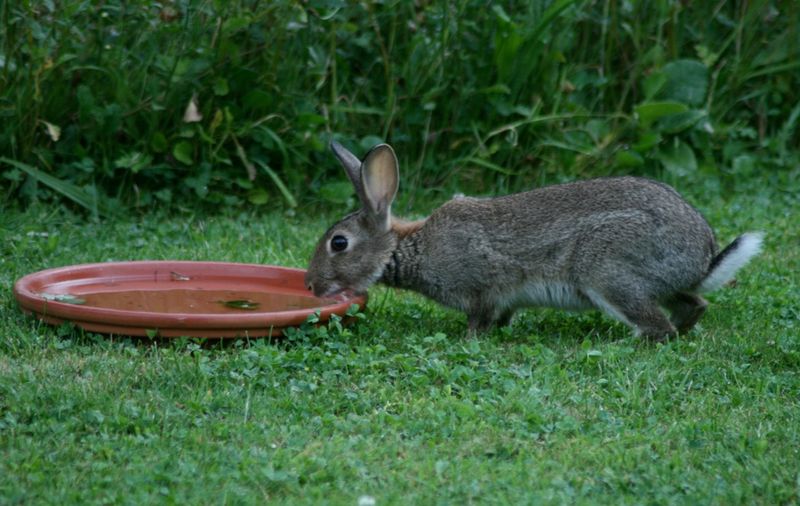
There is something undeniably sweet about spotting a cottontail rabbit nibbling at the edge of your garden in the early morning. But as charming as they look, rabbits can cause real frustration for gardeners, especially in July when they are not just hungry but also thirsty.
Eastern cottontails, the most common rabbit species in Pennsylvania, tend to seek out shaded spots near dense vegetation where water and food are close together.
Managing rabbit visits starts with understanding their habits. Rabbits are most active at dawn and dusk, and they prefer areas with low ground cover where they feel hidden from predators.
If you want to offer them water without inviting them into your vegetable beds, place a shallow dish near a brush pile or garden border well away from your most vulnerable plants.
Elevating your garden beds with raised frames or surrounding them with chicken wire fencing that extends a few inches underground can keep rabbits out effectively.
Motion-activated sprinklers are another smart option. Rabbits dislike sudden bursts of water and will usually avoid areas where they have been startled before.
Natural repellents like dried blood meal or predator urine granules sprinkled around garden borders can also discourage rabbits from getting too comfortable.
Planting strong-scented herbs like lavender, rosemary, and mint around the edges of your garden acts as a natural barrier since rabbits are not fans of intense aromas.
With the right setup, you can coexist with these fluffy visitors while keeping your prized lettuce, beans, and strawberries safely out of reach all summer long.
6. Raccoons
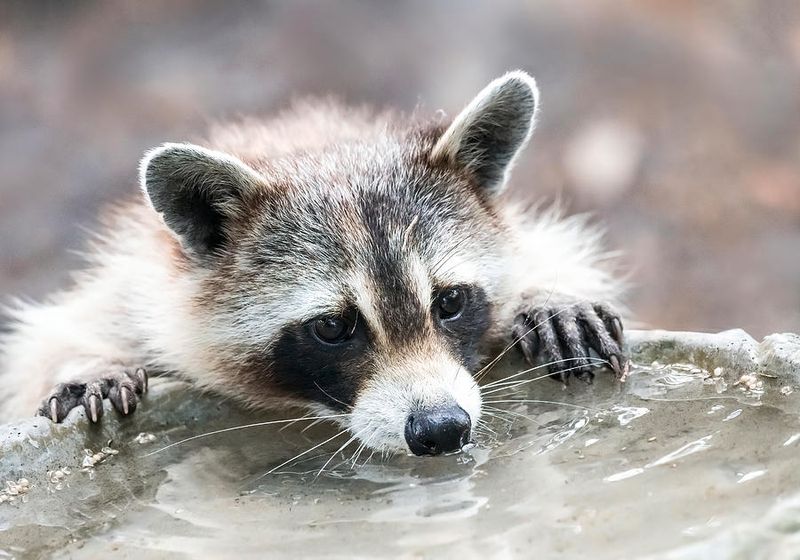
Raccoons are the uninvited guests of the July garden scene. Smart, bold, and surprisingly strong for their size, these masked mammals show up after dark looking for two things: water and food.
Pennsylvania gardens near wooded areas or streams are especially prone to nighttime raccoon visits during heat waves. They will drink from birdbaths, ponds, pet bowls, and even your vegetable garden irrigation lines if given the chance.
The most effective way to manage raccoon visits is to remove what attracts them in the first place. Bring pet food and water bowls inside at night.
Secure trash cans with bungee cords or locking lids since raccoons are expert trash raiders. If you have a pond or water feature, consider adding a motion-activated light or sprinkler system nearby.
Raccoons are cautious animals and tend to avoid areas where they feel exposed or startled. Avoid leaving standing water in open containers overnight. Empty birdbaths, plant saucers, and buckets before you go to bed during peak raccoon season.
If raccoons are consistently visiting a specific area of your yard, try placing ammonia-soaked rags nearby since the smell mimics a predator and tends to drive them off.
Wire mesh or hardware cloth around garden beds and compost bins adds another layer of protection. It is also worth noting that raccoons can carry diseases, so never handle them directly.
Keeping your yard tidy, your water sources managed, and your food sources secured is the simplest and most reliable way to discourage these clever nighttime visitors from making your garden their regular summer stop.
7. Deer
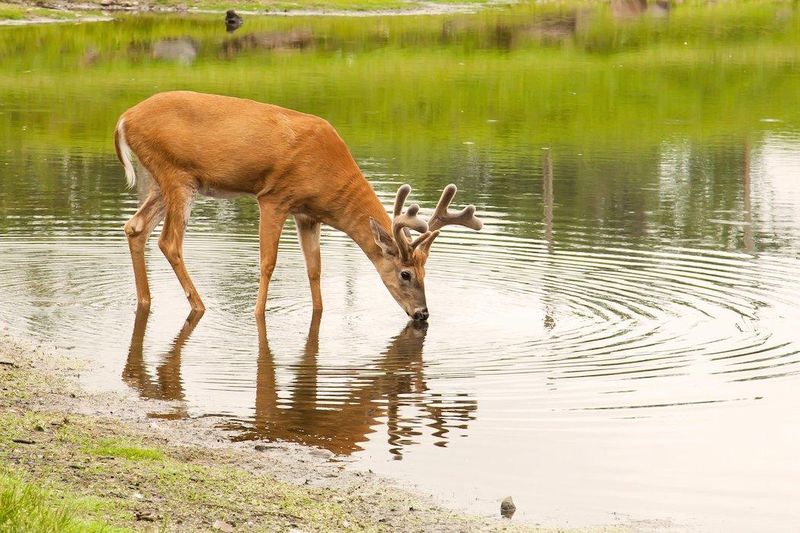
When the July heat peaks in Pennsylvania, white-tailed deer become bolder than usual. They venture closer to homes, neighborhoods, and gardens in search of two things: shade and water.
Deer are most active at dusk and dawn, and they can travel surprisingly long distances to find a reliable water source. Once a deer discovers your garden has what it needs, it will come back night after night and often bring friends.
Planting dense native shrubs like American holly, spicebush, or arrowwood viburnum along your garden perimeter creates a natural visual barrier that discourages deer from wandering in. These plants are also beneficial for pollinators, so they pull double duty.
Motion-activated deterrents are highly effective against deer. Sprinklers that trigger when motion is detected startle deer and train them to associate your yard with an unpleasant surprise.
Deer are creatures of habit, and breaking that habit early in the season saves a lot of headaches later.
If deer pressure is heavy in your area, consider installing a deer fence around your most valuable garden beds. A proper deer fence needs to be at least eight feet tall since deer are impressive jumpers.
For smaller areas, double fencing with two shorter fences spaced a few feet apart can also confuse and deter them without the cost of a tall single fence.
Strong-scented repellent sprays made from garlic, hot pepper, or predator urine can be applied around garden borders and refreshed after rain.
Staying consistent with deterrents throughout July and August is the key to keeping these graceful but hungry visitors from turning your garden into their personal buffet.