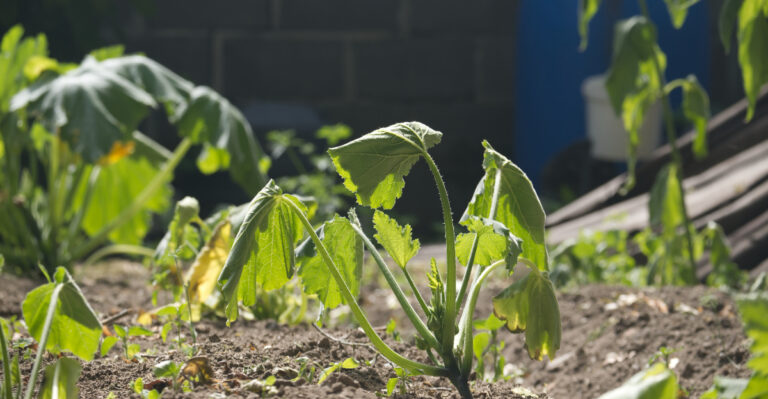
Your Hydrangea Looks Tired? Here’s The Simple Fix It’s Been Waiting For
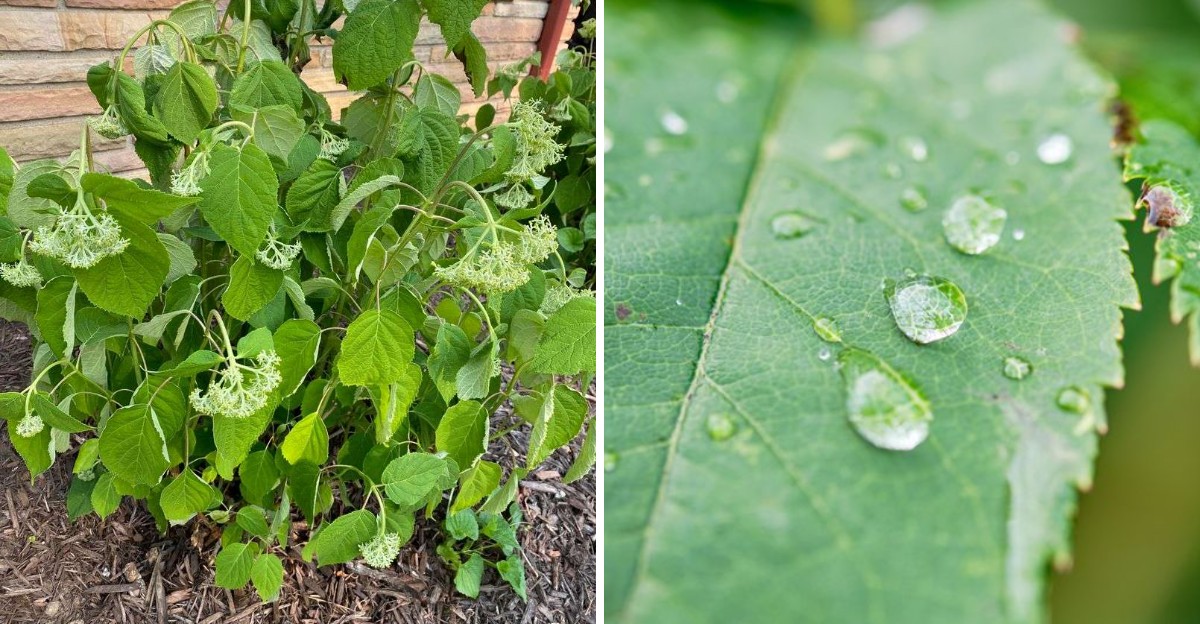
Your shrub isn’t thirsty tonight. It’s confused by more than you realize. Weeks of good intentions haven’t solved a real problem. Habit convinced you that watering equals genuine care.
Calendars don’t measure what your plant actually needs right now. Soil holds a secret you haven’t discovered yet.
Something quiet has been happening right under your hands. Nobody explains why overwatering can mimic thirst so convincingly.
Guesswork wins whenever routines override real attention to detail. Blooms turn papery while your leaves droop by early afternoon. They’re sending signals you’ve been too rushed to notice.
Patience matters more than you probably think right now. A tiny shift in habit changes what happens next. Curiosity costs you very little and takes only seconds.
Trust what’s happening beneath the surface, not what the old clock says. Stems respond faster than expected once that shift happens. You’re about to uncover a fix you didn’t expect.
Put Down The Hose And Read The Signals First
That daily 7 a.m. watering ritual feels like devotion, but plants respond to conditions, not routines. A hydrangea watered on autopilot often sits in soggy soil while its owner assumes it is thirsty.
Wilting fools nearly everyone. Big hydrangea leaves lose moisture through their surface faster than roots can replace it on a warm afternoon, so they flop dramatically even when the ground below is damp.
Check that same plant at dawn instead. If the leaves have bounced back overnight, the flop was simple afternoon stress, not a shortage of water.
Roots that stay wet for too long become deprived of oxygen, and deprived roots cannot properly feed the top of the plant. That is when you see yellowing lower leaves, mushy stem bases, and blooms that fade early.
In many temperate climates, September adds another wrinkle. Nights are cooler, the sun sits lower, and soil often holds moisture longer than it did in July, so your midsummer schedule may now be delivering too much.
Try this instead: pause your routine for two days and simply observe. Note when leaves droop, when they recover, and how the surface soil looks after rain.
Keep a scrap of paper by the back door and jot the date each time you actually water. Patterns show up quickly, and many gardeners discover they’ve been watering far more often than needed.
Observation costs nothing and prevents the slow decline that fixed schedules can cause. Your shrub will tell you what it wants if you pause long enough to listen.
The Two-Knuckle Finger Test That Tells You What Your Plant Needs
Ten seconds. That is honestly all the famous finger test takes, and it beats any timer or app you could buy.
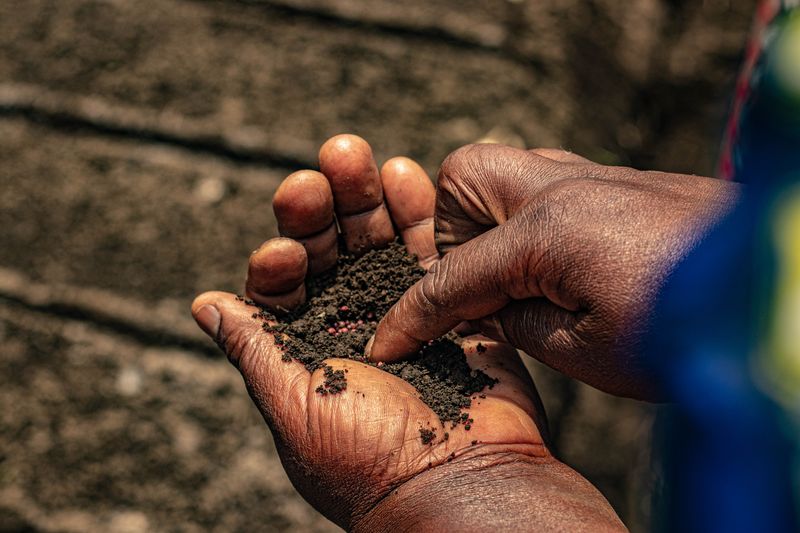
Push your index finger straight into the soil at the base of the shrub, going in about two knuckles deep, roughly two to three inches. Pull it out and pay attention to what clings to your skin.
Cool, dark crumbs sticking to your fingertip mean there is still moisture down there. Walk away and check again tomorrow.
Dry, pale grit that brushes off cleanly means the roots are ready for a drink. That is your green light.
Test in two or three spots around the plant, not just one. Soil near a downspout behaves very differently from soil under a roof overhang, and one reading can mislead you.
Skip testing right against the main stem where mulch piles up. Aim for the area under the outer edge of the leaf canopy, since that is where the working feeder roots live.
Container hydrangeas need the same treatment, though they dry out faster. Lifting the pot slightly also works, because a light pot signals dry soil while a heavy one is still holding water.
Long before moisture meters existed, gardeners relied on touch to judge soil moisture, and many still find the finger test a reliable everyday method. It reads temperature, texture, and dampness all at once.
Make it a habit tied to something you already do, like taking out the trash. Consistency in checking matters more than consistency in watering.
When The Soil Says Yes, Water Slow And Deep
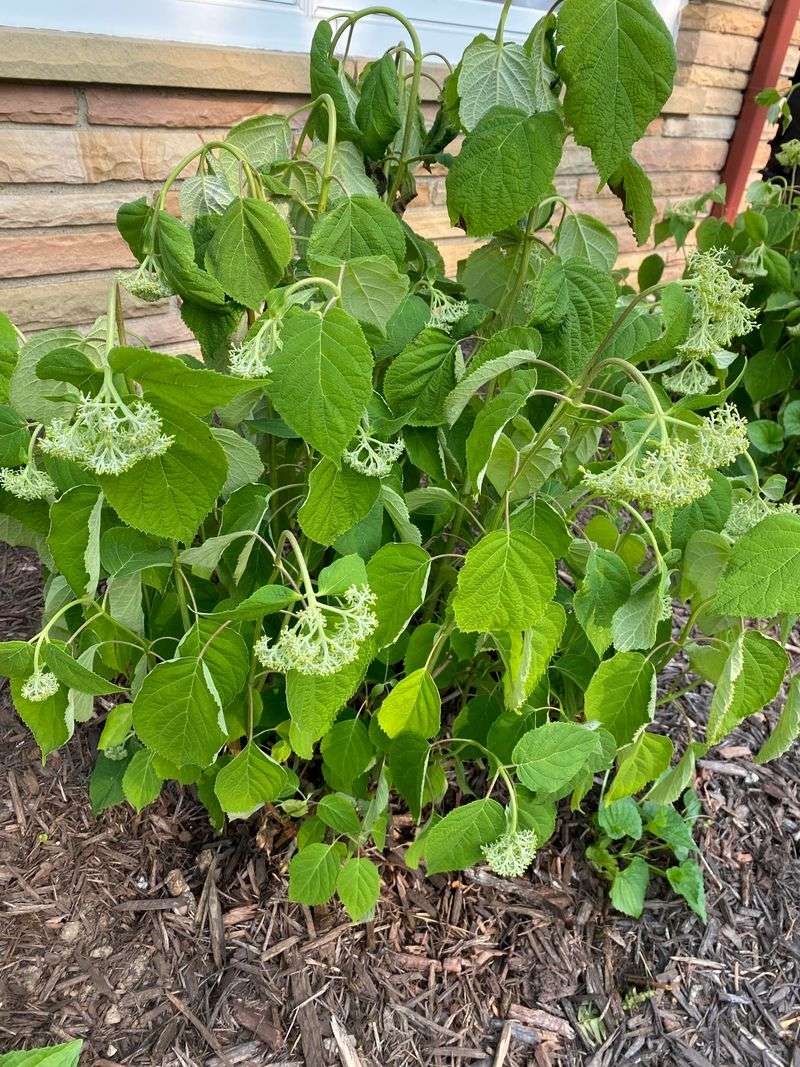
Picture a quick sprinkle versus a long, patient soak. The first wets the top inch and evaporates by lunch, while the second reaches roots that actually matter.
Once your finger test gives the go-ahead, water slowly at the base of the plant. Let a hose trickle for several minutes rather than blasting the area for thirty seconds.
Aim for water to reach six to eight inches down. That encourages roots to grow deeper, where soil temperature stays steadier and moisture lasts longer.
Shallow, frequent sprinkles train roots to hover near the surface, and surface roots become vulnerable during the first hot spell. Deep watering builds resilience instead.
A soaker hose coiled around the shrub does this beautifully with no supervision. Set a kitchen timer for twenty minutes so you do not forget it running.
Water in the morning when possible. Leaves that stay wet overnight invite spotting and mildew, especially with September dew rolling in.
Keep the spray off the foliage and flowers. Directing water at the soil line reduces disease pressure and puts moisture exactly where roots can use it.
After watering, wait a full day before testing again. You may be surprised how long a deep soak lasts in autumn conditions.
Established shrubs in the ground often need this treatment about once a week or less this time of year, depending on your climate and soil type. Newly planted ones need checking more often, since their root balls are still small and quick to dry.
The Quiet Helper That Buys You Time
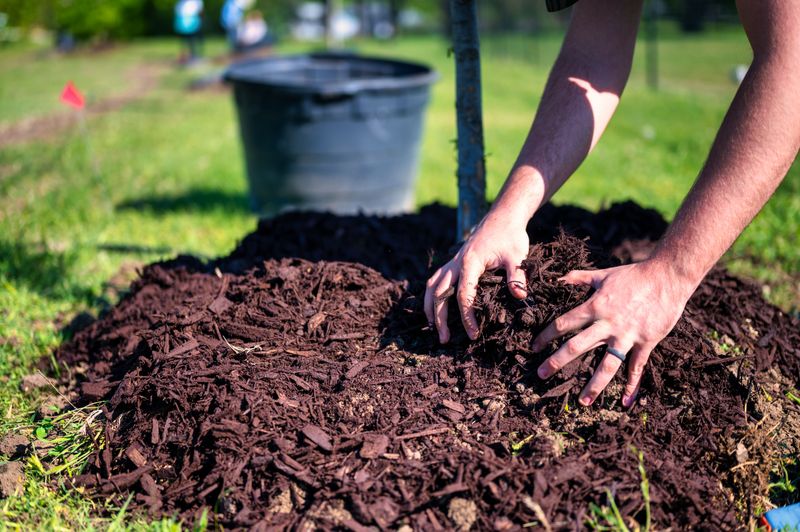
Think of mulch as a blanket that keeps soil moisture from vanishing into thin air. It is one of the least glamorous garden jobs and one of the most useful.
Spread two to three inches of shredded bark, pine straw, or chopped leaves around your hydrangea. Extend it out to the edge of the branches rather than piling it in a tight cone.
Leave a two-inch gap of bare soil around the stems. Mulch shoved against the trunk traps dampness and invites rot right where the plant is most vulnerable.
Mulched soil stays cooler and more evenly moist, which means fewer wild swings between soggy and bone dry. Those swings are what stress hydrangeas the most.
You will also notice fewer weeds stealing water. Less competition means more moisture stays available for the roots you care about.
Early September is a smart moment to top up a thinning layer. Mulch breaks down over summer, and refreshing it now steadies the soil through fall temperature swings.
Organic mulches slowly feed the soil as they decompose, improving structure so water soaks in instead of running off. Clay soils especially benefit over a couple of seasons.
Keep doing your finger test after mulching, because the surface may look dry while the layer underneath is still damp. Push through the mulch to reach real soil.
Done well, mulching can stretch the gap between waterings by several days. That is less work for you and steadier conditions for the plant.
Container Hydrangeas Play By Different Rules
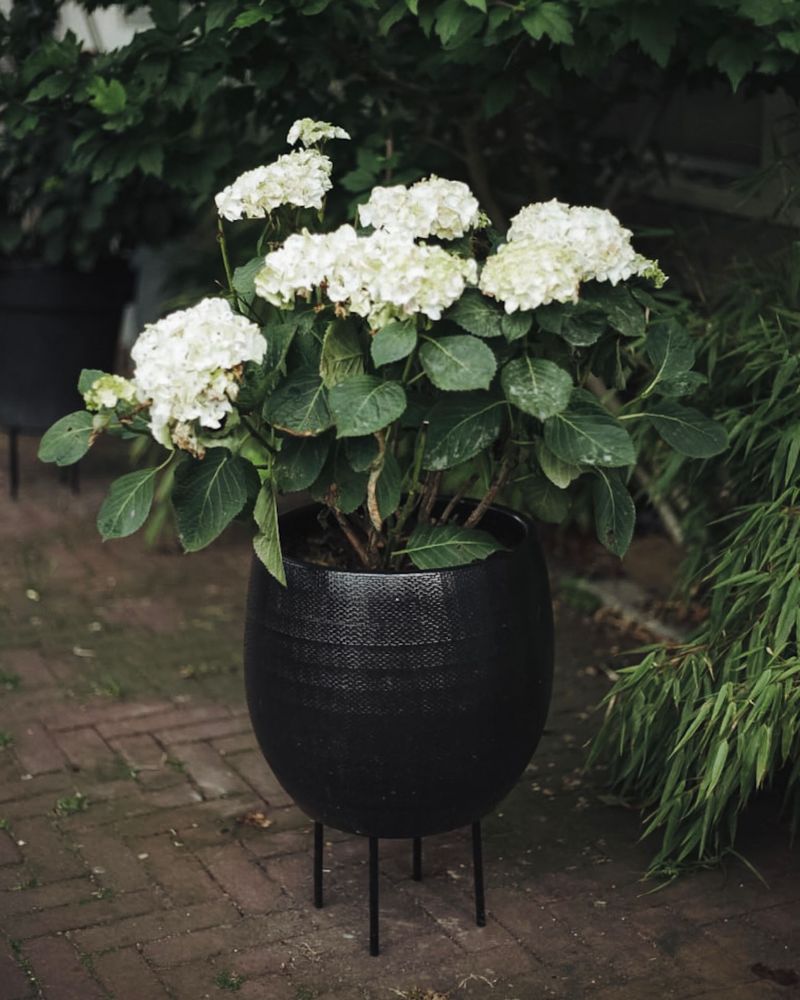
Pots dry out with impressive speed, and that surprises people who move a garden shrub into a container. Limited soil means limited water storage.
The finger test still applies, just more often. In many climates, warm breezy weather may mean checking a container daily, while a cool cloudy stretch might stretch it to several days.
Weight tells you a lot too. Tip the pot gently, and a light one means the soil has given up most of its moisture.
Water until you see it running from the drainage holes, then stop. That confirms the whole root ball got wet, not just the top layer.
Do not let the pot sit in a saucer full of water afterward. Roots sitting in a puddle lose access to air, and that shows up as yellow leaves and limp growth.
Check that drainage holes are not blocked by roots or compacted soil. A quick poke with a pencil can restore flow.
Dark containers on a sunny patio heat up fast, overheating roots and speeding evaporation. Shifting the pot into afternoon shade during warm September afternoons eases the strain considerably.
If water runs straight through in seconds, the mix has probably shrunk away from the sides. Set the pot in a tub of water for twenty minutes to rehydrate it evenly.
Container plants also lose nutrients faster with each watering. A light feeding earlier in the season supports the recovery your watering changes have started.
Reading Leaf Clues So You Water For The Right Reason
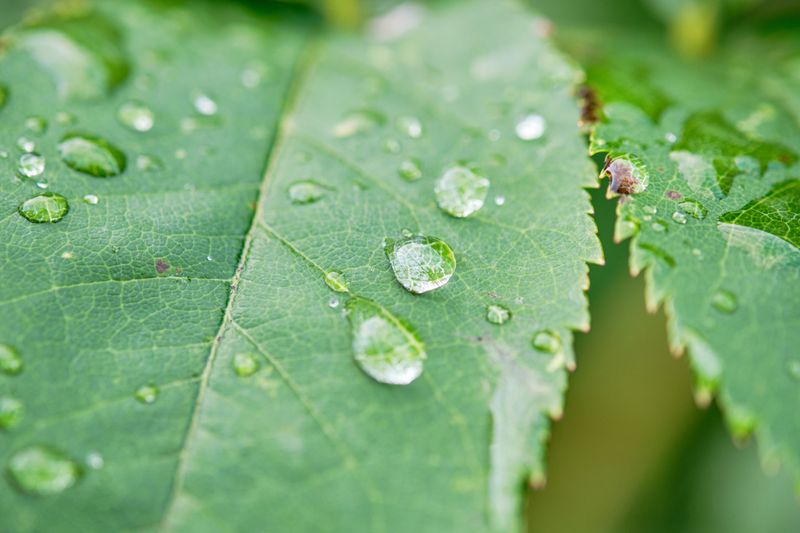
Leaves are honest reporters once you learn their language. Too much water and too little can look similar at a glance, which is why the finger test matters so much.
Yellow leaves near the bottom of the plant, soft to the touch, usually point to soil that stays wet too long. The roots are short on air, not water.
Crispy brown edges on otherwise firm leaves lean the other way. That pattern suggests the plant has been running dry between drinks.
Flowers that brown early and feel like tissue paper often follow a stretch of uneven moisture. Steady conditions produce longer-lasting blooms.
Before reaching for the hose in either case, check the soil. Adding water to already saturated ground makes a struggling plant worse, and skipping water on parched ground does the same.
Consider position too. A hydrangea baking in full afternoon sun will wilt regardless of moisture, and moving it to a spot with morning sun and afternoon shade solves more problems than extra water could.
Autumn brings natural fading, so do not panic at every tired-looking leaf. Some seasonal decline is simply the plant winding down for the year.
Keep watching through fall and taper your watering as rainfall picks up and temperatures drop. In many regions, soil holds moisture longer in October than it did in July.
Trust what your finger finds over what the calendar says. That single habit can turn a tired shrub into a steadier, healthier one by next spring.