Save Tender Perennial Cuttings Before Connecticut’s First Frost
September in Connecticut smells like wet leaves and somebody’s woodstove getting its first test run. Tomato vines are winding down, and the porch chairs feel colder every evening than they did the week before.
Then comes that one clear, still night when the stars look unusually sharp. Weather apps start whispering about numbers in the thirties, and every gardener in the state suddenly checks the ten day outlook twice.
Out in the beds, certain plants are still throwing color like it is July, with no idea what is coming. They soak up the low afternoon sun and push new growth as if the calendar means nothing.
Somewhere on that same porch, one small piece of each plant could outlive the whole pot it’s growing in right now. Whoever notices that this week gets a head start nobody else will have come spring.
Stem Cuttings Beat The Chill
Frost has a way of sneaking into Connecticut yards overnight, and tender plants rarely bounce back from it. The simplest answer is to take small stem cuttings while the weather stays mild.
Coleus, geraniums, begonias and sweet potato vine all root from short pieces of healthy growth. A four inch snip today can become a full plant by May.
Gardeners in Hartford and New Haven usually see that first light freeze somewhere between early and mid October. Coastal towns often stretch a couple weeks later.
Waiting until the forecast turns cold shrinks your odds, since chilled tissue roots slowly. Cuttings taken in warm September air root faster and stay sturdy.
Cost savings add up quickly for anyone who fills window boxes each spring. One parent plant can supply a dozen free starts for next season.
There is a sentimental side too, especially with a favorite coleus passed along by a neighbor or a grandparent. Cuttings keep that exact plant going year after year.
Rooted starts also give you plants that are already growing when garden centers still have bare shelves. That head start shows in June.
Beginners tend to succeed with soft stemmed plants, which forgive plenty of small errors. Confidence builds fast once the first white roots appear.
You need very little gear, just clean snips, small pots, fresh mix and a bright window. Most kitchens already hold everything else required.
Think of the process as borrowing a piece of summer and tucking it indoors. By March those little starts will be pushing new leaves toward the glass.
Snip Timing Around Connecticut’s Frost Dates
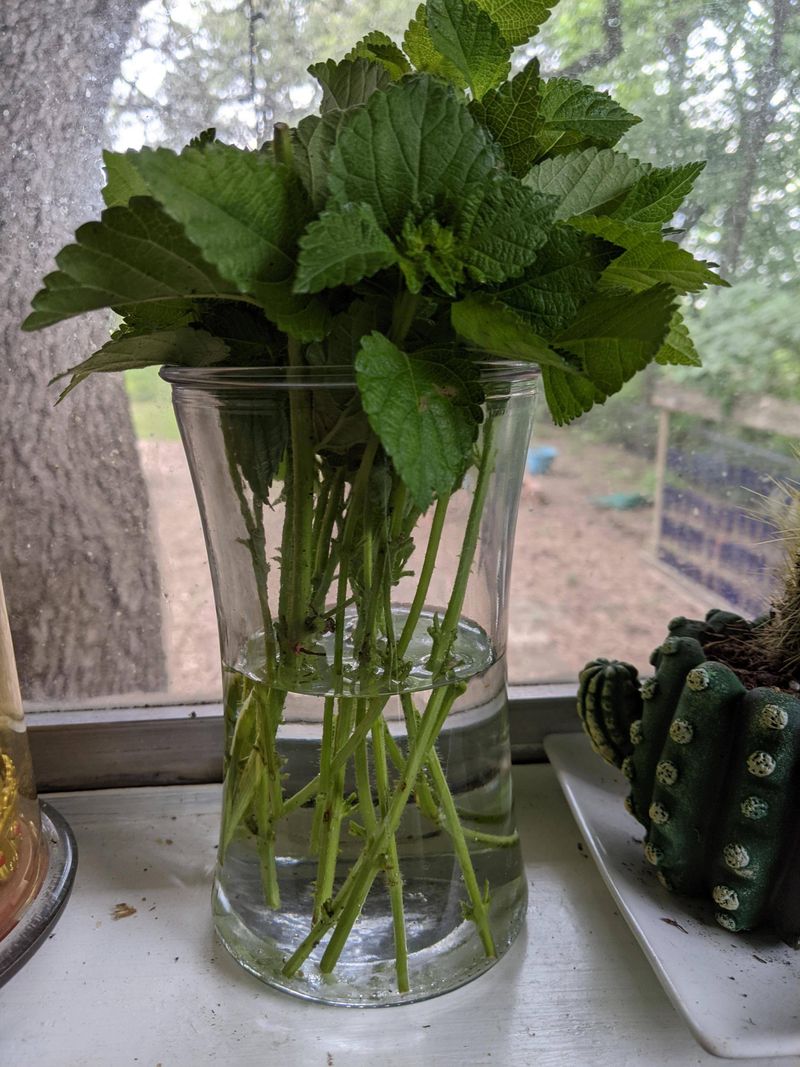
Calendars matter more here than most gardeners expect, since Connecticut squeezes several growing zones into one small state. Northwest hills cool off well ahead of the shoreline.
Litchfield County often records a first freeze in late September, while Norwalk and Old Saybrook may coast into late October. Your own yard may differ by a week.
A good rule is to gather cuttings three to four weeks before that average date. Roots form best while days still reach the seventies.
Your Connecticut Garden Changes Every Week. Your Plan Should Too.
Gardening in Connecticut changes quickly throughout the season. Every Friday you’ll receive a simple weekly plan showing exactly what to plant, prune, fertilize, harvest, and protect so you never miss the right timing.
Nights below fifty degrees already slow tropical favorites like coleus, and stressed stems root reluctantly. Warm, actively growing tissue responds far faster in a glass of water or a pot.
Keep an eye on ten day forecasts once Labor Day passes. A sudden clear, calm night with dry air is the classic frost setup.
Morning is the friendliest hour for snipping, because stems hold plenty of moisture then. Midday heat leaves them limp before you reach the potting bench.
Skip stems that already show mushy spots or brown edges from a cold snap. Damaged tissue rarely produces strong roots.
Labeling each pot with a date helps you track progress across the winter. Three weeks is the usual wait for visible roots.
Setting a phone reminder for the third week of September works well for most of the state. Shoreline gardeners can push into early October.
Anything left outside past that window is a gamble, and one cold night can end the chance. Early action costs nothing but a few minutes.
Tender Perennials Worth Rescuing

Not every plant in the border needs saving, and that is good news for your windowsills. Focus on the soft stemmed tropicals that fade at the first cold night.
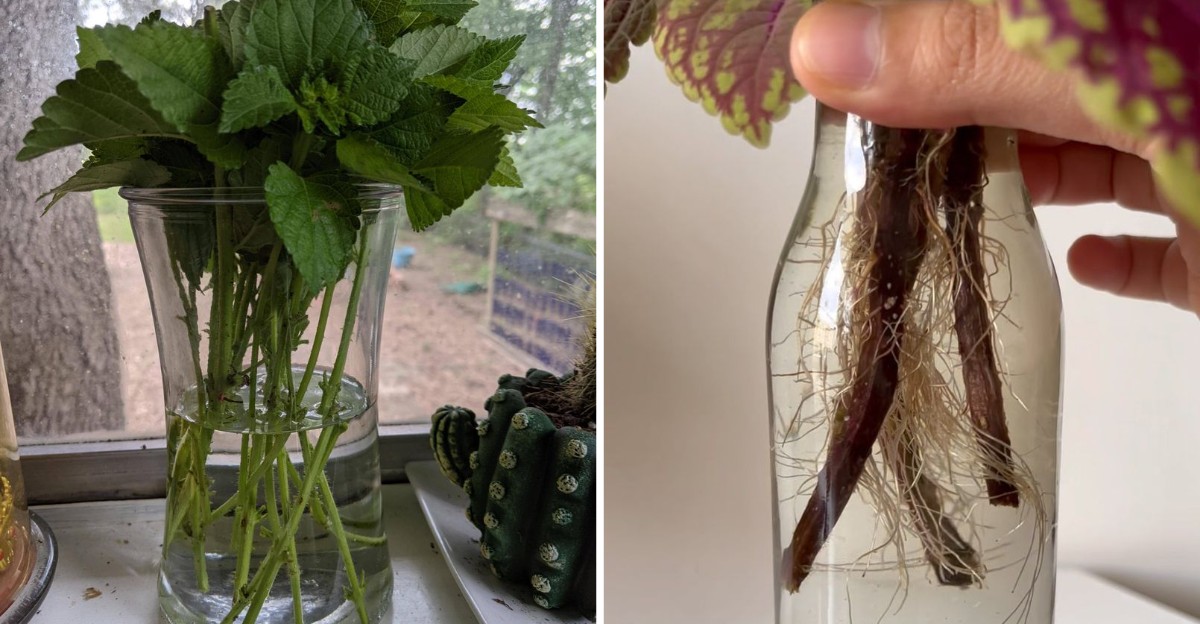
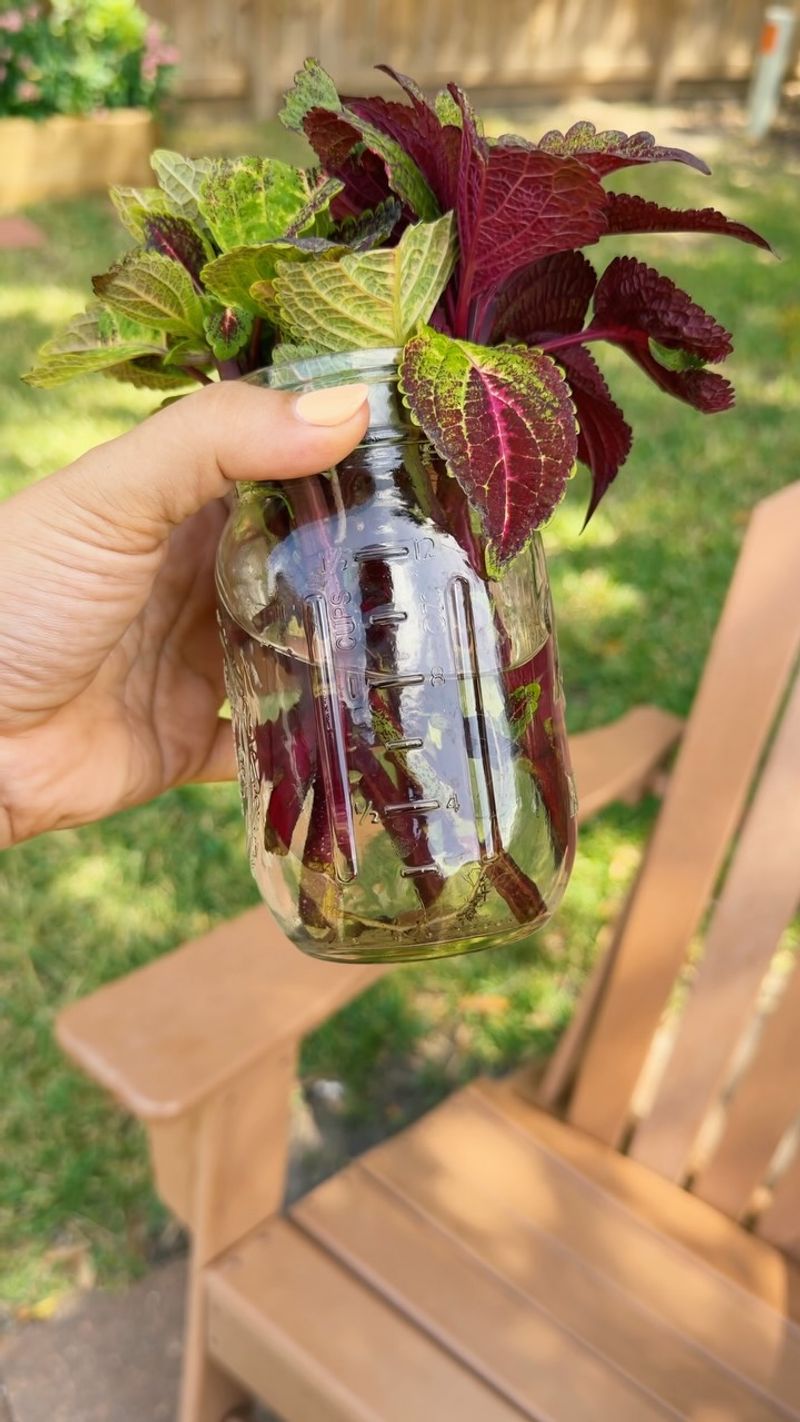
Coleus sits at the top of most lists because it roots almost carelessly. A stem in a jar of water often shows white threads within eight days.
Zonal geraniums, the classic red ones from every Connecticut porch pot, also take well from cuttings. Their stems are thicker, so give them mix rather than water.
Wax begonias, angel wing begonias and fuchsia all cooperate nicely with a little patience. Fuchsia in particular appreciates a humid spot while roots form, so a covered tray helps.
Sweet potato vine, that lime green spiller in hanging baskets, roots so eagerly it feels like cheating. One trailing stem can yield three or four starts.
Lantana, verbena, plectranthus and tender salvias round out the group. Rosemary works too, though it takes its time and prefers a gritty mix.
Choose shoots that look vigorous, with tight spacing between leaves and no flower buds. Blooming stems spend energy on petals instead of roots.
Skip anything speckled with aphids or fine webbing, since pests travel indoors happily. A quick rinse and a close look save trouble in January.
Old, woody sections near the base tend to sulk. Fresh growth from the outer edges of the plant gives better results.
Take more cuttings than you think you need, maybe six or eight per variety. Extras make cheerful gifts for neighbors in spring.
The Right Way To Take A Clean Cutting
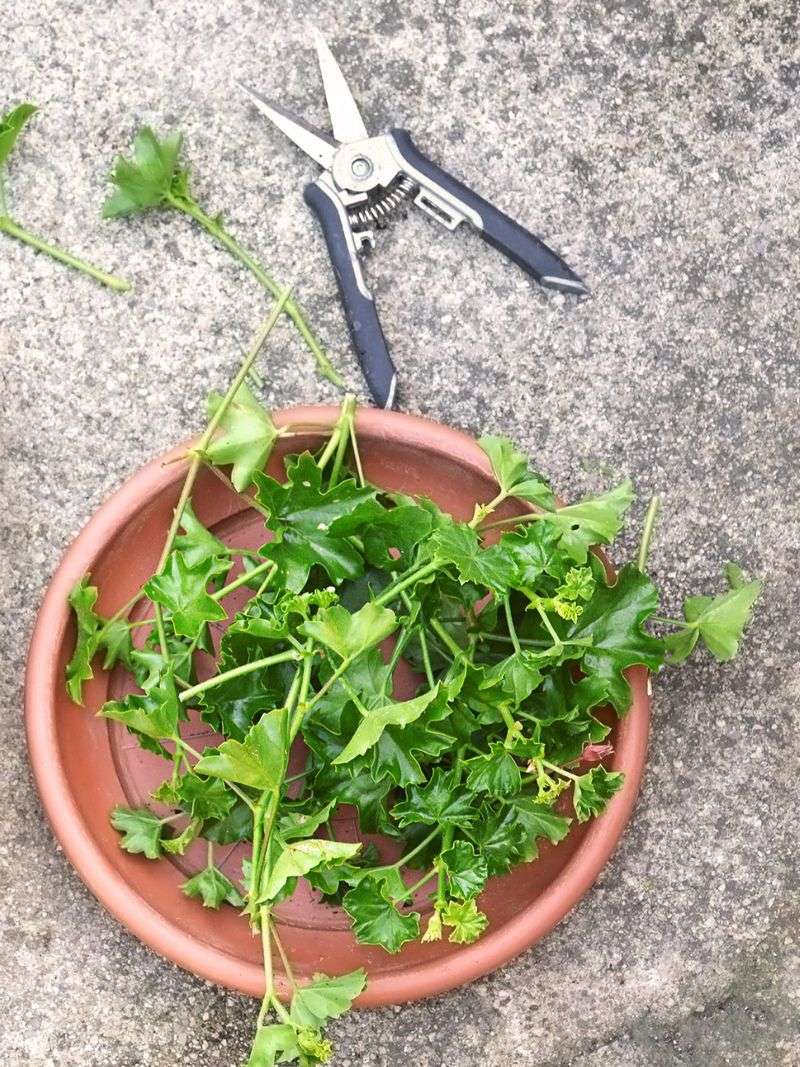
Sharp tools make the difference between a clean start and a crushed stem. Bypass pruners or even sturdy scissors work, as long as the blades are sanitized.
Wipe the blades with a disinfecting solution before you begin and again between different plants. That habit stops diseases from hitching a ride.
Aim for a tip cutting about four to six inches long, measured from the growing point. Longer pieces struggle to support themselves before roots appear.
Make the cut just below a node, the small bump where a leaf meets the stem. Roots emerge from that zone most readily.
Strip the leaves from the lower half so nothing sits in soggy soil. Two or three leaves up top are plenty.
Pinch off flowers and buds, even the pretty ones you hate to lose. Redirected energy goes straight into root production instead of petals.
Large leaves can be trimmed in half to cut water loss. Coleus and begonia respond well to that trick.
Rooting hormone powder is optional for soft stems, though geraniums and rosemary benefit from a light dip. Tap off the excess before planting.
Carry your cuttings in a damp paper towel or a cup of water while you work. Ten minutes of wilting sets them back noticeably.
Some gardeners keep a small cooler with a damp cloth for larger harvest sessions. Shade and moisture keep everything crisp until potting time.
Plant them the same afternoon if you can. Fresh cuttings root faster than ones left on the bench overnight.
Water Versus Fresh Potting Mix For Roots
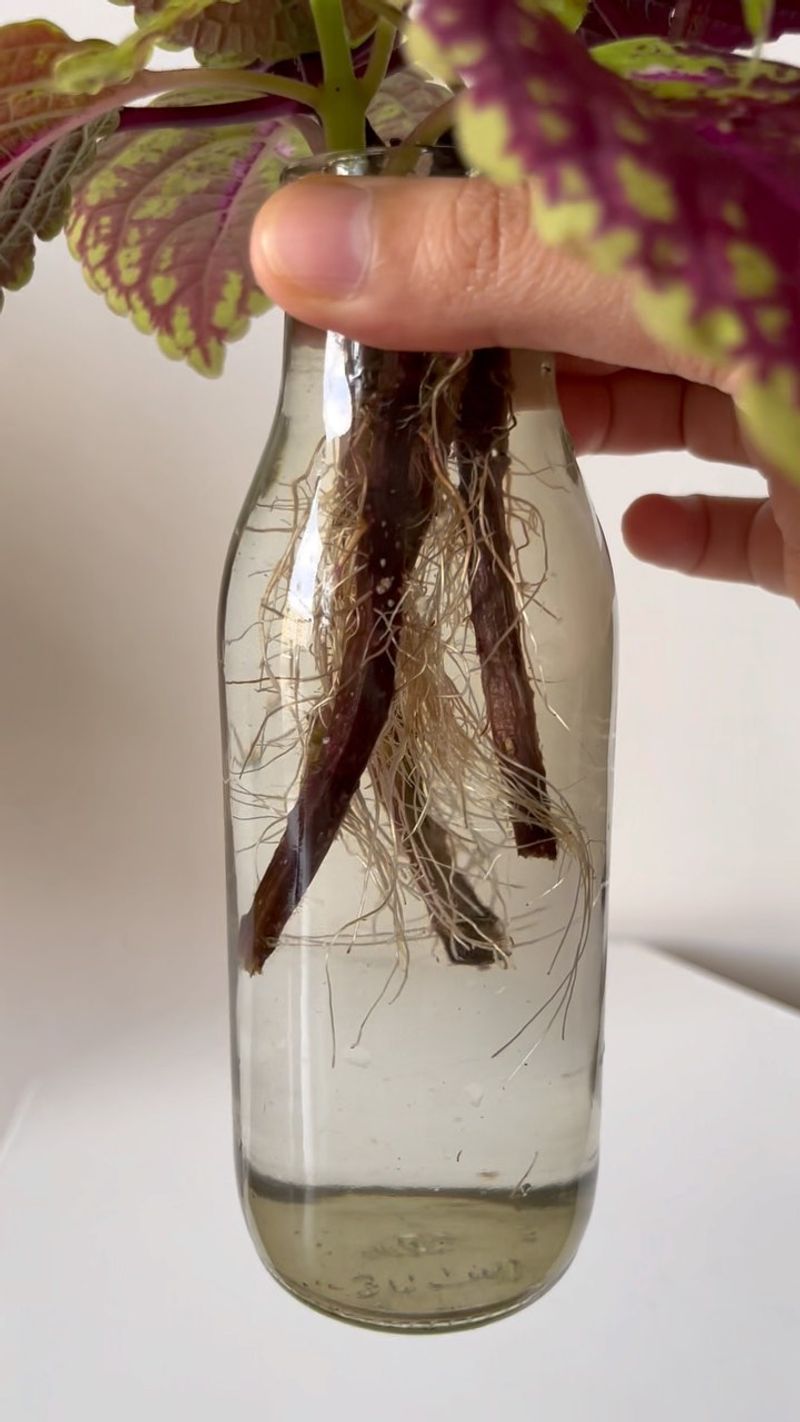
Two paths lead to the same place, and gardeners argue happily about both. Water rooting is easier to watch, while soil rooting builds sturdier plants.
For the water method, use a clear jar and change the contents every three days. Roots want oxygen, and stale water turns cloudy fast.
Coleus, begonia and sweet potato vine take to jars readily. Keep the jar on an east window where light is bright but soft.
Water roots are brittle, so move them into mix once they reach an inch. Waiting longer makes the transition harder.
Soil rooting starts with a light blend of peat or coir mixed with perlite. Heavy garden soil holds too much moisture for young stems.
Moisten the mix first, poke a hole with a pencil, then slide the cutting in. Firm it gently so the stem stands upright.
A clear plastic bag propped over the pot with two sticks creates a small greenhouse effect. Vent it daily so the air inside stays fresh.
Bottom warmth from a seedling mat speeds things along, especially in a chilly Connecticut basement. Around seventy degrees suits most tender perennials.
Bright indirect light suits new roots better than a scorching south window. Full sun can come later, once growth resumes.
Tug gently after two or three weeks, and slight resistance means roots have formed. That tiny bit of pushback is the payoff.
Once rooted, step them into three inch pots with regular potting mix. Oversized containers stay wet and slow growth.
Common Mistakes That Cost Gardeners Their Starts
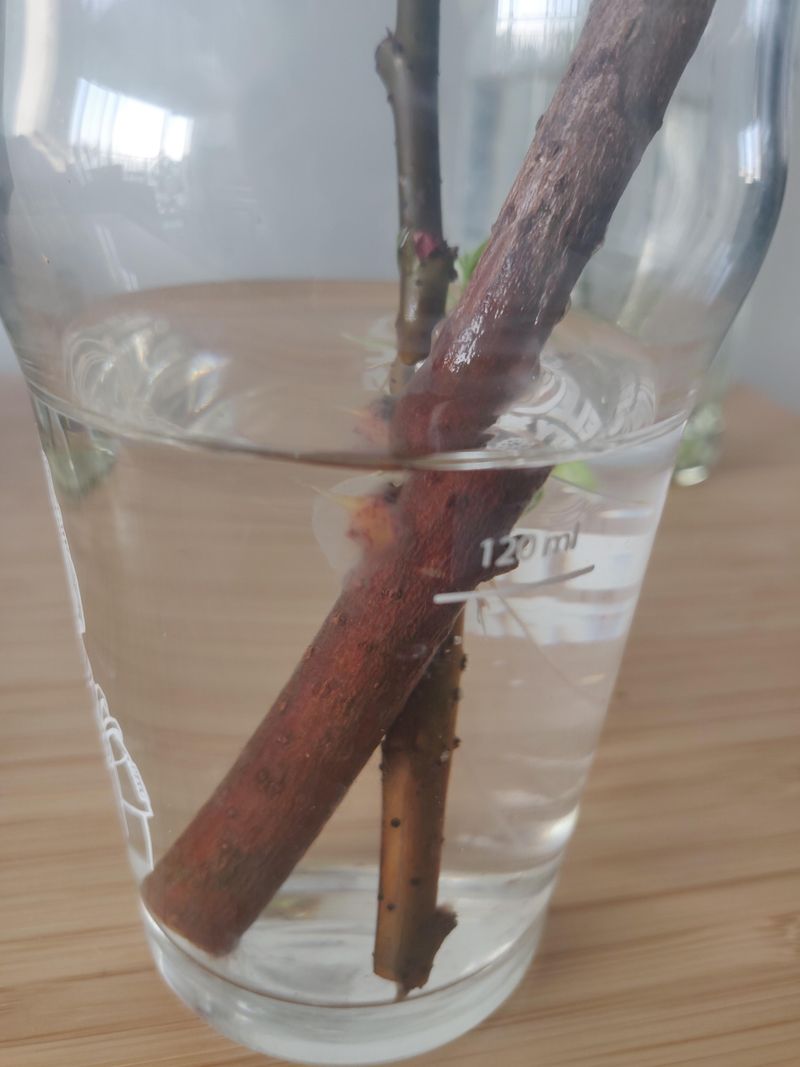
Most failures trace back to kindness, oddly enough, because eager gardeners water far too much. Soggy mix suffocates the very roots you are trying to grow.
Check moisture with a finger instead of a schedule. Damp is the target, not wet.
Another common slip is grabbing thick, woody stems from the base of an old geranium. Those pieces root slowly, if at all.
Baking cuttings in a hot south window ranks high on the list too. Bright shade encourages roots without draining the leaves.
Skipping the pest check invites trouble, since whiteflies and spider mites love warm indoor air. A rinse and a look under leaves takes two minutes.
Potting into a big container feels generous but backfires. Small pots dry evenly and warm up faster.
Forgetting labels leads to March guessing games with identical green stems. A pencil and masking tape solve it.
Waiting until the forecast shows thirty two degrees is the biggest miss of all. Cold stressed tissue rarely roots with any enthusiasm.
Some gardeners also crowd a dozen cuttings into one pot. Air flow suffers and stems get leggy.
Fertilizing right away seems helpful and usually is not. Wait until new leaves appear, then feed lightly.
Letting cuttings sit in a warm car or on a sunny bench undoes good work quickly. Shade and a damp towel protect them until planting.
Learning from one lost batch is normal, and most gardeners lose a few every autumn. The survivors more than make up for it.