Start these 6 vegetables from seed indoors in Wisconsin and you’ll transplant a head start in spring
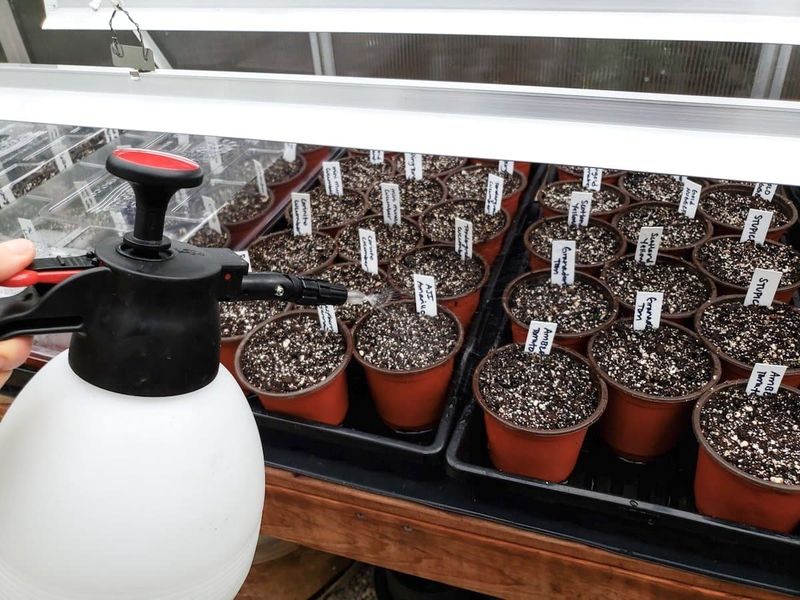
Wisconsin winters are long, but that gives smart gardeners a secret weapon: starting seeds indoors while snow still covers the ground. By the time spring rolls around, you’ll have strong young plants ready to move outside instead of tiny seeds in cold dirt.
Below are six vegetables that reward early indoor sowing with bigger, faster harvests. Grab your trays, a sunny window or grow light, and let’s get growing.
1. Tomatoes
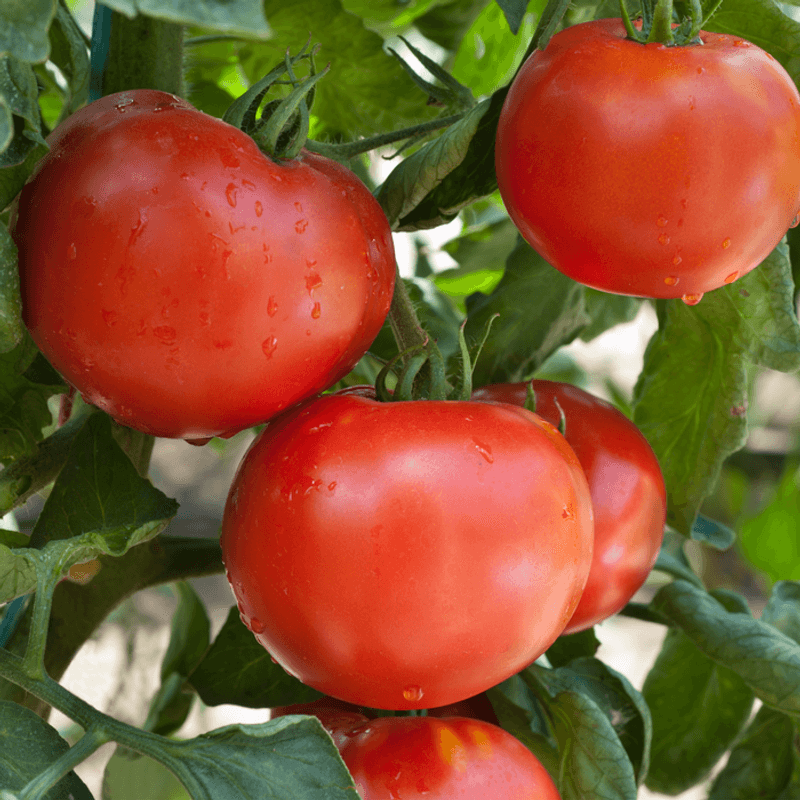
Nothing screams summer garden like a ripe, juicy tomato, and Wisconsin gardeners can get a serious jump on the season by starting these warm-weather lovers indoors. Sow tomato seeds about 6 to 8 weeks before your local last frost date, which usually means early March to early April across much of Wisconsin.
Because most of Wisconsin sits in USDA zone 5a, tomatoes cannot handle any cold and should stay inside until the danger of frost passes. Wait until soil temperatures in your Wisconsin garden hold steady between 50 and 60 degrees Fahrenheit, typically late May to early June.
Before you plant them out, harden off your Wisconsin tomatoes by setting them outdoors for a little longer each day. That slow toughening-up process protects them from transplant shock and gives you an early, heavy harvest.
2. Peppers
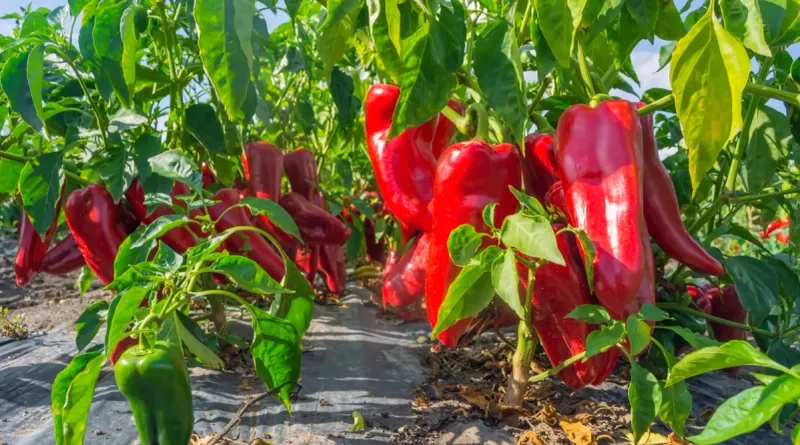
Peppers are the patient plant of the bunch, and Wisconsin growers who want an early harvest need to plan ahead. Start pepper seeds indoors around mid-March, roughly 9 to 10 weeks before you plan to transplant, since they take their sweet time germinating and growing.
Even fussier about cold than tomatoes, these heat-lovers demand warmth to thrive in the Wisconsin climate. Keep them cozy indoors and only move them outside once nighttime temperatures in Wisconsin stay reliably above 50 degrees and the soil warms to at least 60 degrees.
For most Wisconsin gardens, that transplant window lands in late May to early June, safely after the average last spring frost. Reward their patience with warmth and steady care, and your Wisconsin peppers will crank out fruit all summer long.
3. Broccoli
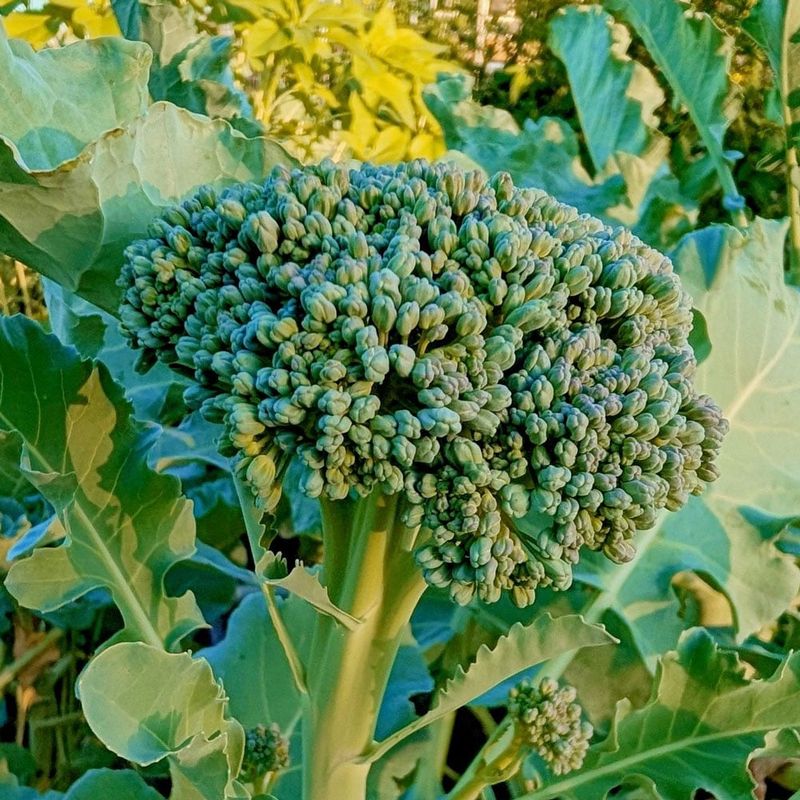
Cool weather is broccoli’s happy place, which makes it a perfect early-season pick for Wisconsin gardeners. Start broccoli seeds indoors in early April, about 6 to 8 weeks before the average last spring frost, though some Wisconsin regions do well sowing as early as mid-March.
Unlike the tender tomatoes and peppers, broccoli is tough and cold-hardy once it gets established. That toughness means you can move Wisconsin broccoli seedlings outdoors in early May, roughly 2 to 4 weeks before the last expected frost.
Aim for soil temperatures around 40 to 45 degrees Fahrenheit when transplanting into your Wisconsin beds. Getting broccoli in the ground early helps it form tight, tasty heads before the summer heat arrives and pushes it to bolt.
4. Cabbage
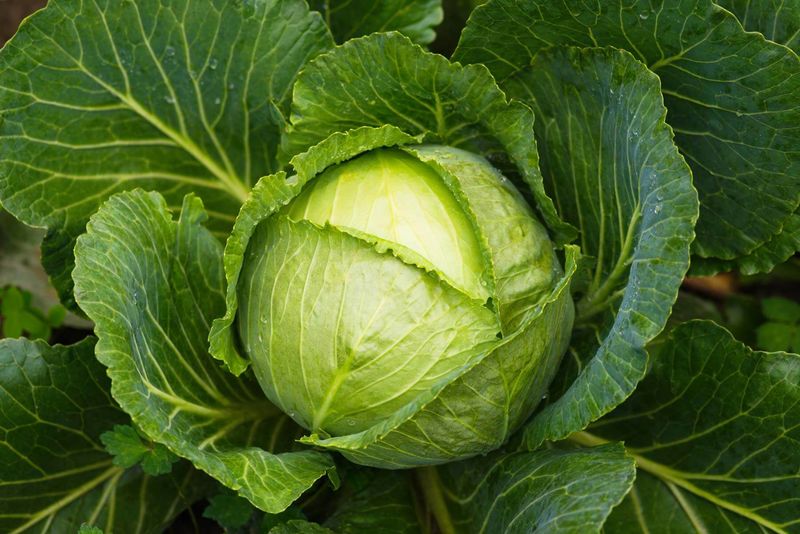
Big, leafy cabbage heads start out as tiny seedlings that love a head start under Wisconsin grow lights. Sow cabbage seeds indoors in early April, about 6 to 8 weeks before the average last spring frost, and in central and west-central Wisconsin you can begin as early as mid-March.
Your Wisconsin Garden Changes Every Week. Your Plan Should Too.
Gardening in Wisconsin changes quickly throughout the season. Every Friday you’ll receive a simple weekly plan showing exactly what to plant, prune, fertilize, harvest, and protect so you never miss the right timing.
Wisconsin cabbage handles chilly weather like a champ, shrugging off cool spring days that would stress warm-season crops. You can move transplants into the garden from late April to early May, roughly 3 to 4 weeks before the last frost hits Wisconsin.
Setting cabbage out early lets it settle into cooler soil and grow slow and sturdy. That steady start gives Wisconsin gardeners dense, crisp heads perfect for coleslaw, sauerkraut, or hearty soups.
5. Kale
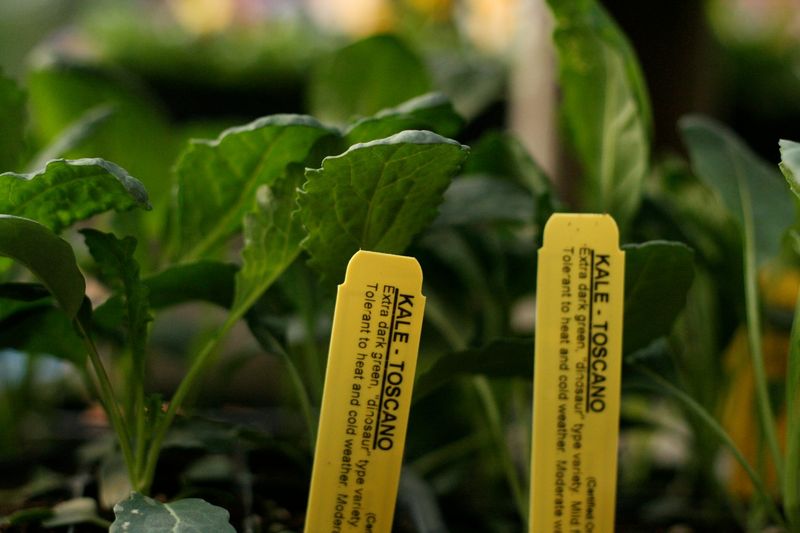
Did you know kale actually tastes sweeter after a light frost? That frost tolerance makes it one of the toughest greens a Wisconsin gardener can grow, and it starts beautifully from seed indoors.
Sow kale seeds indoors in early April, or even back in March, giving them about 6 to 8 weeks before the last spring frost in Wisconsin. These leafy plants prefer cool conditions and won’t complain about a chilly windowsill.
Wisconsin kale transplants can head outdoors around mid-April to early May, roughly 4 to 6 weeks before the average last frost. Getting it planted early means you harvest tender leaves well before summer heat turns them tough and bitter.
6. Lettuce
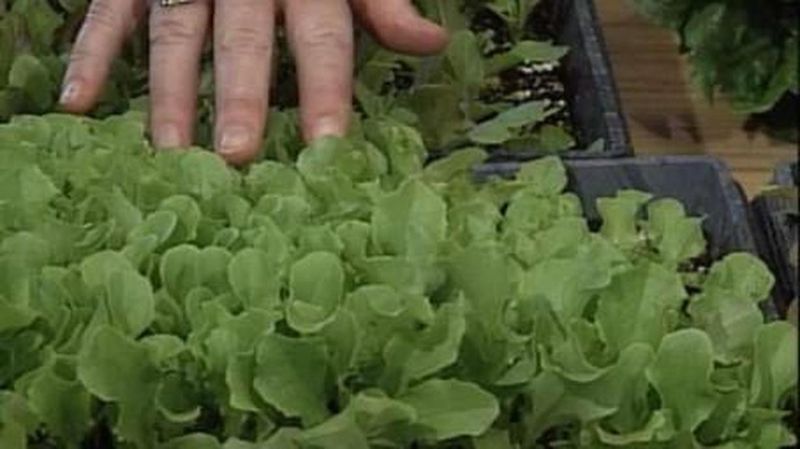
Craving fresh spring salads? Lettuce is the speedy sprinter of the garden, and starting it indoors gives Wisconsin gardeners a jump on that first crisp bowl of greens.
Fast-growing and cool-loving, lettuce can be sown indoors in mid-April, about 4 weeks before the last frost date, or as early as March along with your other cool-season crops in Wisconsin. It sprouts quickly and fills out in no time.
Move young lettuce plants into your Wisconsin garden in late April to early May, roughly 2 to 4 weeks before the average last spring frost, to soak up the cool weather it loves. You can also direct sow lettuce once the soil is workable, but starting indoors hands you an even earlier harvest.
7. Your Wisconsin Head Start Plan
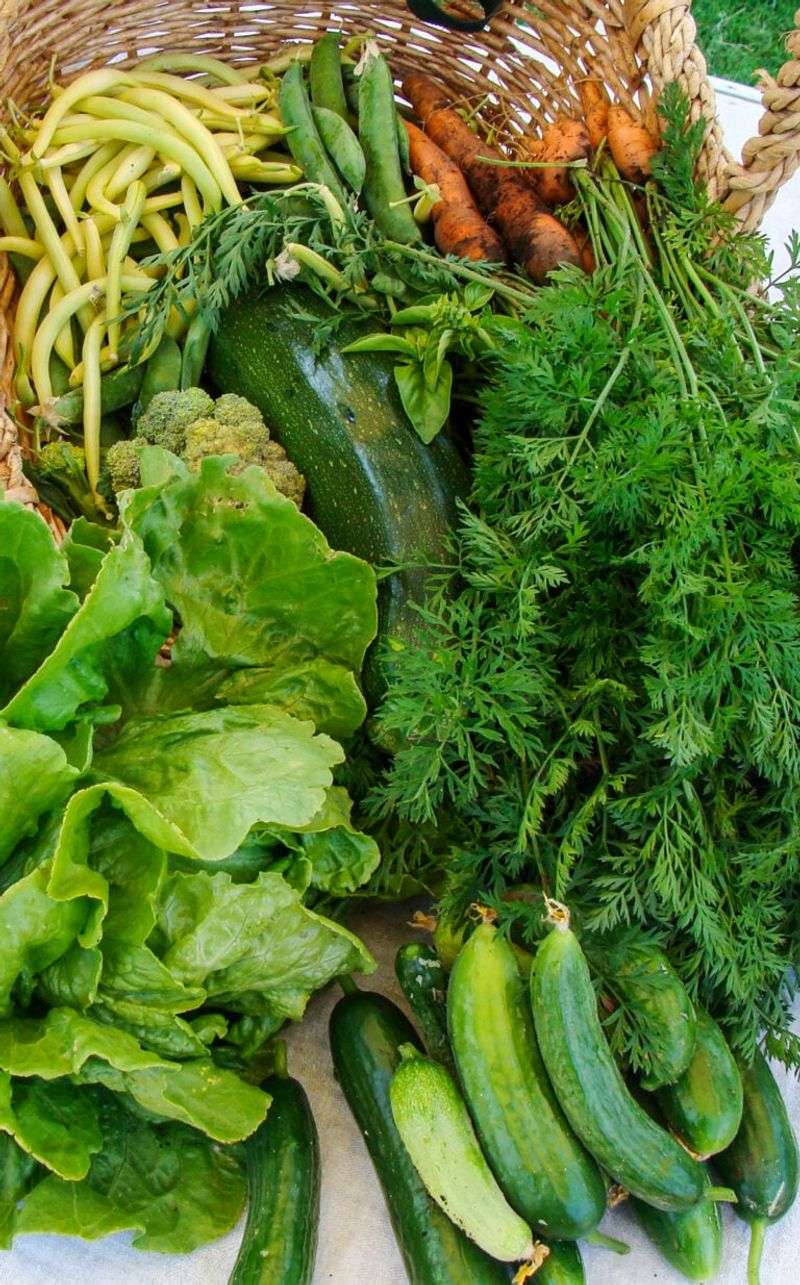
Pulling all six of these vegetables together gives Wisconsin gardeners a full-season game plan instead of a scramble in May. Warm-season crops like tomatoes and peppers get their long lead time indoors, while cool-season champs like broccoli, cabbage, kale, and lettuce march out early into chilly Wisconsin soil.
Keep a simple calendar taped near your seed trays so you never miss those Wisconsin sowing windows, from mid-March peppers to mid-April lettuce. A sunny south-facing window helps, but affordable grow lights make a huge difference for strong, stocky seedlings in Wisconsin’s dim late-winter days.
Remember to harden off every transplant by easing it into outdoor life over a week or so. With that little bit of planning, your Wisconsin garden will be weeks ahead of gardeners who wait to sow outside, and you’ll be harvesting long before they do.