Your Lawn May Be Inviting Weeds Without You Knowing
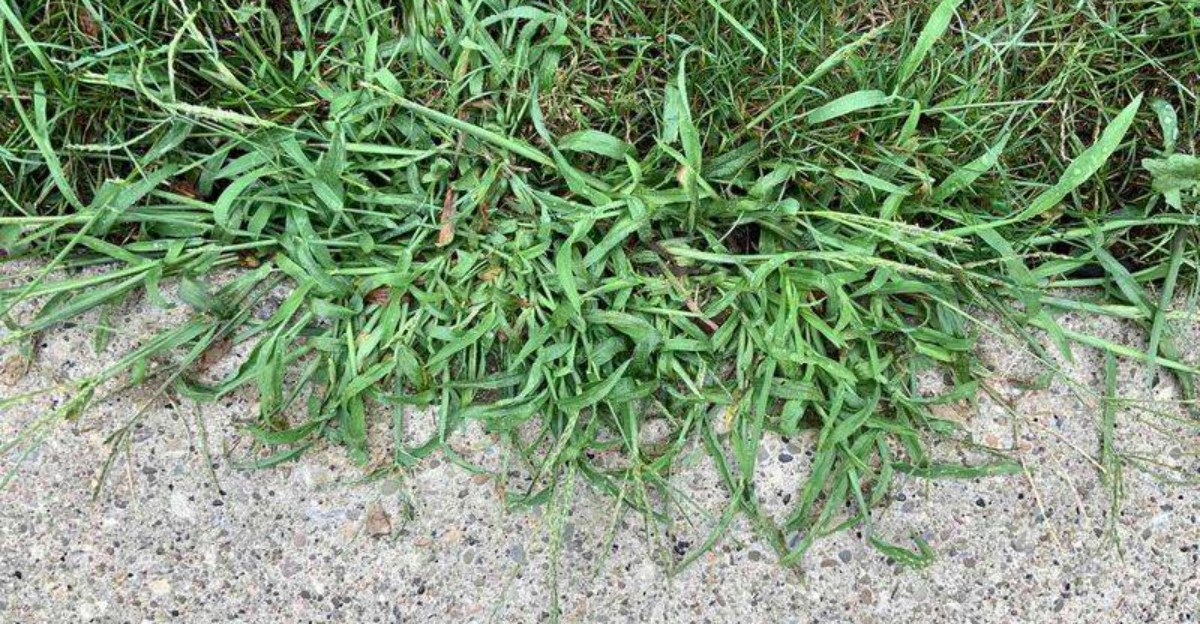
There is a certain smell that hits you the moment the mower fires up on a Saturday morning. Cut grass, warm gasoline, and a little bit of pride you didn’t earn as honestly as you think.
You step back, squint at the yard, and it looks fine. Then, two weeks later, something else is growing out there that you didn’t plant and definitely didn’t invite.
Most people blame the wind, the neighbors, or bad luck. The truth sits much closer to home, buried in the everyday routine you barely think twice about.
A yard tells on you louder than a diary ever could, plain for anyone walking by to read. It keeps no secrets, and it doesn’t lie to save your feelings.
1. Mowing Your Grass Far Too Short
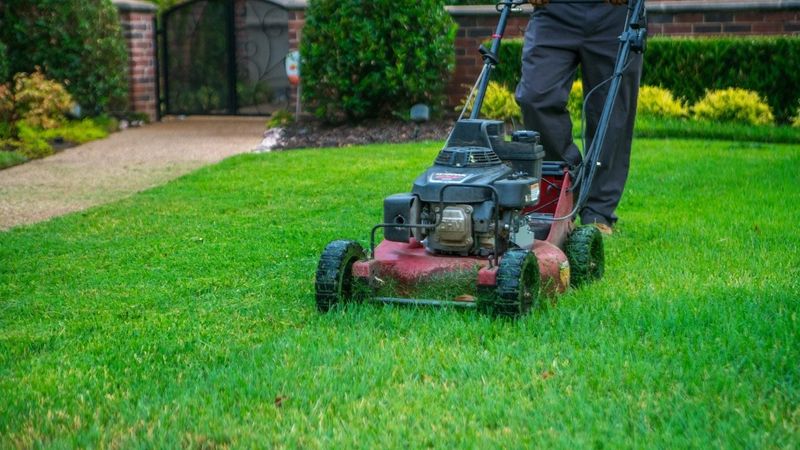
Cutting the lawn too short feels productive. You get that golf-course look, and you buy yourself an extra week before the next mow.
Grass blades are food factories. When you shave them down to the nub, the plant loses the surface it needs to catch sunlight.
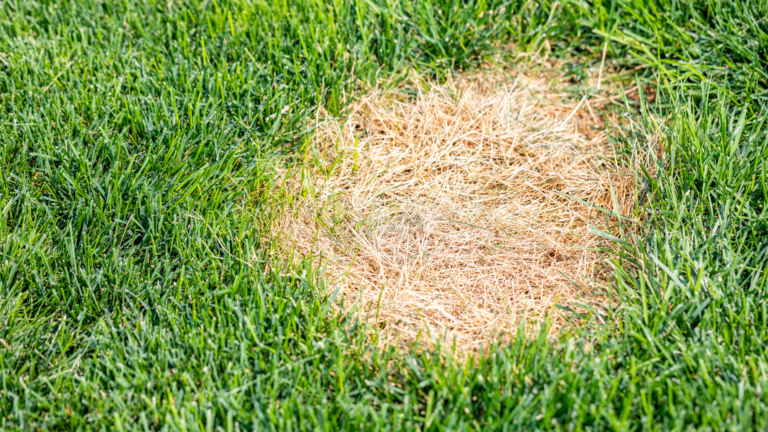
A weakened plant grows shallow roots. Shallow roots mean the soil dries fast and the turf thins out in patches.
Weeds notice those patches immediately. Crabgrass, clover, and dandelions are opportunists that thrive where grass has given up ground.
Short turf also lets sunlight reach the soil surface. Many weed seeds need that light signal to sprout, so mowing low is basically ringing a dinner bell.
The fix is simple and free. Raise your mower deck to the highest setting your grass type allows, usually around three to four inches for cool-season lawns.
Taller grass shades the soil and keeps it cooler. Fewer seeds wake up, and the ones that do struggle to reach light.
Follow the one-third rule while you are at it. Remove no more than a third of the blade height in any single cut.
If the lawn got away from you during a rainy stretch, mow twice over a few days. Cutting it back in stages puts far less stress on the plant.
Here is a small bonus. Taller turf holds moisture better, so your water bill drops a little during hot months.
Give it one season at a higher setting. The difference in weed pressure surprises most homeowners.
2. Watering Lightly And Often
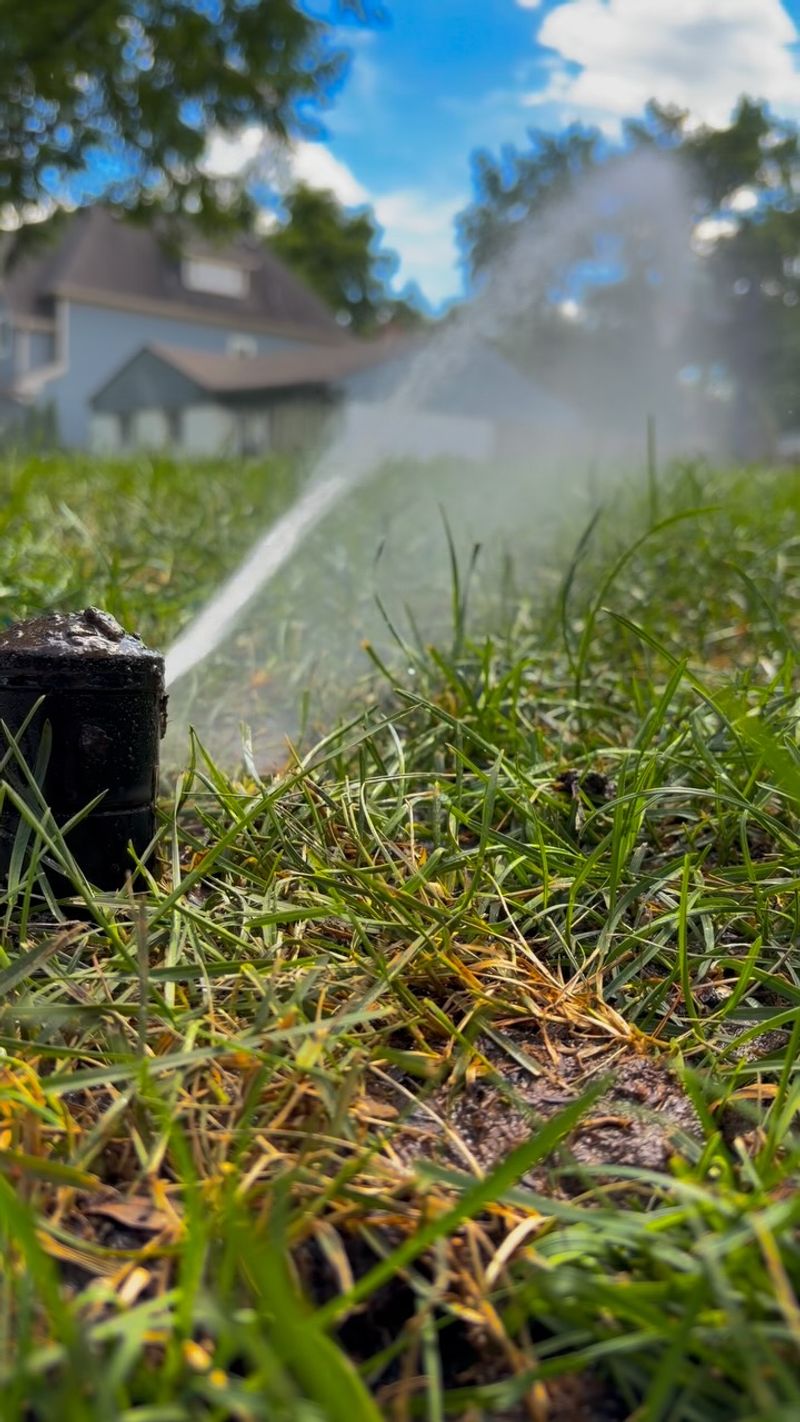
Ten minutes every evening feels like good care. The grass looks refreshed, the sidewalk gets a nice dark stripe, and everyone is happy.
Sprinkling that lightly only wets the top inch of soil. Grass roots follow water, so they stay parked near the surface where it is easy.
Weeds like crabgrass and spurge love those conditions. Their seeds sit in that same top layer and germinate best when it stays damp.
Deep watering flips the script. Soaking the lawn once or twice a week pushes moisture down six inches or more.
Grass roots chase it and grow long. Long roots handle heat waves without wilting and outcompete shallow-rooted weeds.
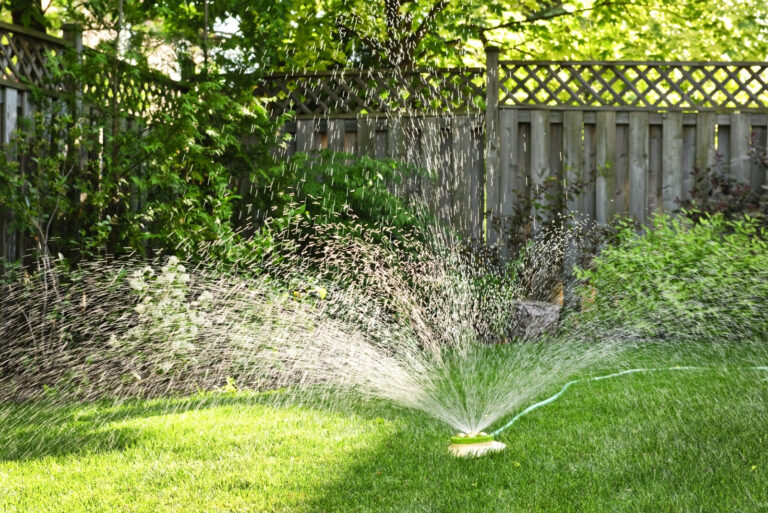
Aim for about one inch of water per week, rain included. A tuna can set on the lawn makes a perfect free rain gauge.
Timing matters just as much as volume. Water early in the morning so the blades dry before evening.
Evening watering leaves the turf damp overnight. Damp overnight conditions invite fungal trouble, which thins the lawn and opens more space for weeds.
Pay attention to how the water moves. If it runs off toward the curb, pause the sprinkler for twenty minutes and let it soak in.
A quirky trick from old groundskeepers involves a screwdriver. Push it into the soil after watering, and if it slides in six inches easily, you watered enough.
Adjust as seasons shift. Cooler months need far less than a scorching July.
3. Ignoring Compacted Soil Underfoot
Think about the path everyone takes from the driveway to the back gate. The grass there is thin, and something low and stubborn has moved in.
Foot traffic, parked trailers, and heavy clay squeeze soil particles together. Air pockets disappear, and water pools instead of soaking in.
Grass roots cannot push through packed ground. They stall out, stay shallow, and the turf above them thins noticeably.
Certain weeds actually prefer that hardness. Prostrate knotweed and plantain both show up in compacted strips like a warning label.
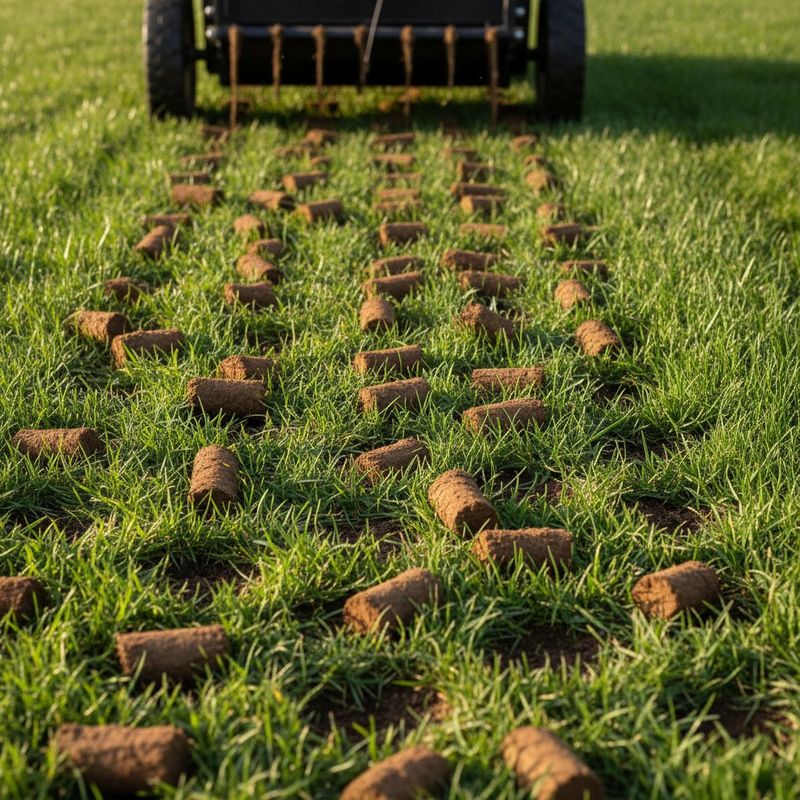
Core aeration is the standard remedy. A machine pulls small plugs of soil out and leaves them on the surface to break down.
Those holes let air, water, and fertilizer reach the root zone. Grass responds within weeks by spreading sideways and filling gaps.
Rent an aerator in spring or fall depending on your grass type. Cool-season lawns prefer early fall, warm-season lawns prefer late spring.
Water the day before you aerate. Moist soil lets the tines pull deeper cores instead of bouncing off.
Follow up right away with overseeding. Seed that falls into fresh holes has excellent contact with soil and germinates well.
Spike aerators that just poke holes are less helpful. They press soil sideways and can worsen the problem over time.
Watch for the tell-tale sign of trouble. If rain sits in puddles for hours on flat ground, your soil is asking for relief.
4. Leaving Bare Patches Wide Open
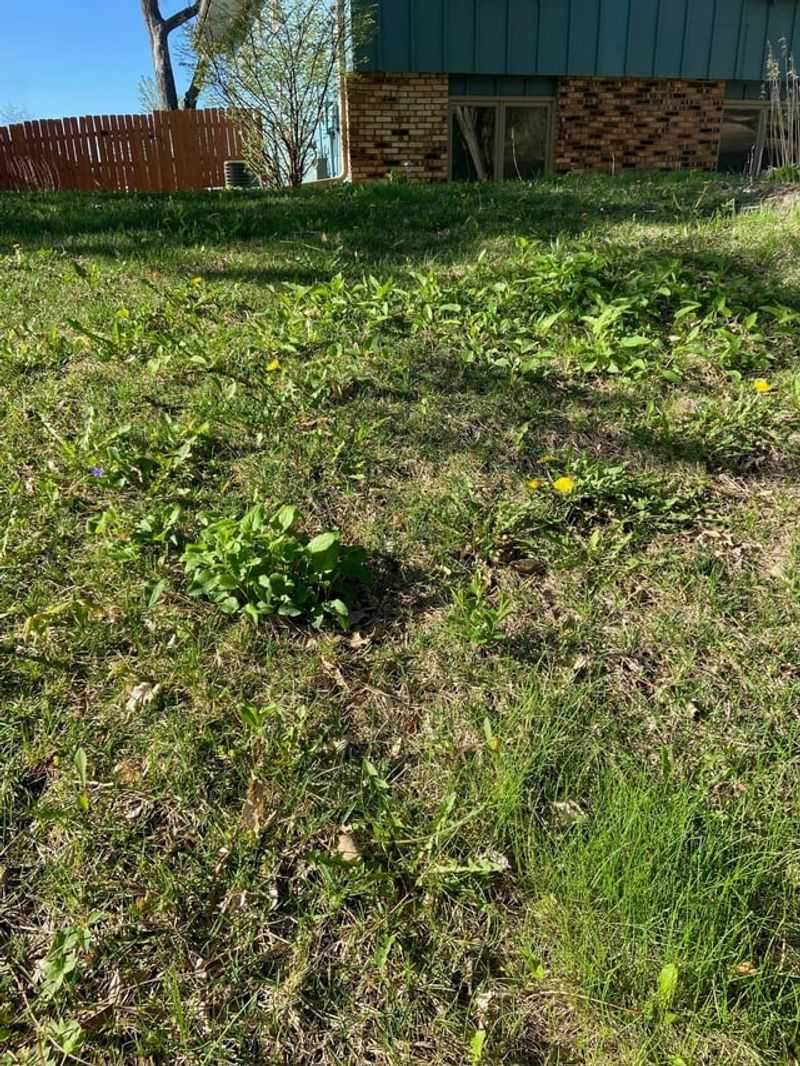
Nature has a rule about empty space. Something will fill it, and that something rarely asks permission.
Bare spots come from pet damage, dragged furniture, buried debris, or a summer that got too hot. Whatever the cause, the result is an open invitation.
Weed seeds travel constantly on wind, shoes, and bird feathers. They land everywhere, but they only take hold where soil is exposed.
Thick turf blocks them physically. Grass blades crowd the surface, and seedlings rarely get enough light to establish.
Overseeding is the most underrated lawn task. Spreading fresh seed each fall keeps density high and gives thin areas backup.
Rake the bare patch lightly before seeding. Loosening the top half inch helps seed settle in rather than wash away.
Add a thin layer of compost or topsoil. Roughly a quarter inch is plenty, since burying seed too deep prevents sprouting.
Keep the area lightly moist until seedlings appear. That is the one situation where frequent, shallow watering genuinely makes sense.
Choose a seed blend that matches your existing lawn and sun conditions. Mismatched grass types create odd-looking patches later.
Hold off on weed preventers in newly seeded areas. Most pre-emergent products block grass seed just as effectively as weed seed.
Fun bit of history worth knowing. Groundskeepers have long overseeded sports fields because thick turf resists weeds better than most chemical treatments. Repeat annually and the bare spots stop returning.
5. Feeding At The Wrong Time
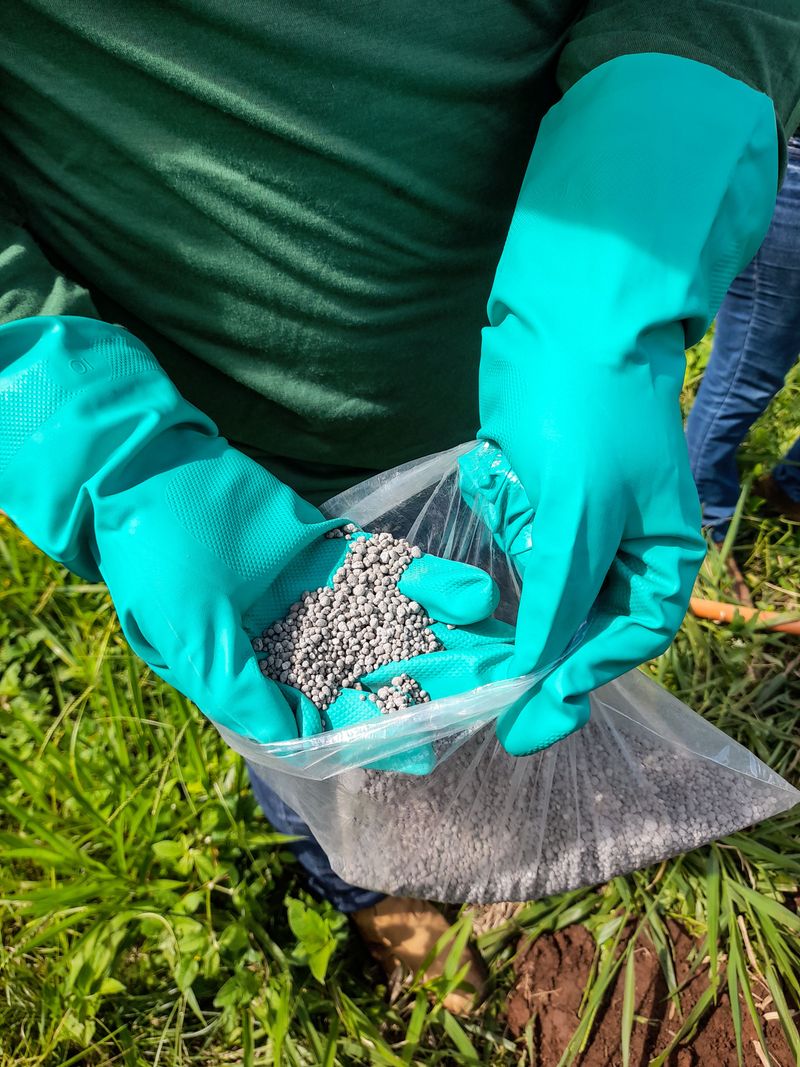
Fertilizer is not a vitamin you toss out whenever you remember. Timing shapes whether the grass or the weeds get the meal.
Spreading nitrogen in the heat of midsummer often backfires. Cool-season grasses are semi-dormant then and cannot use the boost efficiently.
Warm-season weeds, meanwhile, are wide awake. Crabgrass and nutsedge grab those nutrients and grow faster than your turf ever will.
Skipping fall feeding is the other common miss. Autumn is when cool-season grass builds roots and stores energy for spring.
A well-fed lawn in October comes back thick in April. Thick spring turf leaves almost no room for early weed seedlings.
Soil testing removes the guesswork entirely. Most county extension offices test samples cheaply and tell you exactly what your ground lacks.
Sometimes the issue is not nitrogen at all. Low potassium or wrong pH can hold grass back no matter how much fertilizer you buy.
Weeds tolerate poor soil far better than turf does. Correcting pH with lime or sulfur often shifts the balance back in your favor.
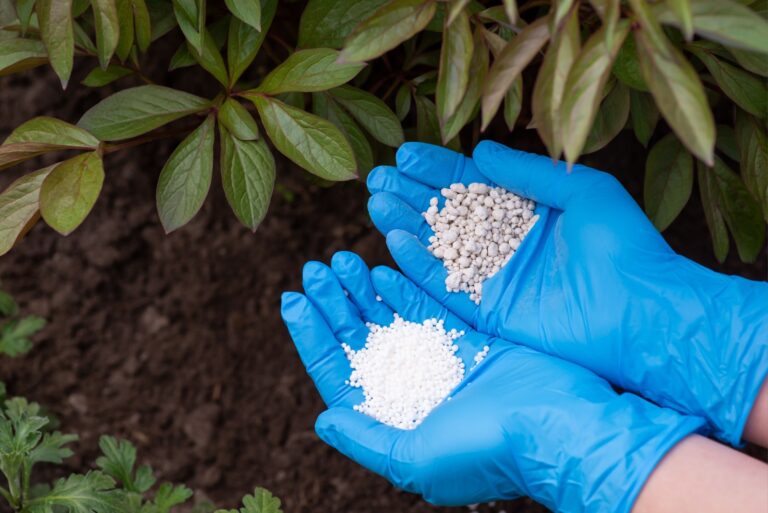
Use a spreader rather than hand-tossing granules. Uneven application creates dark green stripes next to hungry, thin sections.
Sweep stray granules off the driveway and back onto the lawn. Runoff wastes money and feeds nothing useful.
Slow-release formulas beat quick-green products for weed prevention. Steady feeding builds density instead of one dramatic growth spurt followed by a slump.
6. Letting Thatch Build Up Unchecked
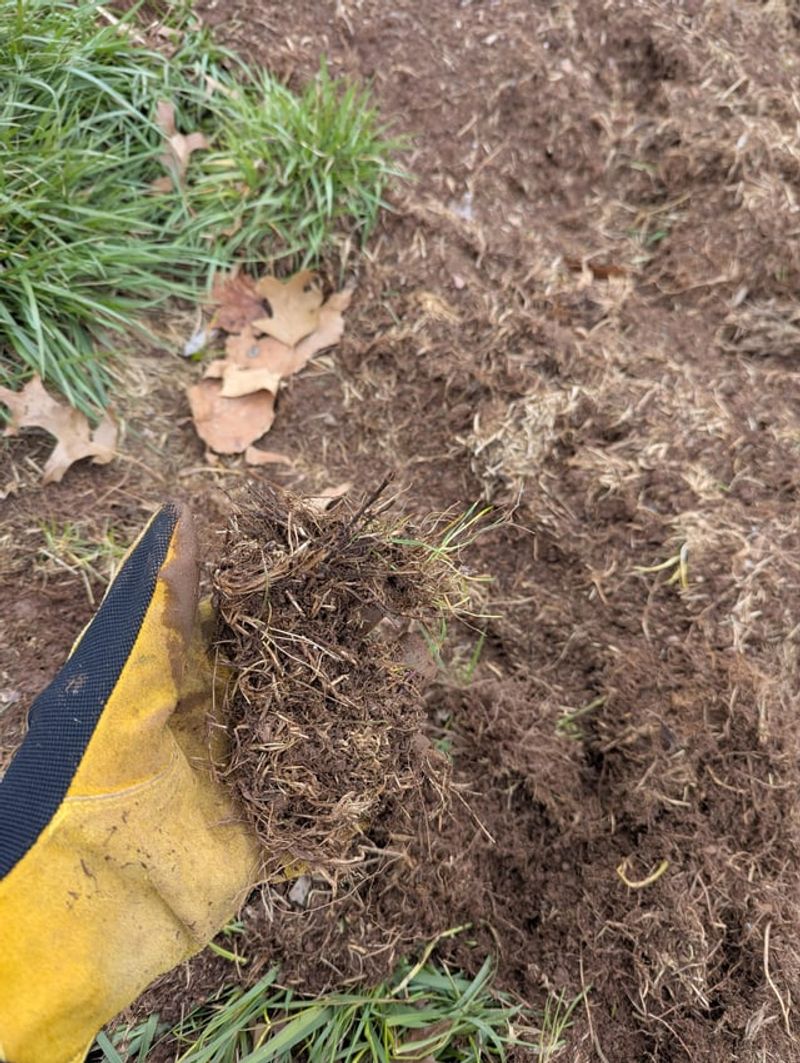
Peel back a corner of turf sometime. That spongy brown mat between the green blades and the dirt has a name, and it is thatch.
A thin layer is helpful. Half an inch cushions the soil, holds a bit of moisture, and moderates temperature swings.
Beyond that, problems start. Thick thatch repels water, so rain runs across the surface instead of soaking down to roots.
Grass roots may begin growing inside the thatch itself. Those roots dry out fast and leave the lawn fragile during heat.
Thin, stressed turf hands weeds an easy opening. Ironically, some weeds root right through thatch without any trouble at all.
Grass clippings are usually not the culprit. Clippings break down quickly and return nitrogen to the soil, so mulching is fine.
Real thatch comes from stems, runners, and roots that decompose slowly. Overfertilizing and overwatering both speed the buildup.
Check your lawn with a spade. Cut a small wedge, measure the brown layer, and act if it exceeds three quarters of an inch.
A dethatching rake handles small yards. Larger lawns do better with a rented power rake or vertical mower.
Do the work when grass is actively growing so it can recover. Early fall suits cool-season turf, late spring suits warm-season varieties.
Healthy soil biology helps too. Earthworms and microbes break thatch down naturally when soil is not compacted or overtreated.
7. Spreading Seeds With Dirty Equipment
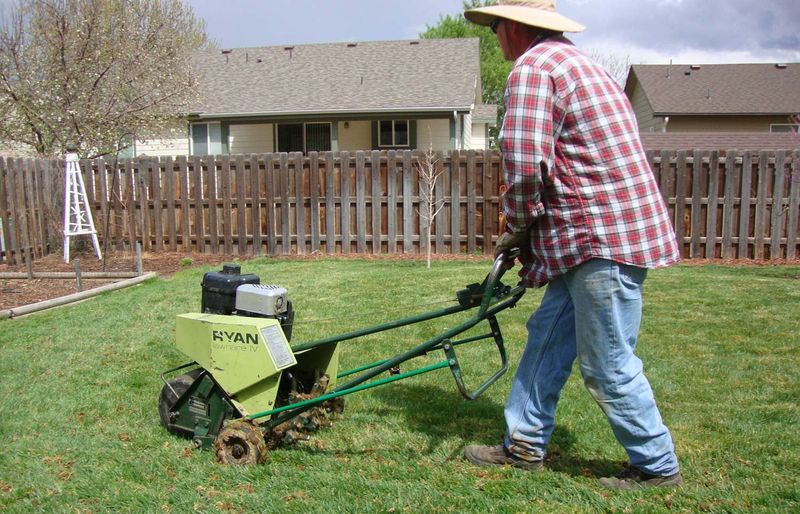
Here is an uncomfortable thought. Your mower might be the most reliable weed distributor in the neighborhood.
Mowing over a patch of dandelions or crabgrass at seed stage chops the heads apart. Blades then fling those seeds across every part of the yard.
Clippings stuck under the deck ride along too. They drop off in fresh locations on your next pass.
Shared or borrowed equipment raises the stakes. A neighbor’s mower can deliver seeds from a lawn you have never even walked on.
Cleaning the deck takes ten minutes. Disconnect the spark plug, tip the mower safely, and scrape the buildup off with a putty knife.
Rinse afterward and let it dry to prevent rust. A quick spray of cooking oil on the clean deck reduces future sticking.
Mow weedy areas last when you can. Finishing in the worst section keeps seeds from traveling into clean turf.
Bag clippings during heavy weed seasons. Mulching is great most of the year, but not while seed heads are open.
Boots and pet paws move seeds as well. Knocking mud off before crossing the lawn genuinely reduces new arrivals.
Watch imported materials closely. Cheap topsoil, straw mulch, and unfinished compost frequently arrive loaded with viable weed seeds.
Sharp blades matter here too. A clean cut heals fast, while a ragged tear stresses grass and slows recovery.
8. Overlooking Edges And Garden Borders
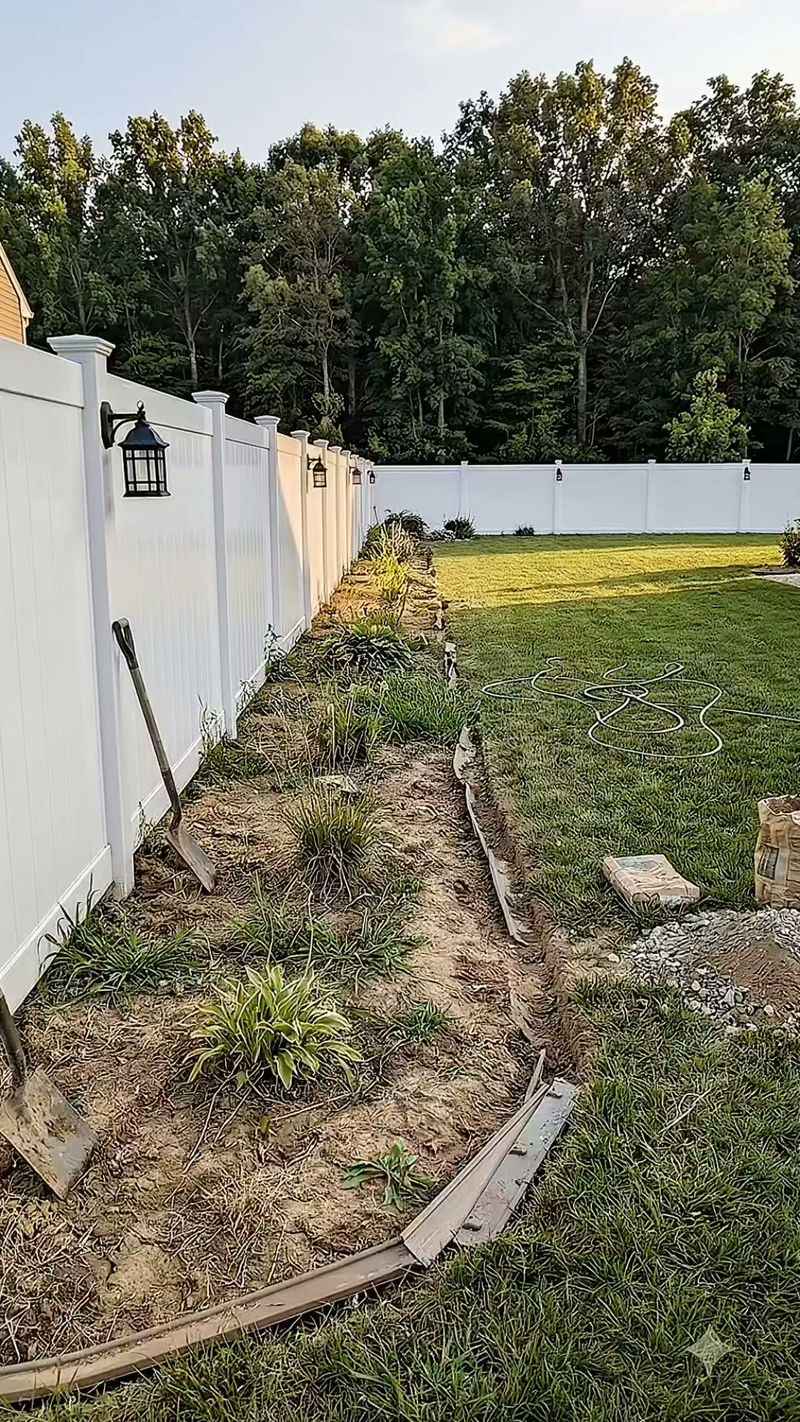
Nobody photographs the fence line. That neglected strip along the back is exactly where trouble sets up camp.
Edges receive less mowing attention, uneven water, and often the worst soil. Weeds establish there quietly and then march inward.
Fence posts, mailbox bases, and tree trunks create the same sheltered pockets. Mower blades cannot reach, so plants mature and set seed undisturbed.
Garden beds bordering turf deserve a look as well. Bindweed and creeping charlie travel underground from bed to lawn through connected roots.
Physical edging solves much of it. A trench, steel strip, or brick border interrupts the runners trying to cross over.
Cut a spade-width trench about four inches deep along beds. Refill lightly with mulch and refresh it each spring.
String trimmers help, but use them gently. Trimming the edge down to bare dirt just creates a new landing zone.
Walk your property line once a month with a bucket. Pulling ten young weeds beats fighting a hundred mature ones later.
Target the root when hand pulling. Dandelion taproots snap easily, and leftover pieces regrow within weeks.
Damp soil after rain makes removal far easier. The whole root often slides out in one satisfying pull.
Mulch generously in beds near turf. Three inches of wood chips blocks light and keeps the border quiet all season long.