The Oregon Lavender Mistake That Makes Plants Turn Woody Too Fast
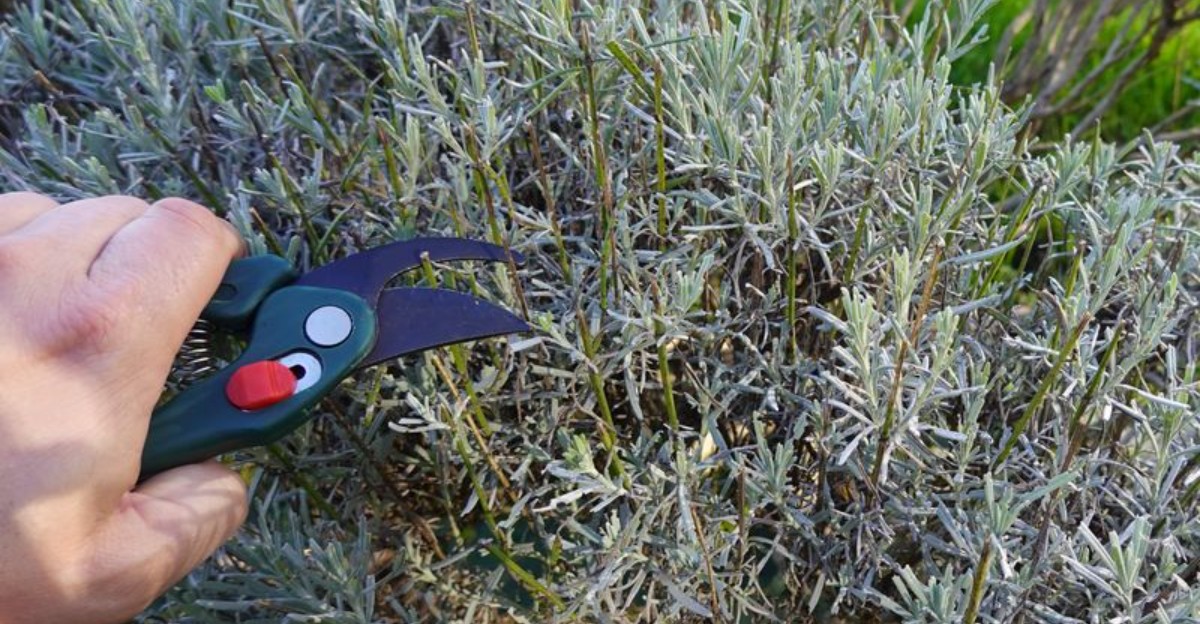
Lavender can look perfect for years, then slowly lose the soft, rounded shape that made you love it in the first place.
Green growth thins out, bare stems become more noticeable, and the plant starts looking more like a small woody shrub than the fragrant mound you remember.
That change is normal to a degree, but the speed at which it happens can depend on how the plant is treated. A common care habit can quietly push lavender toward leggier, woodier growth before its time.
The frustrating part is that the mistake often comes from trying to help. A little extra attention, a certain pruning approach, or a well-intentioned routine may seem harmless while working against the way lavender naturally grows.
Oregon’s climate adds another challenge. Moisture, seasonal shifts, and growing conditions can influence how quickly lavender develops woody stems, especially when the plant is not getting what it prefers.
If your lavender is losing its fullness sooner than expected, the answer may be hiding in the care routine rather than the plant itself. A small adjustment can make a big difference in how long it stays compact and attractive.
1. Skipping Regular Light Trimming Lets Stems Age
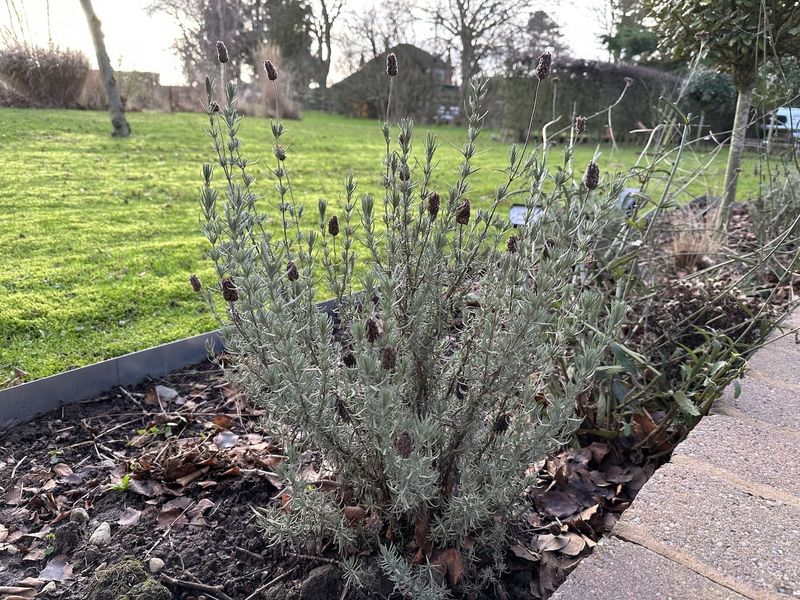
A lot of gardeners look at their lavender in spring and think it looks fine enough to skip the trim. That one decision, repeated year after year, is one of the biggest reasons lavender turns woody so fast.
Without regular light trimming, the stems at the base of the plant harden and thicken over time.
Each season, the plant pushes new growth from the tips of last year’s stems. When those stems are never cut back, the green growth keeps moving higher and higher up the plant.
The base gets left behind, becoming a tangle of bare, hard wood with no new shoots forming below.
In Oregon’s wet winters, this becomes an even bigger issue. Moisture gets trapped in dense, unpruned growth and encourages rot in the woody lower stems.
A quick, light trim each year removes the oldest stem tips and encourages the plant to stay compact and low.
You do not need to cut a lot to make a real difference. Just removing about one-third of the green growth in late summer or early fall keeps the plant refreshed.
Think of it like giving your lavender a regular haircut instead of waiting until it looks completely overgrown. Small, consistent effort goes a long way toward keeping those stems young and productive for many seasons ahead.
2. Cutting Too Little Can Leave Lavender Leggy
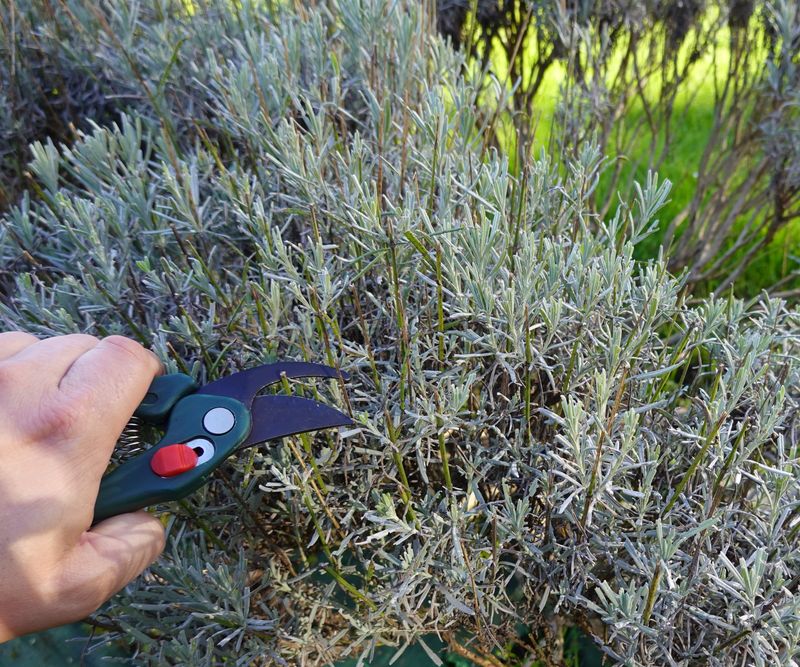
Many people are nervous about cutting their lavender too hard, so they barely trim it at all. Ironically, cutting too little is just as harmful as cutting too much.
When you only snip off the very tips of the stems, the plant does not get the signal it needs to push out bushy new growth from lower down.
Leggy lavender is a real problem in Oregon gardens. The long, floppy stems cannot support themselves well, especially under the weight of rain and moisture that is so common in the region.
Your Oregon Garden Changes Every Week. Your Plan Should Too.
Gardening in Oregon changes quickly throughout the season. Every Friday you’ll receive a simple weekly plan showing exactly what to plant, prune, fertilize, harvest, and protect so you never miss the right timing.
Over time, the plant sprawls outward, the center opens up, and the stems at the base turn woody fast.
A leggier plant also blooms less. The energy gets spread across too many long stems rather than being focused on producing tight clusters of fragrant flowers.
Gardeners who want more blooms are often surprised to learn that cutting back more generously actually encourages better flowering the following season.
The key is to cut into the green growth, not just skim the surface. Look for where green leaves are still growing on the stem and cut just above that point.
Leaving a few inches of green growth after pruning gives the plant enough energy to recover and push out fresh new shoots. Over several seasons, this habit keeps lavender looking full rather than stretched and sparse.
3. Old Wood Does Not Always Grow New Shoots
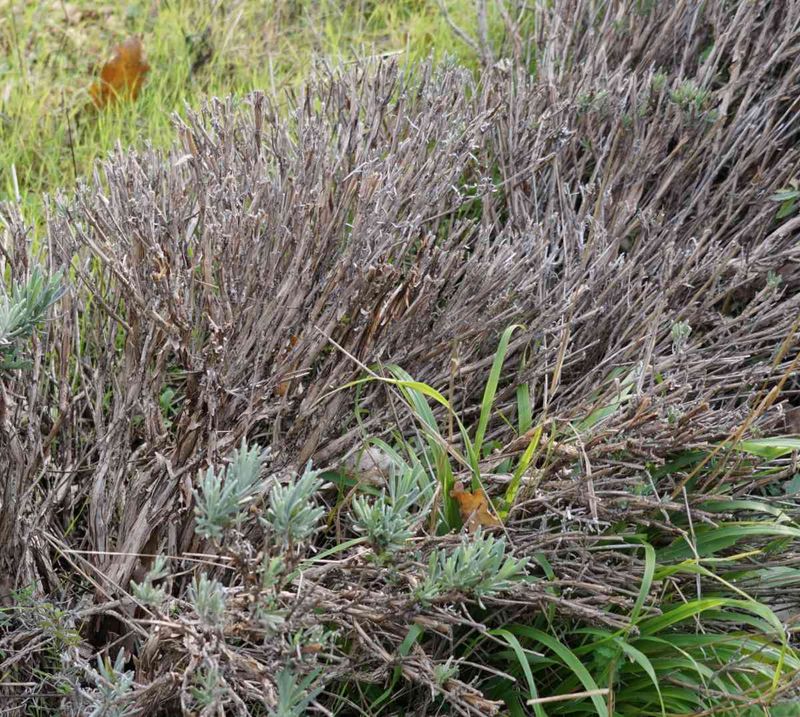
One of the most important things to understand about lavender is that old wood is stubborn. Once a stem turns fully woody and brown, it rarely produces new green shoots on its own.
Many gardeners cut into this bare wood hoping for a fresh start, but the plant often does not respond the way they expect.
Lavender is not like a rose or a shrub that can bounce back from a hard cutback into bare wood. The plant’s biology makes it very reluctant to regrow from those old, hardened stems.
That is why prevention matters so much more than trying to fix the problem after it has already happened.
In Oregon, where the growing season is shorter and the weather is wetter, this issue is even more pronounced. Plants stressed by poor drainage or heavy rain already have a harder time pushing out new growth.
Cutting into bare wood during those conditions gives the plant very little chance to recover before the next wet season arrives.
The best approach is to never let the woody zone creep too high in the first place. Keep trimming the green growth every year so the plant stays low and compact.
If you already have a heavily wooded plant, consider replacing it with a young start rather than trying to force recovery from bare stems. Starting fresh is often the most practical solution for badly affected plants.
4. Too Much Shade Speeds Up Weak Growth
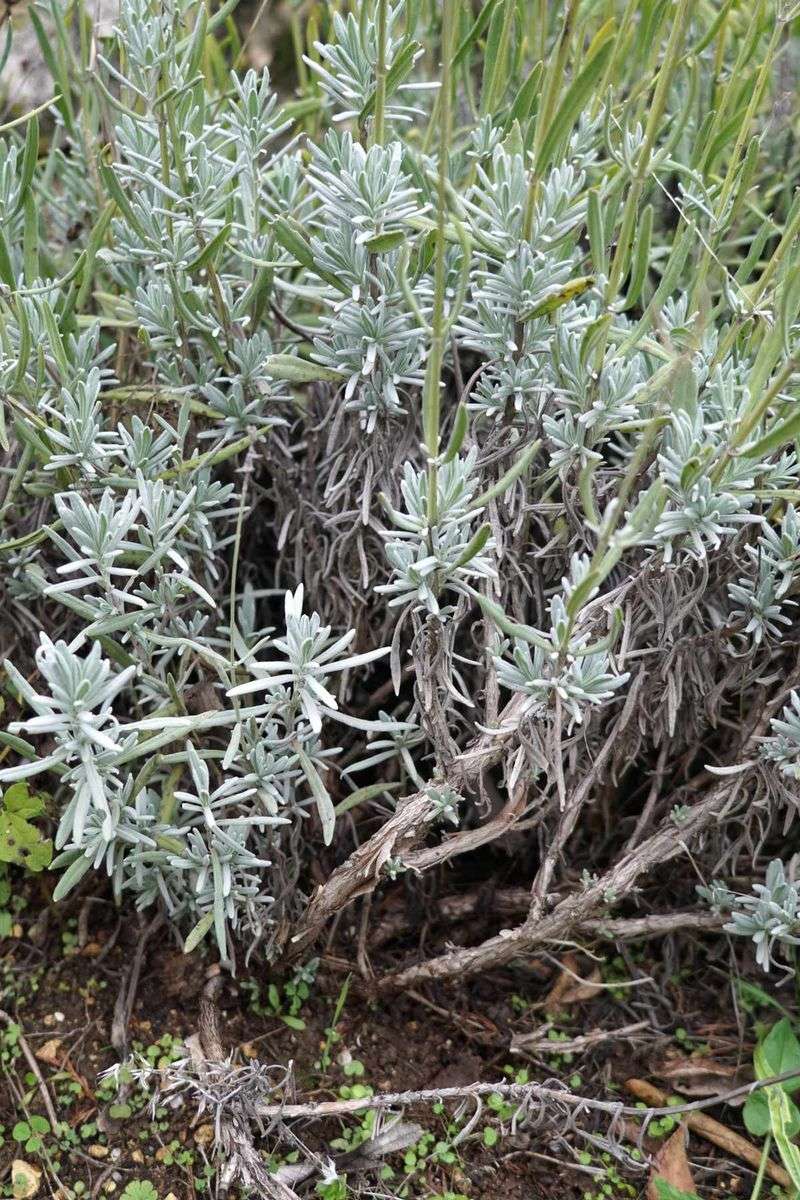
Shade is something gardeners deal with a lot, especially in yards surrounded by tall Douglas firs or large deciduous trees. Lavender absolutely needs full sun to stay healthy and compact.
When it does not get enough light, something interesting and unfortunate happens: the stems stretch out fast trying to reach more sunlight.
This stretching, called etiolation, creates long, weak stems that turn woody at the base much faster than normal. The plant puts its energy into reaching for light rather than producing strong, bushy growth.
You end up with a plant that looks tall but scraggly, with very little of the lush, rounded shape that healthy lavender should have.
Shaded lavender also dries out more slowly because less sun means less evaporation. In our already damp climate, this creates extra moisture around the base of the plant.
Wet conditions combined with weak, stretched stems create the perfect environment for rapid woodiness and stem rot at the same time.
If your lavender is struggling in a shaded spot, moving it to a sunnier location is the most effective fix. Choose a south-facing bed or an open area that gets at least six to eight hours of direct sunlight each day.
Good air circulation in a sunny spot also helps keep the plant dry between rains. Sun is not optional for lavender; it is the foundation of everything the plant needs to thrive and stay productive.
5. Wet Soil Can Stress The Plant From Below
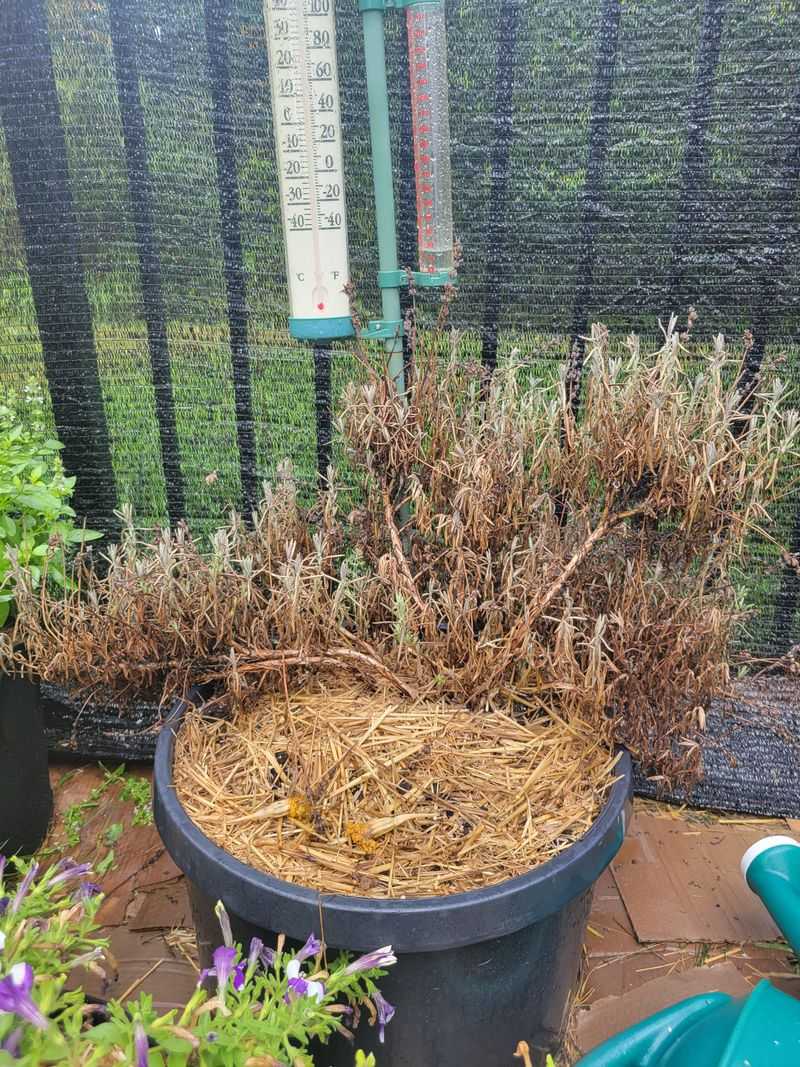
Oregon is famous for its rain, and that is beautiful for many plants. Lavender, however, is not one of them.
Lavender originally comes from the dry, rocky hillsides of the Mediterranean, where the soil drains fast and water never sits around the roots for long. Heavier, wetter soils are basically the opposite of what lavender prefers.
When roots sit in wet soil for extended periods, the plant gets stressed from the ground up. That stress shows up above ground as weak, soft stems that age and harden much faster than they should.
The plant is essentially spending all its energy trying to survive poor root conditions rather than growing strong new shoots.
Wet soil also encourages root rot, which further weakens the plant’s ability to support healthy growth above ground. A stressed root system cannot push enough nutrients up into the stems and leaves.
Over time, the stems at the base stop producing green growth and turn fully woody as the plant retreats into survival mode.
Fixing soil drainage is one of the most effective steps you can take for lavender. Raised beds work really well because they lift the roots above the wettest soil layers.
Adding gravel or coarse sand to your existing garden bed also improves drainage significantly. Even planting on a slight slope helps water move away from the roots faster.
Good drainage is the single most important factor for keeping lavender healthy and productive in a wet climate like Oregon’s.
6. Small Cuts Keep Plants Fuller Longer
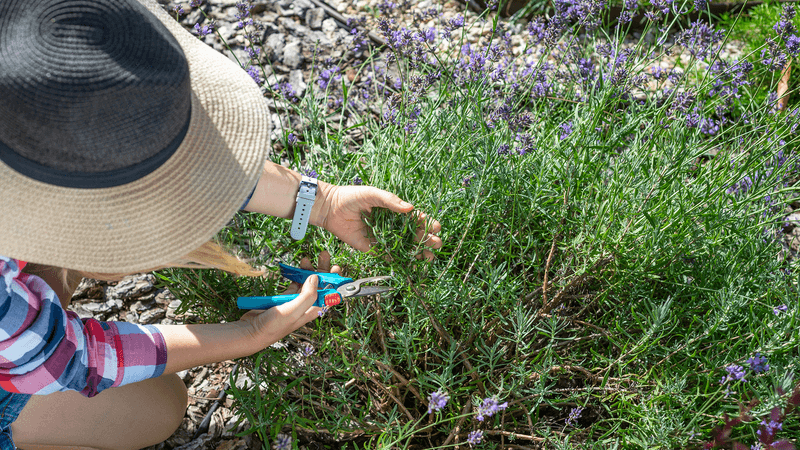
There is something almost counterintuitive about pruning lavender well. The gardeners who make the smallest, most consistent cuts end up with the fullest, healthiest plants.
Big, dramatic cutbacks done only once every few years are far less effective than small trims done regularly every single season.
Small cuts work because they keep stimulating the plant to push out new growth from just below the cut point. Every time you remove a stem tip, the plant responds by branching out slightly lower.
Over several years of regular small cuts, that branching builds up into a dense, full shape with lots of green growth throughout the plant.
In contrast, plants that only get cut occasionally develop long, unbranched stems with green growth only at the very tips. The base of those stems turns woody fast because nothing is encouraging the plant to branch lower down.
By the time gardeners notice the problem, the woody zone has often spread too far up to fix easily.
A good habit to build is trimming your lavender right after it finishes blooming in summer. Remove the spent flower stalks and take off about one-third of the green growth at the same time.
This timing gives the plant the rest of summer and early fall to push out new growth before winter arrives. Keeping cuts small and consistent every year is genuinely one of the simplest and most effective habits for long-lived, productive lavender plants.
7. Timing Matters More Than Hard Pruning
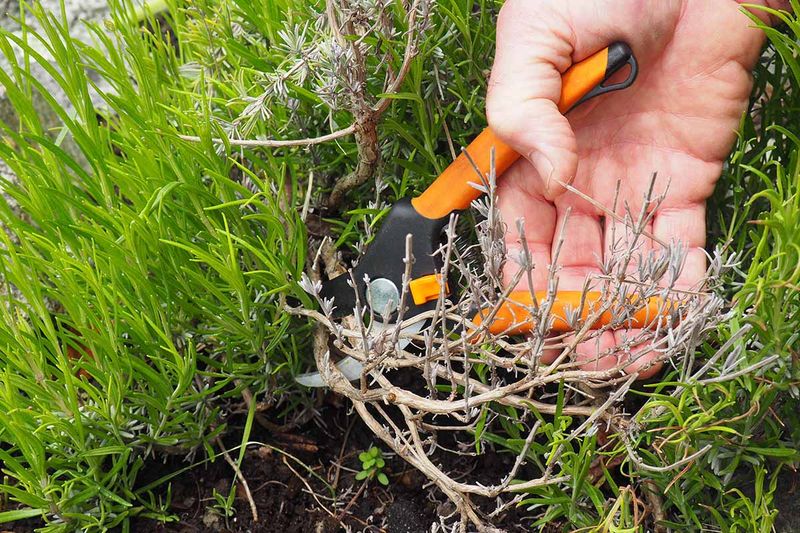
Ask most gardeners when they prune their lavender, and you will get a wide range of answers. Some prune in spring, some in fall, and some whenever they get around to it.
In Oregon, timing your pruning correctly can make a much bigger difference than how much you cut.
The best time to prune lavender is right after the blooms fade, which is typically in mid to late summer. Pruning at this point gives the plant enough warm weather left in the season to push out fresh new growth before temperatures drop.
That new growth then hardens slightly over winter, giving the plant a stronger start the following spring.
Pruning too late in the fall is a common mistake. When you cut lavender close to the first frost, the fresh new growth that emerges does not have time to harden off.
That soft, tender growth is much more vulnerable to cold and wet conditions, and it often does not survive the winter well. The plant then heads into spring already weakened and more prone to woody growth.
Pruning too early in spring is also risky. Oregon springs can be cold and wet well into May, and cutting back hard before the weather stabilizes can expose the plant to stress just when it needs to be building energy.
Sticking to that late-summer window consistently each year gives lavender the best possible conditions to stay healthy and resist premature woodiness.
8. Avoid Cutting Into Bare Woody Stems
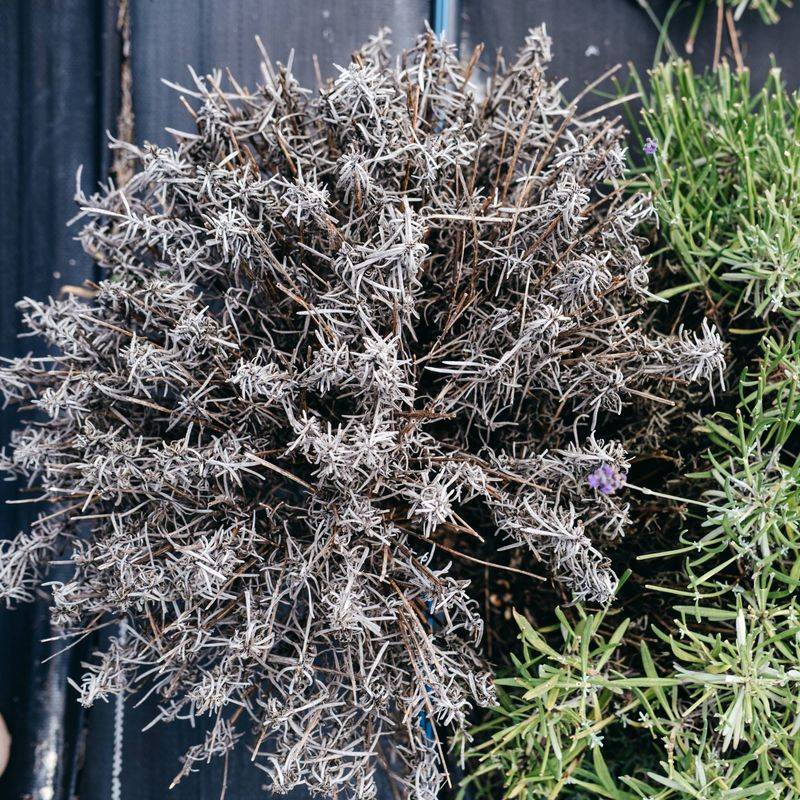
Here is a rule that every lavender gardener should memorize: never cut below the green. Once you cut into the bare, brown, woody part of a lavender stem, you are in difficult territory.
That section of the plant has very few dormant buds left, and the chances of new growth emerging from it are quite low.
Many gardeners make this mistake when they inherit an old, neglected lavender plant and try to rescue it with a hard cutback. The instinct makes sense; you want to start fresh and get the plant looking good again.
But cutting into bare wood on lavender usually does not produce the results you are hoping for.
The plant may simply stop producing growth from that stem entirely. In some cases, the stem does not recover at all, and the plant ends up smaller and weaker than before the cutback.
Oregon’s wet winters make recovery even harder, since exposed woody stems are more likely to absorb moisture and develop rot rather than pushing out new shoots.
A much safer approach is to always keep some green growth on every stem you cut. Even leaving just two or three sets of leaves on a stem gives the plant enough photosynthetic power to recover and branch out.
Think of the green leaves as the plant’s fuel supply. As long as some green remains on the stem after pruning, the plant has what it needs to bounce back and keep growing strong through the seasons ahead.