Your Maryland Garden Has A Tomato Problem And These Are The Reasons Why
I lost seventeen tomato plants before I finally admitted I had no idea what I was doing. Maryland summers are sneaky like that.
They lull you into thinking you have figured out the rhythm, then a string of humid, waterlogged weeks reminds you who is actually in charge. My plants looked promising right up until they did not.
Sound familiar? If you have ever stood in your garden wondering why your tomatoes are struggling despite your best efforts, you are in good company.
Most Maryland gardeners face the same quiet frustrations season after season. The causes are surprisingly common too.
Erratic rainfall, soil that looks fine but works against you, and a few hidden deficiencies below the surface are usually the real culprits.
I dug into all of it so you do not have to learn the hard way like I did. The answers are closer than you think.
1. Missing A Regular Watering Schedule
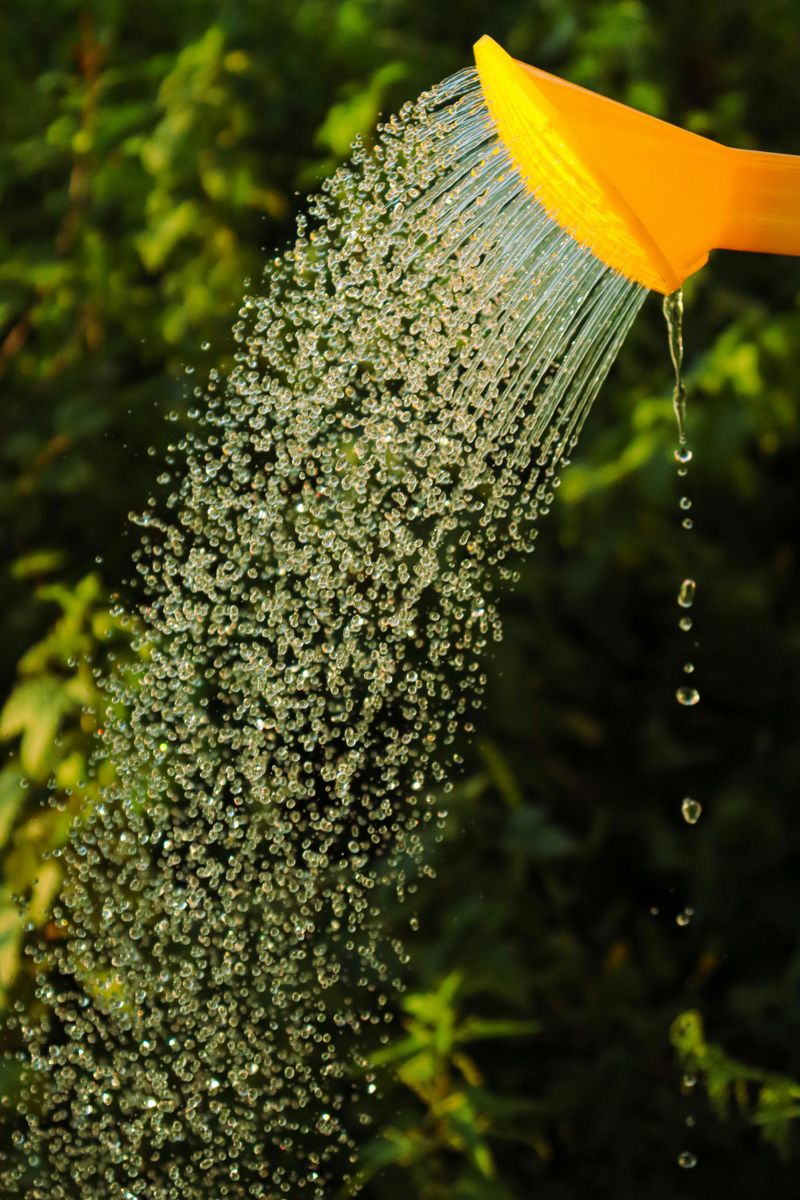
A flood on Monday, nothing by Friday. Your tomato plants notice every single gap in your watering routine, and their roots keep the score.
Tomatoes grow best with steady, even moisture. Water heavily one day and skip the next few, and the plant reacts with stress.
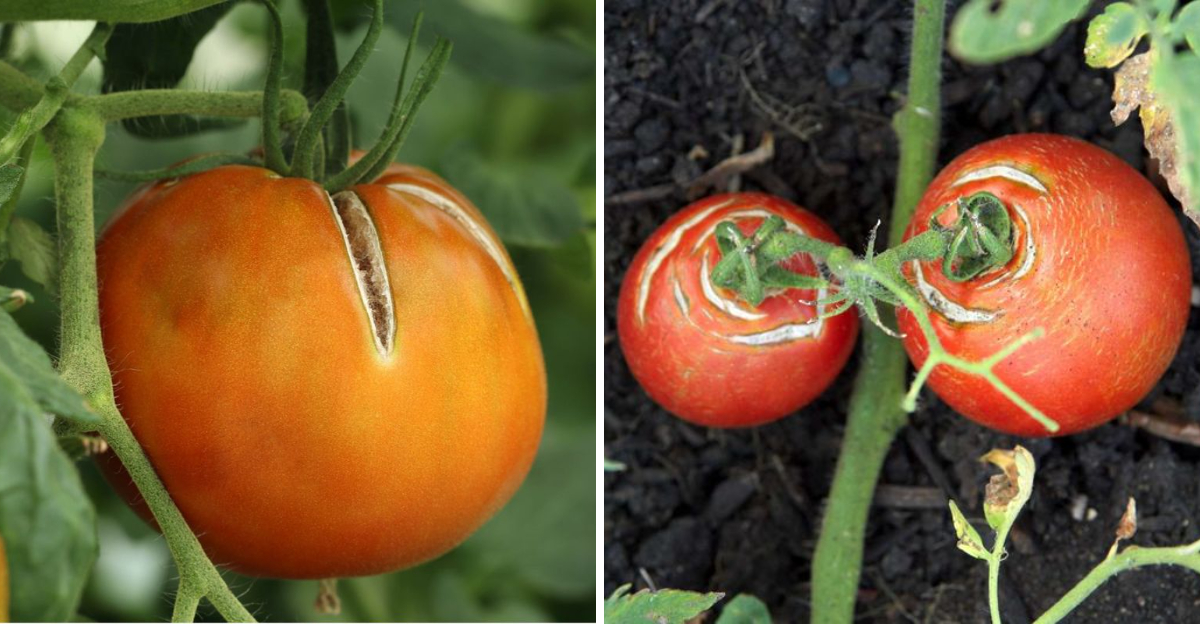
That stress is often what leads to blossom end rot, cracked fruit, and wilting leaves.
Most Maryland gardeners water when they remember to. Or when the leaves look droopy.
The problem is that by the time a tomato plant looks thirsty, the stress is already building underground. Roots in inconsistent moisture pull water unevenly.
That is when fruit starts splitting or developing dark, sunken patches at the bottom.
The good news is that fixing this habit is simple. Aim for one to two inches of water per week.
Spread it out consistently rather than all at once. Deep, slow watering a few times a week works much better than a quick splash every day.
Deeper watering also pushes roots further down into the soil. That matters a lot during Maryland’s dry summer stretches, where the top layer dries out faster than you expect.
A simple drip irrigation system or soaker hose takes most of the guesswork out completely.
Set it up once and let it do the work for you.
2. Growing Tomatoes Under Maryland’s Unreliable Rainfall
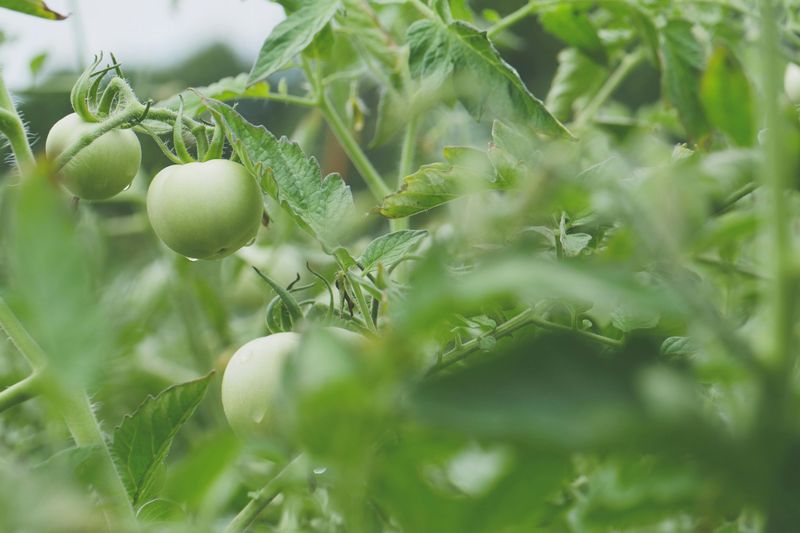
Maryland weather does not play fair with tomatoes. One week brings three inches of rain, and the next two weeks bring almost nothing at all.
That kind of unpredictable swing is hard on tomato plants, which crave consistency above almost everything else.
The state sits in a zone where summer thunderstorms can deliver a heavy amount of rain all at once.
That sudden flooding followed by dry spells creates the same stress as forgetting to water for days and then drenching the garden in a panic.
When the soil swings between waterlogged and bone dry, tomato roots struggle to absorb nutrients evenly.
Calcium and magnesium uptake drops sharply during these swings, which leads to visible problems like blossom end rot and leaf curl.
Your Maryland Garden Changes Every Week. Your Plan Should Too.
Gardening in Maryland changes quickly throughout the season. Every Friday you’ll receive a simple weekly plan showing exactly what to plant, prune, fertilize, harvest, and protect so you never miss the right timing.
The plant is not broken. The weather is just making it nearly impossible to stay balanced.
You can fight back by using raised beds with well-draining soil and adding thick mulch to hold moisture between storms.
Installing a rain gauge in your garden helps you track exactly how much water your plants are actually getting each week.
Once you start measuring, you can step in and supplement during dry stretches before the damage shows up on your fruit.
3. Waiting Too Long To Harvest Your Tomatoes
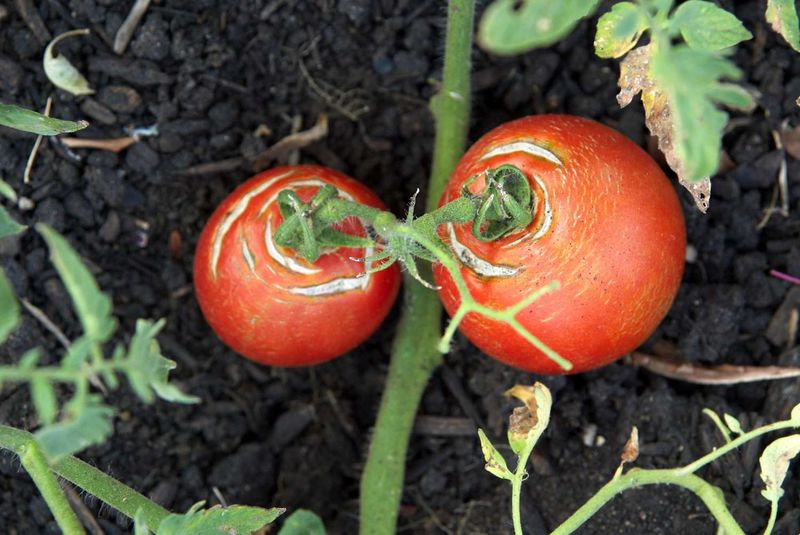
Leaving tomatoes on the vine too long feels like patience. In reality, it is one of the most common mistakes home gardeners make.
Once a tomato reaches full color and starts to soften slightly, it is ready to pick. Waiting even a few extra days past that point invites cracking, rotting, and pest damage.
Birds, squirrels, and hornworms are quick to find ripe fruit left on the vine.
Over-ripe tomatoes also pull energy away from the rest of the plant. The vine keeps supporting fruit that is already past its peak.
That means fewer nutrients reach your newer, developing tomatoes. It can also shorten the productive life of the whole plant by several weeks.
The fix is simple. Check your Maryland garden plants every single day once fruit starts showing color.
Gently squeeze each tomato. If it gives slightly under light pressure and the color looks rich and even, go ahead and pick it.
You do not need it to be perfect on the vine.
Tomatoes finish ripening beautifully on your kitchen counter at room temperature, away from direct sunlight.
That one small habit keeps your plants productive longer. It also keeps your kitchen stocked with fresh tomatoes all through Maryland’s long summer season.
The vine works harder when you harvest on time. Give it the chance to focus on what is still growing.
4. Missing Calcium In Your Soil
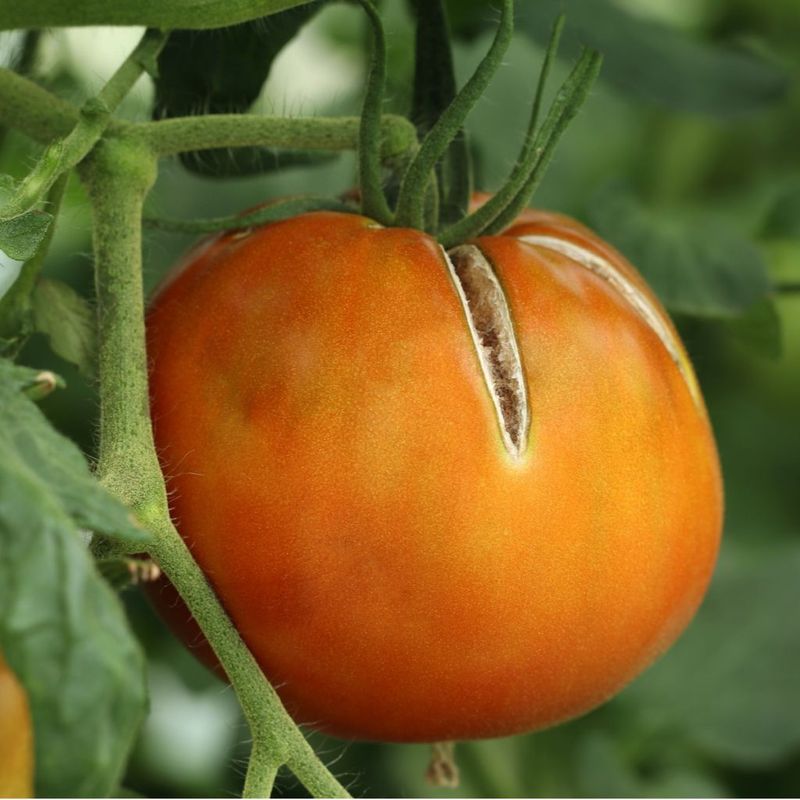
That dark, sunken, leathery patch on the bottom of your tomato is not a disease. It is a calcium deficiency, and it is extremely common in Maryland gardens.
Blossom end rot is the most visible sign that your tomatoes are not getting enough calcium to the fruit in time.
Calcium helps build strong cell walls inside the tomato as it grows.
Without enough of it moving through the plant, those cells collapse and turn into that ugly black or brown patch that affects the quality of an otherwise healthy fruit.
Here is the tricky part. Most Maryland soils actually contain calcium.
The problem is often that the plant cannot absorb it fast enough.
Inconsistent watering, soil pH that is too low, and excess nitrogen all block calcium uptake at the root level.
So before you start dumping lime or calcium supplements into your garden, test your soil first.
A basic soil test from your local cooperative extension office costs very little and tells you exactly what your garden needs.
If your pH is below 6.2, adding agricultural lime will both raise the pH and add calcium at the same time.
Keeping moisture levels steady throughout the growing season also helps the plant move calcium efficiently from root to fruit.
5. Mulching With The Wrong Layer Depth
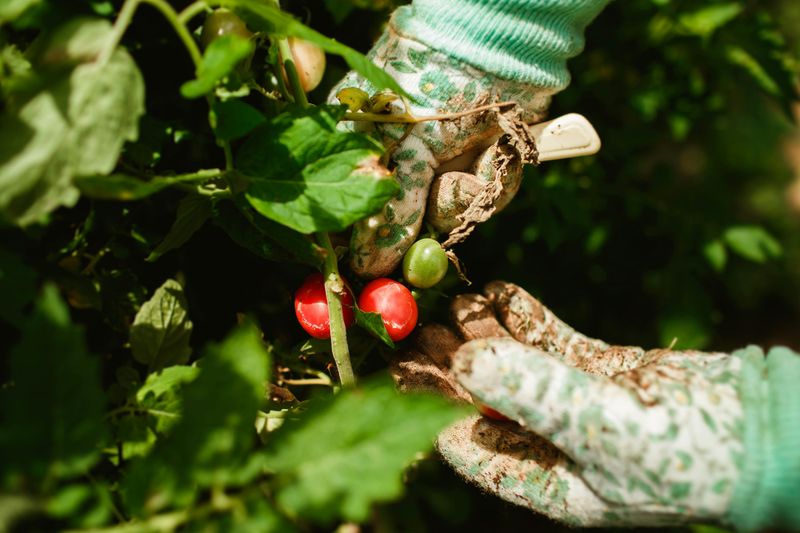
Bare soil around your tomato plants is quietly working against you every single day of the growing season.
Without a good layer of mulch, the sun bakes the soil surface and moisture evaporates fast.Soil temperature swings wildly between morning and afternoon, which stresses roots that prefer steady, cool conditions.
That stress shows up in your fruit as cracking, uneven ripening, and reduced production overall.
Mulch also acts as a physical barrier between the soil and the lower leaves of your tomato plant.Soil splash during rain or watering carries fungal spores directly onto leaves, which is how early blight and septoria leaf spot get started.
A two to three inch layer of straw, wood chips, or shredded leaves breaks that cycle before it begins.
Apply mulch after the soil has had a chance to warm up in late spring, not right after transplanting.If you mulch too early, you trap cold soil and slow root development during a critical growth window.
Pull the mulch back slightly from the main stem to prevent moisture from sitting against it, which can encourage rot at the base.Done right, mulching is one of the single highest-impact habits any tomato gardener can build.
6. Irregular Fertilizing, Especially Too Much Nitrogen
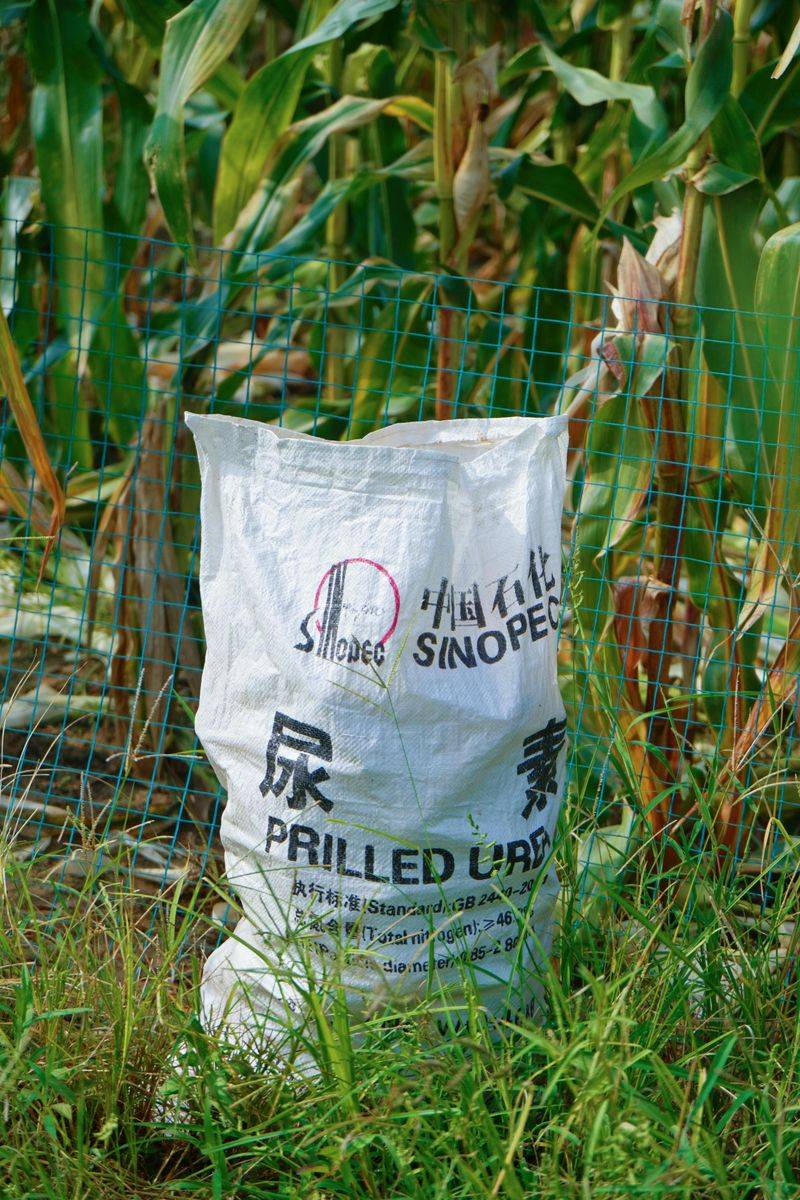
Gorgeous, bushy, deep-green tomato plants with almost no fruit is a common garden disappointment. If this sounds familiar, nitrogen is likely the reason.
Nitrogen drives leafy, green growth. Tomatoes need some of it early in the season to build strong stems and a full canopy.
But once flowers start forming, too much nitrogen pushes the plant to keep growing leaves. Fruit production takes a back seat.
Irregular fertilizing makes things worse. Skipping weeks and then applying a heavy dose all at once confuses the plant.
A sudden nitrogen surge after a dry spell can trigger rapid, uneven growth. That is when fruit starts to split before you ever get to enjoy it.
Many Maryland gardeners make this mistake without realizing it. The plant looks healthy on the outside, but the feeding routine is working against the harvest.
Once your plants start flowering, switch to a fertilizer with lower nitrogen and higher phosphorus and potassium.
A 5-10-10 ratio or something similar supports fruit development without pushing unnecessary leafy growth.
Feed consistently every two to three weeks.
Small, regular doses work much better than large, sporadic ones.
Always water your plants before and after applying fertilizer.
This helps distribute nutrients evenly through the root zone. It also lowers the chance of any irritation to the roots.
Maryland’s hot summers move fast.
Keeping your fertilizing routine steady is one of the simplest ways to stay ahead of the season.
7. Choosing The Wrong Tomato Varieties
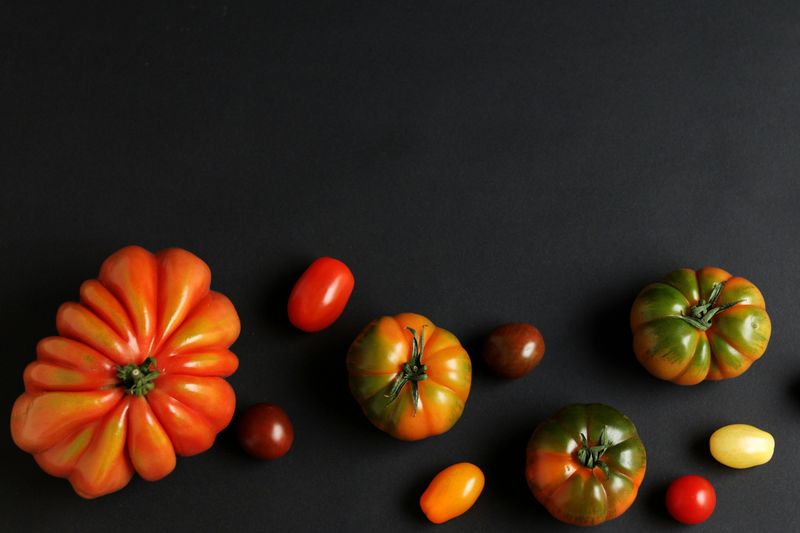
Not every tomato belongs in every garden. Picking a variety that was not bred for your specific climate is like wearing a winter coat in July.
It just does not work.
Maryland summers are hot, humid, and long.
Varieties bred for cooler Pacific Northwest climates or short northern growing seasons often struggle here.
They may produce beautifully in a catalog photo but struggle, crack, or stop setting fruit the moment temperatures climb above 90 degrees.
Heat and humidity also create ideal conditions for fungal diseases like early blight, late blight, and fusarium wilt.
If you are planting varieties with no disease resistance built in, you are you may find the season more challenging from the start.
Look for letters like V, F, N, and T on seed packets and plant tags. Those letters indicate resistance to some of the most common tomato threats in humid climates.
Great choices for Maryland gardens include Celebrity, Mountain Merit, Jetstar, and Brandywine Red if you want that classic heirloom flavor.
For cherry tomatoes, Sungold and Sweet Million handle heat well and produce generously through the long summer.
Visit a local nursery rather than a big box store when possible. Staff there will know exactly which varieties perform best in your specific county and growing conditions, and that local knowledge is worth a lot.
8. Ignoring Proper Pruning And Sucker Removal
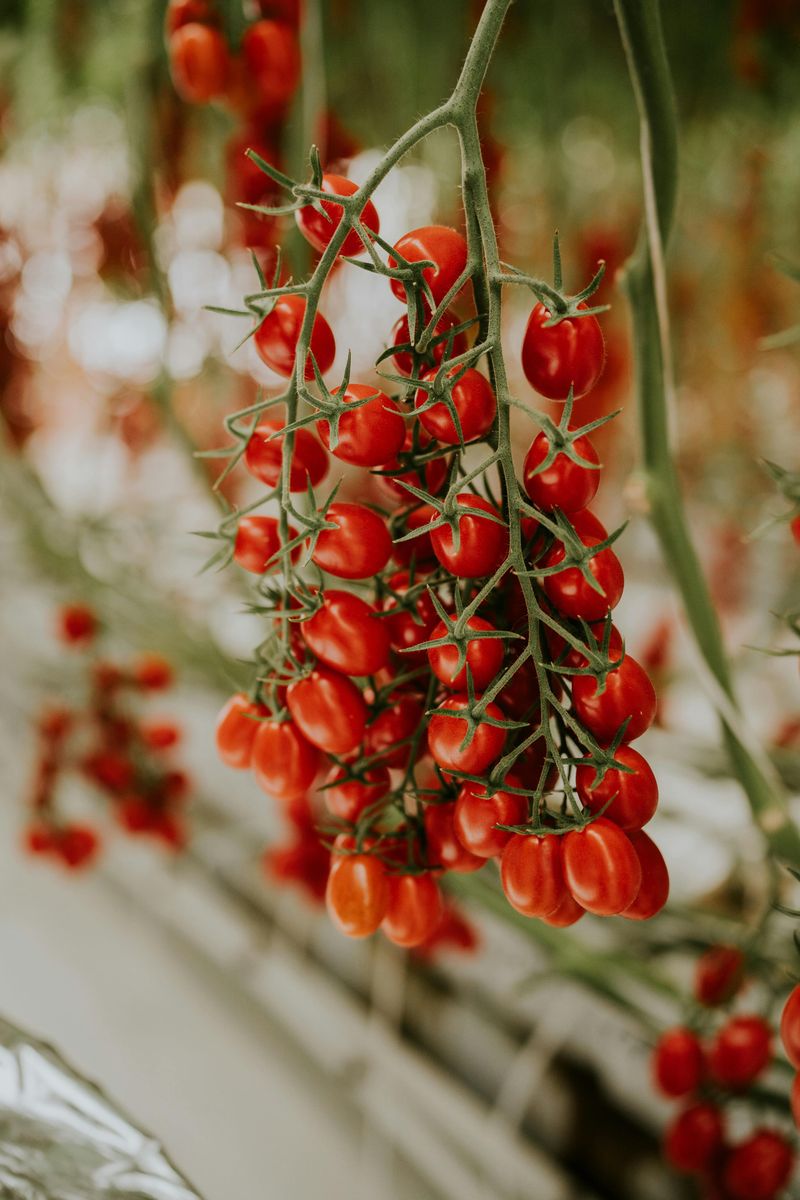
Walk up to a neglected tomato plant in late July and you might find something that looks more like a small tree than a vegetable.
That sprawling, jungle-like growth is usually the result of suckers taking over.
Suckers are the little shoots that pop up in the crotch between the main stem and a branch, and they are surprisingly ambitious.
Given enough time, each one becomes a full branch competing for the same water, nutrients, and sunlight as the rest of the plant.
For indeterminate varieties, the kind that keep growing and producing all season long, this competition tends to hurt fruit production more than help it. The plant throws energy into building more foliage instead of ripening the tomatoes already on the vine.
Most gardeners who prune consistently find their plants produce earlier and more reliably than those left to grow however they please.
There is also a fungal disease angle worth knowing about. Maryland summers bring humidity, and a dense, crowded canopy traps moisture against the leaves.
That warm, wet environment is basically a welcome mat for early blight and septoria leaf spot, two of the most common tomato problems in the region.
Better airflow through the plant means leaves dry faster after rain or morning dew, and that alone can slow the spread of disease considerably.
Pinching suckers while they are still small, under two inches or so, is the easiest approach.
No tools needed, just your fingers. Try to do it on a dry morning so the plant can heal quickly before nightfall.
9. Planting Too Early In The Season
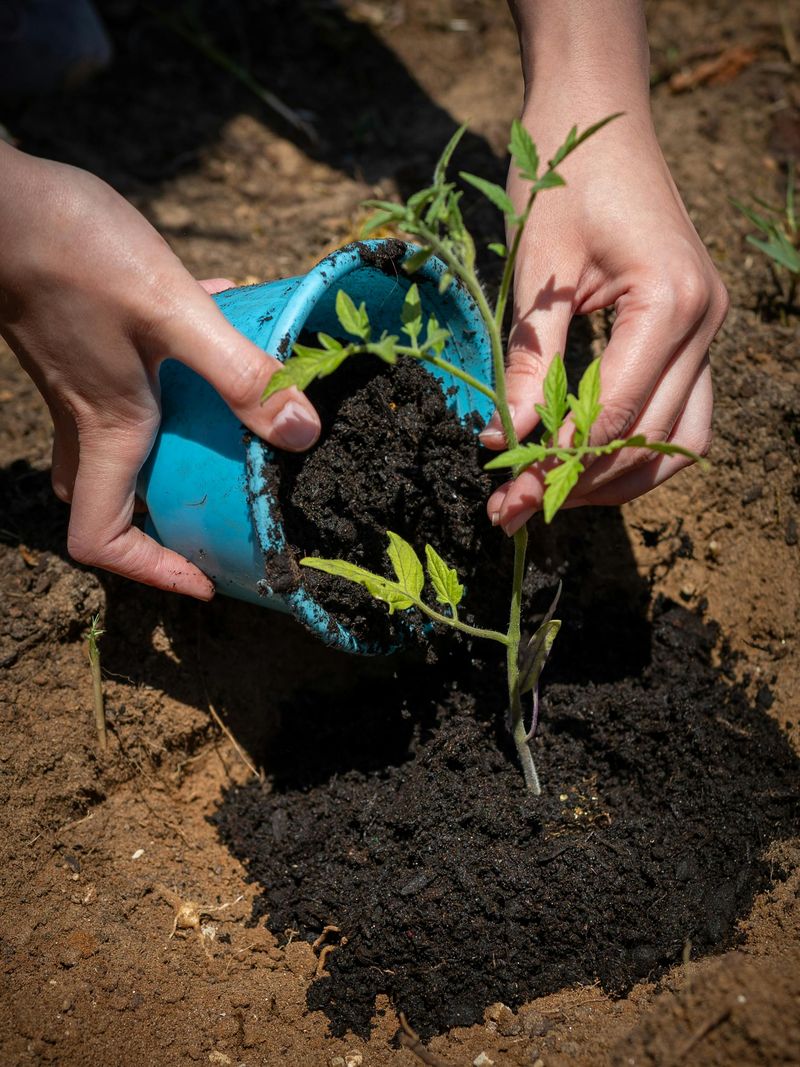
Seed catalogues arrive in January, the photos are gorgeous, and by March most gardeners are already mentally planning their first BLT of the season.
The impulse to get tomatoes in the ground early is completely natural, but the soil usually has other ideas. Tomato roots are surprisingly picky about temperature, and they tend to shut down when the soil stays below around 60 degrees Fahrenheit.
Plants set out into cold soil often sit there looking sulky for weeks.
They may sit there looking stunned, unable to absorb water and nutrients properly. Cool, wet soil also tends to invite root problems before the season even gets going.
Meanwhile, a tomato planted two or three weeks later into properly warmed soil can establish quickly and catch up fast.
It sounds counterintuitive, but patience in spring often pays off in a stronger plant by midsummer.
Air temperature is only part of the picture.
Maryland nights can stay cool well into spring, and that chill tends to stall fruit set even in plants that look otherwise healthy.
A simple soil thermometer pushed about four inches into the ground gives a much more reliable reading than checking the forecast.
Frost dates across Maryland vary more than people expect, shifting based on elevation, location, and even local landscape.
Checking a local extension resource for your specific area before transplanting is worth the few minutes it takes.