What Oregon Fig Owners Must Do In August To Get The Most From The Second Crop
There is something especially satisfying about picking fresh figs right in your own backyard. After watching the tree grow through spring and summer, every ripening fruit feels like a well-earned reward.
For many Oregon gardeners, August is a month that deserves a little extra attention. Small decisions made now can have a surprisingly big impact on the harvest that follows.
It is also the time when many fig owners miss opportunities without even realizing it. The tree keeps growing, the fruit keeps developing, and everything can look perfectly on track.
Behind the scenes, though, your fig tree is entering one of its most important stages of the season. Giving it the right care now can make all the difference when those late-season figs are ready to ripen.
1. Skipping Water In August Shrinks The Second Fig Crop
August heat can be sneaky in the Pacific Northwest. Temperatures climb, the soil dries out fast, and fig trees feel every bit of it.
Without enough water during this month, the second crop simply will not develop the way it should.
Fig trees need deep, consistent watering during the summer months. Shallow watering only wets the top few inches of soil, which does not help the deeper roots where most of the water uptake happens.
Aim to water slowly and deeply at least two to three times per week when there is no rain.
A good rule of thumb is to give each mature tree about 10 gallons of water per session. Sandy soils in parts of Oregon drain faster, so those trees may need even more frequent watering.
Clay-heavy soils hold moisture longer but can suffocate roots if overwatered, so check the soil a few inches down before each session.
Watch the leaves for early warning signs. Drooping or curling leaves in the morning, before the heat of the day, usually signal that the tree is stressed from lack of water.
A fig tree that is stressed in August will drop its fruit early or produce small, dry figs that have almost no sweetness at all. Keeping the water schedule steady is one of the simplest ways to protect your harvest this season.
2. Dry Roots Make Late Figs Drop Before Ripening
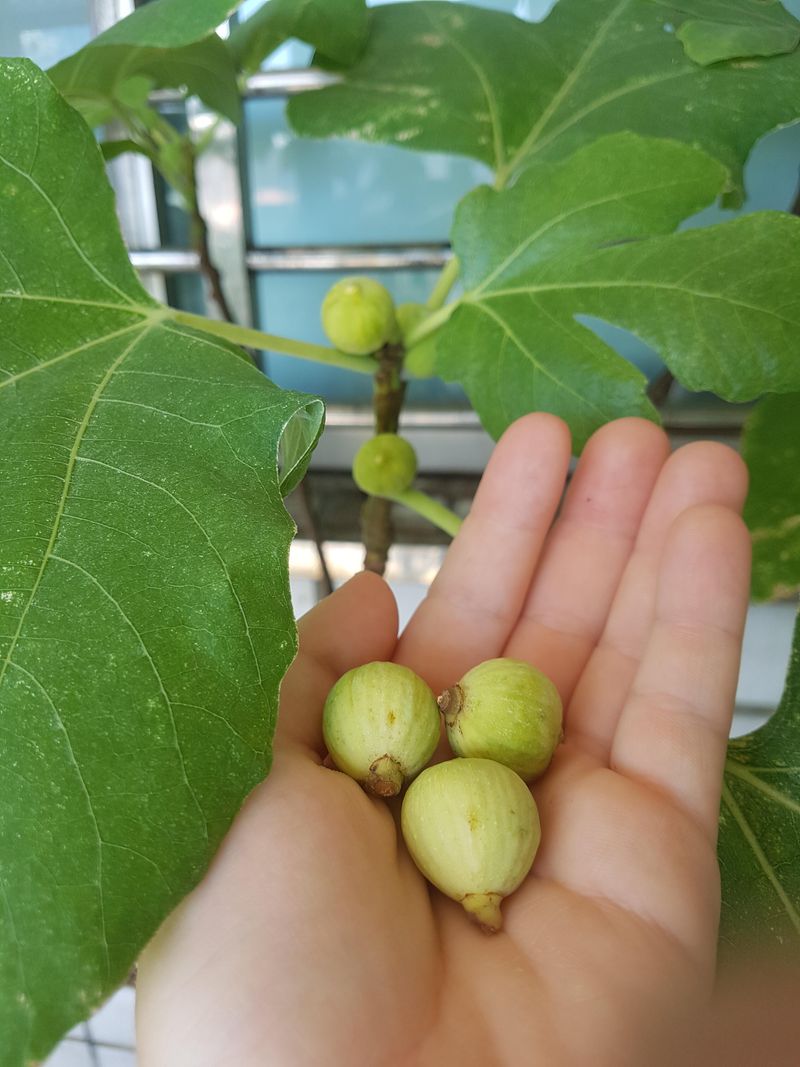
Few things are more frustrating than watching nearly ripe figs fall off the tree before you ever get to taste them.
Premature fruit drop is one of the most common problems fig growers face in August, and dry roots are usually the main reason behind it.
When a fig tree does not get enough water, it goes into a kind of survival mode. The tree decides it cannot support all of its fruit, so it sheds some of them to conserve energy.
Those figs hit the ground hard and green, and there is nothing you can do to ripen them once they fall.
The fix is straightforward. Keep the root zone consistently moist throughout the month.
A layer of mulch around the base of the tree, about three to four inches deep, helps hold moisture in the soil between watering sessions.
Your Oregon Garden Changes Every Week. Your Plan Should Too.
Gardening in Oregon changes quickly throughout the season. Every Friday you’ll receive a simple weekly plan showing exactly what to plant, prune, fertilize, harvest, and protect so you never miss the right timing.
Avoid piling the mulch right against the trunk, as that can cause problems with the bark over time.
Drip irrigation is a great tool for fig growers in this state. It delivers water slowly and directly to the root zone without wasting it on the surrounding soil.
Even a basic soaker hose looped around the drip line of the tree can make a big difference. Staying on top of soil moisture throughout August gives every fig on the tree the best possible chance to stay attached and fully ripen.
3. Pruning Too Late Can Remove Next Year’s Harvest
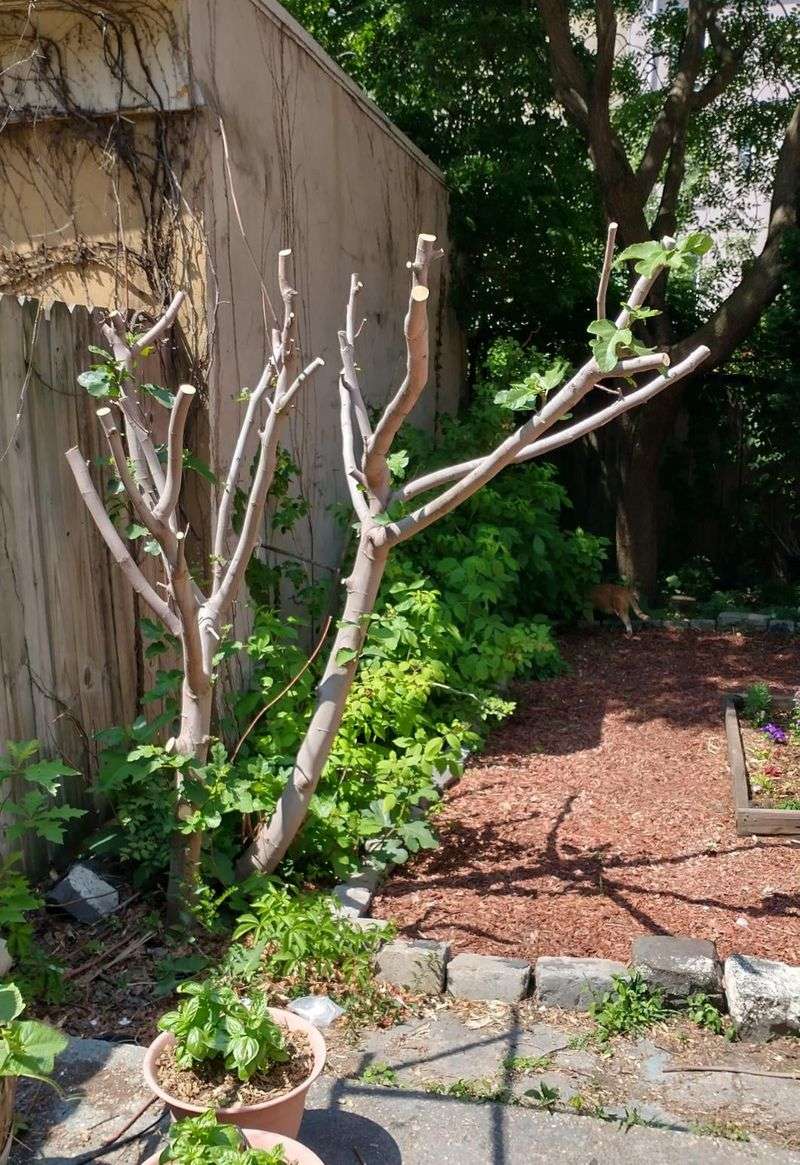
Timing is everything when it comes to pruning fig trees. Most people know that pruning helps shape the tree and manage its size, but not everyone realizes that pruning at the wrong time can actually cost you next year’s entire first crop.
Fig trees produce their first crop, called the breba crop, on last year’s wood. That wood starts forming the buds for next year’s breba figs right now, in August.
If you go out and start cutting branches heavily this month, you are removing the very wood that holds those future buds.
Light pruning in August is generally fine. Removing damaged wood, crossing branches, or a few crowded stems will not cause major problems.
Heavy structural pruning, however, should wait until late winter or very early spring before new growth begins. That timing allows you to shape the tree without sacrificing next season’s early harvest.
If you are growing a variety that is known for a strong breba crop, like Brown Turkey or Lattarula, this matters even more. Those varieties are especially popular with growers across Oregon because they produce reliably even in cooler years.
Mark any major pruning work on your calendar for February or early March instead. A little patience now means a full breba harvest next June, and that is a trade worth making every single time.
4. Ripe Figs Need Protection Before Birds Find Them
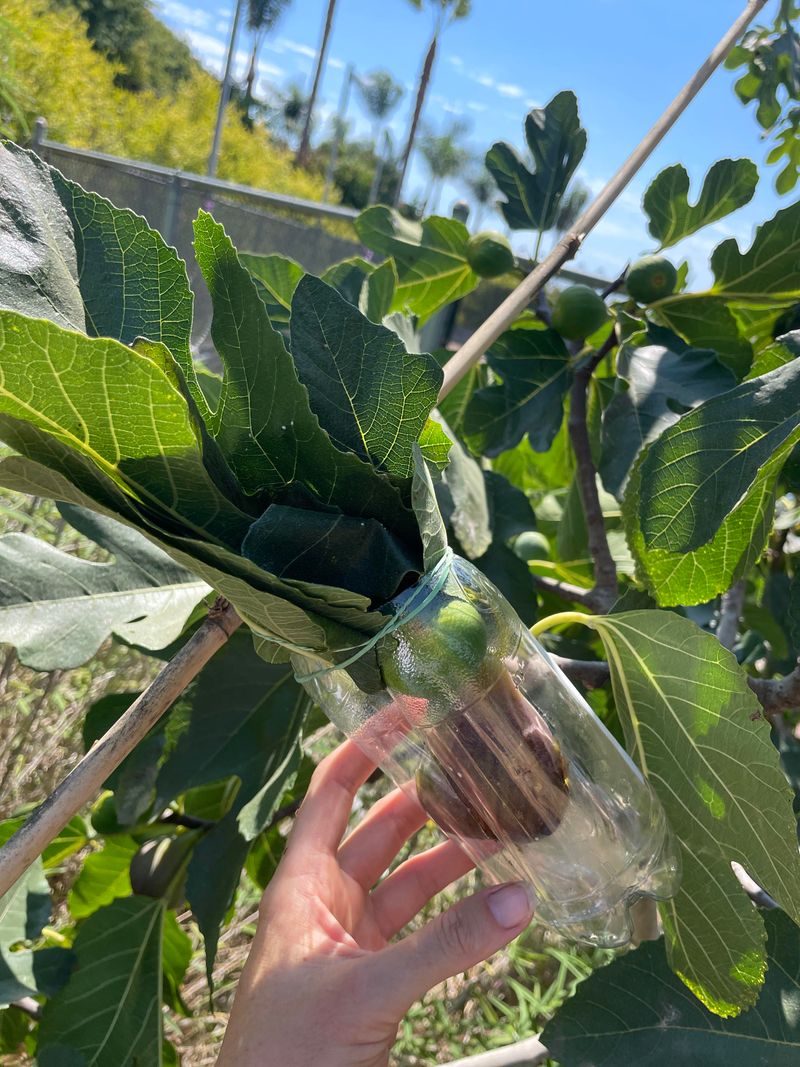
Birds have excellent timing. The moment your figs start to soften and change color, local robins, starlings, and cedar waxwings seem to know about it before you do.
Protecting ripening fruit before the birds arrive is one of the smartest moves a fig grower can make in August.
Bird netting is the most effective and widely used solution. It drapes over the tree or individual branches and creates a barrier that keeps birds from pecking at the fruit.
Use netting with a mesh size small enough that birds cannot push through or get their heads caught in it. Check the netting regularly to make sure no birds or other small animals have become trapped underneath.
Reflective tape is another option some growers use. Strips of shiny tape hung through the canopy catch sunlight and movement, which can startle birds away.
It works better as a short-term deterrent than as a long-term solution, but it is easy to set up and costs very little.
Some growers in Oregon use a combination of both methods, especially on larger trees where full netting is difficult to manage. Paper bags tied over individual clusters of figs are also surprisingly effective for protecting small amounts of fruit.
Whatever method you choose, the key is to start before the figs begin to fully color up. Once birds discover a reliable food source, they will return every single day until the tree is stripped bare.
5. Fallen Figs Attract Unwanted Garden Visitors
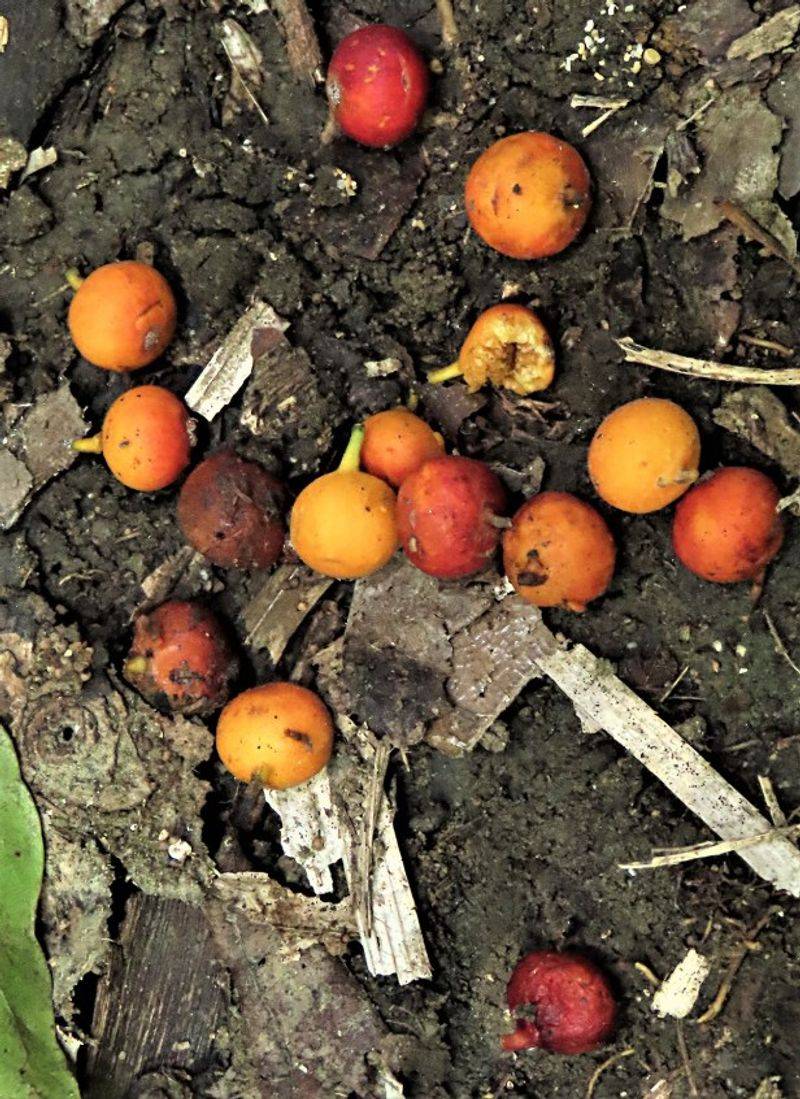
Every fig that falls to the ground and sits there is an open invitation to pests. Yellowjackets, earwigs, slugs, and even small rodents are all drawn to the sweet smell of fermenting fruit.
Letting fallen figs pile up under your tree is one of the fastest ways to create a bigger pest problem in your garden.
Make it a habit to walk under your fig tree every morning in August. Pick up any figs that have fallen overnight and dispose of them right away.
Do not leave them in an open compost pile near the garden, because the smell will still attract pests. A sealed compost bin or yard waste bag works much better for this kind of material.
Yellowjackets are especially aggressive around fallen figs in late summer across this region. They are more than just a nuisance.
A heavy yellowjacket presence near your tree can make harvesting feel unsafe, especially for children or anyone with a sensitivity to stings. Removing fallen fruit consistently keeps their numbers lower and your garden more comfortable to work in.
Ground-dwelling pests like earwigs and slugs can also climb up into the tree after feeding on fallen fruit below. Once they are in the canopy, they can damage figs that are still on the tree.
A clean ground underneath the tree is one of the easiest and most effective ways to reduce pest pressure throughout the entire harvest season.
6. Mulch Helps Fig Roots Handle Summer Stress
Wood chip mulch might not look exciting, but it does some seriously important work for fig trees during August.
The summer heat in Oregon, especially in the Willamette Valley and southern regions, can bake the soil and stress roots that are working hard to support a ripening crop.
A three to four inch layer of organic mulch around the base of the tree acts like a blanket for the soil. It slows down evaporation, keeps the root zone cooler, and helps maintain steady moisture levels between watering sessions.
All of those things directly support better fruit development and reduce the chance of premature drop.
Wood chips, straw, and shredded leaves are all good choices for mulching fig trees. Avoid using rock or gravel mulch around figs.
Those materials absorb heat and can actually make the soil temperature problem worse rather than better.
Organic mulches also break down over time and add nutrients back into the soil, which gives the tree an extra long-term benefit.
Keep the mulch pulled back a few inches from the trunk itself. Mulch packed tightly against the bark can hold moisture against the wood and cause issues over time.
The mulch ring should extend out to the drip line of the tree, which is roughly where the outermost branches hang.
Doing this correctly in early August sets up the root zone for a strong finish through the rest of the growing season.
7. Daily Checks Catch Figs At Peak Sweetness
Figs do not wait around for you. Once a fig reaches peak ripeness, it has a very short window before it starts to overripen, split, or fall.
Checking your tree every day in August is not overthinking it. For serious growers, it is simply part of the routine.
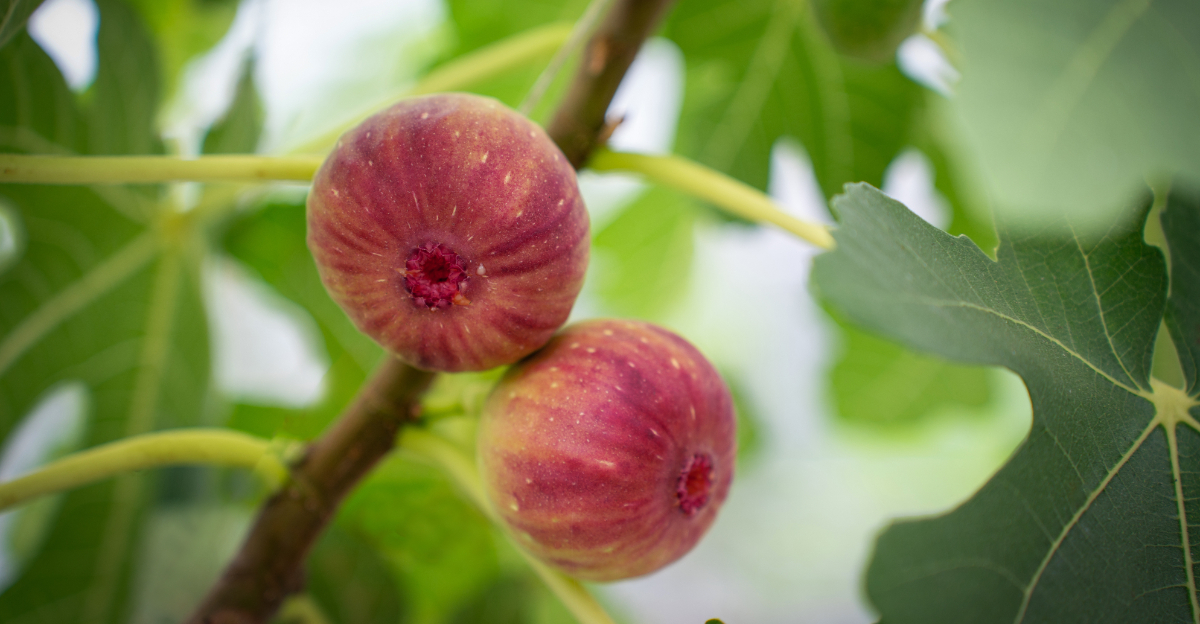
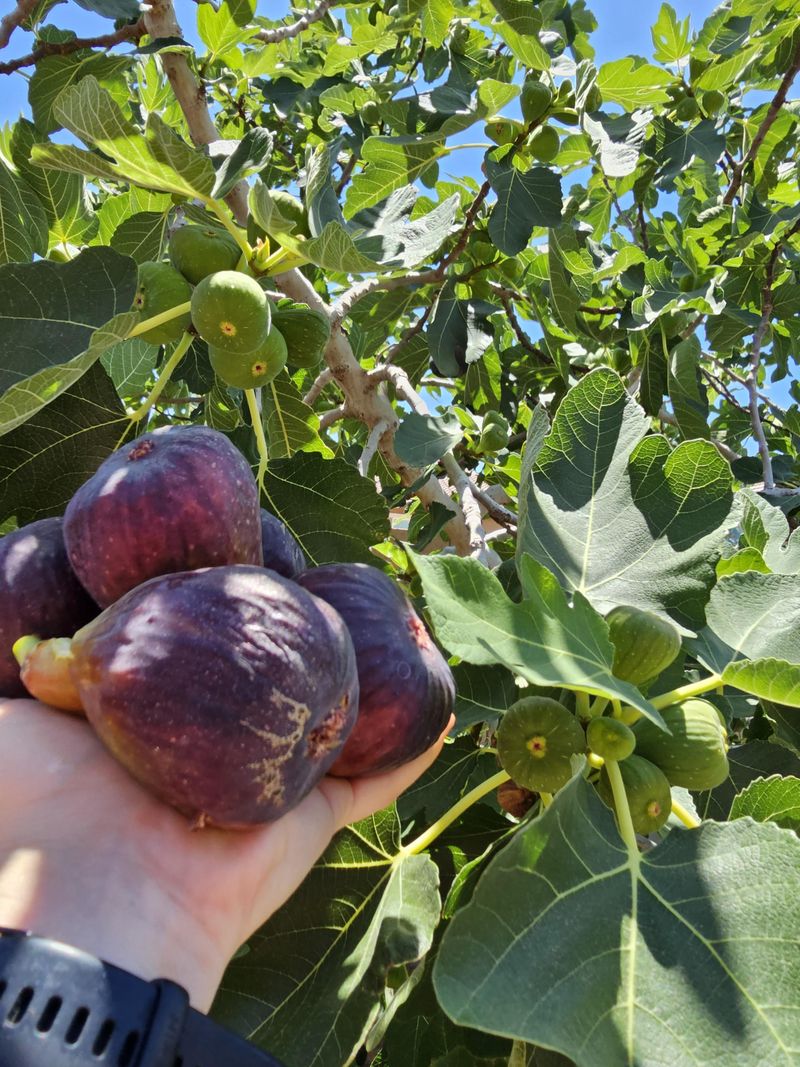
A ripe fig gives you several clear signals. The skin softens and may develop small cracks near the base of the fruit.
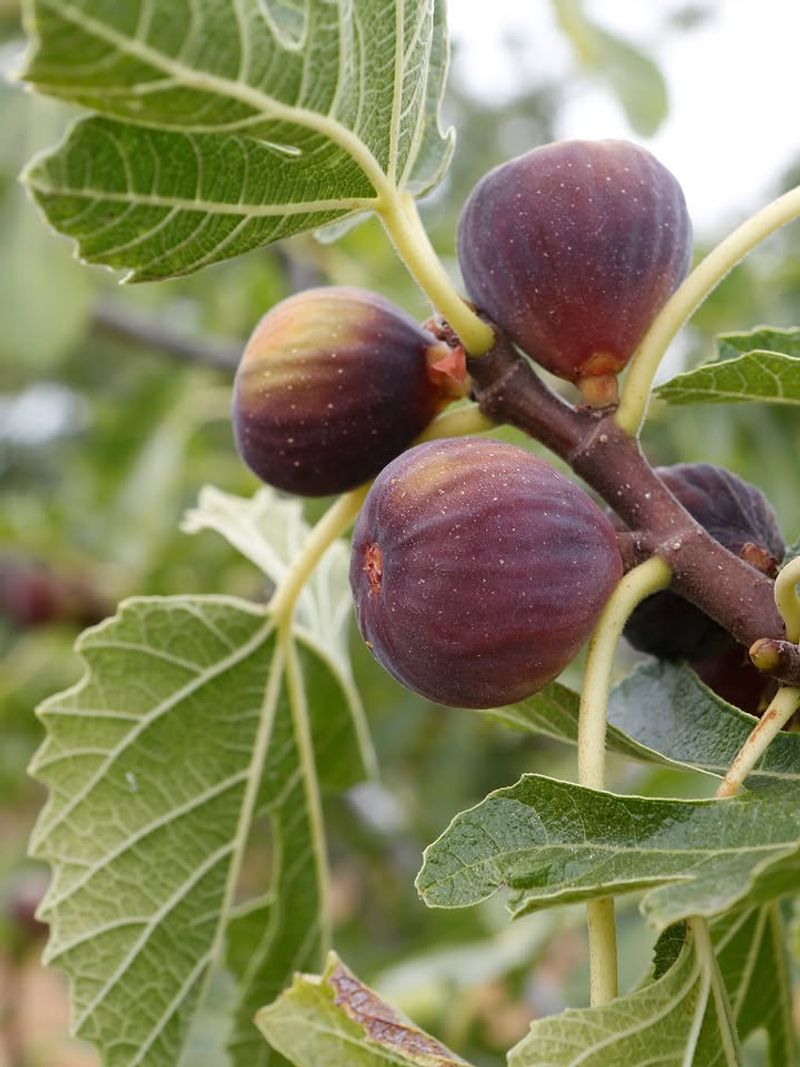
The neck of the fig, where it connects to the branch, often bends slightly downward under the weight. The color deepens, turning from green to yellow, brown, or deep purple depending on the variety you are growing.
The smell is also a reliable guide. A ripe fig has a sweet, honeyed scent that is hard to miss when you are standing right under the tree.
Some growers say the smell alone is enough to tell them it is time to harvest, even before they look closely at the fruit itself.
Checking in the early morning is usually the best time. The cooler temperatures make it easier to spot changes in the fruit without the glare of midday sun.
Plus, mornings are when you are most likely to catch figs that softened overnight and are ready right now.
Missing even one day during peak ripeness can mean the difference between a perfect fig and one that has already started to split or attract insects. Consistency really does pay off here.
8. Harvesting Too Early Leaves Flavor Behind
There is a strong temptation to pick figs early, especially when you are excited about the harvest or worried about pests getting to them first.
But pulling a fig off the tree even a day or two before it is truly ready makes a noticeable difference in how it tastes.
The sugars in a fig continue developing right up until the moment of full ripeness.
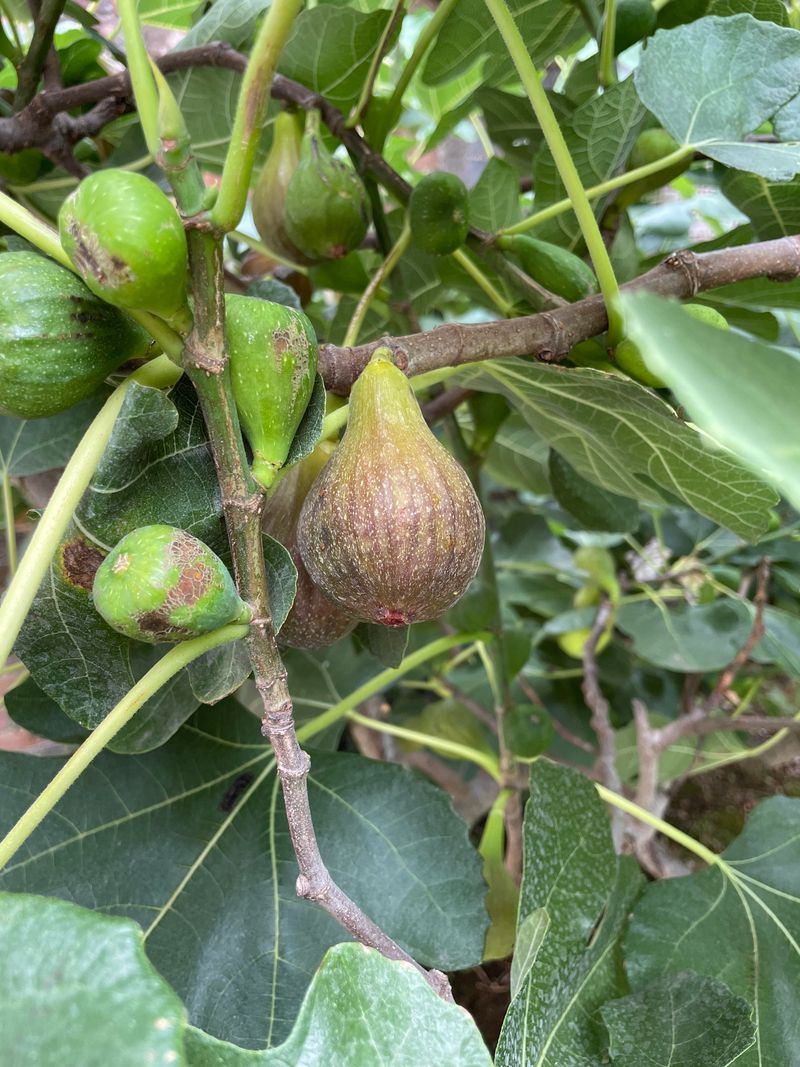
An underripe fig is firm, starchy, and almost flavorless compared to a fully ripe one. The texture is dense rather than soft and jammy.
The skin can also have a milky sap near the stem that causes irritation on the skin and lips, which is another sign the fruit was not ready to be picked.
Learning to read the signs of full ripeness takes a little practice but becomes second nature quickly. A truly ripe fig will come off the branch with almost no effort.
If you have to tug or twist hard, give it one more day. The fruit should feel heavy for its size and yield gently to light pressure from your fingertips.
Different varieties ripen at different rates, so it helps to know which type you are growing. Brown Turkey figs, one of the most common varieties grown across this state, tend to turn light brown or tan when ripe.
Darker varieties like Black Mission will feel very soft and look nearly black. Matching your expectations to the specific variety you grow makes harvesting at the right moment much easier and far more rewarding.