Your Virginia Thanksgiving Cactus Needs These 8 Tweaks to Bloom by the Holiday
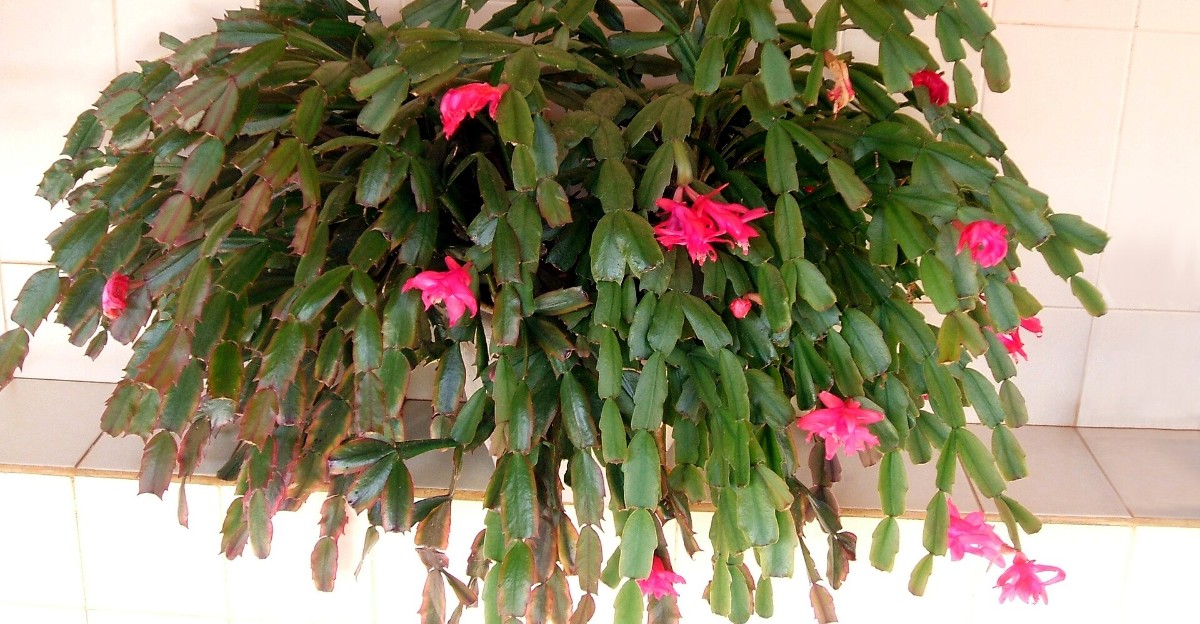
Your windowsill houseplant descends from ancestors that cling to tree branches in misty mountain forests.
Those wild relatives count the hours of darkness each fall, and that habit still rules your potted plant.
What surprises me most is how a single lamp flicked on at midnight can stall the whole flower show. Cool nights matter too, and Virginia autumns happen to deliver them right when the plant needs a nudge.
I have to admit my first one sulked for two years because it lived beside a bright reading lamp. Once I learned its quirky schedule, the stems became loaded with buds by the middle of November.
You need only a handful of small changes, and most of them cost nothing beyond a little attention. The right adjustments could have your windowsill glowing with pink and coral blooms just in time for Thanksgiving.
1. Give Your Thanksgiving Cactus Long Dark Nights
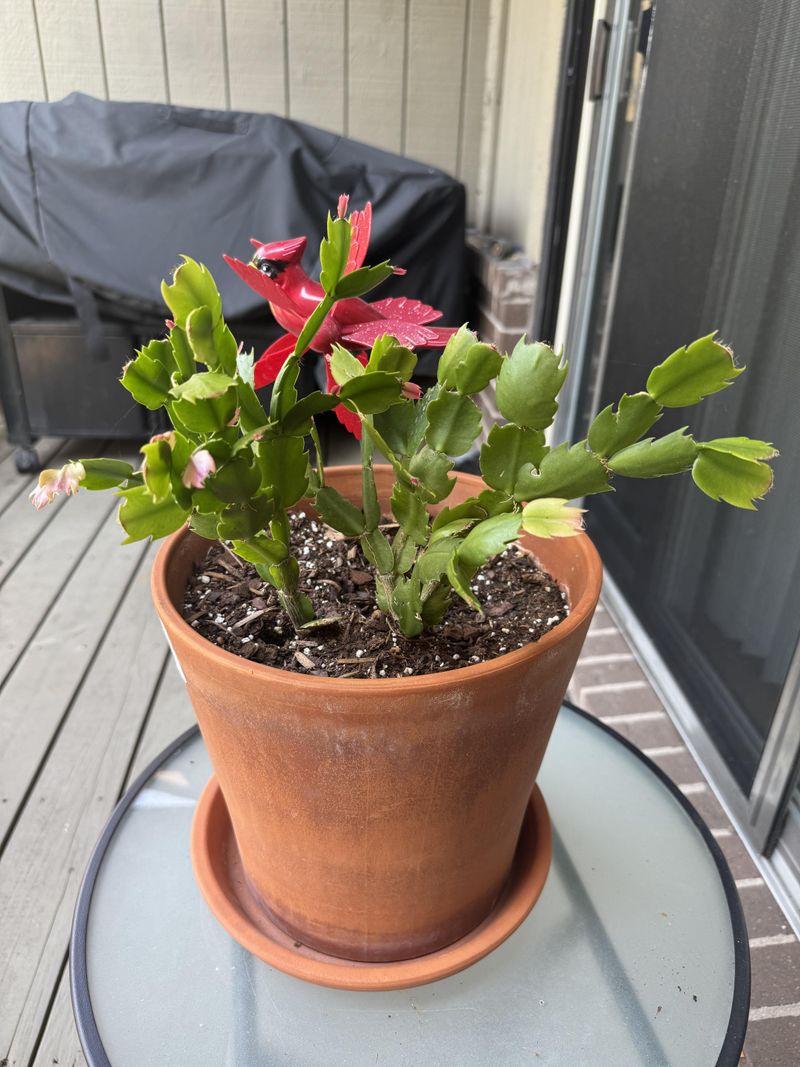
Your cactus reads the calendar through darkness, and it starts planning flowers once nights stretch past twelve hours.
I love how this tiny plant behaves like a living clock tucked inside a clay pot.
Starting in mid-September or early October, give it twelve to fourteen hours of uninterrupted darkness every single night. Keep that routine going for about six to eight weeks, and buds usually appear near the stem tips.
Even a quick flash from a hallway light or television can confuse the plant and delay bud formation. A spare bedroom closet or an unused guest room often works better than a busy family den.
Some folks cover the plant with a cardboard box around six in the evening each night. Personally, I prefer moving it to a dim room because I tend to forget the box routine.
Bring the cactus back to bright, indirect light during the day so it can keep making energy. Darkness triggers the buds, but daylight still feeds the stems that will carry those future flowers.
Shorter natural days across Virginia in fall help a lot if your plant sits somewhere without lamps. Quiet sunrooms with no evening lamps can handle the job nicely, as long as nights stay above fifty degrees.
Once buds look like small pink nubs, you can relax the strict darkness schedule a bit. By then the plant has made its decision, and the flower show is on its way.
2. Let Cool Fall Nights Chill Your Cactus Buds
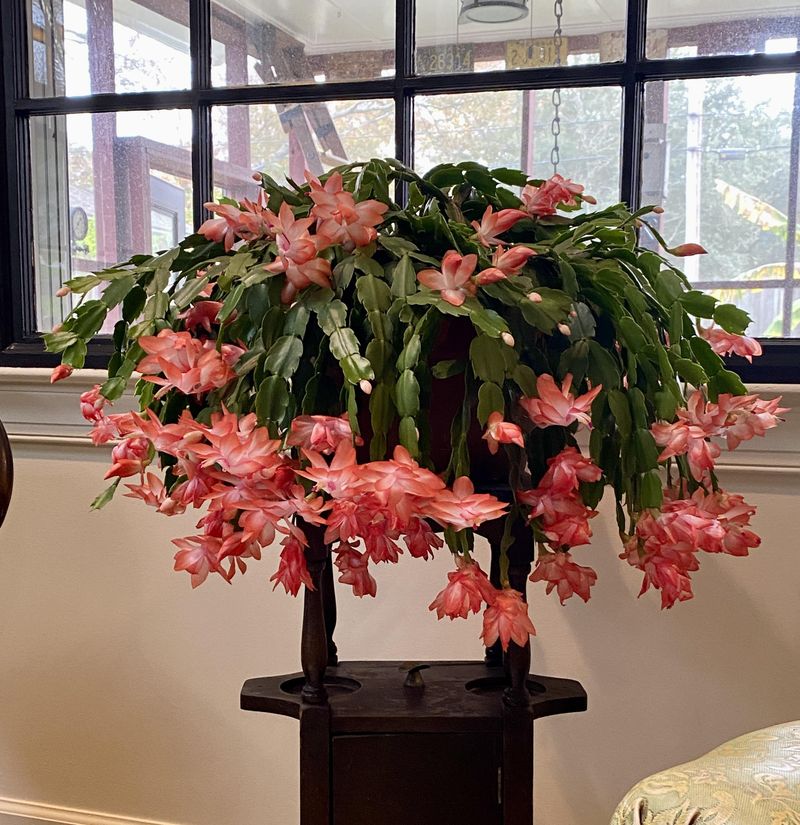
Brazilian cloud forests get chilly after sunset, and your cactus remembers that cool mountain air in its genes. I like to think of a crisp night as a gentle tap on the shoulder saying bloom time.
Aim for steady nighttime temperatures between 50 and 65 degrees Fahrenheit for several weeks during early fall.
Research suggests nights near 50 to 59 degrees can prompt buds even when day length is not ideal.
Many Virginia homes run warm indoors, so a cool back bedroom or enclosed porch can be a lifesaver. You might notice your plant forms more buds in a chilly corner than on a cozy kitchen counter.
Outdoor time can help too, since September and early October nights often slip into the fifties here. Just bring the pot inside well before temperatures dip toward freezing, because frost will harm those fleshy stems.
Watch the forecast closely, since mountain towns in the western part of the state cool off much sooner.
Coastal and Tidewater gardeners can often leave plants outside a few weeks longer than folks near the Blue Ridge.
A cheap indoor thermometer placed beside the pot takes the guesswork out of this whole cooling process. I keep one on my plant shelf, and it has saved me from plenty of foggy assumptions.
Avoid spots near heating vents or drafty doors that swing between hot blasts and cold gusts all day. Steady coolness at night is the real goal, not a wild roller coaster of sudden temperature swings.
3. Keep Daytime Temperatures Steady And Mild
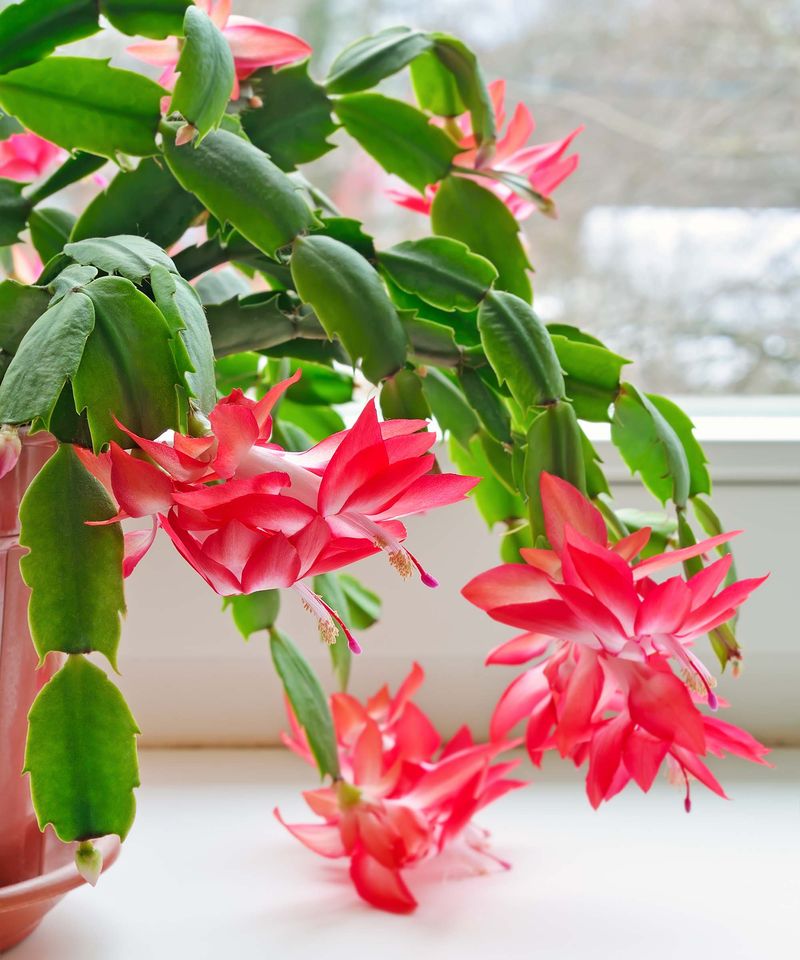
Daytime comfort matters just as much as cool evenings, and this plant prefers a room you would enjoy. Think of a pleasant fall afternoon with a light sweater, and you have the right idea.
Ideal daytime temperatures during bloom preparation sit between 65 and 70 degrees Fahrenheit for most typical homes.
That range keeps the stems growing steadily while the cool nights quietly signal that flowering season approaches.
Heat above 90 degrees can cause developing buds to drop, which feels heartbreaking after weeks of careful work. Warm Indian summer days still pop up in early October, so keep outdoor plants in some shade.
Indoors, sunny windows can heat up faster than you expect, especially when glass traps afternoon rays. I learned this when a south window cooked my pot to a surprising temperature by three o’clock.
Space heaters deserve extra caution once the furnace season begins later in the fall across most regions. Keep the cactus several feet away so warm air does not dry out the soil or stress the buds.
Small swings of a few degrees are fine, since homes rarely hold one exact temperature all day. Big jumps are the trouble, like a chilly porch morning followed by a hot kitchen afternoon.
You need to find one reliable spot and let the plant settle into a calm daily rhythm.
Consistency builds confidence in this cactus, and confident plants reward you with a much fuller flush of blooms.
4. Ease Back On Watering Before Buds Form
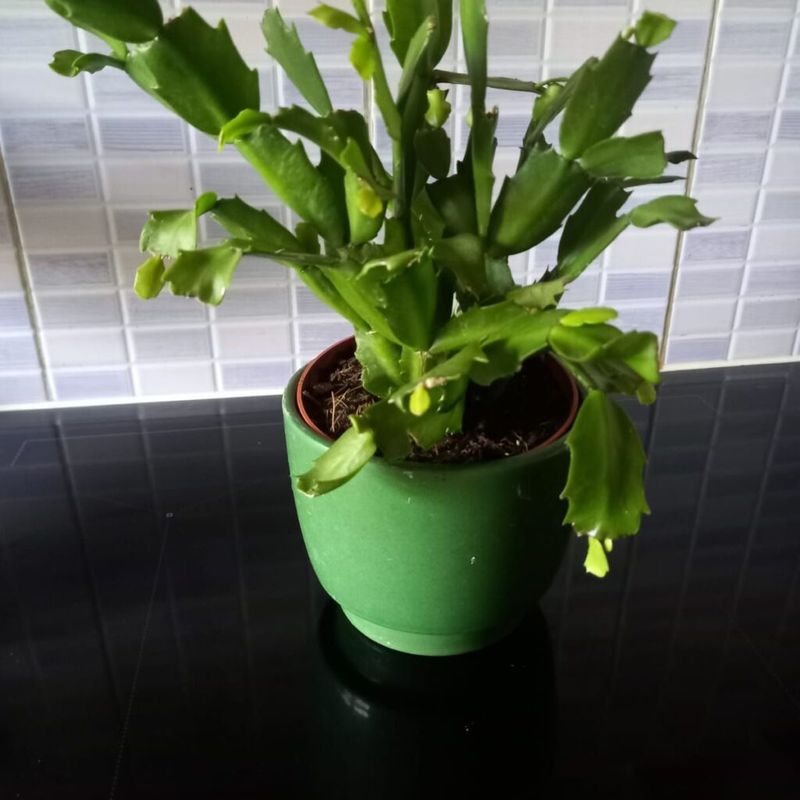
Thirsty roots can actually help this plant bloom, which sounds odd for a rainforest native that loves moisture.
A slightly drier rhythm in early fall tells the cactus that growing season is winding down for now.
In the month before you want blooms, reduce watering and let the top inch or two dry out. Poke a finger into the soil before grabbing the watering can, since the surface can fool you.
Dry does not mean parched, though, so avoid letting the stems turn limp or deeply wrinkled. Slightly soft segments suggest the plant needs a drink, and it will usually plump back up within days.
Once buds become visible, switch back to evenly moist soil that stays damp without sitting soggy or waterlogged. Uneven watering at this stage often leads to bud drop, and that sight stings every single time.
Drainage holes are a must, because soggy roots invite rot faster than almost any other mistake. Personally, I empty the saucer about ten minutes after watering so no puddle lingers underneath the pot.
A well-draining mix with bark or perlite mimics the airy tree crevices where wild plants grow.
Regular potting soil alone holds too much water for these epiphytes and can smother their delicate roots.
Room temperature water feels gentler than icy tap water straight from the faucet on a cold morning. Small habits like that add up, and your plant will thank you with healthier, happier stems.
5. Boost Humidity With A Pebble Tray
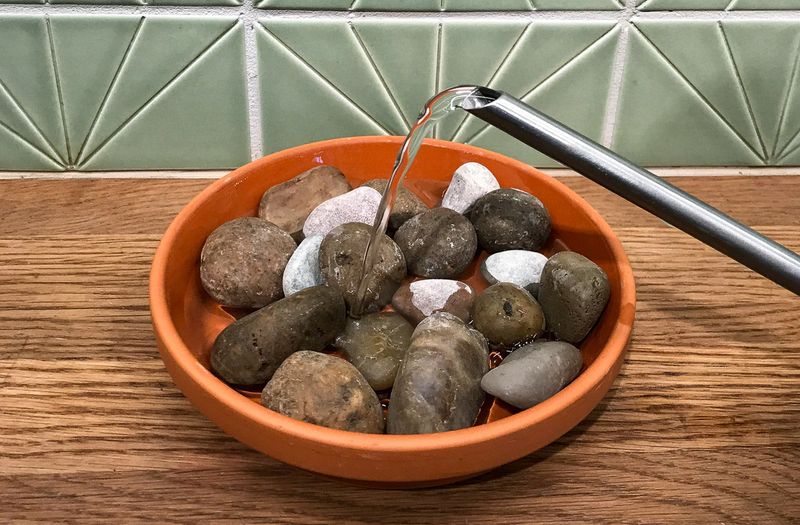
Cloud forests stay damp and misty much of the year, which explains why your cactus craves moisture. Dry indoor air can leave it stressed, especially once the furnace kicks on later in the season.
Moderate to high humidity helps most while flower buds are forming and swelling toward opening day.
A pebble tray is the easiest fix, and I love how little effort this simple trick requires.
Fill a shallow tray with gravel and add water until it sits just below the stone tops. Set the pot on the pebbles so evaporation rises around the stems while the roots stay dry.
Occasional misting gives a quick boost, though its effect fades within an hour or so indoors. A small room humidifier works better for steady results, especially in older apartments with forced-air heat.
Grouping houseplants together creates a cozy little humid pocket because leaves release moisture as they breathe. Your cactus will appreciate the company of ferns or pothos sharing the same bright and roomy windowsill.
Summer in Virginia brings plenty of muggy air, but winter heating can drop indoor humidity sharply.
You might notice crispy segment edges or shriveled buds when the air turns too dry inside.
Bathrooms with a bright window can be lovely homes for this plant during the dry months. Just keep it out of direct shower spray, since constantly wet stems can invite fungal problems.
6. Stop Fertilizing As Fall Arrives
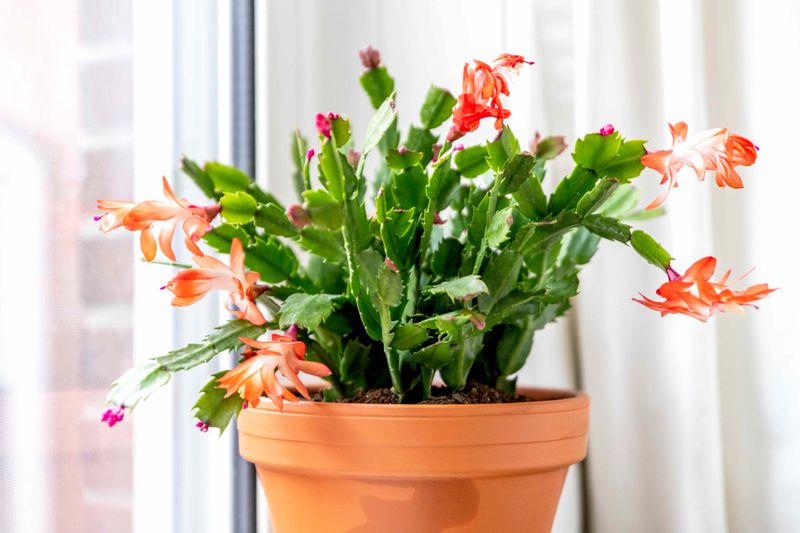
Feeding your plant in autumn feels kind, yet this cactus would rather have a quiet break from fertilizer. Extra nutrients late in the season can push leafy growth instead of the flower buds you want.
Spring through early fall is the real feeding window for steady growth and strong new stem segments.
A balanced liquid fertilizer mixed at half strength every few weeks usually keeps things growing nicely.
Some gardeners swear by half-strength tomato feed because its higher potassium may encourage more buds later on. I have to admit I tried it one summer, and the bloom count did look noticeably richer.
As September winds down, start tapering off and stop feeding once you begin the darkness routine. Pause fertilizer through blooming and the rest period afterward so the plant can focus its energy.
Salt buildup from fertilizer can also show up as a white crust on soil or pot rims. Flush the pot with plain water now and then to rinse away those leftover minerals gently.
Too much feeding can scorch roots, and stressed roots rarely support a heavy load of flowers. Less truly becomes more here, which makes this one of the easiest tweaks on the whole list.
Mark your calendar for spring, when new growth appears and the feeding schedule can start again. Your cactus will be hungry by then, and you will be ready with a fresh bottle.
7. Set The Pot In Bright Indirect Window Light
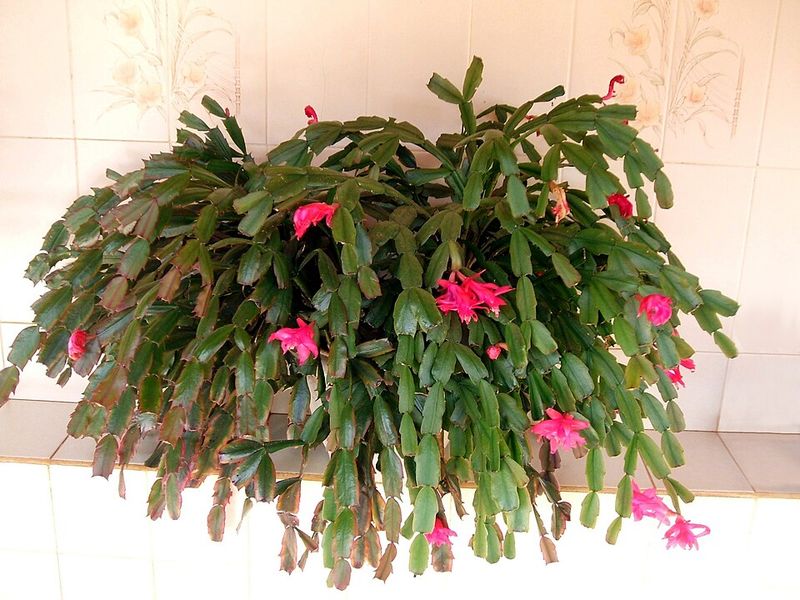
Long nights get all the attention, but daylight hours quietly power every bud your cactus manages to build.
Without enough light, the plant simply lacks the energy to push out those dangling, colorful flowers.
Bright, indirect light suits this epiphyte best, because wild plants grow under a shady canopy of branches. Harsh afternoon sun can scorch the flat stems and turn them reddish or pale and stressed.
East-facing windows give gentle morning sun, and many growers consider them the sweet spot for this plant. North windows also work in many homes, though they can feel a little dim during short days.
A sheer curtain helps soften strong southern or western light if those windows are your only choice. Personally, I rotate the pot a quarter turn every week before buds appear for even growth.
Reddish tints on the segments often signal too much sun, while stretched growth hints at too little. Reading those signals takes practice, but your plant shows its mood pretty clearly once you start looking.
Fall sunlight sits lower in the sky, so a spot that was shady in July may change. Check the window again in October, since light patterns shift a lot as the season moves along.
Just remember that bright days need to pair with truly dark nights for the bloom signal to work.
Balance those two, and you have built the backbone of a holiday flower display worth showing off.
8. Leave The Budding Cactus Right Where It Sits
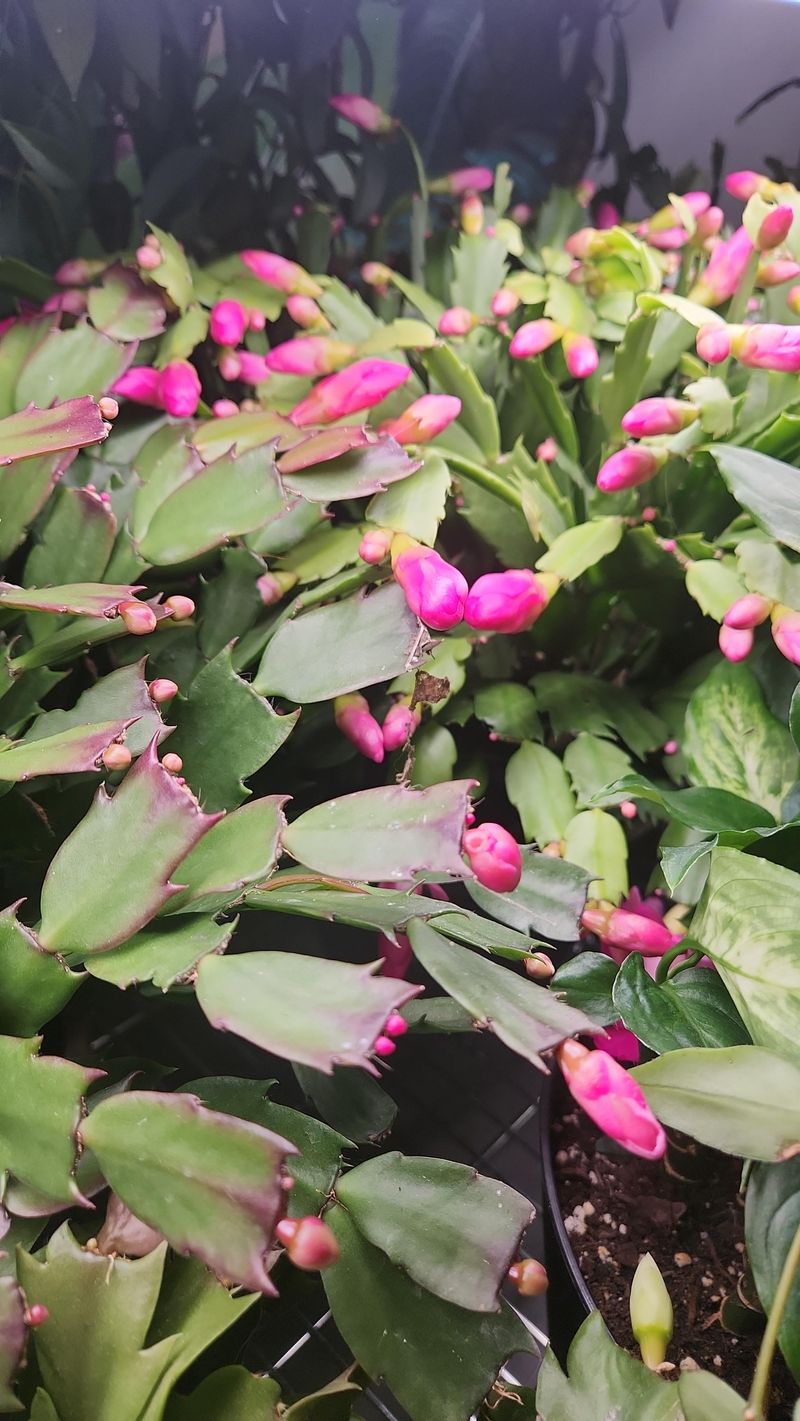
Fat buds dangling from every stem tip can tempt anyone to carry the plant straight to the dining table. Resist that urge for now, because this cactus gets fussy about sudden changes once buds appear.
Shifts in temperature or light can stress the plant and cause developing buds to drop before opening.
Bud drop is one of the most common complaints, and moving the pot is a frequent culprit.
Pick the final location before buds form, ideally the same spot where you plan to enjoy the blooms. If you must move it, choose a place with nearly identical light and temperature to reduce the shock.
Even turning the pot around can confuse buds, since they tend to grow toward the light source. I tape a small mark on my pot so I return it facing the same direction.
Watering stays consistent during this stage, with evenly moist soil and good drainage underneath the container.
Gentle care now protects all the effort you invested during those long weeks of darkness and cool nights.
Colorful flowers usually open in late November and can keep going for three to eight weeks. Shades range from soft white to fiery red, so each plant offers its own little seasonal surprise.
Once the show winds down in Virginia, give the plant a short rest with less water. Come spring, you can repot or move it anywhere you like, ready for another round next fall.