The Low-Water Vines That Cover An Ugly Virginia Block Wall In A Season Or Two
Concrete block walls soak up afternoon heat and release it after sunset, which leaves the soil below surprisingly thirsty. I learned that lesson the hard way, watering a fussy climber every evening while my gray wall just laughed.
Here in Virginia, several native vines actually love that baked, lean strip of ground along a wall. Some grab bare block with tiny clinging pads, while others need a simple wire grid to climb.
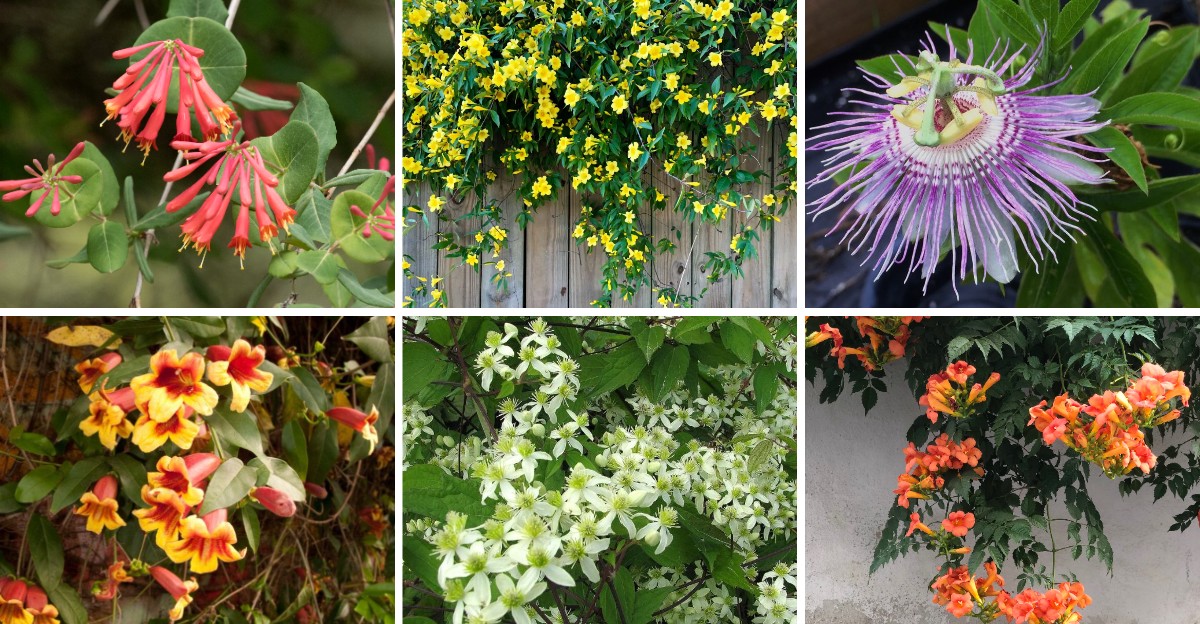
You might notice hummingbirds showing up within weeks once the first tubular flowers open on a sunny wall. I love how a blank slab of concrete turns into a buzzing, glossy curtain with very little fuss.
October is a smart month to plant in Virginia, since cool air and warm soil help roots settle. So which climbers can shrug off dry heat and still behave themselves next to your house?
1. Crossvine
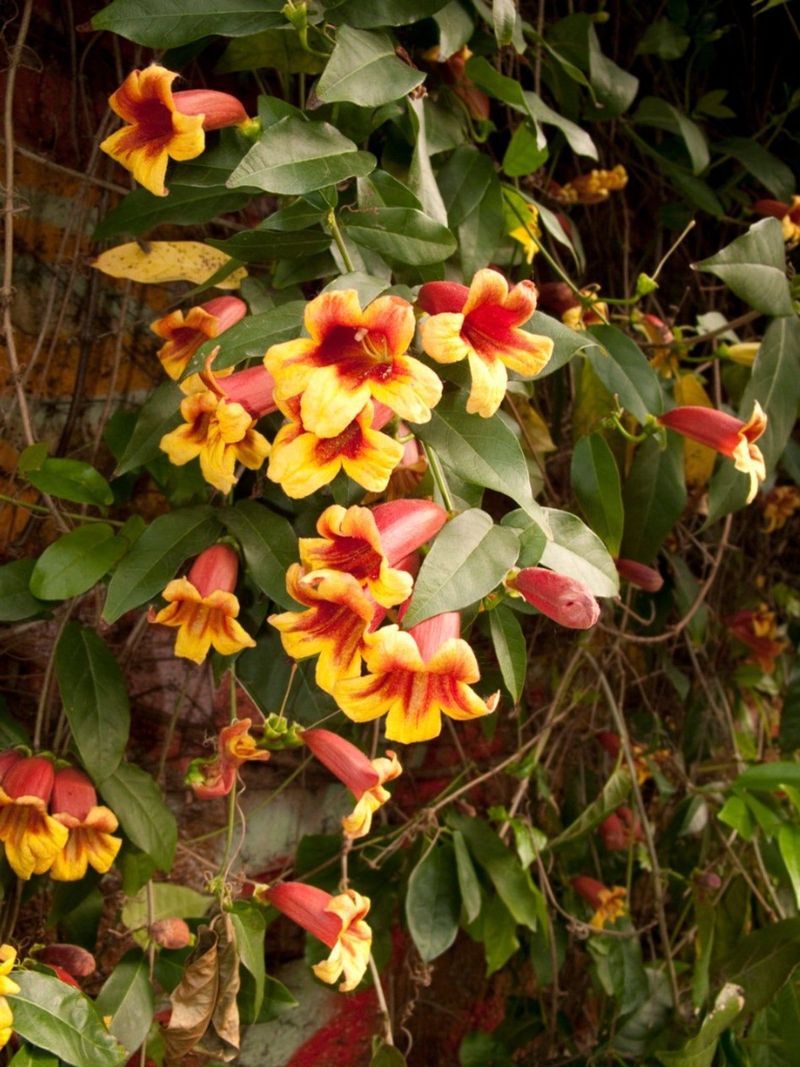
Slice an old crossvine stem in half and you will spot a tidy cross pattern hiding inside the wood. I find that little secret charming, but the real show happens each spring when orange trumpets cover the leaves.
Botanists call it Bignonia capreolata, and it climbs using branched tendrils tipped with small sticky disks. Those disks grip rough block without help, so you can skip the trellis on a bare wall.
Mature vines can reach thirty to fifty feet, though most gardeners see solid coverage in about two seasons. The first year mostly builds roots, but the second year usually rewards your patience with a serious growth spurt.
Full sun brings the heaviest flowering, while partial shade still gives you plenty of glossy green cover. Once established, crossvine handles dry spells well and grows happily in heavy clay or sandy soil.
Winter is its quiet party trick, because many leaves turn a deep reddish purple instead of dropping. In colder mountain areas it may lose more foliage, yet the stems usually bounce back each spring.
For October planting, dig a hole about a foot away from the wall where rain can reach. Water deeply every week until the ground freezes, then let winter rain handle most of the work.
Hummingbirds adore those spring trumpets, and I love watching them zip along the wall at breakfast. Trim stray shoots after flowering so the vine stays off your gutters and window frames nearby.
2. Coral Honeysuckle
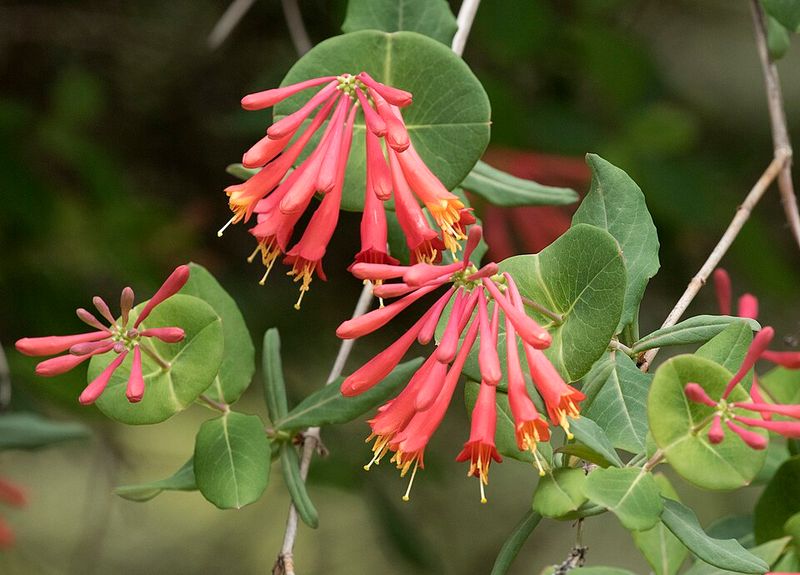
Red trumpet flowers on this vine are basically a neon sign that reads open for business to hummingbirds. I planted one beside a gray garage wall, and ruby-throated hummingbirds started visiting within a few weeks.
Coral honeysuckle, Lonicera sempervirens, is the well-mannered native cousin of the invasive Japanese honeysuckle that smothers roadside woods. You get the classic honeysuckle look without worrying about it escaping into nearby wild forests and fields.
Main blooms arrive in spring, and many plants keep tossing out scattered flowers through summer into fall. By October you may spot small red berries, which songbirds such as cardinals and finches happily pick.
Your Virginia Garden Changes Every Week. Your Plan Should Too.
Gardening in Virginia changes quickly throughout the season. Every Friday you’ll receive a simple weekly plan showing exactly what to plant, prune, fertilize, harvest, and protect so you never miss the right timing.
Unlike crossvine, this plant twines instead of clinging, so it needs wires or a trellis on block. I like galvanized wire stretched between masonry anchors about eight inches apart for an easy grid.
Expect a mature size around ten to twenty feet, which suits most backyard walls and garden fences. Growth is quick once roots settle, though a full screen usually takes a couple of warm seasons.
Give it at least six hours of sun, because shady spots invite powdery mildew and fewer flowers. Established plants shrug off summer dry spells, and leaves often stay green through mild winters in eastern areas.
Fall planting works beautifully, so tuck a nursery pot in now and mulch lightly around the base. Personally, I think it is the friendliest vine on this list for a nervous first-time wall project.
3. Trumpet Creeper
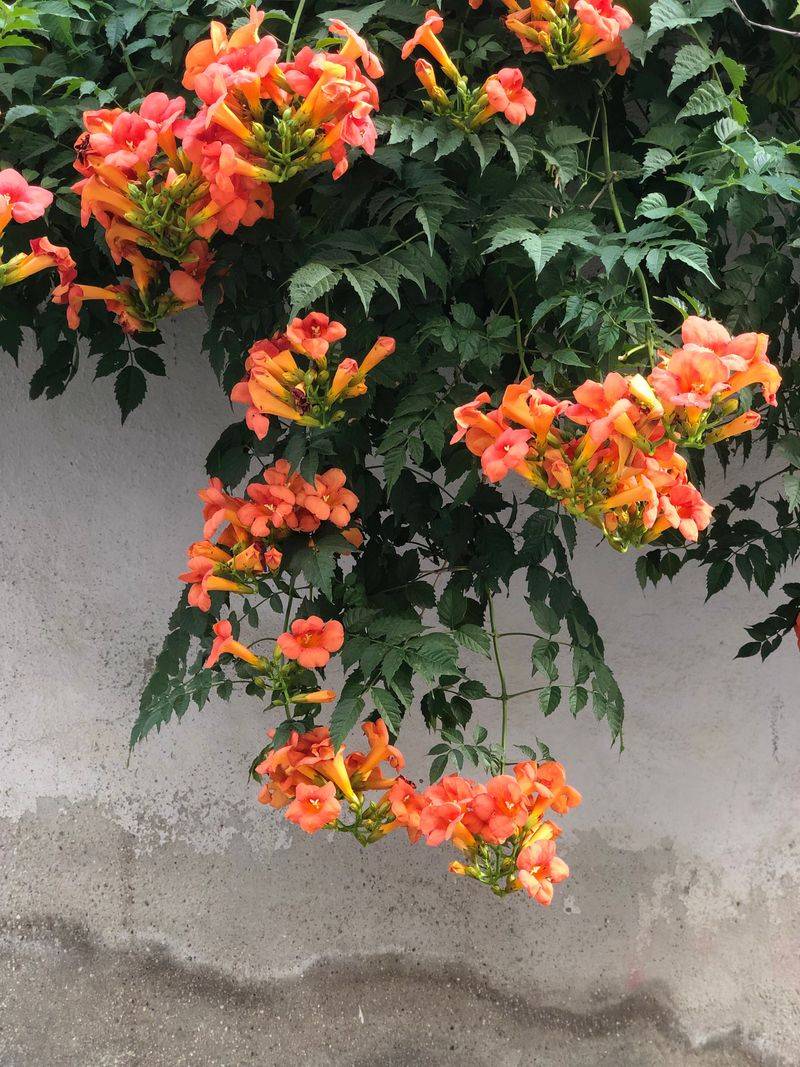
Folks in the rural South nicknamed this vine cow itch, and that cheeky name hints at its wild energy. Trumpet creeper, Campsis radicans, is the speed demon here, sometimes adding ten feet or more in one summer.
Aerial rootlets along the stems grab rough concrete block, so no trellis is needed for climbing. If any vine truly earns the one season promise in this headline, I would bet on this one.
From midsummer onward, clusters of orange-red trumpets about three inches long light up the bright green foliage. Hummingbirds treat them like a fast food counter, and bumblebees often crawl right inside the tubes.
Drought barely bothers established plants, and poor rocky soil seems to suit them just fine along hot walls. I have to admit, this toughness is both its charm and its biggest challenge in a tidy yard.
Roots send up suckers several feet away, and seedlings can pop up wherever the pods scatter seed. Plant it beside a lawn you mow often, which keeps those wandering shoots in check with little effort.
Keep it well away from wood siding and gutters, since rootlets can wedge into gaps and lift materials. Some people get itchy skin from handling the leaves, so wear gloves and long sleeves when pruning.
This October, set a young plant in full sun and water weekly until the leaves drop. Late each winter, cut side shoots back hard, because flowers form on fresh growth from that spring.
4. Virgin’s Bower
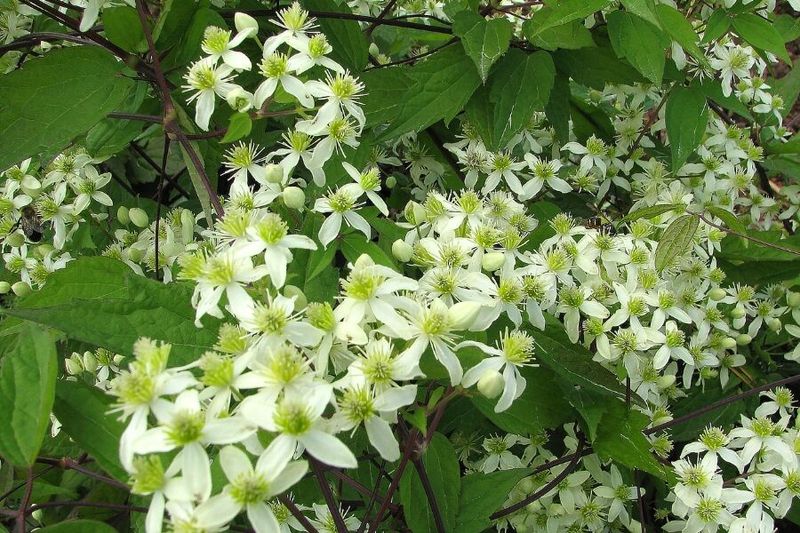
Right about now, fluffy silver seed plumes are swirling over this vine like a tangle of fairy hair. I can’t walk past a patch in October without stopping to touch those feathery, silky little tails.
Virgin’s bower, Clematis virginiana, is a native clematis that can scramble twelve to twenty feet up a support. Late summer brings clouds of small white fragrant flowers that bees and other pollinators visit eagerly for weeks.
Plants are usually male or female, and only the females produce those showy silver seed heads afterward. Buying a few plants raises your chances of getting both, which means more plumes on the wall.
Watch out for sweet autumn clematis, an invasive lookalike sold widely with similar white fall blooms. Our native has coarsely toothed leaflets, while the invader usually shows smooth edges if you look closely.
Leaf stalks twist around anything thin, so give it wire mesh or a slim trellis against block. Wide boards or bare concrete offer nothing to wrap around, and the stems will just flop sideways onto the ground.
This clematis prefers average soil and some afternoon shade, though it tolerates short dry spells once settled. I would save it for an east or north facing wall rather than a scorching southern exposure.
Plant now and mulch the roots well, then water deeply during any dry stretch this fall. Next spring, cut tangled stems back to about a foot tall, and fresh growth will race upward.
5. Carolina Jessamine
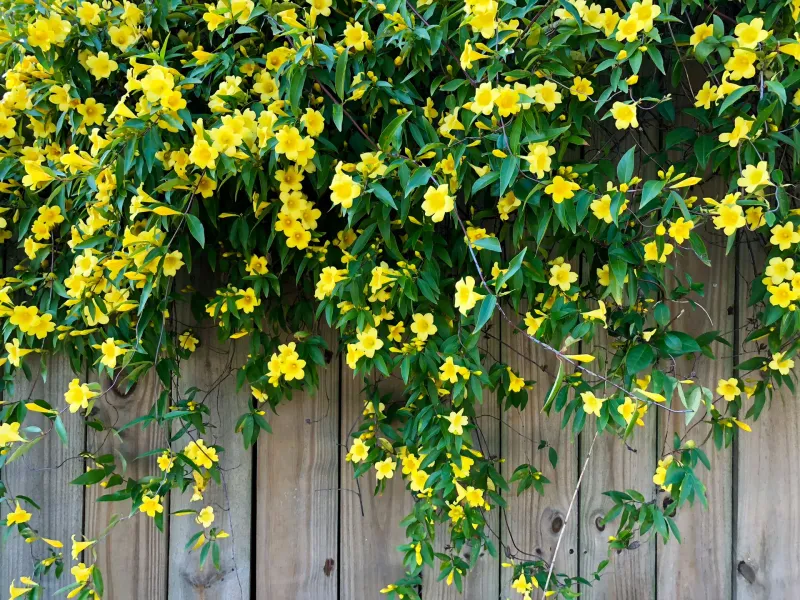
Yellow trumpets on this vine often open in late winter, when the rest of the yard still looks brown. Personally, I think that sweet scent drifting across a cold patio is worth the price of the plant alone.
Carolina jessamine, Gelsemium sempervirens, is the official state flower of South Carolina and a true Southeast native. Glossy evergreen leaves stay on all year, so your wall stays mostly hidden even through chilly January.
Location matters a lot, because this plant grows best in zones seven through nine and struggles in hard freezes. Gardeners in Hampton Roads and southern Virginia usually succeed, while colder mountain gardens face more winter damage.
Stems twine rather than cling, so stretch sturdy wires or attach a lattice panel to the block. Mature vines usually reach ten to twenty feet, which covers a typical retaining wall nicely within a few seasons.
Once established, it handles summer drought well and grows in most soils that drain decently after a rain. Full sun gives the thickest flowering, while heavy shade leaves you with lanky stems and fewer blooms.
Every part of this plant is poisonous if eaten, and its nectar has been reported to harm some honeybee broods. Skip it near play areas or chewing pets, and choose crossvine instead if that worries you.
October planting gives roots several cool months to settle before those late winter flowers appear on your wall. Prune right after blooming wraps up in spring, since next year’s buds form on summer growth.
6. Maypop
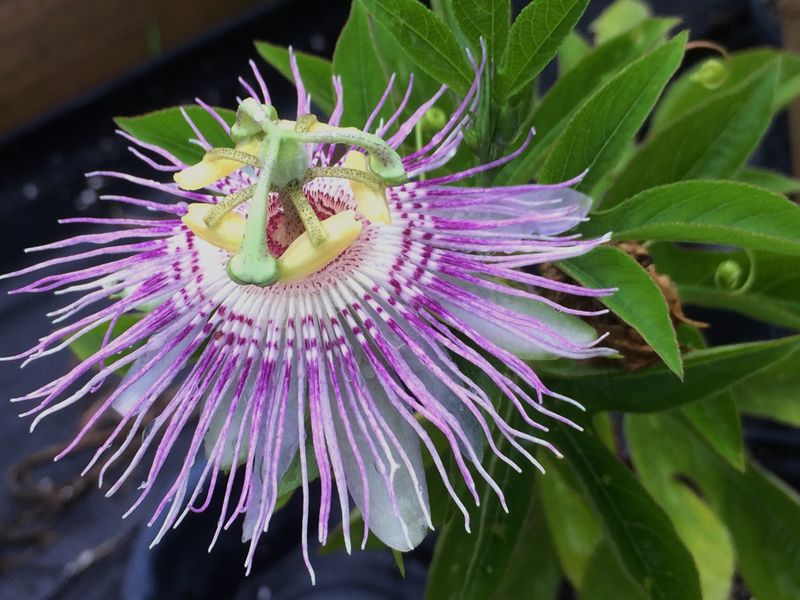
Squash a ripe fruit underfoot and you may hear the hollow pop that likely gave maypop its playful name. I still grin every time, even though I know the sound is just air escaping from the rind.
Passiflora incarnata is our native passionflower, with fringed purple blooms that look almost too fancy for a backyard. Flowers appear from early summer until frost, and carpenter bees love bumbling around those curly filaments.
Tendrils grab wire and netting quickly, so mount a mesh panel on the block before spring growth starts. Stems often stretch six to twenty feet in one season, which makes this a genuine one-year cover.
Winter brings a bare look, since the top growth fades back to the ground after hard frost. Fresh shoots return in late spring, so pair it with an evergreen vine if winter views matter.
Roots wander underground and send up new shoots several feet away, especially in loose sandy soil. I pull extras each spring and share them with friends, which keeps the patch polite and tidy.
Drought rarely slows established plants, and full sun along a hot wall suits them beautifully in most Virginia yards. Variegated fritillary and gulf fritillary caterpillars munch the leaves, so expect a few ragged holes by late summer.
This month, egg-shaped fruits are softening and turning yellowish, which means they are ready to taste. Scoop out the seedy pulp for a tangy treat, and save a few seeds for planting next spring.