Your Virginia Neighbors Are Piling Leaves Around Their Fig Trees. Here’s the Smart Reason Why
A shrub that froze to the ground in January can still hand you ripe fruit by late summer. That sounds like a garden fairy tale, but it happens in backyards every year.
The secret sits underground, tucked under a pile of something most folks bag up and haul to the curb. Take it from someone who once raked every last scrap off the lawn and then wondered why a favorite tree came back so slowly.
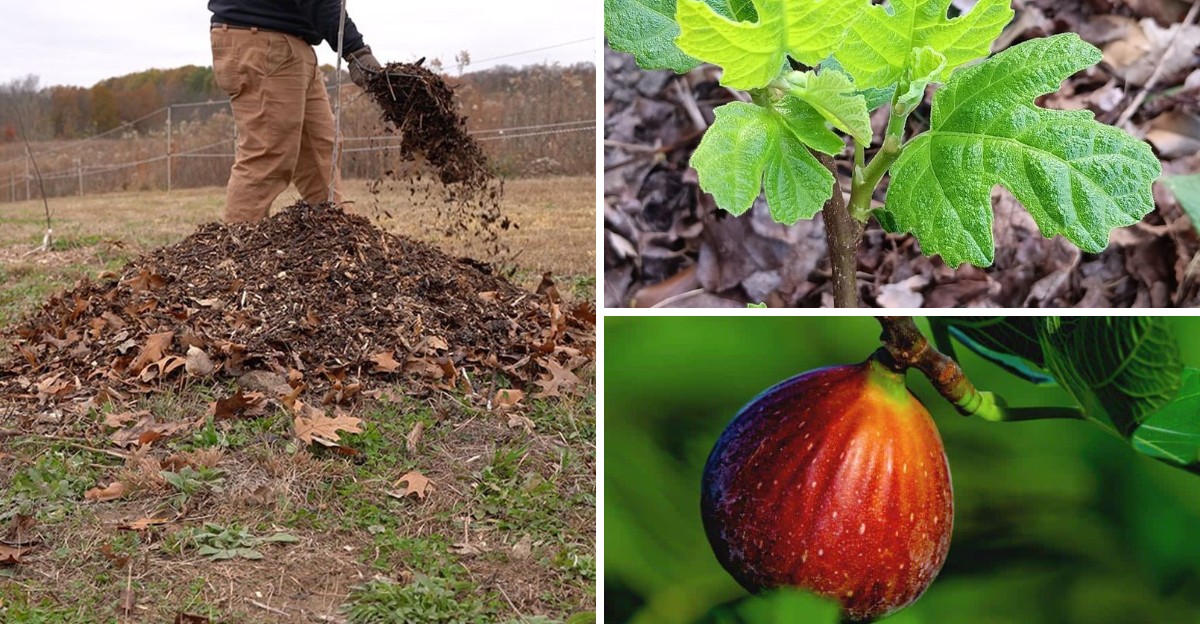
Across Virginia, the mounds start showing up as the weather turns cold. Some are knee-high and held in place with chicken wire. Others look like a sloppy brown skirt around a bare trunk.
For what it’s worth, I used to think those piles were pure laziness. Now I build one myself every November, and the payoff is sweet. So what do those crunchy heaps know that the rest of us missed?
That Leaf Pile at the Base of the Fig Tree Is Guarding Something Precious
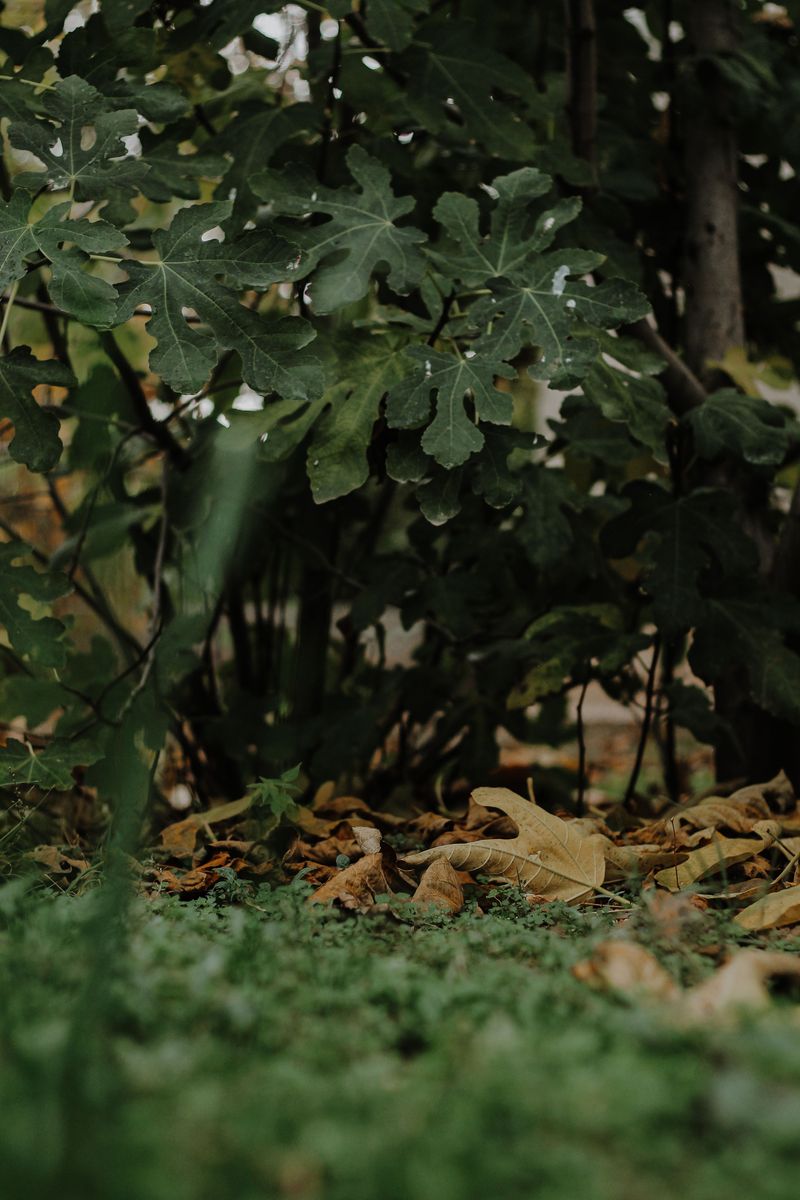
Fig trees came from warm Mediterranean and western Asian lands, so a Virginia winter is a real test. Even tough types like ‘Celeste’ and ‘Brown Turkey’ can lose their top growth when temperatures dip into the teens or lower.
The branches above ground get hit first. Wood that freezes hard often turns brittle and gray, then shows no sign of life in spring.
That sight scares plenty of new growers into digging the tree out.
Hold off on that shovel. The real treasure of a fig lives in the crown and roots, right at and below the soil line.
As long as that zone stays alive, the plant can push up fresh shoots once the weather warms.
Your neighbors are not trying to keep the whole tree toasty. They are protecting the part that matters most for a comeback.
A deep blanket of leaves keeps the ground from swinging wildly between frozen and thawed.
Soil changes temperature slowly, and fluffy leaves trap air that slows it down even more. So even after a rough cold snap, the base often stays safe enough to sprout.
Think of that pile as an insurance policy for next year’s tree.
Protected Fig Roots Mean Figs Can Still Ripen Next Summer
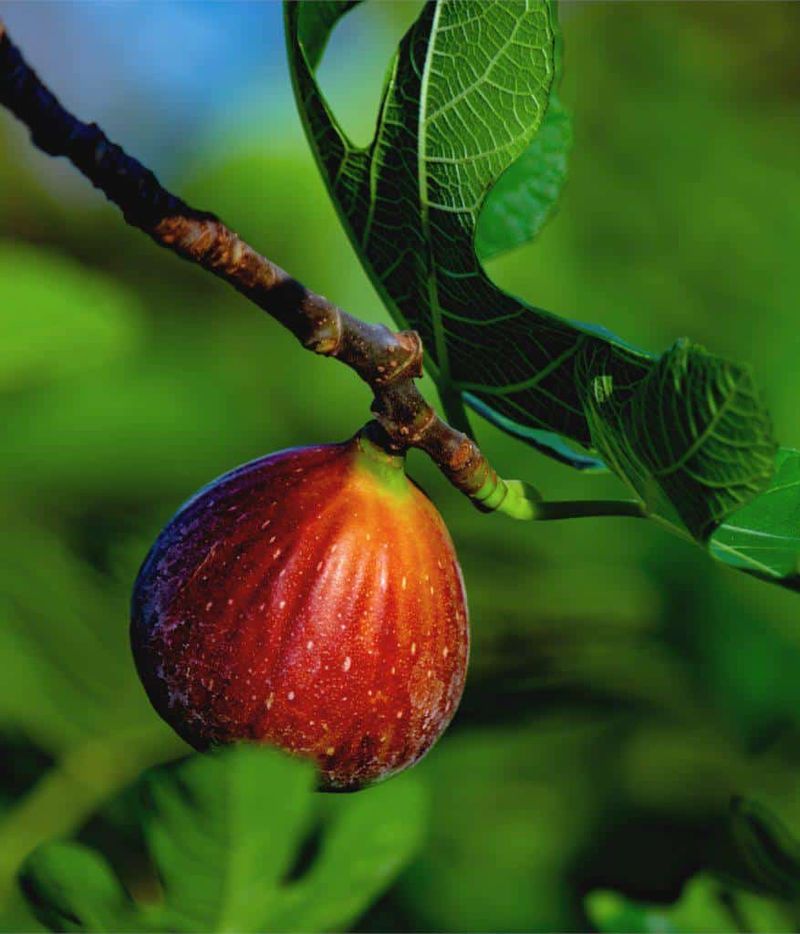
Here comes the sweet part. A fig that keeps more of its living wood through winter usually gives you fruit earlier and in bigger numbers.
Many common figs bear two kinds of crops. The early breba crop forms on last year’s wood, while the main crop grows on new shoots made that same season.
When winter knocks a tree back to the ground, the breba crop is gone for the year.
Hardy varieties often still produce a main crop on fresh stems, even after a hard freeze. The catch is timing.
A tree regrowing from the roots starts late, so figs may ripen in September instead of August.
In cooler parts of the state, that delay can be a problem. An early fall frost might arrive before the fruit softens and sweetens.
Every inch of trunk that survives gives the tree a head start.
That explains why leaf piles are about more than survival. Insulating the base helps preserve the lower wood, which means faster leaf-out and a better shot at a full basket.
My garden taught me that a little fall effort pays off in jam jars.
Shredded Leaves Work Better Than Whole Ones Around a Fig Trunk
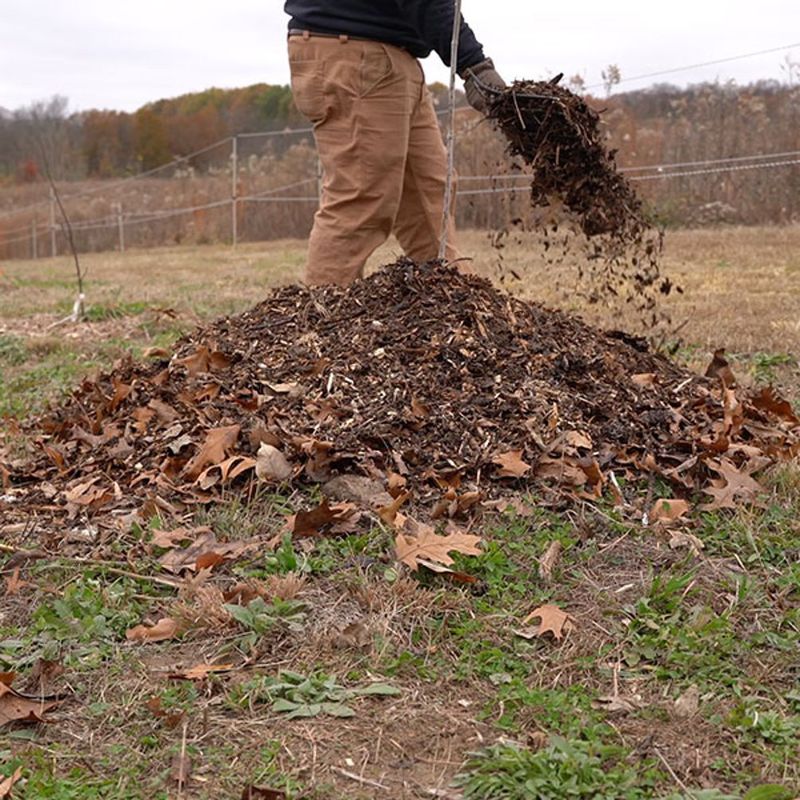
Not every leaf pile is created equal. Whole oak and maple leaves can mat down into a soggy, flat sheet after a few rains.
That wet layer holds less air, and air is what gives mulch its insulating power.
Shredding fixes the problem fast. Run your mower over the leaves a couple of times, or use a leaf vacuum with a shredding feature.
The smaller pieces stay fluffy and let water drain through instead of pooling against the bark.
Aim for a mound roughly 6 to 12 inches deep, spreading out a few feet from the trunk. Gardeners in colder spots often go thicker.
Straw and pine needles also work well if your leaf supply runs short.
One easy trick is to fill old feed bags or leaf bags and stack them around the base. They stay put and come apart neatly in spring.
A ring of chicken wire filled with loose leaves does the same job.
Between you and me, the best part is the price. Those leaves fall in your yard for free every autumn.
Turning them into fig protection beats paying to haul them away.
Wait for Fig Leaves to Drop Before Building the Pile

Patience helps a lot here. Figs need to slow down and harden off before you tuck them in for winter.
A good signal comes from the tree itself. Once the big lobed leaves turn yellow and drop after the first frosts, the plant has gone dormant.
In much of Virginia, that happens from late October through November.
Piling mulch too early can keep the soil warm and moist while the tree still wants to grow. That may encourage late, tender shoots that freeze easily.
Damp mulch on an active trunk can also invite fungal trouble.
Waiting too long carries its own risk. If forecasts call for nights in the low 20s, get the leaves in place before that cold arrives.
Check your local forecast each week once fall settles in.
Timing varies across the state. Gardeners near Virginia Beach often have weeks more breathing room than folks in the Blue Ridge or Shenandoah Valley.
A quick look at your fig and a weather app will guide you better than any calendar date.
Let’s just say the tree usually tells you when it’s ready.
Mountain Fig Growers Wrap More Than Just the Base
Virginia stretches from roughly zone 5b in the highest mountains to 8b near the southeastern coast. That range makes a huge difference for figs.
Along the coast and in much of the Tidewater, figs often grow into big shrubs with little help. Leaf mulch at the base is usually plenty.
In the Piedmont, a deep pile gives solid backup for harsh winters.
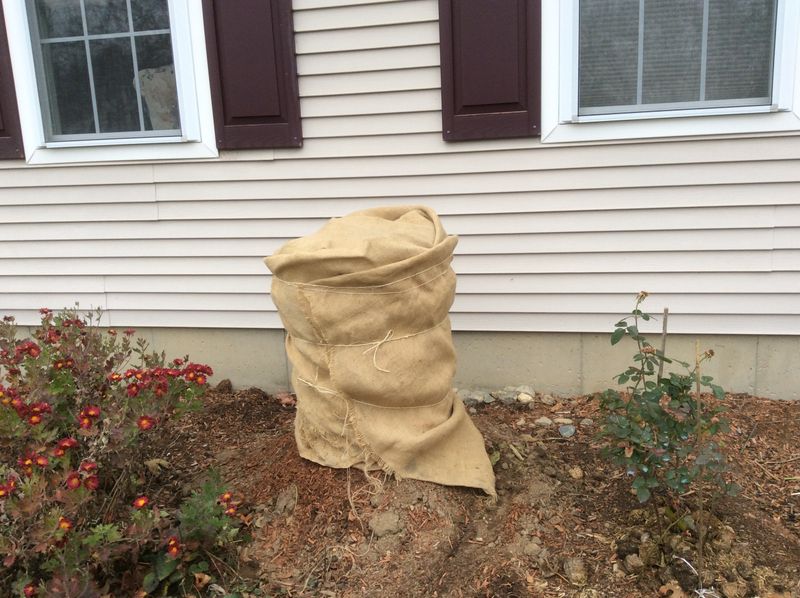
Out west, many growers take extra steps. They gently tie the branches into a tight bundle, then wrap them in burlap or frost cloth.
Some build a wire cage around the whole plant and fill it with dry leaves to the top.
Skip plastic sitting directly against the wood. It traps moisture and heat on sunny days, which can lead to rot or early budding.
If you add a tarp over the outside to shed rain, leave openings so air can move.
Planting location helps too. A spot along a south-facing wall soaks up warmth and blocks cold wind.
If you ask me, that one choice can matter as much as any wrap.
Know your zone, and match your effort to it.
Those Breaking-Down Leaves Feed the Soil Around Your Fig
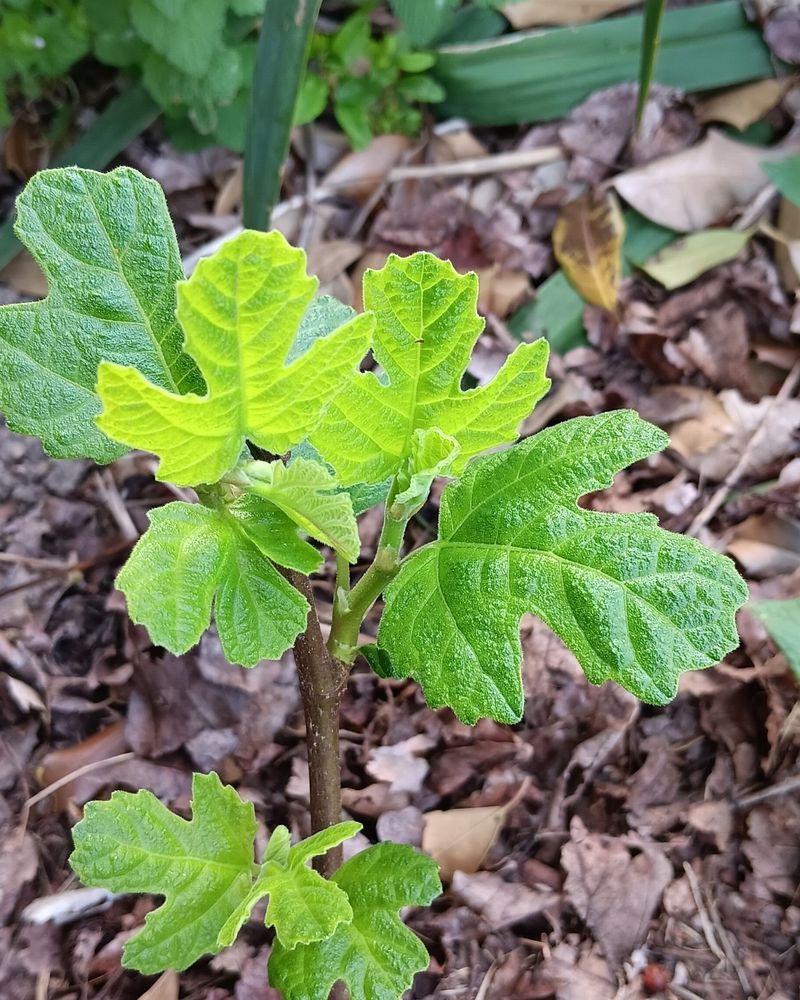
Insulation gets the spotlight, but leaves bring bonus perks. As they slowly break down, they add organic matter to the soil around the roots.
Earthworms and soil microbes get busy under that cozy layer. They pull bits of leaf into the ground and turn them into rich, crumbly material.
Over time, heavy clay often becomes looser and easier for roots to explore.
Leaf mulch also helps hold moisture. Figs have shallow, spreading roots that dislike drying out, especially during hot summer stretches.
A leftover layer of mulch keeps the soil more even.
Weeds have a harder time too. Fewer seeds sprout when sunlight cannot reach the ground.
That means less pulling around the trunk come spring.
Fun fact: figs do not need much fertilizer. Too much nitrogen can lead to lots of leafy growth and fewer fruits.
Slowly decaying leaves give a mild boost without overdoing it.
Looking back, I should have started this habit years earlier. My soil looked tired and pale before.
Now it smells earthy and feels soft in the hand.
Brown Fig Branches in Spring Are Not a Reason to Panic
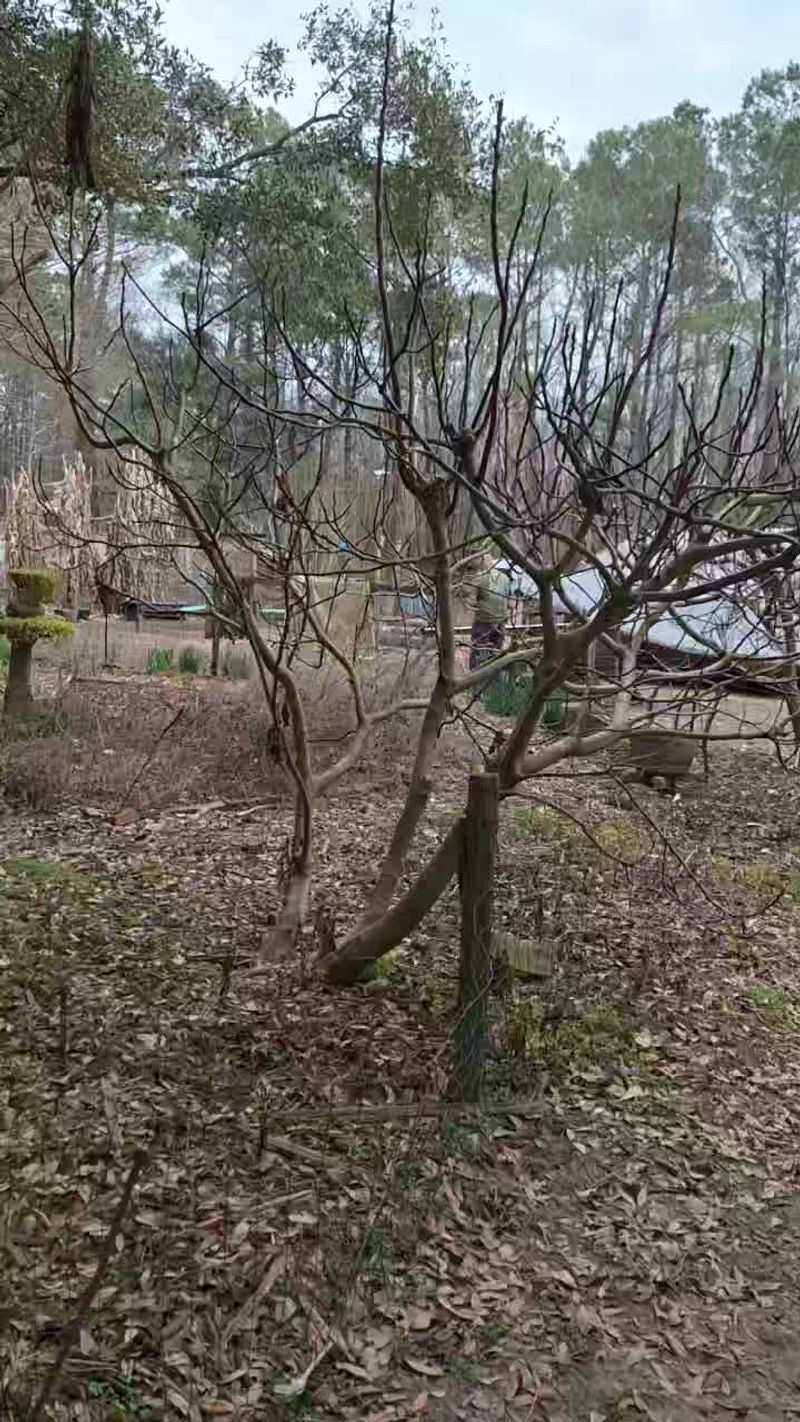
Spring can feel nerve-racking for fig lovers. Other trees leaf out, and your fig just sits there looking bare and gloomy.
Figs tend to wake up late, often well into April or May. Give them time before making any big decisions.
A quick test helps: scratch a branch lightly with your thumbnail.
Green tissue under the bark means that section is alive. Brown and dry tissue means the winter got it.
Work your way down until you find green.
Once new buds and shoots appear, prune off the lifeless wood. Cut just above healthy growth.
If the whole top failed, look at the base for sprouts popping up through the soil.
Those sprouts are proof your leaf pile did its job. Pick several strong ones and let them grow into new trunks.
Many Virginia figs are grown as multi-stem shrubs for exactly this reason.
Don’t make my mistake of yanking out a fig before it has a chance to sprout.
Pull Back the Fig Mulch Slowly as Spring Frosts Fade
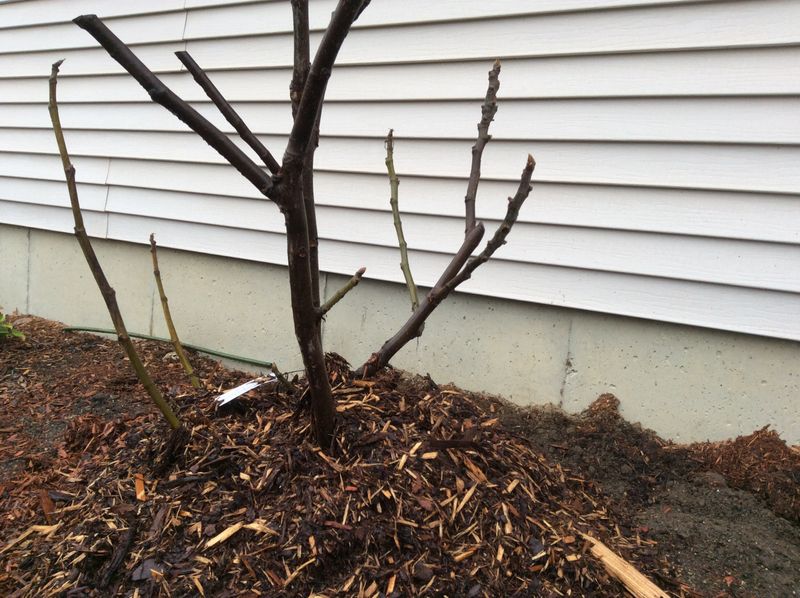
Getting the protection off is just as important as putting it on. Timing matters because figs push tender growth that frost can easily burn.
In much of Virginia, gardeners start uncovering in late March or April. Mountain growers often wait longer, since late freezes linger there.
Check your area’s average last frost date before you start.
Go step by step. Remove wraps and cages first on a cloudy, mild day.
Then pull the deep leaf pile back from the trunk, leaving a thinner layer spread across the root zone.
Keep a few inches of space between the mulch and the bark through the growing season. That gap lets the trunk dry out and discourages rot and nibbling critters.
Toss extra leaves into your compost pile.
Keep an old sheet or frost cloth handy. If a surprise cold night shows up after buds open, cover the plant in the evening and uncover it in the morning.
Then mark your calendar for next fall. A free pile of leaves, a little timing, and some patience can keep you swimming in figs year after year.
That is one tradition worth borrowing from the neighbors.