1 Bat Eats Hundreds Of Mosquitoes A Night, So Plant These 10 To Draw Them Into Your Arizona Yard
A nursing mother bat can snap up thousands of flying insects in one evening just to keep her pup fed. That appetite turns a quiet backyard sky into a busy hunting ground after sunset.
Some desert bats skip bugs and sip nectar instead, pollinating giant cacti while most of us are asleep. Others hunt by sound, catching tiny insects in total darkness with clicks we cannot even hear.
I have to admit that I rarely thought about bats until I watched them swoop over my patio one warm evening. Here in Arizona, you can invite these quiet helpers simply by choosing the right native plants for your yard.
Researchers say mosquitoes are only one part of a bat diet, but moths and beetles count as wins too. So which desert plants ring the dinner bell loudest for these winged night shift workers in Arizona?
1. Saguaro
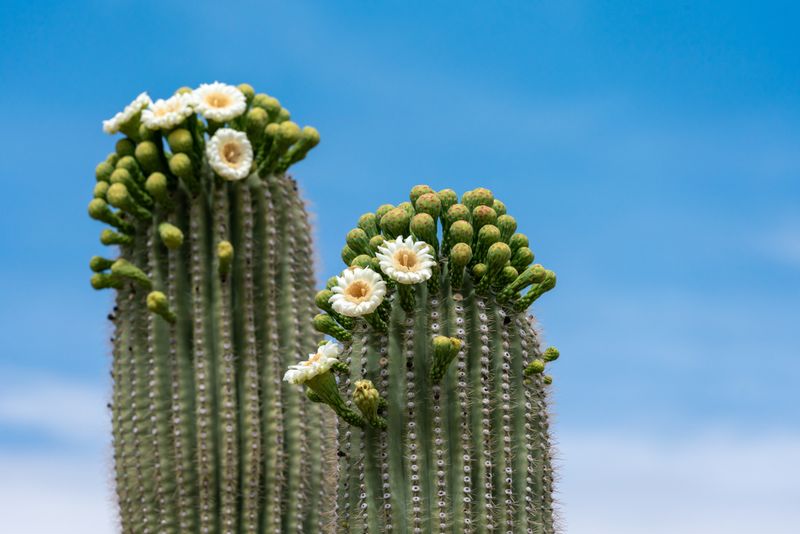
Few sights beat a saguaro crowned with waxy white blossoms that open after dark and smell faintly of ripe melon. Lesser long-nosed bats and Mexican long-tongued bats push their faces inside, coming away dusted with golden pollen.
I love that the state flower of Arizona belongs to this towering cactus, a true keystone plant of the Sonoran Desert. Each bloom opens for less than a day, so the night visitors have to work fast.
Saguaros grow painfully slowly, so most homeowners buy nursery-grown specimens with proper permits and documentation from licensed sellers. Collecting one from the wild is illegal without a permit, and the fines can be steep in many cases.
Plant yours in full sun with gravelly, fast-draining soil, and resist the urge to give it frequent drinks. Too much water causes rot far more often than drought causes trouble for these sturdy desert giants.
October brings milder temperatures, which makes early fall a comfortable window for setting a young saguaro into the ground. Shade cloth over the south side for the first summer helps prevent sunburn on its tender, nursery-raised skin.
2. Organ Pipe Cactus
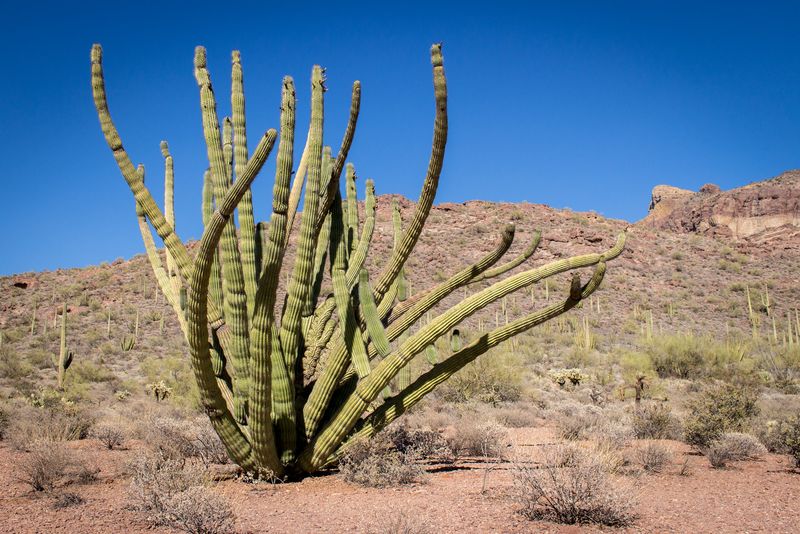
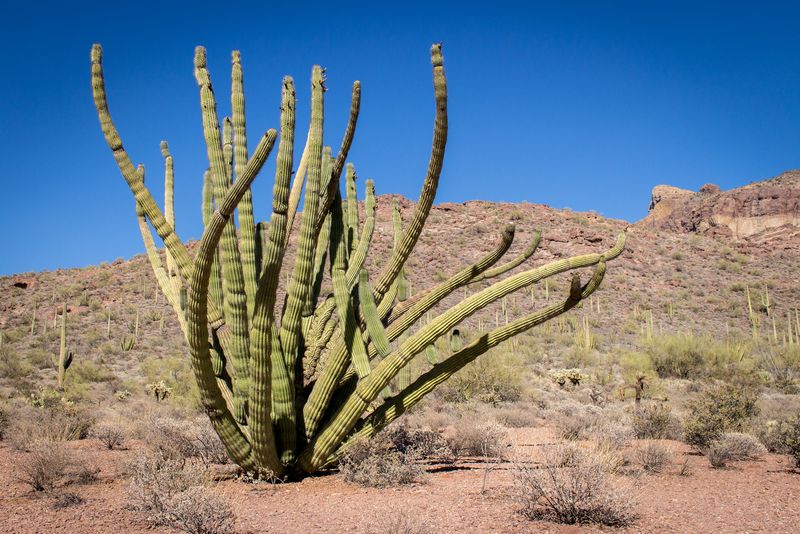
Clusters of ribbed green columns rise from one base like a pipe organ, which explains the delightful name right away. After sunset, pale pinkish blossoms open and release a sweet, musky perfume meant for one special guest.
Lesser long-nosed bats serve as the main pollinators, hopping from column to column while most neighborhoods sleep soundly. You might notice petals closing by mid-morning, a clue that daytime visitors were never the primary audience here.
Personally, I think this cactus gives a yard serious architectural drama without demanding much attention from busy homeowners. It grows slowly, so patience pays off, and mature clusters eventually spread wider than many people expect.
Cold tolerance sits around the mid-twenties Fahrenheit, which means low desert gardens suit it far better than higher elevations. Gardeners in chillier spots can wrap the tips with frost cloth during hard freezes later in winter.
Give it blazing sun and loose, gritty soil that dries out thoroughly before each deep, occasional watering session. Fall planting lets the roots settle before summer heat returns, and spring rains help the cactus establish faster.
3. Palmer’s Agave
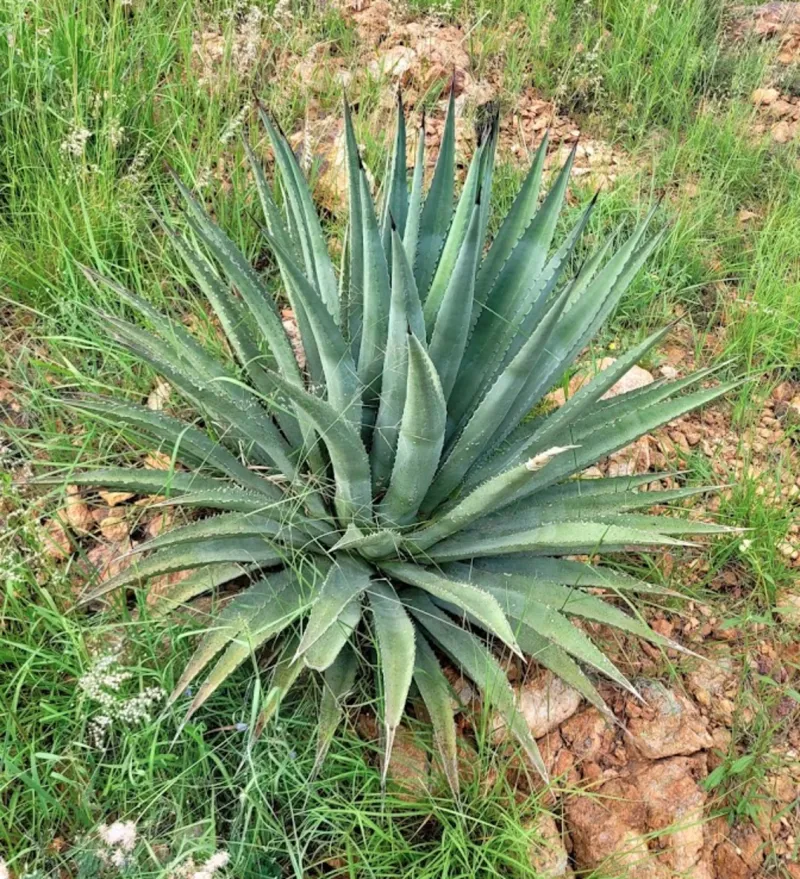
One towering flower stalk can shoot up from a Palmer’s agave like a giant asparagus spear reaching for the clouds. Pale yellow-green blooms at the top smell musky, and that scent travels well across warm summer nights.
Endangered lesser long-nosed bats once relied heavily on this agave during their summer migration through southeastern grasslands. The species was removed from the endangered list in 2018, and agave plantings played a meaningful role in that recovery.
I can’t help admiring the grey-green rosette, with sword-shaped leaves edged in hooked teeth and a sharp terminal spine. Keep it away from walkways, because those tips can poke through jeans with surprising ease.
Palmer’s agave flowers only once after many years, then the mother plant declines and leaves room for new growth. That single show feeds bats, hummingbirds, and bees, so the final act feels more like a generous gift.
Hardy to roughly five degrees Fahrenheit, it handles higher-elevation gardens better than many other desert succulents do. Full sun, sharp drainage, and very little supplemental water keep it happy through the hottest stretches of summer.
4. Sacred Datura
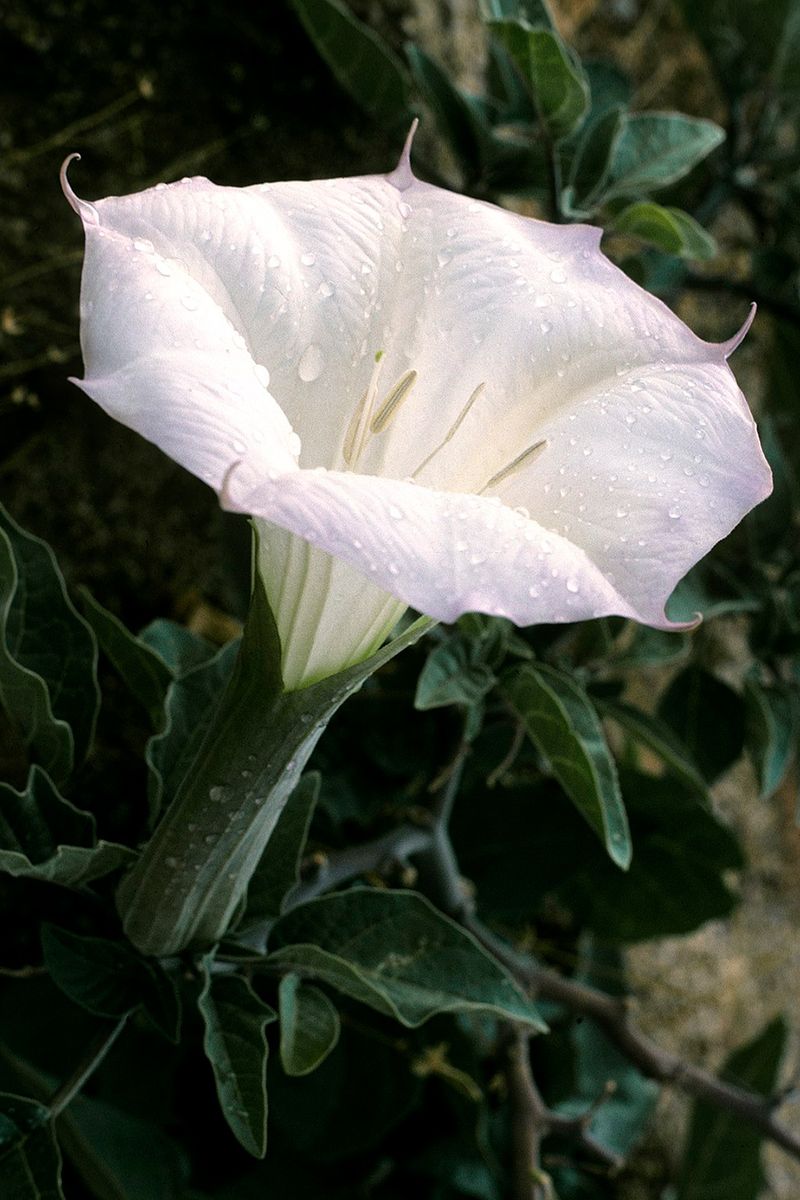
Giant white trumpets unfurl at dusk on sacred datura, sometimes spreading wider than a coffee saucer in a matter of minutes. Sitting outside to watch them open feels like a nature documentary playing right in your backyard.
Big sphinx moths, often called hawkmoths, zoom in for nectar, and those plump moths are exactly what hungry bats chase. You get a glowing flower show plus a snack bar for insect-eating bats in one plant.
Datura wrightii is native across much of the desert Southwest, growing wild along washes and roadsides from lowlands into mountains. It forms a sprawling mound of velvety grey-green leaves that can reach several feet across by summer.
You need to know that every part of this plant is highly poisonous if eaten by people or pets. Place it away from play areas, and wear gloves when you prune or handle the spiky seed pods.
Full sun and well-drained soil suit it best, with deep but infrequent watering during the hottest months of the year. Fall is a fine time to sow seeds, since they sprout readily once warm weather returns next spring.
5. Desert Evening Primrose
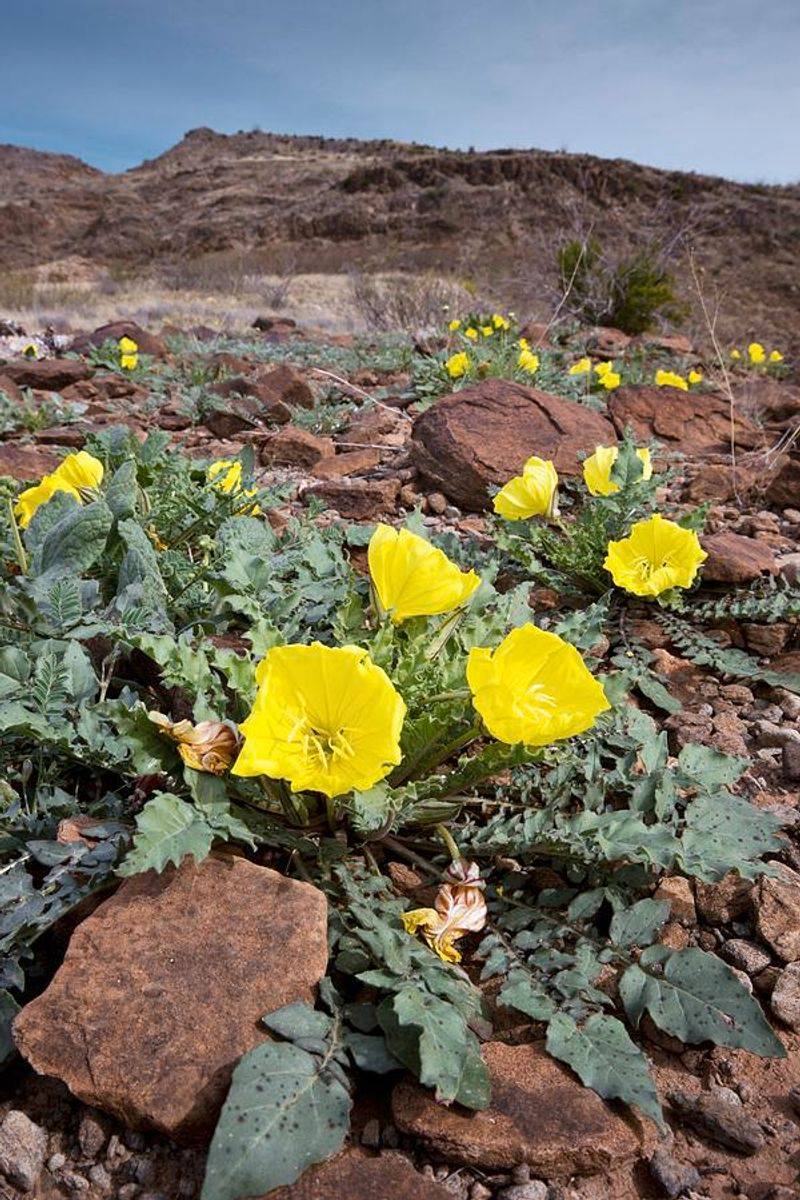
Late in the afternoon, buds on this low desert wildflower seem to wake up and pop open with clear yellow petals. Those fragrant blooms stay open through the night, then fade toward orange or pink the next morning.
Hawkmoths and other night-flying moths visit the flowers, sipping nectar with long tongues while you relax on the porch. More moths fluttering around your garden means more reasons for insect-eating bats to patrol overhead at dusk.
What surprises me most is how such a small rosette can produce flowers that look almost too big for it. The plant hugs the ground, so it works nicely along gravel paths and in rock garden pockets.
Oenothera primiveris thrives in sandy or gravelly soils with good drainage and plenty of direct sun throughout the day. Heavy, soggy soil causes trouble, so loosen clay or build a slight mound before you scatter seeds.
October is a smart month to sow seeds, because cool-season rains help them germinate for a late winter show. Let some flowers set seed next spring, and you might find new rosettes popping up the following year.
6. Soaptree Yucca
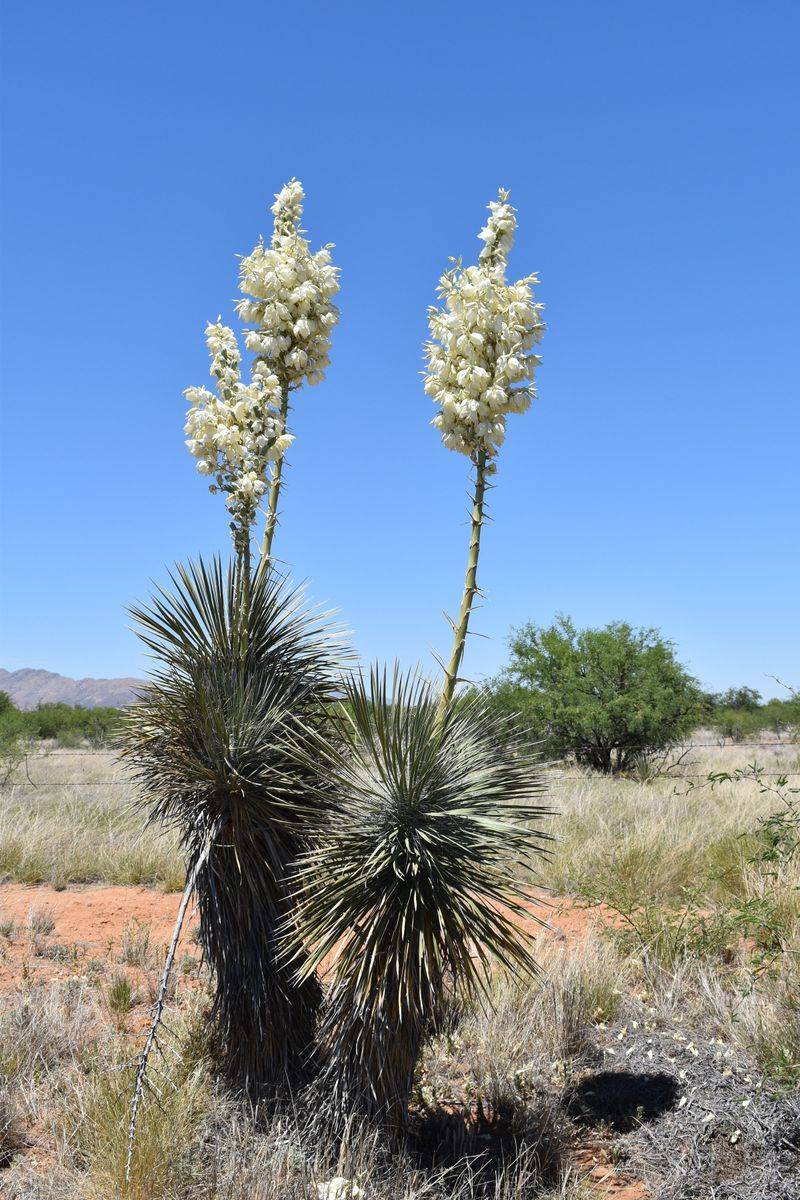
Creamy white bells dangle from a tall stalk above the shaggy trunk, glowing softly when moonlight hits the desert garden. Soaptree yucca looks a bit like a friendly desert sentry standing guard over your yard after sunset.
Its pollination story belongs to yucca moths, tiny insects that depend on this plant to raise their young. Those moths and other night visitors add to the buffet that keeps insect-eating bats cruising nearby.
Native Americans once used the roots to make soap, which explains the plant’s common name and its long history. I like knowing a backyard plant carries that kind of cultural story along with its striking silhouette.
Hardy across a wide range of temperatures, it handles cold snaps that would trouble many other desert ornamentals. Mature plants can reach fifteen feet or more, so give this yucca plenty of room away from patios.
Full sun and excellent drainage matter most, and established plants rarely need extra water except during extreme drought. Plant it in fall, water lightly through the first year, and then mostly leave it alone to grow.
7. Desert Marigold
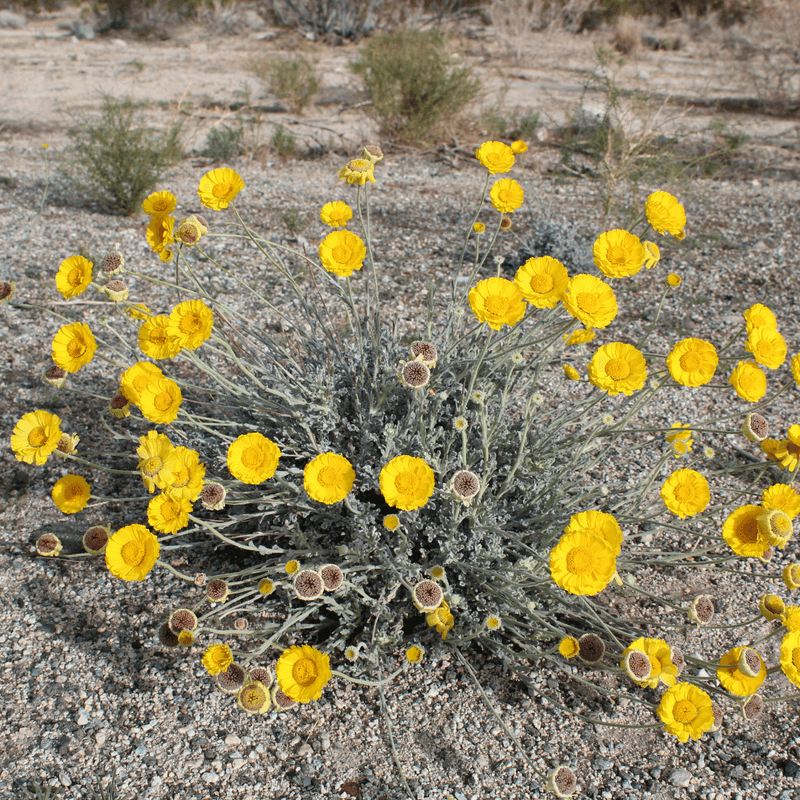
Sunny yellow daisies float above silvery mounds on desert marigold, and they seem to bloom for most of the year. That long season keeps a steady stream of insects visiting the garden, from bees to small moths.
Bats rarely touch these flowers directly, but they gladly hunt the moths drawn to a healthy, insect-friendly yard. Think of this plant as the opening act that warms up the crowd for the main nighttime show.
I love how the soft, woolly leaves reflect harsh sunlight and stay attractive even during brutal summer afternoons. Native to the Sonoran and Mojave deserts, it handles heat with an easygoing attitude that impresses me every year.
Plant it in full sun with rocky or sandy soil, because rich garden beds and frequent watering shorten its life. Snipping faded flowers encourages more blooms, though leaving a few lets the plant reseed for future seasons.
Early fall is a great time to tuck young plants into the ground or scatter seeds across open patches. Short-lived perennials like this one often fill in gaps naturally, giving you free plants without any extra effort.
8. Ocotillo
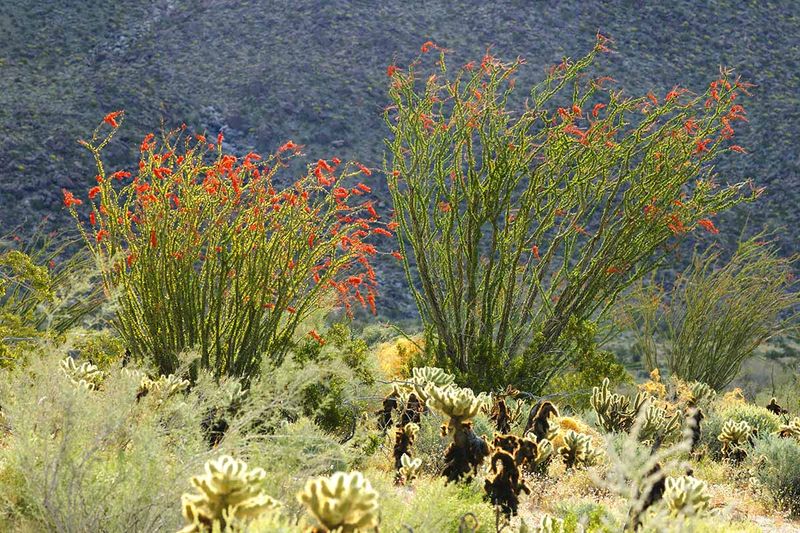
Tall, spiny canes wave like a fistful of green whips, then burst into flaming red-orange flower clusters at the tips. Ocotillo might be the most dramatic shrub you can plant, and it adds height without casting heavy shade.
Hummingbirds get most of the credit for visiting those tubular blossoms during the warmer months of spring. The many insects buzzing around a flowering ocotillo, however, help support the wider food web that bats depend on.
Personally, I find it fascinating that bare stems leaf out within days after a good rain soaks the ground. Leaves drop again during dry spells, which is a clever trick for saving water in harsh desert conditions.
Plant it in full sun with fast-draining soil, and hold back on water because too much can rot the roots. Nursery plants often arrive as bundled canes, so be patient while new roots take hold during the first year.
Fall planting works well because the cooler months reduce stress on transplanted canes before next summer heat. Stems can reach twenty feet over time, so place this one where its sculptural shape truly has room.
9. Desert Willow
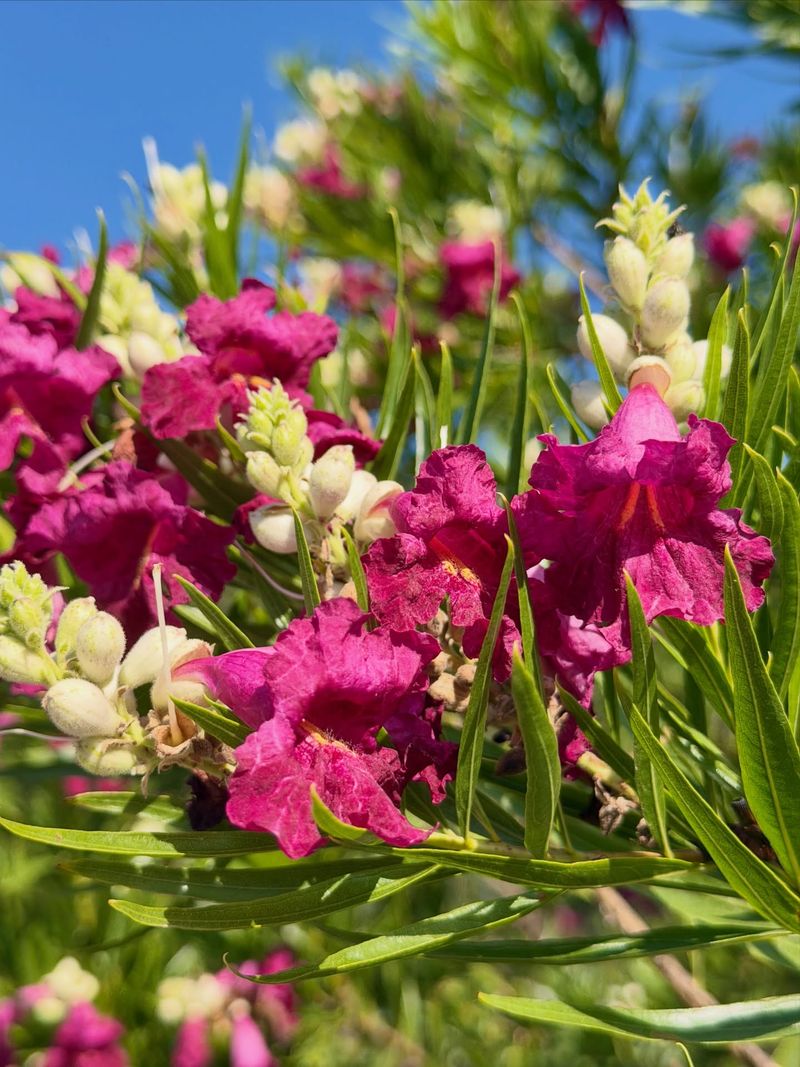
Orchid-like trumpets in pink, lavender, and white cover desert willow during the warm months, smelling faintly sweet. Despite the name, this graceful small tree belongs to the catalpa family, not the true willows at all.
Bees and hummingbirds love the flowers by day, and a variety of insects keep visiting the canopy toward evening. A yard full of insect life gives bats a reason to swing by on their nightly feeding rounds.
I believe this tree is one of the best choices for filtered shade in a hot desert yard. Narrow leaves let light dapple through, so plants growing underneath still get a decent amount of sunshine.
Desert willow handles many soil types as long as drainage stays good, and it tolerates heat with ease. Once established, it needs only occasional deep watering, especially during long dry stretches in early summer.
Fall is an excellent planting season, since roots grow actively while the canopy rests during cooler weather. Leaves drop in winter, then return in spring, letting low winter sunlight reach your patio and windows.
10. Goodding’s Verbena
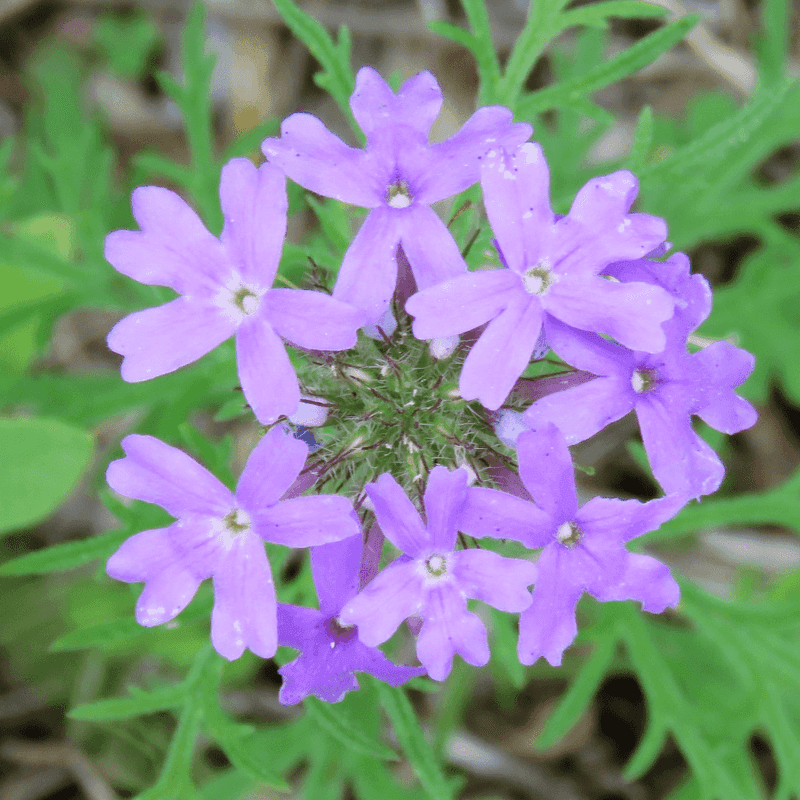
Clusters of lavender flowers smother Goodding’s verbena, creating a soft purple carpet that looks lovely against desert rock. Butterflies flock to it by day, and several kinds of moths quietly take over once darkness falls.
Verbena moths and fine-lined sallow moths are among the night visitors linked to this cheerful native perennial. Those fluttering snacks are exactly what insect-eating bats hunt while circling above your rooftop at night.
You might notice the plant blooming in waves from spring well into fall when it receives occasional water. I like tucking a few clumps near a patio, so the nighttime action happens right where I can watch.
Full sun to light shade and well-drained, slightly sandy soil help it look its best throughout the season. Trimming spent blooms keeps new flowers coming, and the plant stays tidy with very little extra effort.
Each plant may live only a few years, but it reseeds readily and fills open spaces on its own. October is a fine time to plant transplants or sow seeds, giving roots a head start before next spring.