What Michigan Rhubarb Needs This November for a Bigger Spring Harvest
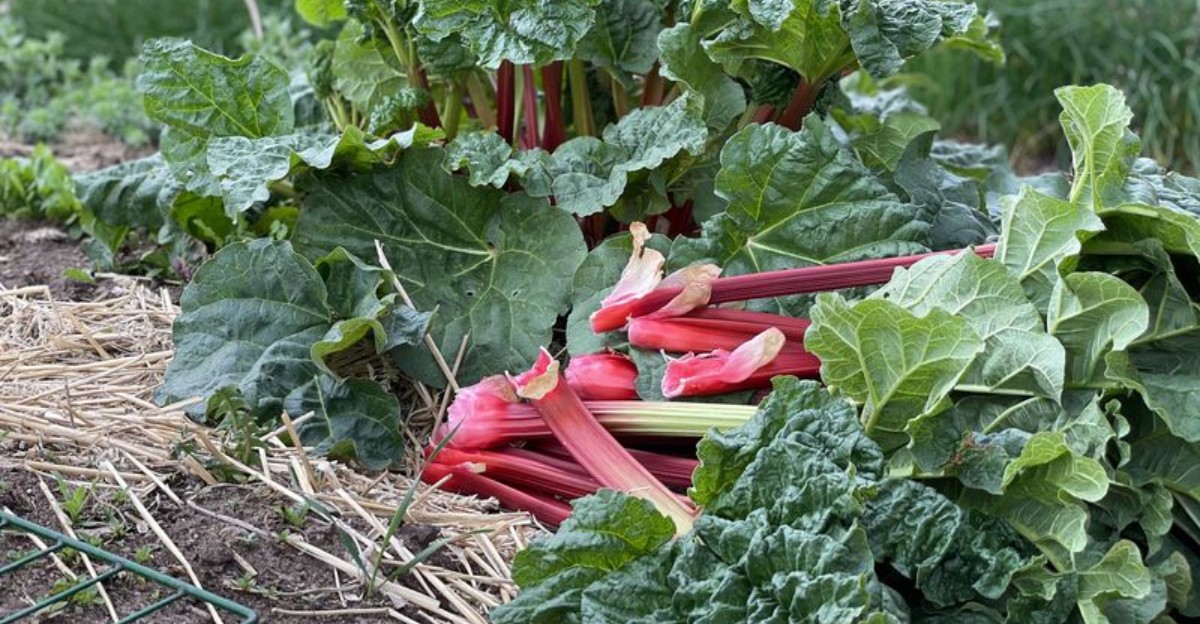
Rhubarb leaves hold enough oxalic acid to make them unsafe to eat, yet the stalks have been baked into pies for so long that people once called the plant pieplant. I still love that odd split personality.
The sour crown sitting in your yard right now is not finished for the year. Underground, it is storing sugars and waiting for a long, steady chill. That cold spell helps wake up buds that become next spring’s thick red stalks.
Personally, I find November garden chores oddly satisfying. The air smells like wet leaves, the soil feels cool in your hands, and every small task feels like a note to your future self.
Here in Michigan, that note can mean an earlier, fuller first picking.
So what does a sleepy patch actually want from you before the snow flies? The answer is simpler than most gardeners expect.
1. That Quiet Rhubarb Crown Is Busier Than It Looks
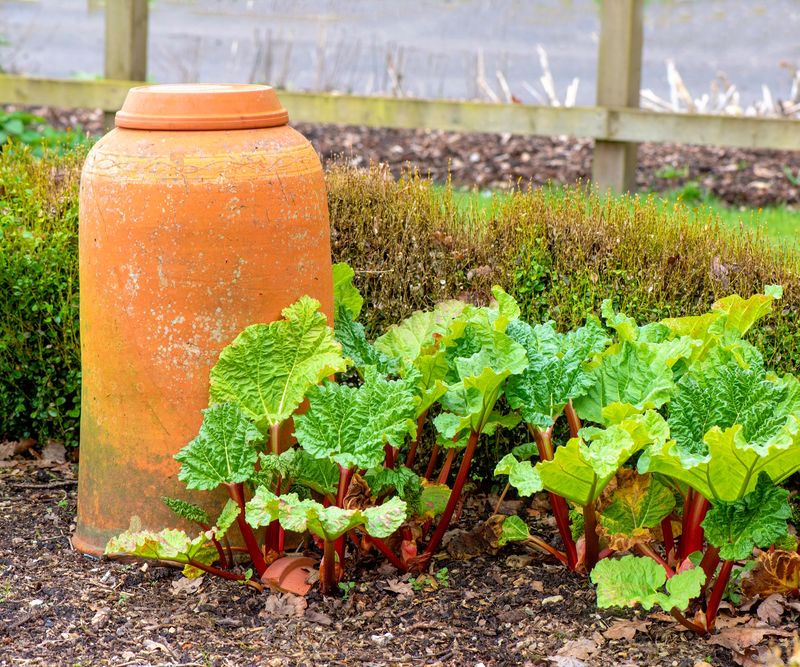
Under those floppy, frost-bitten leaves, your plant is doing serious work. All summer, the big leaves made sugars and sent them down into the thick roots and crown for storage.
That stored energy is what fuels the first fat stalks in April and May. Rhubarb also needs a real winter.
Growers describe a chilling requirement, where the plant spends weeks at temperatures roughly between 28 and 40 degrees Fahrenheit before buds are ready to grow strongly.
Gardeners across Michigan sit in USDA zones 4 through 6, so winter cold is rarely a problem. In fact, rhubarb thrives here, and that same need for winter cold is why it grows poorly in warm climates with mild winters.
Your job this month is mostly support, not intervention. Avoid digging deep around the crown, stepping on it, or piling soil high on top.
I like to walk my patch in early November and simply look. Do you see pink buds peeking at the soil line? That is a healthy sign the plant is ready.
Make a note if the patch looks crowded or has thin stalks this year. Those clues tell you whether dividing or extra feeding should be on your list next.
2. Cut Back Frosted Rhubarb Leaves and Clear the Clutter
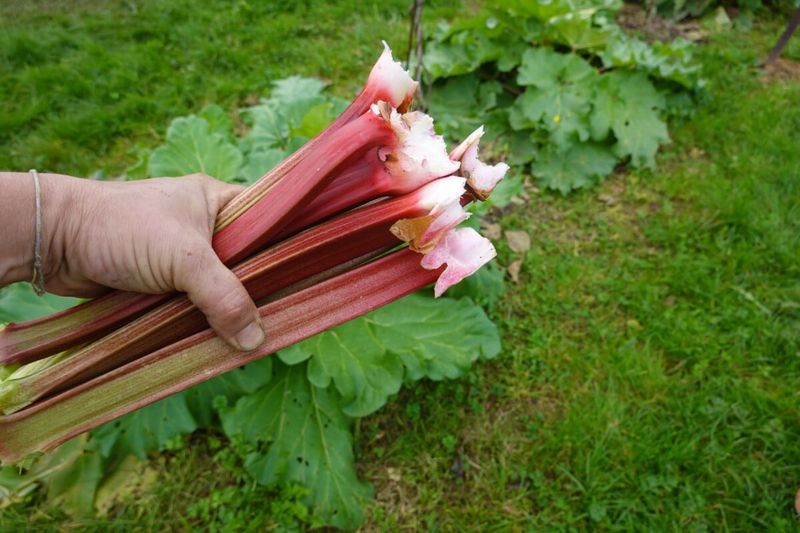
A hard frost turns those giant rhubarb leaves into soggy, collapsed umbrellas almost overnight. Once that happens, it is time to tidy up.
Wait until the leaves have yellowed or collapsed on their own. Pulling green leaves too early cuts off the last bit of sugar flowing to the roots.
When they are spent, cut or gently pull the stalks off near the base. Rake away fallen leaves, weeds, and old debris from around the crown.
Why bother? Leaf litter can shelter pests and fungal spores over winter. Rhubarb curculio, a snouted beetle, and crown rot problems both like messy beds.
Toss the trimmed leaves in a compost pile that heats well, or bag them if they showed spots or rot. Many gardeners compost rhubarb leaves without trouble, since the oxalic acid breaks down.
Pull weeds now too, especially perennial ones like quackgrass. Their roots compete with rhubarb for nutrients and moisture, and spring weeding around tender new buds is a hassle nobody needs.
Fun fact: rhubarb is botanically a vegetable, but a 1947 New York court ruled it a fruit for tariff purposes. Funny how a pie habit can change the law.
3. A Shovel of Compost Around Rhubarb Pays Off in Spring
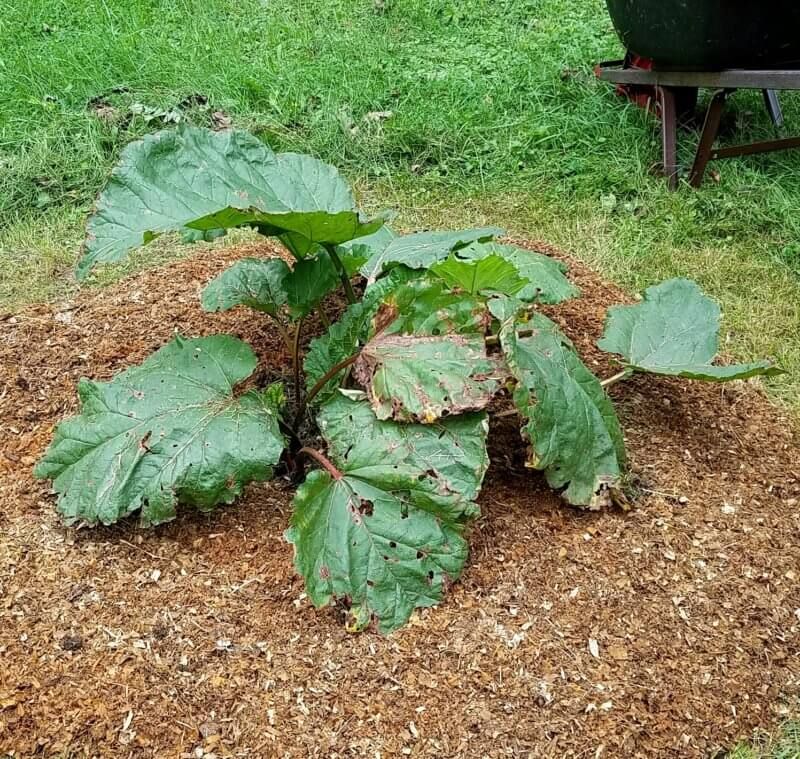
Rhubarb is a hungry plant. Every spring it pushes out a mass of stalks and leaves, and that growth pulls plenty of nutrients from the soil.
November is a great time to spread well-rotted compost or aged manure around the plant. Michigan State University Extension notes rhubarb responds well to generous organic matter.
Aim for one to two inches spread in a wide ring around the crown. Keep it mostly off the top of the buds so they do not sit in soggy material.
Fall-applied compost breaks down slowly over winter. Freeze and thaw cycles, worms, and soil microbes help work it into the root zone by spring.
Skip fresh manure, which can be too strong and may carry weed seeds. Also hold off on quick-release nitrogen fertilizer now, since roots cannot use much in cold soil and rain can wash it away.
Save any granular fertilizer for early spring, when buds start swelling. A soil test through the MSU Extension lab can show if you need more phosphorus, potassium, or lime.
Rhubarb prefers slightly acidic to neutral soil, around pH 6 to 6.8. Knowing your numbers beats guessing every time.
4. Wait for Cold Soil Before Mulching Your Rhubarb Bed
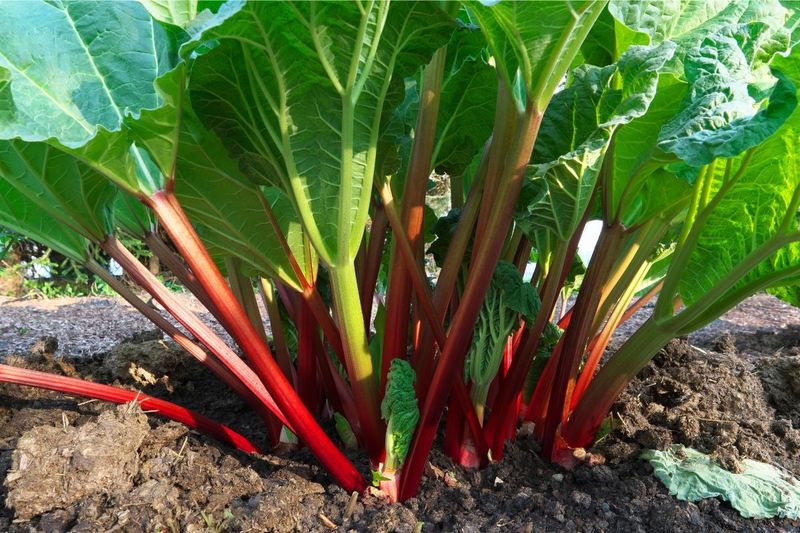
Timing is the sneaky part of mulching. Spread straw too early, and the soil stays warm and damp, which can invite rot and mice.
The sweet spot comes after the ground cools and the top inch or so begins to firm up. In much of the Lower Peninsula, that often lands in mid to late November.
Gardeners in the Upper Peninsula may get there a few weeks sooner. Watch the weather rather than the calendar.
Use loose material like straw or shredded leaves, about three to four inches deep. Avoid whole leaves, which mat down, and fresh grass clippings, which hold too much moisture.
Mulch keeps soil temperature steadier during freeze and thaw swings. That helps reduce frost heaving, where shifting soil can push crowns upward and expose roots.
Honestly, mature rhubarb survives Michigan winters without mulch in many yards. Mulch mostly adds insurance during snowless cold snaps and bare, windy sites.
Come spring, pull the mulch back as soon as buds swell. Leaving it on too long keeps the soil cold and slows that early harvest you have been waiting for.
5. Crowded Rhubarb Clumps Might Be Begging for Division
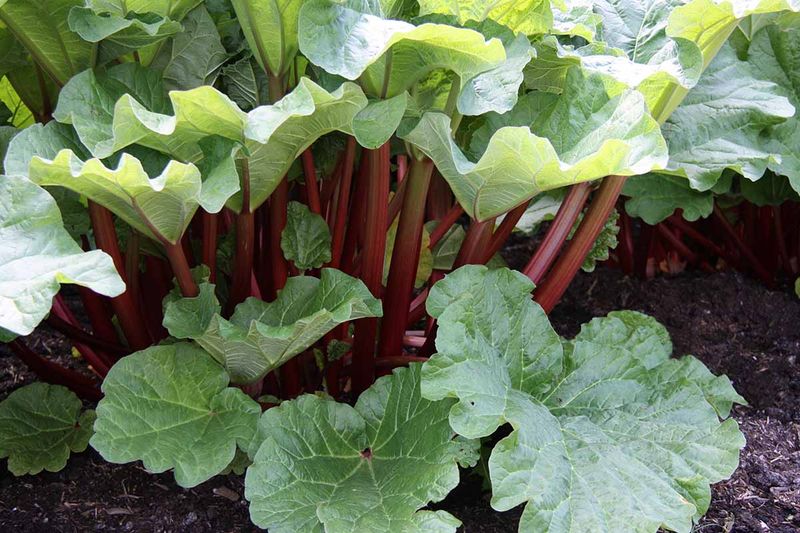
Thin, spindly stalks on an old plant tell a story. After about five to eight years, many rhubarb clumps get crowded and start producing smaller stalks.
Dividing renews the plant. Early spring is the classic time, but dividing in fall after the leaves drop also works if the soil is still workable.
Dig around the whole clump and lift it out. Use a sharp spade or knife to cut it into chunks, each with at least one or two healthy buds and a good piece of root.
Replant the pieces right away, about three feet apart, with the buds just one to two inches below the soil surface. Water them in, then mulch once the ground cools.
Choose a sunny, well-drained spot. Rhubarb sulks in heavy, wet clay, and soggy winter soil is a common cause of crown rot. Got extras? Share them with a friend. Rhubarb divisions are a classic Midwest neighbor gift.
Only divide if the soil is not frozen. If November turns snowy early, mark the plant with a stake and tackle the job in April instead.
6. First-Year Rhubarb Plants Appreciate Extra Winter Cover
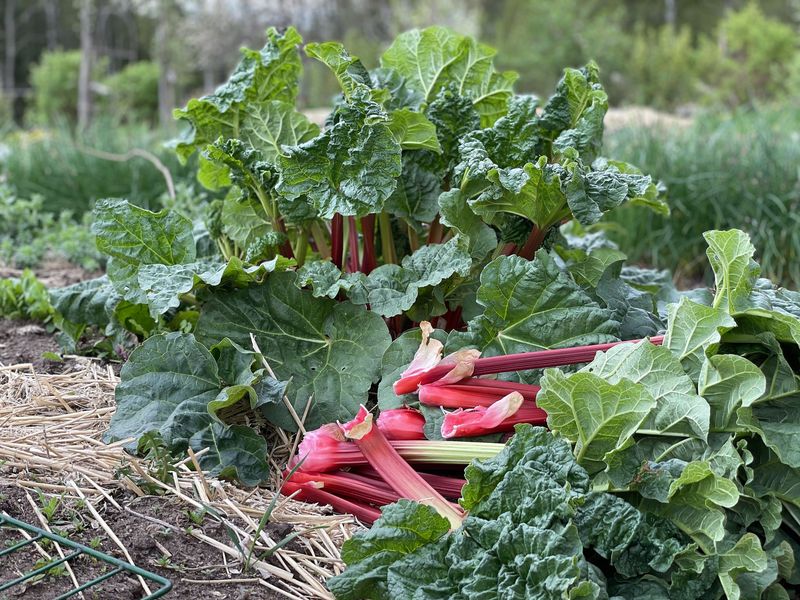
Newly planted rhubarb is a bit like a kid on its first winter camping trip. It has gear, but not as much as the veterans.
Young crowns have smaller root systems and less stored energy. That makes them more sensitive to frost heaving and harsh temperature swings.
Give first-year plants a slightly thicker mulch layer, around four to six inches of loose straw or shredded leaves. Spread it once the soil turns cold.
Mark each young plant with a stake. Small crowns are easy to forget, and stepping on them or hitting them with a shovel in spring is a common mistake.
Check the soil moisture before the ground freezes. If fall has been dry, give young plants a deep drink so roots head into winter well hydrated.
Remember the patience rule for harvest. Most experts suggest skipping harvest the first year and taking only a light picking in year two.
By the third spring, the plant can usually handle a full harvest of about eight to ten weeks. That waiting game builds a crown that can produce for many years.
7. Thick Red Rhubarb Stalks Are Your Spring Reward
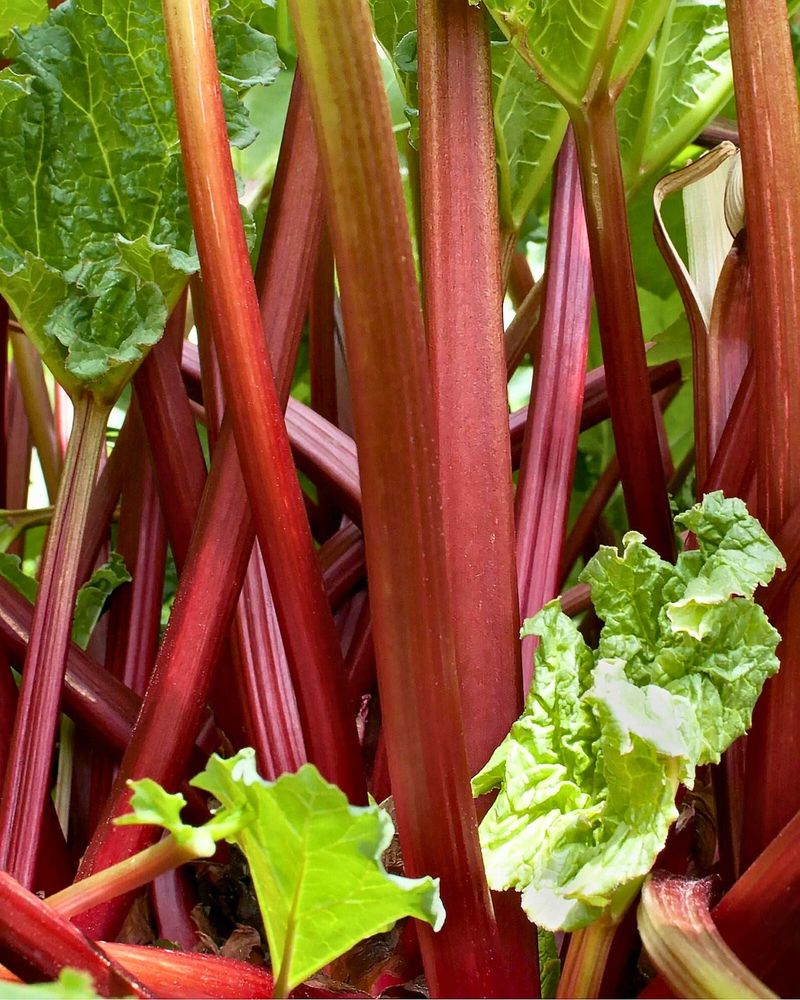
Some of my favorite garden moments come in April, when crinkled red knobs push through the soil. Fall care often shows up right there.
A clean, fed, and protected crown usually wakes up with stronger buds. You may see thicker stalks and a steadier supply through May and June.
Harvest by pulling stalks with a twist from the base instead of cutting. Take no more than about a third to half of the stalks at once.
Stop picking by late June or early July in most of the state. The plant needs its summer leaves to restock the crown for next year. Snap off flower stalks when they appear. Seed heads use energy that could go into roots.
One safety note matters every year. Eat only the stalks, since leaves contain oxalic acid. After a hard spring freeze, toss stalks that look limp or mushy.
Jot down a quick November routine in your calendar: clean up, add compost, mulch when cold, and divide when crowded. That small checklist turns a good patch into a generous one.