What Florida Law Says About Clearing a Neighbor’s Vines Growing Over Your Fence
A 1987 Florida appeals court ruling still shapes who gets stuck with the clippers when greenery creeps over a backyard fence. The answer surprised me the first time I read it.
Courts here lean on an old common law idea called self-help. Healthy plants growing naturally onto your side are mostly your problem to trim, not your neighbor’s bill to pay.
That rule covers branches, roots, and the twisting stems wrapping around your pickets.
I love a tidy fence line as much as anyone.
Still, I can’t imagine grabbing loppers without knowing where my rights stop, because one careless cut can turn a hedge squabble into a real legal headache.
There are limits, exceptions, and a few sneaky rules most homeowners have not heard about yet. So how far can you actually reach before your trimming becomes your neighbor’s lawsuit?
1. That Fence Line Gives You More Power Than You Might Expect
Back in 1987, a Florida appeals court decided a neighbor fight that gardeners still feel today. The case, Gallo v.
Heller, made one thing clear about plants that cross a property line.
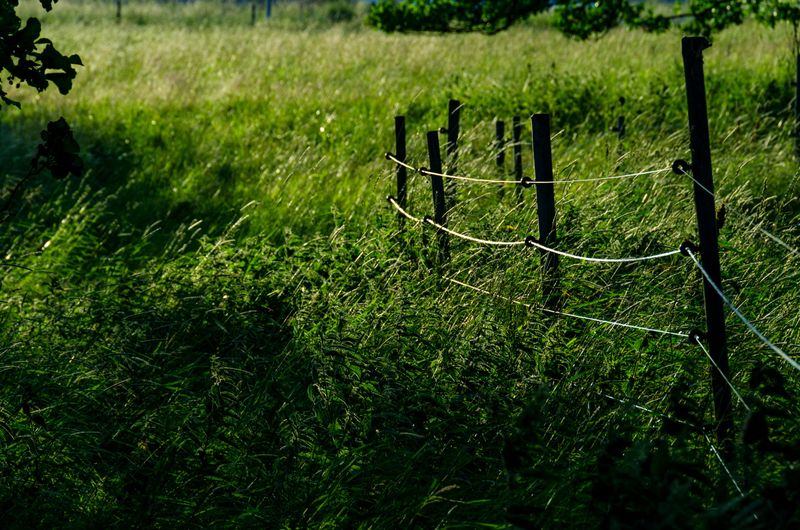
If healthy vegetation grows naturally onto your land, you generally have the right to cut it back yourself. Lawyers call this the self-help rule.
It covers overhanging branches, creeping roots, and yes, those clingy vines draped across your fence.
You usually don’t need your neighbor’s permission to do it. That’s a big deal, because many people assume they must ask first or wait for the plant’s owner to act.
In most cases, the decision is yours once the growth reaches your side.
I find this rule oddly freeing. A tangle of trumpet creeper or morning glory sneaking onto your pickets does not have to sit there for months while you wait on someone else.
Still, a right is not a free pass. The self-help rule comes with clear boundaries, a few costs, and some important exceptions.
Knowing those details is what separates a smooth weekend project from an angry knock on your door. The next sections walk through each one.
2. Trim Those Overhanging Vines Right at the Property Line and Stop There
Your pruning power ends exactly where your land ends. That’s the heart of the self-help rule, and it matters more than any other detail.
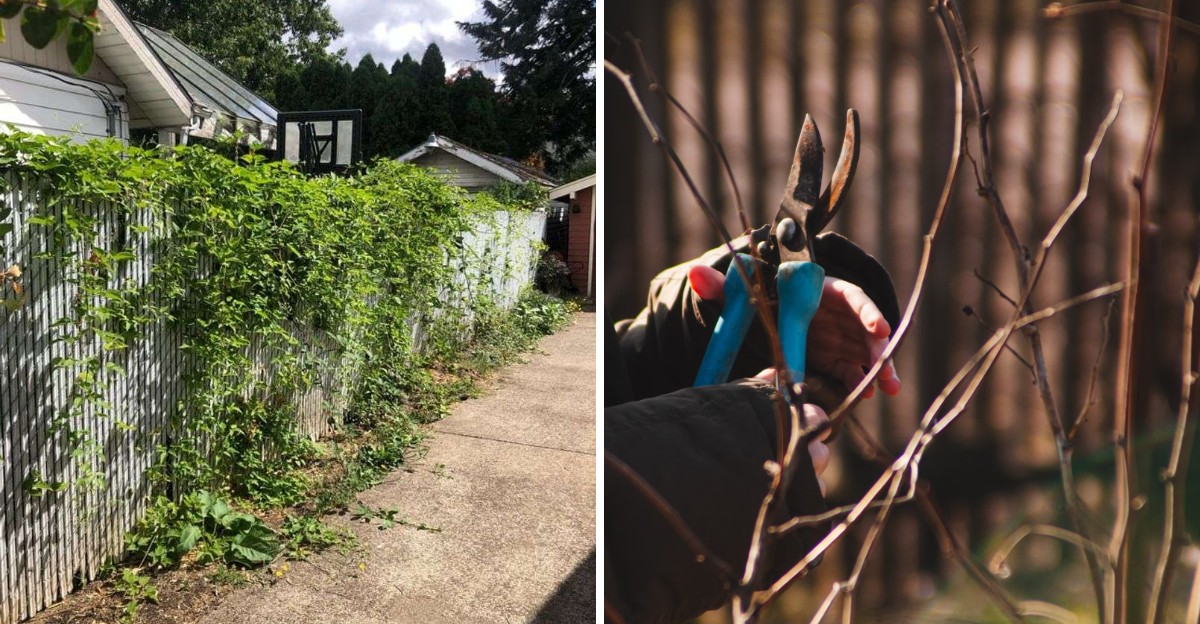
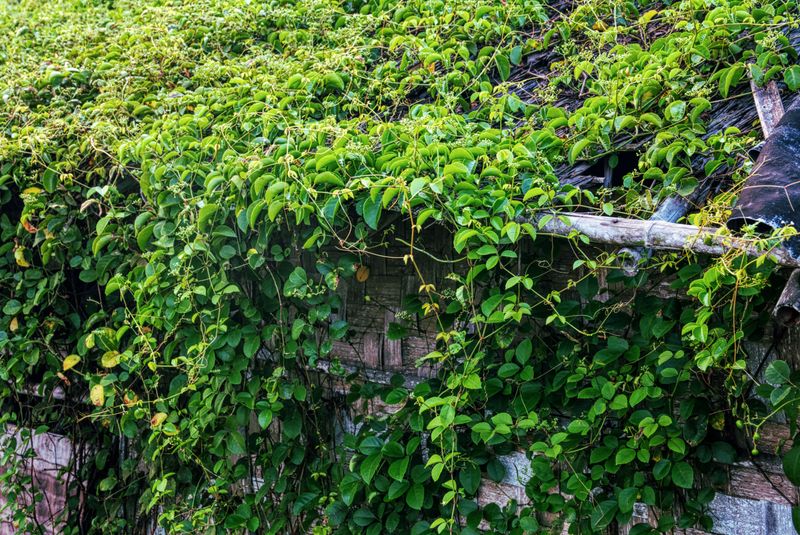
You may cut vines that hang over or sit on your side of the boundary. You may not lean over the fence and snip growth that remains on your neighbor’s property.
Stepping onto their yard without permission to finish the job counts as trespassing, even if your intentions are good.
So where exactly is the line? Many folks assume the fence marks it, but fences sometimes sit a few inches or even feet off the true boundary.
A property survey or your county property appraiser’s online maps can help you figure out where your land really stops.
For a fence you own that sits fully on your side, cutting vines flush along your face of it is usually fair game. Shared fences need a little more care, so trim only the growth reaching your half.
Personally, I like using a long-handled hedge trimmer and working from my own lawn. It keeps my feet planted on my property and makes it easy to keep cuts clean, neat, and inside the lines.
3. The Bill for Clearing Overhanging Vines Usually Lands on You
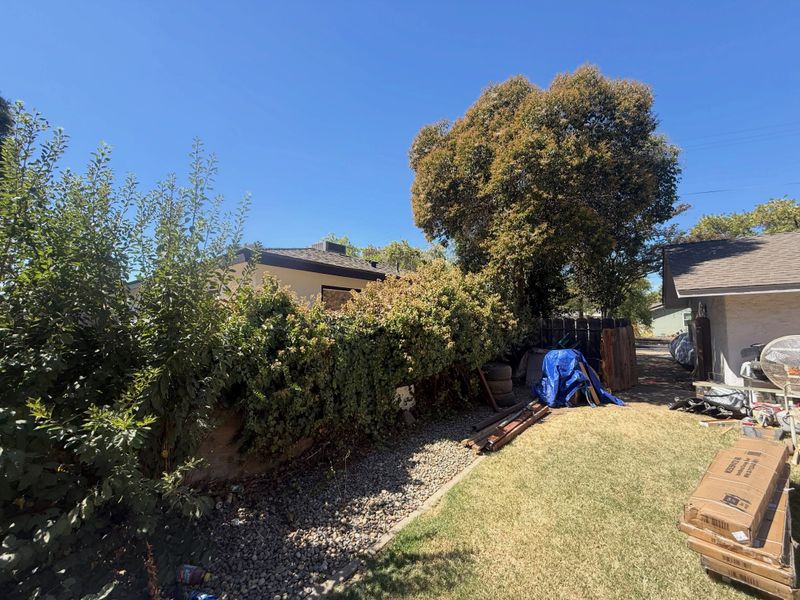
Ouch, this one stings a little. When healthy vines wander onto your property, the cost of trimming them is generally yours to cover.
The Gallo v. Heller decision held that a landowner usually isn’t liable for natural growth of a healthy plant that crosses into a neighbor’s yard.
In plain words, you can’t typically send your neighbor an invoice for the landscaper you hired. The same goes for raking up leaves, flowers, or seed pods that drop on your side.
That may feel unfair, especially if you didn’t plant anything. But courts see it as a balance.
Your neighbor can grow what they like on their land, and you get the freedom to cut back whatever crosses over.
A few tips can keep costs low. Tackle vines while they’re young and soft, since thick woody stems take more time and stronger tools.
Regular light trimming every few weeks during warm months beats one huge cleanup.
Bag or compost clippings on your own property rather than tossing them back over the fence. Throwing debris into a neighbor’s yard can spark complaints or even code issues.
Keep the mess on your side, and the peace usually stays intact too.
4. Hacking at the Neighbor’s Vine Roots or Main Stem Can Backfire
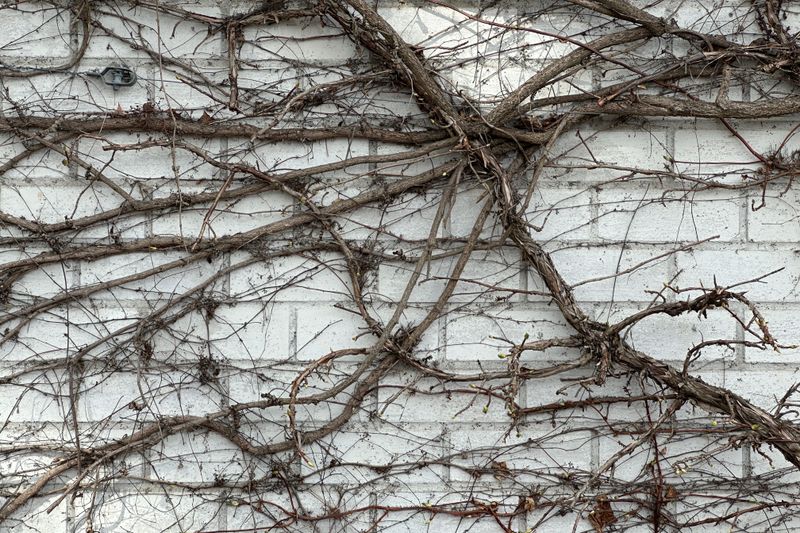
Here’s where well-meaning gardeners slip up. Trimming the part that crosses over is allowed, but harming the whole plant is a different story.
If your cuts are so severe that the neighbor’s vine, shrub, or tree fails, you could be held responsible for the loss. Courts may look at replacement value, and mature landscape plants can be surprisingly pricey.
A grand old bougainvillea or a native coral honeysuckle that took years to fill out is not cheap to replace.
Herbicides deserve extra caution. Spraying weed herbicide on stems along the fence can travel down into the main plant or drift onto your neighbor’s garden.
Many sprays move through plant tissue, so a quick squirt on your side can harm growth far beyond the property line.
Root cutting carries similar risks. Removing a few roots near the surface is usually fine, but slicing deep through a big root zone may weaken a tree and even make it unstable.
My rule of thumb is simple. Use hand pruners or loppers, cut cleanly, and remove only what you need.
If a cut feels drastic, call a certified arborist before you make it.
5. A Quick Chat Over the Fence Can Save Your Garden Friendship
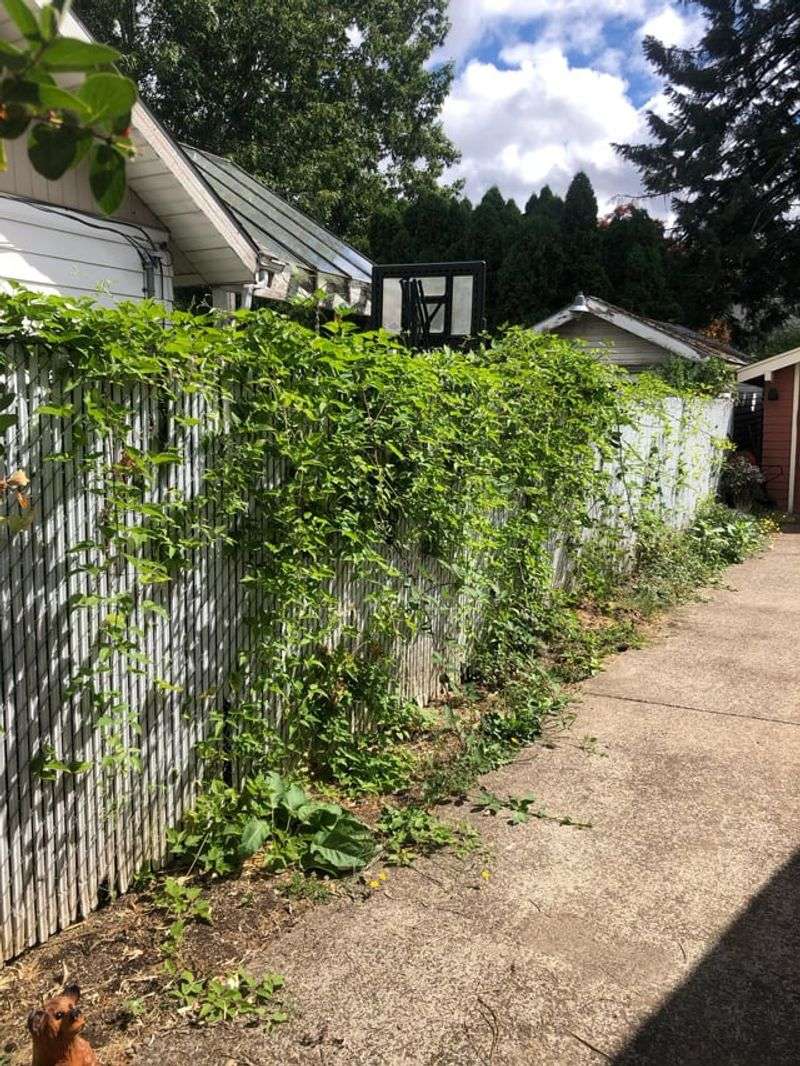
Legally, you can skip the conversation. Practically, a five-minute talk is one of the smartest tools in your gardening shed.
Picture it from the other side. Your neighbor may love that flowering vine and have no clue it’s smothering your fence or blocking your gutter.
Hearing about it before branches start falling into their yard feels a lot friendlier than discovering a bare, chopped-up fence line.
A short heads-up also opens the door to teamwork. Some neighbors will offer to trim their own plant, split the cost of a landscaper, or even let you step onto their side to make tidier cuts.
That kind of permission makes the job easier and safer.
Keep it light and specific. Mention which section is crossing over, what you plan to cut, and roughly when.
Bring photos if words feel awkward.
It also helps to keep a simple record. Snap pictures of the overgrowth before and after, and jot down the date you talked.
If things ever turn sour, that paper trail shows you acted reasonably.
Honestly, I’ve found that a plate of homegrown tomatoes smooths these talks better than any legal argument ever could.
6. Sick or Hazardous Vines and Trees Shift the Responsibility
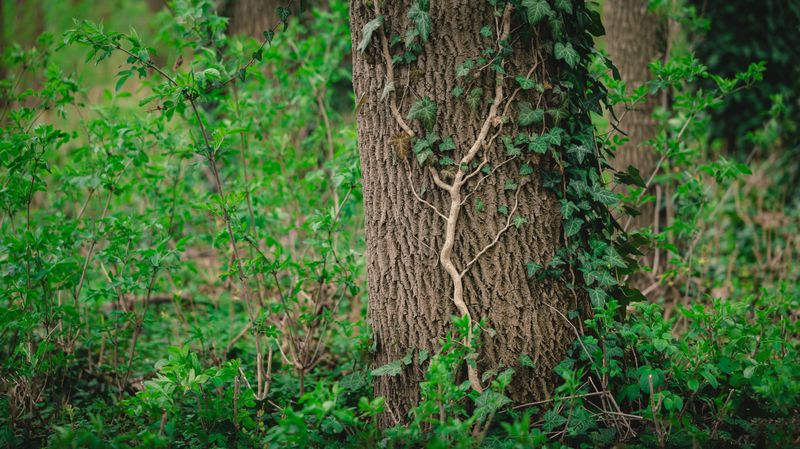
Not every overhanging plant falls under the you-pay-for-it rule. Health and hazard can flip the script.
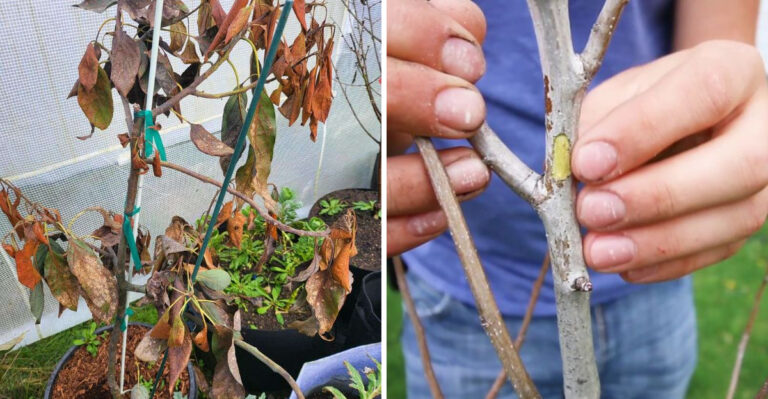
Florida courts have recognized that an owner may face liability when they know, or reasonably should know, that a plant on their property is diseased, decaying, or dangerous. Heavy vines can add to that risk by loading weak branches, hiding rot, and catching wind during summer storms.
A brittle limb wrapped in growth is a very different situation than a healthy green tendril.
Notice is key. If you spot a hazard, tell your neighbor in writing and keep a copy.
Photos and a dated letter make it much harder for anyone to claim they had no idea.
A state law, section 163.045 of the Florida Statutes, also matters here. It says local governments can’t require a permit to trim or remove a tree on residential property when a certified arborist or licensed landscape architect documents that it poses a danger.
Hurricane season, running from June through November, makes this extra pressing. Getting an arborist’s report before storms arrive can protect your home, your fence, and your legal position at the same time.
7. Invasive Vines Like Air Potato and Skunk Vine Need Extra Care

Some fence crawlers are more than a nuisance. The Florida Invasive Species Council lists vines such as air potato, skunk vine, Japanese climbing fern, and coral vine as serious invaders.
Air potato is easy to spot by its heart-shaped leaves and the potato-like bulbils dangling from its stems. Each bulbil can sprout a brand new plant, so careless cleanup can spread the problem.
UF/IFAS Extension suggests bagging those bulbils and disposing of them in the trash rather than tossing them in a compost pile.
Japanese climbing fern spreads by tiny spores, so bag cuttings gently to avoid shaking them loose. Skunk vine earns its name from the smell when crushed, which you’ll notice fast.
Before you start snipping, scan the tangle for active bird nests. Many songbirds are protected under the federal Migratory Bird Treaty Act, and spring through summer is prime nesting time.
Wear gloves and long sleeves too. Poison ivy loves fence lines and often hides among other vines.
If invasive vines keep returning, share UF/IFAS identification guides with your neighbor. Treating the plant at its roots on both sides works far better than trimming one half forever.
8. Check Your HOA Rules and City Code Before Grabbing the Loppers
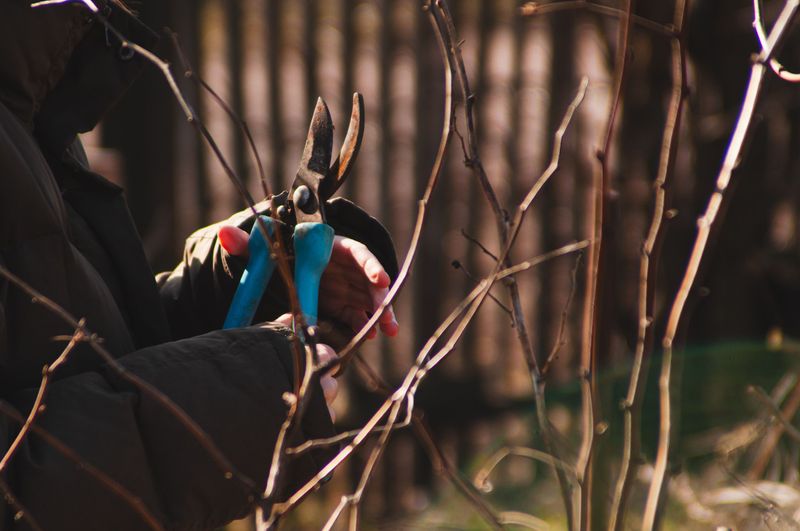
State common law sets the basic rules, but your neighborhood may add its own layer. Homeowners associations and local governments often have something to say about fences and overgrowth.
Many HOA covenants require owners to keep plants trimmed and fences in good repair. If your neighbor’s vine is pulling apart a shared fence, the association may be able to send a violation notice.
That can be a gentler route than handling the conflict yourself.
Cities and counties also have code enforcement offices. Some local codes address overgrown lots, blocked sidewalks, or plants interfering with fences and utilities.
A quick call or website search can tell you what applies on your street.
So what’s the smartest plan going forward? Start with a friendly talk.
Trim only what crosses onto your side, cut carefully, and keep debris on your property.
Document hazards in writing and bring in a certified arborist when trees or heavy growth look risky. Identify invasive vines and remove them responsibly.
If a dispute grows serious, mediation or a local real estate attorney can help. Laws and court rulings can shift, so a professional review is worth it before any major step.
A calm, careful approach keeps both your fence and your friendships standing strong.