Fall Vegetables To Start From Seed Now For An Arizona Autumn Harvest
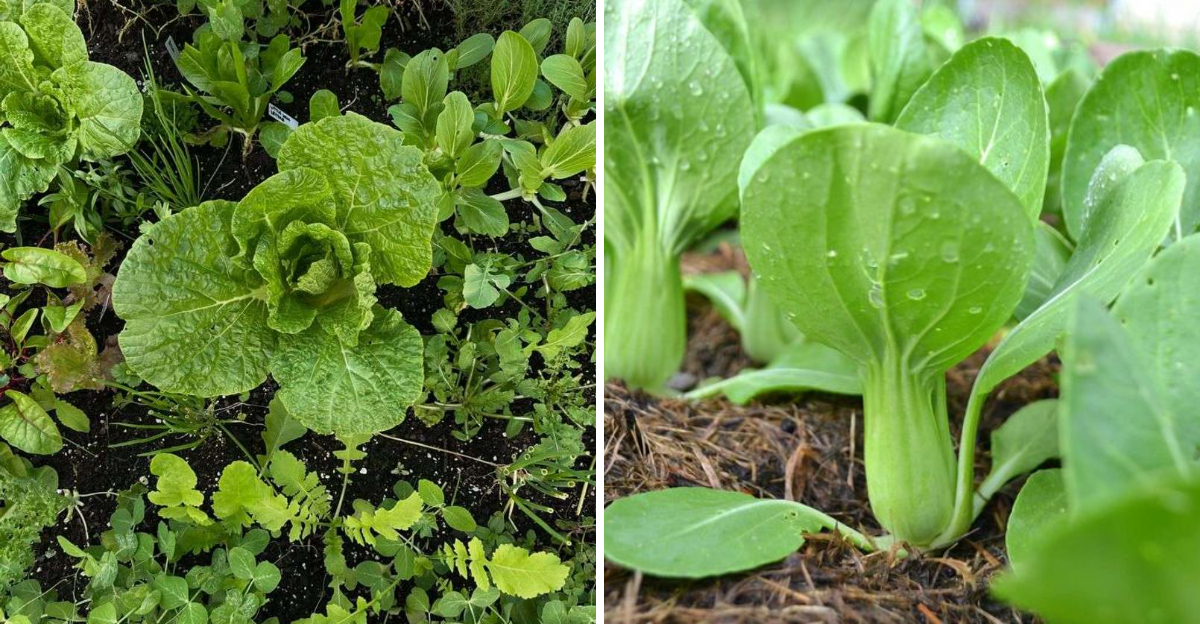
The hottest part of summer makes many people think it is too late to start anything new. That idea causes plenty of gardeners to miss one of the best opportunities of the year.
A great fall harvest rarely begins when the weather finally cools down. It usually starts while the afternoons still feel too hot for planting.
Waiting a little longer can quietly work against you.
The calendar often matters more than the forecast. Seeds need enough time to become strong before the season changes.
In Arizona, experienced gardeners know this planting window never stays open for long. Getting started now gives your fall garden a much better chance to succeed.
Do not let today’s heat make the decision for you.
A few packets of seeds planted at the right time can completely change what your garden looks like this fall and make the months ahead far more rewarding.
1. Broccoli Is Ready For Late Summer Sowing
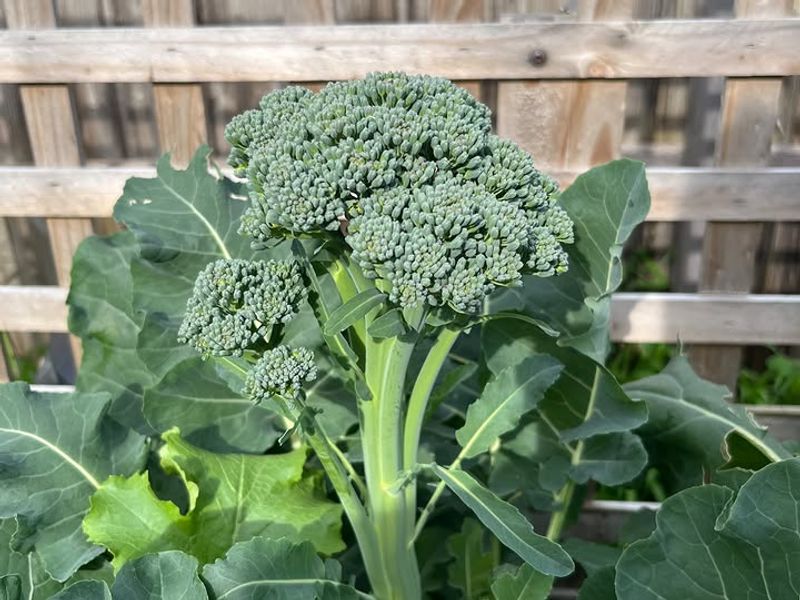
Broccoli is one of the most rewarding vegetables you can grow in a fall garden. Sow seeds directly into the ground or start them in small containers around late July through early August.
Germination happens fast when soil temperatures sit between 70 and 80 degrees Fahrenheit.
Broccoli needs about 60 to 80 days to reach harvest, depending on the variety. Starting on time gives heads a chance to form during the cooler weeks of October and November.
Flavor actually improves after a light frost, so timing works in your favor here.
Choose compact or heat-tolerant varieties like Waltham 29 or Green Comet for better results in warm starts. Space transplants about 18 inches apart once seedlings reach 4 to 6 inches tall.
Consistent watering matters most during the first few weeks after transplanting.
Cabbage worms and aphids are common problems to watch for. Check the undersides of leaves regularly and remove pests by hand or with a strong water spray.
A light layer of mulch helps keep roots cool and moisture levels steady as temperatures shift through fall.
2. Cabbage Establishes Well In Warm Soil
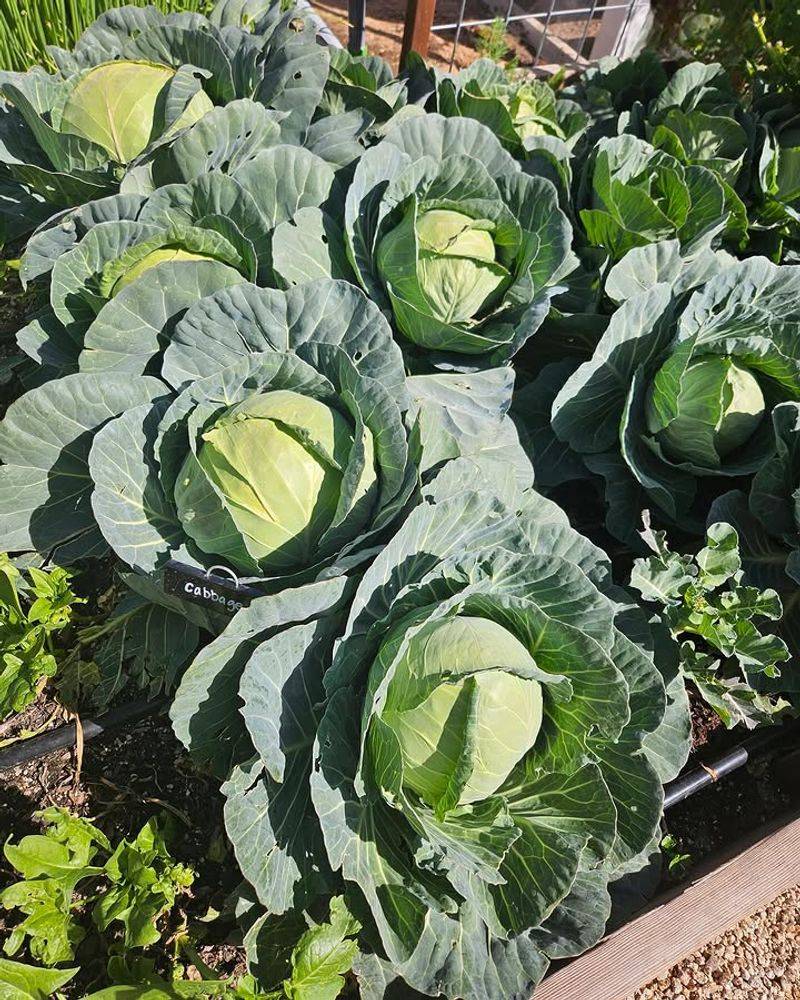
Warm soil is actually an advantage when starting cabbage seeds in late summer. Seeds sprout quickly when ground temperatures stay above 65 degrees Fahrenheit, which is easy to hit in most Arizona locations during August.
That fast germination gives plants more time to develop before cooler weather settles in.
Cabbage takes roughly 70 to 120 days to mature, so planting by early August is worth prioritizing. Varieties like Early Jersey Wakefield or Stonehead tend to handle the transition from warm to cool conditions reasonably well.
Heads form better once nighttime temperatures drop below 60 degrees.
Transplant seedlings when they have at least two true leaves. Space them 12 to 18 inches apart in rows to allow good airflow.
Crowding can encourage fungal problems, especially when humidity spikes briefly during monsoon season.
Cabbage is a heavy feeder, so work compost into the soil before planting. A nitrogen-rich fertilizer applied a few weeks after transplanting can support strong leaf growth.
Keep soil consistently moist but not waterlogged, and check regularly for cabbage loopers or imported cabbageworms hiding near the base of plants.
Your Arizona Garden Changes Every Week. Your Plan Should Too.
Gardening in Arizona changes quickly throughout the season. Every Friday you’ll receive a simple weekly plan showing exactly what to plant, prune, fertilize, harvest, and protect so you never miss the right timing.
3. Cauliflower Performs Best With An Early Start
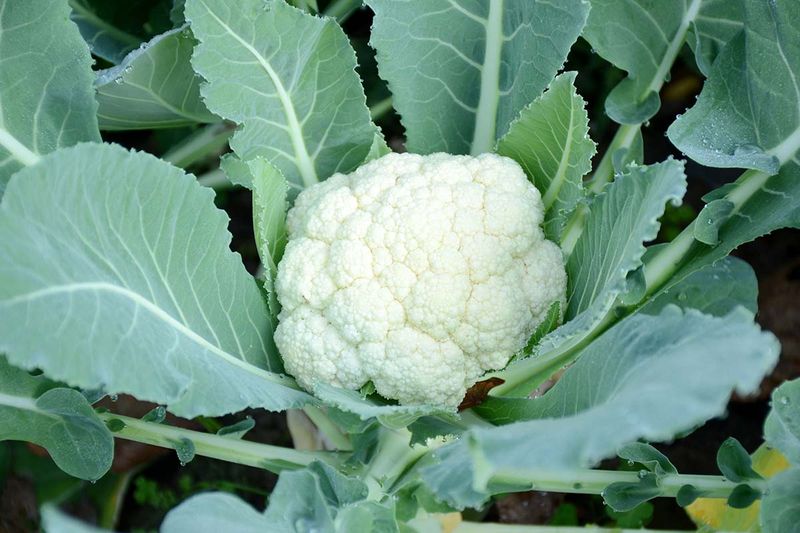
Cauliflower is the pickiest brassica in the fall garden, and it rewards growers who plan ahead. Start seeds indoors or under shade cloth by late July to give plants enough time to mature before winter temperatures arrive.
Waiting too long shortens the window for head development significantly.
Most cauliflower varieties need 55 to 100 days from transplant to harvest. Compact types like Snow Crown or Amazing tend to perform more reliably in shorter windows.
Heads form best when daytime temperatures stay between 60 and 70 degrees Fahrenheit.
Transplant seedlings carefully since cauliflower roots are sensitive to disturbance. Water deeply right after planting to help reduce transplant stress.
Shade cloth used during the first week can ease the transition from containers to garden beds.
Blanching the heads is optional but produces whiter, milder-tasting curds. Simply fold outer leaves over the developing head and secure them loosely once the curd reaches about the size of a golf ball.
Check every few days since heads can mature quickly once temperatures cool. Consistent moisture and a balanced fertilizer every few weeks support steady, even growth through the fall months.
4. Green Onions Germinate Reliably In Summer Soil
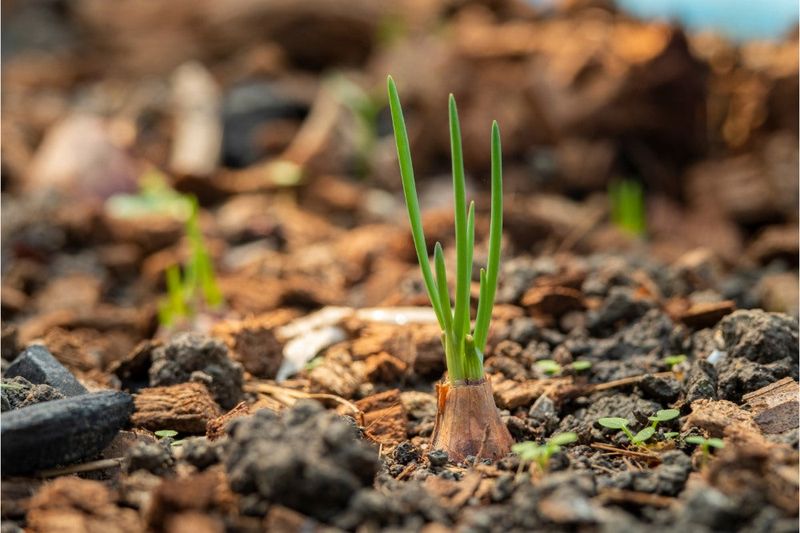
Few vegetables are as low-maintenance as green onions, and they handle summer soil temperatures better than most crops. Seeds germinate reliably when soil stays warm, often sprouting within 7 to 10 days during August and September.
That quick start means you can have harvestable shoots in as little as 60 days.
Sow seeds about a quarter inch deep and one inch apart in rows. Thin seedlings to about two inches apart once they reach a few inches tall.
Green onions do not need a lot of space, making them a smart choice for raised beds or container gardens.
Consistent watering keeps green onions growing steadily. Sandy desert soils drain fast, so checking moisture levels every day or two during hot weather is worth the effort.
A light layer of mulch helps retain moisture between waterings.
Green onions are ready to harvest whenever the tops reach 6 to 8 inches tall. Pull them whole or snip the tops and let the base regrow for a second cutting.
They pair well alongside other fall crops and can fill gaps between larger transplants like broccoli or cabbage. Bunching varieties such as Evergreen Hardy White tend to be especially productive in fall gardens across the Southwest.
5. Mustard Greens Mature Quickly As Days Cool
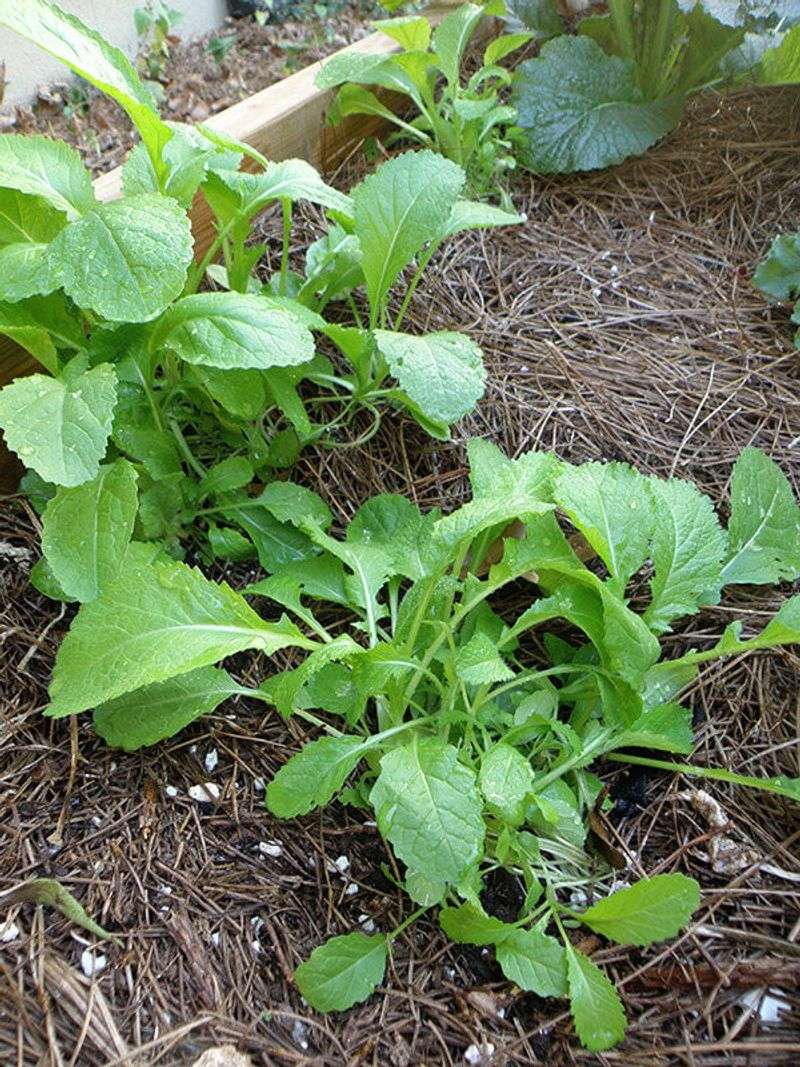
Speed is mustard greens’ biggest selling point in a fall garden. From seed to harvest takes as little as 30 to 40 days, making them one of the fastest cool-season crops you can grow.
Sow seeds directly in the ground from August through October and expect results quickly.
Scatter seeds thinly in rows and cover with about a quarter inch of soil. Thin seedlings to 4 to 6 inches apart once they sprout.
Crowded plants produce smaller leaves and are more prone to bolting when temperatures fluctuate.
Mustard greens prefer full sun but tolerate light afternoon shade, which can actually help during warm fall days. Leaves taste mildest when harvested young, around 4 to 6 inches long.
Older leaves develop a sharper, more peppery bite that some cooks prefer in cooked dishes.
Varieties like Southern Giant Curled and Red Giant are popular choices that hold up well in warm starts. Bolt resistance matters when planting early in the season while temperatures are still high.
Keep soil evenly moist and apply a light nitrogen fertilizer once plants are a few inches tall. Mustard greens are rarely bothered by major pest problems, which makes them a practical, reliable option for any fall vegetable garden in the desert Southwest.
6. Arugula Produces Tender Leaves In Mild Weather
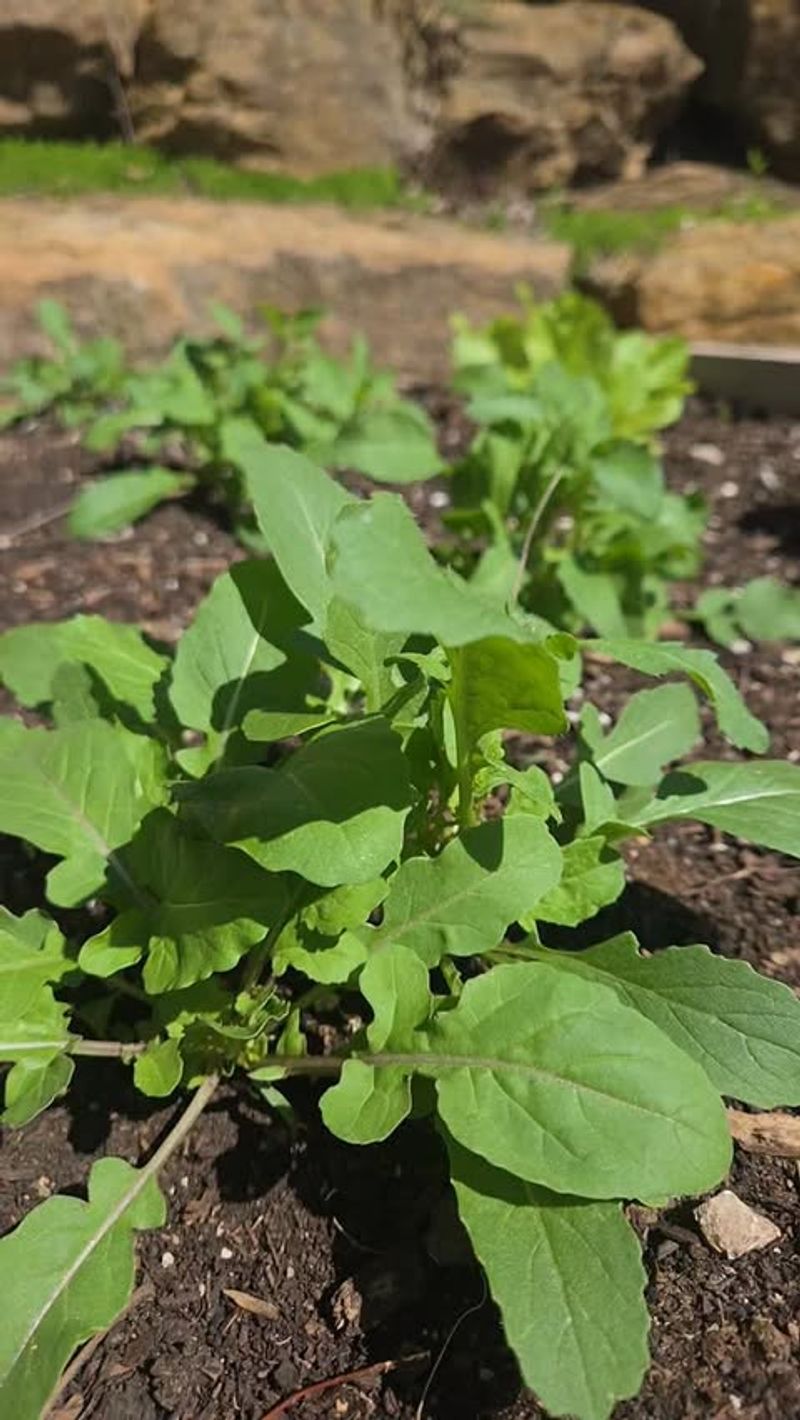
Arugula is one of those crops that seems simple but delivers serious flavor. Young leaves have a peppery, slightly nutty taste that makes salads and sandwiches far more interesting.
Sow seeds directly in garden beds starting in late August or early September for a fall harvest.
Seeds germinate fast, often within 5 to 7 days in warm soil. Scatter them thinly across a prepared bed and cover lightly with about an eighth of an inch of soil.
Thin seedlings to 4 inches apart once they reach an inch or two tall.
Arugula matures in about 40 days, though you can start harvesting outer leaves earlier. Cut leaves at the base and the plant will continue producing for several weeks.
Cooler temperatures in October and November slow growth slightly but also deepen the flavor of the leaves.
Hot weather causes arugula to bolt quickly, which turns leaves bitter and tough. Planting with some afternoon shade or waiting until late August helps avoid that issue.
Water consistently but avoid overwatering since soggy soil can cause root problems. Arugula works well in containers too, making it flexible for gardeners with limited space.
A succession planting every two to three weeks extends the harvest window well into early winter across many parts of Arizona.
7. Bok Choy Thrives Once Extreme Heat Begins To Ease
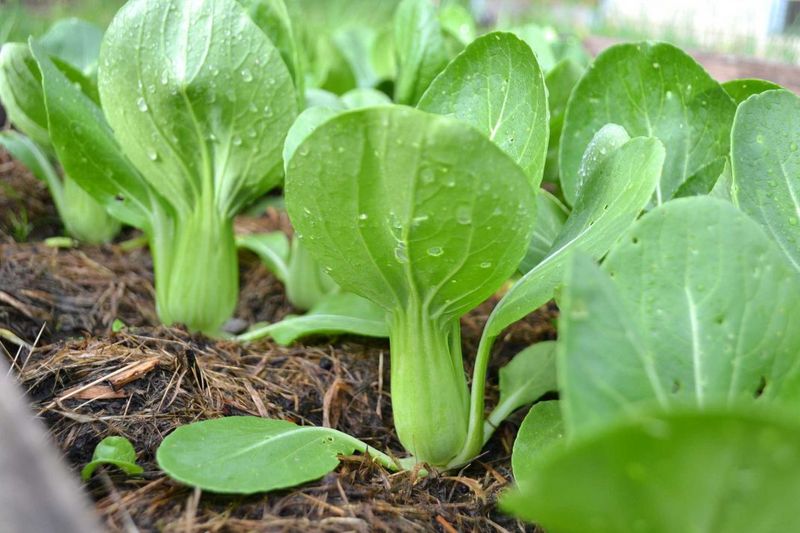
Bok choy has a knack for bouncing back once brutal summer heat starts to fade. Planting seeds in late August or early September gives this fast-growing green exactly the conditions it needs.
Expect germination within 4 to 8 days when soil temperatures hover around 75 degrees Fahrenheit.
Baby bok choy varieties mature in as little as 30 days. Full-size types take closer to 45 to 60 days.
Choosing a baby variety gives you flexibility if planting later in the season when the harvest window is shorter.
Sow seeds about half an inch deep and thin to 6 inches apart for baby types or 12 inches apart for full-size heads. Bok choy grows best in fertile, well-draining soil with consistent moisture.
Inconsistent watering can cause the outer leaves to become tough or the plant to bolt prematurely.
Flea beetles are a common pest that creates small holes in the leaves. Row cover fabric placed over young plants offers good protection without blocking too much light.
Harvest heads when they feel firm and compact at the base. Bok choy is excellent stir-fried, added to soups, or eaten raw in salads.
Growing it in the fall in a warm desert climate produces crisp, flavorful results that are hard to beat.
8. Collards Continue Growing Through Cooler Months
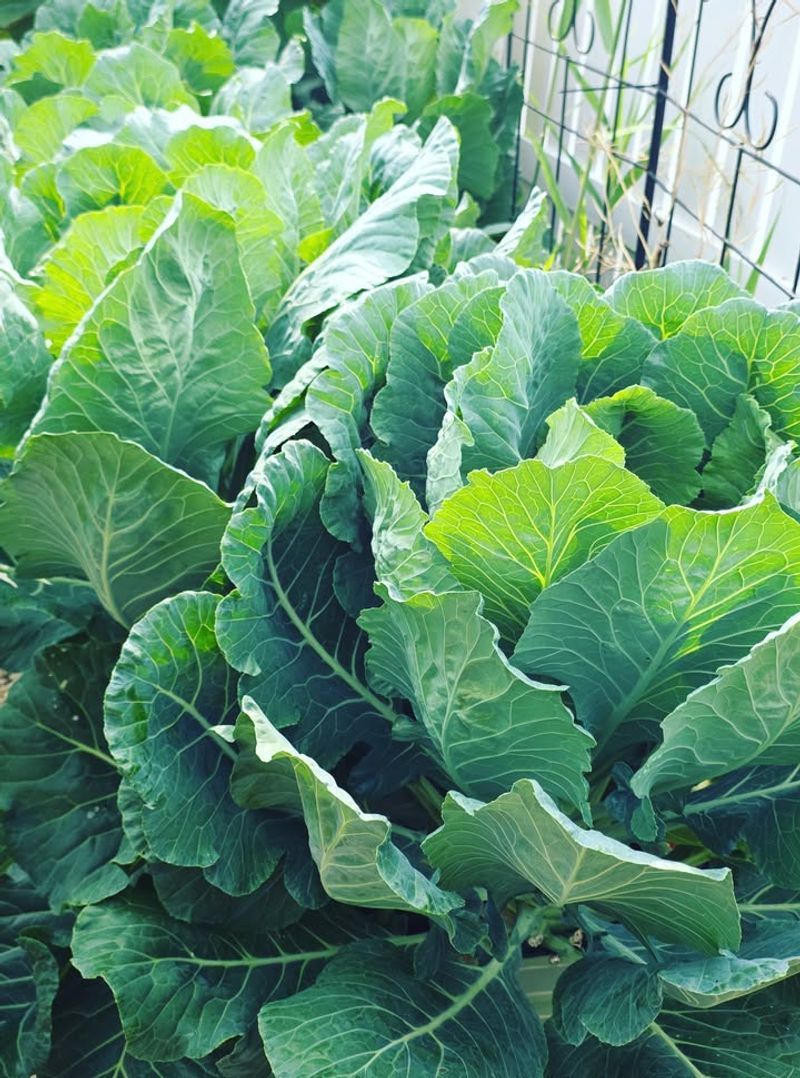
Collards are built for endurance. Unlike some brassicas that slow down sharply in cooler weather, collards keep producing leaves well into late fall and even early winter in mild climates.
Start seeds in late July or August for a harvest that stretches through the season.
Seeds germinate well in warm soil and typically sprout within 5 to 10 days. Transplant or thin seedlings to 18 inches apart once they reach 4 to 6 inches tall.
Collards grow large, so giving them enough space improves airflow and reduces fungal pressure.
Flavor improves noticeably after plants experience a light frost. The cold converts some starches in the leaves to sugars, producing a sweeter, mellower taste.
Gardeners who time their planting to catch those first cool nights often notice a real difference in quality.
Georgia Southern and Vates are two reliable varieties that perform well in warm-start conditions. Both handle the transition from late summer heat to fall temperatures without too much stress.
Water deeply but infrequently once plants are established, as collards develop a fairly deep root system over time. Harvest outer leaves first to keep the plant producing longer.
Aphids sometimes cluster on new growth, so inspect plants weekly and rinse them off with water when needed. Collards are a productive, low-fuss addition to any fall garden.
9. Napa Cabbage Forms Better Heads In Fall Conditions
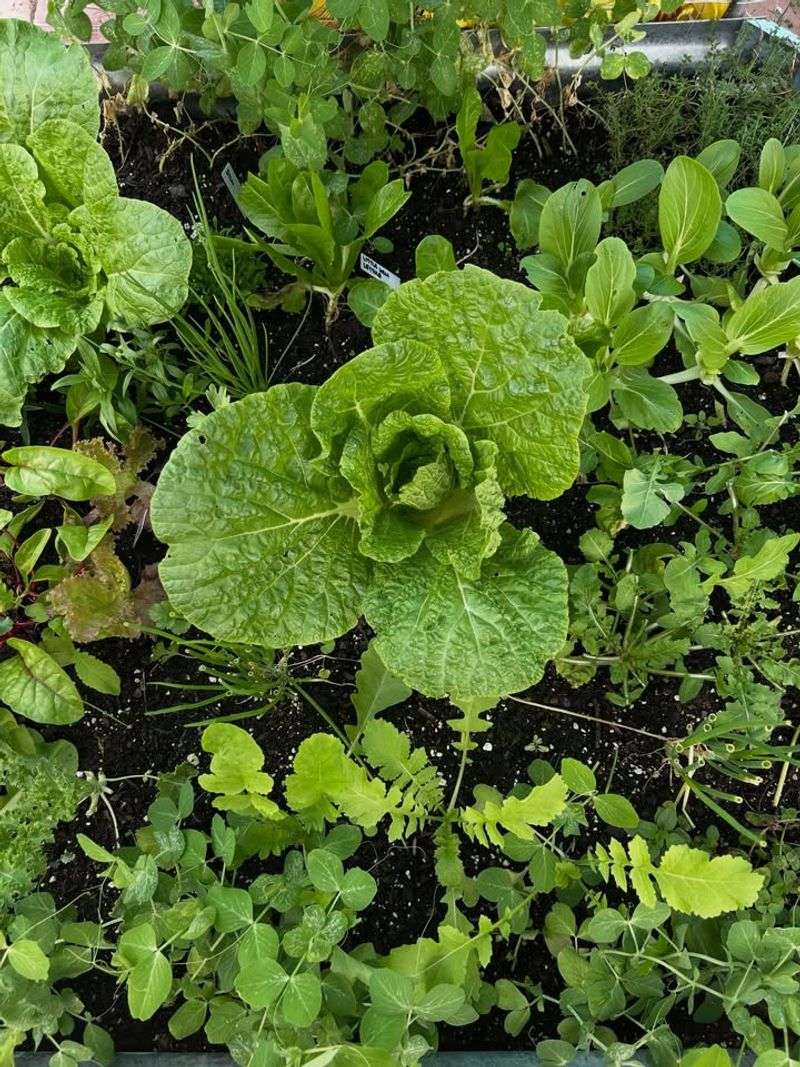
Napa cabbage is worth the extra attention it demands because the harvest payoff is genuinely satisfying. Loose, crisp heads with sweet, mild flavor are the reward for getting the timing right.
Plant seeds in late July through mid-August to give heads enough time to form before temperatures drop sharply.
Napa cabbage needs about 70 to 80 days to mature. Varieties like Minuet or Blues are compact and tend to perform well when started in warm conditions.
Larger heading types may struggle if planted too late in the season.
Sow seeds about a quarter inch deep and thin seedlings to 12 inches apart. Napa cabbage is sensitive to inconsistent watering, which can cause tip burn on the inner leaves.
Keeping soil evenly moist from germination through head formation is one of the most important things you can do.
Heads form more tightly once nighttime temperatures drop below 55 degrees Fahrenheit. That natural cooling helps the inner leaves blanch slightly and develop their characteristic mild flavor.
Aphids and cabbage worms are the main pests to watch for. Check plants a few times a week and remove any eggs or larvae by hand.
Napa cabbage is a versatile kitchen crop that works well in slaws, soups, and fermented dishes, making it a smart choice for fall gardens across the desert Southwest.