10 Fall Porch Decor Ideas Using Plants That Survive Florida Humidity
Mums melt, pumpkins grow fuzzy spots, and that cute fall arrangement looks like a swamp casualty by Wednesday. Humidity doesn’t care about your Pinterest board.
Florida gardeners know the struggle. Porch plants that thrive in a northern autumn sulk in sticky air, and the same pot that looked great Saturday turns into a mildew magnet by midweek.
Plenty of folks give up and settle for plastic.
You don’t have to. Ten plants handle the muggy weather like it’s a day at the spa, and they still deliver the cozy fall look.
A few pair beautifully with pumpkins and straw bales.
Some of the picks come from the tropical aisle, not the fall display, which is why so many people walk right past them.
Sketch your porch layout before your next nursery run.
1. Mix Orange Crotons, Ornamental Grass And Purple Peppers In One Planter
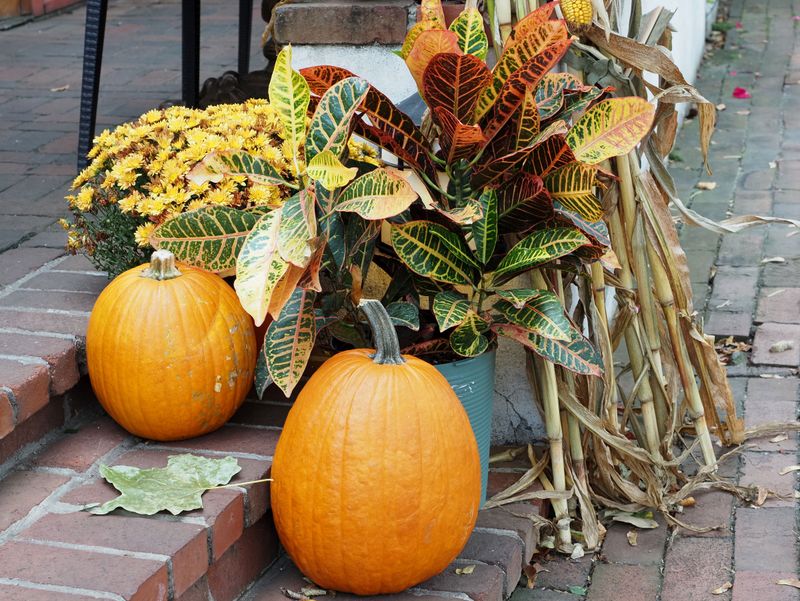
Think of this planter as a fall bouquet that keeps going for months. Three plants, three textures, and zero need to fight the weather.
Orange crotons bring the bold leaves. They love warm, humid air and show their best color in full or shifting sun.
Next comes ornamental grass for soft movement. Pink muhly grass is a Florida native that handles sandy soil and sticky days with ease.
Purple peppers add the final punch. Their small, glossy fruits look like tiny jewels tucked between the leaves.
Start with a wide pot at least 18 inches across. Place the grass in the back so its feathery plumes rise up high.
Set the croton in the middle as your color anchor. Tuck the peppers along the front edge where people can see them up close.
Use a fast-draining potting mix, since soggy roots cause trouble in humid weather. Water when the top inch of soil feels dry to your finger.
Give the pot a spot with plenty of sun. Crotons fade a little in deep shade, and peppers need light to keep fruiting.
Every few weeks, turn the planter a quarter turn. That keeps each side growing evenly instead of leaning toward the light.
The result is a mix of orange, pink, and purple that reads like autumn. No falling leaves needed.
2. Pop In An Orange Bromeliad For Tropical Height
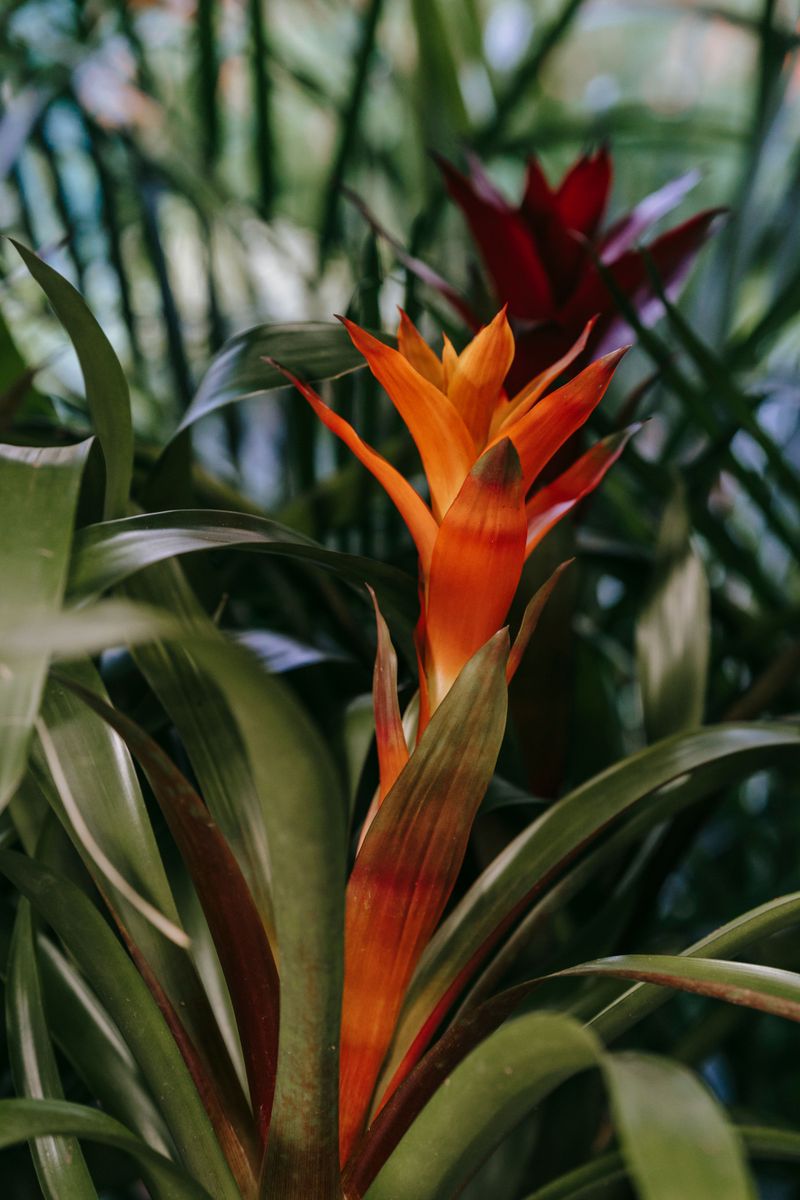
Some plants whisper, but a bromeliad clears its throat and takes the stage. That tall orange spike rises like a flame from a cup of leaves.
Bromeliads come from warm, damp places, so Florida feels like home to them. Humidity that bothers other plants barely gets their attention.
Fun fact: the pineapple is a bromeliad too. So you are basically decorating with a fancy cousin of your fruit bowl.
Most kinds prefer bright, indirect light. A covered porch with morning sun is a sweet spot for them.
Here is the quirky part about watering. Many bromeliads hold water in the center cup formed by their leaves.
Keep that cup about a quarter full with fresh water. Flush it out every week or two so it stays clean.
Your Florida Garden Changes Every Week. Your Plan Should Too.
Gardening in Florida changes quickly throughout the season. Every Friday you’ll receive a simple weekly plan showing exactly what to plant, prune, fertilize, harvest, and protect so you never miss the right timing.
The soil only needs light moisture and must drain well. A mix made for orchids or bromeliads works nicely.
For design, use one as the tall piece in a mixed container. It also stands proudly alone in a simple clay or black pot.
Pair it with dark leaves to make the orange glow brighter. Purple or burgundy plants nearby create a rich fall look.
After blooming, the main plant slowly fades but sends out little pups. Pot those up, and next year you get more color for free.
3. Add Ornamental Peppers For A Hot Pop Of Color
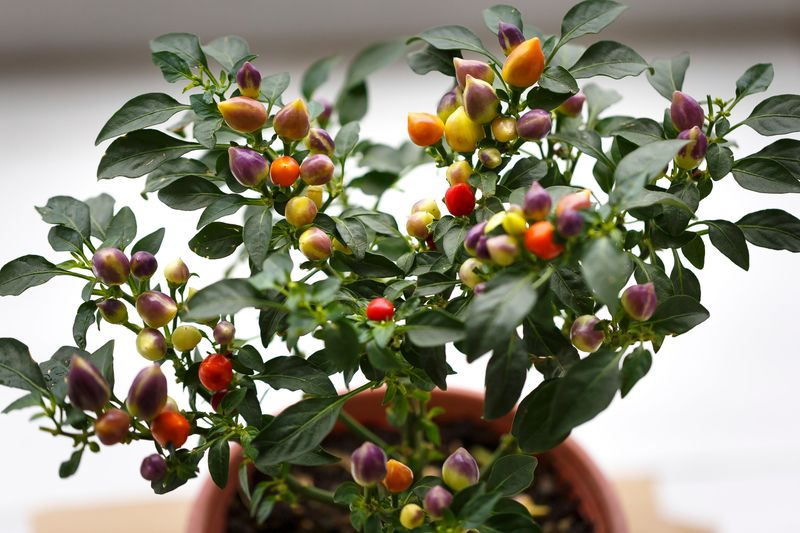
Candy-colored and a little spicy, ornamental peppers are the party guests of the fall porch. They show up dressed in red, orange, yellow, and purple all at once.
A single plant can hold fruits in several shades. Each pepper changes color as it ripens, which keeps things interesting.
Better yet, these plants enjoy heat and handle Florida humidity well. Many keep producing straight through autumn.
Give them full sun for the most fruit. Six or more hours a day keeps them bushy and loaded.
Plant them in well-drained soil or a quality potting mix. Water when the top of the soil dries, but skip the soggy saucer.
Group three small pots on a step for a cheerful stair display. Odd numbers tend to look more natural to the eye.
You can also tuck them around a pumpkin or a basket of gourds. The peppers echo those harvest tones perfectly.
A quick safety note matters here. Many of these peppers are very hot, so keep curious kids and pets from snacking.
Wear gloves if you pinch off old fruits, and wash your hands afterward. Your eyes will thank you.
Feed them lightly every few weeks with a balanced fertilizer. That small boost helps them keep popping out fresh color until cooler nights arrive.
4. Pair ‘Alabama Sunset’ Coleus With ‘Petra’ Croton
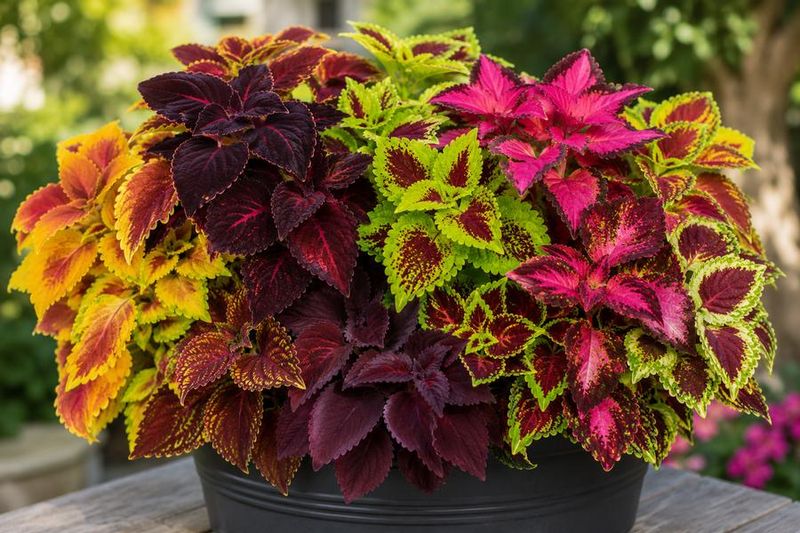
Remember mood rings? ‘Alabama Sunset’ coleus works the same way, shifting shades as it grows.
New leaves start out yellow-gold. Later they turn speckled orange, then settle into deep pink and rosy red.
Light changes the show too. Bright sun gives deeper reds, while softer light brings paler pinks with copper hints.
Now add ‘Petra’ croton beside it. Its thick, leathery leaves mix red, orange, yellow, and green like a painted sunset.
Together they look like a bonfire in a pot. Both plants love warm, humid air, so Florida suits them nicely.
Choose a spot with bright light and some gentle morning sun. ‘Petra’ can lose color if it sits in too much shade.
The coleus likes steady moisture but hates soggy soil. Water when the top inch feels dry and make sure the pot drains well.
Pinch off coleus flower spikes when they appear. That keeps the plant focused on growing those colorful leaves.
Plant the croton toward the back since it grows taller. Let the coleus fill in the front and sides.
This duo needs no flowers to impress anyone. Neighbors walking by will likely stop and ask what you planted.
5. Let Sweet Potato Vine Spill Over The Pot’s Edge
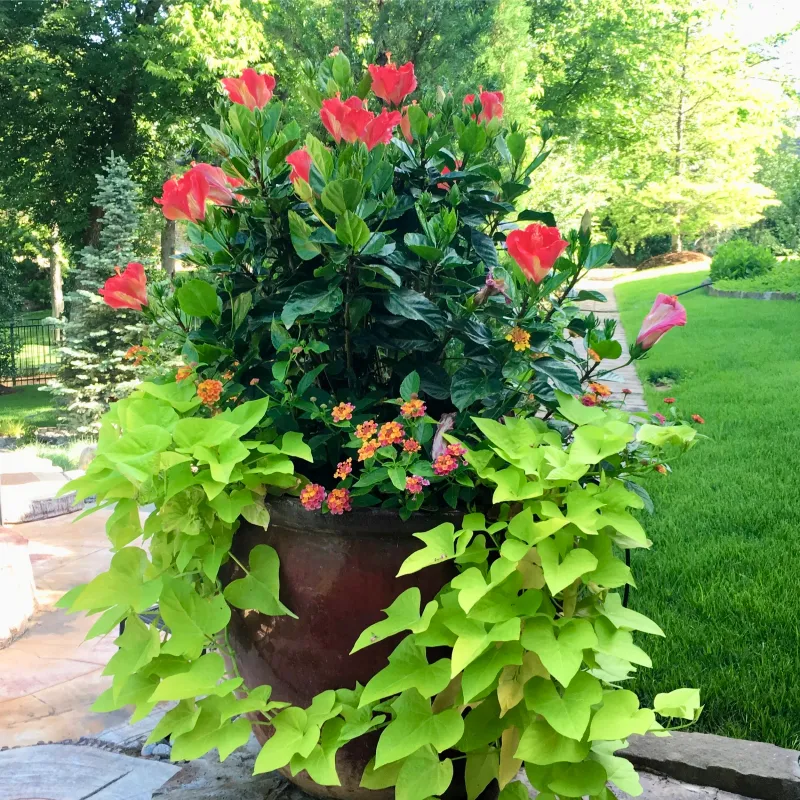
Every container needs a little drama, and sweet potato vine is happy to supply it. It tumbles over the edge like a leafy waterfall.
Ornamental sweet potato vine is a cousin of the kind you eat. Gardeners grow it for the leaves, not the tubers.
The color choices are wide. You can find chartreuse, bronze, burgundy, near-black, and even variegated types.
For fall, deep purple or bronze leaves feel cozy and rich. Chartreuse brightens a shady corner and makes darker plants stand out.
Heat and humidity barely slow this plant down. In fact, it grows so fast you may need to trim it now and then.
Plant it near the rim of your pot so it can trail downward. One or two plants per container is usually plenty.
Keep the soil evenly moist and well drained. Once settled, it can handle short dry spells better than many trailers.
Snip long stems whenever they get too wild. You can even root the cuttings in a glass of water for extra plants.
Try it in tall urns on each side of the door. The draping leaves soften hard edges and make the entry feel lush.
Little effort, big payoff, and a porch that looks fully dressed for the season.
6. Tuck In Silvery Sage As A Filler
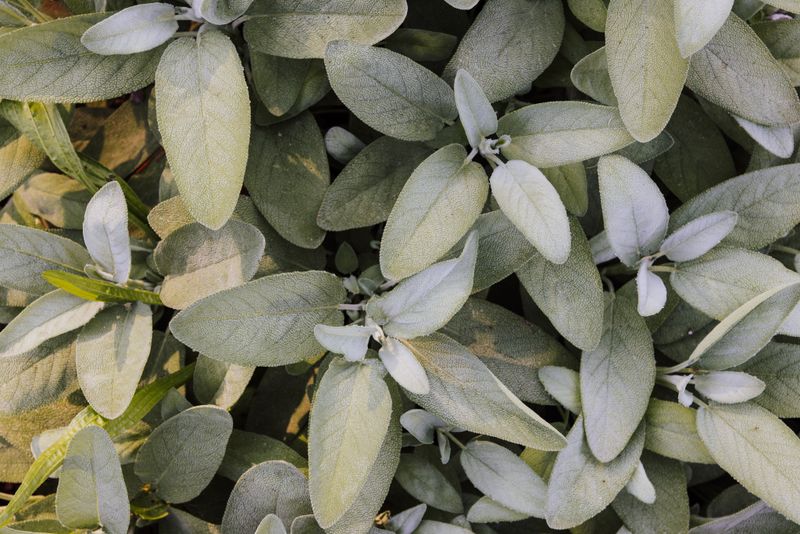
Bright colors look even brighter when they have a calm friend nearby. Silvery sage plays that role beautifully.
Its soft, gray-green leaves act like a pause between bold shades. Orange, purple, and red all pop next to silver.
Many sages handle heat well and need little water once settled. That makes them handy for busy porch gardeners.
In humid Florida, choose varieties labeled for heat and moisture tolerance. Ask your local garden center which silvery types do well in your area.
Plant sage in the gaps of a mixed container. It fills holes and ties the whole design together.
Drainage is the biggest key here. Fuzzy, silver leaves dislike staying wet, so use a gritty mix and a pot with holes.
Water only when the soil dries a bit. Morning watering lets leaves dry fast before evening.
Give the plant good airflow too. Avoid cramming it tightly between dense plants where air cannot move.
Bonus perk: many sages smell lovely when you brush past them. Visitors get a little whiff of herbs at the door.
Bees and butterflies may stop by if your sage blooms. That adds a touch of life to your seasonal display without any extra work.
7. Frame The Steps With Pink Muhly Grass
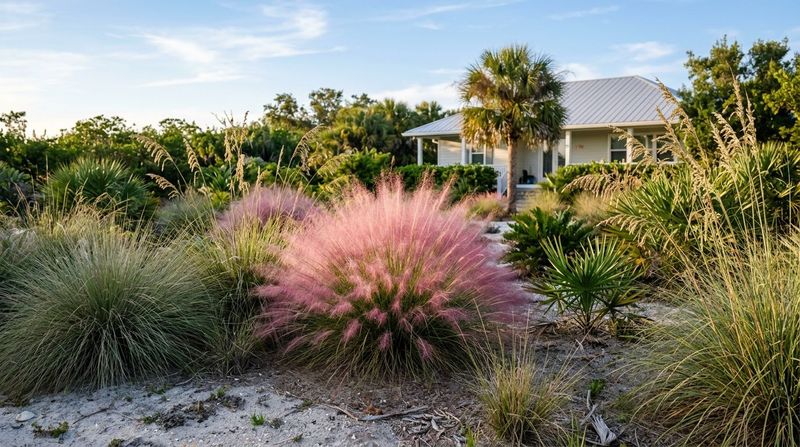
Late in September, something magical happens across Florida yards. Plain green clumps of grass suddenly burst into clouds of pink.
Pink muhly grass is a Florida native, so it already knows how to handle sandy soil and sticky air. Its airy plumes glow pink-purple from late September through November.
Plant a clump on each side of your front steps. The soft color creates a dreamy entry that feels both natural and fancy.
Each plant grows about three to four feet tall and wide. Space them so they have room to form round, graceful mounds.
Full sun brings the brightest plumes. In shade, the color can look faded and the clumps may flop.
Water often during the first few months while roots settle. After that, this grass is quite drought tolerant.
Care is refreshingly easy. Trim it back in late winter before new growth starts in spring.
Backlighting makes this plant shine. Morning or evening sun shining through the plumes looks like pink mist.
Add a few pumpkins or a lantern near the base for extra charm. The grass sets the color, and your accents finish the story.
Year after year, it returns stronger. That is a fall tradition you only have to plant once.
8. Use A Big Ti Plant As A Container Centerpiece
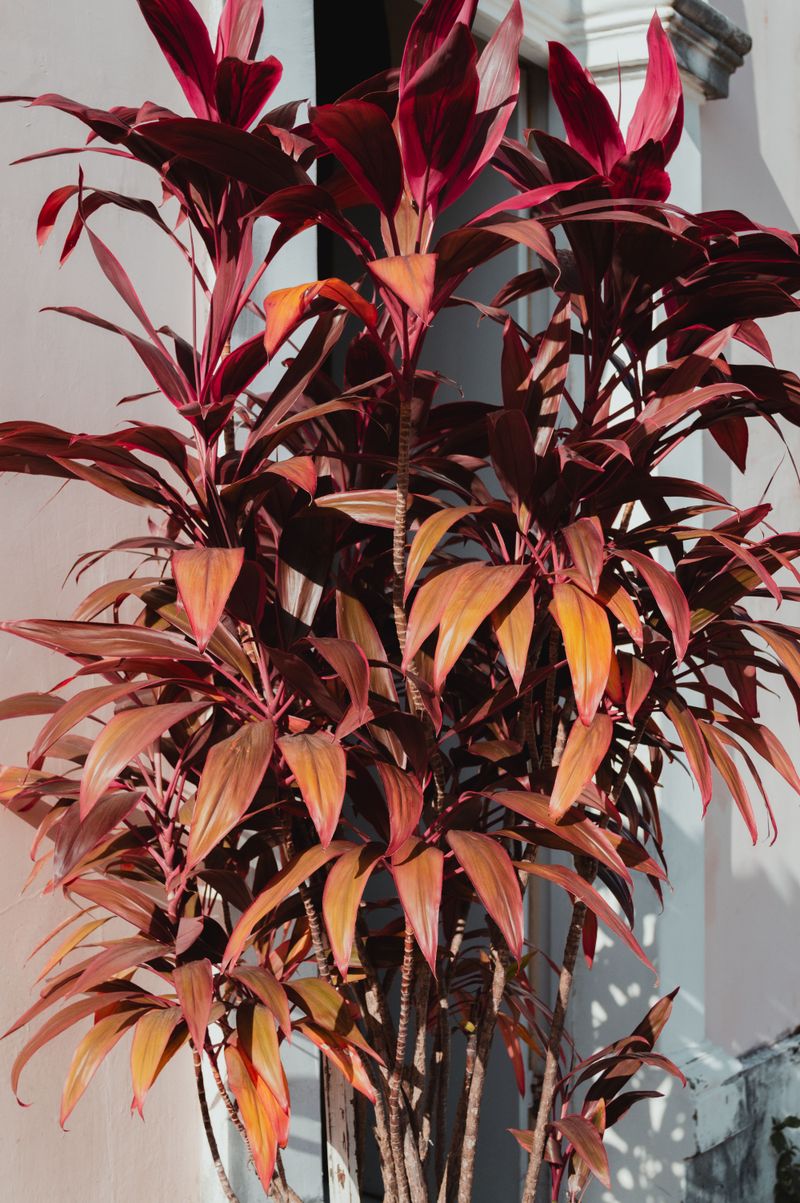
In Hawaii, Ti plants have long been seen as symbols of good luck. Placing one by your front door feels like a warm welcome and a wish all in one.
Also called cordyline, this tropical plant has bold, sword-like leaves. Many types show purple streaked with hot pink, cream, or deep red.
Those rich shades fit right into a fall color scheme. Think berry, plum, and wine tones without a single leaf dropping.
Use one big Ti plant as the tall center of a large pot. Surround it with trailing vines or smaller colorful plants.
Ti plants like humidity and warm temperatures between about 65 and 95 degrees. Part shade suits them best, though they handle more sun with enough water.
Keep soil evenly moist, letting the top inch dry slightly between drinks. Cut back on water from late fall through winter.
Protect the plant from strong wind. Big leaves can tear or get ragged in gusty spots.
Wipe dusty leaves with a damp cloth now and then. Clean leaves look shinier and soak up light better.
If cold nights are forecast, roll the pot somewhere sheltered. A plant stand with wheels makes that chore much easier and keeps your lucky centerpiece looking sharp.
9. Plant Beautyberry Near The Porch For Purple Fall Berries
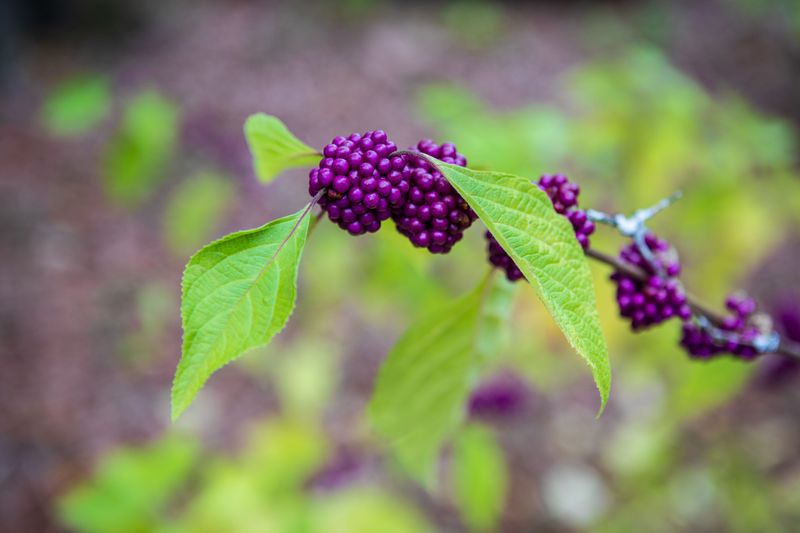
Purple berries that look almost fake? Beautyberry pulls off that trick every single fall.
American beautyberry is a shrub native to the Southeast, including Florida. Clusters of bright purple berries hug its arching stems from late summer into autumn.
Birds adore those berries. Mockingbirds and cardinals may turn your porch into their favorite snack bar.
Hot, humid summers do not faze this plant. It grows best in part shade with moist, well-drained soil.
More sun is fine if you add extra water. Once settled in, it rarely needs much help from the hose.
Expect it to reach three to six feet tall and wide. In rich soil, it can stretch even taller.
Plant it in a bed beside the porch rather than a pot. It needs room for its roots and graceful branches.
The shrub loses its leaves in winter, which is normal. Trim it back hard in late winter to keep it tidy and full.
Here is a fun bit of history. Old Southern lore says crushed leaves were rubbed on skin to shoo away bugs.
Snip a few berry stems for a vase indoors too. Your fall color can travel from the porch right to the kitchen table.
10. Swap In Pansies And Dianthus Once Nights Cool Down
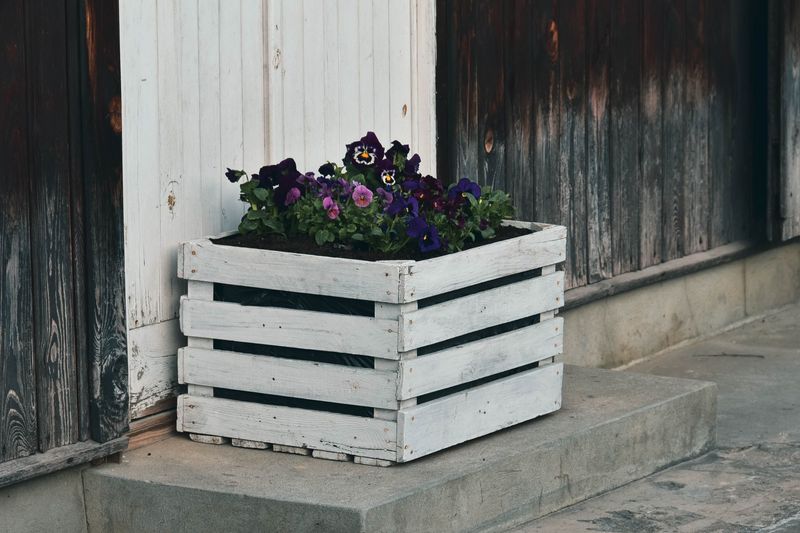
That first cool morning in Florida feels like a gift. It is also your signal to bring out the pansies and dianthus.
Pansies love cooler air, with nights under about 65 degrees. North Florida gardeners can often plant them in late October, while most of the state does better waiting until November.
Planting too early can backfire. Heat may cause yellow leaves or long, floppy stems.
Once settled, pansies bloom through winter and into spring. Their cheerful faces come in purple, gold, orange, and more.
Give them well-drained soil and a bit of shade. Afternoon shade helps on warmer days.
Dianthus, often called pinks, makes a sweet partner. The blooms have a light, spicy scent like cloves.
Plant dianthus from October through February for steady color. It enjoys full sun to part shade and rich, well-drained soil.
Water well while roots get started. After that, go easy, since too much moisture in humid weather can invite fungus.
Swap these flowers into pots where summer plants have faded. Your crotons and grasses can stay as the backdrop.
Trimming old blooms keeps new ones coming. A quick pinch every few days keeps your porch looking fresh and cheerful through the cooler months.