How To Tell A Ground Squirrel Hole From A Gopher Hole In California
Trying to figure out what is digging up your California garden? A mysterious hole in the yard can leave you wondering if you are dealing with a ground squirrel or a gopher.
While both pests can create frustrating damage, their tunnels, entrances, and habits are very different.
You can usually identify the culprit by looking at the hole’s shape, nearby soil piles, and signs of activity around the area.
Ground squirrels often leave open burrow entrances and spend time above ground, while gophers usually stay hidden and push up fresh mounds of soil.
Knowing what you are dealing with helps you choose the right way to protect your plants, lawn, and garden beds.
Take a closer look at those holes before you start treating the problem, because the right solution starts with knowing which animal moved in.
1. The Hole Shape Gives The First Clue
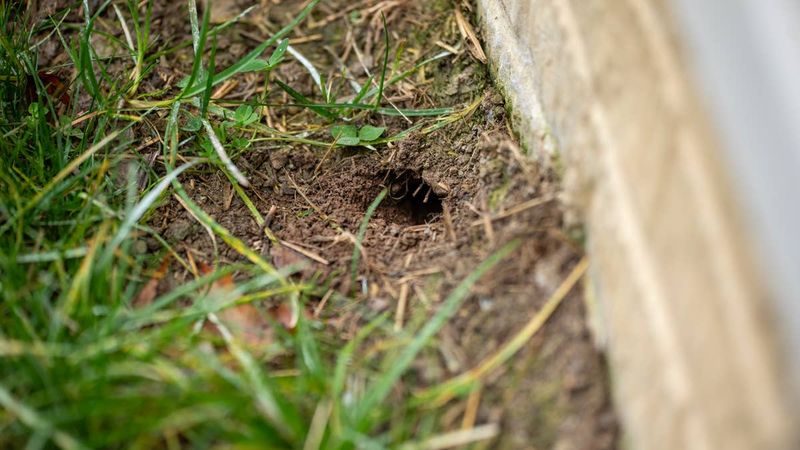
One of the easiest ways to start telling these two holes apart is simply by looking at the shape of the entrance. A ground squirrel hole is usually round and fairly neat.
The opening is clean, with no extra soil piled right at the edge.
Gopher holes, on the other hand, tend to look messier and less defined. The entrance is often plugged or partially covered with loose dirt.
Sometimes the hole appears crescent-shaped or off to one side of a small mound.
Ground squirrel holes are typically about two to four inches wide. That is roughly the size of a tennis ball.
Gopher holes can be similar in width but are often hidden under pushed-up soil.
You might notice that ground squirrel holes look like something just popped out of the ground and left a clean tunnel behind. Gopher holes look more like something was pushing dirt from below.
That underground pushing action leaves a messier, less tidy entrance.
Getting down low and looking at the hole from the side can help you see these differences more clearly. Take a photo if you can, and compare it to reference images online.
Even beginners can spot the difference once they know what shape clues to look for. The hole shape alone can tell you a lot before you even check anything else.
2. Gophers Usually Leave Soil Mounds Behind
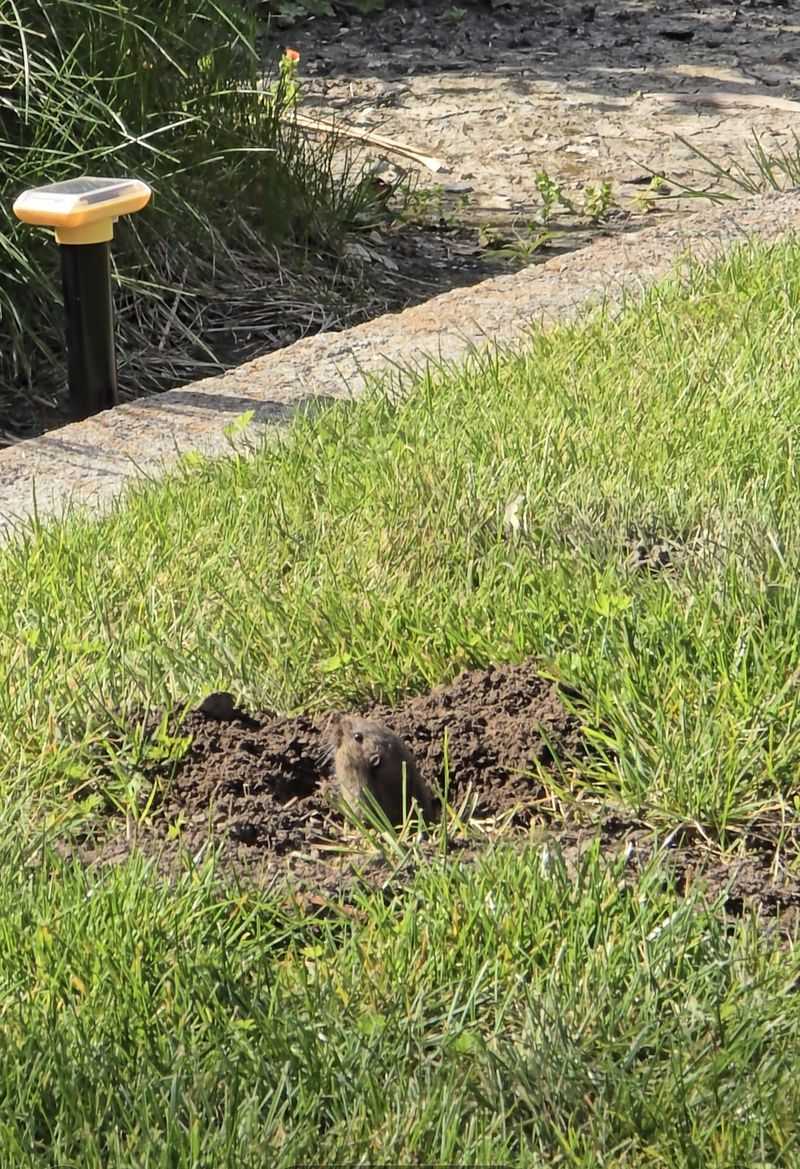
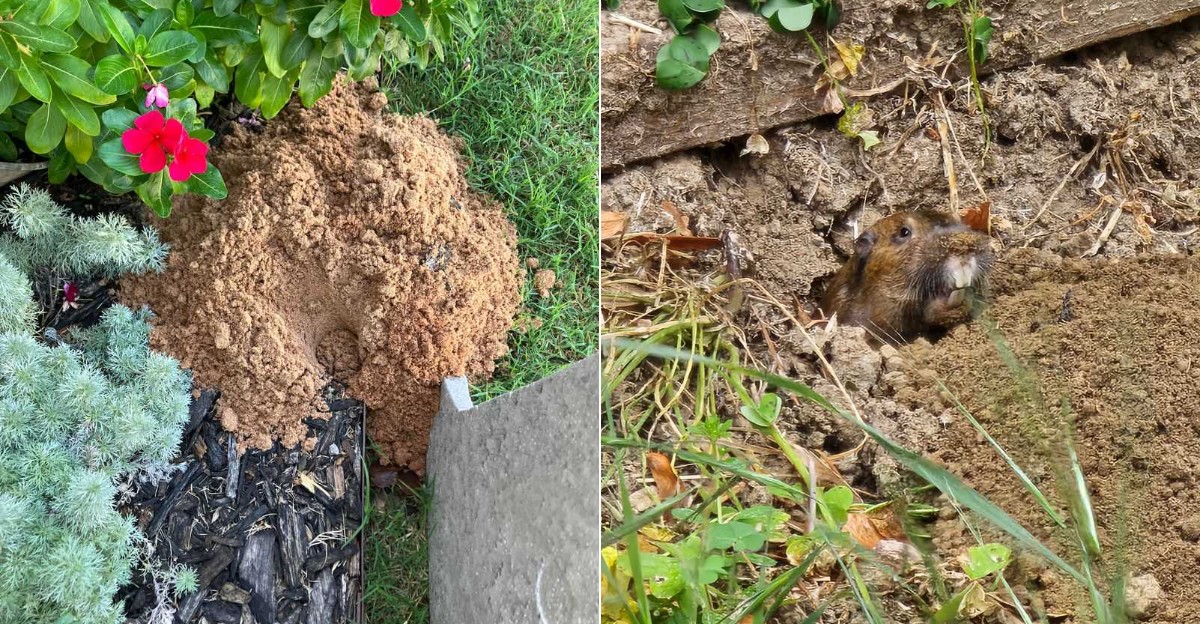
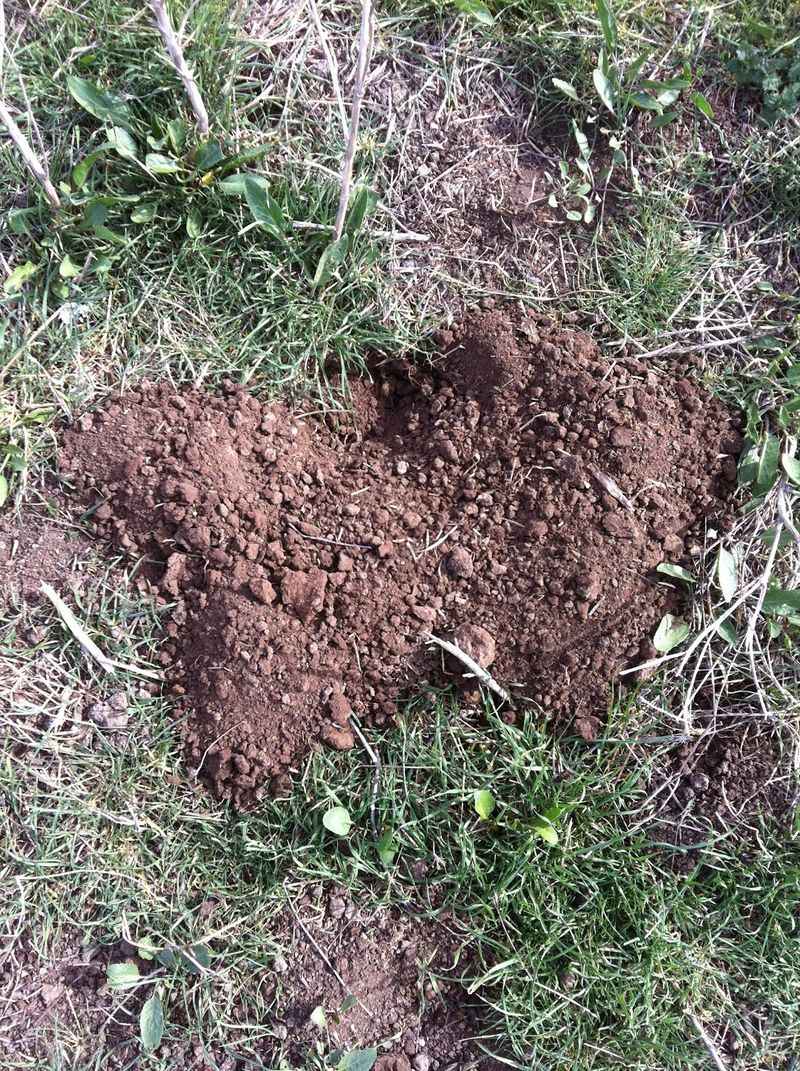
Fresh soil piled near a hole is one of the most reliable signs that a gopher has been at work. Gophers dig tunnels underground and push the extra dirt up and out through a side opening.
This creates a mound that looks like a small hill next to the hole.
The mound is usually fan-shaped or crescent-shaped. If you look closely, the hole is often off to the side of the mound rather than right in the center.
That off-center position is a strong gopher clue.
Ground squirrels do not typically leave big mounds. They may scatter some dirt around their entrance, but nothing that looks like a deliberate pile.
Their entrances are usually flush with the ground or have only a small ring of loose soil.
Your California Garden Changes Every Week. Your Plan Should Too.
Gardening in California changes quickly throughout the season. Every Friday you’ll receive a simple weekly plan showing exactly what to plant, prune, fertilize, harvest, and protect so you never miss the right timing.
Gopher mounds can appear overnight. One morning your yard looks fine, and the next morning there is a fresh pile of dirt where there was none before.
This is because gophers are very active diggers, especially during spring and fall.
The soil in a gopher mound is often fine and loose, since it has been churned up from deep underground. Ground squirrel entrances usually have harder, more compacted soil around them.
Checking the texture of the nearby dirt is a quick and helpful extra clue that can confirm what you are already suspecting.
3. Ground Squirrels Often Stay Near Open Entrances
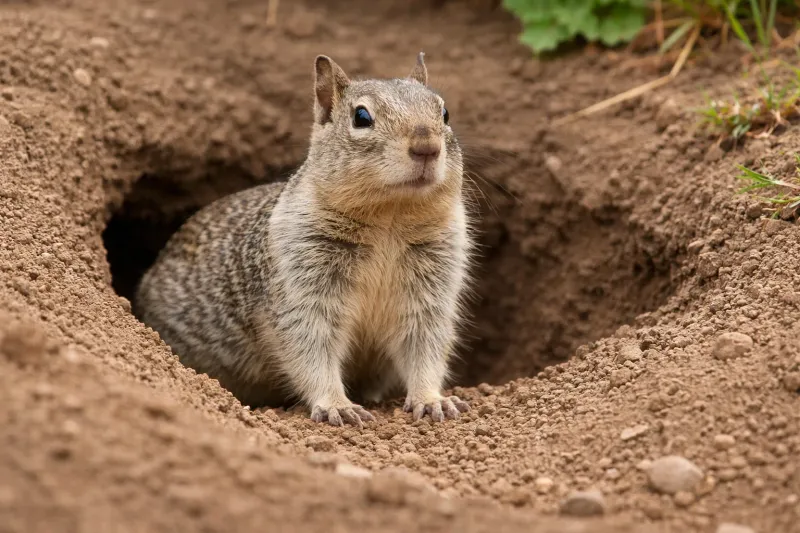
Ground squirrels are social, active animals that spend a lot of time above ground. You will often see them sitting right at the entrance of their holes, watching for danger.
That open, well-used entrance is a big clue that a squirrel is the resident.
Because they come and go frequently, ground squirrel holes tend to stay open and clear. They do not plug their entrances with dirt the way gophers do.
A hole that always seems open and unblocked is a strong sign of a ground squirrel.
Ground squirrels are also active during daylight hours. If you sit quietly and watch a hole for a few minutes in the morning or afternoon, you might actually see the squirrel pop in or out.
Gophers almost never appear above ground during the day.
Another thing to notice is how worn the entrance looks. A ground squirrel hole that gets used daily will have smooth, packed soil right at the opening from all the coming and going.
It almost looks like a little worn path leading into the ground.
Sometimes you will also spot droppings, chewed plant material, or small food scraps near a ground squirrel hole. These animals are foragers and often bring seeds or greens back to their burrows.
That kind of surface activity is a clear sign you are dealing with a squirrel rather than a gopher.
4. The Location Can Reveal The Animal
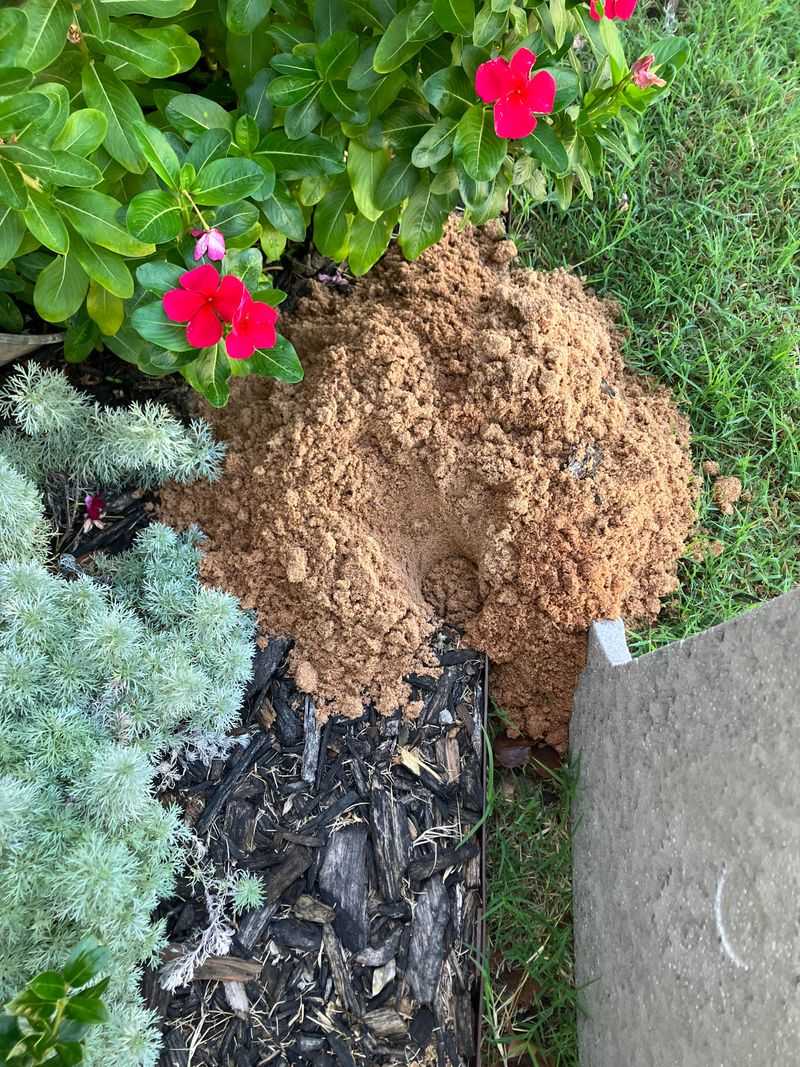
Where you find the hole on your California property is a really helpful clue. Ground squirrels prefer open areas with good visibility.
They like to see predators coming, so they tend to set up their burrows in fields, hillsides, roadsides, and open lawns.
Gophers, on the other hand, are drawn to areas with rich soil and plenty of plant roots to munch on. You are more likely to find gopher activity in garden beds, along irrigation lines, or in areas with thick, lush vegetation.
If a hole appears in the middle of your vegetable garden right next to your carrot or beet plants, a gopher is the more likely suspect. Gophers love root vegetables and will tunnel directly toward them underground.
Ground squirrel burrows often appear along fence lines, embankments, or the edges of open land. They like elevated spots where they can stand up and look around.
A hole on a gentle slope or near a rock pile leans toward squirrel territory.
Keep in mind that both animals can show up in suburban yards, parks, and farms. However, the specific spot where the hole appears within your yard can narrow things down quickly.
Checking the location alongside other clues like mound shape and soil texture gives you a much clearer picture of which animal you are actually dealing with.
5. Look For Nearby Tunnels And Burrow Systems
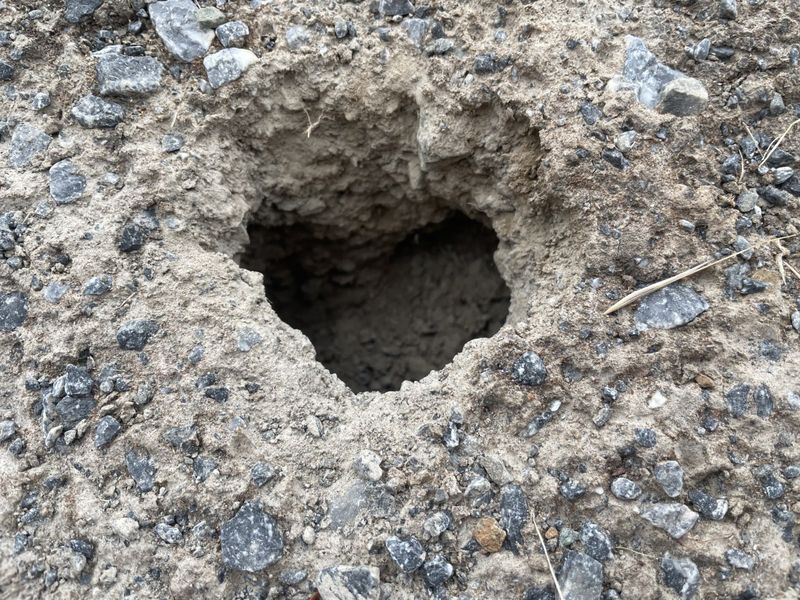
Both gophers and ground squirrels build tunnel systems, but the way those systems look above ground is very different. Ground squirrels often have multiple entrances spread out across a small area.
You might find three, four, or even more holes close together.
Gophers tend to have fewer visible entrances. Their tunnel systems are mostly underground, and the only surface evidence is the occasional mound or plugged hole.
You will rarely see a cluster of open holes from a gopher.
If you find a group of holes that look like a small neighborhood of burrows, ground squirrels are almost certainly the ones living there. They are social animals and often share a connected burrow system with family members.
Gopher tunnels run deep underground and can extend for dozens of feet in length. They connect feeding areas to resting areas without much surface activity.
The tunnels are usually about two to three inches in diameter, which is just right for the gopher to move through comfortably.
You can sometimes find collapsed ground above a gopher tunnel. If you press gently on the soil and it feels soft or hollow underneath, a gopher tunnel may be running below.
Ground squirrel tunnels are less likely to cause that kind of surface softness because they do not dig as deeply or as extensively underground. Checking the surrounding area for these signs helps confirm your identification quickly.
6. Damage Around Plants Can Point To The Culprit
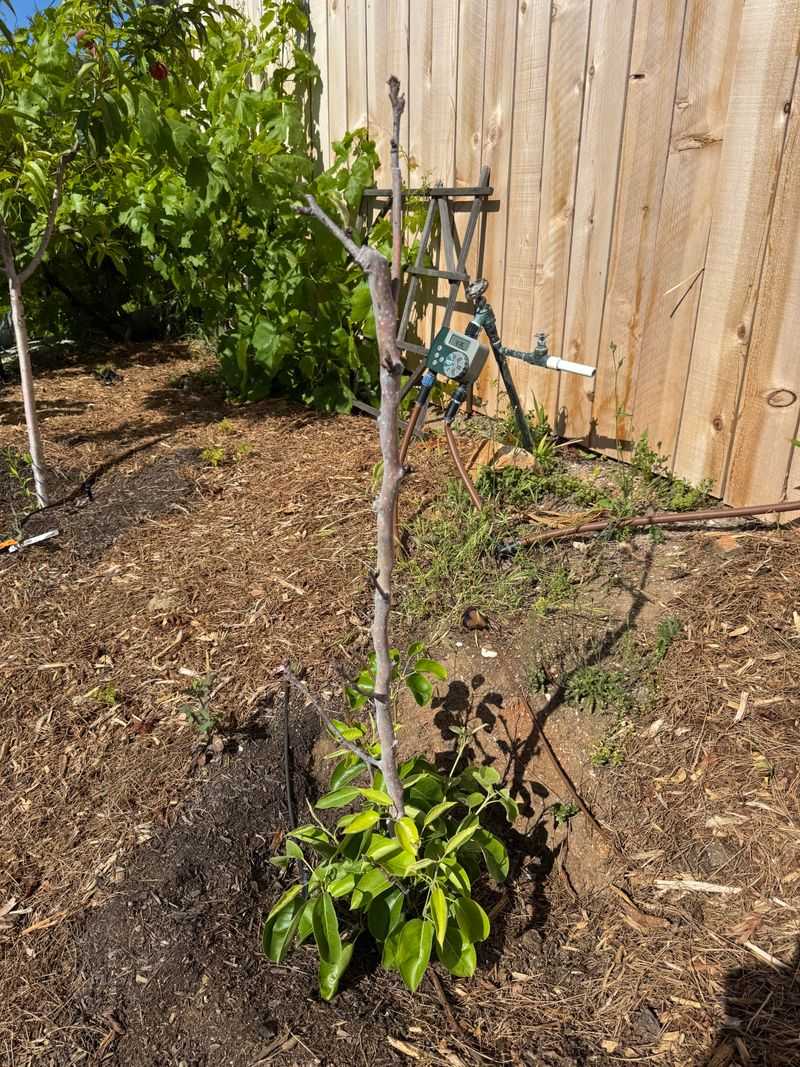
One of the most frustrating signs of burrowing animal activity is damage to your plants. Both gophers and ground squirrels can harm California gardens, but they tend to cause different kinds of damage.
Knowing the difference helps you respond the right way.
Gophers are underground feeders. They pull plant roots down from below, so you might notice a plant that suddenly wilts and falls over, even though it looked healthy the day before.
When you check the roots, they are missing or chewed off underground.
Ground squirrels do most of their eating above ground. They chew on stems, leaves, and seeds.
You might see bite marks on lower stems or notice that young seedlings have been nibbled right at the soil line.
Bulbs are a target for both animals, but gophers are more likely to pull them down into their tunnels. Ground squirrels tend to dig up bulbs from the surface and eat them right there, leaving behind a messy hole with some chewed material nearby.
Looking at where and how the plant damage occurred gives you a strong hint. Underground root damage with no surface disturbance points to a gopher.
Above-ground chewing with visible bite marks and surface digging points to a ground squirrel. Combining this plant damage evidence with the hole shape and location clues gives you a very reliable identification that can guide your next steps.
7. Knowing The Difference Changes Control Methods
Once you correctly identify which animal is causing trouble, you can choose the right method to manage the problem. Using the wrong approach wastes time and money, and it may not even work.
Accurate identification is the first step toward an effective solution.
For gophers, control methods usually involve underground trapping or underground bait placement. Since gophers rarely come above ground, surface methods tend to be less effective.
Traps are placed directly inside the tunnel, where the gopher is most active.
Ground squirrel management often involves above-ground bait stations, exclusion fencing, or live trapping near burrow entrances. Since squirrels are active on the surface, surface-based methods work much better for them than they would for gophers.
Some California homeowners try flooding burrows with water. This can sometimes work for ground squirrels, who may have shallower tunnels.
It is less effective for gophers, whose deep and complex tunnels can simply drain the water away without disturbing the animal much.
Exclusion methods like wire mesh barriers buried underground can protect garden beds from both animals, but the mesh depth and design may differ depending on the species. Gophers dig deeper, so the mesh needs to go down further to be effective.
Always check local regulations before using any control method. Some trapping and baiting rules vary by county and land type.
Getting the identification right first means your chosen method actually targets the right animal.
8. Correct Identification Saves Time And Effort
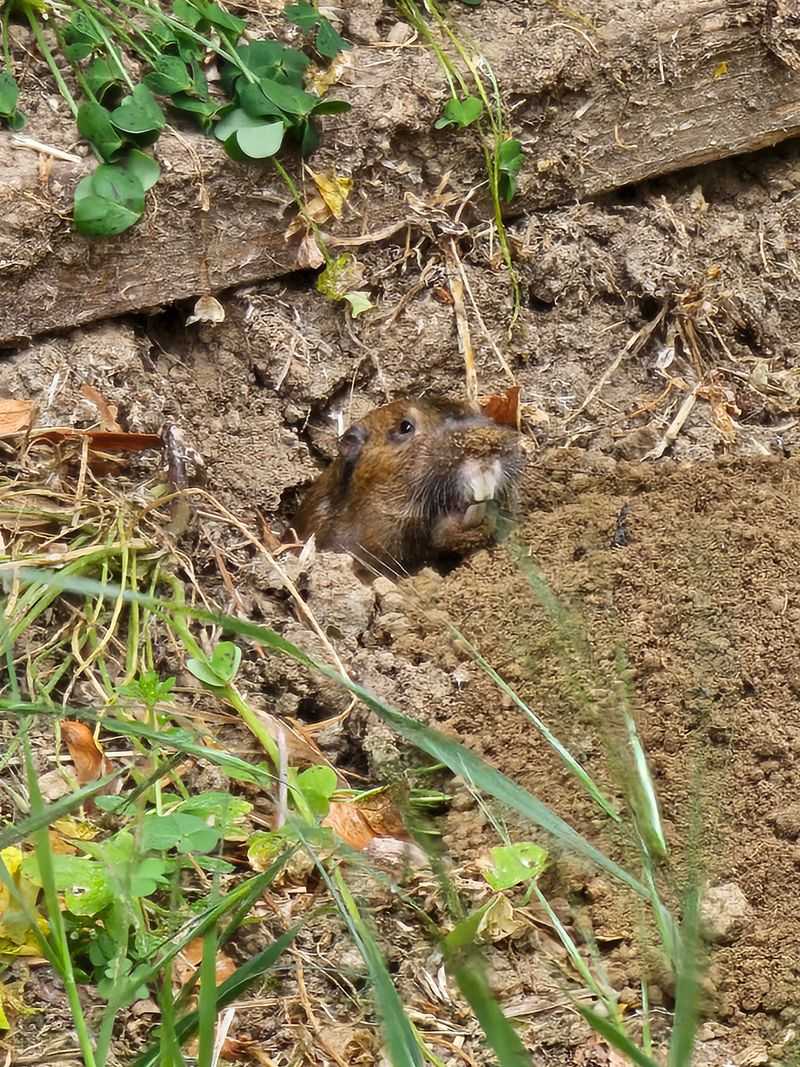
Many people in California spend weeks trying to deal with a burrowing animal problem, only to find out later they were using the wrong method for the wrong animal. Getting the identification right from the start saves a lot of frustration and wasted effort.
Think of it like solving a small mystery. Each clue, from hole shape to soil mounds to plant damage, is a piece of evidence.
The more clues you gather, the more confident you can be about which animal you are dealing with.
Taking a few photos of the hole and the surrounding area is a great idea. You can compare your photos to field guides or wildlife websites that show examples of both gopher and ground squirrel burrows.
Many local agricultural extension offices also offer free help with identification.
Talking to a neighbor who has dealt with the same problem can also be helpful. People who have lived in an area for a long time often know which animals are common in that neighborhood.
Local knowledge can be surprisingly accurate.
Spending ten or fifteen minutes observing the hole during the morning or late afternoon can also be very revealing. Ground squirrels are easy to spot since they are active during the day.
If nothing appears above ground after a patient watch, a gopher is more likely the culprit. Careful observation, combined with all the physical clues, leads to a confident and correct identification every single time.