10 Fruit Seeds Georgia Gardeners Can Start Indoors in November
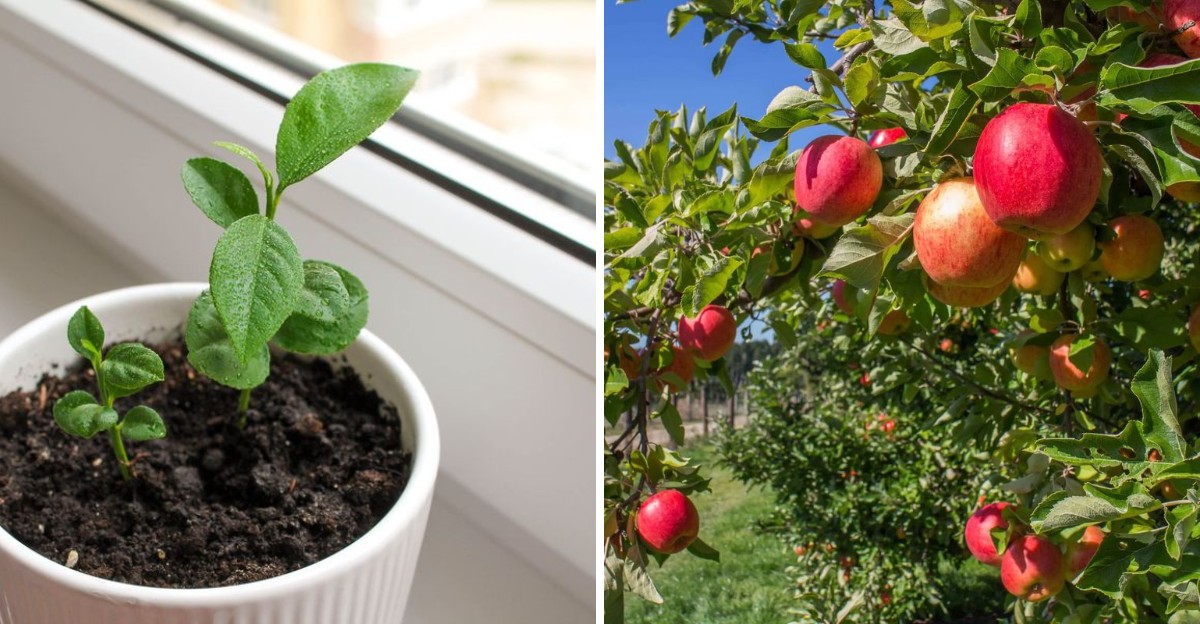
Some fruit seeds refuse to sprout until they spend two or three cold months tucked inside damp soil.
Your kitchen refrigerator can fake that winter rest, which makes late fall a surprisingly busy seed season.
Georgia gardens slow down after the first frost, but windowsills and grow lights can keep the fun rolling. Some tropical seeds want steady warmth instead, so a heat mat beside the couch works small wonders.
I have to admit that my fridge often holds more labeled seed bags than actual leftovers this time of year. You might notice that patient indoor starts give spring transplants a head start that store seedlings rarely match.
Several picks on this list grow wild in local woods, and a few carry stories from faraway orchards.
Which of these seeds will earn a cozy spot on your kitchen counter before the holidays arrive?
1. Pawpaw
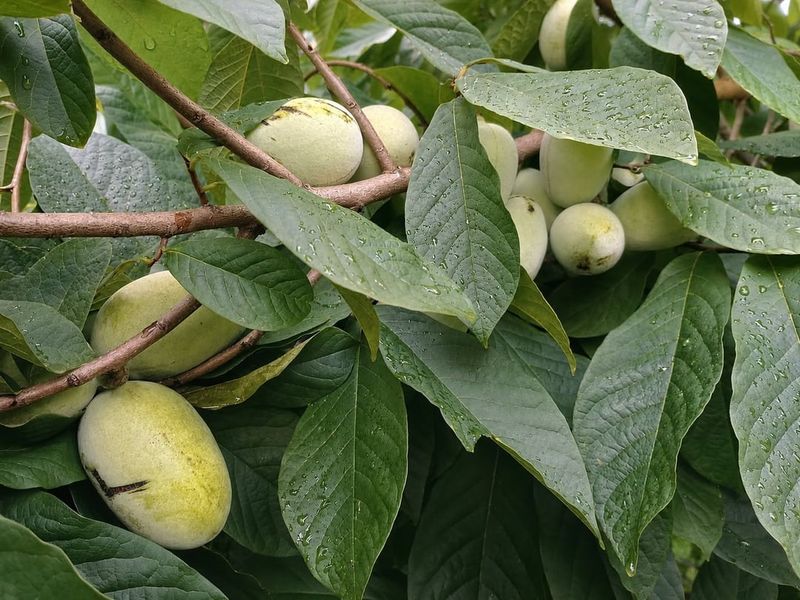
North America’s largest native edible fruit tastes like a creamy blend of banana and mango, and it grows wild here. Pawpaw seeds look like big shiny beans, and I get oddly excited every time I clean a handful.
Freshness matters more than anything with these seeds, because they lose their ability to sprout once they dry out.
Rinse off the custardy pulp, then tuck them into a bag of slightly damp peat moss or sand right away.
Your refrigerator handles the next step, which is a cold rest of roughly seventy to one hundred days. Starting that chill now lines the seeds up perfectly for sowing indoors in late winter or early spring.
Once the chill period ends, plant each seed about an inch deep in a tall pot or a deep tree band. Pawpaws grow a long taproot early, and shallow cell trays often bend or stunt that important root.
Patience is part of the deal, since sprouts can take several weeks to poke through warm soil. Keep the mix lightly moist and around room temperature, and avoid digging around to check on progress.
Young pawpaws actually prefer some shade during their first year, which surprised me the first time I grew them. Bright filtered light indoors suits them better than a blazing south window that can scorch tender leaves.
Plan on planting at least two genetically different trees later, because pawpaw flowers usually need a partner for good fruit set.
2. Peach
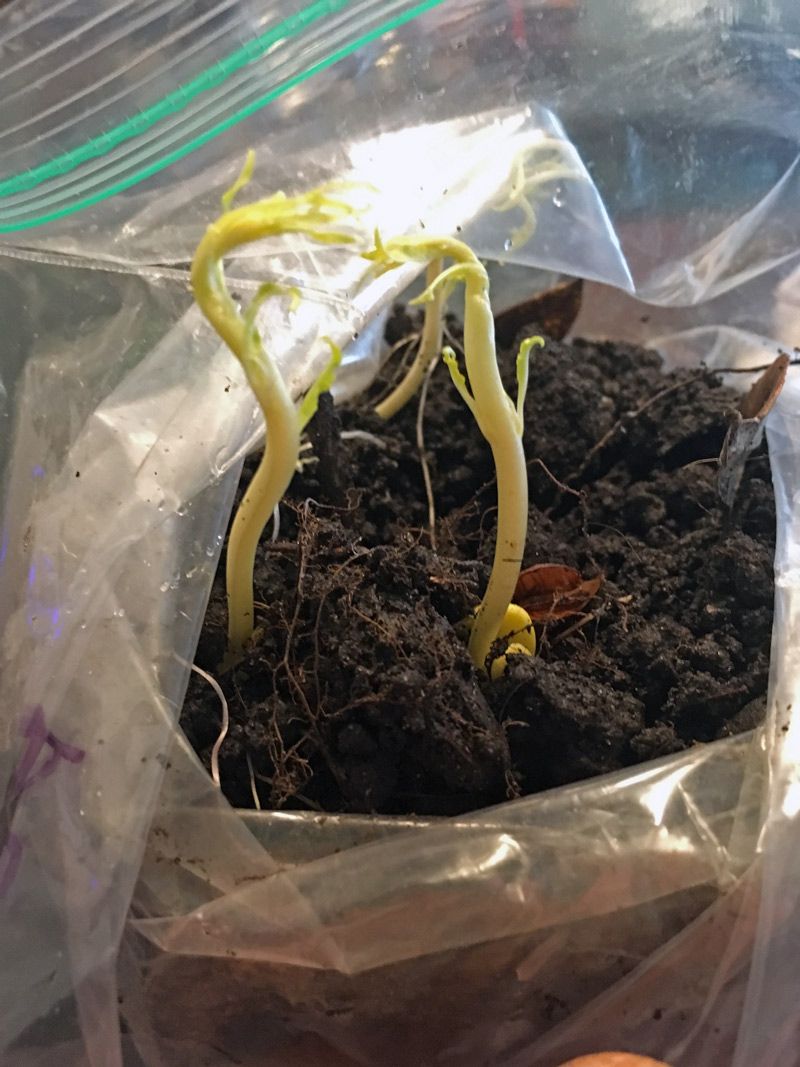
Your state may be famous for peaches, but most backyard growers have no idea how easily a pit can sprout. I love saving a pit from a summer peach and watching it wake up months later.
Peach kernels need a cold rest of about eight to twelve weeks before they will grow.
Clean off all the flesh, then gently crack the hard shell with a nutcracker to free the inner seed.
Wrap that kernel in a damp paper towel inside a sealed bag, then label it with the date. Keep the bag in your refrigerator between about thirty five and forty degrees, checking every week for mold.
Tiny white roots usually appear near the end of the chill, which is your signal to plant. Pot each sprouted kernel about an inch deep in a well drained mix and place it under strong light.
Seedlings grown inside stretch quickly toward the window, so grow lights placed a few inches above them help a lot. Rotate the pot every few days to keep the stem growing straight rather than leaning sideways.
Fruit from a seedling tree rarely matches its parent, because peaches are grafted to keep favorite varieties consistent. Your homegrown tree might surprise you with tasty fruit, or it might simply become a fun learning project.
Choose a sunny, well drained spot outdoors in spring after frost danger passes and the seedling has hardened off.
3. Pomegranate
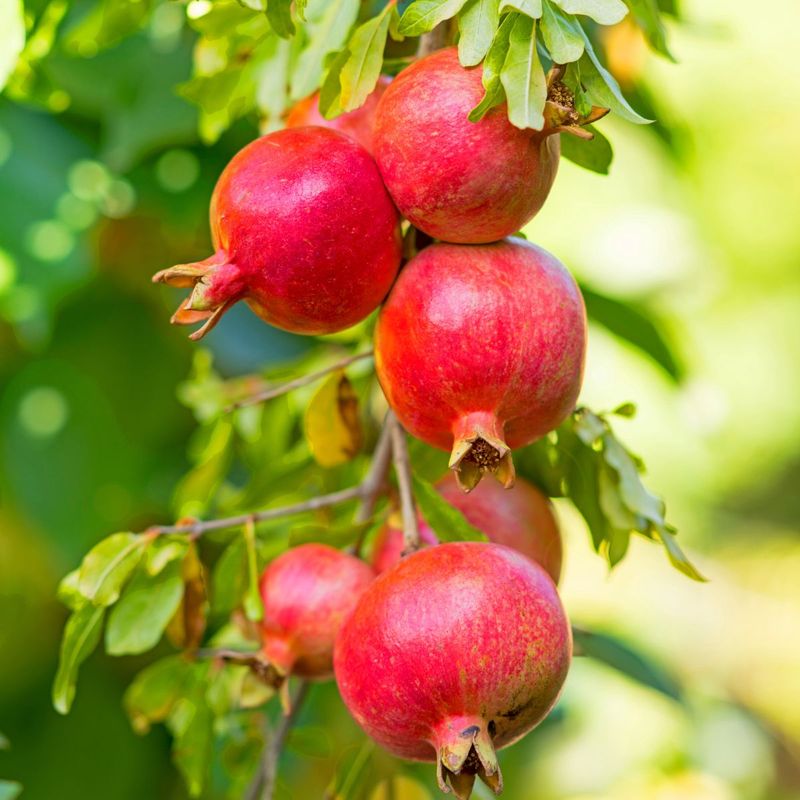
Every pomegranate can hold several hundred seeds, so one fruit from the grocery store could supply your whole block. Personally, I find the ruby red arils almost too pretty to plant, yet the sprouts are worth it.
Pomegranates need little to no winter chilling, which makes them a great fit for warm Southern gardens.
Hardy plants handle roughly zones seven through ten, covering most of the region except a few chilly mountain pockets.
Squeeze the juicy coating off each seed, rinse it well, and let it air dry for a day. Sow seeds about a quarter inch deep in a light seed starting mix kept consistently damp but not soggy.
Warmth speeds things along, so a heat mat set near seventy degrees often brings sprouts within a few weeks. Move the tray under bright grow lights as soon as the first green loops appear above the soil.
Seedlings grow slowly at first and might look a little scraggly through winter, which is perfectly normal.
Pinch the tips once plants reach a few inches tall to encourage bushier, stronger growth over time.
Fruit from seed varies, though many seedlings still produce tasty pomegranates within roughly three to four years. Plant them outside in spring in full sun and soil that drains well after heavy rain.
4. Loquat
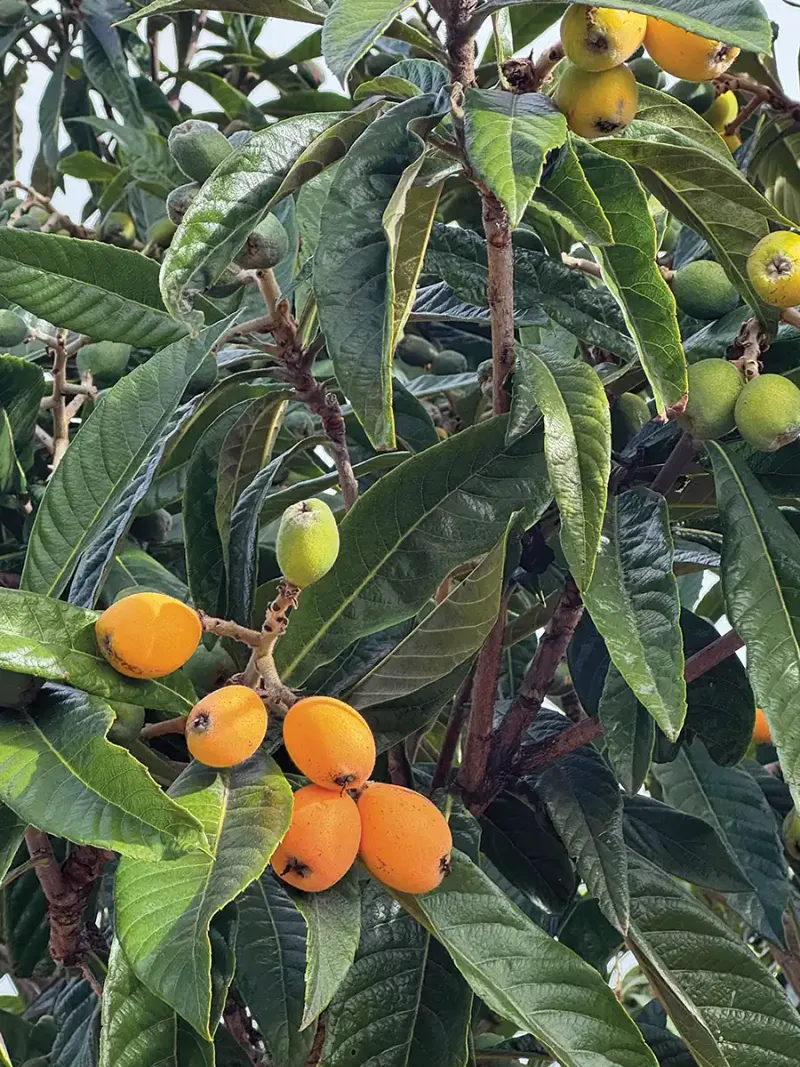
Loquat trees bloom in late fall and early winter, filling the air with a sweet honey scent when little else flowers. I always notice bees buzzing around them on mild afternoons while the rest of the garden naps.
Large brown loquat seeds sprout readily when fresh, and they do not need any cold rest in the fridge.
If a friend has stored fruit or saved seeds, plant them quickly before they shrivel and lose vigor.
Bury each seed about an inch deep in a well drained potting mix inside a small container. Keep the pot somewhere warm, ideally near seventy degrees, and expect sprouts within roughly three or four weeks.
Leathery, deeply veined leaves soon unfold and give the seedling a tropical look on your windowsill. Bright light keeps growth compact, while dim corners produce long, floppy stems that need extra support later.
Hardiness deserves some honest planning, since the tree handles cold far better than its winter flowers and young fruit. Temperatures in the mid to upper twenties can damage those blossoms, which reduces the spring harvest.
Coastal Georgia and southern counties usually see more reliable crops than the colder northern mountains. Gardeners farther north can still enjoy loquat as a handsome evergreen, even when fruit shows up only in mild years.
Seedling trees often need six to eight years before fruiting, and the flavor varies from tree to tree.
5. Maypop
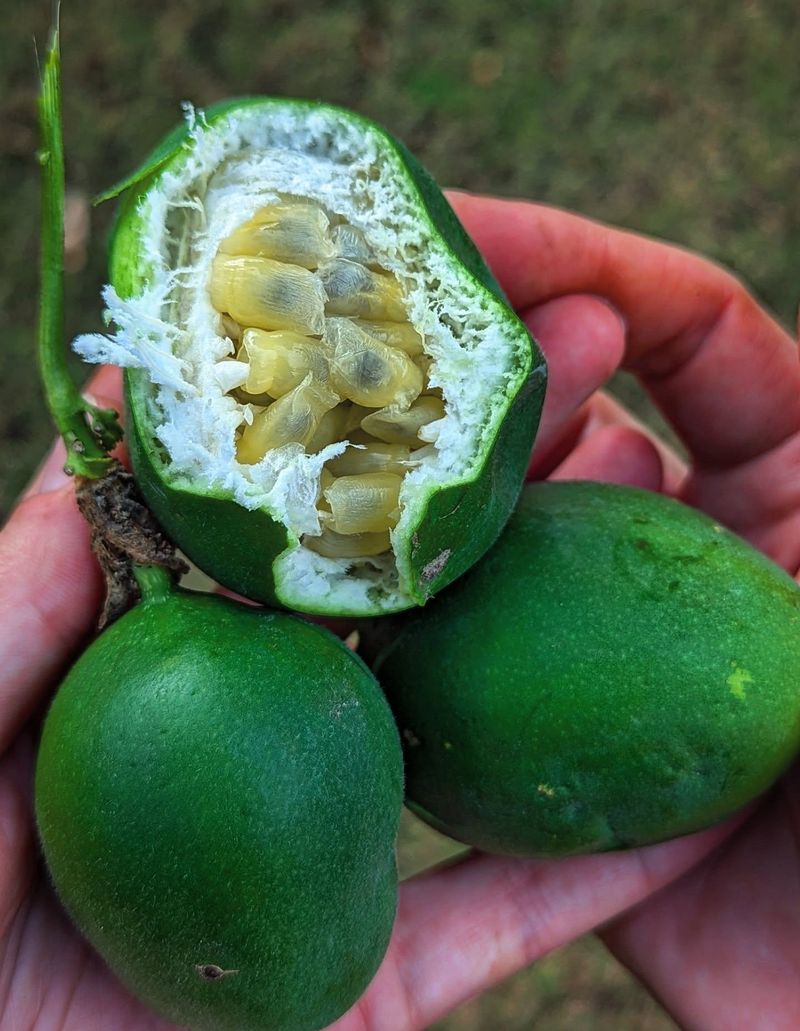
Wild passionflower grows along Southern roadsides and fence lines, producing one of the most intricate blooms you will ever see. Maypop is the native cousin of tropical passion fruit, and its egg shaped fruits pop when stepped on.
Gulf fritillary butterflies use maypop as a host plant, so your vine will likely feed bright orange caterpillars.
I happily share a few leaves, because those fluttering butterflies make the whole garden feel lively.
Seeds can be stubborn, so soak them in warm water for a day before sowing to soften the hard coat. Some growers also gently scuff the seeds with sandpaper, which helps moisture sneak inside more quickly.
Plant seeds about a quarter inch deep in damp seed mix and keep them warm on a heat mat. Germination might take anywhere from two weeks to a couple of months, so label the tray and stay patient.
Bright light under grow lamps keeps young vines sturdy, and a small stake gives curling tendrils something to grab. Avoid overwatering during winter, since soggy soil invites rot in slow growing seedlings.
Maypop’s top growth disappears each winter outdoors, then it returns from its roots when the soil warms. Give it full sun and a trellis, and keep in mind that it spreads by underground runners.
Ripe fruit turns yellowish and wrinkles slightly, holding a tangy, tropical pulp around the seeds.
6. American Persimmon
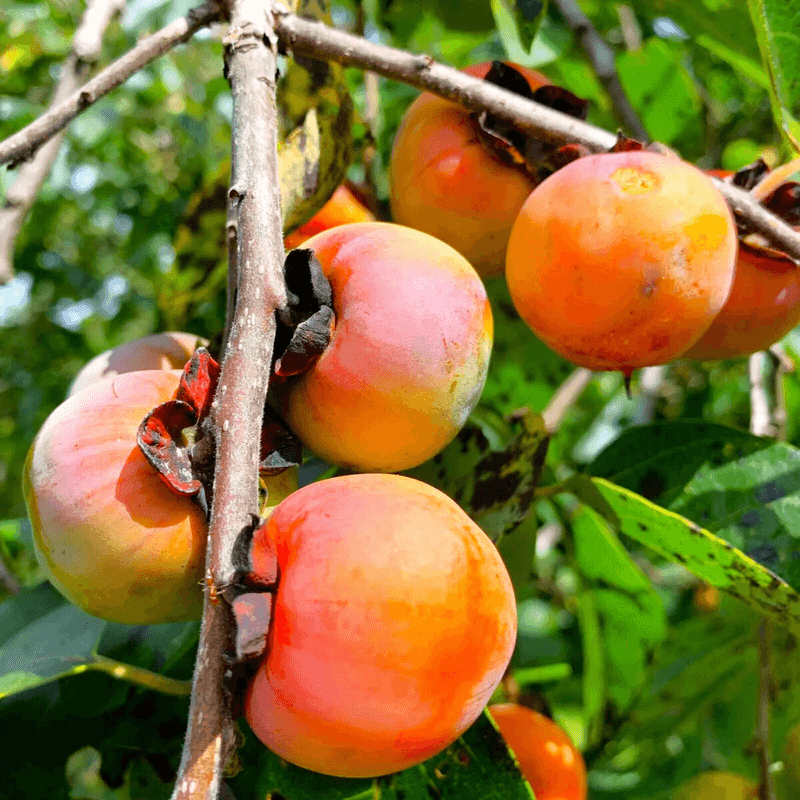
Native persimmons taste unbearably puckery until they turn soft and wrinkly, then they become sweet as candy.
Many old timers wait for cold weather before picking, and I understand that wisdom after one sour bite.
Flat brown persimmon seeds slip easily from ripe pulp, which makes late fall perfect for collecting them. Rinse them clean, then store them in a bag with slightly damp sand or peat moss.
Refrigerate the bag for about sixty to ninety days to mimic winter on the forest floor. Check it occasionally, adding a few drops of water if the mix feels dry to your fingertips.
After the cold rest ends, sow each seed about an inch deep in a tall container. Persimmons quickly send down a deep taproot, so roomy pots help seedlings grow strong without root damage.
Warm soil and bright light encourage sprouting, though a few seeds might take several weeks to appear. Keep the potting mix lightly moist and resist the urge to dig them up for a peek.
American persimmon trees usually bear separate male and female plants, so planting several seedlings improves your fruiting odds. Wildlife like deer, opossums, and foxes love the fallen fruit, which brings extra visitors to your yard.
Expect a wait of several years before fruit appears, as seedlings grow steadily rather than quickly.
7. Muscadine Grape
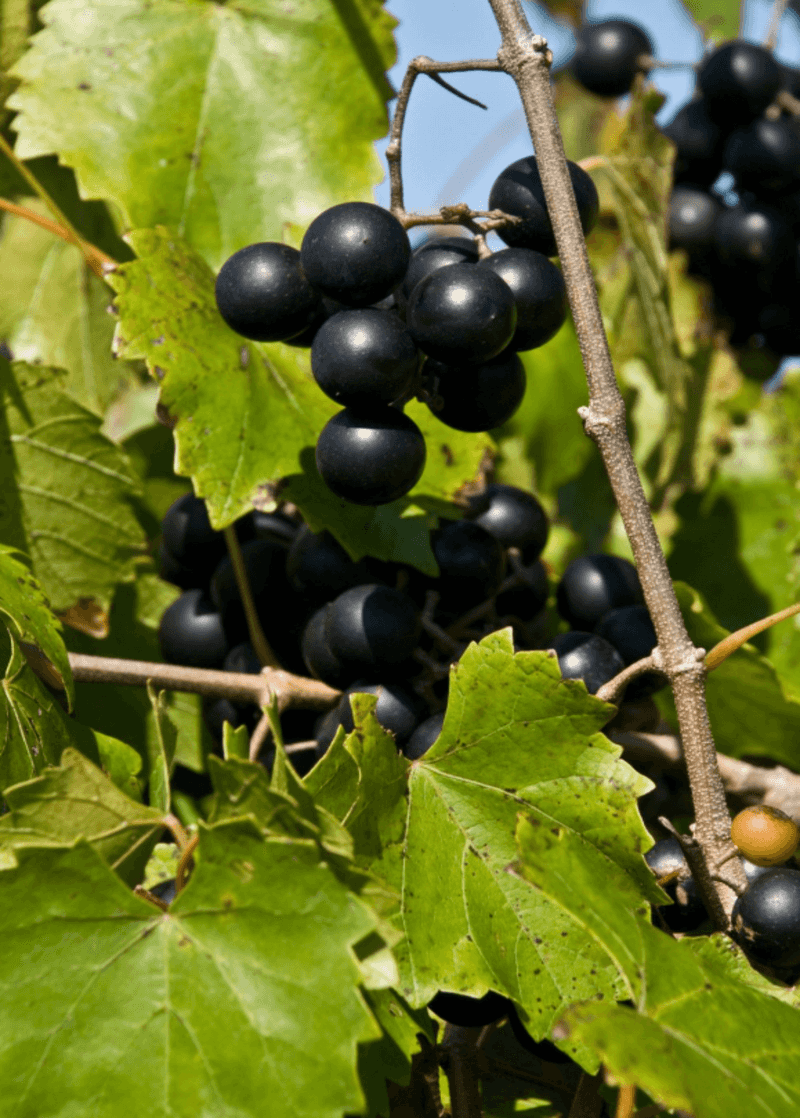
Muscadines are native to the Southeast and have been enjoyed in the region for centuries, long before modern vineyards. Their thick skins pop open with a sweet, musky burst that I connect with late summer porch afternoons.
Seeds saved from fall fruit need a cold rest of roughly three months before they will sprout.
Clean them well, then tuck them into damp sand or peat inside a sealed bag in the refrigerator.
Starting the chill now means you can sow them indoors in late winter, giving vines a strong spring start. Plant each seed about a half inch deep in a fine seed mix and keep it warm.
Sprouts often appear in a few weeks, though germination can be uneven from one seed to the next. Bright light is important, because grape seedlings grow leggy fast when they stretch toward a dim window.
Many seedlings end up producing only male flowers, which means they may not bear fruit on their own. That surprise makes seed growing more of an experiment than a sure path to big harvests.
Named varieties sold at nurseries remain the most dependable choice when you want consistent grapes year after year. Still, raising a few seedlings teaches you plenty about how these tough native vines grow.
Give your young plants full sun and a sturdy trellis once spring arrives and frost danger passes.
8. Alpine Strawberry
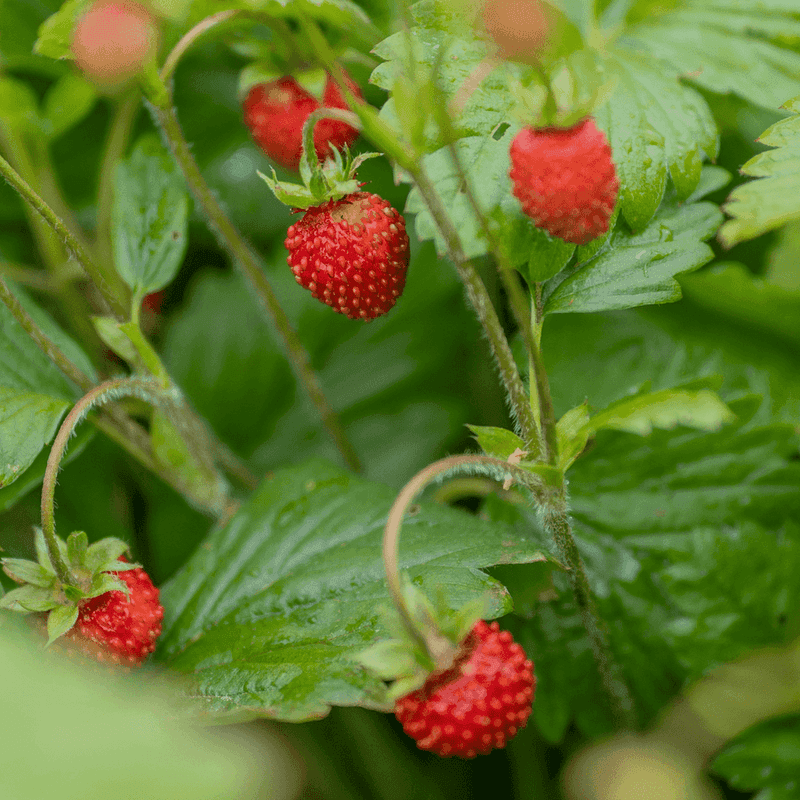
Tiny alpine strawberries pack a perfume so strong that one ripe berry can scent your whole hand. Unlike most garden strawberries, many alpine types rarely send out runners, which keeps them tidy in small pots.
Seeds are almost dust sized, so sprinkle them right on top of damp seed mix without burying them.
Light helps them germinate, which means a clear cover and gentle grow lights work well together.
Some growers give the sown tray a short chill of two to four weeks in the refrigerator first. That cold spell often makes germination faster and more even once you bring the tray back into warmth.
Sprouts can take two to four weeks to appear, and they look like tiny green specks at first. Water from below by setting the tray in a shallow pan, since pouring water can wash seeds away.
Seedlings grow slowly, which is exactly why starting them now makes so much sense. Transplant them into small individual pots once they show a few true leaves with those familiar toothed edges.
Personally, I keep a pot or two by the kitchen door, so I can snack while walking past. They also make charming edging plants in partly shaded beds where full size strawberries might struggle.
Plants started early often produce berries during their first summer, then keep fruiting off and on for months.
9. Meyer Lemon
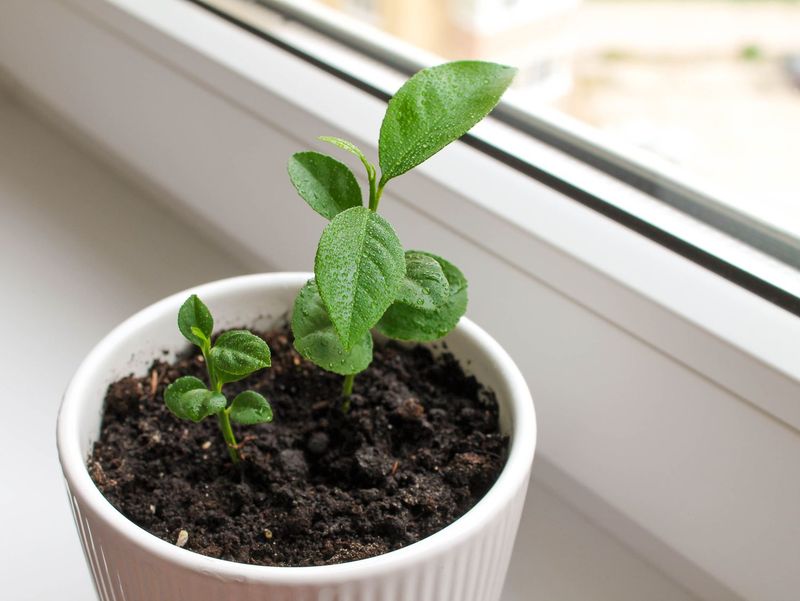
Citrus seeds often sprout clones of the mother tree, thanks to a trait called polyembryony. That means a single lemon seed can sometimes produce more than one seedling, which delights me every single time.
Plant lemon seeds right after removing them from the fruit, because they lose vigor quickly when they dry out.
Rinse away the sticky pulp, then push each seed about a half inch deep into moist potting mix.
Cover the pot with clear plastic and set it somewhere warm, ideally around seventy to eighty degrees. A heat mat helps a lot, and sprouts usually appear within two to four weeks.
Glossy leaves smell wonderfully citrusy when you rub them, making young plants fun to have around the house. Give them bright light from a sunny south window or strong grow lights for steady growth.
Meyer lemons handle a bit more cold than many citrus, yet hard freezes still damage them badly. Most of Georgia gets too cold in winter for planting them outdoors without careful protection.
Container growing works best for many households, letting you move the tree inside whenever nights turn frosty. Choose a pot with good drainage and a gritty citrus mix that dries out between waterings.
Seedling citrus may take several years to bloom, and some take much longer than grafted nursery trees.
10. Apple
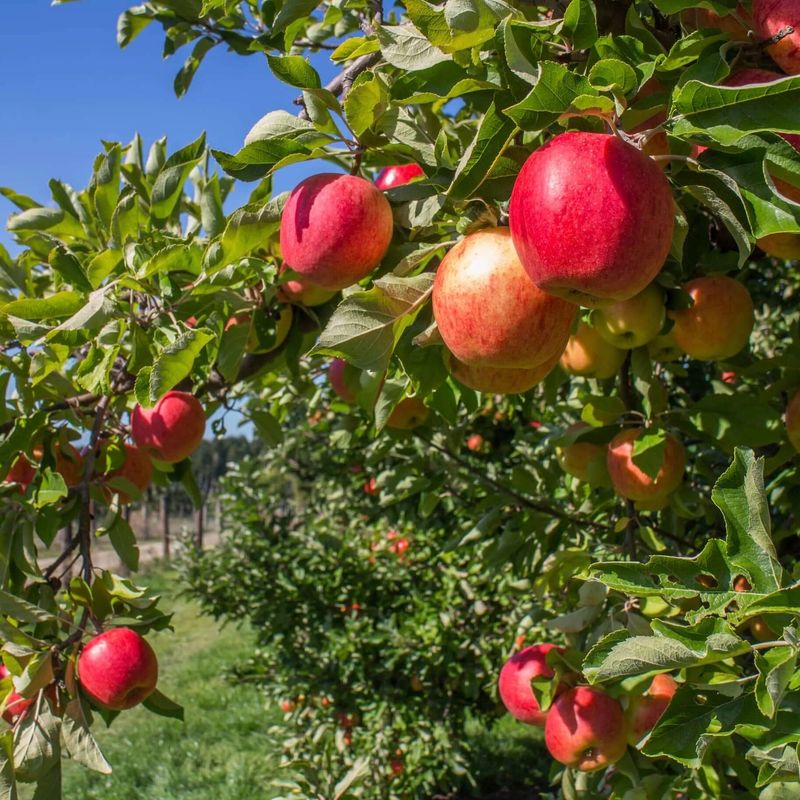
Every apple seed holds a brand new variety, since seedlings rarely taste like the apple you just ate. Famous types like Granny Smith began as chance seedlings, which gives me hope every time I plant one.
Apple seeds need a cold rest of about sixty to ninety days before they wake up.
Rinse them clean, then seal them in a bag with a damp paper towel and refrigerate.
Check the bag weekly and remove any seeds that look moldy or soft to the touch. Tiny white roots usually show up near the end of the chill, telling you planting time has arrived.
Sow sprouted seeds about a half inch deep in a light seed starting mix under bright grow lights. Seedlings grow fast once warm, so move them into bigger pots when roots fill their small cells.
Chill hours matter for fruiting apples, and northern Georgia mountains offer the cool winters they prefer.
Gilmer County around Ellijay even celebrates its orchards with a well known apple festival each October.
Plan on planting at least two different apple trees later, because most varieties need a partner for pollination. Seedling apples might take six to ten years before blooming, so think of this as a long adventure.
Your mystery apple could turn out tart, sweet, or perfect for cider, and that suspense is half the fun.