This Is The Biggest Mistake Georgia Gardeners Make With Tomatoes In Summer Heat
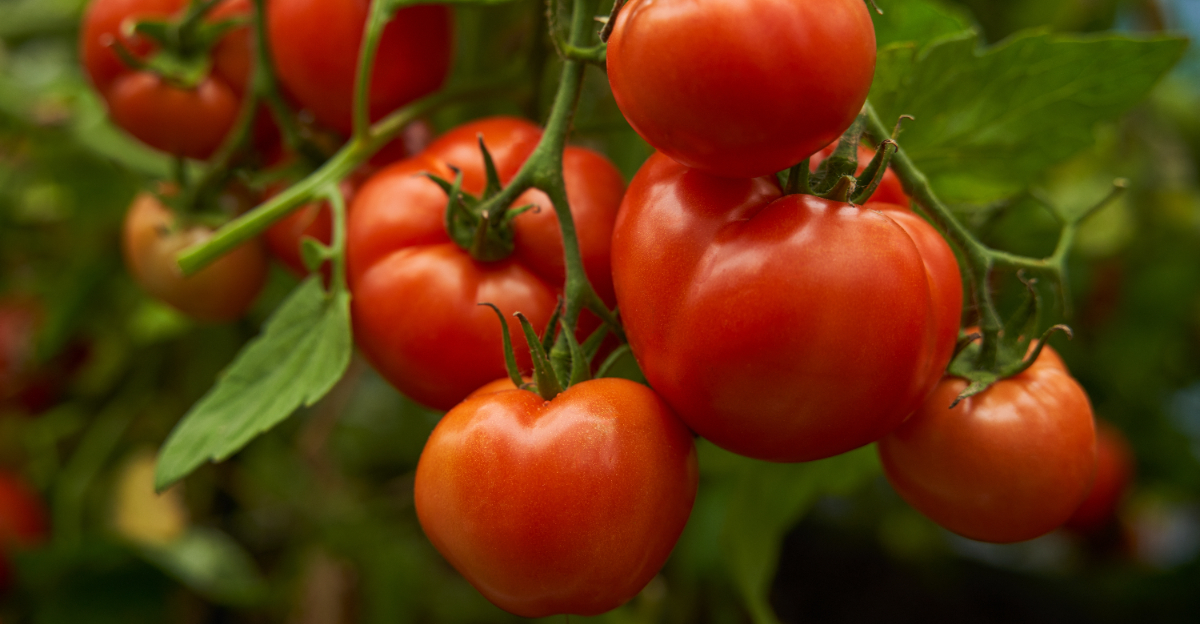
Everything looks fine until the heat arrives and tomato plants suddenly start dropping flowers.
That is usually the moment gardeners start watering more, hoping to help plants push through the hottest part of summer.
It sounds like the right move, but one common habit can create bigger problems below the surface. Tomatoes need water during hot weather, but they also need roots that can search deeper for moisture when temperatures climb.
In Georgia, summer heat puts tomato plants under pressure for weeks at a time. Small mistakes that barely matter in spring can have a much bigger impact once long stretches of hot weather arrive.
The frustrating part is that many struggling tomato plants are not dealing with a lack of care. They are reacting to a routine that seems helpful at first.
Understanding what is really happening can make the difference between plants that slow down and plants that keep producing through summer.
1. Midday Watering Causes More Stress Than Relief
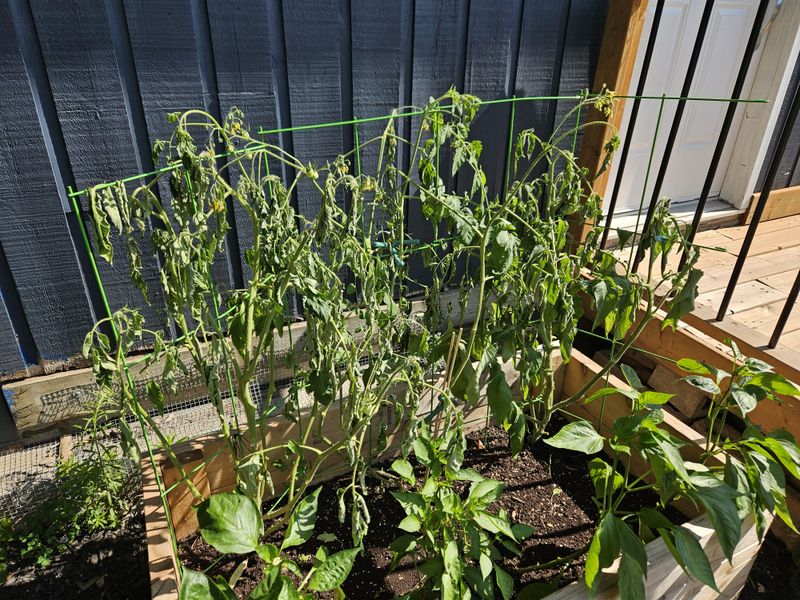
Grabbing the hose at noon feels helpful, but it actually works against your plants. When soil is scorching hot and the sun is directly overhead, water evaporates before roots can absorb it.
Wet leaves in full sun create a different problem. Water droplets act like tiny magnifying glasses on foliage, which can cause leaf scorch.
That brown, papery damage weakens the plant over time.
Roots also struggle to absorb water efficiently when soil temps are extreme. Pouring cold water onto overheated soil can shock the root system, causing stress rather than relief.
Tomatoes need consistent moisture at the root level. Midday watering rarely delivers that.
Most of it evaporates, some scorches leaves, and very little reaches where it counts.
Gardeners in hot Southern climates often water more frequently during heat waves, thinking volume solves the problem. But frequency without proper timing is wasteful and can actually make plants more vulnerable.
If you notice wilting at noon, do not rush to water immediately. Afternoon wilt is often a normal stress response.
2. Switch To Early-Morning Irrigation
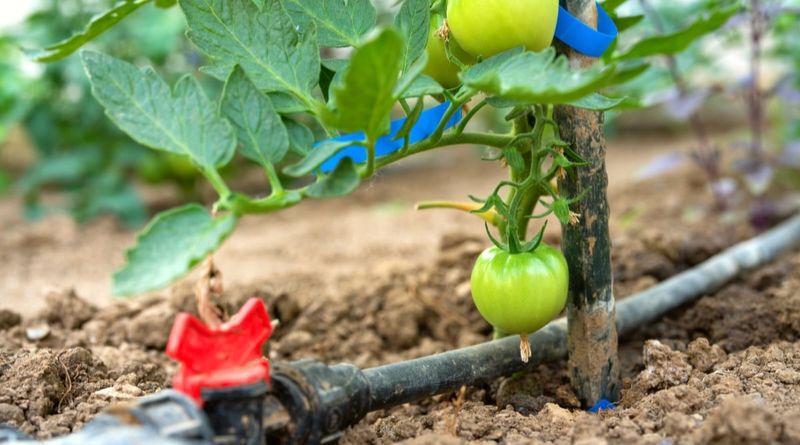
Morning watering is one of the simplest upgrades you can make for your tomato garden. Water delivered before 9 a.m. soaks deep into the soil before heat pulls it away.
Cool morning soil absorbs moisture more efficiently. Roots are active and ready to drink.
Plants get a full reservoir of water before temperatures climb into the brutal afternoon range.
Foliage also dries quickly when watered in the morning. That matters because wet leaves that stay damp overnight invite fungal issues like early blight and Septoria leaf spot, both common in humid Southern summers.
Drip irrigation set on a timer makes early watering effortless. You do not have to wake up at sunrise every day.
Set it once, and the system handles consistent delivery right at the root zone.
Soaker hoses work well too. Laid along the base of your plants, they deliver water slowly and directly into the soil.
Almost no evaporation, no wet foliage, and very little waste.
Overhead sprinklers are the least efficient option for tomatoes in hot weather. They wet everything, lose water to evaporation quickly, and increase disease pressure on leaves.
Your Georgia Garden Changes Every Week. Your Plan Should Too.
Gardening in Georgia changes quickly throughout the season. Every Friday you’ll receive a simple weekly plan showing exactly what to plant, prune, fertilize, harvest, and protect so you never miss the right timing.
Switching your watering schedule to early morning costs nothing and requires minimal effort. Yet it can dramatically improve how your plants handle summer heat.
3. Apply Mulch Before Soil Dries Out
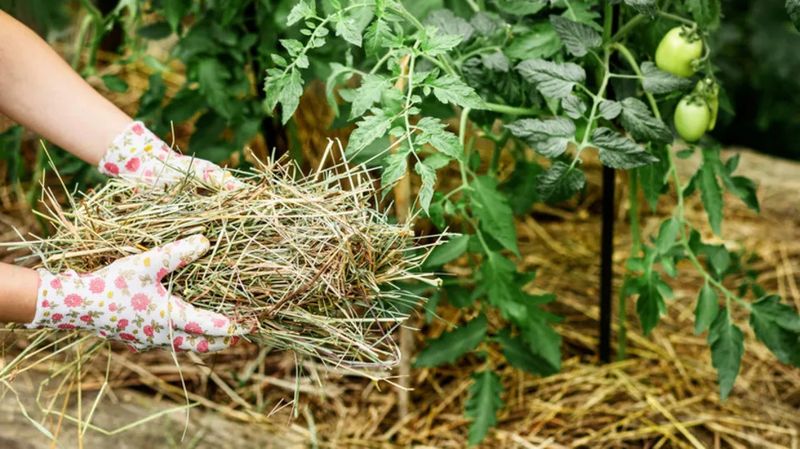
Mulch is not optional in a Southern summer garden. It is essential.
A thick layer of organic mulch slows evaporation, keeps roots cooler, and holds moisture between watering sessions.
Straw, wood chips, and shredded leaves all work well. Aim for a layer three to four inches deep around the base of each plant.
Keep it a few inches away from the stem to prevent rot.
Bare soil in summer heat loses moisture fast. On a 95-degree day, unprotected soil can dry out within hours of watering.
Mulch cuts that loss significantly, sometimes by half or more depending on thickness.
Apply mulch early in the season before soil dries out. Once the ground gets hot and dry, mulch helps less because it locks in heat rather than moisture.
Timing matters here.
Many gardeners wait until plants are large before mulching. That is a missed opportunity.
Mulching right after transplanting gives roots the best protection from the start of the season.
Organic mulch also breaks down slowly and improves soil structure over time. It feeds beneficial microbes that support root health.
That is a long-term bonus beyond just moisture retention.
Refresh your mulch layer mid-season if it compresses or thins out. Summer rains and foot traffic break it down.
4. Check Moisture Below Surface Level
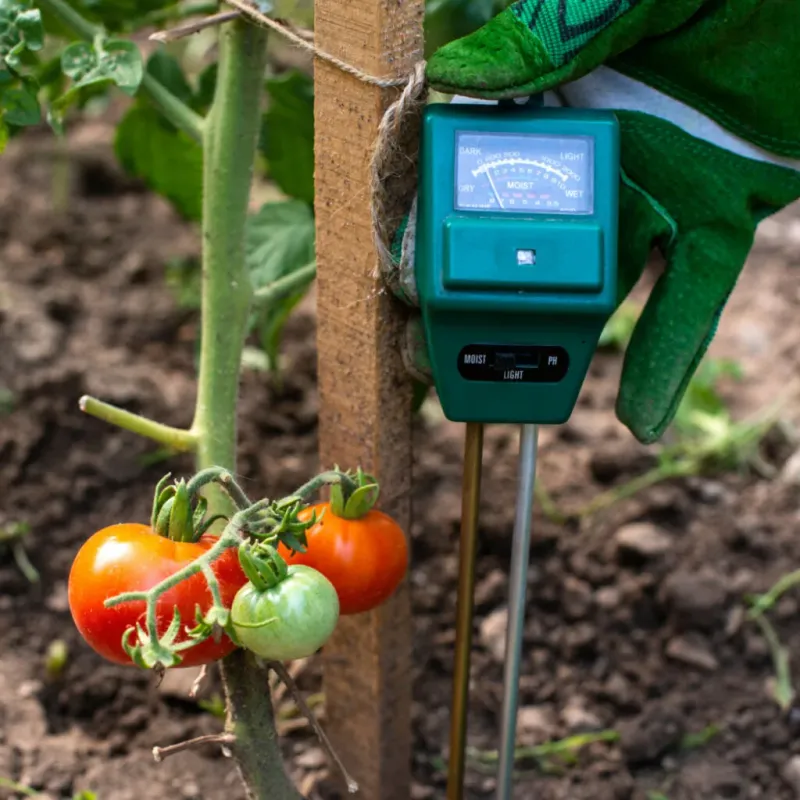
Surface soil is a liar. It can look bone dry on top while staying perfectly moist just two inches below.
Watering based on appearances alone leads to overwatering and root problems.
Push a finger or a wooden dowel two to three inches into the soil near the base of your plant. If it comes out damp, skip watering.
If it comes out dry, it is time to water deeply.
Shallow checking misses what really matters. Tomato roots extend well below the surface.
Moisture at the top does not always mean moisture where the roots are actually feeding.
A simple moisture meter is worth having. They cost very little and remove the guesswork entirely.
Stick the probe down four to six inches and read the result. No more wondering.
Overwatering is just as damaging as underwatering. Roots sitting in waterlogged soil cannot breathe.
Oxygen deprivation weakens the plant and opens the door to root rot, especially in heavy clay soils common across many parts of the South.
Checking below the surface also helps you understand how your specific soil holds water. Sandy soil drains fast and needs more frequent watering.
Clay holds moisture longer but can become compacted and poorly aerated.
5. Increase Depth During Hot Spells
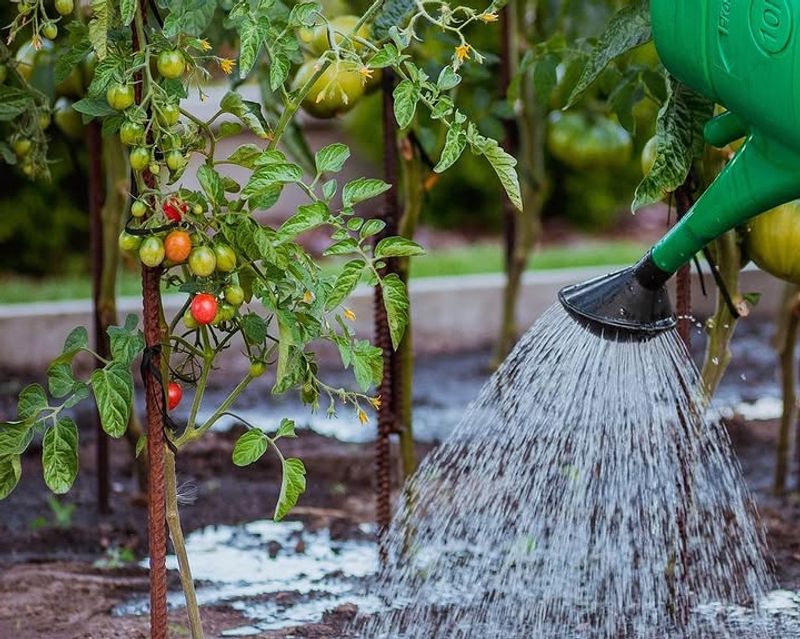
Shallow watering trains roots to stay near the surface. Surface roots are the first to suffer when heat hits hard.
Deep watering pushes roots downward toward cooler, more stable soil layers.
During a heat wave, increase how long you water rather than how often. One long, slow, deep watering session beats three quick surface sprays every time.
Let water soak in gradually so it reaches six to eight inches down.
Slow delivery matters. Pouring water too fast causes runoff before it can soak in.
A slow drip or low-pressure soaker hose gives the soil time to absorb moisture deeply without waste.
Deep roots access water reserves that surface roots never reach. Plants with deep root systems handle multi-day heat waves far better than those with shallow roots.
Building that root depth early pays off later in the season.
Watch for signs of heat stress even when you think you are watering enough. Curling leaves, dry leaf edges, and blossom drop all signal that roots are not getting enough moisture at depth.
Raised beds and containers dry out faster than in-ground gardens. If you grow in raised beds, increase watering depth and frequency during heat spells.
The confined space limits how far roots can travel for water.
6. Protect Roots From Scorching Temperatures
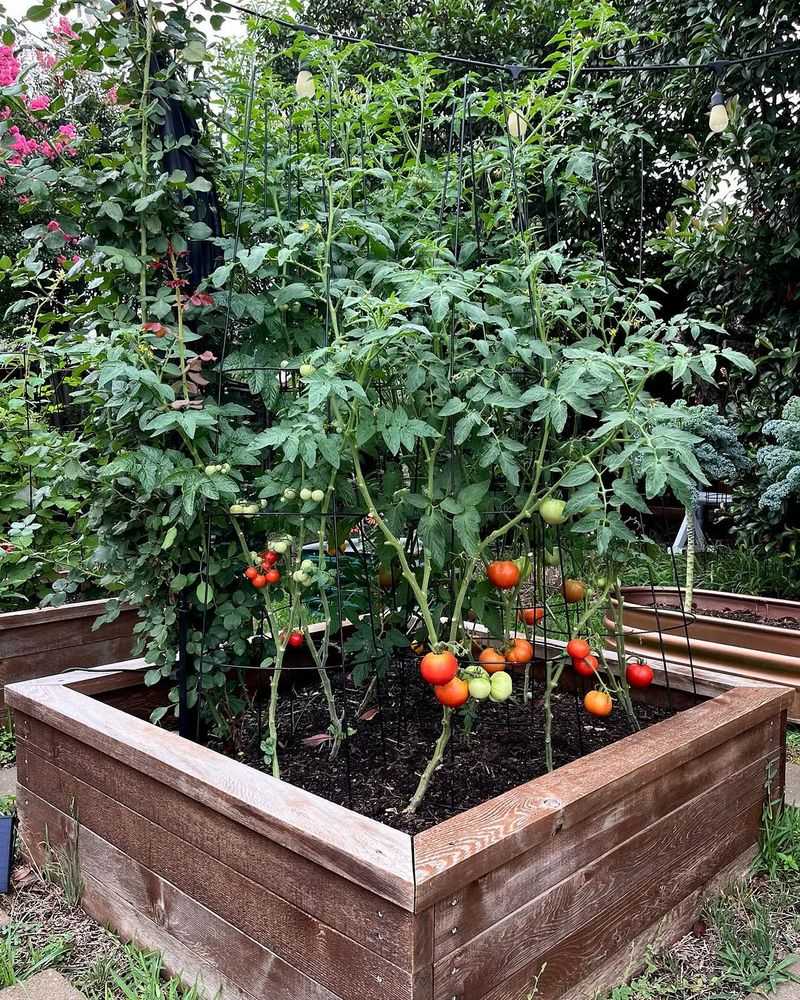
Root zones sitting in soil that reaches over 85 degrees Fahrenheit struggle to absorb water and nutrients efficiently. Most gardeners focus on the leaves and fruit but forget that the root zone is where everything starts.
Dark containers and raised beds with thin walls absorb enormous amounts of heat on sunny days. Soil inside can get far hotter than the air temperature.
That heat directly stresses roots.
Light-colored containers reflect heat better than dark ones. If you grow in pots, switching to lighter colors or wrapping containers with insulating material can make a real difference during peak summer.
Shade cloth over raised beds helps too. A 30 to 40 percent shade cloth reduces soil temperature noticeably without cutting too much light for fruit production.
It is a practical tool worth using in hot Southern gardens.
Ground-level in-ground beds stay cooler than raised beds naturally. If you have the option, in-ground planting in a spot with afternoon shade from a fence or tree can protect roots from the worst heat of the day.
Companion planting low-growing crops around tomato bases can also shade the soil. Basil, lettuce, or low herbs planted nearby create a living mulch effect that reduces direct sun exposure at the root level.
7. Maintain Consistency Through Heat Waves
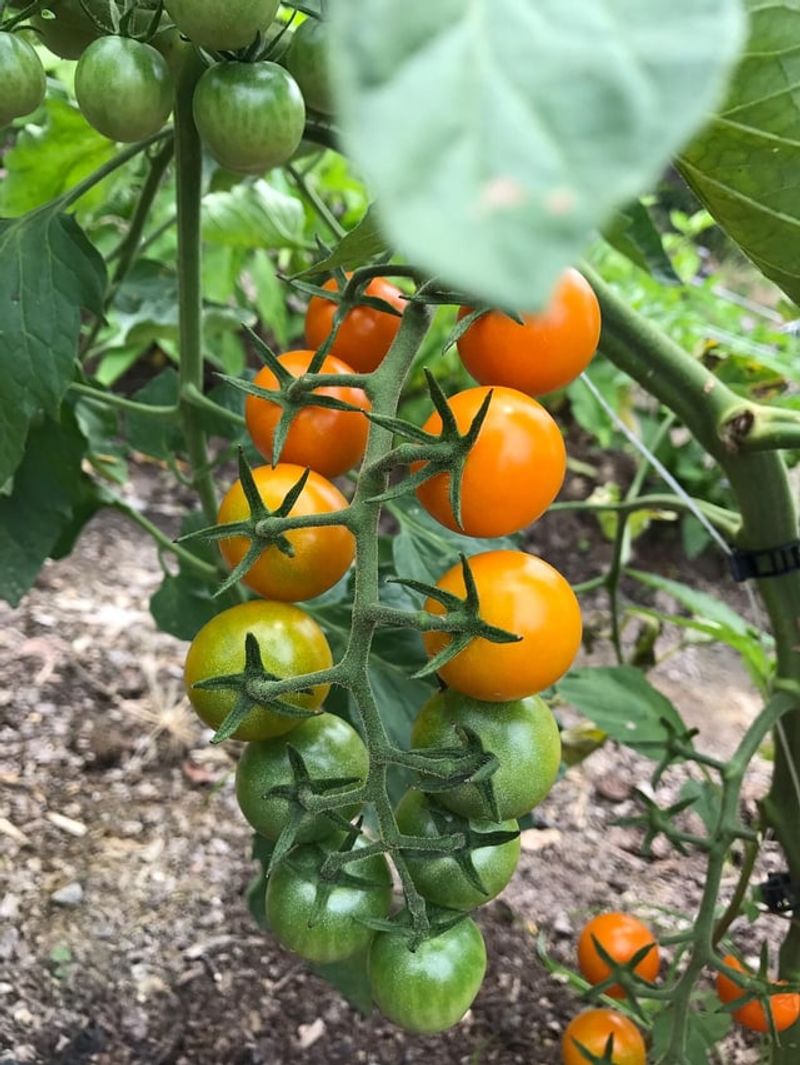
Inconsistent watering during heat waves is one of the fastest ways to ruin a tomato harvest. Wet, dry, wet, dry cycles cause blossom end rot and cracked fruit, two frustrating problems that are largely preventable.
Blossom end rot is not a disease. It is a calcium uptake failure triggered by uneven soil moisture.
When roots cannot absorb water consistently, calcium transport breaks down and fruit rots at the bottom.
Fruit cracking happens when a dry spell is followed by heavy watering. Tomatoes take in water rapidly after a drought period, and the skin cannot expand fast enough.
Keeping moisture steady prevents that cycle.
A drip irrigation timer removes the human inconsistency factor entirely. Set it to water at the same time every morning, and the system maintains steady moisture even when you forget, travel, or get busy.
Check your setup after every major rainstorm. Heavy rain can saturate soil, and watering on schedule the next morning may cause overwatering.
Adjust based on actual conditions, not just the calendar.
Heat waves in Georgia can last weeks. Plants under extended heat stress need reliable support, not reactive watering.
Building a consistent routine before heat arrives sets plants up to handle it better.