10 Things to Do for Birds During a New York Snowstorm
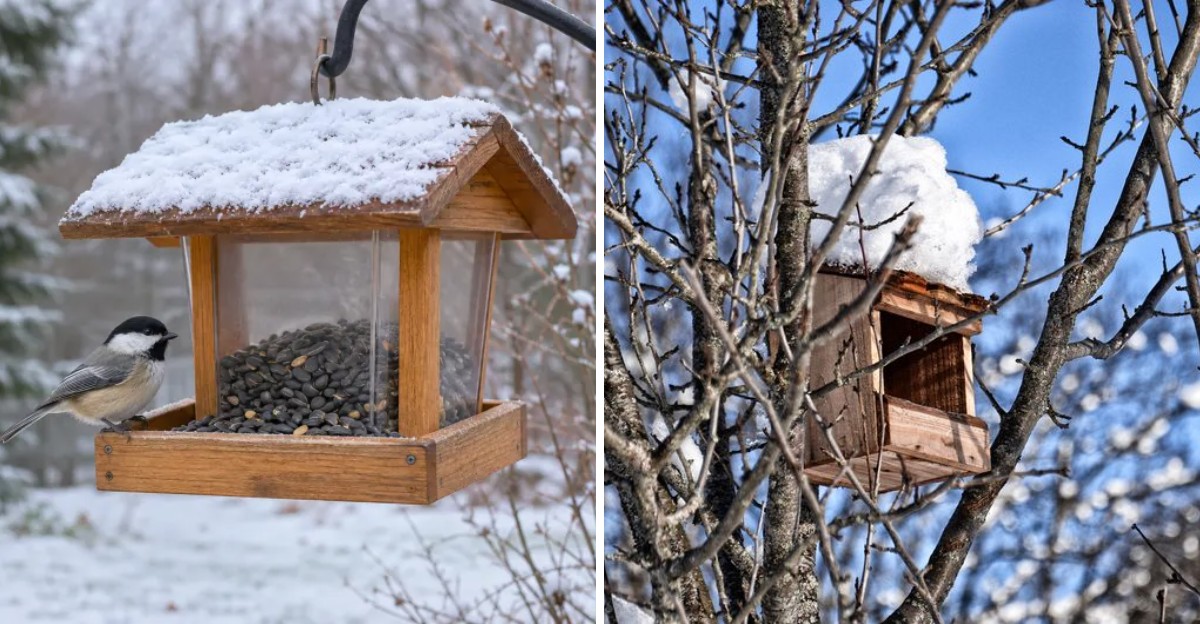
On a frozen winter night, a black-capped chickadee can drop its body temperature by roughly 18 degrees. That tiny trick saves energy, yet even small songbirds still burn through their stored fat before the slow sunrise finally arrives.
On snowy New York mornings, backyard feeders become fueling stations for hungry flocks. Juncos and cardinals often show up first, puffed up like feathery tennis balls against the biting northern wind.
It’s fascinating how much a few backyard choices can shape a bird’s chances during heavy snow. Most helpful steps take only minutes, and many cost little more than a bag of seed.
Across New York, storms can bury natural food sources overnight, leaving wild birds with very few easy options. What can a caring backyard neighbor do when heavy flakes start flying sideways tonight?
1. Fill Feeders With Sunflower Seeds Before The Snow Flies
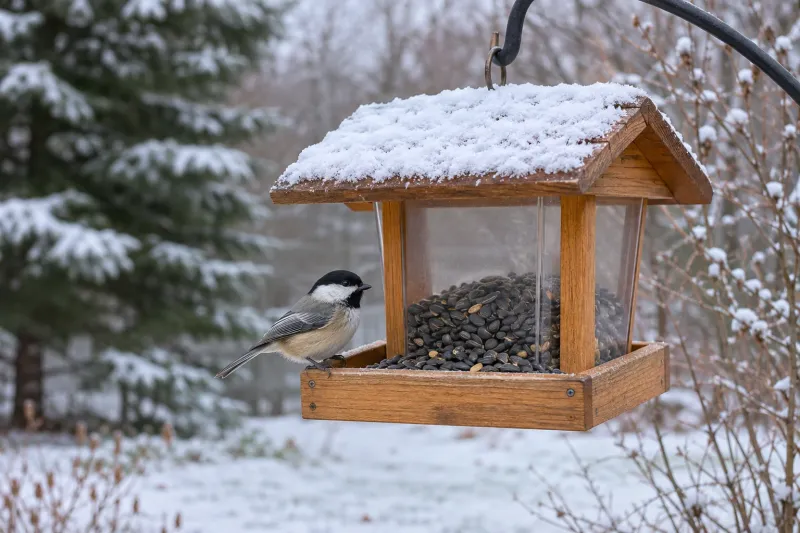
Birds seem to read weather forecasts better than most of us, crowding feeders hours before the first snowflake lands. Their appetite spike makes sense, because a stormy night ahead means burning extra calories just to stay warm.
The day before a predicted storm, I like to top off every feeder hanging in the yard. That way, the birds can refuel during the worst weather without me trudging outside through deep drifts.
Black oil sunflower seeds make a smart choice, since their thin shells crack easily for small, busy beaks. They also pack more fat than striped sunflower seeds, which helps chickadees and titmice build solid energy reserves.
Tube feeders with covered ports and hopper feeders with roofs keep seed drier when snow blows sideways. Wet seed clumps and spoils quickly, so a little shelter over the feeding area goes a long way.
Consider adding a second feeder if your yard draws big flocks during long cold snaps. More feeding spots mean less squabbling at the perches, and timid birds finally get a fair chance at dinner.
Small songbirds can lose close to a tenth of their body weight overnight while shivering to stay warm. A full feeder at dawn helps them replace that lost fuel before another long and frosty day begins.
Keep an extra bag of seed in the garage so a closed store does not leave you empty-handed. Your feathered regulars will reward you with plenty of cheerful chatter once the snow finally settles down outside.
2. Hang Suet Cakes For Woodpeckers And Nuthatches
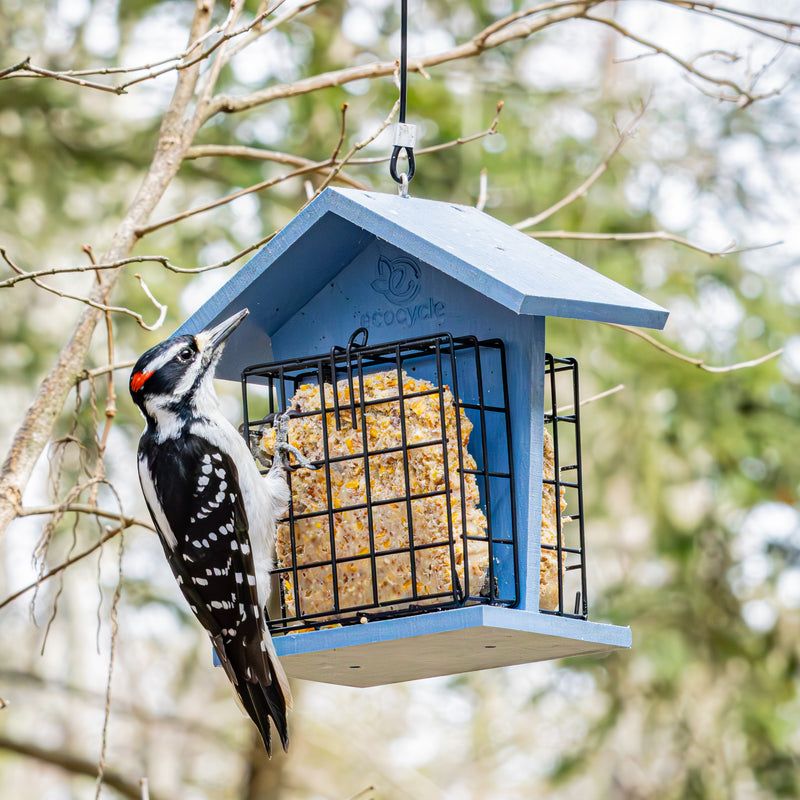
Nothing grabs a downy woodpecker’s attention quite like a fresh block of suet swinging from a snowy branch. Watching one hammer away at that fatty cake feels like seeing a tiny lumberjack enjoying a hearty breakfast.
Suet is basically rendered animal fat, and it delivers a dense punch of calories for cold-weather birds. Woodpeckers and nuthatches especially love it, though chickadees and wrens often sneak in for a few greedy bites too.
Winter is the best season for plain suet, since freezing temperatures keep it firm and fresh much longer. Warm months can turn it soft and rancid, so I mostly save my suet feeding for the chilly stretch.
A simple wire cage feeder works beautifully, and you can hang it from a tree limb or pole. Placing it near a trunk gives clinging birds a familiar feel, because they naturally search bark for hidden insects.
Look for suet cakes mixed with peanuts, seeds, or dried mealworms for extra protein during harsh storms. Some brands even add dried berries, which may tempt fruit lovers like bluebirds that sometimes stay through winter.
You can make homemade versions too, but stick with plain fats rather than bacon grease or salty drippings. Heavy salt and smoky additives are rough on small bodies, so safer store-bought cakes are often the easier option.
Check the cage after heavy snow, since a thick white cap can hide the suet from hungry visitors. A quick brush with a gloved hand clears it, and the woodpeckers usually return within a few minutes.
3. Keep A Heated Birdbath Open For Drinking
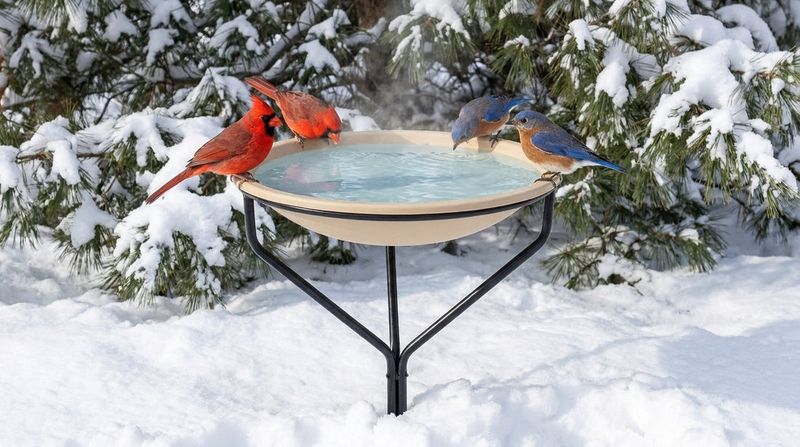
Snow might look like an endless water supply, yet birds pay a steep price for eating it. Melting those icy flakes inside their small bodies uses precious heat they would rather save for staying warm overnight.
A heated birdbath solves that problem nicely by keeping a small pool of liquid water open all winter. You can buy a standalone heated bath or drop a heating element into an existing basin you already own.
I love seeing cardinals and robins lining up at the edge, sipping like commuters grabbing coffee before work. Clean water also helps birds keep their feathers in good shape, and well-groomed feathers trap warmth much better.
Skip concrete or ceramic basins for winter use, because repeated freezing and thawing can crack them apart. Sturdy plastic or metal heated models handle the harsh weather far better and usually last for many seasons.
Toss a few flat stones into the bath to give birds safe footing while they drink from the water. Those stones also discourage full bathing, which matters on bitter days when soaked feathers struggle to hold heat.
Without a heater, you can still help by pouring lukewarm water into the bath each morning and afternoon. It may freeze again within hours, but even a short window of open water makes a real difference.
Electrical safety deserves attention too, so use outdoor-rated cords and keep connections protected from snow and ice. A covered outlet and a quick daily check give you peace of mind while the birds enjoy their drinks.
4. Clear A Snowy Patch For Ground-Feeding Juncos
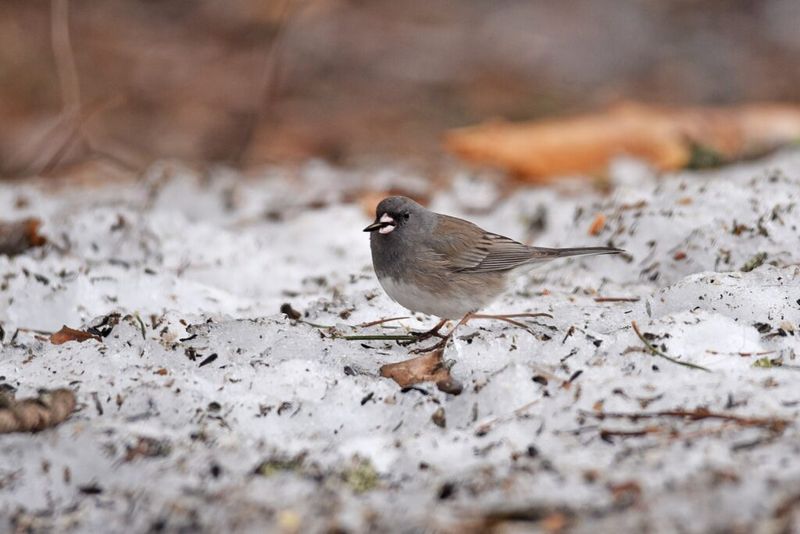
Dark-eyed juncos earned the nickname snowbirds, and they hop around your yard like tiny gray accountants checking every corner. Those little foragers prefer eating on the ground, which creates a real challenge when snow buries everything overnight.
Sparrows, mourning doves, and juncos all scratch through leaves and soil for fallen seeds during winter. Deep snow hides their meals, so a cleared patch of ground can feel like a welcome buffet to them.
Grab a shovel and scrape a small area down to bare earth or flattened snow near your feeders. Choosing a spot close to shrubs or evergreens matters, because ground feeders like a quick escape route from hawks.
Scatter black oil sunflower hearts, white millet, or cracked corn across the cleared space in a thin layer. I find that juncos happily pick through millet, while doves seem to favor the larger bits of cracked corn.
Hulled seeds and no-shell blends leave far less mess behind, which helps keep the ground area cleaner. Old shells and droppings pile up fast under busy feeders, and that soggy mix can spread illness among birds.
Rake the area every week or so once the weather allows, removing old hulls and moldy leftovers. Smaller amounts of fresh seed work better than large piles that sit wet under melting snow for days.
You might notice juncos returning to the same patch each morning like regulars at a favorite diner. Keeping that spot open after every snowfall gives them a dependable meal while the rest of the yard stays buried.
5. Leave Evergreen Shrubs And Brush Piles For Shelter
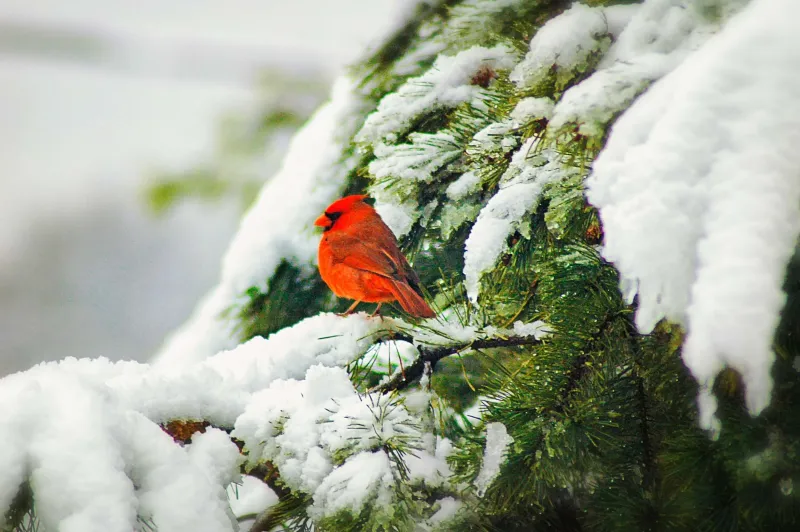
Shake a snowy spruce on a blustery afternoon, and you might startle a dozen hidden sparrows into flight. Those dense green branches act like a cozy hotel lobby where birds wait out the howling wind.
Evergreens such as eastern white pine, eastern red cedar, and American holly offer thick cover through every season. These native trees and shrubs block icy gusts and shed heavy snow, giving small birds a calmer place to rest.
If you have room in spring, planting a few natives can pay off for decades of winter storms. For now, simply protecting the evergreens you already have makes a meaningful difference for your feathered neighbors.
A brush pile might look messy to some people, but birds see it as a fortress with many doorways. Stack larger branches on the bottom and smaller twigs on top, leaving open pockets where wrens and sparrows can hide.
Leaving perennial stems and seed heads standing through winter also helps quite a bit during snowy weeks. Coneflowers and native grasses hold seeds above the snow, and goldfinches happily cling to them for a quick snack.
Fallen leaves tucked under shrubs shelter insects and spiders, which give foraging birds extra protein during cold spells. I like to think of that leaf layer as a pantry that refills itself without any extra work from me.
Hold off on heavy pruning until late winter or early spring, when the worst storms have passed. Your yard may look a bit wild for now, yet birds will happily treat it as their safest neighborhood around.
6. Hang A Roosting Box Facing Away From The Wind
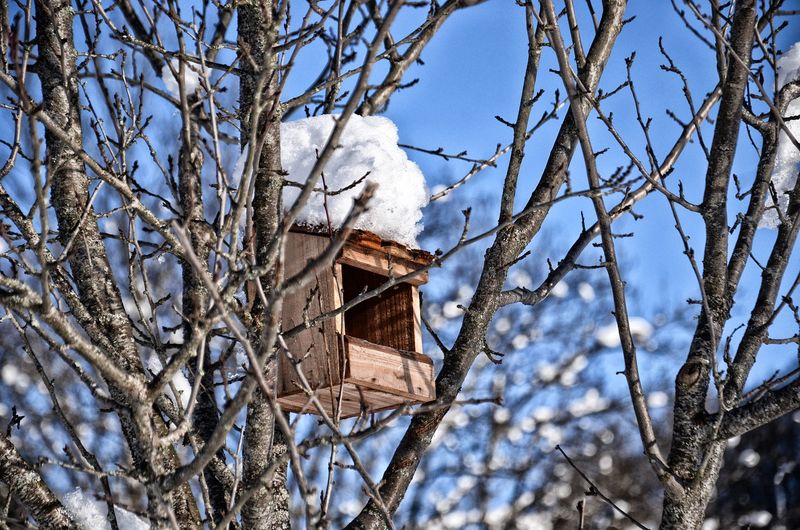
Eastern bluebirds have been found huddled together inside a single box, sharing body heat like campers around a tiny fire. That cozy habit is exactly why roosting boxes can help birds survive a bitter snowy night.
A roosting box looks similar to a birdhouse, but its design focuses on holding warmth instead of raising chicks. The entrance usually sits low on the front, so rising warm air stays trapped near the top inside.
Many models include small perches or pegs inside, giving several birds a place to cling and snuggle together. Chickadees, wrens, and bluebirds may use them, though some birds choose natural cavities or dense shrubs instead.
Placement makes a big difference, so face the entrance away from the north and prevailing winter winds. Mounting the box on a sheltered tree or pole near your feeders makes it easier for birds to find.
Some people simply flip a cleaned nest box upside down or plug its ventilation holes for winter use. I could be wrong, but that quick fix seems like a clever shortcut before you buy a dedicated roosting model.
Add a thin layer of dry wood shavings at the bottom for extra insulation on frigid nights. Avoid cotton or fluffy fibers, since they can tangle around tiny feet and hold moisture inside the box.
Remember to clean out the box when spring arrives, removing old droppings and damp shavings from the floor. A fresh start keeps the space healthy, and the box may welcome nesting birds once warmer weather returns.
7. Scrub Bird Feeders To Stop Winter Disease
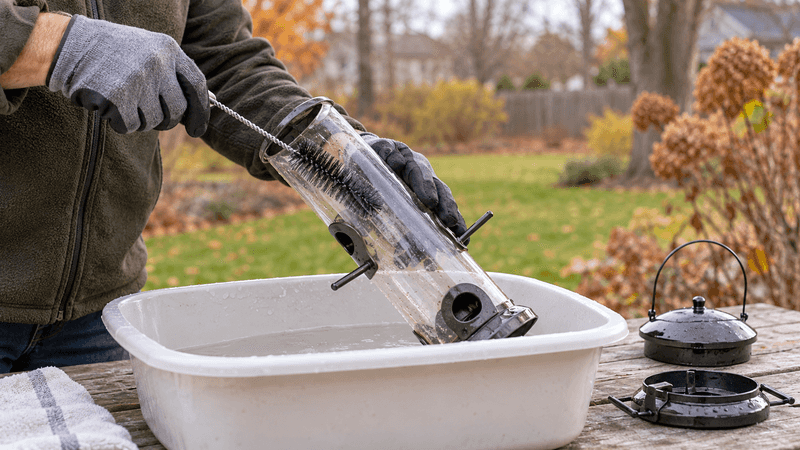
Crowded feeders during a snowstorm look charming, yet they can also become hot spots for spreading germs. Birds packed shoulder to shoulder share more than seeds, especially when droppings and damp shells build up on perches.
Salmonella and other illnesses can move quickly through flocks that gather at the same feeder every day. Sick birds often look puffed up and sluggish, and they may sit at the feeder longer than healthy visitors.
Cleaning every two weeks is a solid habit, and more often makes sense when crowds grow during storms. Mix one part household bleach with nine parts water, then scrub every port, perch, and tray with a stiff brush.
Rinse the feeder thoroughly with clean water afterward, since leftover bleach should not touch fresh seed. Let each piece dry fully before refilling, because damp corners invite mold that can sicken birds over time.
I like keeping a spare feeder ready, so I can swap one out while the other dries indoors. That simple trick means the birds keep eating during the storm while I finish the cleanup without rushing at all.
Moldy or clumped seed should go straight into the trash rather than the compost pile or garden. Wet seed sticks together after snow blows into the feeder, so check the bottom ports after each storm passes.
Wear gloves and wash your hands well after handling feeders, since some bird illnesses can affect people too. A clean feeder looks more inviting, and birds often avoid dirty ones that smell musty or spoiled.
8. Place Feeders Close To Windows Or Far Away
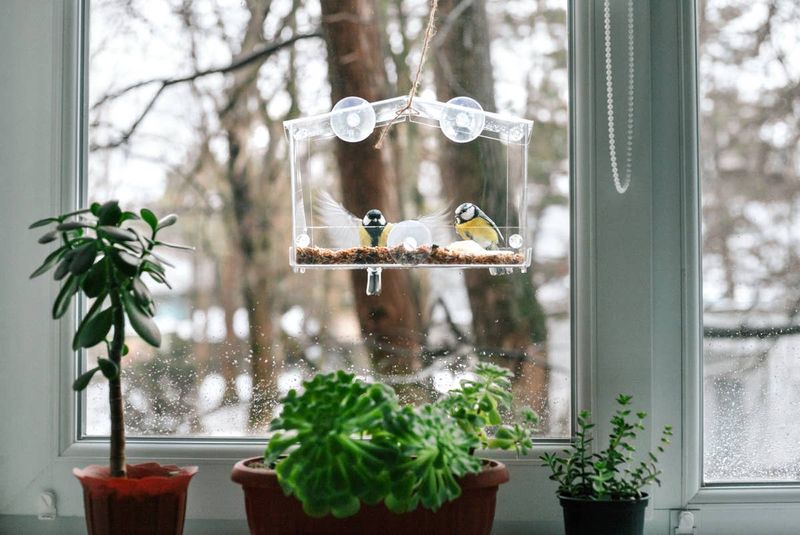
Glass is sneaky stuff for birds, since it reflects trees and sky like a perfect painting of open space. A startled flock fleeing a hawk during a snowstorm can easily slam into a window they simply cannot see.
Feeder placement makes a surprising difference, and the safest distances might seem a little odd at first. Experts suggest putting feeders within three feet of a window or at least thirty feet away from the glass.
At very close range, birds leaving the feeder cannot build up enough speed to cause serious harm. Far-away feeders also help, because birds are less likely to aim toward the house when they fly off suddenly.
The middle ground is where problems pile up, since birds gain speed and still mistake reflections for real branches. I moved my own feeder after noticing a few feather smudges on the glass, and the bumps nearly stopped.
Window feeders that attach with suction cups offer a fun close-up view of chickadees and titmice from indoors. Your cat may love them too, so keep curious pets from pawing at the glass and spooking the birds.
Decals, screens, or vertical cords hung outside the window break up reflections and make glass more visible. Spacing markers about two inches apart works best, because birds try squeezing through wider gaps between scattered decals.
If a bird does hit the glass, give it a quiet space and time to recover nearby. Placing a stunned bird in a ventilated box somewhere warm and dark often helps until it can fly away again.
9. Keep Pet Cats Indoors Away From Feeding Birds
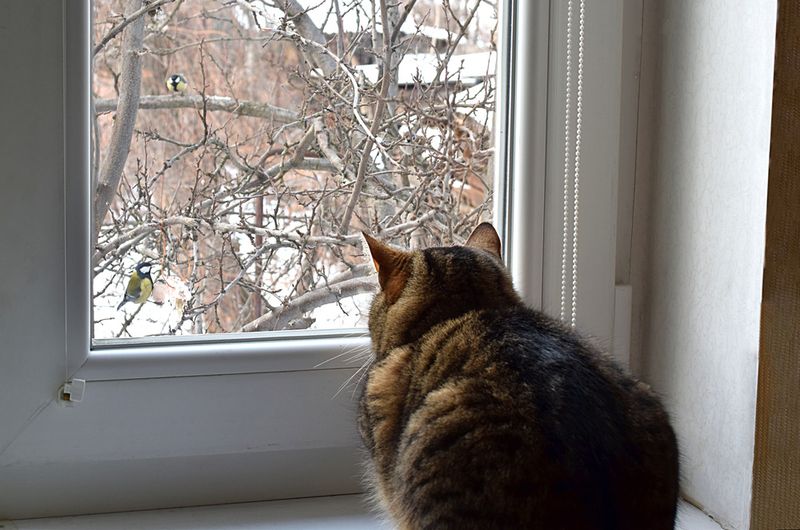
My tabby treats the living room window like a television tuned to a nonstop nature channel all winter. That front-row seat suits him perfectly, and it keeps the birds outside much safer during snowy days.
Free-roaming domestic cats are one of the biggest threats facing wild birds across the United States. Research from the Smithsonian and federal wildlife scientists estimated that outdoor cats take billions of birds each year nationwide.
Winter storms make birds even more vulnerable, since they crowd around feeders and focus heavily on eating. A cat hiding beneath a snowy shrub can ambush a distracted junco before the little bird ever notices danger.
Keeping cats indoors protects your pet too, since outdoor cats face traffic, frostbite, and fights with other animals. Many vets and animal groups recommend indoor living, with a catio or harness walks for safe outdoor time.
Feed your pets inside rather than leaving bowls on the porch or deck during cold weather. Outdoor food can draw feral cats, raccoons, and other visitors that may linger near your bird feeding area.
Placing feeders a few feet from dense shrubs gives birds a hiding spot without offering ambushers perfect cover. You can also add low fencing or prickly native plants that make sneaking up on feeding birds much harder.
Window perches and bird videos give indoor cats plenty to watch on long, snowy afternoons inside the house. You might be surprised how happily they settle in, chattering at cardinals while staying warm, dry, and well fed.
10. Follow Black Bear Feeder Rules In Snowy Months
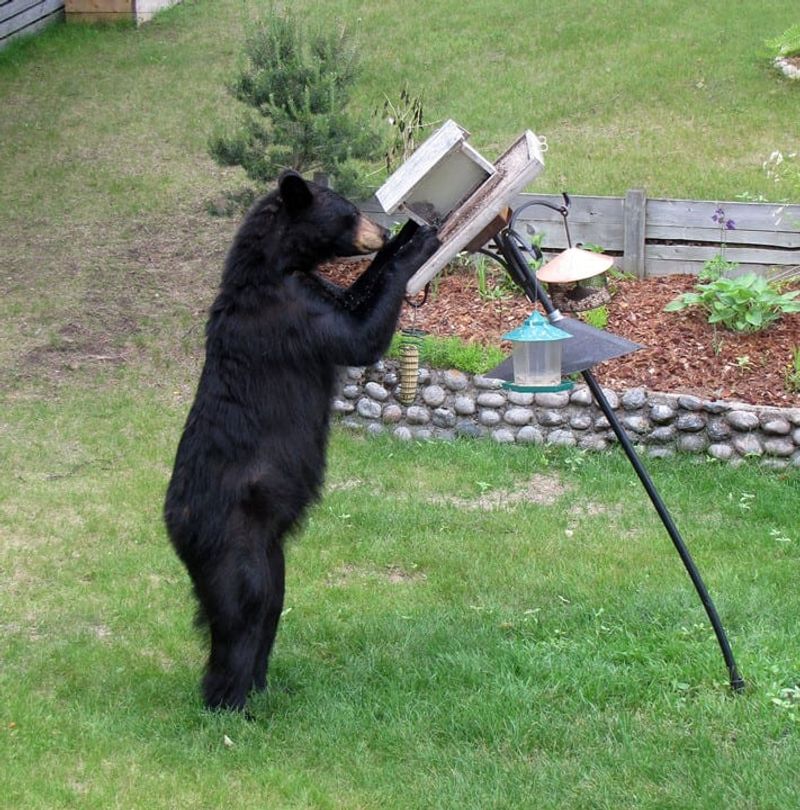
A bird feeder can look like a giant candy jar to a hungry black bear waking up in spring. Some bears have even learned to swat feeders down from decks, which creates trouble for both people and wildlife.
New York’s Department of Environmental Conservation recommends taking feeders down from April 1 through November 30 in bear country. Winter snowstorms usually fall within the safer feeding window, when most bears are tucked away in their dens.
Bears that rely on human food can become bold and lose their natural fear of people over time. That situation often ends poorly for the bear, so following DEC guidance helps protect these impressive animals too.
Late-season snow can still arrive after April begins, especially in the Adirondacks and Catskills. During those surprise storms, you might scatter small amounts of seed that birds can finish quickly rather than refilling hanging feeders.
Store birdseed in tight metal containers kept inside a garage or shed, not on an open porch. Those sturdy bins also keep mice, squirrels, and moisture away from the seed you paid good money to buy.
Clean up spilled seed under feeders before spring arrives, since lingering piles can attract bears and rodents. A quick rake and a bag for the trash keeps the area tidy as the snow starts melting away.
Feeding laws can differ between towns, so check local rules if you live near bear habitat in New York. I find it reassuring that a few smart habits let birds and bears both thrive in the same woods.