How To Water Your Christmas Cactus For Holiday Blooms In New York
Everyone knows someone whose grandmother’s Christmas cactus has bloomed every December for decades. Her secret usually isn’t a green thumb. It’s timing.
These plants aren’t like the spiky desert cacti most people know. They come from humid rainforests, so they love moisture but hate soggy roots.
Water too much at the wrong time, and you get droopy stems with zero flowers. Water too little at the wrong moment, and buds tumble off right before the holidays.
Homes across New York add another twist, with chilly windowsills and bone-dry radiator heat working against your plant from Thanksgiving to New Year’s.
Fancy fertilizer and special grow lights aren’t the answer. A few watering habits, timed just right over the next few weeks, can turn a plain green plant into a holiday showstopper worth bragging about.
A Dry Top Inch Is The Signal To Water
Your finger is the best moisture meter you already own, and it costs nothing. Push it into the soil up to the first knuckle.
If the soil feels dry at that depth, your Christmas cactus is ready for a drink. If it still feels cool and damp, wait another day or two.
Many growers follow a calendar, but plants do not read calendars. Conditions inside your home change from week to week, so checking beats guessing.
In a sunny New York apartment, the soil might dry out in five days. In a cooler, dim corner, it may take two weeks or more.
Some experts suggest waiting until the top two inches are dry instead. Both methods work, and the deeper test adds a little extra safety.
Leaning toward slightly dry is the smarter choice with these plants. A thirsty cactus bounces back quickly, while a soggy one struggles to recover.
Here is a handy trick for busy weeks. Lift the pot after watering, then lift it again a few days later.
A light pot usually means dry soil underneath. Over time, you will learn the weight of a thirsty plant without touching the dirt.
Fun fact: Christmas cacti come from Brazilian rainforests, not deserts. They grow on tree branches, where rain soaks them and then drains away fast.
Copying that natural cycle at home is the real goal. Moist, then dry, then moist again keeps roots happy and strong.
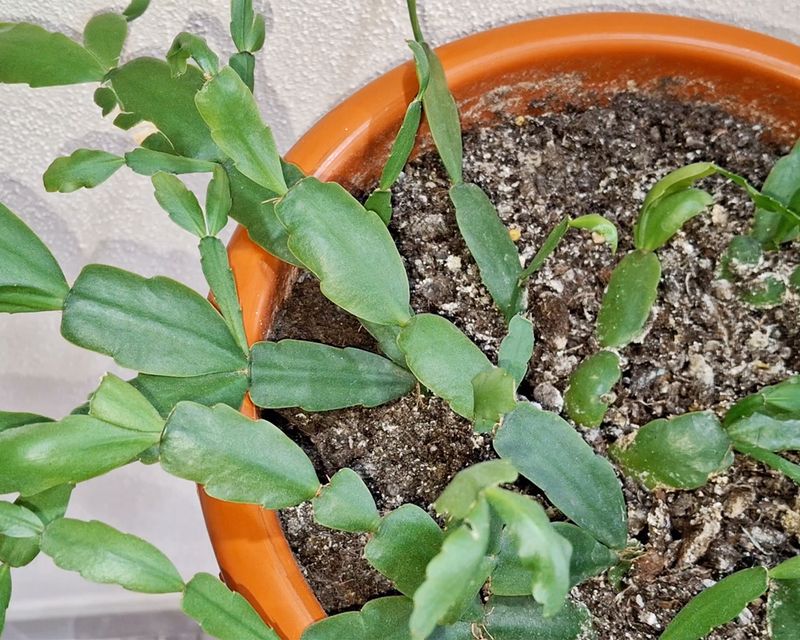
Quick check: if your plant’s stem segments have pointy, claw-like edges, it’s likely a Thanksgiving cactus, which blooms a few weeks earlier. The same watering tips work for both.
A Deep Soak Followed By Full Drainage Works Best
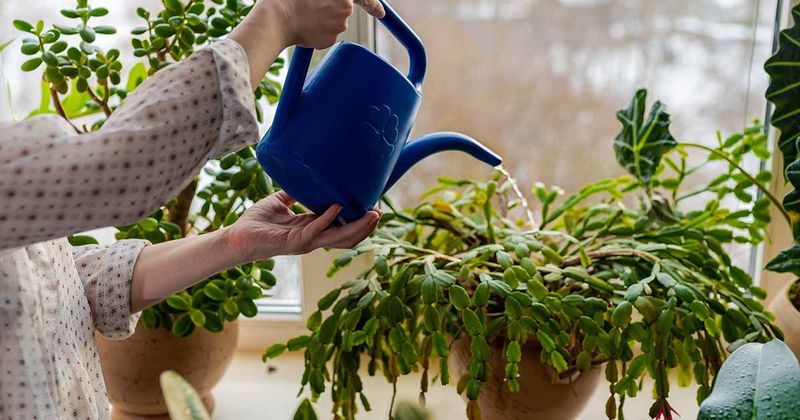
Think of watering like a good rainstorm rather than a light sprinkle. A quick splash only wets the surface and leaves deeper roots thirsty.
When the soil is dry, pour water slowly over the whole surface. Keep going until it flows freely out of the drainage hole.
The sink makes an easy watering station for small and medium pots. Let the plant sit there for ten to fifteen minutes so extra water escapes.
Your New York Garden Changes Every Week. Your Plan Should Too.
Gardening in New York changes quickly throughout the season. Every Friday you’ll receive a simple weekly plan showing exactly what to plant, prune, fertilize, harvest, and protect so you never miss the right timing.
Afterward, return the pot to its saucer or decorative cover. Check a few minutes later and pour out any water that has collected.
Drainage only works if the pot has a real hole in the bottom. Pretty ceramic pots without holes can trap water and cause big trouble.
A simple fix is to keep the plant in a plastic nursery pot. Then slip that pot inside the fancy one for display.
Soil matters just as much as the pot itself. Regular potting soil can stay wet for days, which roots do not enjoy.
A cactus or succulent mix drains much faster and suits these plants nicely. Mixing in a handful of perlite or orchid bark adds even more airflow.
Soaking the entire root ball helps every root get its share. Shallow watering, on the other hand, encourages weak roots that crowd near the top.
Deep drinks spaced further apart beat tiny sips every day. Your plant will grow sturdier and handle stress far better.
Room-Temperature Water Is Gentler On Roots
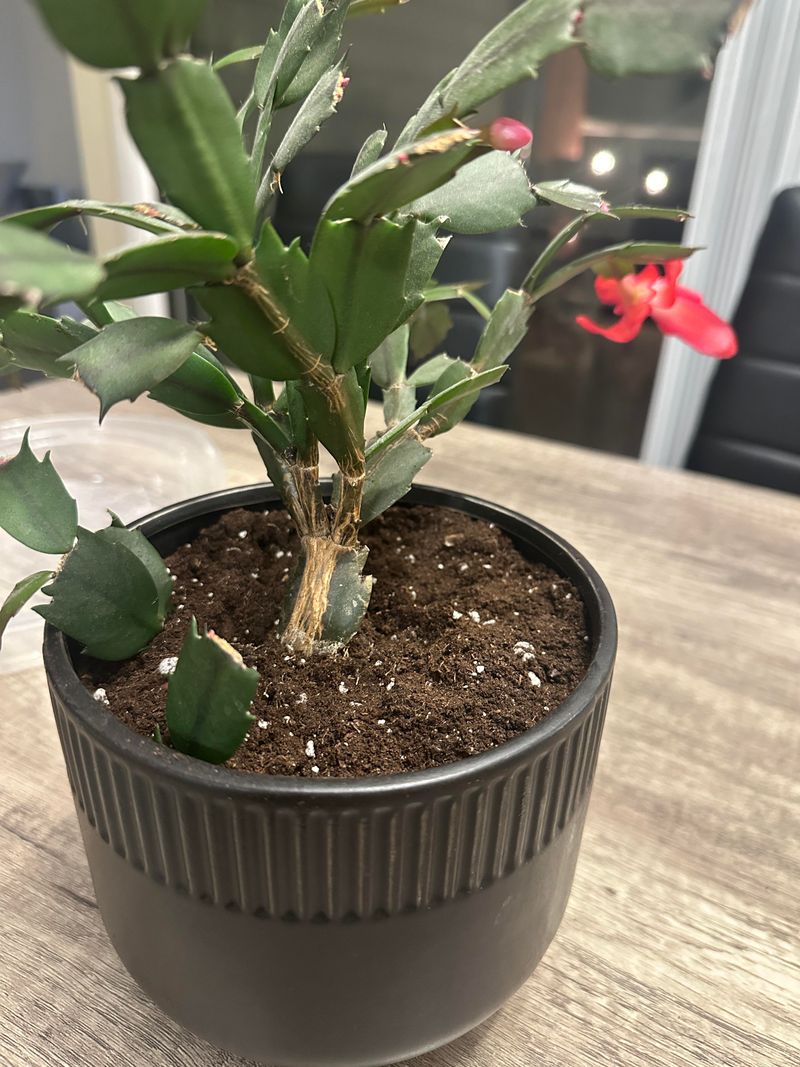
Imagine jumping into an icy pool on a cold morning. Your plant feels a similar shock when it gets a splash of freezing tap water.
Cold water can stress tender roots and slow their ability to absorb moisture. Room-temperature water feels much more natural to a tropical plant.
Winter tap water in New York can run surprisingly chilly. Pipes pass through cold basements and old buildings before reaching your faucet.
An easy habit solves the problem with almost no effort. Fill a pitcher after each watering and leave it on the counter until next time.
Letting water sit overnight offers a second bonus. Some of the chlorine added by city water systems escapes into the air.
Christmas cacti can be a bit sensitive to chlorine and heavy minerals. Hard water may leave crusty white spots on the soil surface over time.
Filtered water or collected rainwater makes a gentle alternative. Many plant lovers keep a jug of filtered water just for their houseplants.
Warm water is not the answer either, so skip the hot faucet. Aim for something that feels neutral on your wrist, like a baby bottle test.
If you spot white buildup on the soil, flush the pot occasionally. Run plenty of filtered water through it to rinse extra minerals away.
Small details like water temperature add up across a full year. Comfortable roots mean stronger stems and a better shot at holiday flowers.
Standing Water Rots Roots Fast
Here is a sneaky plant mystery that fools many beginners. Your cactus looks wilted and droopy, yet the soil feels soaking wet.
Overwatering is usually the culprit behind that confusing scene. Roots sitting in water cannot breathe, and they quickly start to rot.
Once roots break down, they stop carrying water up to the stems. The plant wilts from thirst even while surrounded by moisture.
Watch for warning signs like mushy stem bases or soggy soil that stays wet for days. Leaves turning black, brown, or deep red can also signal trouble.
Bud drop is another clue that roots may be struggling. A stressed plant often lets go of flowers to save its energy.
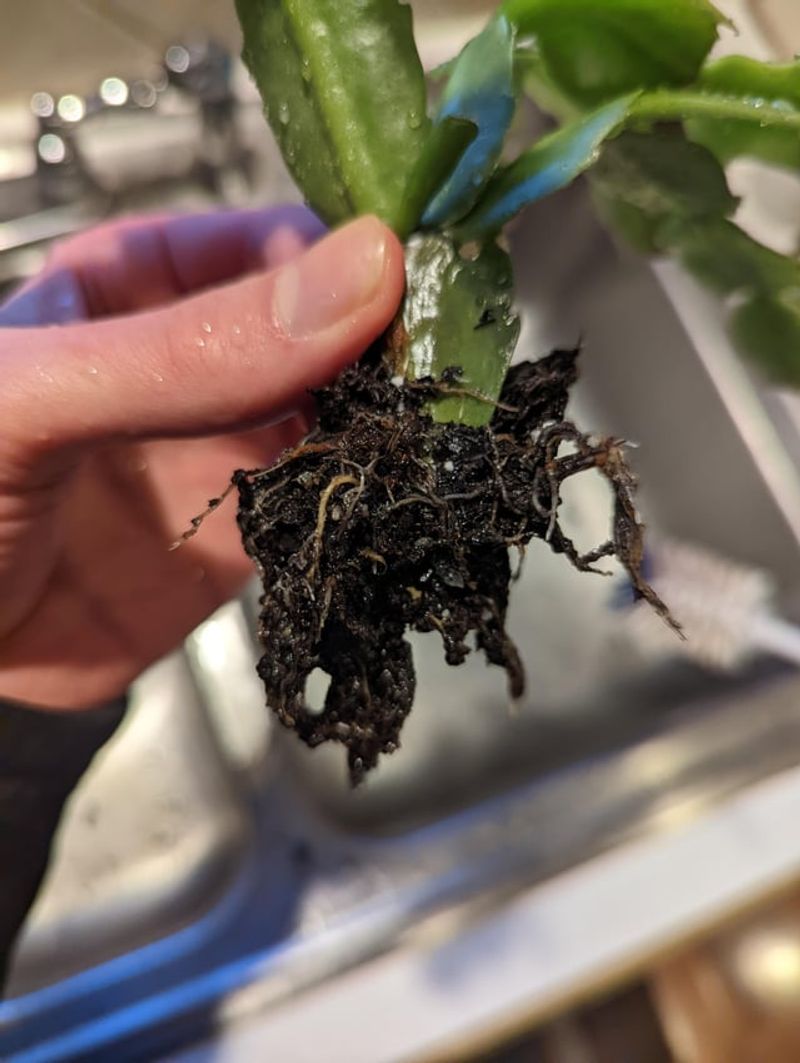
Healthy roots look white or light tan and feel firm. Rotten roots appear brown, soft, and may give off a sour, unpleasant smell.
Caught early, a rotting plant can often be rescued. Slide it out of the pot, trim the mushy roots, and repot into fresh, dry cactus mix.
Wait a few days before watering again so trimmed roots can heal. A clean pot helps prevent leftover fungus from spreading.
Healthy stem pieces can also be rooted as backups. Let cuttings dry for a day, then tuck them into slightly damp soil.
Prevention is far easier than any rescue mission. Empty saucers, use draining soil, and let the top layer dry between drinks.
Less Water In Early Fall Supports Bud Set
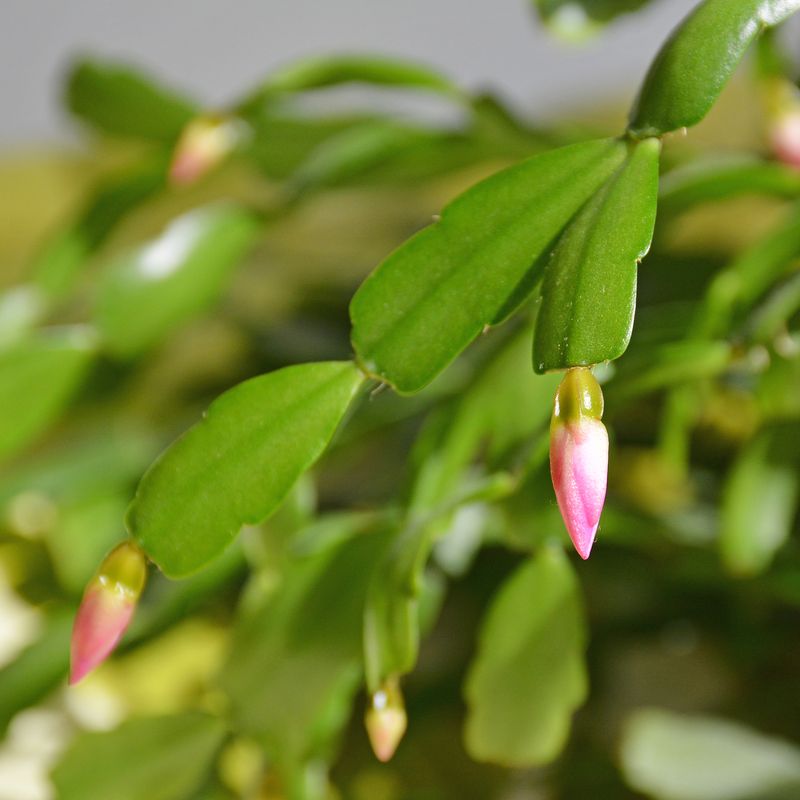
Autumn is when the real holiday magic begins, even if nothing looks different yet. Your plant is quietly deciding whether to make flowers.
Cutting back on water around mid-October helps trigger that decision. Drier soil signals that the season is changing and blooming time is near.
During this stretch, wait until the top two inches of soil are dry. Some growers water only once every four to six weeks.
That may sound like neglect, but your cactus handles it well. Its thick, fleshy stems store water for exactly these dry spells.
Water is only part of the bud-making recipe. Cool nights and long hours of darkness matter just as much.
New York falls help out naturally with crisp evenings around 55 to 60 degrees. A cool room away from heaters can work wonders.
Darkness should last about 12 to 14 hours each night. Even a lamp switched on in the evening can confuse the plant.
An unused guest room or a quiet corner often does the trick. Some people cover the plant with a box overnight for a few weeks.
Skip fertilizer during this phase too. Feeding encourages leafy growth when you want the plant focused on blossoms.
Patience pays off here more than any other step. Within about six to eight weeks, tiny pink tips should appear on the stem ends.
Steady, Light Watering Follows Once Buds Show
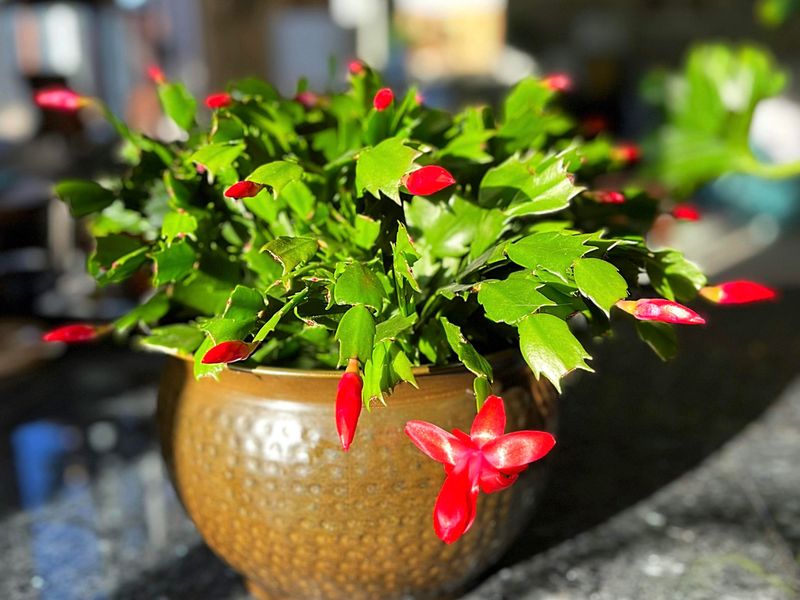
Spotting those first tiny buds feels like finding a surprise gift early. Now your plant needs a new kind of care.
Flowers take lots of energy to grow and open. Steady moisture gives the plant fuel to push those buds into full blossoms.
Switch from the dry fall routine to a more regular schedule. Check the soil every three or four days during this stage.
Water when the top layer feels just slightly dry. The goal is soil that stays evenly moist, like a wrung-out sponge.
Soggy soil is still a problem, even during blooming season. Let extra water drain away and empty the saucer each time.
Sudden swings between bone-dry and drenched can upset the plant. Buds may shrivel or fall off when watering feels unpredictable.
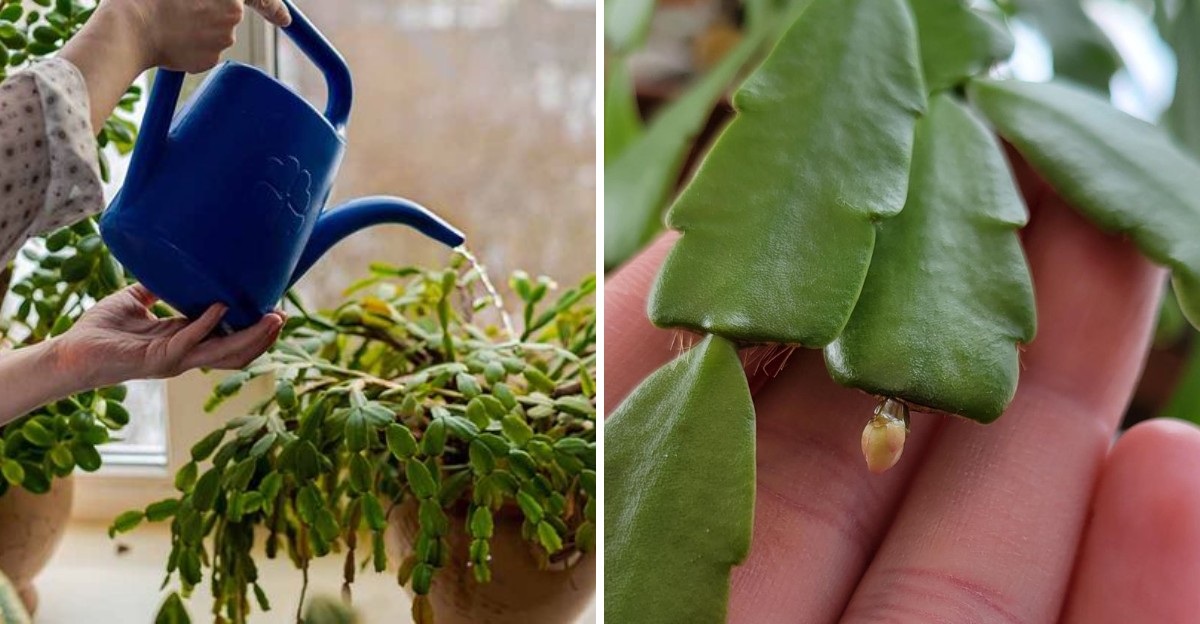
A small watering can with a narrow spout helps here. Aim at the soil rather than pouring over the delicate buds.
Keeping up steady care can stretch the show for weeks. Many plants bloom for a month or more with thoughtful watering.
Did you know each flower lasts several days on its own? Fresh buds keep opening in waves, so the display rolls on.
Snap a photo every few days to track progress. Watching buds swell from tiny dots to dangling blooms is surprisingly fun.
Dry Winter Air Benefits From A Pebble Tray
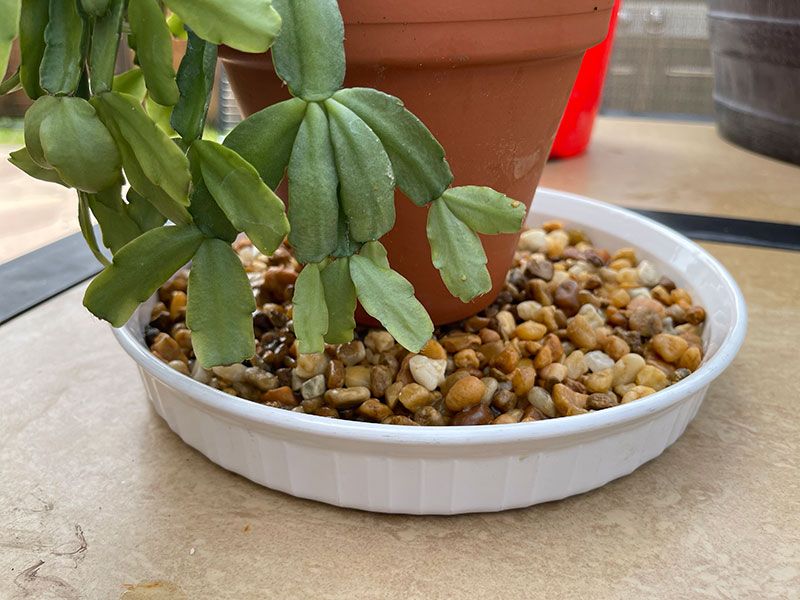
Anyone who has lived through a New York winter knows the feeling of dry, crackly air. Your cactus notices it too.
Steam radiators and forced-air heat pull moisture out of indoor air. Humidity can drop below 30 percent, far less than these rainforest plants prefer.
A pebble tray is a cheap and clever fix. Fill a shallow saucer with small stones and add water just below their tops.
Set the pot on the pebbles so it sits above the water line. As water evaporates, it creates a small pocket of humid air around the plant.
Keeping the pot above the water matters a lot. Roots soaking in the tray would bring back the rot problems you worked to avoid.
Refill the tray every few days as the water disappears. Rinse the stones once a month to keep them fresh and clean.
Grouping plants together adds even more moisture to the air. Leaves release water vapor, so neighbors help each other stay comfortable.
Light misting can help, though the effect fades quickly. Mist in the morning so stems dry before evening.
A small humidifier works well if you own several houseplants. Your skin and sinuses will likely thank you as well.
Better humidity also helps buds open fully. Dry air sometimes causes them to wrinkle or drop before blooming.
Moving The Plant Risks Losing Buds
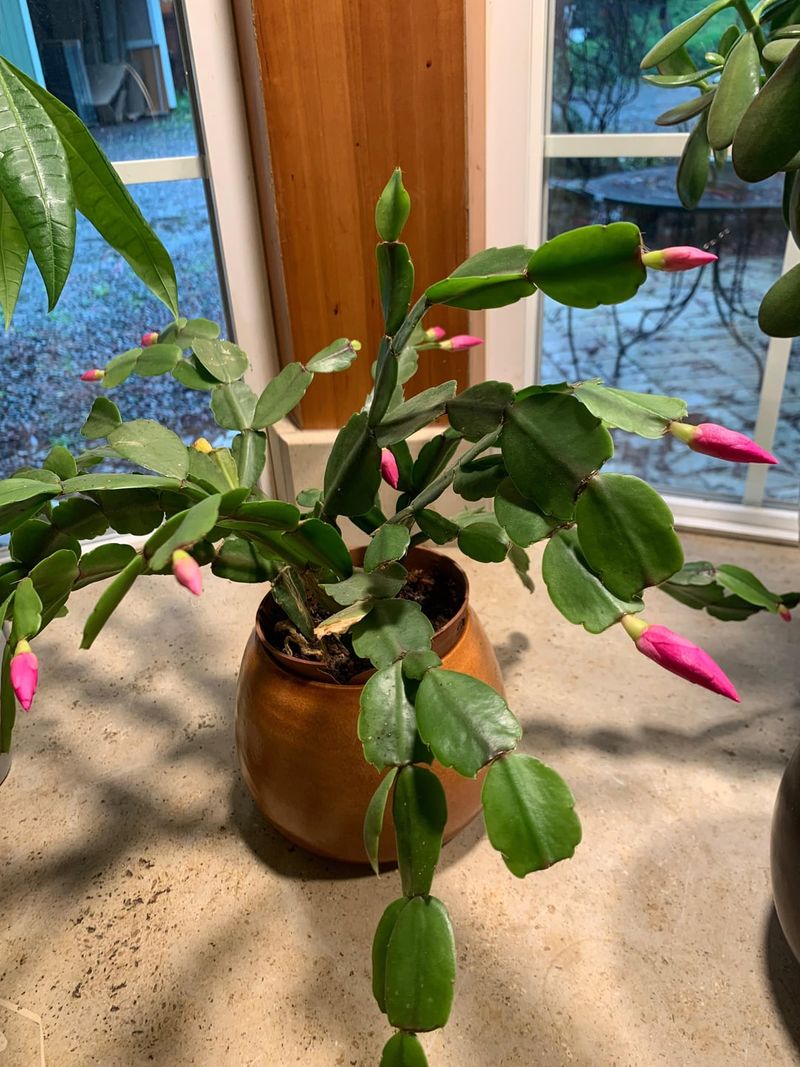
Picture a plant covered in buds one day and bare the next. Few things frustrate holiday gardeners more than sudden bud drop.
Moving the plant is the most common cause. Christmas cacti dislike surprise changes in light, temperature, or humidity.
Even turning the pot to face a new direction can upset it. Buds tilt toward the light, and twisting them around causes stress.
Choose a good spot before buds form, then leave it be. Bright, indirect light and steady temperatures make an ideal home.
Many apartments have clanking radiators under the windows. That blast of heat dries buds quickly, so keep the plant a few feet away.
Drafty doors and cold glass cause problems too. A chilly gust from the hallway can shock buds right off the stems.
Watering near the plant is fine, just avoid lifting it far. Water it in place instead of carrying it to the sink during this stage.
New plants from a store often drop a few buds at first. Greenhouse conditions differ from your living room, so some shock is normal.
Give a new arrival steady care and resist moving it again. Most adjust within a week or two.
Want flowers on the dinner table for a party? Place them there briefly, then return the plant to its usual spot.
A Post-Bloom Rest Calls For Less Water
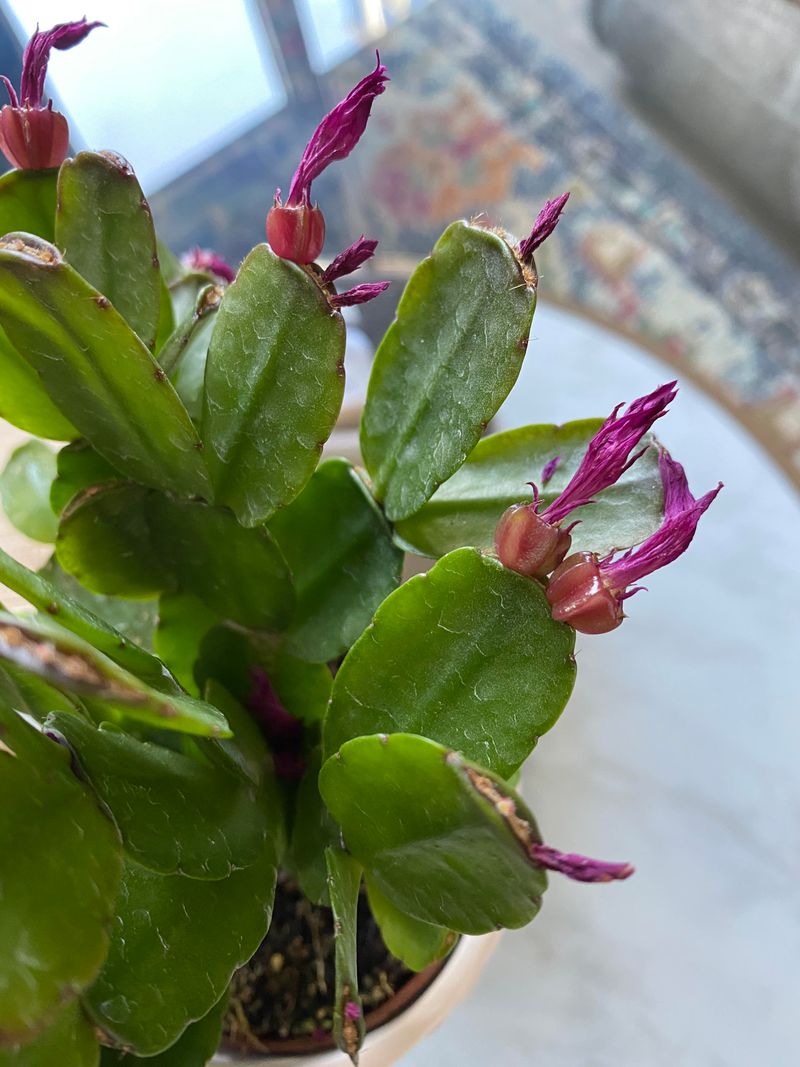
After the last flower fades, your cactus deserves a well-earned nap. Blooming takes lots of energy, and now the plant needs to recharge.
This quiet period usually runs from late winter into early spring. Growth slows down, and the plant uses much less water.
Cut back watering noticeably during this rest. Let the soil dry out more deeply between drinks than you did during bloom time.
Watering every two to three weeks is often plenty. Still, test the soil first, since homes vary widely.
Resting roots sit in cool soil and drink slowly. Extra water just lingers, which raises the chance of rot.
Gently pluck off spent flowers once they wither. Removing them keeps the plant tidy and stops mold from forming.
Skip fertilizer until fresh growth appears. Feeding a resting plant is like serving a big meal to someone fast asleep.
This rest copies what happens in the wild Brazilian forests. A drier season follows the blooming months, and the plant adjusts its pace.
Late winter is also a smart time to prune lightly. Twist off a few stem segments to shape the plant and encourage branching.
Those trimmed pieces make easy gifts for friends. Root them in moist soil, and you will have new plants by summer.
New Growth Signals It’s Time To Resume Normal Watering
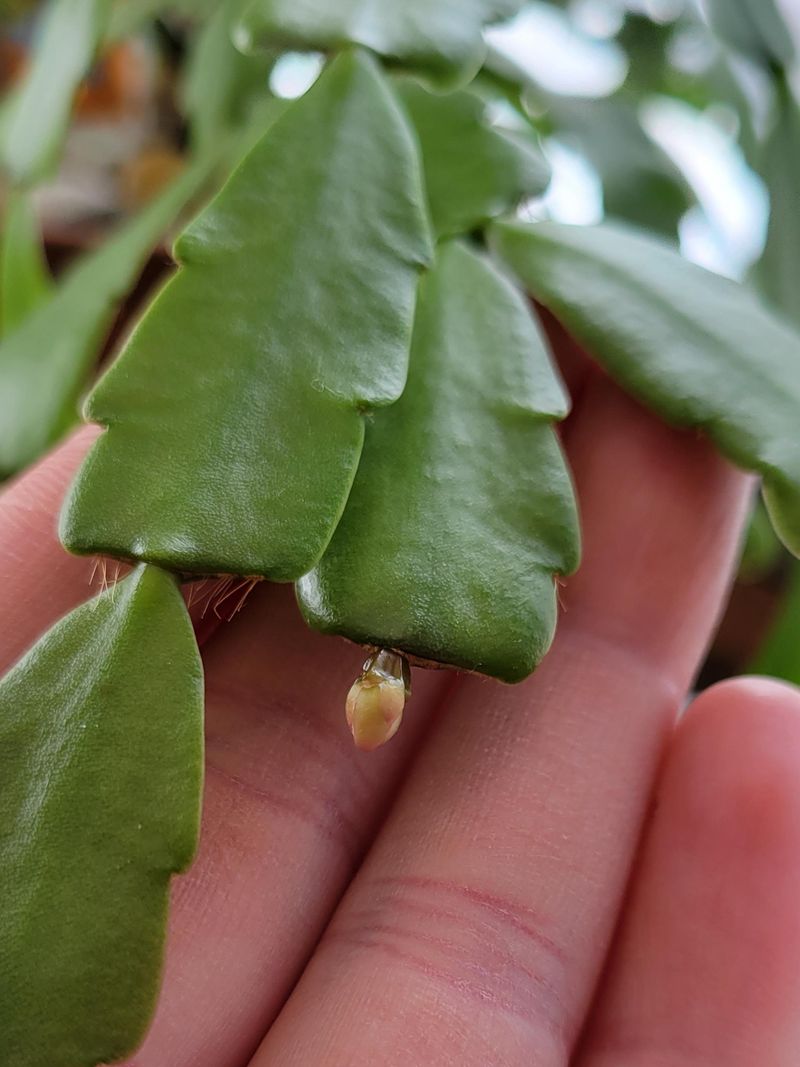
Spring has a way of waking everything up, including your windowsill cactus. Bright green stem segments are the plant’s way of saying hello again.
Fresh growth looks lighter and softer than older stems. Once you spot it, the rest period is over.
Gradually increase watering as the plant becomes active. Every seven to ten days is a common rhythm during spring and summer.
Keep using the trusty finger test before each drink. Let the top inch of soil dry, then soak it well.
Warmer weather in New York speeds up drying. Plants near sunny windows may need water more often by June.
Spring is also the season to start feeding again. A balanced houseplant fertilizer at half strength once a month works nicely.
Some growers move their plants outdoors for summer. A shady balcony or fire escape can give stems a healthy boost.
Keep the plant out of harsh afternoon sun, which can scorch stems red. Bring it back inside before nights dip below 50 degrees.
Repotting, if needed, works best in spring too. Christmas cacti like snug pots, so choose one only slightly larger.
Summer care builds the strength for next year’s flowers. Treat these months well, and the whole cycle starts again with a colorful holiday reward.