Snow Mold, Grubs, or Just Matted Leaves? How to Tell What’s Hurting Your New York Lawn This Fall
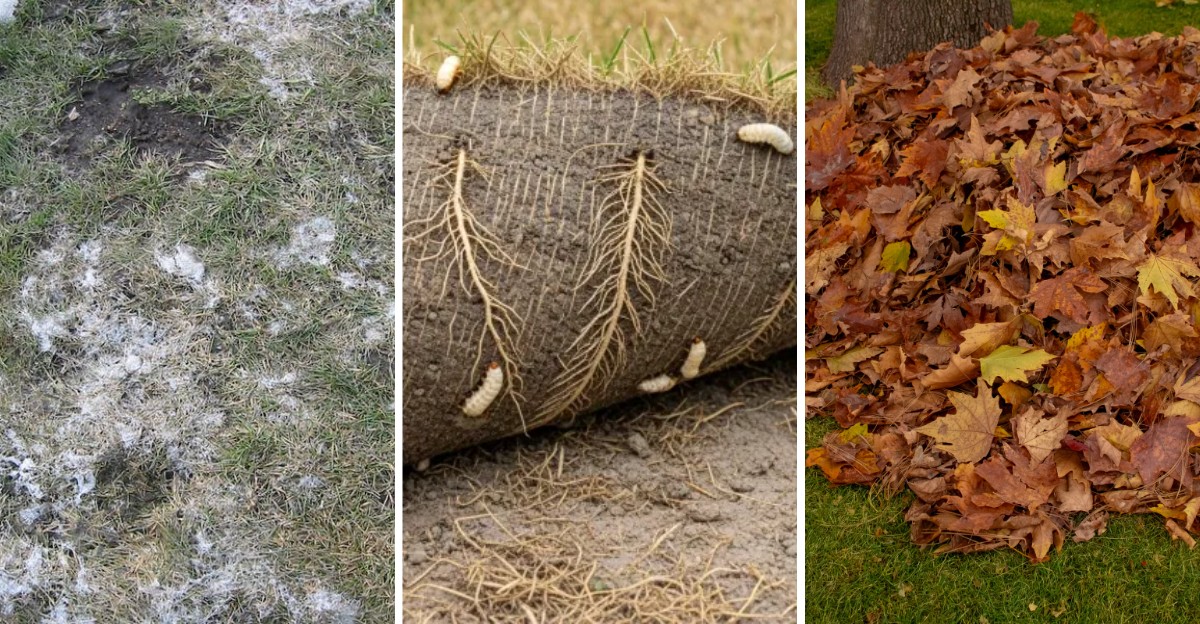
Skunks can smell a meal of beetle larvae hiding under your grass, and they will happily tear up a lawn overnight to reach it.
That torn-up turf is only one clue in a classic fall puzzle. Brown patches, soggy spots, and pale grass can look almost identical from your kitchen window. Yet each one points to a very different cause.
I love a good backyard mystery, and New York lawns serve up plenty of them once the maples start dropping leaves. Personally, I think the detective work is half the fun. You just need to know where to look and what to tug on.
Some of these troubles hide in the soil. Others wait under a cozy blanket of leaves or a long winter of snow. So which one is quietly working on your grass right now?
A Quick Tug On Brown Grass Tells You A Lot
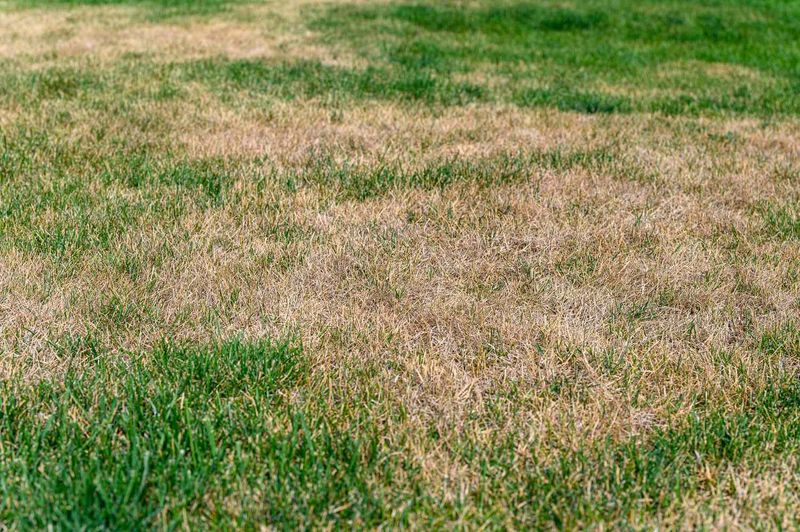
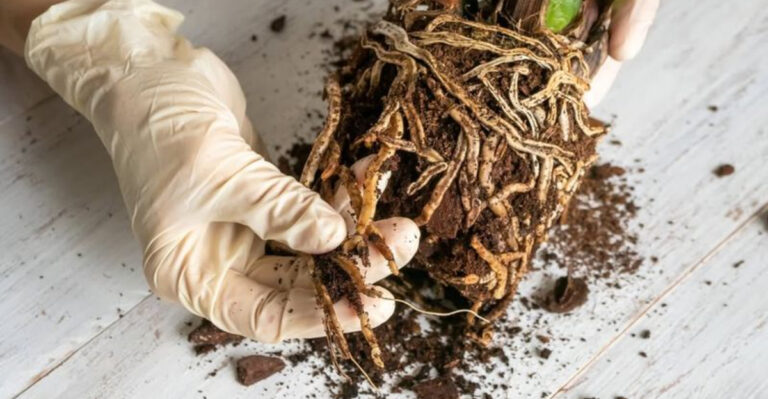
Grab a handful of brown grass and give it a gentle pull. That simple move is the fastest way to sort out most fall lawn problems, and it costs you nothing.
If the turf peels back like a loose rug, something has chewed through the roots. That is the classic sign of grubs, the C-shaped larvae of beetles.
If the grass stays firmly anchored, roots are likely fine, and the trouble is probably above ground.
Next, look at the shape and texture of the damage. Grub patches tend to be irregular and feel spongy underfoot.
Smothered spots from leaves often match the outline of where a pile sat. Snow mold shows up later, after snowmelt, as round, matted, crusty circles.
Timing matters too. Grub damage is usually most visible in late summer and early fall, when the larvae are big and hungry.
Leaf damage shows up as pale or yellow grass right after you rake. Snow mold rarely appears until late winter or early spring.
I like to walk the yard with a small trowel and a notebook. Jot down where patches are, how they feel, and whether animals have been digging.
A few minutes of note-taking now can save you from treating the wrong problem and wasting money on products your lawn does not need.
Turf That Rolls Back Like Carpet Usually Means Grubs
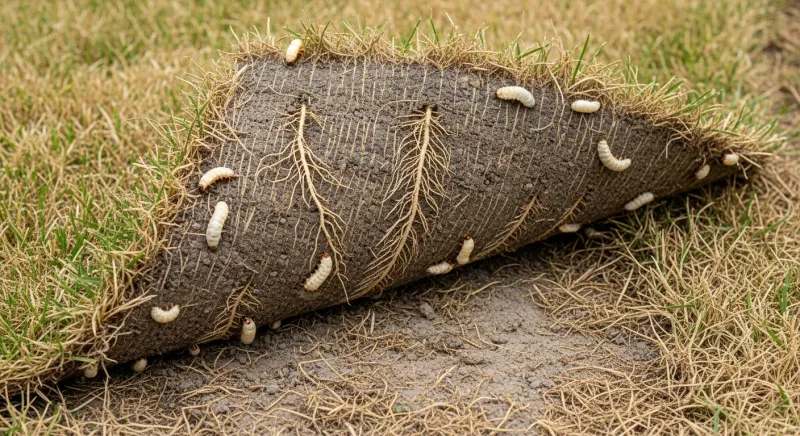
Peel back a square of loose sod and you may find a surprise party. Fat, white, C-shaped larvae curled in the soil are grubs, and they belong to beetles like Japanese beetles and European chafers.
Here in New York, these pests hatch in summer and feed hard on grass roots through early fall. Without roots, the turf cannot hold water, so patches turn brown and stay brown, even after a good soaking.
To check, cut a one-foot square about two to three inches deep along the edge of a damaged area. Fold it back and count.
Cornell Cooperative Extension and other experts note that a few grubs per square foot is normal, and healthy grass can handle them. Around ten or more per square foot often signals a problem worth managing.
Watch for wildlife clues as well. Skunks, raccoons, crows, and starlings dig and peck at lawns to snack on grubs.
Small cone-shaped holes or flipped-over chunks of sod are big hints.
One fun fact makes this easier. Grubs move deeper into the soil as it cools in late fall, so a spring check may show fewer near the surface.
If you find a heavy population now, note the spot and plan your next step for the right season.
Those Soggy Leaf Piles Can Smother Grass Underneath
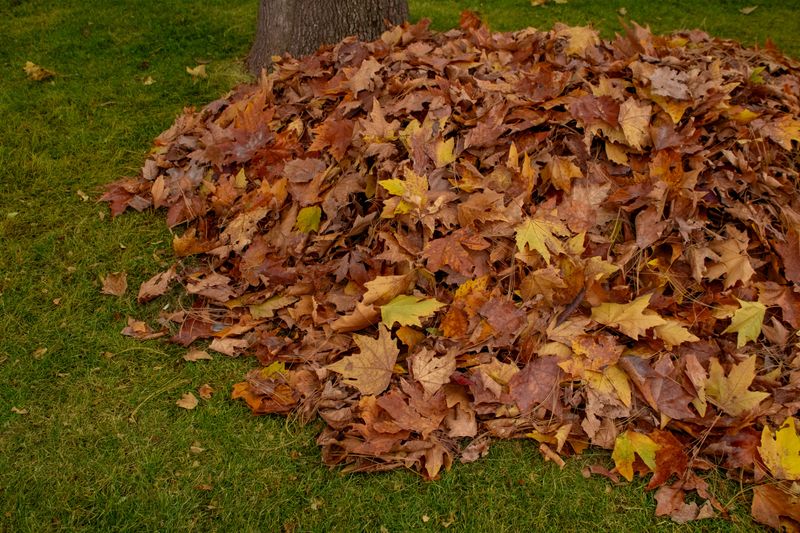
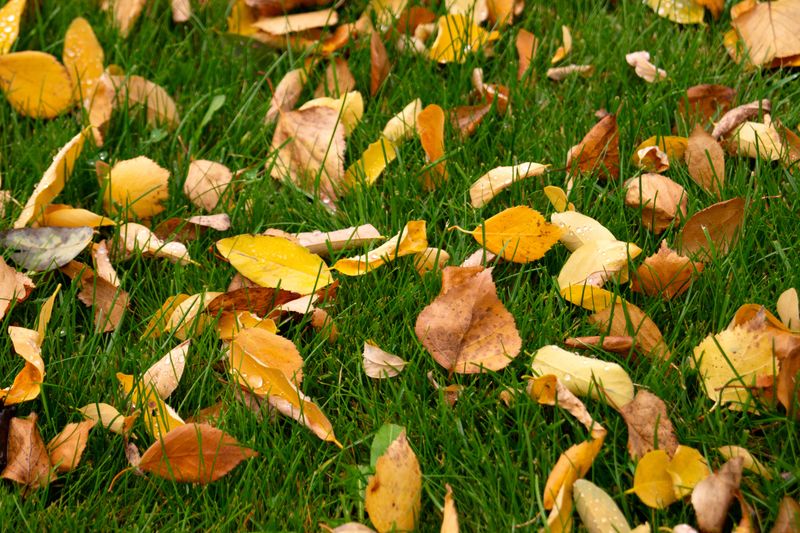
Leaves look harmless as they drift down, but a wet, packed layer acts like a lid on your lawn. Grass under that lid loses sunlight, fresh air, and the chance to store energy before winter.
Fall is a busy season for cool-season grasses. They use photosynthesis to build sugars and strengthen roots for the cold months ahead.
A thick mat of soggy oak or maple leaves blocks that work and traps moisture against the blades.
Lift a leaf pile that has been sitting for a week or two. You may see flattened, pale, or yellow grass, and sometimes a musty smell.
Roots usually stay attached, which separates this problem from grubs right away.
Most of the time, grass recovers once the leaves are gone, especially if you clear them early. Leaving them all winter is riskier because that damp, dark space also invites fungal disease.
You do not have to bag every leaf, though. Running a mower over a light layer chops leaves into small bits that drop between grass blades and break down.
Just keep the shredded layer thin enough that you can still see green grass. If the pieces pile up, rake the extra into your compost or garden beds.
Gray And Pink Snow Mold Patches Show Up After The Melt
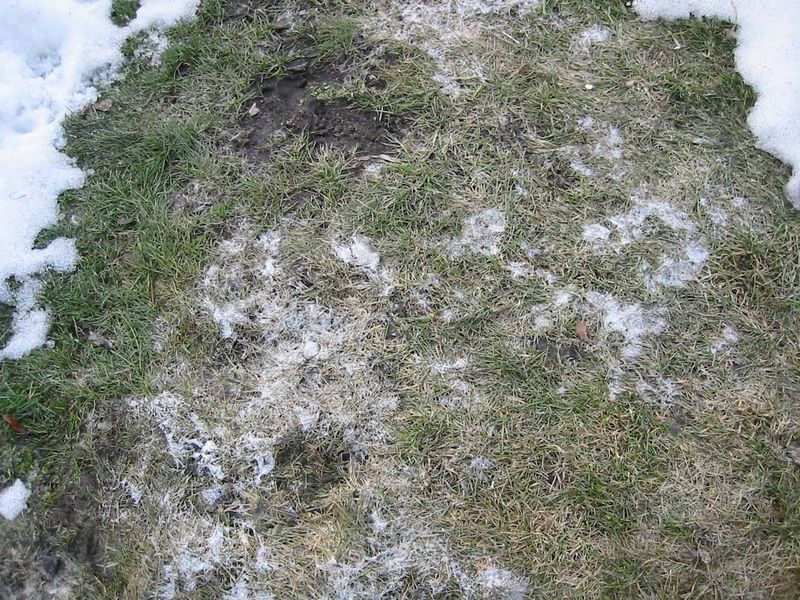
Snow mold is sneaky because it does its work in secret. The fungus grows under snow cover, and you usually spot it only when the snow melts in late winter or spring.
Two types are common in New York. Gray snow mold, also called Typhula blight, forms round, straw-colored or grayish patches that can look crusty and matted.
Sometimes a fuzzy, cobweb-like growth appears around the edges as the ground thaws.
Pink snow mold, or Microdochium patch, may show a pinkish or salmon tint at the edges, especially when wet. Unlike its gray cousin, it does not need snow.
It can show up during cool, rainy fall weather too.
Gray snow mold mostly affects leaf blades, so lawns often bounce back once things dry out. Pink snow mold can be tougher and may reach the crowns and roots.
That sometimes leaves thin spots that need reseeding.
Penn State and Cornell turf experts recommend a simple first step in spring. Lightly rake matted patches to fluff up the grass and help it dry.
Fungicides are rarely needed on home lawns. Patience, sunshine, and good fall habits usually do the trick far better than any spray.
Lush Fall Grass And Heavy Fertilizer Can Invite Snow Mold
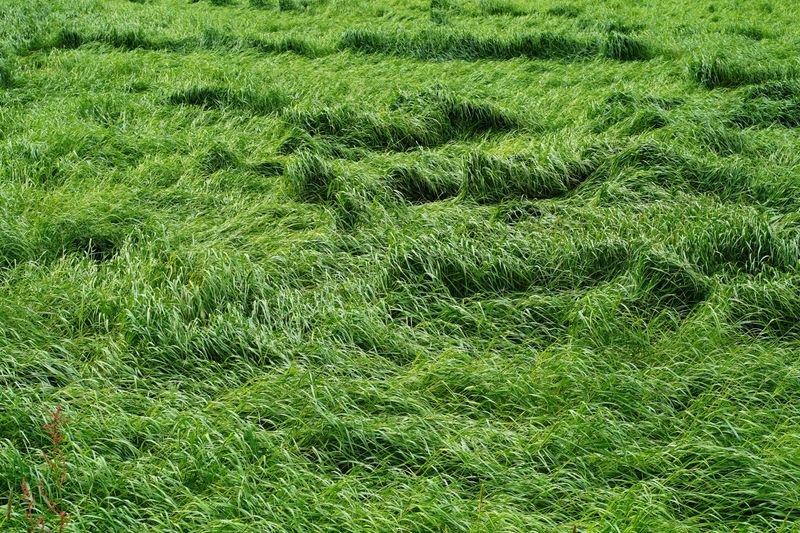
Funny enough, some of the kindest things we do for lawns can backfire in late fall. Long grass and a big dose of nitrogen can set the stage for snow mold over winter.
The fungus loves soft, tender growth that stays cool and damp. When tall blades flop over under snow, they create a moist, cozy shelter.
Too much late nitrogen pushes extra leafy growth right when grass should be slowing down.
You can lower the odds with a few easy habits. Keep mowing until the grass stops growing, usually around late October or November in much of the state.
A height near three inches keeps blades sturdy without flopping.
Go easy on fertilizer timing as well. Many extension guides favor a moderate feeding in early fall rather than a heavy dose right before freeze-up.
Slow-release products are gentler on both your lawn and nearby waterways.
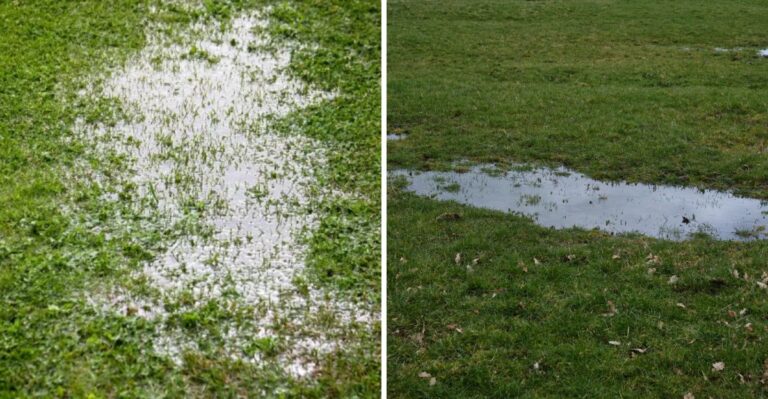
Thick thatch and poor drainage also hold moisture. If water puddles in a low spot every spring, that area is a prime target.
Gentle grading or core aeration can help water move along.
I find it oddly comforting that prevention here means doing a bit less, not more. Your lawn may thank you in April.
Skunk And Raccoon Digging Is A Big Grub Clue
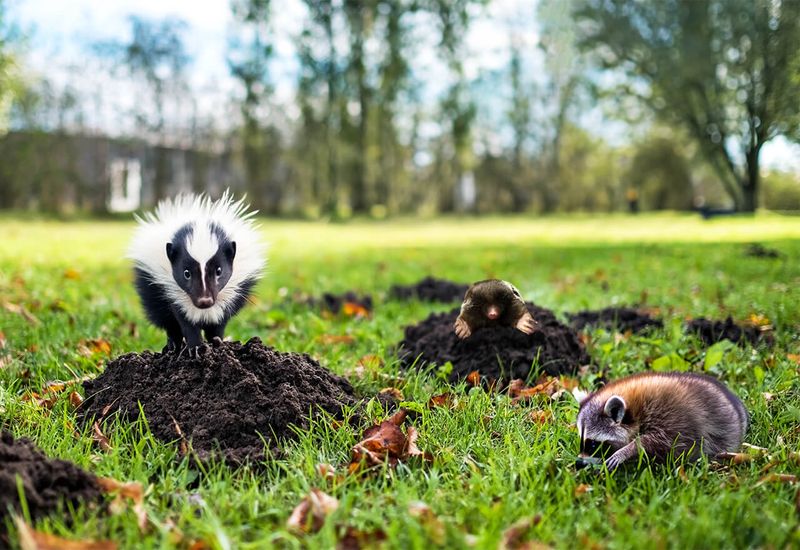
Waking up to a yard that looks rototilled is no fun. Yet those flipped clumps of sod are a useful message from local wildlife.
Skunks dig small, neat cone-shaped holes as they nose out grubs. Raccoons are rougher, rolling back whole strips of loose turf like they are opening a burrito.
Crows, starlings, and even wild turkeys will peck and scratch for the same snack.
Animals rarely bother lawns with few grubs, so heavy digging usually points to a real population below. Before reaching for any product, cut a few test squares to see how many larvae are actually there.
Here is a tip that surprises many homeowners. Grub-control products work best on young larvae, so timing matters a lot.
Preventive treatments are typically applied from late spring into midsummer, while curative products target active larvae in late summer or early fall. Treating in late October or November often wastes money because the larvae are heading deeper into the soil.
Meanwhile, gently press dug-up sod back into place and water it. Roots often reconnect if the soil stays moist.
Light fencing or motion-activated sprinklers can discourage nightly visitors while your lawn recovers. Always read and follow product labels if you do choose a treatment.
New York Fertilizer Rules Matter For Fall Lawn Care
Before you load up the spreader, take a peek at the calendar. New York has a law about lawn fertilizer, and it shapes how you care for grass this time of year.
Under the state Nutrient Runoff Law, you cannot apply lawn fertilizer between December 1 and April 1. That window protects lakes and streams when frozen or soggy ground lets nutrients wash away easily.
Some counties and towns add their own stricter rules, so check locally.
The law also limits phosphorus on lawns. Unless a soil test shows your grass needs it, or you are seeding a new lawn, you should use phosphorus-free fertilizer.
The middle number on the bag should read zero.
You also need to keep fertilizer off sidewalks and driveways and sweep up any stray granules. Applying it within 20 feet of water is restricted, with some exceptions for buffers or drop spreaders.
A soil test is a smart, low-cost first step. Your local Cornell Cooperative Extension office can point you toward testing options.
Personally, I like knowing exactly what my soil has instead of guessing. It keeps my lawn healthier, protects nearby water, and stops me from buying products I do not need.
A Raked, Aerated Lawn Heads Into Winter Ready For Spring
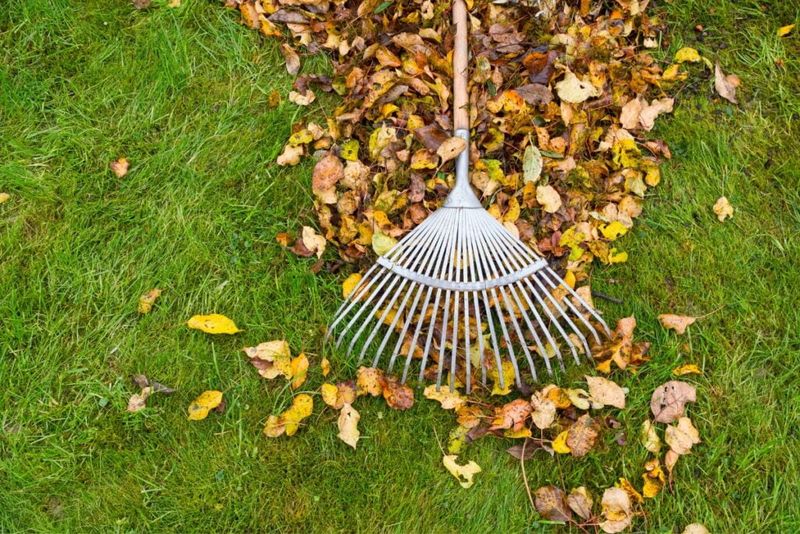
Picking up a rake in November feels like a small act of kindness for future you. A tidy lawn going into winter is far less likely to greet you with surprises in spring.
Start with leaves. Clear or mulch them regularly instead of waiting for one giant cleanup.
A final pass right before snow sticks is especially helpful against snow mold.
Aeration is another strong move, ideally in early fall while grass is still actively growing. Pulling small soil plugs lets air and water reach roots and helps break up thatch.
Overseeding thin areas right after aerating gives new grass a head start, as long as you finish by mid to late September in most of the state.
Keep mowing at about three inches until growth stops. Avoid piling shoveled snow on the same lawn spot all winter, since deep, lingering snow raises snow mold risk.
Finally, make a simple plan for spring. Check old patches after the melt and rake matted areas lightly.
Note any grub spots for summer monitoring. Reseed thin areas once soil warms.
Every lawn has a story, and a little attention now helps yours write a greener chapter next year.