How To Prune Desert Willow In Arizona In June For Better Summer Blooms
Some plants have a way of making gardeners second guess themselves. One season they are covered in flowers and look fantastic.
The next, they seem slower, less colorful, and nowhere near as impressive. That can be frustrating when you have been watering, maintaining, and doing everything you think the plant needs.
Desert willow is one of those trees that can leave people wondering what changed. It grows well in tough conditions and puts on a beautiful display when it is happy.
Even so, the way it is cared for during early summer can influence how much flowering you see later in the season. Small maintenance decisions made now may have a bigger impact than many gardeners realize.
In Arizona, June is an important time for giving desert willow a little attention before the hottest part of summer settles in.
A few careful cuts can encourage healthier growth and set the stage for a stronger bloom display in the weeks ahead.
1. Prune After The Main Spring Bloom Flush Ends
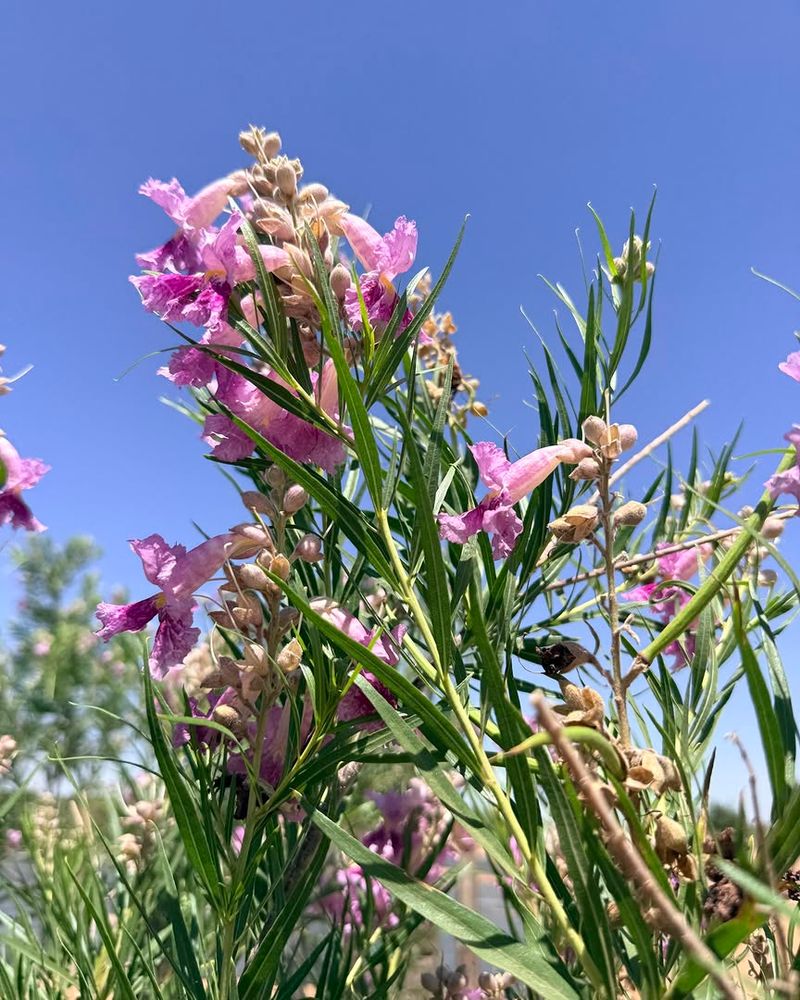
Timing your pruning wrong can cost you weeks of color. Desert willow blooms on new wood, so cutting at the right moment encourages a fresh wave of flowers instead of cutting them off.
Wait until you see most of the spring blooms fading and dropping. You want the tree to have mostly finished its first flush before you reach for your pruners.
In Arizona, that window typically lands in late May through early June.
Watch the branch tips closely. When the spent flowers outnumber the fresh ones, that is your signal to get started.
Pruning too early means you cut off blooms that were still coming.
Once the flush is clearly winding down, the tree shifts energy toward pushing new shoots. That is exactly when your cuts will trigger the strongest response.
New growth follows quickly in warm weather, and flower buds form on those fresh shoots within a few weeks.
Patient timing is what separates a tree covered in color from one that struggles to rebloom. Skip the urge to prune on a schedule.
Let the tree tell you when it is ready, and your summer bloom show will be noticeably better for it.
2. Start By Removing Damaged And Broken Branches
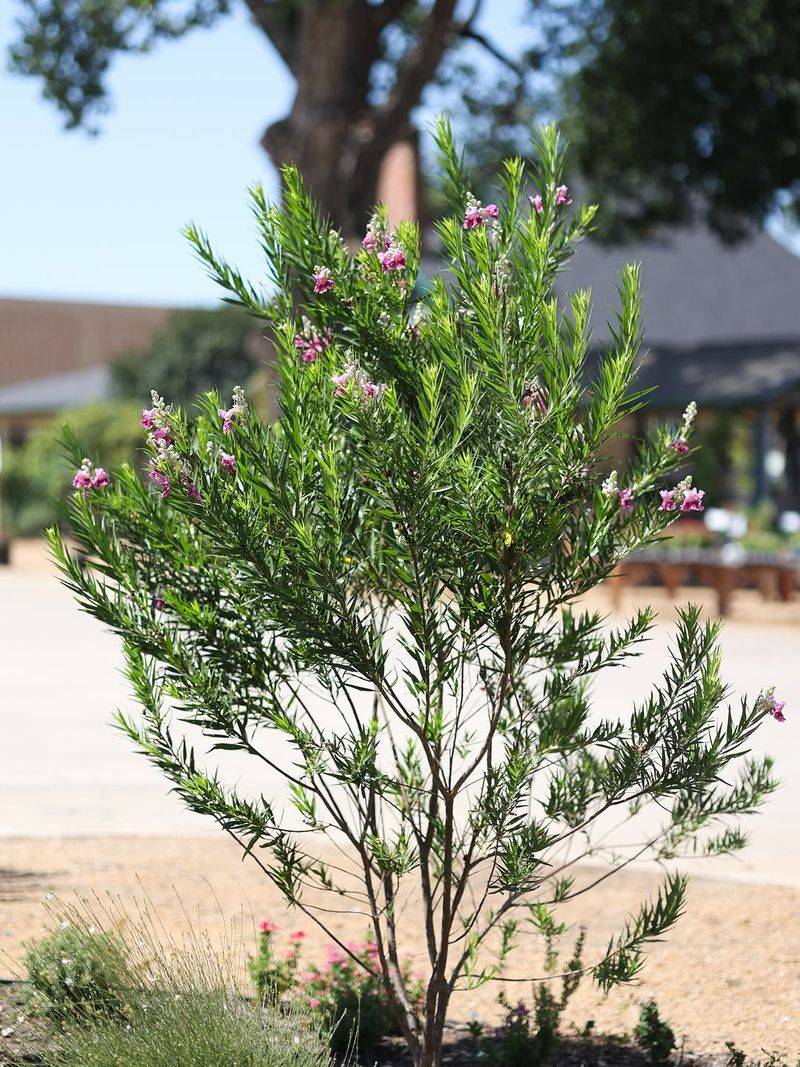
Broken branches are not just ugly. They create entry points for pests and slow the tree down when it should be pushing energy into new blooms.
Before you make any shaping cuts, do a full walk-around inspection. Look for branches that are cracked, split, or hanging at odd angles.
In Arizona summers, monsoon winds and intense heat can stress even healthy trees, so damage is more common than you might expect.
Check where branches connect to the main trunk or larger limbs. Weak attachment points often show cracking or loose bark.
Remove those first, cutting cleanly back to a healthy junction without leaving a stub.
Stubs rot and attract insects. A clean cut just outside the branch collar heals much faster and keeps the tree healthier through the summer heat.
Your Arizona Garden Changes Every Week. Your Plan Should Too.
Gardening in Arizona changes quickly throughout the season. Every Friday you’ll receive a simple weekly plan showing exactly what to plant, prune, fertilize, harvest, and protect so you never miss the right timing.
Removing damaged wood also gives you a clearer picture of the tree’s actual structure. Once the problem branches are gone, it becomes easier to see what needs shaping versus what is already growing well.
Starting with damage removal is a practical habit that makes every step after it more straightforward.
Work your way around the whole tree before moving on.
3. Cut Out Crowded Growth From The Center
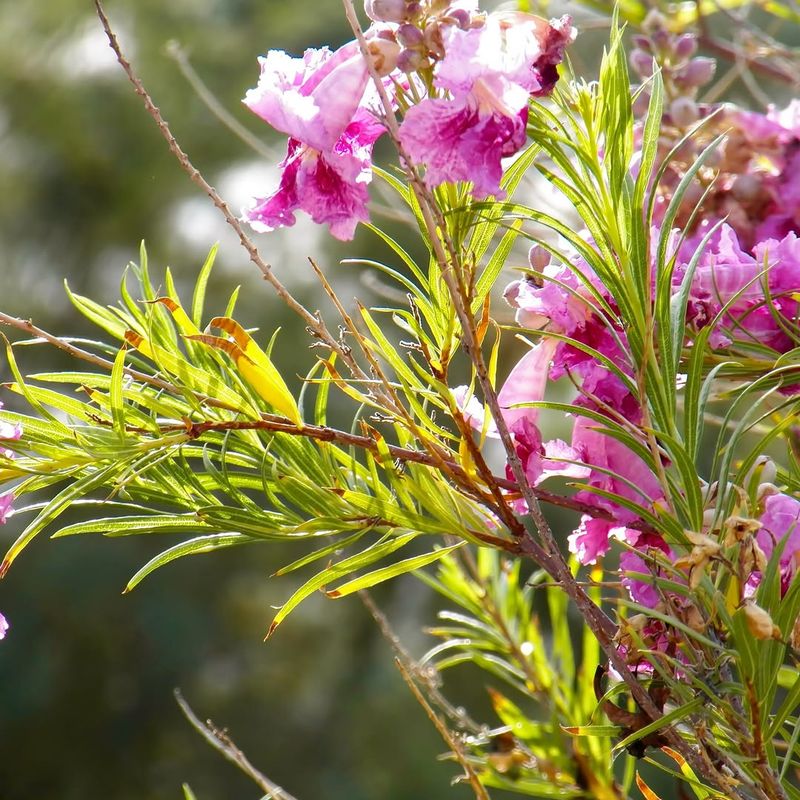
A crowded center is one of the most common problems with mature desert willows. When branches tangle and overlap in the middle of the canopy, airflow drops and light cannot reach the interior shoots.
Poor airflow invites fungal problems, especially during the humidity spikes that come with monsoon season. Thinning the center is one of the best things you can do before those storms arrive.
Look for branches crossing through the middle of the tree. Any branch growing inward toward the trunk rather than outward toward open space is a good candidate for removal.
You are not trying to strip the tree bare, just open it up enough that light and air move freely.
Remove one branch at a time and step back to assess before cutting again. It is easy to over-thin if you move too fast.
The goal is a canopy that looks airy and open, not sparse or unbalanced.
Interior shoots that receive better light after thinning will often produce flower buds much more reliably. Blooms tend to cluster near branch tips where sunlight hits most directly.
Opening the center sends light deeper into the canopy and encourages more blooming sites across the whole tree.
4. Shorten Long Shoots To Maintain Shape
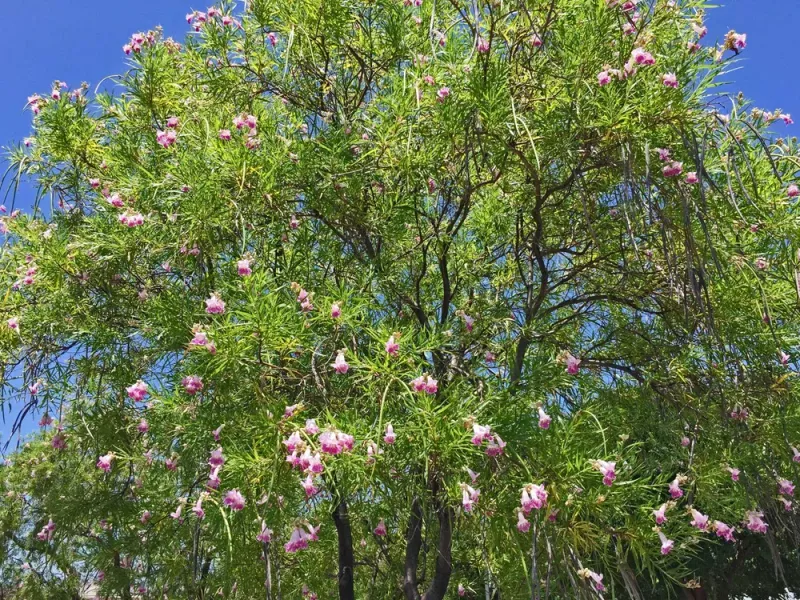
Long, whippy shoots can throw off the whole look of a desert willow fast. Left unchecked, they make the tree look scraggly and uneven, especially when you want a tidy shape in a front yard or patio area.
Shortening these shoots does more than improve appearance. It redirects the tree’s energy into side buds, which is exactly where new flower clusters will form.
Each cut creates two or three new growing points, multiplying your bloom potential.
Focus on shoots that have grown significantly longer than the surrounding canopy. Cut them back by about one-third to one-half, making your cut just above a healthy leaf node or bud.
Avoid cutting back to bare wood with no growth nearby, since those stubs rarely push new shoots reliably.
Work with the natural shape of the tree rather than forcing it into a rigid silhouette. Desert willow has a graceful, slightly arching form that looks best when pruning follows its natural lines.
In hot climates, long shoots can also suffer tip scorch during peak summer heat. Shortening them before temperatures climb reduces that risk and keeps the canopy looking fresh longer.
5. Remove Branches That Cross Or Rub Together
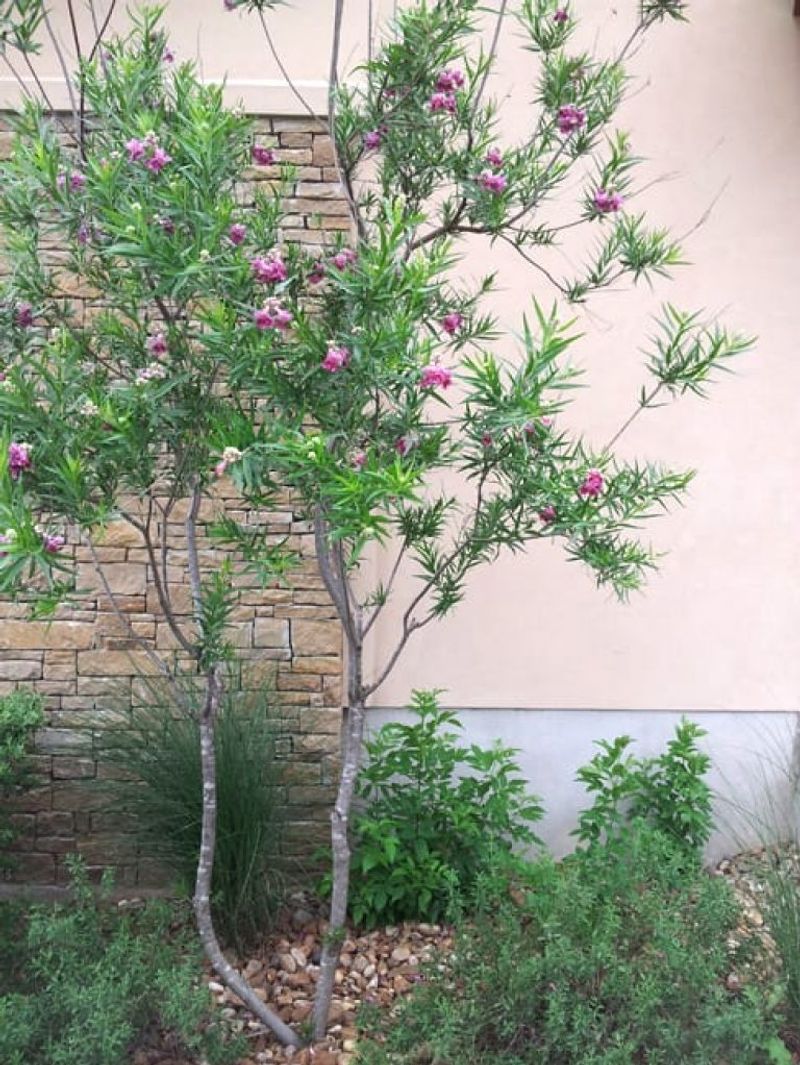
Rubbing branches are slow-moving trouble. Where two branches grind against each other, the bark wears away and creates an open wound that never fully heals.
Those raw spots become weak points where moisture collects and insects get a foothold. In a climate where summer heat is relentless, a tree with multiple wound sites has a harder time staying strong through the season.
Walk around the tree and trace branches from their tips back toward the trunk. Watch for spots where two branches make contact, especially where they press together under the weight of their own growth.
Those intersections are where rubbing damage starts.
When you find a crossing pair, decide which branch fits better in the overall shape of the tree. Keep the one that grows outward and upward in a natural direction.
Remove the one that crosses over or grows back toward the center.
Make your cut cleanly and at the right spot. Cutting just outside the branch collar without leaving a long stub gives the tree the best chance to seal the wound quickly.
A clean removal heals faster than a rough cut every time.
Eliminating rubbing branches now reduces the number of entry points available to bark beetles and borers.
6. Make Clean Cuts Just Above Healthy Nodes
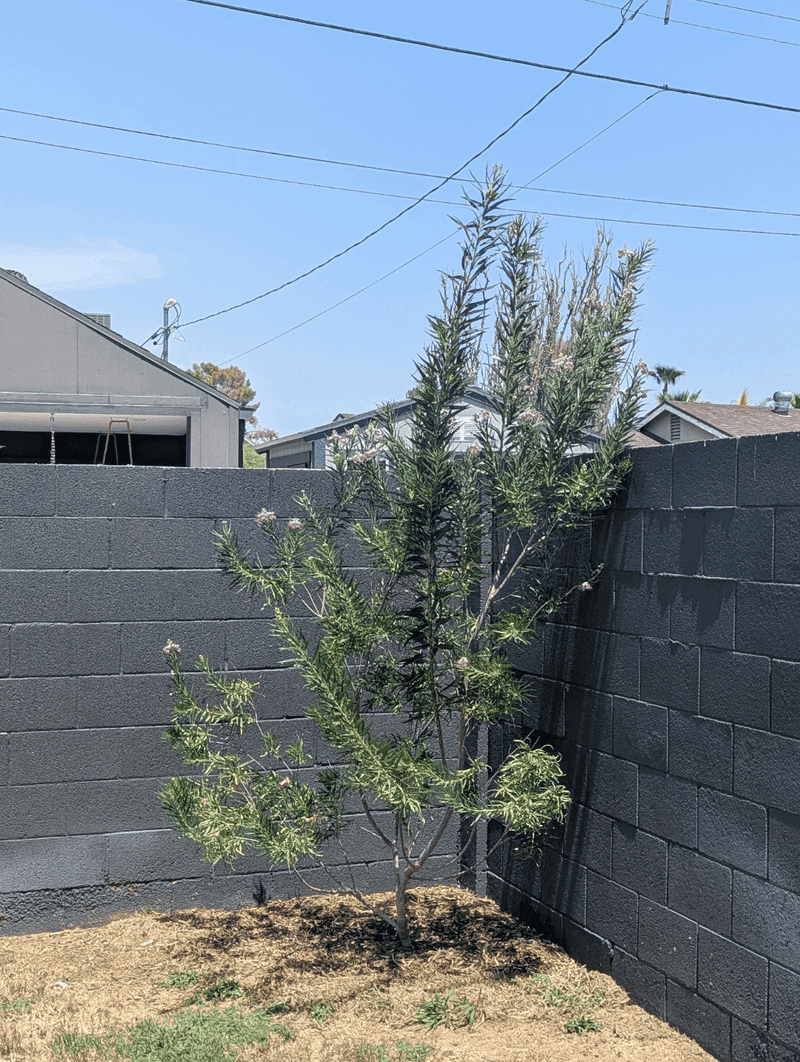
Where you cut matters just as much as what you cut. A sloppy cut in the wrong spot can set a branch back for weeks or create a stub that never pushes new growth.
Healthy nodes are the small bumps or leaf attachment points along a branch. New shoots emerge from these spots after pruning, so placing your cut just above one gives the tree a clear starting point for regrowth.
Aim for about a quarter inch above the node, angling the cut slightly so water runs off rather than pooling.
Sharp tools make a real difference here. Dull blades crush and tear tissue instead of cutting cleanly.
Crushed tissue heals slowly and is more vulnerable to fungal issues during humid monsoon weather. Sharpen your pruners before you start and clean them between cuts if you suspect any disease on the tree.
Avoid cutting too far above a node. Long stubs above nodes tend to dry out and decay back toward the bud, sometimes damaging it in the process.
Keep the gap short and the angle clean.
Flat cuts that face upward hold water and increase rot risk.
Angled cuts shed moisture naturally, which matters more in a monsoon climate than people often realize.
7. Avoid Heavy Pruning During Extreme Heat
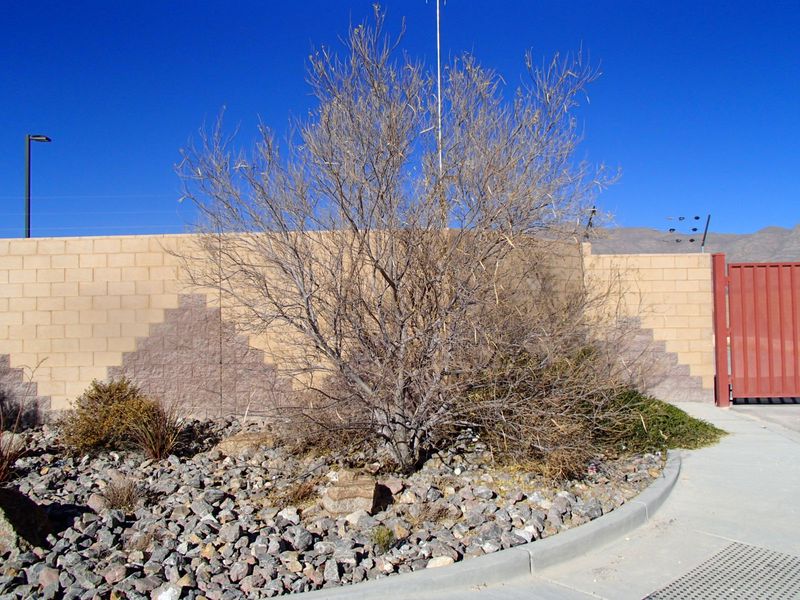
June in Arizona can go from manageable to brutal within a few weeks. Light pruning early in the month is very different from heavy cutting once temperatures push past 110 degrees.
Heavy pruning removes a large portion of the leaf canopy, which is the tree’s main tool for managing heat and moisture loss. Strip too much at once during a heat spike and the tree struggles to recover.
Stress shows up as scorched leaves, wilting new shoots, and a general slowdown in growth.
Stick to light corrective pruning once daytime highs are consistently extreme. Remove problem branches and tidy up edges, but hold off on major structural work until temperatures ease in fall.
That approach keeps the tree productive without pushing it past its limits.
Early morning is the best time to prune during warm months. Temperatures are lower, the tree is less stressed, and cut surfaces dry quickly before the heat of the day sets in.
Avoid pruning in the afternoon when heat stress on the tree is already at its peak.
Water the tree well the day before you plan to prune. A hydrated tree handles the minor stress of pruning much better than a dry one.
Good soil moisture also speeds up the healing response after cuts are made.