5 Easy Moves Now That Keep Arizona Backyard Birds Coming Back All Winter
A small quail can tumble into a deep five-gallon bucket and struggle to climb back out again. That tiny backyard hazard surprised me more than any scorpion I have found under a flowerpot.
Many Arizona yards fill with visiting sparrows, juncos, and hummingbirds once the cooler months finally settle in. Those winter guests stay where they find safe water, steady food, and a quick place to hide.
I love how a few small October chores can turn an ordinary yard into a busy winter hangout. Personally, I think the best bird habitat looks a little relaxed and lived-in rather than perfectly tidy.
You might notice your feathered visitors also snack on beetles, spiders, and other pests you would rather skip. That bonus pest patrol makes every Arizona bird-friendly change feel twice as worthwhile to me, honestly.
So which simple moves actually matter before the first chilly morning arrives in your backyard?
1. Shallow Birdbaths With Rocks For Thirsty Winter Birds
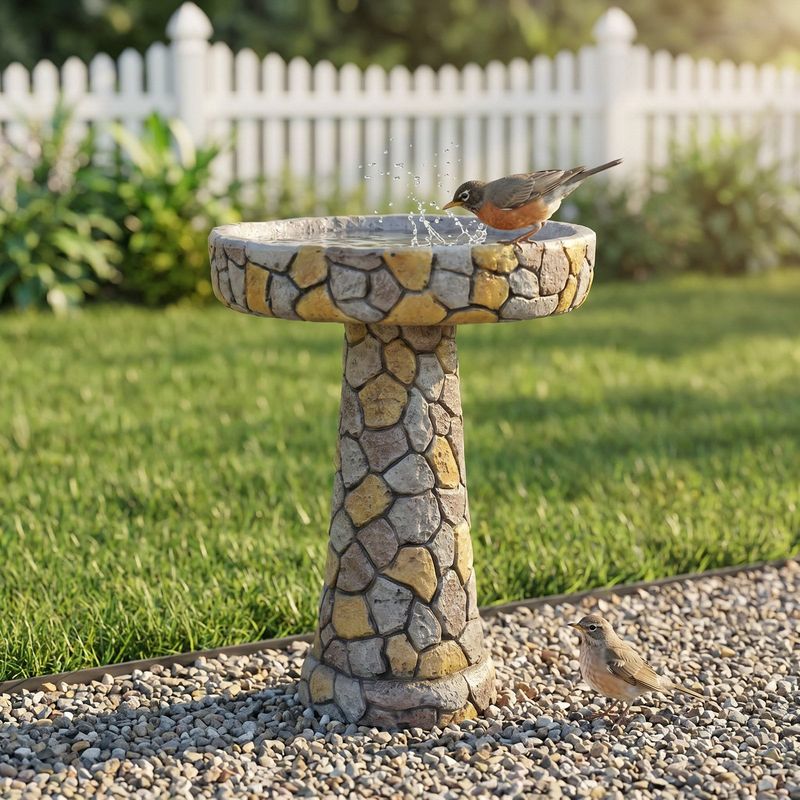
Thirsty birds often pick a yard for its water before they ever notice the feeders hanging nearby. Desert air stays dry through winter, so a clean birdbath can pull in surprising numbers of visitors.
Aim for water about one to three inches deep, with roughly two inches at the center. Drop a few clean flat rocks inside so small birds can perch without wading too deep.
I like setting the basin near a shrub, because birds feel safer with a quick escape route close by. Skip deep containers like buckets, since quail and other small birds can struggle to climb out safely.
Scrub the basin every two or three days to reduce disease and stop mosquitoes from laying eggs there. A small bubbler or dripper adds sound and movement, which birds love and mosquitoes tend to avoid.
Higher elevation yards around Flagstaff can freeze overnight, so a heated birdbath or de-icer keeps water open. Thermostat models switch on only near freezing, which saves power while keeping your winter regulars happy.
2. Desert Hackberry And Jojoba Shrubs Packed With Bird Food
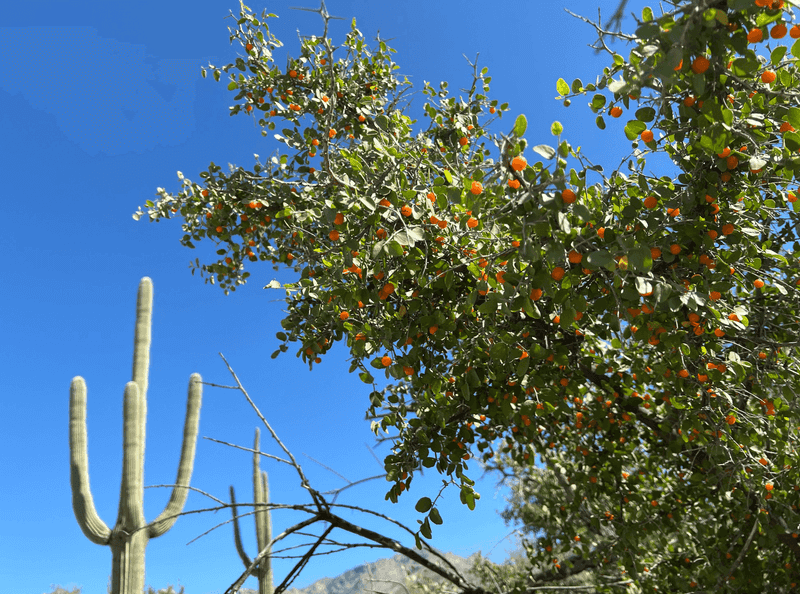
Orange berries on a thorny desert hackberry look like tiny lanterns, and migrating birds treat them like snacks. Celtis pallida ripens fruit in summer and fall, then shelters birds inside its tangled branches.
Jojoba deserves a spot nearby, because white-winged doves, quail, and sparrows seek out its nutritious nuts. Both shrubs handle heat and drought well once established, which keeps your water bill pleasantly modest.
October is a smart time to plant these natives, since cooler soil helps roots settle before spring. Water deeply but less often, then let the soil surface dry between sessions for healthier, tougher plants.
I have to admit that native shrubs feel smarter to me than feeders alone during lean months. Still, black oil sunflower seed or a suet cake can supplement natural food when cold snaps arrive.
Clean every feeder regularly, because crowded perches can spread illness quickly among visiting birds through the season. Keep hummingbird feeders fresh too, since migrating hummers may still pass through well into late fall.
3. Chuparosa Blooms That Feed Hummingbirds Through Cold Months
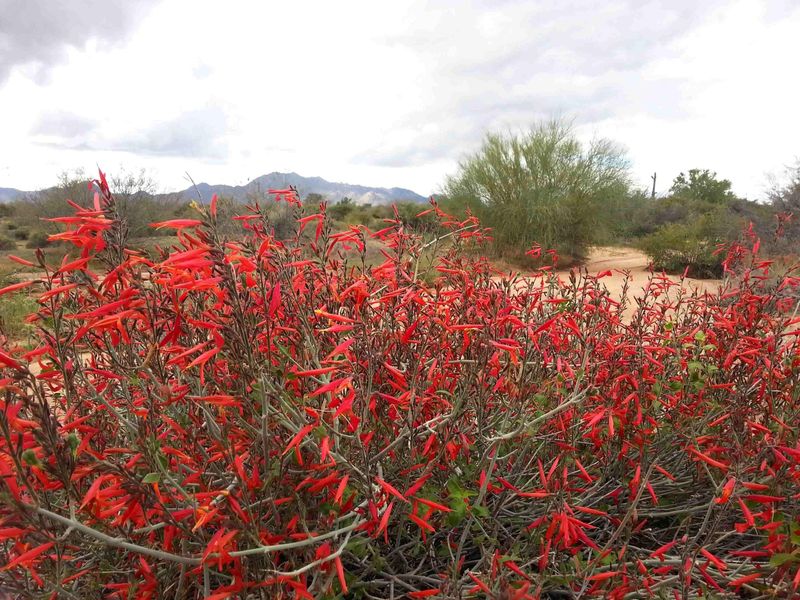
Red tubular flowers on chuparosa light up just when many gardens look tired and faded after summer. Hummingbirds zip straight to Justicia californica, because its nectar arrives through fall and into winter.
Anna’s hummingbirds often stay through the cooler months, so these blooms make your yard a dependable stop. I love watching them hover at each flower, then perch nearby to guard their favorite patch.
Chuparosa tolerates poor soil and grows happily in partial to full sun with modest water once established. Light frost can nip the tips in colder spots, but plants usually push new growth when temperatures warm.
Black dalea makes a lovely partner, opening purple blue flowers in fall and winter for hummingbirds and butterflies. Its dense foliage gives small birds extra cover, which matters during chilly mornings and windy afternoons.
Plant both now so roots establish during mild weather before warmer months return later in the year. You might notice verdins investigating the flowers too, since these tiny desert birds also enjoy a little nectar.
4. Brush Piles And Seed Heads Left Standing For Shelter
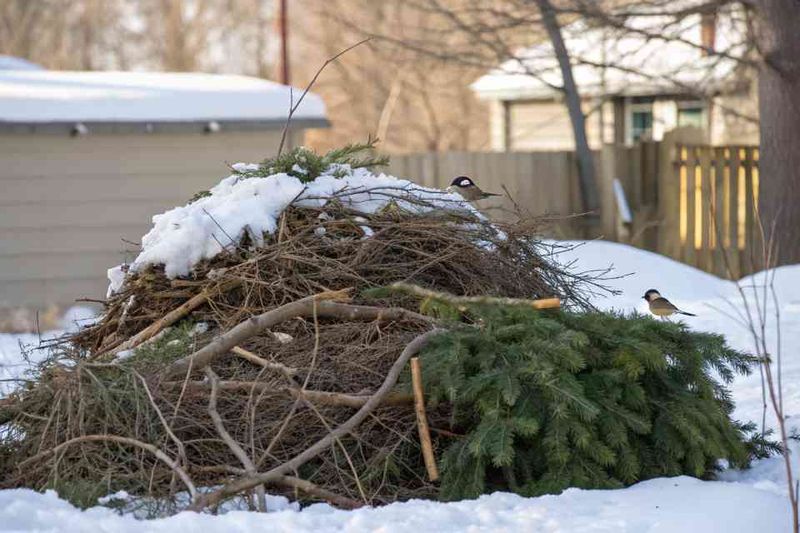
Messy corners can become the most popular real estate in a winter bird yard, and I find that delightful. Sparrows and juncos dart into brush piles when hawks pass overhead or cold wind sweeps across the ground.
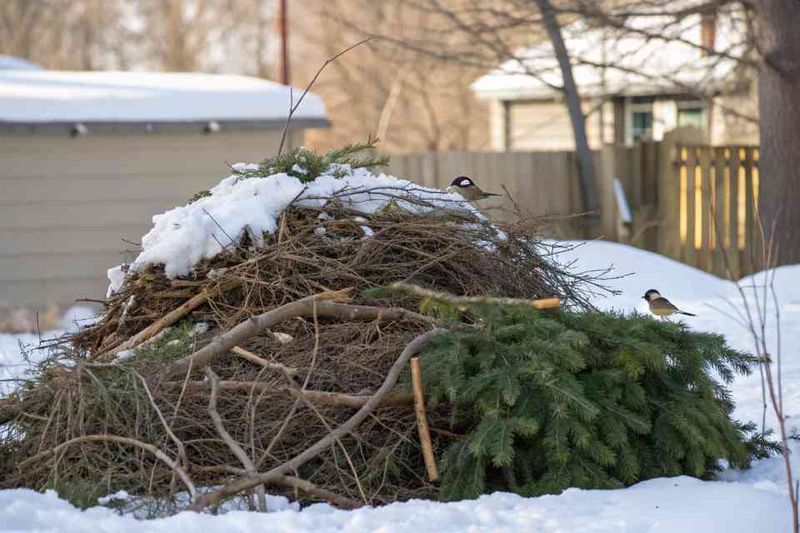
Stack fallen branches and garden cuttings in a loose crosshatch pattern, leaving gaps where small birds can slip inside. Place the pile away from your house walls, since tight dark spaces near foundations can attract scorpions.
Resist cutting back flattop buckwheat right away, because its dried flower heads hold seeds through fall and winter. Native sparrows and finches forage on those heads, so a little patience rewards you with steady visitors.
Leave dormant native grasses like little bluestem standing too, since doves, juncos, and sparrows feed on their seeds. Desert marigold seed heads also attract finches and doves, which makes deadheading less necessary for bird lovers.
Keep lower branches on evergreen shrubs untrimmed, because that low cover blocks wind and hides birds from predators. I believe a slightly wild yard often looks livelier than a perfectly clipped one during the cooler season.
5. Insect Hunting Birds That Patrol For Backyard Pests
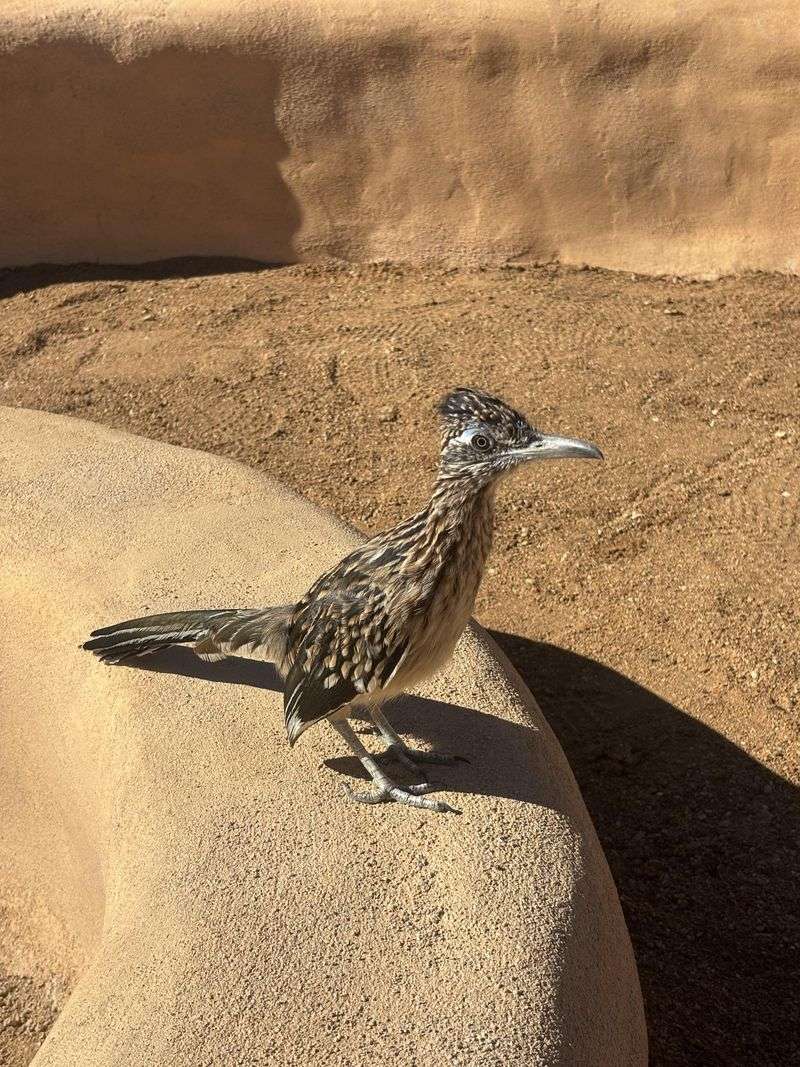
A roadrunner sprinting across your gravel with a lizard or large insect in its beak feels like free pest control. Greater roadrunners eat insects, spiders, small lizards, and sometimes scorpions, so they earn a welcome in desert yards.
Skipping chemical pesticides helps these hunters, because sprays can harm birds and shrink the insect food they need. Native plants support a natural balance, feeding birds while keeping insect numbers from climbing out of control.
Bark scorpions hide in tight dark spaces, so clear stacked bricks, loose bark, and fallen palm fronds near walls. Keep firewood on a rack at least eighteen inches high and well away from your foundation.
Maintain a dry strip of bare soil or decomposed granite about twelve to eighteen inches beside your house. Water gardens in the morning, then let the surface dry, since damp ground draws insects that scorpions hunt.
Open, airy plants like agave, desert spoon, and brittlebush offer fewer hiding spots than dense groundcovers do. You get a yard that birds patrol happily while scorpions find fewer cozy places to settle near your doors.