The Best Method For Stopping Weeds In Arizona Without Any Chemicals
Weeds have become such a normal part of yard work that many people assume there is no way around them.
They appear after rain, push through cracks, show up beside desirable plants, and seem determined to return no matter how much effort goes into removing them.
That expectation creates a lot of frustration because the job never seems completely finished. One round of weeding leads to another, and the same areas often need attention again before long.
For many gardeners, the process becomes an endless cycle that takes time away from the landscape they are trying to enjoy.
Arizona gardeners know this problem especially well. Even carefully maintained yards can end up dealing with unwanted growth throughout the year.
The interesting part is that some of the most successful weed control strategies do not rely on chemical treatments at all. Instead, they focus on making it much harder for weeds to gain an advantage in the first place.
1. Mulch Is The Foundation Of Long-Term Weed Control
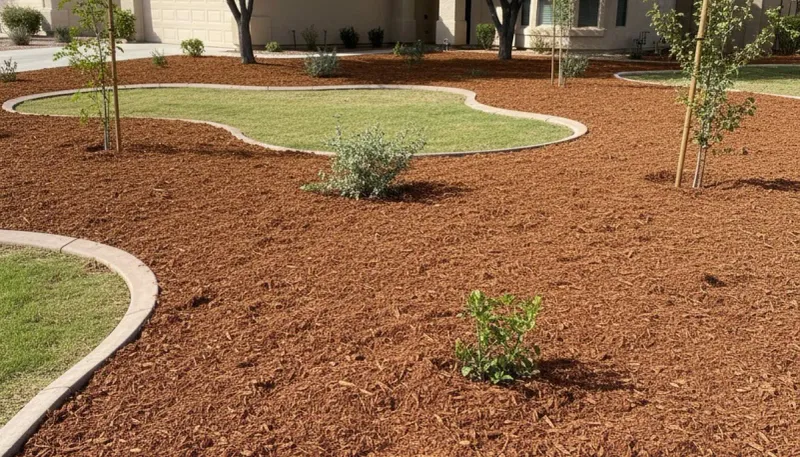
Mulch does the heavy lifting in any weed-free yard. A solid layer of organic material blocks sunlight from reaching the soil surface, and without light, most weed seeds simply cannot sprout.
It is one of the most reliable and low-effort strategies available to home gardeners in dry, sunny climates.
Wood chips work especially well in desert landscapes. They break down slowly in the heat, which means you are not replacing them every few weeks.
Bark mulch, straw, and shredded leaves also perform well depending on what you have access to locally.
Beyond blocking weeds, mulch holds moisture in the soil. That is a big deal during summer when evaporation happens fast.
Roots stay cooler and plants need less frequent watering, which saves both time and money.
Spread mulch across every open patch of ground in your yard. Bare soil is an open invitation for weeds to settle in.
Covering it removes that opportunity entirely.
Organic mulch also improves soil quality as it slowly breaks down. Earthworms and beneficial microbes move in, loosening the soil and adding nutrients naturally.
Over time, your garden beds become healthier and more productive with very little extra effort on your part.
2. Cover Bare Soil Before Weeds Move In
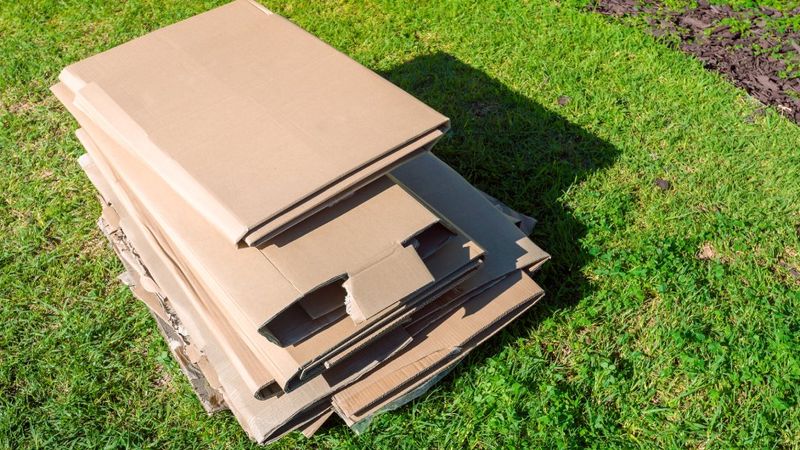
Bare soil is a weed magnet. Seeds blow in on the wind, drop from birds, or sit dormant in the ground waiting for the right conditions.
Once soil is exposed and gets a bit of moisture, germination can happen fast.
Landscape fabric is a popular option for covering large open areas. It lets water and air pass through while blocking light.
Pinned down tightly with fabric staples, it can hold up for several seasons before needing replacement.
Cardboard is a cheaper and surprisingly effective alternative. Wet it down, lay it flat over bare soil, and cover it with mulch on top.
It smothers existing weeds and breaks down naturally over several months, adding organic matter back to the soil.
Newspaper works the same way as cardboard. Use several layers, overlap the edges generously, and wet it thoroughly before adding your top layer of mulch.
Your Arizona Garden Changes Every Week. Your Plan Should Too.
Gardening in Arizona changes quickly throughout the season. Every Friday you’ll receive a simple weekly plan showing exactly what to plant, prune, fertilize, harvest, and protect so you never miss the right timing.
Avoid glossy or colored print sections, as those break down more slowly.
Ground covers are another strong option for bare areas in garden beds. Low-growing plants like creeping thyme or native groundcovers spread out and fill space fast.
Once established, they leave little room for weeds to move in.
3. Apply A Layer Thick Enough To Block Light
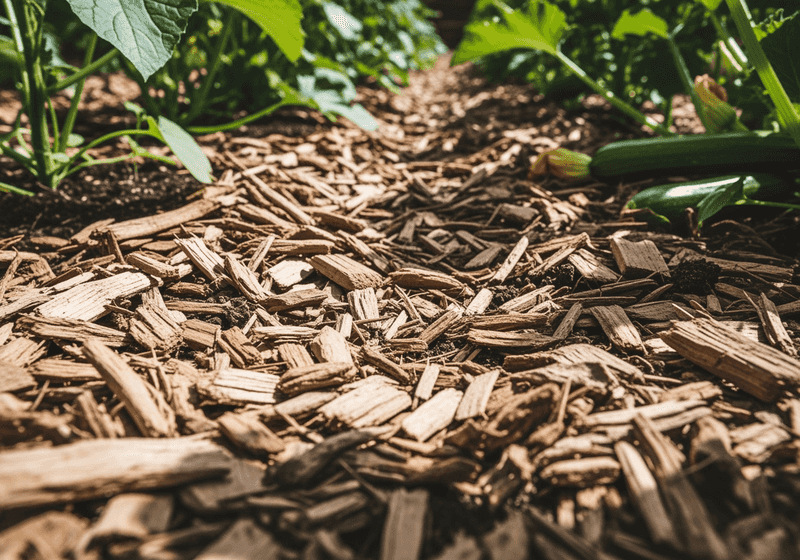
Thin mulch does not work. A single inch of wood chips barely slows weeds down, especially aggressive desert varieties that push through minimal coverage with ease.
Depth is what makes the difference between a weed-free bed and one that needs constant attention.
Aim for three to four inches of mulch across all garden beds. At that depth, light cannot reach the soil surface effectively.
Most annual weed seeds need light to trigger germination, so blocking it consistently is one of the simplest and most reliable prevention strategies available.
Perennial weeds with deep roots are tougher to stop with mulch alone. Combine a thick mulch layer with cardboard or landscape fabric underneath for those problem areas.
The double barrier significantly reduces regrowth from established root systems.
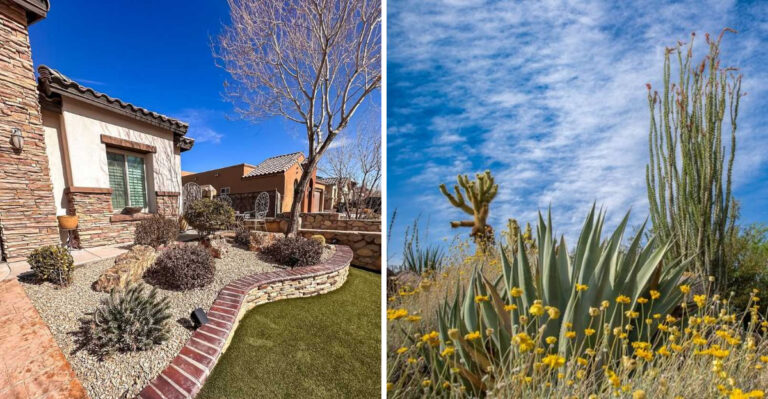
Gravel and rock mulch are common in desert landscaping. A thick layer of decomposed granite or river rock blocks light and resists blowing away in wind.
Just know that organic weeds can still root into fine gravel over time, so a fabric barrier underneath helps extend effectiveness.
Check mulch depth at least once a season. Organic mulch compresses and breaks down, thinning out without you noticing.
Running a quick check in early spring and again before monsoon season keeps coverage where it needs to be.
4. Keep Mulch Away From Plant Stems
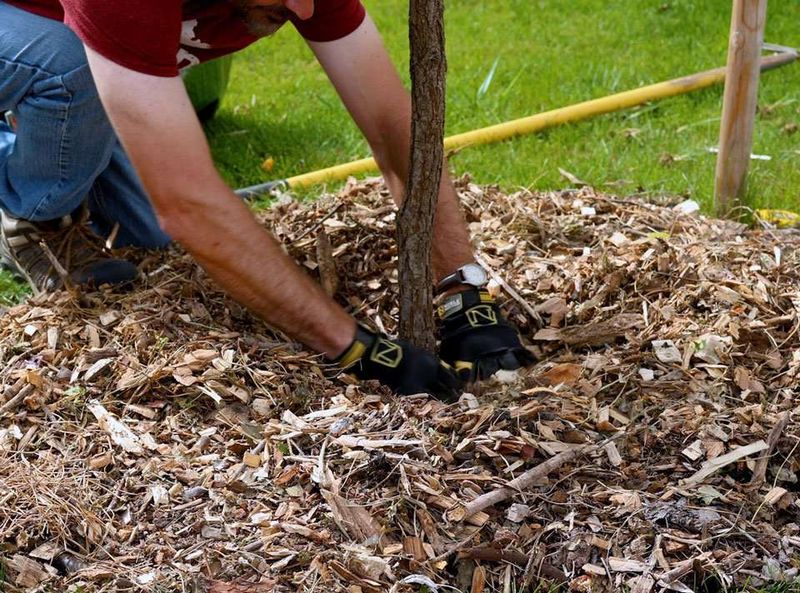
Piling mulch directly against plant stems is one of the most common mistakes in home gardening. It traps moisture against the bark, which creates conditions for rot, fungal problems, and pest damage.
Even in dry climates, this issue shows up regularly and weakens otherwise healthy plants.
Pull mulch back two to three inches from the base of every shrub, tree, and perennial in your yard. That small gap allows the stem to breathe and dry out naturally between waterings.
It also reduces hiding spots for insects that feed on bark and roots.
Volcano mulching, where mulch is piled up in a mound around a trunk, looks tidy but causes real harm over time. Roots may start growing upward into the mulch layer instead of downward into soil.
That weakens the plant and makes it less stable during strong winds.
Flat, even mulch spread across the bed is always better than mounded piles. Rake it smooth and keep the edges consistent.
A clean, flat surface also makes it easier to spot new weed growth early before it gets out of hand.
When refreshing mulch in established beds, clear away the old layer first. Check for any weed roots hiding underneath and remove them before adding fresh material on top.
5. Refresh Thin Areas Before Summer Heat
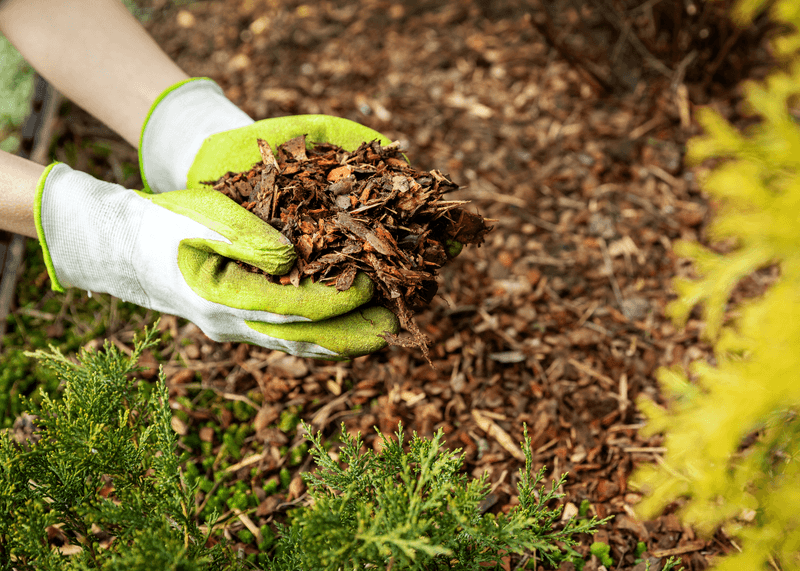
Spring is the best window to refresh your mulch before temperatures climb. Once the desert heat sets in, soil dries out fast and any thin spots in your mulch layer become open ground where weeds rush in.
Staying ahead of that window makes a noticeable difference.
Walk your yard in late winter or early spring and look for areas where mulch has thinned out or shifted. Wind, foot traffic, and natural decomposition all reduce coverage over time.
Mark thin spots and plan to top them off before the first wave of warm weather arrives.
Adding fresh mulch in spring also locks in soil moisture heading into the dry season. Roots get insulated from the extreme surface temperatures that build up under direct sun exposure.
Plants stress less and need less water during the hottest months of the year.
Do not wait until weeds are already sprouting to act. By the time you see green growth pushing through, seeds have already been in the ground for days or weeks.
Refreshing mulch before that happens is always easier than pulling weeds after the fact.
A two-inch topdress of fresh organic mulch over an existing layer is usually enough to restore proper depth.
6. Pull New Weeds Before They Go To Seed
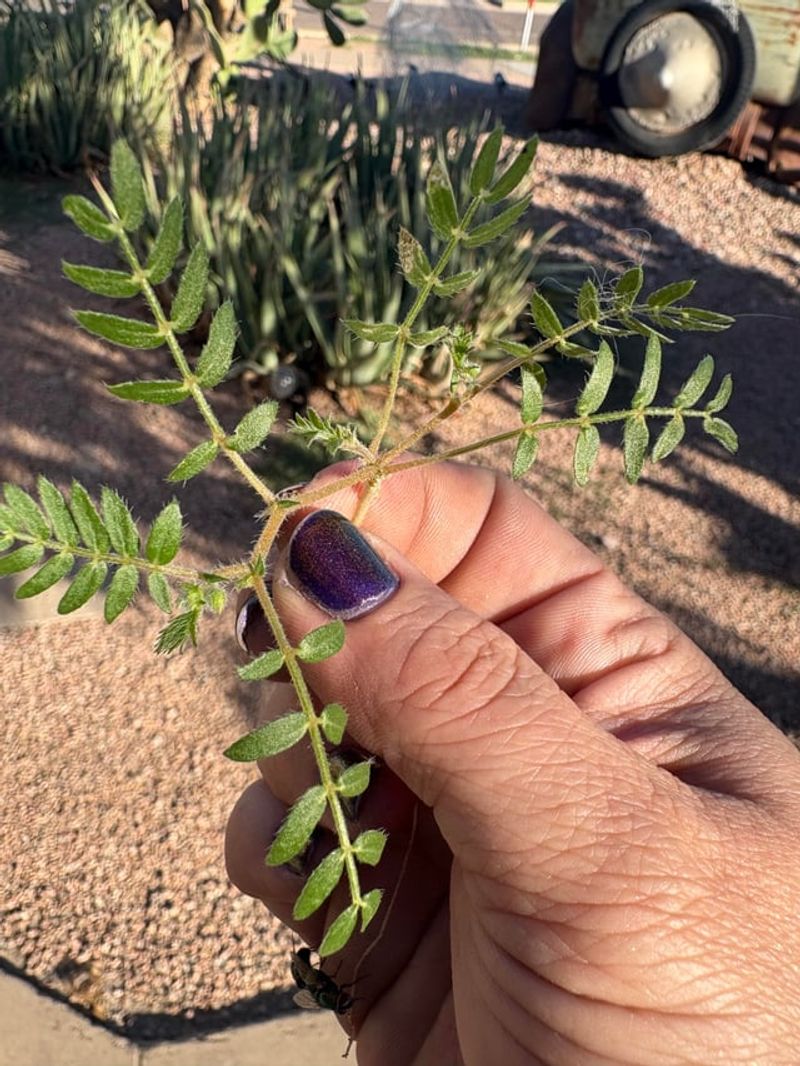
Catch weeds young and the job stays manageable. A small weed with shallow roots pulls out in seconds.
That same weed left for another two weeks develops a deeper root system and potentially drops hundreds of seeds into the surrounding soil before you ever get to it.
Seeding is the main way weeds spread and multiply so aggressively. One mature plant can release thousands of seeds in a single season.
Removing weeds before they flower and set seed breaks that cycle completely and reduces future weed pressure year after year.
Early morning is the best time to pull weeds. Soil holds a bit more moisture then, especially after irrigation, which makes roots release more cleanly.
Pulling a weed cleanly from the root prevents regrowth far better than snapping it off at soil level.
Keep a small hand tool nearby in the garden for quick removal sessions. A hori-hori knife or narrow weeding fork lets you get under tap-rooted weeds without disturbing surrounding soil much.
Less soil disturbance means fewer dormant seeds get flipped to the surface where they can sprout.
Spot-check beds once a week during the growing season. A ten-minute walk-through catches most new growth before it becomes a bigger problem.
7. Fill Open Spaces With Desirable Plants
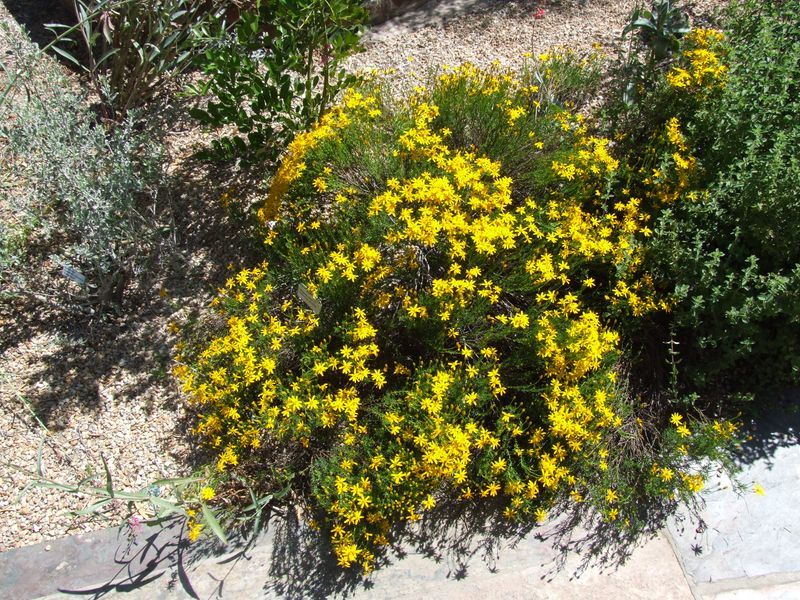
Weeds fill empty space. That is essentially their entire strategy.
Where soil is bare and resources are available, opportunistic plants move in fast. The most effective long-term defense is to simply give weeds nowhere to establish themselves.
Dense planting with desirable species crowds out weed growth naturally. Native plants adapted to dry conditions spread efficiently without much extra care.
Once established, their canopy and root systems compete directly with weed seedlings for light, water, and nutrients.
Low-growing ground covers work particularly well between taller plants. Spreading varieties like desert marigold, blackfoot daisy, or verbena fill horizontal space quickly.
They create a living mulch layer that shades the soil and suppresses germination throughout the growing season.
Ornamental grasses are another strong choice for filling gaps in desert-style landscapes. Their root systems are dense and their foliage spreads wide.
Established clumps leave very little open ground for weeds to access, especially in sunny, exposed areas.
Plan new plantings with spacing that allows for mature spread. Planting too far apart leaves open soil for years while plants slowly grow in.
Slightly closer spacing speeds up canopy closure and reduces the window where weeds can take advantage of gaps.