5 Things Virginia Homeowners Should Do If A Coyote Shows Up In Their Yard (And 3 They Shouldn’t)
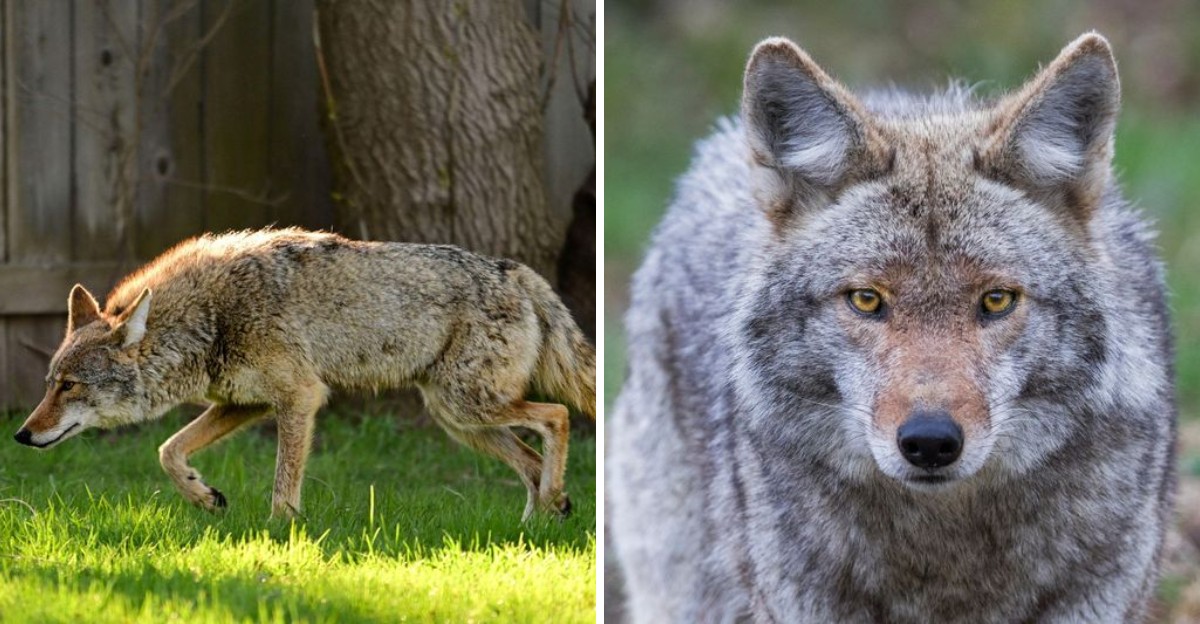
That’s not the neighbor’s dog. Too skinny, too sneaky, and way too comfortable strolling past your tomato cages like it’s on a morning walk.
Congratulations, you’ve just met one of Virginia’s newer locals.
Coyotes now live in every county in the state, which means a backyard visit isn’t as wild as it sounds. They pop up near cornfields, cul-de-sacs, and pretty much anywhere a free snack might be hiding. (Yes, they’ve noticed your trash cans.)
The good news is you don’t need a wildlife degree to handle the situation. A few quick moves can send that furry trespasser on its way, while a couple of classic mistakes can turn a passing visitor into a regular.
So set down the coffee, keep the dog inside, and let’s sort this out.
1. Make Some Noise And Look Big In Your Yard
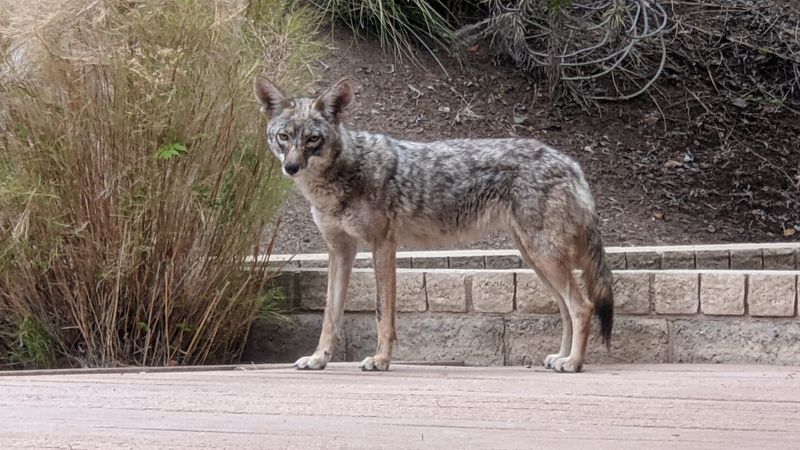
Wildlife experts have a funny name for it: hazing. All it means is giving a coyote a rude wake-up call so it learns your yard is not a friendly hangout.
Stand tall, wave your arms over your head, and shout in a loud, firm voice. Clapping, banging a pot with a spoon, or shaking a can of coins works well too.
The goal is to look bigger and bolder than the coyote expects.
Keep at it until the animal leaves the area, not just until it pauses. The Virginia Department of Wildlife Resources notes that a coyote that has not been hazed before may not run off right away, so persistence matters.
Many wildlife officials say consistent hazing is one of the best tools homeowners have.
A garden hose can help as well. A quick spray of water sends a clear message without causing harm.
Some families keep a small air horn by the back door for exactly these moments.
Here is a neat fact. Coyotes are smart learners, and according to DWR, the more often a coyote is hazed, the more likely it is to change its behavior.
When the whole neighborhood hazes them, they often shift their travel routes away from homes.
One important exception: skip hazing if pups are nearby or the coyote looks sick or injured. In those situations, the animal may act defensively or unpredictably, so keep your distance and head inside instead.
Stay a safe distance away while you haze. You want to scare the animal off, not chase it into a corner.
Give it a clear path to escape, and it will usually take that path quickly.
2. Bring Pets And Kids Inside Your Home Right Away
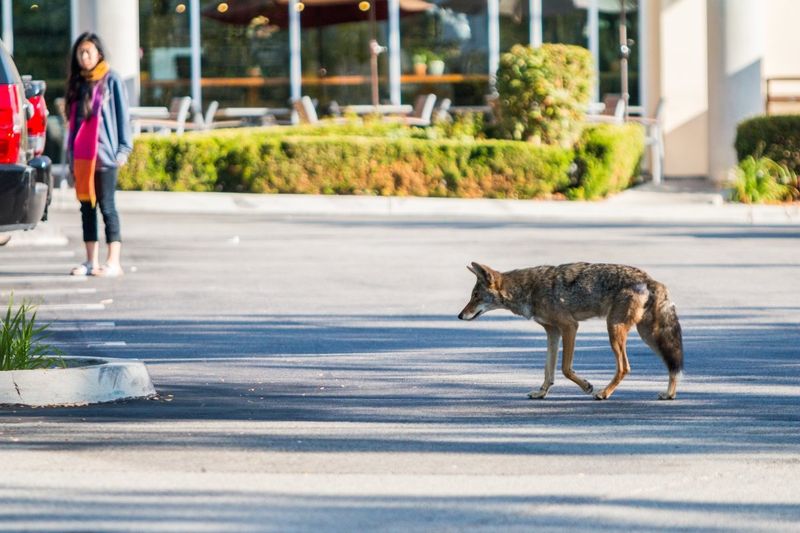
Small dogs and outdoor cats are the family members coyotes notice first. To a hungry coyote, a ten-pound pup can look a lot like a rabbit.
As soon as you spot one, call your pets indoors and keep them there for a while. Little ones playing outside should come in too, even though attacks on people in Virginia are very rare.
Being careful costs you nothing.
Your Virginia Garden Changes Every Week. Your Plan Should Too.
Gardening in Virginia changes quickly throughout the season. Every Friday you’ll receive a simple weekly plan showing exactly what to plant, prune, fertilize, harvest, and protect so you never miss the right timing.
Once everyone is safe, think about your daily routine. Coyotes are mostly active at night, and dawn and dusk are prime times too, which happens to be when many folks let the dog out.
In suburbs, they are also commonly spotted during the day.
Try going out with your pet on a short leash during those hours.
Larger dogs are not off the hook either. DWR says coyotes may view bigger dogs as a threat, particularly from January to June during mating and pup season.
Cats are a special worry. Many veterinarians suggest keeping cats indoors full time, especially in areas where coyotes have been seen.
Indoor cats tend to live longer, healthier lives anyway.
For dog owners, a fenced yard helps, but it is not a magic shield. Coyotes can jump fences around six feet tall and dig under shorter ones.
Staying nearby while your dog is outside is the safest plan.
Teaching kids what to do also matters. Show them how to stand tall, yell, and walk back slowly toward the house.
Practicing it like a fire drill makes it feel normal instead of scary.
3. Clear Out Food Sources Around Your Property
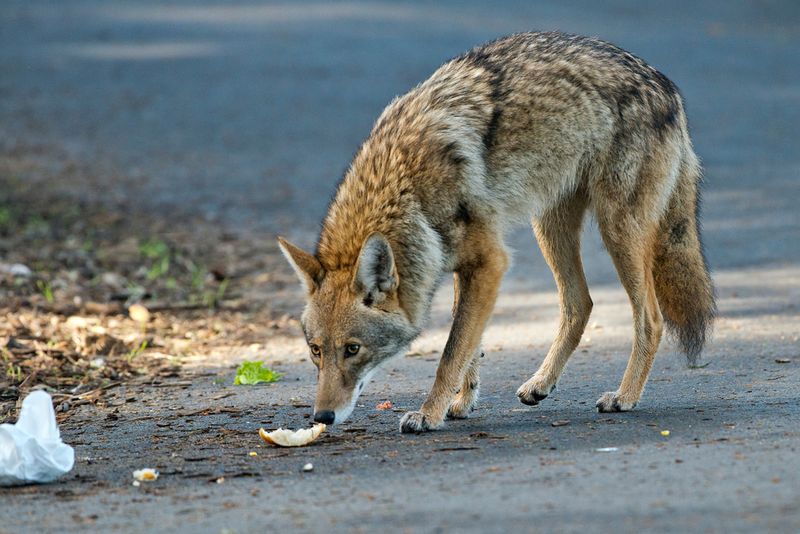
Coyotes are basically the ultimate snack hunters. If your yard serves a free buffet, they will keep showing up for seconds.
Start with your trash cans. Use sturdy bins with tight or locking lids, and try to put them out the morning of pickup instead of the night before.
Rinsing out smelly containers helps cut down on tempting odors.
Pet food is another big draw. Bowls left on the porch overnight can attract coyotes, raccoons, and foxes all at once.
Feed pets indoors, or bring the bowls in as soon as mealtime ends.
Bird feeders may surprise you. Seeds that spill on the ground pull in squirrels and mice, and those critters pull in coyotes.
Using a tray under the feeder or cleaning up spilled seed every few days can make a real difference.
Gardens and fruit trees count too. Virginia homeowners with apple, pear, or persimmon trees should pick up fallen fruit often.
Coyotes happily munch on ripe fruit, especially in late summer and fall.
Compost piles need attention as well. Skip meat, bones, and dairy in your compost, and use a closed bin when you can.
A tidy yard sends a simple message: nothing tasty here, so move along.
4. Seal Up Hiding Spots On Your Land
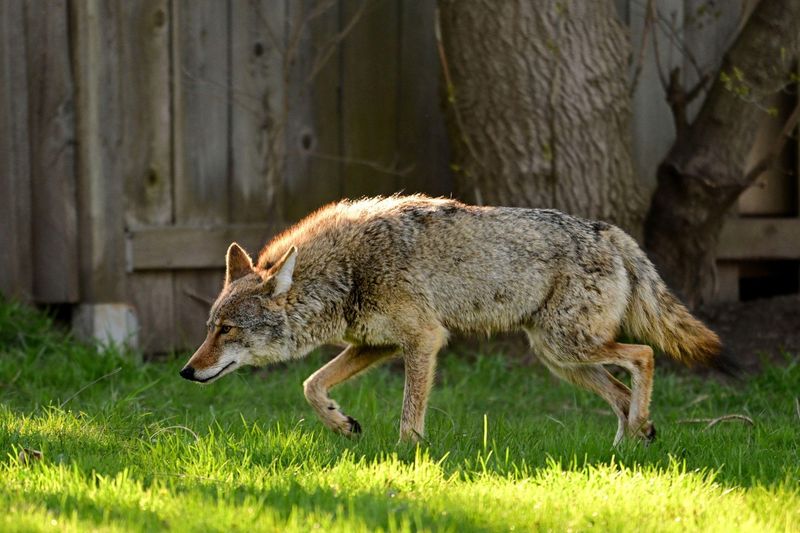
Think of your yard from a coyote’s point of view for a moment. A shady spot under the deck or a messy brush pile looks like a cozy apartment.
Walk around your property and look for gaps under porches, sheds, and decks. Close them off with sturdy wire mesh or lattice.
Burying the mesh about a foot into the ground stops digging animals from sneaking underneath.
Tall grass and thick shrubs also give coyotes cover. Keeping your lawn trimmed and cutting back overgrown bushes near the house removes those sneaky hiding places.
Bonus points, it also discourages ticks, which are a big deal in Virginia.
Woodpiles are popular with mice and rabbits, and that makes them popular with coyotes. Stack firewood neatly, raise it off the ground if possible, and keep it away from your home’s walls.
Spring deserves extra attention. Coyote pups are born around April and May, and parents look for quiet dens.
Checking your property early in the season helps keep a family from moving in.
Fencing is another option for larger properties. A fence at least six feet tall with a roller bar or outward-facing top can keep most coyotes out.
It is an investment, but many farm owners say it pays off for livestock safety.
5. Report Bold Or Sick Coyotes To Wildlife Officials
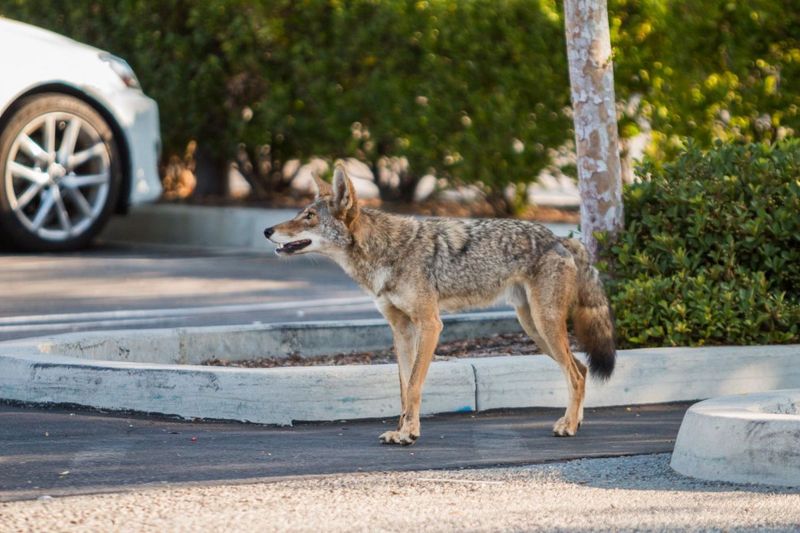
Most coyotes are shy and slip away fast. Every so often, though, one acts strangely, and that is when it helps to bring in the pros.
First, know what is normal. Seeing a coyote in daylight is not a sign of rabies on its own, since coyotes are commonly spotted during the day in suburban neighborhoods.
Now watch for real warning signs. A coyote that walks right up to people, follows someone, or shows no fear when you haze it may be too used to humans.
Stumbling, drooling, or acting confused could point to an illness like rabies or mange.
If a coyote looks sick or injured, do not haze it. Keep your distance, bring pets and kids inside, and let the experts handle it.
The Virginia Wildlife Conflict Helpline, run by the Virginia Department of Wildlife Resources and USDA Wildlife Services, can connect you with a wildlife biologist. Call 1-855-571-9003 for advice on coyote problems.
Your local animal control office or police non-emergency line is another good contact, especially for an aggressive or sick animal.
When you call, share clear details. Note the time, the location, what the animal was doing, and how often you have seen it.
Photos taken from a safe distance are super helpful.
Telling your neighbors is smart too. A quick post on a community group lets other families keep pets close and stay alert.
Many neighborhoods have started tracking sightings together, which helps officials see patterns.
A little fun fact: coyotes only began showing up in Virginia in the 1950s. Now they live in every county, so reporting sightings helps experts learn how these clever animals are adapting.
6. Don’t Feed Coyotes, Even By Accident
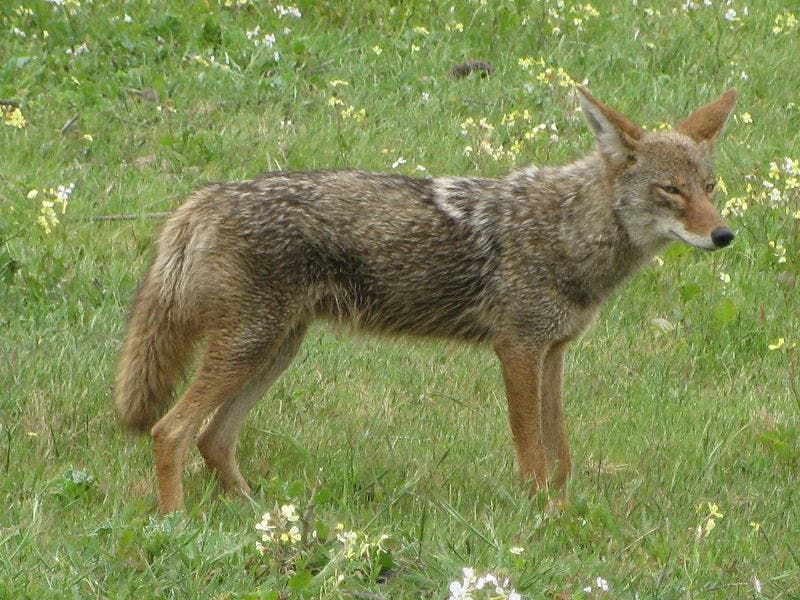
Kind hearts sometimes lead to bad ideas. Tossing leftovers to a skinny coyote might feel generous, but it can create real trouble for everyone on the block.
Once a coyote links people with food, it starts losing its natural fear. That is how bold coyotes are made.
They may begin hanging around porches, following walkers, or approaching children who are holding snacks.
DWR’s advice is simple: if you are feeding wildlife, stop. Some localities also have their own rules about feeding wildlife, so it is worth checking with your city or county.
More importantly, a coyote that becomes a nuisance may need to be removed, which is a sad ending nobody wants.
Accidental feeding counts too. Leaving barbecue scraps on the grill, dropping food on the patio, or putting out a big pile of birdseed all send the same tasty invitation.
Talk with your neighbors about it in a friendly way. DWR warns that when anyone in a neighborhood feeds wildlife, directly or indirectly, it can cause trouble for everybody.
Sometimes one household feeding stray cats outside is drawing coyotes to the whole street.
A calm chat often solves the problem faster than a complaint.
Coyotes are excellent hunters on their own. They eat mice, voles, rabbits, insects, and berries, and they actually help control rodent numbers.
Letting them find natural food keeps them wild, healthy, and at a respectful distance.
7. Don’t Run Away From A Coyote
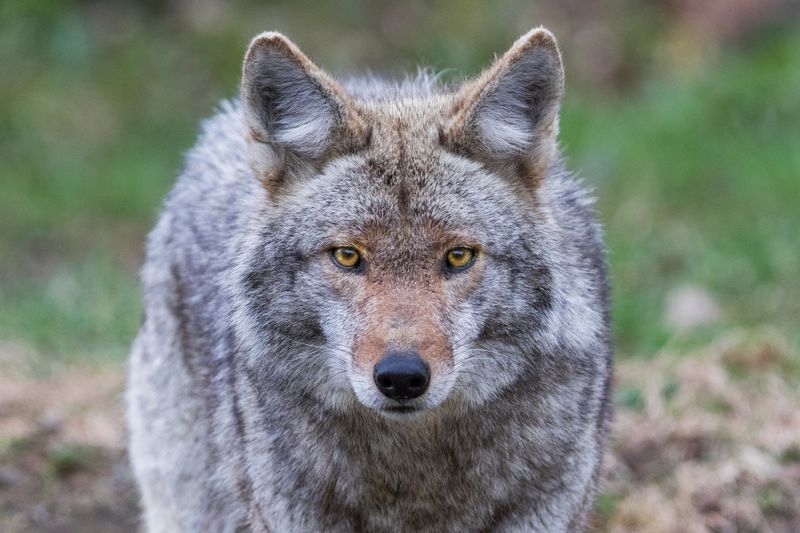
Your legs might scream, run, the moment you see those pointy ears. Fight that urge, because running is one of the worst moves you can make.
Coyotes are built to chase. When something small takes off fast, their hunting instincts kick in.
Even if the animal was just passing through, a sprinting person or pet can turn it curious in a hurry.
Instead, stay calm and hold your ground. Face the coyote, make yourself look large, and speak loudly.
If you need to leave, back away slowly while keeping your eyes on it, and never turn your back on it in a rush.
Out on a walk with your dog? Pick up a small dog if you can do it safely, or keep a larger dog close on a short leash.
Many Virginia trail users carry a whistle for exactly this kind of moment.
A sturdy walking stick or umbrella can help too. Opening an umbrella quickly makes you look surprisingly huge and startles most coyotes.
Remember that coyotes generally want nothing to do with people. Holding steady and acting bold shows them you are not easy prey.
In nearly every case, the animal will turn and trot away, leaving you with a pretty good story to tell.
8. Don’t Try Trapping Or Harming A Coyote Yourself
Grabbing a trap from the hardware store can seem like a quick fix. Unfortunately, do-it-yourself coyote control often backfires.
For starters, trapping takes training and skill. Many homemade attempts catch the wrong animal, like a neighbor’s dog, a cat, or a fox.
An angry, scared coyote in a trap can also bite or scratch anyone who gets close.
Rules matter as well. Virginia classifies coyotes as a nuisance species with a continuous open season, and DWR does not require a special permit to remove them.
That does not mean anything goes, though. DWR directs residents to contact their county or city Commonwealth’s Attorney’s office about legal removal methods, since local ordinances are usually more restrictive than state law.
Discharging a gun in a neighborhood can be illegal and dangerous.
Relocating a coyote is off the table too. It is illegal to trap and move an animal to another area.
Here is a surprising fact. When coyotes are removed from an area, the ones left behind often have bigger litters.
New coyotes can also move into the empty territory quickly, so the problem may come right back.
If a coyote truly becomes a threat, leave it to licensed experts. The Virginia Wildlife Conflict Helpline can point you toward trained wildlife control operators who know the laws and the safest methods.
Poisons are another big no. They can harm pets, hawks, owls, and even children. Sticking with prevention, hazing, and professional help keeps your household safe while letting nature stay in balance around you.