Why California Lavender Plants Grow Leggy (And How To Keep Them Compact)
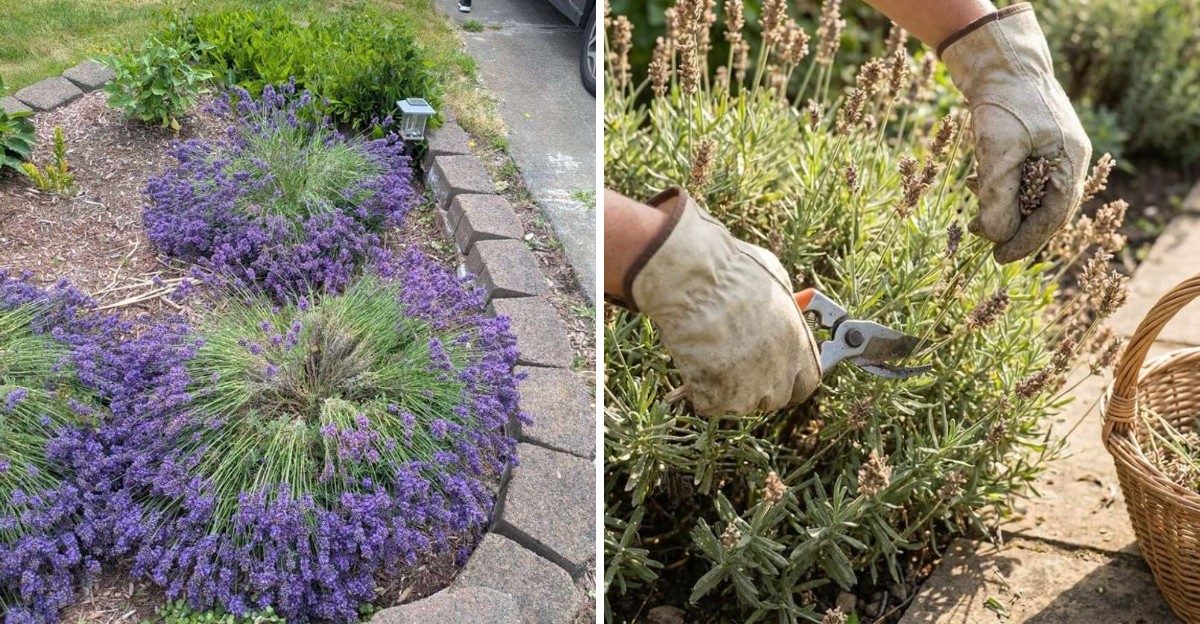
Few garden plants change shape as dramatically as this fragrant favorite. A tidy silver mound can slowly turn into something looser, lankier, and harder to recognize, often without any obvious warning.
The causes tend to be surprisingly ordinary. Most trace back to everyday habits that seem helpful at the time.
A few have more to do with time and patience than with any particular mistake.
This plant comes from a tough background, and it holds onto that history in ways that catch many gardeners off guard.
Some answers take only minutes to put into practice. Others call for a fresh look at the garden itself.
Sometimes the kindest care looks a little like tough love.
1. Skipped Pruning Lets Stems Stretch
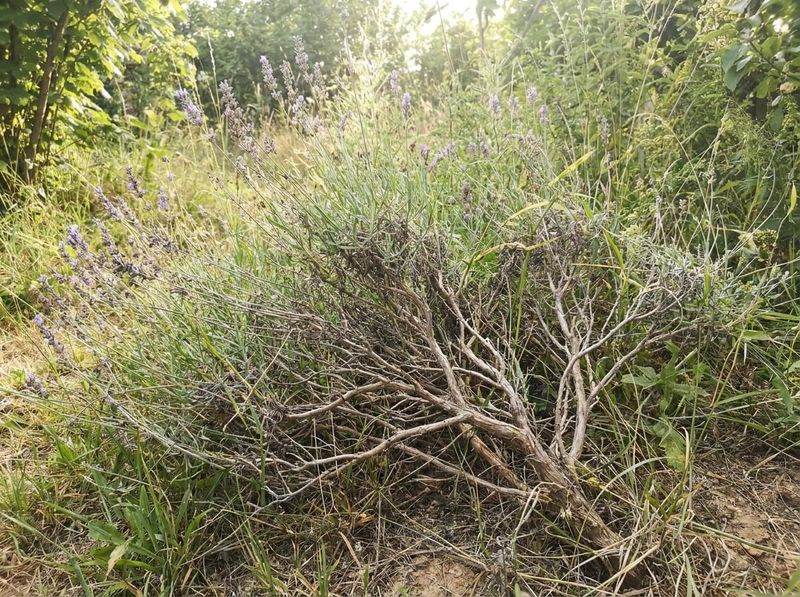
A few seasons without a trim set a predictable pattern in motion. Each spring, new shoots sprout from the tips of last year’s stems, and the plant keeps building outward rather than back toward the middle.
Lavender adds growth at the ends of its branches, not low near the base. Without a yearly trim, every stem grows a little longer and a little heavier.
After a few years, those long stems bend under their own weight. The center opens up, revealing bare wood where leaves once grew.
Spent flowers worsen the problem. Old stalks left on the plant add weight and encourage stems to splay outward.
Rain or sprinkler water can push them flat. Suddenly a neat mound looks more like a starfish.
UC ANR recommends pruning lavender every year to keep it compact. A yearly trim encourages branching closer to the base, and more branches create a denser shape that holds itself upright.
The fix works best with an early start. Annual pruning from the plant’s first or second year sets up a strong, bushy framework.
Each trim removes spent flower stalks and some leafy green growth beneath them, while plenty of green leaves stay on every stem.
Small, steady trims beat one big rescue job. Right after bloom makes the ideal time on the calendar, and a tidier, fuller shape follows season after season.
2. Woody Bases Stop Producing New Shoots
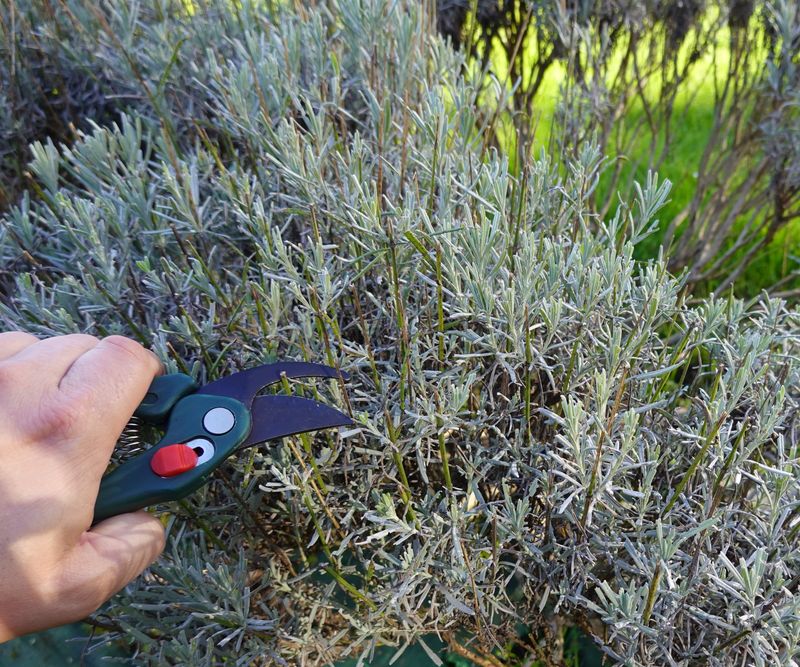
Beneath the foliage of an older plant hides a different story. Gray, gnarled stems with peeling bark and no leaves often fill the lower section, serving as the backbone of the plant and its weak spot at the same time.
Lavender is technically a small shrub. As stems age, they harden into wood, much like a tree branch.
Young green stems carry tiny buds that can sprout new shoots. Old woody stems gradually lose most of those active buds.
As a result, the bare lower section of a stem tends to stay bare. The plant keeps pushing growth from the top while the bottom remains leafless.
Year after year, the green part rises higher and the woody part stretches taller. That widening gap creates the leggy look.
Old wood can’t turn young again, though the process can slow down considerably. Regular light pruning keeps fresh green growth low on each stem, closer to the base.
Your California Garden Changes Every Week. Your Plan Should Too.
Gardening in California changes quickly throughout the season. Every Friday you’ll receive a simple weekly plan showing exactly what to plant, prune, fertilize, harvest, and protect so you never miss the right timing.
The lower that leafy zone stays, the fuller the plant looks. Leafy growth works like a savings account, with a small withdrawal each year and the balance left healthy.
Lavender belongs to the mint family. Unlike mint, though, it doesn’t spread from roots or bounce back from ground level.
Its tough, woody framework suits a plant built for dry Mediterranean hillsides. The same trait that frustrates gardeners helps it handle long, dry California summers.
3. Too Much Shade Pulls Growth Upward
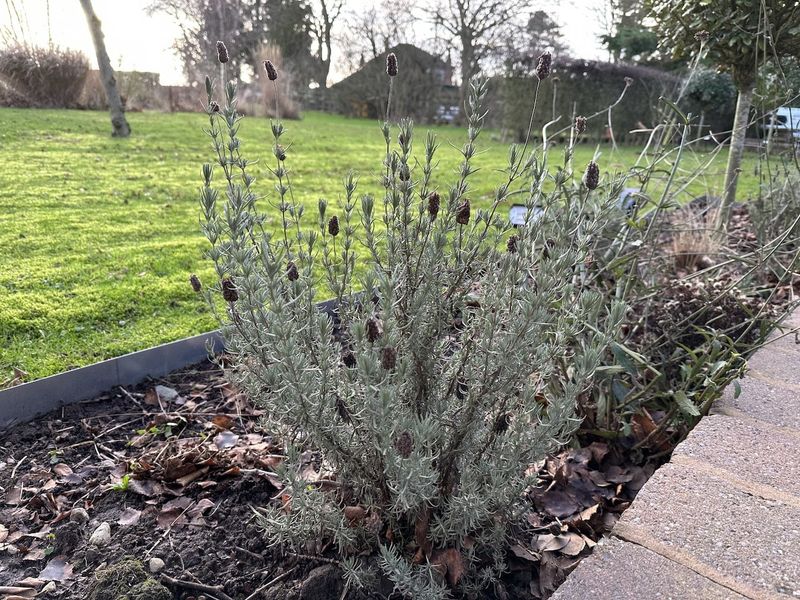
A spot beneath a young oak might seem perfect at first. Then the tree fills out, and a few seasons later the lavender leans sideways with thin stems and only a handful of blooms.
Plants reach toward light much like a hand searching for a switch in a dark room. In shade, lavender stretches its stems to find more sun.
The spaces between leaves grow longer, and the stems turn thin and weak. Before long, they flop over easily.
UC ANR lists lavender as a full sun plant. In most of California, that means at least six hours of direct sun each day, and more is better.
In the hottest inland valleys, a little afternoon relief can work fine. Deep or all-day shade, however, leads to floppy growth and fewer flowers.
A few clues reveal a light problem. A plant leaning in one direction is chasing the sun, while pale leaves, sparse flowers, and long gaps between leaf pairs point the same way.
The fix starts with location. The sunniest open spot in the yard, away from walls that block morning or midday light, suits new lavender best.
Trimming nearby shrubs or tree branches that have crept overhead can restore some light. Even a few extra hours of sun makes a noticeable difference.
Young plants can often move in fall while the weather stays mild. Older, woody plants usually struggle after transplanting, so replacing them in a brighter spot is often the smarter choice.
4. Rich Soil And Fertilizer Push Soft Growth
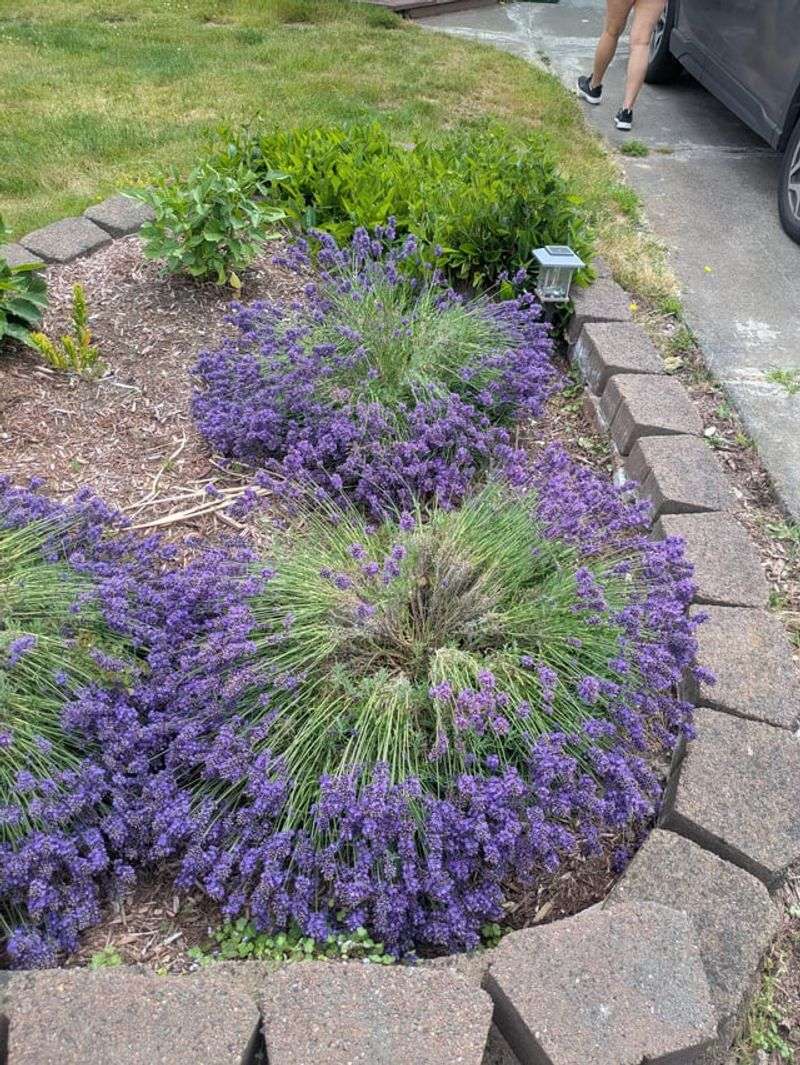
Many gardeners treat every plant like a tomato, mixing in compost and adding fertilizer with high hopes. Lavender takes that kindness and turns it into a sprawl.
This plant evolved in thin, rocky, low-nutrient soil. Extra nitrogen sends it into fast, lush growth that looks impressive at first.
That speedy growth is soft and full of water, so it lacks strength. Stems droop, splay outward, and open up the middle of the plant.
Rich soil also tends to hold more moisture. Combined with feeding, it produces a big green plant with fewer flowers and weaker structure.
Some gardeners even notice less fragrance from overfed plants. The aromatic oils behind that scent often seem stronger in leaner conditions.
UC ANR guidance favors lean, well-drained soil for lavender. Many native California soils work better than a rich garden bed, and even clay can succeed with a raised mound for drainage.
Once established, lavender rarely needs fertilizer at all. Compost at planting time is best kept minimal, used only in small amounts for very heavy clay.
Distance from heavily fed lawns and vegetable beds also helps, since fertilizer can drift with sprinkler water. A separate bed keeps the plant on its lean diet.
A plant already soft and sprawling benefits from an immediate end to feeding. A light trim after the next bloom firms up its shape, and a hungry lavender tends to grow lean, tight, and loaded with flowers.
5. Frequent Watering Weakens Stems
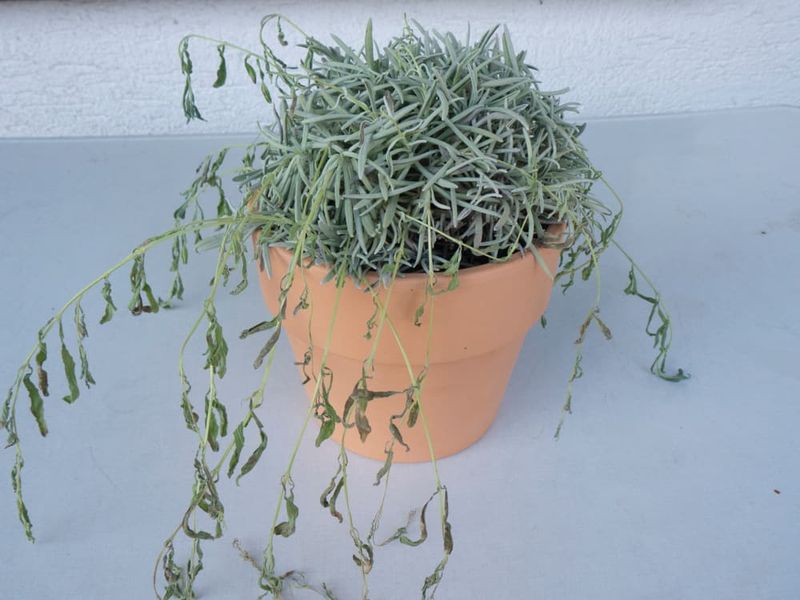
Sprinklers set for the lawn often reach the lavender bed, too. Every few days the soil stays damp, and while the plant may look green for a while, trouble builds underground.
Lavender roots need air as much as water. Soggy soil squeezes out that air, opening the door to root rot and fungal disease.
Before long, branches yellow, brown, and slump, sometimes one section at a time. The decline often starts out of sight.
Even without rot, too much water creates soft, stretchy growth. Stems grow long and limp instead of short and sturdy, then fall open under the weight of the flowers.
UC ANR describes lavender as a low-water plant once established. New plants need regular water during their first growing season while roots spread.
After that, deep but infrequent watering is plenty in most California gardens. Soil that dries out between waterings keeps roots healthy.
A separate drip line or irrigation zone gives lavender its own schedule, apart from thirstier plants. Watering again only after the top few inches feel dry keeps things on track.
Slopes, mounds, and raised beds help water drain away quickly. Those spots mimic the rocky hillsides where lavender feels most at home.
Heavy bark mulch packed against the stems traps moisture, so gravel or a light mulch kept away from the crown works better. A slightly thirsty lavender tends to stand taller and bloom more freely.
6. Cutting Into Old Wood Rarely Regrows
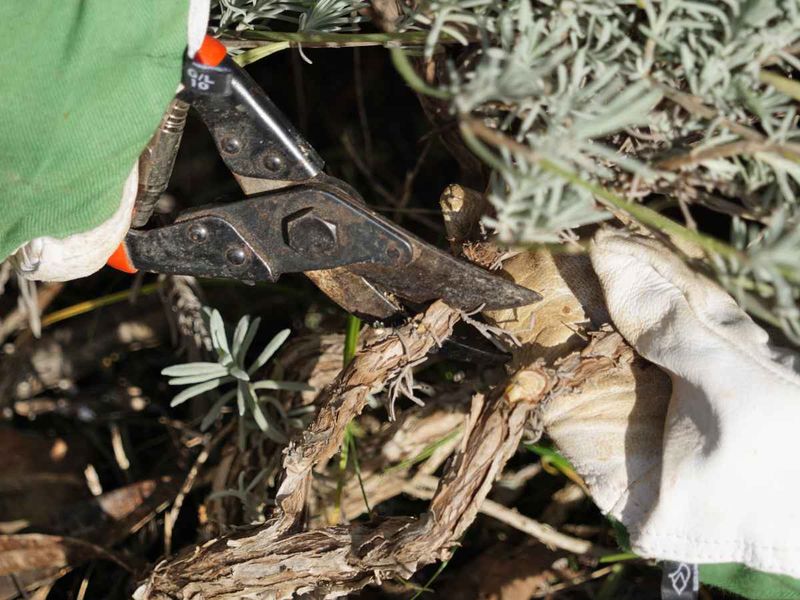
Drastic cutbacks tempt many gardeners facing a sprawling plant. Cutting everything down to stubs seems like a fresh start, yet weeks later those stubs often remain brown and bare.
Hard cutbacks work well on many shrubs, so the mistake is easy to make. Lavender plays by different rules.
Once a cut drops below the leaves into old, woody stems, few active buds remain to sprout. The plant may send out a few weak shoots or nothing at all.
A big cut also strips away most of the leaves. Those leaves make food from sunlight, and losing nearly all of them means little energy for recovery.
A hard cut on an older lavender can easily push it into a steep decline. That risk makes careful pruning especially important.
Safe pruning leaves green, leafy growth on every stem. A close look before each snip reveals where leaves stop and bare wood begins, and the cut belongs a bit above that point.
A few sets of leaves below each cut make a good habit. Those leaves supply buds for new growth and food to fuel the fresh shoots.
A big cut already made calls for patience. Light watering and a few weeks of watching may reveal sprouts from any remaining green bits.
Stems that stay bare and brittle can come out later. Next season, gentle trims will serve the plant far better than heavy-handed cuts.
7. Old Plants Naturally Fade
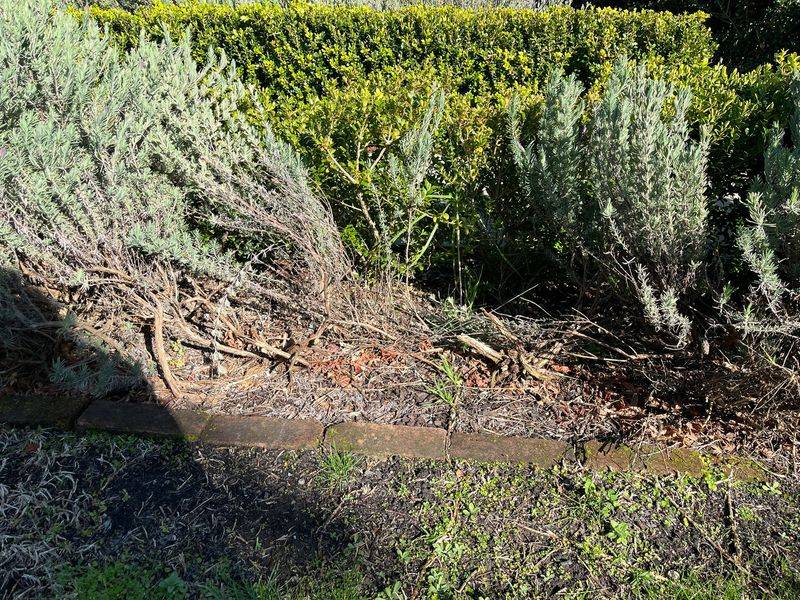
Even well-loved plants have a lifespan, and lavender’s tends to run shorter than many people expect. A plant that looked amazing for years may slowly lose its charm, even with excellent care.
Nothing went wrong in that case. The plant simply aged, as all shrubs eventually do.
Lavender is a relatively short-lived shrub. In California gardens, many plants look their best for roughly five to ten years, depending on the type and growing conditions.
After that, they often grow woodier each season. The center hollows out, and fewer new shoots appear.
Older plants also turn patchy. One branch may brown while the rest stays green, and flowers shrink in number.
Pruning alone rarely restores the full, round shape of a young plant. A few signs suggest replacement time has arrived.
Most of the plant shows bare wood, green growth sits only on the outer edges, and large gaps stay open even after trimming. Together, those clues point toward a fresh start.
Replacing an old lavender is no failure, just a garden refresh. Fall planting suits most of California, since cooler weather and winter rain help roots settle. That makes October a fine time to start.
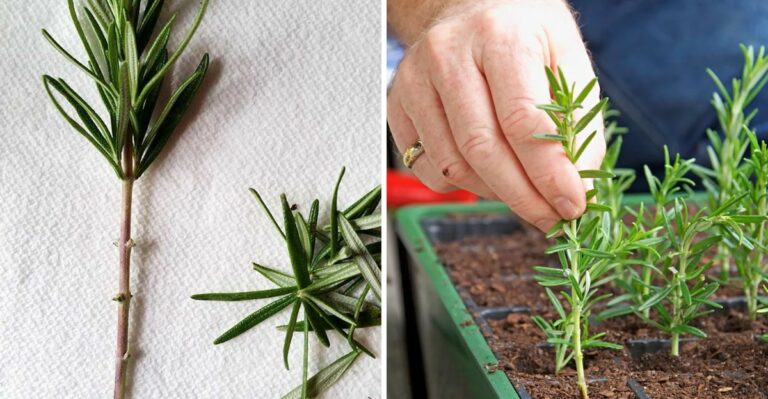
Cuttings taken from a favorite plant before removal keep its scent and color going. Softwood or semi-hardwood tip cuttings often root well, carrying the same fragrance into the next round of summers.
8. Shear After Bloom To Keep It Tight
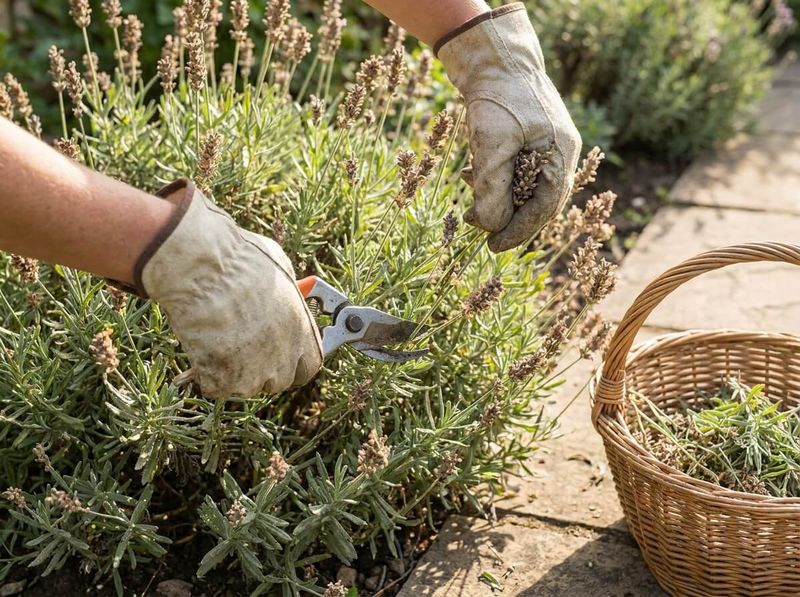
Timing serves as the secret weapon against leggy lavender. A light trim as soon as the main flush of flowers fades gives the plant time to grow fresh shoots before cooler weather arrives.
UC ANR guidance supports shearing lavender after flowering. Each cut removes spent flower stalks plus some of the leafy green growth below them.
Many gardeners take off roughly one third of the green growth. Every cut stays above the woody part of each stem.
A soft, rounded dome makes the ideal shape, much like a scoop of ice cream. Sides kept slightly wider at the bottom let light reach the lower leaves, which keeps them growing and green.
Hand shears or hedge clippers handle most plants. Gathering a handful of stems, finding the leafy part, and cutting cleanly works well.
Shearing from the first or second year sets up a compact habit early. Heavy pruning in late fall or winter is best avoided, since soft new growth can suffer cold damage.
October falls into that cautious window. A light tidy of stray flower stalks works now, while the main shaping waits until after next year’s bloom.
In mild coastal areas, a second light trim after a later summer bloom often works fine. Inland gardens benefit from finishing trims by late summer.
Cut flower stems make a fragrant bonus. Dried in bundles, they fill sachets and vases, keeping the garden tidy and the house smelling wonderful.