Eastern Washington’s Only Venomous Snake Spends Winter In A Crowded Underground Den
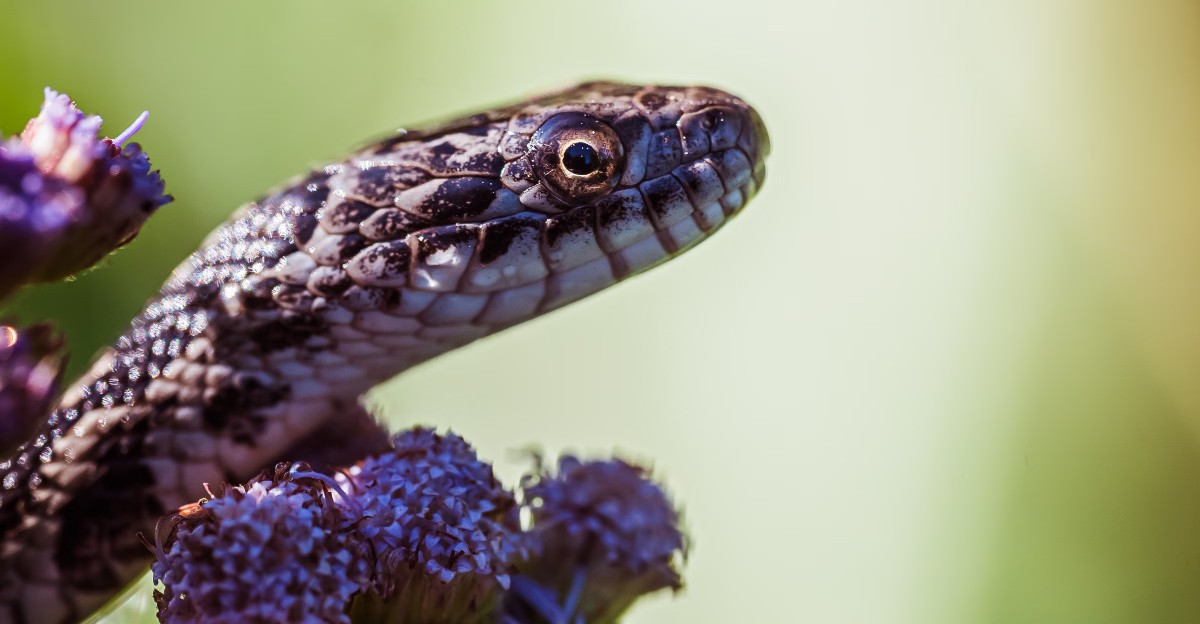
Some snakes in my part of the world spend winter packed into the same rocky hole their great-great-grandparents used. Researchers have found dens shared by dozens of snakes, and the biggest ones can hold hundreds.
I used to think every snake handled winter alone. Then I learned these reptiles may travel a mile or more each fall just to reach that one familiar crack in the hillside.
In Eastern Washington, this habit shapes when you are most likely to bump into one near your garden shed or rock wall. Fall and spring are the busy seasons, and knowing why can make your yard work a lot calmer.
What is really going on beneath those sunny basalt slopes, and who else might be sharing the room?
Something Big Happens Under Those Sunny Basalt Slopes
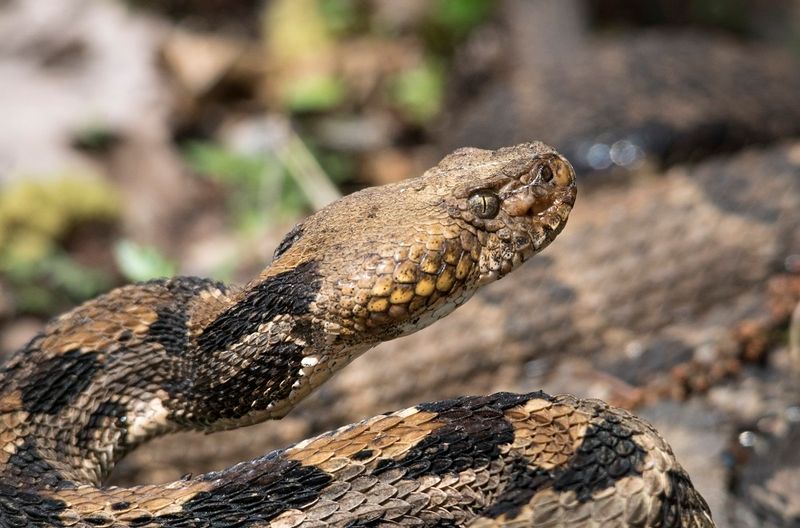
The star of this story is the Northern Pacific rattlesnake, a type of western rattlesnake. It is the only venomous snake native to Washington, and it lives mostly on the dry east side of the Cascades.
When the weather cools in fall, these snakes head for a shared winter den. Biologists call these sites hibernacula. A single den may hold a handful of snakes or a large crowd, depending on the site and the local population.
Why crowd together at all? Good winter shelter is rare. A useful den needs deep cracks that reach below the frost line, so the snakes stay cool but not frozen. When a hillside offers one of those spots, many snakes end up using it.
I love how practical that is. The snakes are not gathering to be social in the way we might think. They are sharing a scarce resource, much like gardeners sharing the one sunny corner that stays frost-free longest.
Washington Department of Fish and Wildlife notes these snakes are shy and usually avoid people. Knowing they spend winter tucked deep in rock, rather than in your flower bed, can ease a lot of worry.
Rattlesnakes Return To The Same Rocky Den Year After Year
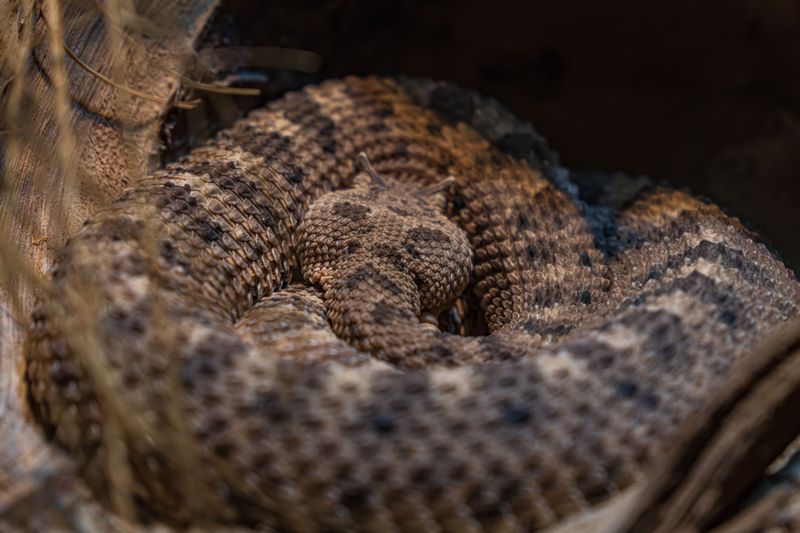
Talk about loyalty. Studies of western rattlesnakes show many adults return to the same den each fall, often for years in a row.
Young snakes seem to learn the way partly by following scent trails left by older snakes. That helps explain why some dens stay in use for many generations. Researchers have marked individual snakes and found them back at the same crevice season after season.
Distance is part of the surprise. In summer, rattlesnakes spread out to hunt mice, voles, and ground squirrels. Some travel well over a mile from the den, then make the long trip back as nights get cold.
For you as a gardener, this matters in a simple way. If your property sits near rocky slopes or talus, you may see snakes passing through on the same rough routes each year. Noticing when and where you spot them can help you plan chores around those spots.
One friendly tip from experience: keep a small notebook or phone note of snake sightings by date. After a couple of seasons, you may see a clear pattern that helps you stay relaxed rather than surprised.
Fall And Spring Are Prime Time For Snake Sightings Near Your Garden
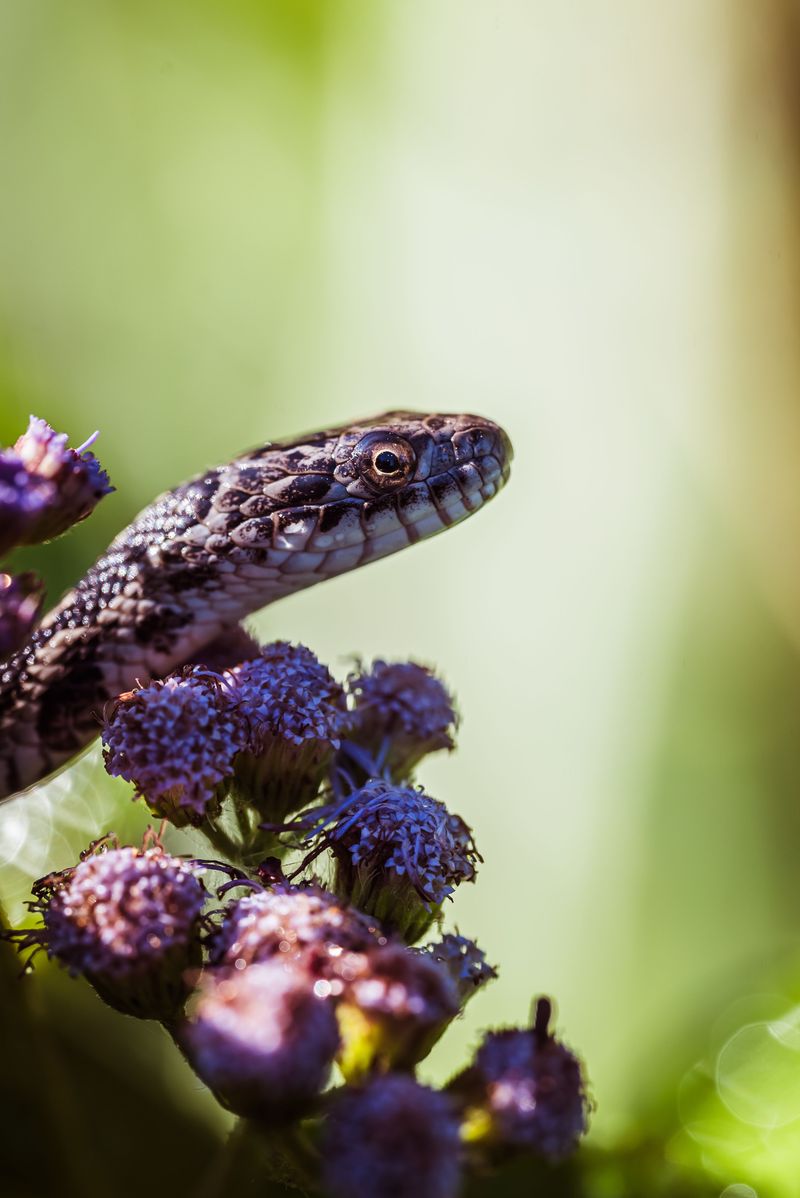
Mark your calendar. In Eastern Washington, rattlesnakes usually start heading toward their dens in September and October, with timing shifting by elevation and weather.
That travel season can bring them across yards, trails, and gravel driveways. Spring brings a second wave. Depending on temperatures, snakes often leave their dens from about late March to May and then disperse to hunt.
Around the den itself, you may notice snakes lounging in the sun on mild days in early spring and fall. They stay close to the entrance so they can slip back inside when it cools off. This basking period is when people most often spot several snakes in one place.
So what can you do? Be extra alert during those shoulder months. Watch where you step near rock piles, look before you grab a bundle of fall leaves, and keep pets on a leash on hillside walks.
Winter is the quiet stretch. Once cold weather settles in, the snakes stay below ground and rarely show up at all. Your late-season bulb planting and spring cleanup, though, overlap with travel time, so a little caution goes a long way.
Racers And Gopher Snakes Sometimes Share The Winter Den
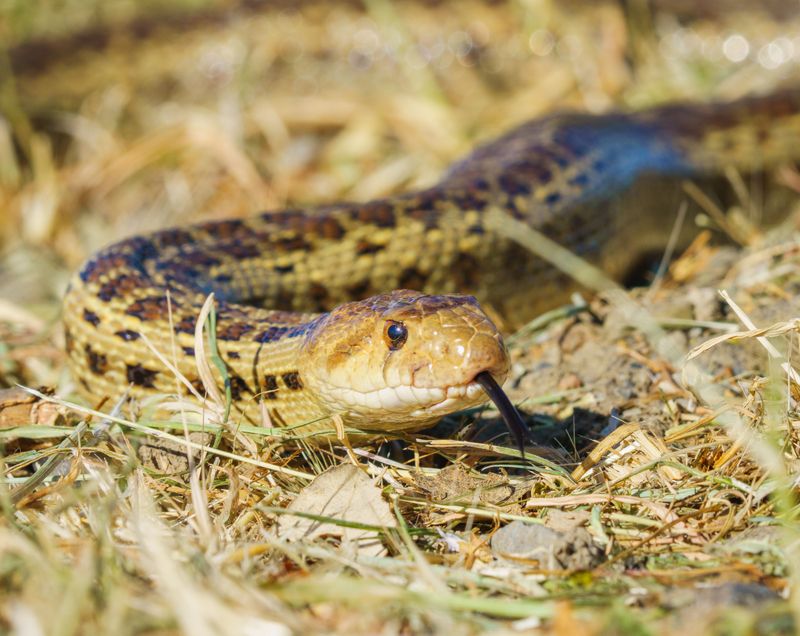
Here’s a roommate twist I did not expect. Rattlesnake dens in the Pacific Northwest are sometimes shared with harmless species like gopher snakes, racers, and garter snakes.
All of these snakes face the same problem when winter arrives. They need deep, protected shelter that does not freeze. When one rocky site offers that, several species may use it during the same season.
This mix can cause confusion. Gopher snakes, for example, may hiss loudly, flatten their heads, and shake their tails in dry leaves, which sounds a lot like a rattle. They are trying to look tough, but they are not venomous.
A few quick clues help. Rattlesnakes have a true rattle on the tail, a wide triangle-shaped head, and a narrow neck. Gopher snakes have a slimmer head and a pointed tail with no rattle. Racers are slender, fast, and plain olive or gray.
Still, keep your distance from any snake you cannot identify. A safe look from several feet away is all you need. And remember, those harmless neighbors are fantastic at eating rodents that nibble your bulbs and vegetables.
Brumation Keeps These Cold-Blooded Neighbors Barely Moving All Winter
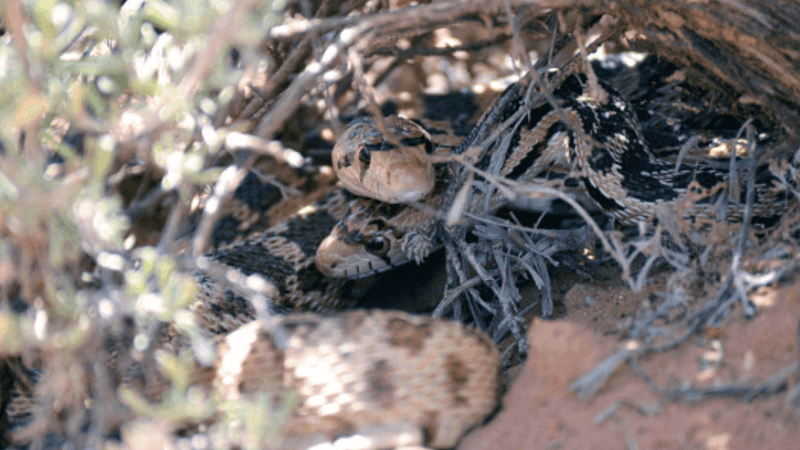
Snakes do not truly hibernate the way bears do. Their winter slowdown is called brumation, and it works a bit differently.
Because snakes are cold-blooded, their body temperature follows their surroundings. Deep in the den, temperatures stay cool but steady, so their heart rate, breathing, and digestion slow way down. They mostly stop eating and live on stored fat.
Snakes in brumation are not fully asleep. They can still move slowly, shift deeper into the rock when it gets colder, or drift toward the entrance during a warm spell. Some even drink water during this time.
Crowding may offer a small bonus. Snakes clustered together can lose moisture more slowly, which helps in our dry climate. Scientists still study exactly how much grouping helps with warmth, since snakes do not make much body heat of their own.
Fun fact for your next garden club chat: a rattlesnake adds a new rattle segment each time it sheds, not each year. That means you cannot count the rattles to learn its age, a myth plenty of us grew up believing.
Rock Walls And Woodpiles Can Look Like Snake Hotels
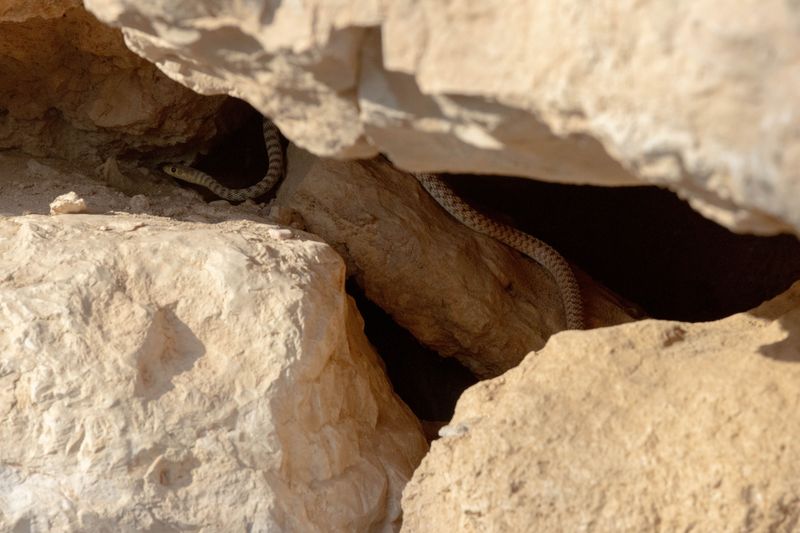
Guilty as charged, I once built a lovely dry-stacked rock border right next to tall bunchgrass. It looked great, and it also created perfect snake cover.
Rattlesnakes cannot dig their own burrows. They rely on rock cracks, rodent holes, and cozy gaps under boards or debris. Woodpiles, loose rock stacks, and thick brush offer shade in summer and hiding places during travel season.
Food matters too. Where there are mice and ground squirrels, snakes will follow. Spilled birdseed, open feed bins, and compost that attracts rodents can quietly invite predators into your yard.
A few changes help a lot. Keep grass trimmed near the house, store firewood off the ground and away from doors, and clear brush along paths. Seal gaps under sheds and decks with hardware cloth. Store pet food and seed in sealed metal bins.
You do not have to give up rock features. Just place them away from doors, play areas, and walkways, and keep plants around them tidy so you can see what is there. A clear view is one of the best safety tools a gardener can have.
Spot A Rattlesnake By The Tomatoes? Give It Plenty Of Room

Trust me on this one, calm beats bravery every time. If you see a rattlesnake, stop, find it with your eyes, and slowly back away to a safe distance of several feet or more.
Most bites happen when people try to handle, move, or harm a snake. Leave it alone and it will usually move on by itself. Keep kids and pets away until it does.
Simple gear helps in snake country. Wear sturdy boots and long pants while weeding or hiking, use gloves, and look before reaching into rock gaps, under boards, or into dense plants. A flashlight is handy for evening watering.
If a bite does happen, call 911 or get to a hospital right away. Keep the person calm and still, remove rings or tight items near the bite, and keep the limb at about heart level. Skip ice, cutting, sucking, and tourniquets, which can make things worse.
If a snake keeps showing up near your home and you are worried, contact Washington Department of Fish and Wildlife or a licensed wildlife control operator for advice rather than handling it yourself.
Leave Those Winter Rattlesnake Dens Undisturbed
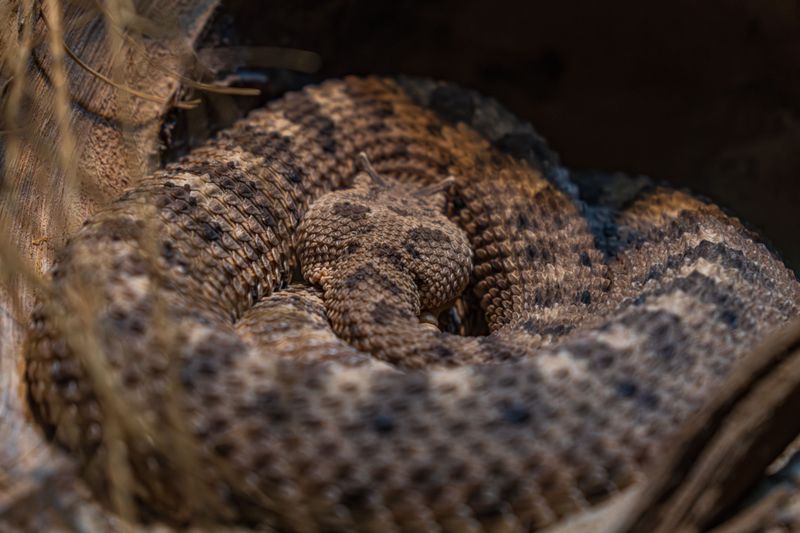
My biggest takeaway after learning about these dens? They are worth protecting, even if you do not love snakes.
A good den site is hard to replace. If a den is blocked, damaged, or disturbed, the snakes that rely on it may struggle to find another safe winter spot in time. Many rattlesnakes also grow and reproduce slowly, so local groups can take years to recover.
These snakes give a lot back. A single rattlesnake can eat many rodents in a season, which helps limit the voles and mice that chew roots, bulbs, and fruit trees. That is free pest control for any garden near the shrub-steppe.
If you know of a den on or near your land, enjoy it from a distance and keep people and pets away, especially in spring and fall. Avoid moving rocks, filling crevices, or using fire near the site.
Curious to learn more? Washington Department of Fish and Wildlife and your local WSU Extension office offer helpful guides on living with snakes. A little knowledge turns fear into respect, and that makes your outdoor time a lot more peaceful.