How To Tell When California Grapes Are Fully Ripe Without Guessing By Color
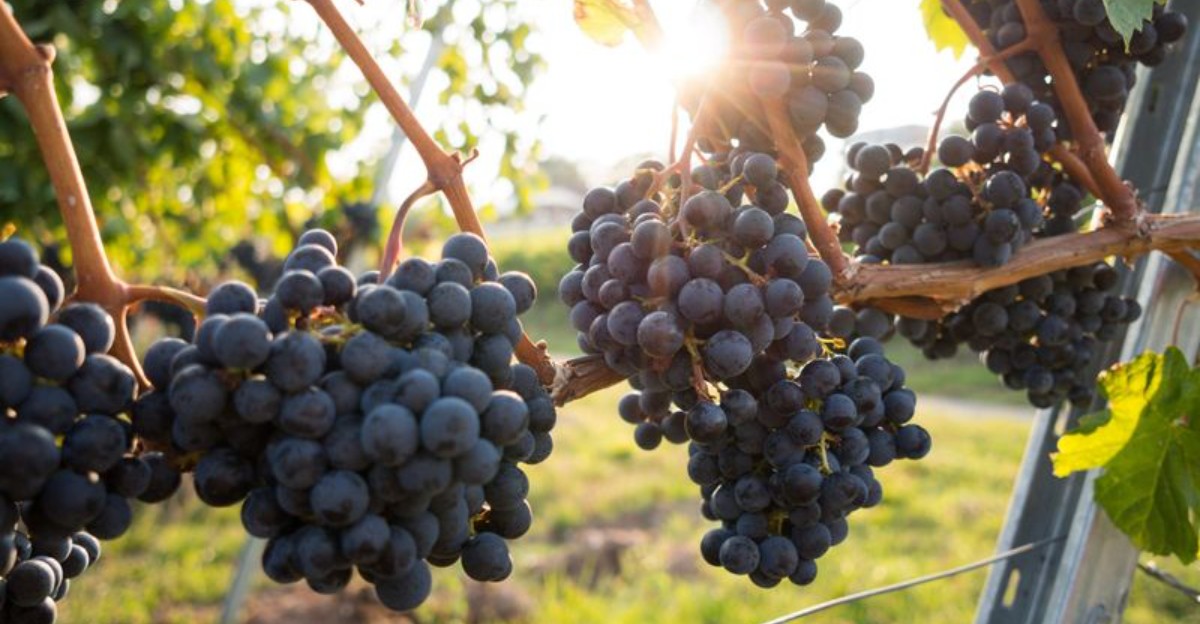
A grapevine loaded with deeply colored clusters can look absolutely ready. One bite tells a different story, with a sharp, puckering tang that color never hinted at.
That mismatch catches California growers off guard every summer. Some varieties reach their final shade weeks before the inside catches up, while pale green types offer almost no visual clue.
Timing carries real stakes. Harvest too early, and the bowl stays sour, while waiting too long invites birds, heat, or an early rain to claim the crop first.
The vine actually sends several reliable signals, most of them easy to read with a little practice.
Once those clues click into place, harvest day stops feeling like a gamble and starts tasting like a reward.
1. Taste Several Berries From Different Clusters
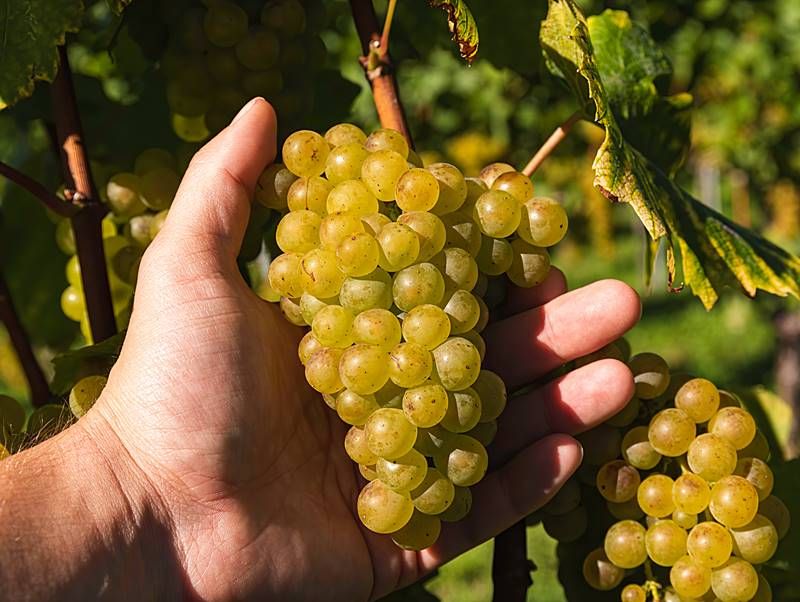
One berry can mislead, while ten berries from ten different spots tell the truth. Grapes on the same vine rarely ripen at the same speed, so a single sample can trick even experienced growers.
Clusters in full sun usually sweeten faster than those tucked deep in shade. Berries near the top of a bunch, close to the stem, often ripen ahead of those at the bottom tip.
Even vines a few feet apart can differ because of soil, water, and how much fruit each one carries. A fair sample accounts for all of that variation.
Berries from the sunny and shady sides of the vine belong in the mix. High clusters, low clusters, and the top, middle, and bottom of each bunch all deserve a spot.
Vineyard crews use this same idea when collecting samples for testing. They walk the rows and pull berries from many vines rather than trusting one handsome cluster.
A home gardener can copy that approach in about five minutes.
Tasting the berries one after another reveals the overall pattern. A sour streak that keeps showing up signals that the vine needs more time.
When half the berries still cause a wince, patience makes sense. A few berries set aside serve the seed, feel, and sugar tests that follow.
Sampling widely works a bit like polling an entire crowd instead of asking one loud voice. That broader view gives every other check a stronger starting point.
2. Brown Seeds Signal Real Ripeness
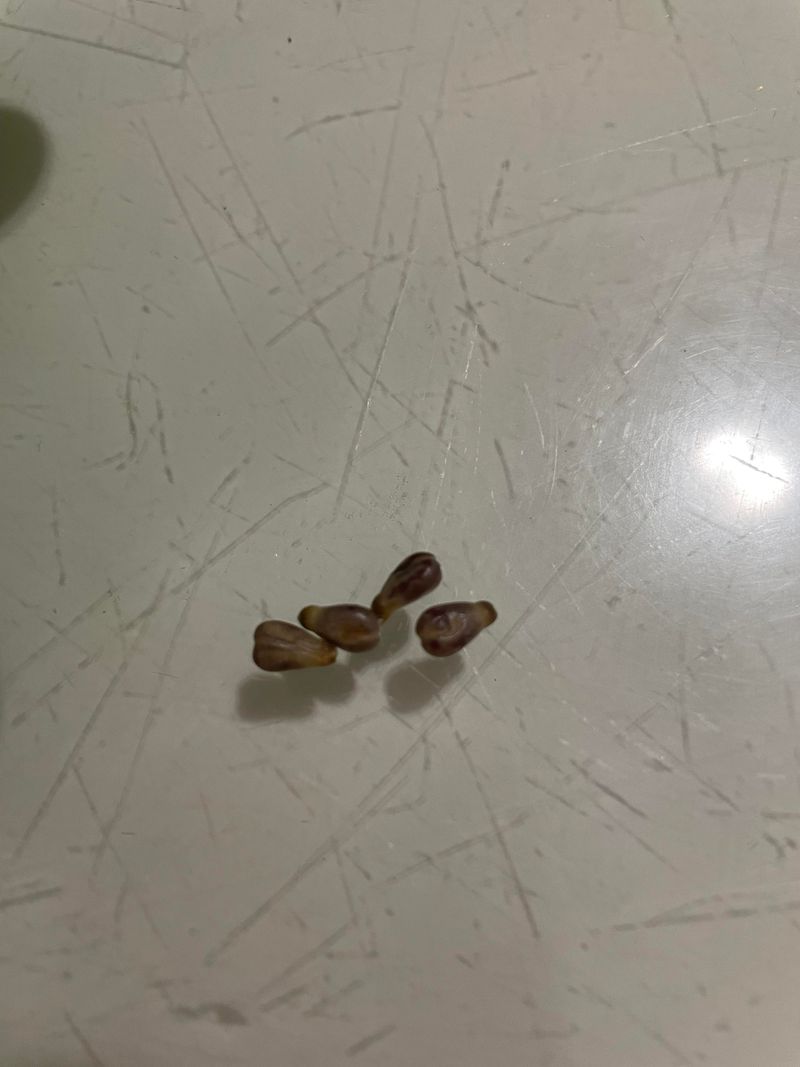
A grape cut in half lets its seeds gossip about the fruit around them. Few garden checks are this simple, and few reveal as much.
Early in the season, grape seeds stay bright green and soft. As the berry matures, they slowly firm up and shift toward tan, then a deeper brown.
UC Davis viticulture teaching uses seed color and texture as a classic sign that fruit is moving toward full maturity. Taste offers another clue.
Green seeds often taste bitter and grassy when bitten. Brown seeds tend to taste nutty and crunchy instead, and chewing one from each stage shows the difference right away.
A simple routine works well. Several berries from the mixed sample, sliced with a small knife, provide plenty of seeds.
Lining them up on a white plate makes colors easy to compare. Mostly green seeds mean the vine still has work to do.
Your California Garden Changes Every Week. Your Plan Should Too.
Gardening in California changes quickly throughout the season. Every Friday you’ll receive a simple weekly plan showing exactly what to plant, prune, fertilize, harvest, and protect so you never miss the right timing.
Seedless table grapes, like Thompson Seedless or Flame Seedless, skip this test entirely. They hold only tiny, soft seed traces that rarely brown.
For those types, taste, stem color, and sugar readings carry more weight. Each of those checks fills the gap nicely.
One caution keeps this clue honest. Seeds can brown a bit before flavor hits its peak, especially during hot spells.
Brown seeds work best as a strong green light, confirmed by taste and a sugar check before any clusters get cut.
3. Stems Turn From Green To Woody Brown
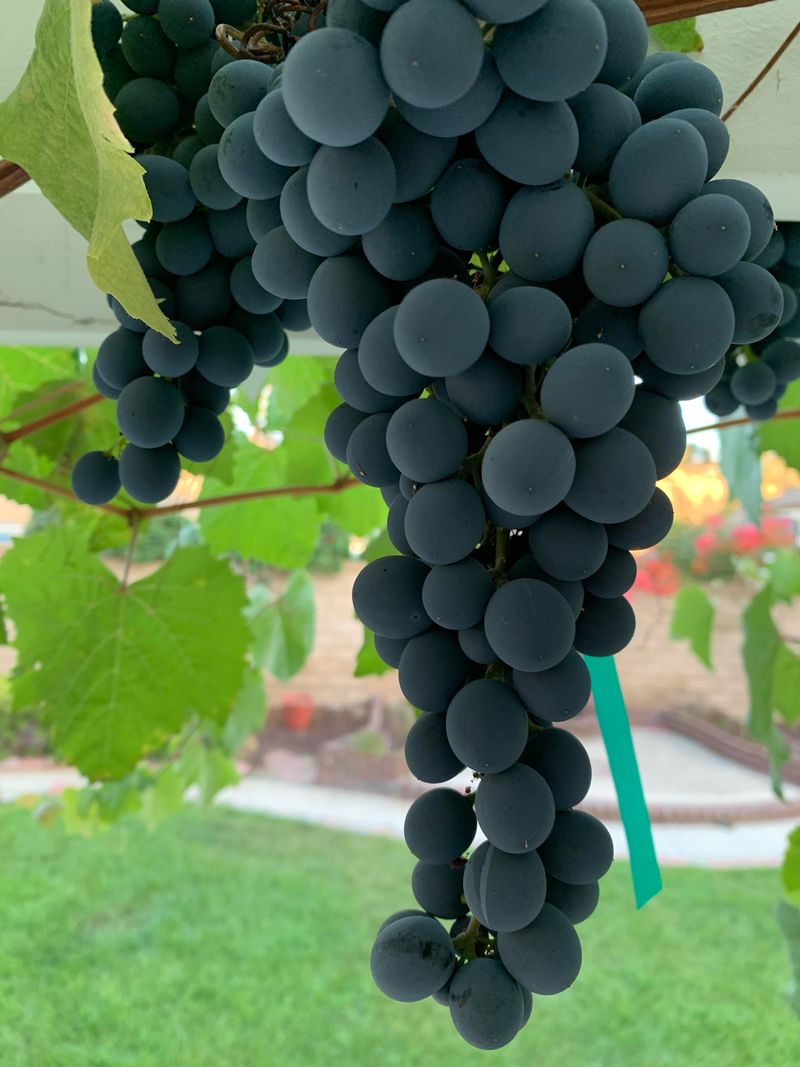
A glance away from the berries pays off. The little stem holding each cluster tells its own ripeness story, changing in ways that are easy to see and feel.
During early growth, cluster stems stay bright green, bendy, and full of moisture. As fruit matures, the stem attached to the cane begins to toughen.
Its color fades toward tan or light brown. The texture turns more woody, almost like a thin, dry twig.
Running a finger along a few stems on different parts of the vine reveals plenty. A juicy, snappy green stem hints that the fruit is still filling out.
A firm, brownish stem that bends with some resistance points toward harvest time. Which part of the stem changes matters, too.
The main stalk near the cane usually browns first. The tiny branches inside the bunch may stay greener a bit longer, which is perfectly normal at this stage.
Brown stems aren’t proof on their own. Drought, heat stress, or disease can dry stems early, even when fruit stays sour.
A shriveled, brittle stem that crumbles signals trouble rather than good news. Stems work best as a supporting witness.
When woody stems line up with brown seeds and sweet berries, the case for picking grows very strong. Clippers or sharp scissors work best at harvest, since tougher stems resist a casual tug and can tear the cane.
4. Berries Should Give Slightly Without Turning Mushy
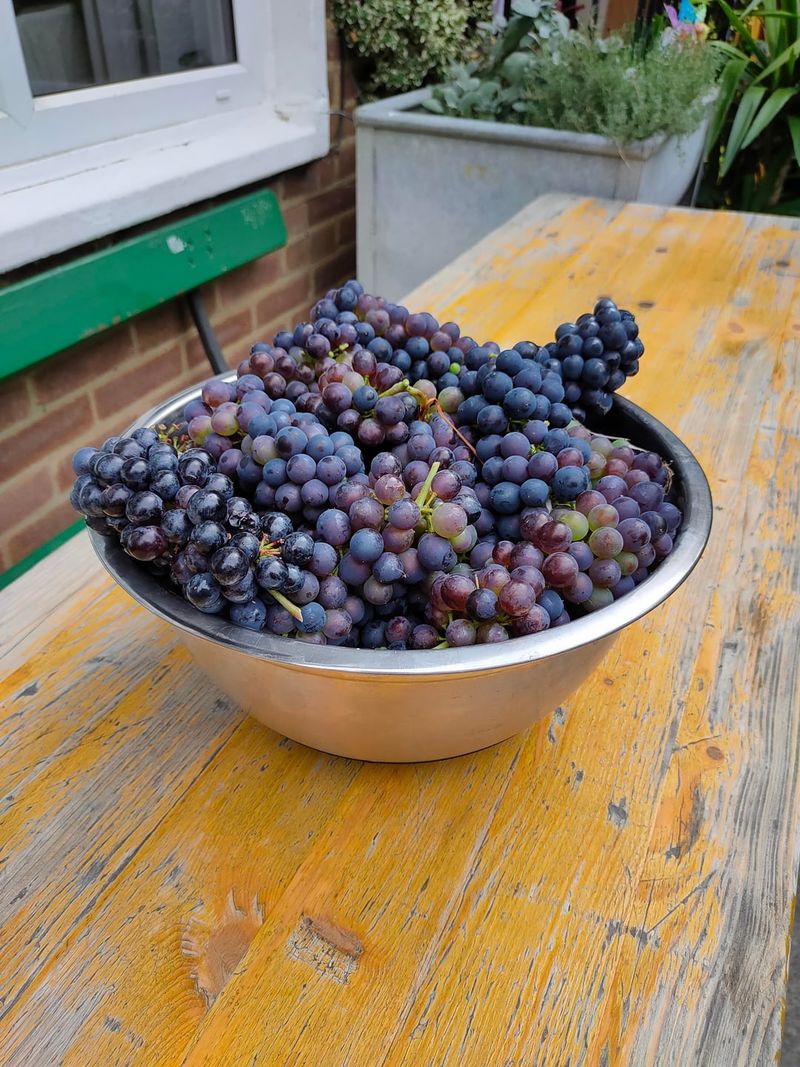
A gentle pinch between thumb and finger reveals a lot. An unripe berry feels hard, almost like a tiny marble, while a ripe one gives just a little before springing back.
That soft give happens as the berry fills with water and sugar while its cell walls loosen. Growers call the start of this stage veraison, when berries begin softening and coloring.
Full ripeness comes later, after the berries keep plumping for several more weeks. Patience matters during that stretch.
The ideal feel resembles a ripe cherry tomato rather than a water balloon. The skin should stay smooth and tight, with flesh beneath yielding slightly under easy pressure.
The other extreme deserves attention, too. Mushy, wrinkled, or leaking berries have passed their best.
Hot inland California valleys can push fruit from plump to raisin-like surprisingly fast during a heat wave. Frequent checks help catch that shift.
Split berries signal another problem. A sudden rain or deep watering on nearly ripe fruit can crack skins.
Cracked berries attract wasps, fruit flies, and rot, which can spread through a tight cluster in days. Removing damaged berries quickly protects the rest.
Squeezing berries from several clusters, rather than just one, gives the clearest picture. Hard berries mixed with soft ones mean the bunch is still uneven.
Fingertips quickly learn to sense ripeness almost before the eyes can see it.
5. A Refractometer Measures Sugar Exactly
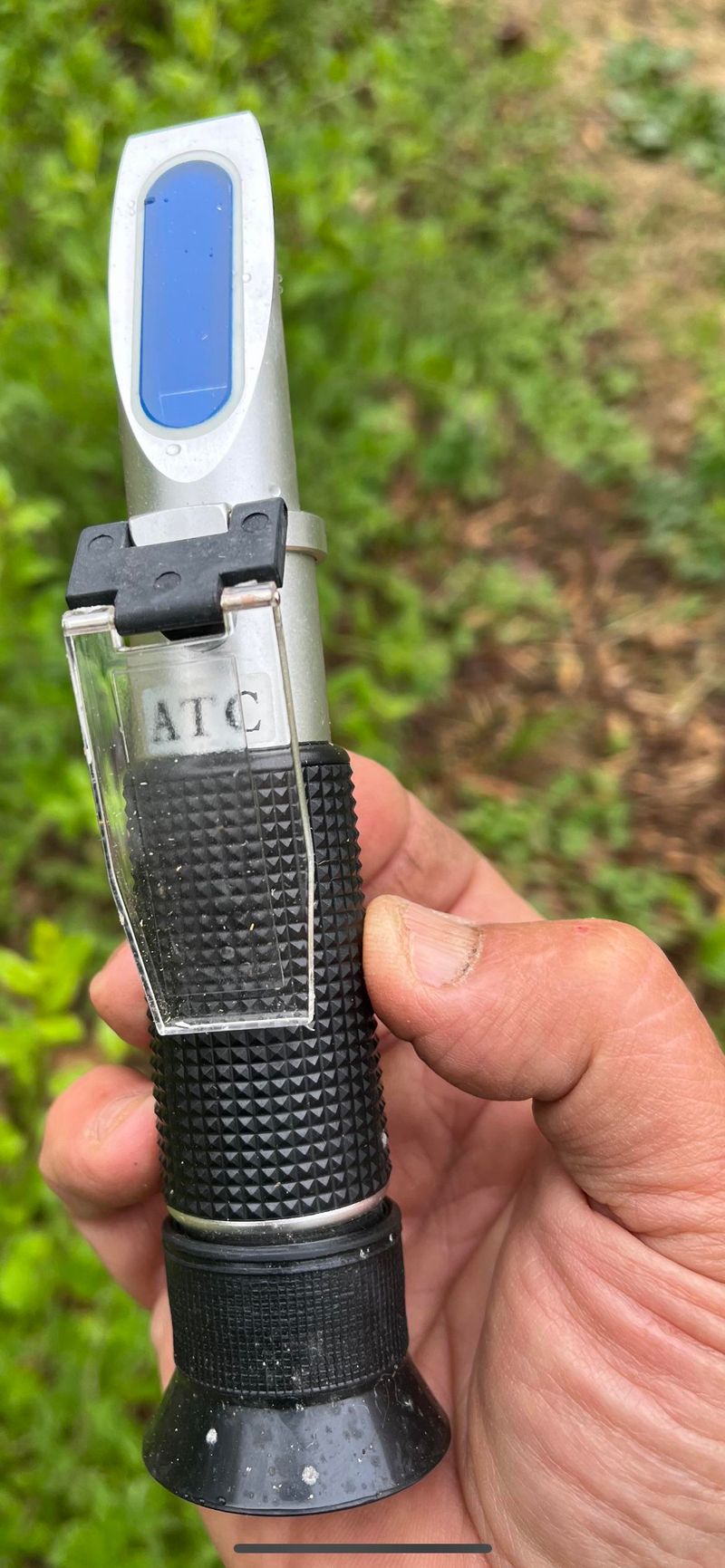
Taste buds can be swayed by mood, a morning coffee, or a long hot day. A handheld refractometer stays objective, measuring sugar in grape juice the way vineyards across California do every harvest.
The process is simple. A few berries from the mixed sample get crushed, and a couple of drops of juice go onto the glass prism.
With the cover closed, a look through the eyepiece toward the light reveals a line on a scale marked in degrees Brix. One degree Brix roughly equals one gram of sugar per 100 grams of juice.
Higher numbers mean sweeter fruit. No single number fits every grape, though.
Table grapes, juice grapes, and raisin grapes are picked at different levels, and each variety has its own sweet spot. Raisin types usually hang much longer, building far more sugar before harvest.
California table grape standards set minimum sugar levels by variety. UC ANR resources offer guidance for many common types.
Personal taste matters, too. Some people prefer a brighter, tangier grape, while others wait for maximum sweetness.
A quick rinse and dry of the prism after each use keeps readings accurate. Many models need calibration with distilled water first, which should read zero.
Each reading, noted with its date, builds a valuable record. A notebook of numbers turns guesswork into a clear trend, setting up the next steps nicely.
6. Flavor Should Shift From Sour To Sweet
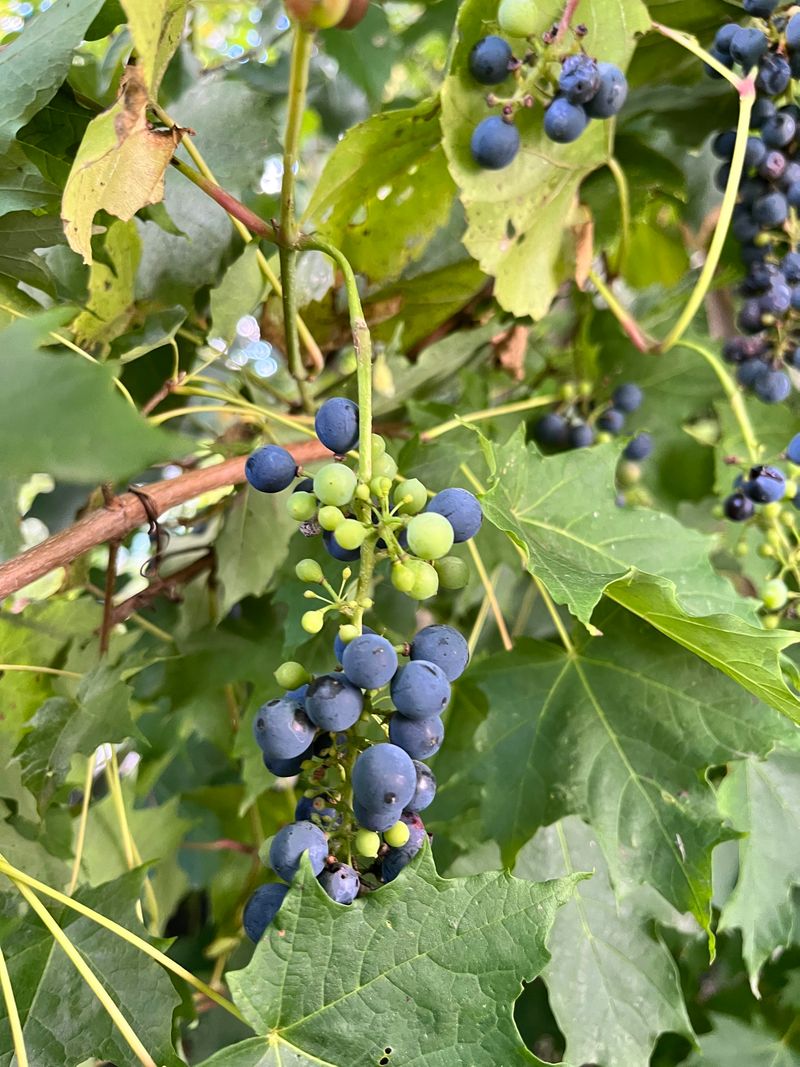
Sour grapes aren’t just a fable. Early in the season, grape juice is loaded with tart acids, mostly tartaric and malic acid, and a July bite makes the whole face react.
As ripening moves forward, two changes happen side by side. Sugar keeps climbing inside the berry, while acid, especially malic acid, slowly drops.
Warm days and nights help the vine use up much of that acid. The result shifts the flavor steadily toward sweetness over several weeks.
Balance is the real goal. A grape can be quite sugary yet still sharp if the acid hasn’t mellowed.
A ripe berry tastes sweet first, with just a gentle tang at the end. Flavor depth matters as much as sweetness.
Ripe fruit develops fuller notes, like honey, berry, or florals, depending on the variety. Muscat types turn perfumed, while Concord grapes develop that classic grape jelly taste.
Skins deserve a taste, too, since they carry plenty of flavor. Unripe skins often feel tough and taste bitter or green, while mature skins soften and add richer flavor.
Hot inland areas can drop acid fast, sometimes too fast. Fruit left too long may taste flat, sweet but dull, while cooler coastal gardens often keep a brighter zing longer.
A small taste at every visit sharpens the senses over time. With practice, the mouth becomes a surprisingly accurate tool alongside the refractometer.
7. Sample Again Over Several Days
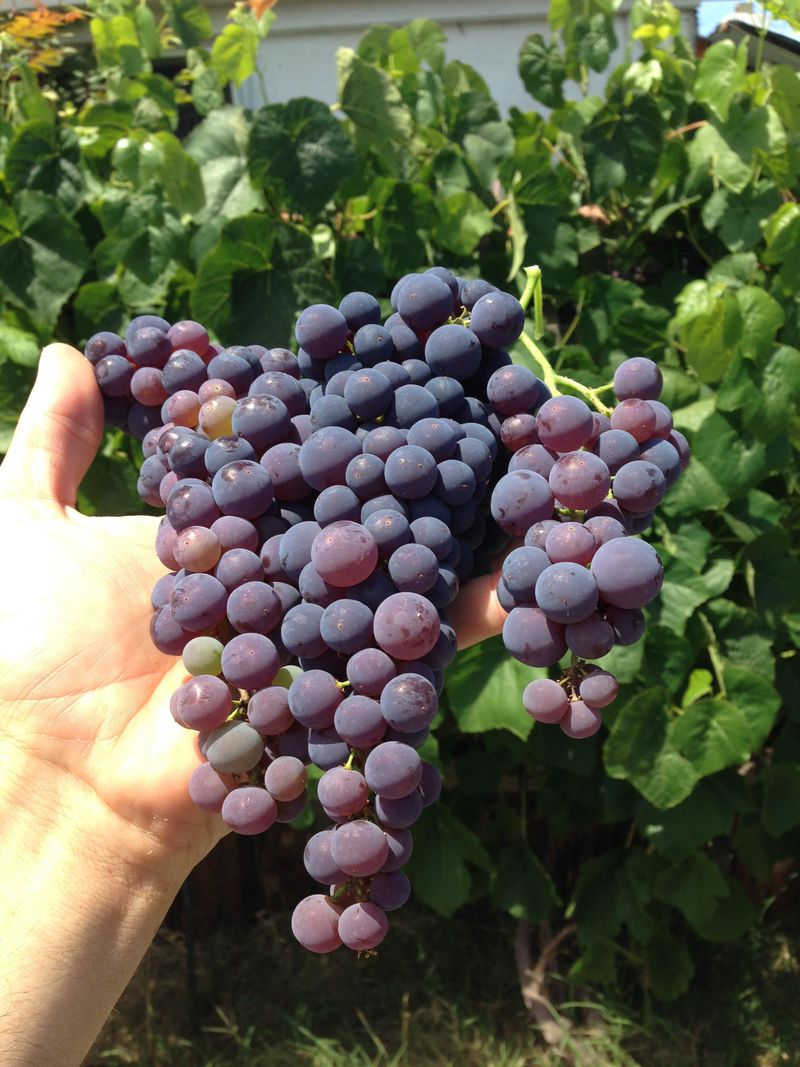
A single snapshot can mislead, while a string of samples shows where the fruit is heading. Vineyard managers rarely pick based on one test, and home growers benefit from the same patience.
Checks can begin once berries soften and color up. Every few days, a fresh mixed sample from many clusters gives an updated view.
Tasting, seed checks, stem feel, and a sugar reading together tell the full story. Each visit adds another piece.
Notes in a notebook or phone keep everything organized. The date, Brix number, seed color, and a quick flavor comment make a useful record.
Patterns appear quickly, showing whether sugar is still rising or starting to level off. Steady climbing means the vine is still working.
When readings stall over several checks, and taste and seeds agree, harvest is near. Rising sugar from shriveling berries tells a different story, since water loss can concentrate sugar without real flavor gains.
Weather can shake up the schedule. A heat wave may speed ripening or stress the vine and stall it.
Rain can swell berries and briefly dilute sugar, causing a reading to drop for a day or two. A little patience usually sorts that out.
Birds keep their own calendar. Finches, mockingbirds, and starlings often find ripe fruit first.
Sudden pecked berries hint that sweetness has arrived, and bird netting can buy a few extra days of safe sampling.
8. Grapes Will Not Ripen After Picking
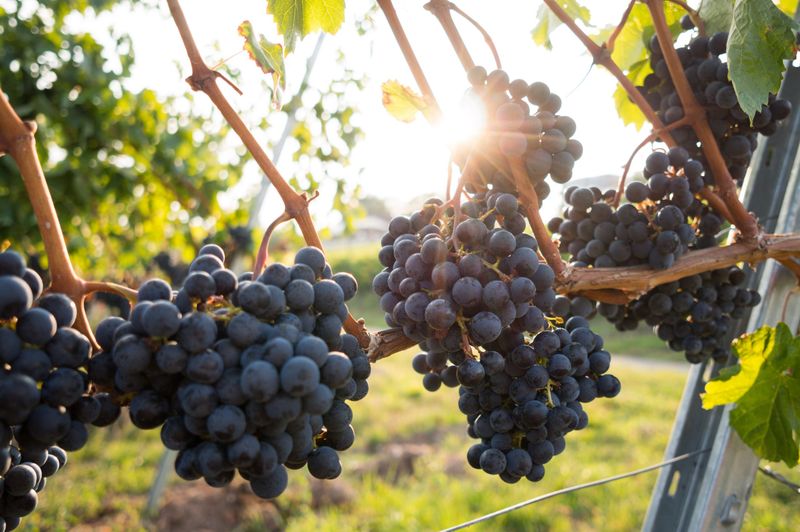
Bananas soften on the counter, and avocados sweeten in a paper bag. Grapes refuse to play that game, and knowing this saves plenty of disappointment.
Grapes are what scientists call nonclimacteric fruit. Once a cluster leaves the vine, its sugar supply is cut off for good.
The berries may soften a bit or lose some moisture. They won’t grow sweeter or develop better flavor, though.
Patience on the vine is the whole secret. Every bit of sugar in the harvest comes from the leaves while the fruit still hangs there.
Healthy leaves, steady watering, and good sun all feed that final push. Leaf damage late in the season can slow sugar buildup noticeably.
Picking early because the color looked right ranks among the most common backyard mistakes. A sour bowl of grapes stays sour no matter how long it sits.
Waiting until taste, seeds, stems, feel, and sugar all agree delivers the best results. Cool morning hours bring the best harvest quality.
Clean shears work better than pulling clusters free. Handling bunches by the stem keeps the dusty bloom on the berries intact.
Table grapes keep best unwashed in the refrigerator, with a rinse just before eating. Cold slows decay and keeps them crisp for a week or more.
Getting the timing right on the vine makes every cluster in the basket worth the wait.